

Introduction : Women Safety in Public Spaces in India
Women’s safety in public spaces has emerged as one of the most pressing social concerns in India. Public spaces—such as streets, markets, parks, public transport, educational institutions, and workplaces—are meant to be open and accessible to everyone. Yet, for millions of women in India, the fear of harassment, assault, and violence restricts their free mobility and full participation in society. The issue of women’s safety is not merely about physical security; it is also about dignity, freedom, and the right to live without fear.
Despite progress in education, employment, and political participation, the persistence of gender-based violence in public spaces reflects deep-rooted patriarchal attitudes and systemic shortcomings. Tackling this challenge requires understanding the scope of the problem, its causes, and the measures that can be taken for sustainable change.

The Current Scenario : Women Safety in Public Spaces in India
India has witnessed significant cases that have sparked nationwide debates on women’s safety. The 2012 Nirbhaya gang rape in Delhi marked a turning point, highlighting the vulnerabilities women face in urban spaces. Since then, awareness has grown, but statistics still reveal disturbing realities:
According to the National Crime Records Bureau (NCRB), thousands of cases of sexual harassment, stalking, molestation, and assault are reported annually, with many more going unreported.
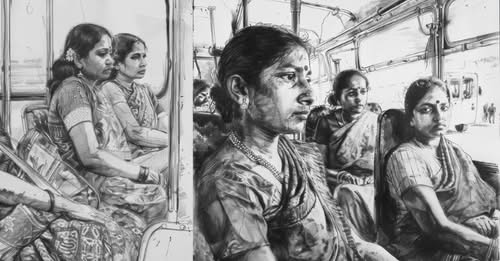
Harassment on public transport, especially buses and trains, remains widespread.
Fear of unsafe environments discourages women from pursuing opportunities that require travel or late working hours.
In smaller towns and rural areas, lack of street lighting, poor policing, and social stigma worsen the situation.
Safety concerns in public spaces thus limit women’s mobility, economic participation, and overall empowerment.
Factors Contributing to Women’s Insecurity
1. Patriarchal Mindset : Women Safety in Public Spaces in India
Deep-rooted gender stereotypes portray women as weak and dependent, making them more vulnerable to harassment. The objectification of women in media and everyday conversations reinforces these attitudes.
2. Inadequate Infrastructure
Poorly lit streets, lack of CCTV surveillance, insufficient public toilets, and unsafe public transport contribute to unsafe conditions.
3. Weak Law Enforcement
Delays in police response, low conviction rates, and victim-blaming attitudes among officials discourage women from reporting crimes.
4. Cultural Stigma
Victims of harassment often face social shame, with families urging silence to “protect honor,” further perpetuating impunity.
5. Underreporting of Cases
Many women avoid lodging complaints due to fear of retaliation, long legal procedures, or lack of trust in authorities.

Initiatives for Women’s Safety
The Indian government has launched several policies and schemes to improve women’s safety in public spaces:
1. Nirbhaya Fund (2013)
Established after the Delhi gang rape, it finances projects for women’s safety, such as CCTV surveillance, panic buttons in buses, and emergency response systems.
2. One Stop Centre (OSCs)
These provide integrated support services like police assistance, medical aid, and legal counseling to women facing violence.
3. Women Help lines (181)
A nationwide 24/7 helpline for women in distress ensures quick access to emergency support.
4. Safe City Projects
Cities like Delhi, Mumbai, Hyderabad, and Bengaluru are implementing projects with better surveillance, police patrolling, and gender-sensitive urban planning.
5. Public Transport Safety Measures
Mandatory panic buttons, GPS-enabled tracking systems, and reserved compartments for women are being introduced in public transport.

Role of Civil Society and NGOs
Beyond government initiatives, civil society and NGOs play a crucial role in addressing women’s safety:
• Awareness Campaigns: Campaigns like “#MeToo” and “Pinjra Tod” have challenged silence around harassment.
• Community Engagement: NGOs conduct gender-sensitization workshops in schools, colleges, and workplaces.
• Safety Apps: Platforms like Safetipin and Himmat provide women with tools to report unsafe locations and seek emergency help.
• Legal Aid: Organizations provide free legal counseling and support to survivors of violence.
Urban Planning and Infrastructure for Safety
Women’s safety is directly linked to how cities and towns are designed. Gender-sensitive urban planning can make a significant difference:
1. Well-lit Streets: Adequate street lighting reduces chances of harassment at night.
2. CCTV Surveillance: High-traffic areas, bus stands, and metro stations should have functional cameras.
3. Safe Public Transport: Regular patrolling, women-only spaces, and training for drivers and conductors can make transit safer.
4. Public Toilets and Amenities: Safe and accessible toilets for women reduce vulnerability in public spaces.
5. Inclusive Design: Spaces should be designed keeping in mind accessibility for women, children, and differently-able individuals.
Importance of Education and Awareness
Laws and infrastructure alone cannot solve the issue without cultural transformation. Education plays a vital role in changing mindsets:
• Gender Sensitization in Schools: Early education about respect, equality, and consent can reduce misogyny.
• Workplace Training: Mandatory training sessions on sexual harassment and safety policies strengthen accountability.
• Public Campaigns: Media and community leaders can spread awareness on women’s rights and safety practices.
• Engaging Men and Boys: Involving men in conversations about gender equality ensures shared responsibility.

Technology and Women’s Safety
Digital solutions are increasingly being adopted to enhance safety:
• Mobile Apps: Apps with SOS features allow quick sharing of location during emergencies.
• GPS Tracking: Public transport vehicles equipped with GPS enable real-time monitoring.
• Data Mapping: Apps like Safetipin map unsafe areas and provide safety scores based on lighting, visibility, and crowd presence.
• Social Media: Acts as a powerful platform for women to voice experiences and mobilize support.
Challenges in Ensuring Safety
Despite multiple initiatives, challenges persist:
• Implementation Gaps: Many policies remain ineffective due to poor execution.
• Judicial Delays: Court cases take years, discouraging victims from pursuing justice.
• Cultural Resistance: Deep-rooted patriarchal norms hinder acceptance of gender equality.
• Resource Constraints: Many smaller towns lack funds for safety infrastructure.
• Cyber Harassment: Increasing online harassment adds another layer of insecurity for women.
Way Forward
Ensuring women’s safety in public spaces requires a multi-dimensional approach:
1. Strengthening Law Enforcement: Faster trials, stricter punishments, and gender-sensitive policing.
2. Infrastructure Development: Focus on safe urban planning with adequate lighting, transport security, and surveillance.
3. Cultural Change: Promoting respect for women through education, media representation, and community action.
4. Partnerships: Collaboration between government, NGOs, private companies, and citizens to create safer spaces.
5. Women’s Participation: Involving women in decision-making for city planning, policy formulation, and safety audits.
6. Use of Technology: Expansion of mobile apps, help lines, and data-driven safety solutions.

Conclusion
Women’s safety in public spaces in India is not just a women’s issue; it is a matter of national progress, democracy, and human rights. A society cannot prosper if half its population lives in fear and cannot access opportunities equally. Safety is the foundation of empowerment, enabling women to study, work, travel, and participate freely in public life.
The path ahead requires a blend of strong laws, efficient policing, safe infrastructure, widespread awareness, and cultural transformation. By creating inclusive, secure, and respectful environments, India can move closer to becoming a society where women walk freely without fear—where public spaces truly belong to everyone.
