
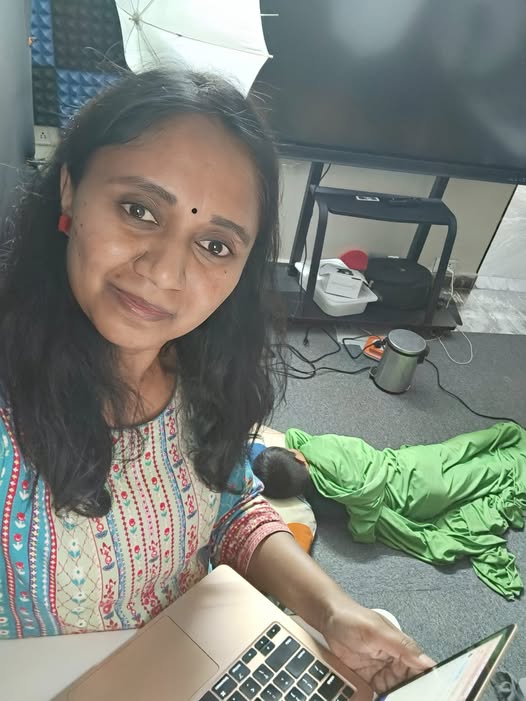
Work-Life Balance for Single Moms in India

Maintaining work-life balance for single mother in India is not easy. Single moms in India face unique challenges when juggling professional responsibilities and family life. This guide helps Indian single mothers find practical strategies to balance work demands while raising children alone. We’ll explore how to build a reliable support network, implement effective time management techniques, and prioritize essential self-care—all within the Indian cultural context.
Understanding the Unique Challenges
A. Societal expectations of Indian mothers
Being a mom in India comes with a truckload of expectations. Now imagine doing it all alone. Society often views motherhood as the ultimate fulfillment for women, with the assumption that everything else should take a backseat.
Single moms? They’re fighting an uphill battle. They’re expected to be perfect mothers, maintain spotless homes, prepare traditional meals, and participate in family functions – all while being the sole breadwinner.
The weight gets heavier when relatives constantly question your parenting decisions or neighbors give those side-glances when you come home late from work. The unspoken judgment is exhausting.
And heaven forbid if you start dating again! The whispers turn into roars. You’re suddenly “neglecting your child” or “setting a bad example.”
B. Cultural pressures and stereotypes
Indian culture glorifies sacrifice, especially maternal sacrifice. Single moms are often caught between contradictory stereotypes:
- Too career-focused? You’re neglecting your kids.
- Taking time for self-care? You’re selfish.
- Strict with your children? You’re compensating for their father’s absence.
- Lenient with them? You’re spoiling them because of guilt.
Many single mothers face social isolation at community gatherings. Thttps://heloa.app/en-in/blog/parents/daily-life/work-life-balance#:~:text=Work%20life%20balance%20takes%20different,adapt%20to%20children’s%20varied%20routines.he traditional family unit is still celebrated, making solo parents feel like outliers.
C. Economic realities for single mothers
The numbers don’t lie – raising a child in India as a single parent is financially brutal. With the gender pay gap still alive and kicking, women typically earn 19% less than male counterparts for the same work.
Childcare costs eat up a massive chunk of income. Unlike joint families where grandparents often help, many single moms pay for:
- Daycare or nannies
- After-school programs
- Summer camps during work hours
Housing discrimination is real too. Landlords are hesitant to rent to single women with children, often charging premium rates or demanding higher security deposits.
D. Emotional burdens and mental health impacts
The mental load is crushing. Single moms aren’t just doing double duty – they’re carrying the invisible weight of all decisions, big and small.
Every night brings questions: “Am I doing enough? Am I too much? Will my child be okay?”
The constant context-switching between professional mode and mom mode leaves little room for processing emotions. Many single mothers report:
- Chronic anxiety about the future
- Guilt about working long hours
- Exhaustion from never having downtime
- Loneliness in decision-making
With limited support systems, these women rarely have safe spaces to vent or process their feelings. The Indian concept of “log kya kahenge” (what will people say) prevents many from seeking therapy or counseling.
The pressure to appear strong and capable often leads to internalized stress, manifesting as health issues like hypertension, insomnia, and compromised immunity.
Building a Support System
Finding reliable childcare options
No single mom in India can do it all alone. Trust me. Finding reliable childcare might feel impossible, but it’s your foundation for sanity.
Start with traditional options—daycares are expanding in metros like Mumbai and Bangalore, with some offering flexible hours for working parents. Many apartments now have creches too.
For personalized care, consider verified nannies through agencies like Kiducate or BookMyBai, which conduct background checks. Just don’t skip the reference calls!
Want budget options? Partner with other single moms for childcare swaps. I’ve seen this work brilliantly—you watch their kids on Saturday while they take yours on Sunday. Everyone gets a break!
Creating a community of allies
You need people who get it. Not just anyone—people who understand your daily juggle.
Build your tribe intentionally. Include:
- Fellow single moms (they’re your gold)
- Colleagues who respect your boundaries
- Neighbors who can help in emergencies
- Friends who don’t judge when you cancel last minute
The magic happens when you’re specific about what you need. Instead of “Can you help sometime?” try “Could you pick up Ria from school next Tuesday?” People respond better to concrete requests.
Leveraging family support without overreliance
Indian family dynamics can be complicated for single moms. Your parents or in-laws might be your biggest supporters or your biggest critics.
Set boundaries early. Be clear about parenting decisions that are non-negotiable for you. When accepting help, distinguish between “advice” and “assistance.”
Many single moms create scheduled family time—maybe Sunday lunches with grandparents or monthly visits—creating predictability without surrendering your independence.
Remember: accepting help isn’t failure. It’s smart parenting.
Online support groups and resources for Indian single mothers
The digital world has been a game-changer for Indian single moms. Facebook groups like “Single Mothers India” and “AASRA for Single Parents” offer judgment-free zones where you can ask anything from legal advice to managing school PTMs alone.
Apps like Parentune and TinyStep connect you with other local moms, while websites like SingleParents.in provide resources specifically for Indian contexts.
Don’t underestimate WhatsApp groups either. They’re where the real-time help happens—from homework assistance to emergency childcare swaps.
Professional networking for single moms
Your career needs nurturing alongside your child. Professional networking as a single mom requires strategy.
Look for family-friendly networking events where kids are welcome, or online forums that don’t require evening commitments. Organizations like SHEROES specifically support working mothers with flexible opportunities.
Be unapologetically authentic about your situation. Many successful women will go out of their way to mentor single moms if they understand your circumstances.
The best professional connections often come from unexpected places—your child’s school parent groups, neighborhood associations, or even your apartment complex.
Practical Time Management Strategies

Prioritizing tasks effectively
As a single mom in India, your time is stretched thin. The secret? Not all tasks deserve equal attention.
Start by sorting your to-dos into four categories:
- Urgent and important (deadline-driven work tasks, sick child)
- Important but not urgent (exercise, quality time with kids)
- Urgent but not important (certain emails, some phone calls)
- Neither urgent nor important (social media scrolling)
Focus on the first two categories. The urgent-important tasks need immediate attention, while the important-not-urgent ones prevent future crises.
Try this: Each night, list your top three must-dos for tomorrow. Just three. This keeps you focused when chaos hits.
Creating realistic daily routines
The key word here is “realistic.” Perfect routines don’t exist for single moms.
Instead, create rhythm in your day with these anchors:
- Morning ritual (even if it’s just 15 minutes before kids wake up)
- Transition routines (like a song you play on the drive home to shift from work mode to mom mode)
- Evening wind-down (consistent bedtimes help everyone)
Build in buffer time—things take longer than expected when kids are involved!
Remember: your routine won’t look like that Instagram mom with hired help. That’s okay.
Implementing time-saving household hacks
Smart shortcuts aren’t lazy—they’re necessary.
Kitchen savers:
- Weekend meal prep (cut vegetables, make curry bases)
- One-pot meals that create leftovers
- Pressure cooker and slow cooker magic
Cleaning shortcuts:
- The “touch it once” rule: deal with items immediately
- 15-minute power cleanups with timers
- Designated baskets for each family member’s belongings
Delegate what you can afford—whether it’s weekly cleaning help or a subscription laundry service. Many working Indian moms feel guilty about outsourcing, but your time is valuable too.
Teaching children age-appropriate independence
Indian culture often emphasizes doing things for our children, but independence benefits everyone.
Age-appropriate tasks kids can handle:
- 3-5 years: putting away toys, helping set table
- 6-8 years: making simple snacks, folding clothes
- 9-12 years: preparing basic meals, helping younger siblings
Create simple systems like color-coded baskets or picture charts for younger children. For older kids, chore apps with rewards can work wonders.
The initial training takes time, but the payoff is huge. When your 8-year-old can make his own breakfast while you prepare for work, everybody wins.
Financial Independence and Security
A. Navigating career advancement as a single parent
Climbing the career ladder is tough enough – now try doing it while handling school emergencies, sick days, and parent-teacher meetings solo. The struggle is real.
Many single moms in India find themselves turning down promotions that require travel or longer hours. But your career doesn’t have to stall because you’re parenting alone.
Try these practical approaches:
- Be upfront with employers about your situation without apologizing
- Build a reliable backup childcare network for emergencies
- Connect with other working mothers in your company
- Look for companies with progressive family policies
- Document your achievements regularly for performance reviews
One Mumbai-based IT professional shared: “I stopped hiding my mom status in interviews. When I started being honest about my needs, I found employers who valued my skills enough to be flexible.”
B. Government schemes and financial assistance
The Indian government offers several programs that single mothers often overlook:
Direct financial support schemes:
- Prime Minister’s Matru Vandana Yojana: Provides ₹5,000 for first child
- Widow Pension Scheme: Monthly stipend for widowed mothers
- National Creche Scheme: Subsidized childcare services
Education assistance:
- Beti Bachao Beti Padhao: Scholarships for girl children
- Mid-Day Meal Scheme: Free school meals
Most single moms don’t tap into these resources because the application process seems overwhelming. Start by visiting your local municipal office where a welfare officer can guide you through eligibility requirements.
C. Side hustles and flexible income opportunities
The digital economy has opened doors for supplementary income that works around your parenting schedule:
Online freelancing roles that pay well:
- Content writing (₹500-2000 per article)
- Virtual assistance (₹250-500 per hour)
- Online tutoring (₹300-800 per session)
- Social media management (₹5000-15000 monthly per client)
- Transcription services (₹500-1000 per audio hour)
Platforms like Upwork, Fiverr, and even Instagram are connecting single moms with clients worldwide.
Deepa, a single mother from Chennai, shares: “I started taking on graphic design projects after my daughter went to bed. Two years later, my ‘side hustle’ earns more than my day job, with half the stress.”

D. Budgeting techniques for single-income households
Running a household on one income requires strategic money management, not just cutting corners.
The 50-30-20 rule works wonders for many single mothers:
- 50% on necessities (housing, food, utilities)
- 30% on wants (occasional treats, small luxuries)
- 20% toward savings and debt repayment
Digital tools like Walnut app or even simple Google Sheets can track expenses specifically designed for Indian households.
The envelope method also helps many single moms avoid overspending – withdraw cash for different expense categories and place in labeled envelopes for the month.
Remember, budgeting isn’t about depriving yourself. It’s about taking control so you can occasionally splurge without guilt when your child needs new school shoes or you desperately need that salon visit.
E. Planning for long-term financial security
While managing day-to-day expenses feels like enough of a challenge, securing your future doesn’t require massive wealth.
Start small:
- Open a PPF account with just ₹500 monthly
- Get term insurance (aim for coverage 10x your annual income)
- Contribute to the National Pension Scheme
- Consider Sukanya Samriddhi Yojana for daughters
- Build an emergency fund covering 6 months of expenses
Don’t shy away from equity investments. Systematic Investment Plans (SIPs) in mutual funds can start with as little as ₹500 monthly.
Tax planning is equally crucial – claim deductions under Section 80C as a single parent and explore additional benefits available.
The biggest mistake single mothers make? Prioritizing children’s education funds over retirement savings. Remember: your child can get educational loans, but nobody offers retirement loans.
Self-Care Isn’t Selfish
A. Micro-moments of self-care in busy schedules
As a single mom, your day probably feels like a non-stop marathon. But here’s the truth—you can’t pour from an empty cup.
Finding tiny pockets of time for yourself isn’t luxury, it’s survival. Morning chai alone before the kids wake up? That’s self-care. A five-minute breathing break in your office bathroom? Self-care too.
Try these micro-moments that actually work for busy Indian moms:
- 10-minute oil massage for your hair while watching your favorite show
- Making your favorite chai and drinking it hot (for once!)
- Applying a face pack while helping with homework
- 5-minute meditation during your commute
- Reading just one page of a book before bed
The magic happens when these moments become non-negotiable parts of your routine.
B. Setting healthy boundaries
Boundaries aren’t selfish—they’re necessary, especially in Indian families where “no” can feel like a foreign language.
Start small. Maybe it’s telling your parents you can’t visit every weekend. Or informing your boss you won’t check emails after 8 PM. Or letting neighbors know you’re unavailable on Sunday mornings.
For many Indian single moms, boundaries get trampled because “log kya kahenge” (what will people say). But remember—those who respect your boundaries respect you.
Create a simple boundary script: “I appreciate you thinking of me, but I’m unable to commit to that right now.” Practice saying it until it feels natural.
C. Managing guilt and societal judgment
The guilt hits different for Indian single mothers. Society’s expectations pile on top of your own impossibly high standards.
That voice in your head saying “a good mom wouldn’t take time for herself”? It’s wrong. A thriving mom absolutely needs time for herself.
When relatives or colleagues make those subtle (or not-so-subtle) comments about your parenting, have ready responses:
- “My child is happy and healthy, that’s what matters.”
- “I’m doing what works best for our family.”
- “Thank you for your concern, but we’re doing fine.”
Remember that your worth isn’t measured by others’ opinions or impossible standards.
D. Mindfulness practices adapted to Indian lifestyle
Mindfulness doesn’t require expensive retreats or hour-long meditation sessions. In India, we can draw from our rich traditions:
Kitchen mindfulness: Turn cooking into meditation by fully focusing on the aromas, textures and processes.
Puja moments: Even if you’re not religious, the act of lighting a lamp or sitting quietly for two minutes creates mental space.
Walking mindfulness: During your commute or while walking to pick up your child, notice five things you can see, four you can touch, three you can hear, two you can smell, and one you can taste.
Temple visits: If temple is part of your routine, use that peaceful environment for mindfulness rather than rushing through rituals.
These practices connect you to the present moment, providing much-needed mental rest in your busy life.
Parenting Effectively While Solo

Quality over quantity time with children
Being a single mom in India means making every moment with your kids count. The truth? Ten focused minutes trump two distracted hours every time.
I’ve learned this firsthand. When I come home from work, I put my phone away and give my daughter my complete attention. We talk about her day while preparing dinner together. No multitasking, no checking emails—just us.
Try creating “connection pockets” throughout your day:
- Morning cuddles before the rush begins
- A proper goodbye with eye contact before school
- A dedicated 15-minute chat before bedtime
These small moments build stronger bonds than an entire distracted weekend.
Addressing children’s emotional needs
Children of single moms often carry complex feelings. They might worry about you, miss another parent, or feel different from their peers.
Create a judgment-free zone where they can express themselves. Simple phrases like “That sounds hard” or “I’m listening” work wonders when they open up.
My son once asked why other kids have two parents at school events. Instead of changing the subject, I acknowledged his feelings: “Sometimes that might feel unfair. But families come in different shapes, and ours is perfect in its own way.”
Creating meaningful family traditions
Traditions create stability and belonging—something single-parent families especially need.
You don’t need elaborate plans. Our “Friday Floor Picnic” involves dinner on a blanket watching a movie. It costs nothing but has become sacred to us.
Other simple traditions that work:
- Sunday morning pancakes with creative toppings
- Monthly “adventure days” exploring a new part of your city
- Creating holiday rituals unique to your family
These consistent touchpoints become anchors your children will remember forever.
Navigating school-related responsibilities efficiently
School commitments can overwhelm any parent, especially single moms juggling everything alone.
First, communicate your situation to teachers early in the year. Most schools understand and can accommodate.
Create systems that work for your family:
- A dedicated homework spot with all supplies ready
- A large wall calendar where everyone can see upcoming events
- A morning checklist your children can follow independently
I keep a “school paperwork” folder and handle forms once weekly rather than daily. And I’ve learned to say no to volunteer requests that don’t fit my schedule.
Remember: your presence matters more than perfection. Your children will remember your support, not whether you handmade costumes for the school play.
The journey of a single mom in India is filled with unique challenges, but achieving work-life balance is possible with intentional strategies. Building a strong support network, implementing effective time management techniques, and prioritizing financial independence form the foundation for success. Remember that self-care isn’t selfish—it’s essential for maintaining the energy needed to fulfill multiple roles.
As you navigate parenting solo, know that you’re not alone. Millions of single mothers are creating fulfilling lives for themselves and their children despite societal pressures. Take one small step today toward better balance, whether it’s scheduling a self-care moment, organizing your finances, or reaching out to build your support network. Your well-being matters not just for you, but for the family that depends on your strength and resilience.
