
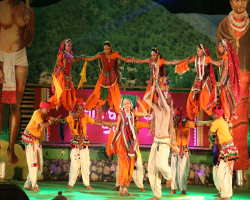
Exploration of the Yerukula Tribe
Across the scrublands, agrarian plains, and semi-urban peripheries of southern India lives Yerukulas tribe community whose identity is bound to intuitive knowledge, resilient artisanal crafts, and wandering trade routes. Known officially as the Yerukulas (or Yerukala) and calling themselves Kurru, this Scheduled Tribe predominantly inhabits Andhra Pradesh and Telangana, with kindred populations extending into border tracts of Tamil Nadu and Karnataka.
Thank you for reading this post, don't forget to subscribe!
The name “Yerukula” carries deep cultural weight. Derived from the Telugu word yeruka (meaning foresight, knowledge, or prophecy), it points directly to the ancestral gift of the community’s women: the revered tradition of fortune-telling (yeruka chepputa or sodi).Beyond divination, the Yerukulas are master basket-weavers, ropemakers, swineherds, and traders whose mobile history once connected rural agricultural economies across the Deccan plateau.
Yerukula tribe story is also one of profound historical injustice. Categorized by the British colonial administration under the draconian Criminal Tribes Act of 1871, the Yerukulas were systematically dispossessed, interned in punitive settlements, and saddled with intergenerational social stigma. Today, as modern industrial products replace their handmade crafts and urban sprawl erodes traditional safety nets, the Yerukulas stand at a critical crossroads.
Historical Origins and Identity: The Children of Yeruka Tribe
The Yerukula belong to the ancient Dravidian cultural continuum of the Deccan plateau. In oral histories and colonial ethnographies—most notably the documentation compiled by Edgar Thurston in Castes and Tribes of Southern India—the Yerukulas are identified as close relatives of the Koravas of Tamil Nadu and the Korachas of Karnataka. While administrative registries identify them as Yerukala or Yerukula, members refer to themselves as Kurru (or Kurruva), reflecting an indigenous self-definition that predates colonial and regional caste registries.
The Yerukula community traces their lineage through mythological narratives that connect their nomadic wandering to ancient epics.
According to local folklore, during the exile of the Pandavas in the Mahabharata, their ancestors served as secret messengers and informants between hidden camps, mastering the landscape and decoding regional dialects.
Another widely shared lore connects their divination tradition to Goddess Parvati, who is said to have disguised herself as a nomadic fortune-teller (Yeruka-sani) to test Lord Shiva’s perception.
The transition from free-roaming nomadic pastoralists and overland traders to settled and semi-settled communities began during the late 19th and early 20th centuries, when colonial infrastructure disrupted indigenous trade routes.
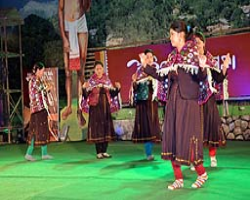
Linguistic Identity: Kurru Bhasha of Yerukula Tribe
A primary marker of the tribe’s cultural distinction is their ancestral language, known colloquially as Yerukula Bhasha, Kurru Bhasha, or Kulavatha.
- Linguistic Lineage:Kurru Bhasha is a south-central Dravidian dialect with substantial structural roots shared with archaic Tamil, Kannada, and Telugu.
- Multilingual Blend: Centuries of wandering between regional kingdoms created an adaptable, hybridized linguistic repertoire. While the grammatical foundation and basic vocabulary echo proto-Tamil and Kannada syntax, loanwords from Telugu dominate their day-to-day conversation in modern Andhra Pradesh and Telangana.
- Argot and Private Idiom: Historically, the community utilized an elaborate vocabulary of coded terms and specialized phrases during travels and marketplace transactions. This served as a cohesive cultural defense, protecting intra-community business dealings and safeguarding their families from hostile outsiders.
- Language Endangerment: Today, Kurru Bhasha faces serious generational attrition. With children educated exclusively in Telugu or English, the ancestral tongue is increasingly confined to domestic exchanges among elders in rural hamlets (palems).
Social Organization, Phratries, and Clan Structure
Yerukula Tribe is structured by patrilineal descent, patrilocal residence, and an exogamous clan organisation.The entire tribe is split into four primary exogamous divisions or phratries, known in their vernacular as gotrams or kulas.
Sathupadi (or Sathpadi): Derived from the ritual ornamentation and ceremonial adornment of deities. Lineages in this clan carry specific ceremonial roles during temple celebrations and community festivals.
- Kavadi: Named after the balance pole (kavadi) used to carry loads and offerings on the shoulders. Members of the Kavadi phratry traditionally bore ritual responsibilities associated with pilgrimage offerings and resource transport.
- Manupati (or Manpadi): A revered clan lineage historically associated with arbitration, community council participation, and medicinal knowledge.
- Mendraguthi (or Mendragutti): Associated with ancestral craftsmanship, cordage, and protective charms.
The first two phratries—Sathupadi and Kavadi—have traditionally held social prominence in marriage negotiations, often exchanging brides in reciprocal cross-cousin unions (menarikam).
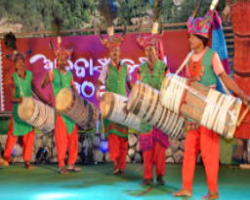
Lineages and Family Life
Each phratry contains numerous intiperlu (exogamous family surnames), including Kumbha, Mogili, Katta, Devara, Meda, and Sreerama. Marrying within the same phratry or surname is strictly forbidden.
The typical family is nuclear, although strong emotional and economic loyalties connect extended kin groups residing in close clusters. While the social structure is patriarchal, women maintain considerable economic autonomy due to their contributions through fortune-telling and artisanal basket sales.
Occupational Stratification: Sub-Tribes of the Yerukula Tribe
The Yerukulas developed functional, endogamous subdivisions defined by their primary trade and raw materials. This occupational diversification allowed different bands of the tribe to avoid direct competition over resources.
| Sub-Group | Primary Material / Trade | Traditional Role & Economic Niche |
| Dabba Yerukala | Bamboo (Dabba) | Split-bamboo basket makers ; manufacture grain bins, fruit crates, and winnowing fans. |
| Yeethapullala Yerukala | Wild Date Palm Leaves (Yeetha) | Weave mats, domestic brooms, and small grain containers using flexible date palm twigs. |
| Uppu Yerukala | Salt (Uppu) | Pack-bullock merchants who transported marine salt from coastal flats to inland villages. |
| Kunchapuri Yerukala | Long Grasses / Reeds | Fabricate weaver’s reed-brushes (kuncha) essential for traditional handloom weavers. |
| Karivepaku Yerukala | Forest Herbs & Curry Leaves | Foragers and hawkers of medicinal leaves, curry leaves, and culinary herbs in rural markets. |
| Parikamuggula Yerukala | Divination & Pigments | Itinerant artists, soothsayers, and ritual pattern drawers who read horoscopes and foretell domestic events. |
These sub-groups demonstrate how indigenous communities integrated with local ecosystems, relying on sustainable harvesting of forest resources without causing ecological degradation.
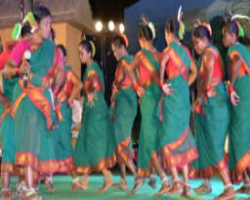
Cultural Traditions, Customs, and Religious Life of Yerukulas Tribes
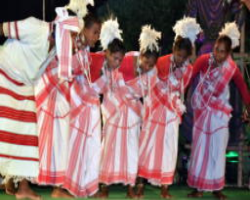
The cultural tapestry of the Yerukulas blends folk Hinduism, localized animism, and ancestral spirit veneration.
The Art of Yeruka Chepputa (Sodi)
The most visible cultural expression of the tribe is fortune-telling, practiced by the Yerukalasani (Yerukula woman). Dressed in traditional cotton sarees with a distinct weave, wearing brass ornaments, bead necklaces, and carrying a woven basket (kampa) balanced on the hip, the fortune-teller walks through village lanes chanting rhythmic invitations: “Yeruko… Amma, Yeruka!” (Knowledge, Mother, receive the knowledge!).
The reading uses a winnowing tray filled with uncooked rice grains. The client places a coin on the grains, and the Yerukalasani takes the client’s hand, rhythmically shifting the rice while chanting invocations to village guardian deities such as Kollapuramma, Poleramma, and Ankamma. Her rhythmic poetry touches upon domestic conflicts, illnesses, missing cattle, and marriage prospects, combining intuitive psychology, observational skill, and oral verse.
Pantheon and Deities
The Yerukula worldview populates nature with benevolent protectors and unpredictable spirits:
- Village Goddesses (Grama Devatalu): Yerukula tribe venerate protective mother deities including Poleramma (goddess of boundaries and epidemics), Ankamma, Sunkulamma, and Ellamma. Animal sacrifices—historically sheep, goats, or fowls—are offered during annual jataras (village festivals) to maintain cosmic equilibrium and ward off calamity.
- Pan-Indian Deities: They also worship Lord Venkateswara of Tirupati, Narasimha Swamy, and Rama. Many families make recurring pilgrimages to Tirumala to offer head-tonsuring ceremonies for newborns.
- Ancestral Spirits (Peddalu): Deceased ancestors are revered as active household guardians. Neglecting their annual remembrance rites (Peddula Panduga) is believed to invite domestic illness, crop failure, or livestock distress.
Customary Governance: The Kula Panchayat
Internal social discipline, matrimonial disputes, and resource allocations are traditionally managed by the Kula Panchayat (caste council).
Leadership: The council is led by respected village elders, often designated as Berumanishi or Pedda Manishi, selected for their knowledge of customary oral law, genealogical lineages, and mediation skills.
- Dispute Resolution: Cases involving marital infidelity, boundary disagreements, property partitions, or contract breaches are brought before the council in open village spaces.
- Restitution over Incarceration: Unlike formal criminal justice systems, the Kula Panchayat historically prioritized community reconciliation. Sanctions often involved compensatory fines (thappu) distributed among aggrieved parties or directed toward communal feasts, reinforcing solidarity rather than exclusion.
The Shadow of Colonial Legislation: Criminal Tribes Act and Internment
The Colonial Mechanics of Subjugation
- Disruption of Nomadic Commerce: The rapid expansion of British railways in the 19th century disrupted the pack-bullock trade of the Uppu Yerukulas, while forest enclosures cut off the raw cane and date palm supplies of nomadic basket-weavers. Displaced and stripped of customary livelihoods, many families were pushed into petty foraging and localized property offenses.
- Collective Criminalization: Operating on pseudoscientific notions of hereditary traits, the colonial regime declared the entire Yerukula community a “criminal tribe” by notification under the CTA. Every adult male was forced to register with local police stations, undergo fingerprinting, and report for daily roll calls. Traveling outside the village required police passes.
- Settlement Internment Camps: Beginning around 1911–1913, the Madras Government partnered with Christian organizations, predominantly the Salvation Army, to create agricultural and industrial penal settlements. Notorious settlements such as Stuartpuram (Guntur district), Sitanagaram (Guntur), and Kavali (Nellore) functioned as open-air correction camps. Yerukula families were forcibly interned, subjected to moral indoctrination, forced labor, and strict round-the-clock surveillance.
Denotification and Lingering Stigma
Following Indian independence, the Indian Parliament repealed the Criminal Tribes Act in 1952 on the recommendations of the Ayyangar Committee, officially designating the affected groups as Denotified Tribes (DNT) or Vimukta Jatis.
Key Obstacles Faced Today
Despite constitutional safeguards under Articles 15, 46, and 342 of the Indian Constitution, the Yerukula people confront multidimensional vulnerabilities across economic, educational, and human rights indicators.
1. The Collapse of Artisanal Livelihoods
The primary economic pillar of the Yerukula—handcrafted bamboo and date-palm basketry—has been hollowed out by the proliferation of cheap, injection-molded plastic crates, nylon storage tubs, and synthetic brooms.
- Raw Material Depletion: Due to commercial forestry policies and wildlife conservation enclosures, free access to forest bamboo (Dendrocalamus strictus) and wild date palm groves (Phoenix sylvestris) has been severely curtailed. Artisans are forced to buy raw bamboo from middlemen at commercial rates, making the production of handwoven baskets financially precarious.
- Disappearing Demand: Handwoven winnowing fans and cane storage bins have disappeared from modern urban households and automated grain mills.
- Low Incomes:Field surveys indicate that nearly 75% of rural Yerukula households earn under ₹10,000 per month, pushing families toward low-wage, informal agricultural labor and casual construction jobs.
2. Lingering Police Profiling and Structural Bias
The legacy of the Criminal Tribes Act remains active in rural policing practices. Whenever burglaries or thefts occur in towns and villages, local law enforcement frequently conducts sweeps of nearby Yerukula palems (hamlets).
- Routine Interrogations: Community youth are often brought in for questioning without formal First Information Reports (FIRs).
- Judicial Entrapment: Lack of financial capital and legal literacy leaves many families unable to secure bail or afford qualified legal defense, trapping them in prolonged cycles of undertrial detention.

3. Precarious Housing and Landlessness
Unlike hill-dwelling tribal groups who hold customary community land claims (recognized under the Forest Rights Act of 2006), the plains-dwelling Yerukulas are overwhelmingly landless.
- Periphery Settlements: Many families live on the outskirts of villages, on encroached railway verges, canal bunds, or in peri-urban slums without title deeds (pattas).
- Poor Living Conditions:The majority live in makeshift kutcha or semi-pucca dwellings, lacking clean drinking water connections and safe sanitation.Open defecation remains common due to the absence of household toilets, raising health and sanitation risks.
4. Educational Disparities and School Dropouts
Educational attainment remains a major challenge:
- Literacy Deficits:While state literacy rates exceed 67%, educational research indicates Yerukula literacy remains well below the general average, with women experiencing the sharpest disparity.
- Seasonal Migration: Because families frequently move between agricultural seasons to harvest crops, cut sugarcane, or find temporary construction work, their children’s education is repeatedly disrupted.
- Classroom Discrimination: Children often face subtle social exclusion from upper-caste peers and teachers who still carry prejudices about the community’s denotified heritage, leading to elevated dropout rates before students finish primary school.
5. Healthcare Insecurity and Chronic Malnutrition
Physical isolation and poverty compound health vulnerabilities:
- High Disease Burden: Chronic anemia among women and young children is common, aggravated by diets lacking micronutrients.
- Sanitation-Linked Illnesses: Poor drainage and standing water around makeshift settlements contribute to recurring outbreaks of vector-borne and waterborne illnesses.
- Reluctance to Seek Care: Due to negative experiences with unsympathetic civic authorities, many families avoid primary healthcare centers until health crises become life-threatening, relying instead on traditional healers and informal remedies.

Human Development and Pathways Toward Empowerment
A sustainable development agenda for the Yerukulas must pair economic revitalization with legal protections and dignity.
1. Revitalizing the Bamboo Economy: The Design Intervention
Handcrafted bamboo products can find viable commercial avenues in sustainable and eco-conscious markets.
- Access to Raw Materials: State forest departments should provide subsidized bamboo allotments directly to Yerukula artisanal cooperatives, removing reliance on exploitative middlemen.
- Modern Product Design: Partnerships with institutes like the National Institute of Design (NID) and the National Institute of Fashion Technology (NIFT) can help train artisans to manufacture contemporary interior décor, lighting fixtures, bamboo furniture, and lifestyle goods that sell at premium margins in urban design markets.
- E-Commerce and Institutional Purchase: Marketing platforms run by TRIFED (Tribal Cooperative Marketing Development Federation of India) should onboard Yerukula artisans directly, while state hospitality bodies could prioritize their handicrafts for public venues.
2. Targeted Education: Residential Schools and Scholarships
Education remains the most effective engine of social mobility.
- Dedicated Residential Schools: Establishing tribal residential schools (Gurukulams) near high-density Yerukula settlements can help shield children from the educational disruptions of seasonal migration.
- First-Generation Learner Support: Specialized bridge programs and language transition tutoring can help children transition smoothly from Kurru Bhasha to Telugu- and English-medium instruction.
- Targeted Scholarships: Creating dedicated state fellowships for higher education in medicine, engineering, law, and civil services can build an educated professional cadre within the community.
3. Legal Literacy and Police Reform
Addressing the lingering stigma of colonial-era branding requires targeted administrative action.
- Police Sensitization Programs: State police academies should incorporate curriculum modules on the history of Denotified and Nomadic Tribes, explicitly barring the arbitrary profiling of Yerukula settlements during criminal investigations.
- Free Legal Aid Clinics: Partnering with District Legal Services Authorities (DLSA) can ensure community youth have access to qualified pro bono legal counsel, reducing unnecessary undertrial detentions.
- Community-Led Oversight Committees: Setting up joint dispute forums comprising civil society leaders, legal advocates, and traditional Berumanishi elders can resolve minor disputes while monitoring civil rights compliance.
4. Land Titling and Housing Infrastructure
Without secure land tenure, human development indicators will remain depressed.
- Homestead Rights: State governments should launch special drives to regularize inhabited palem lands, granting joint ownership title deeds (pattas) in the names of husbands and wives.
- Comprehensive Housing Schemes: Integrating Yerukula settlements into housing programs like the Pradhan Mantri Awas Yojana (PMAY) ensures families have access to durable homes, clean piped water, electricity, and private sanitation facilities.
The Path Forward: Balancing Heritage with Modern Dignity
The Yerukulas hold a rich cultural heritage: an ancient spoken language that has survived through centuries of migration, sustainable artisanal traditions that transform wild flora into utilitarian goods, and an intuitive oral culture that has observed rural society for generations.
True development does not demand the erasure of this cultural memory. Instead, it requires dismantling the historical inequities, spatial marginalization, and administrative neglect that have constrained the community’s opportunities.
By providing secure land rights, investing in education, upgrading traditional crafts for modern markets, and ensuring genuine legal protection, Indian society can help ensure that the Yerukulas are recognized not through the lens of colonial-era suspicion, but as full and equal partners in modern democracy.
