
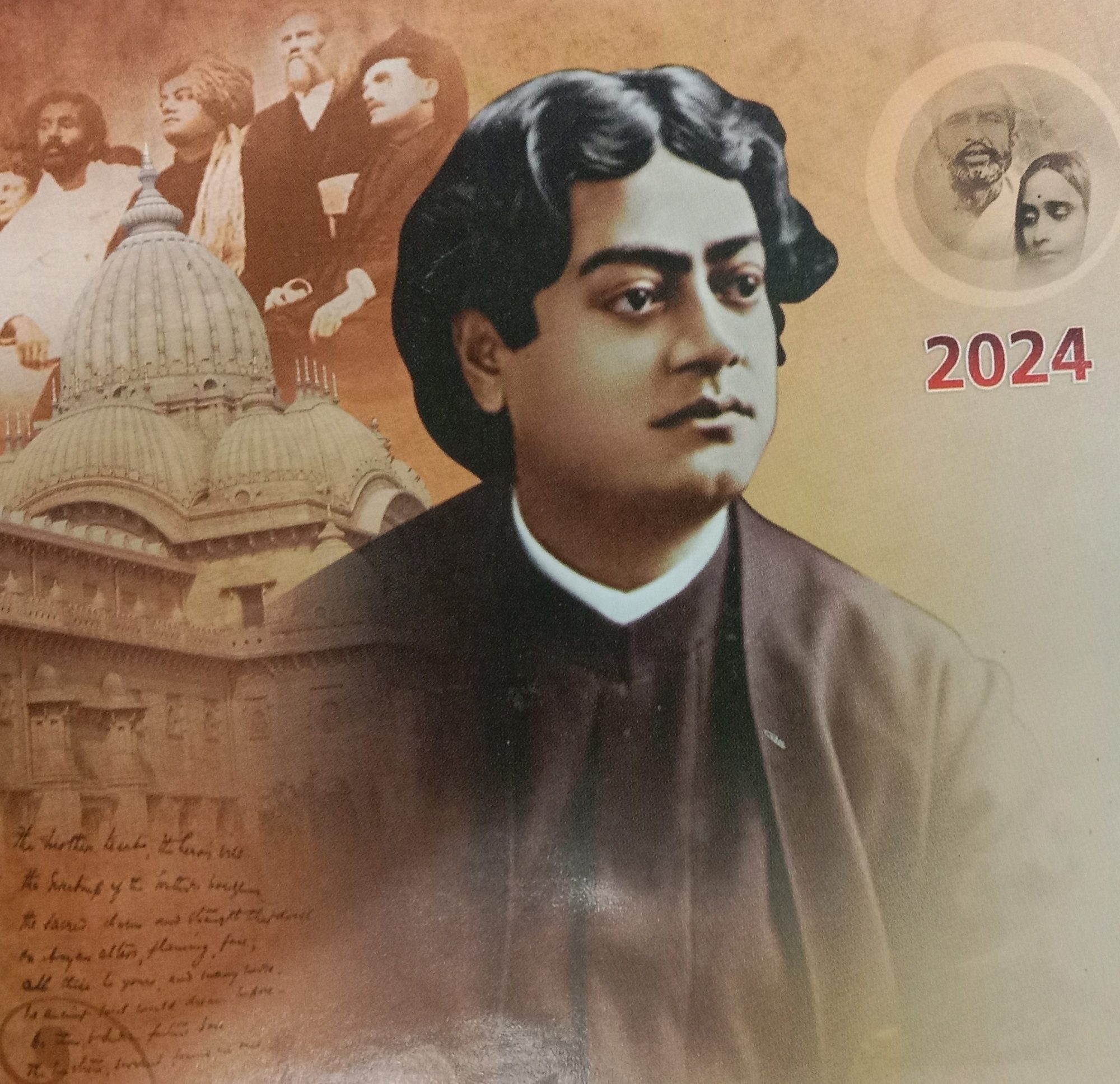
Vivekananda’s Educational Philosophy: Empowering Minds, Shaping Futures
Table of Contents
- Introduction
- Vivekananda’s Vision of Education
- Key Principles of Vivekananda’s Educational Philosophy
- Character Development: The Cornerstone of Education
- Holistic Approach to Learning
- Education for Women and the Masses
- Practical Application of Knowledge
- The Role of Teachers in Vivekananda’s Educational System
- Vivekananda’s Influence on Modern Education
- Conclusion
Introduction
Swami Vivekananda on education, a renowned Indian philosopher and spiritual leader, had a profound impact on the concept of education in India and beyond. His views on education continue to inspire and guide educational practices worldwide. In this blog post, we’ll explore Vivekananda’s thoughts on education and how they remain relevant in today’s rapidly changing world.
Thank you for reading this post, don't forget to subscribe!Vivekananda’s Vision of Education
Vivekananda believed that education was not merely about acquiring information but about the all-round development of an individual. He emphasized that true education should help in manifesting the perfection already present within a person. This perspective on education was revolutionary for its time and continues to be a guiding principle for many educational institutions today.
According to Vivekananda, the primary goal of education should be:
- Character building
- Developing mental strength
- Increasing intellect
- Promoting self-reliance
He famously said, “Education is the manifestation of the perfection already in man.” This statement encapsulates his belief that education should bring out the best in every individual.
Key Principles of Vivekananda’s Educational Philosophy
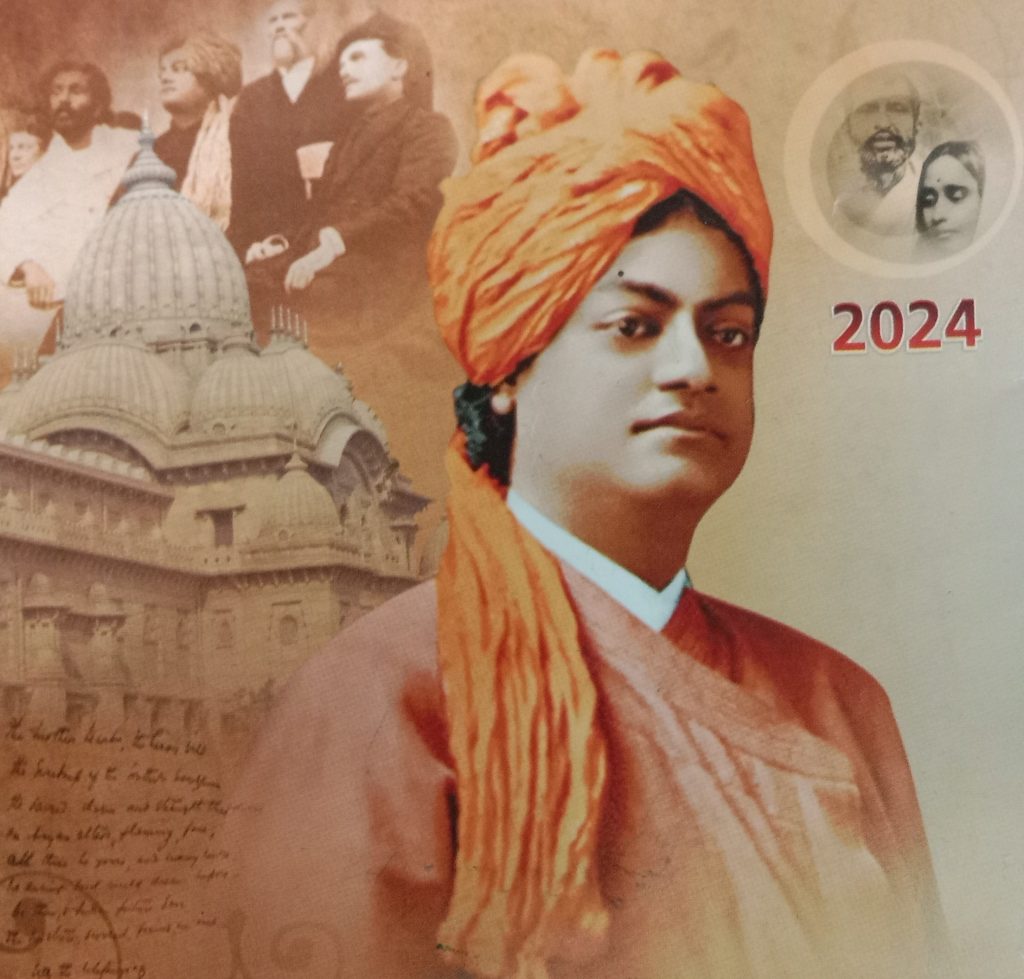
Vivekananda’s approach to education was based on several key principles:
- Man-making education: Vivekananda believed that education should focus on creating well-rounded individuals who are not only knowledgeable but also morally and ethically sound.
- Synthesis of Eastern and Western thought: He advocated for a balance between the spiritual wisdom of the East and the scientific and technological advancements of the West.
- Education for all: Vivekananda strongly believed in making education accessible to all sections of society, regardless of caste, creed, or gender.
- Practical education: He emphasized the importance of practical knowledge and skills alongside theoretical learning.
- Self-discovery: Vivekananda encouraged students to discover their own potential and inner strength through education.
Character Development: The Cornerstone of Education
For Vivekananda on education, character development was the most crucial aspect of education. He believed that without a strong moral foundation, knowledge could be misused or wasted. He emphasized the importance of cultivating virtues such as:
- Honesty
- Integrity
- Compassion
- Self-discipline
- Courage
Vivekananda on education argued that these qualities were essential for personal growth and for creating a harmonious society. He said, “We want that education by which character is formed, strength of mind is increased, the intellect is expanded, and by which one can stand on one’s own feet.”
Holistic Approach to Learning
Vivekananda advocated for a holistic approach to education that addressed the physical, mental, and spiritual aspects of an individual. He believed that true education should:
- Develop physical strength and health
- Enhance mental abilities and critical thinking
- Nurture spiritual growth and self-awareness
This comprehensive approach to learning ensures that students develop into well-rounded individuals capable of facing life’s challenges with confidence and resilience.
Education for Women and the Masses
One of the most progressive aspects of Vivekananda’s educational philosophy was his emphasis on education for women and the underprivileged. He believed that the progress of a nation depended on the education of all its citizens, regardless of their social status or gender.
Vivekananda said, “There cannot be any progress without the uplift of women.” He advocated for equal educational opportunities for women and encouraged them to pursue higher education and contribute to society.
Similarly, he stressed the importance of educating the masses, saying, “The education which does not help the common mass of people to equip themselves for the struggle for life… is it worth the name?”
Practical Application of Knowledge
Vivekananda on education placed great importance on the practical application of knowledge. He believed that education should not be confined to textbooks and classrooms but should prepare students for real-world challenges. He encouraged:
- Hands-on learning experiences
- Vocational training
- Problem-solving skills
- Application of theoretical knowledge to practical situations
This emphasis on practical education aligns with modern educational trends that focus on experiential learning and skill development.
The Role of Teachers in Vivekananda’s Educational System
In Vivekananda’s on education, teachers played a crucial role. He believed that teachers should be:
- Role models of character and integrity
- Facilitators of learning rather than mere instructors
- Inspirational figures who motivate students to realize their potential
Vivekananda on education emphasized the importance of the teacher-student relationship, saying, “The only true teacher is he who can immediately come down to the level of the student, and transfer his soul to the student’s soul and see through the student’s eyes and hear through his ears and understand through his mind.”
Vivekananda’s Influence on Modern Education
Vivekananda on education ideas on education continue to influence educational practices and policies worldwide. Many modern educational concepts align with his philosophy:
- Experiential learning: This approach, which emphasizes hands-on experiences, reflects Vivekananda’s emphasis on practical education.
- Character education: Many schools now incorporate character development programs, echoing Vivekananda’s focus on moral education.
- Inclusive education: The push for equal educational opportunities for all aligns with Vivekananda’s vision of education for the masses.
- Holistic development: Modern educational systems increasingly focus on the overall development of students, mirroring Vivekananda’s holistic approach.
- Lifelong learning: Vivekananda’s idea that education is a continuous process resonates with the modern concept of lifelong learning.
Conclusion
Swami Vivekananda’s thoughts on education remain incredibly relevant in today’s world. His vision of education as a tool for character building, self-discovery, and societal progress continues to inspire educators and policymakers globally. By embracing Vivekananda’s educational philosophy, we can create a more inclusive, holistic, and empowering educational system that prepares individuals not just for careers, but for life itself.
As we reflect on Vivekananda’s educational ideals, it’s clear that they offer valuable insights for addressing many of the challenges facing modern education. By incorporating these principles into our educational practices, we can work towards creating a more enlightened and harmonious society.
What aspects of Vivekananda’s educational philosophy resonate most with you? How do you think we can incorporate these ideas into our current educational systems?
