
Early Life and Education
To start SWAMI VIVEKANANDA BIOGRAPHY, born on January 12, 1863, in Calcutta (now Kolkata), India, Narendranath Datta, who later became known as Swami Vivekananda, was destined for greatness. His father, Vishwanath Datta, was a successful attorney, while his mother, Bhubaneswari Devi, was a devout housewife. From an early age, Narendranath showed exceptional intelligence and a keen interest in spirituality.
Thank you for reading this post, don't forget to subscribe!As a child, Narendranath was fascinated by wandering monks and often meditated before images of Hindu deities. His early education at home instilled in him a love for Indian culture and philosophy. Later, he attended the Metropolitan Institution of Ishwar Chandra Vidyasagar and Presidency College, where he excelled in various subjects, including philosophy, religion, history, and literature.
Narendranath’s inquisitive mind led him to question the existence of God and explore various philosophical schools of thought. He joined the Brahmo Samaj, a reformist Hindu movement, which exposed him to Western ideas and rational thinking.
Spiritual Awakening and Meeting Ramakrishna
In 1881, a significant turning point occurred in Narendranath’s life when he met Sri Ramakrishna Paramahamsa at Dakshineswar Kali Temple. Initially skeptical of Ramakrishna’s spiritual claims, Narendranath was gradually drawn to the saint’s wisdom and unconditional love.
Ramakrishna became Narendranath’s spiritual guide, teaching him the essence of Advaita Vedanta and helping him realize his true spiritual potential. Under Ramakrishna’s guidance, Narendranath experienced profound spiritual transformations and developed a deep understanding of Hindu philosophy.
Monastic Life and Travels
After Ramakrishna’s passing in 1886, Narendranath and his fellow disciples took monastic vows, forming the Ramakrishna Math. It was during this time that Narendranath adopted the name Swami Vivekananda, signifying his new identity as a monk.
Vivekananda embarked on a journey across India, traveling as a wandering monk to understand the condition of his countrymen and spread the message of Vedanta. His travels took him to various parts of the country, exposing him to the diverse cultural and social fabric of India.
The Parliament of World Religions
In 1893, Swami Vivekananda represented Hinduism at the Parliament of World Religions in Chicago, USA. His speech on September 11, 1893, beginning with the words “Sisters and brothers of America,” received a standing ovation and marked the beginning of his global influence.
Vivekananda’s addresses at the Parliament introduced Hindu philosophy to the Western world and emphasized the universal nature of all religions. His charismatic personality and profound wisdom captivated audiences, earning him numerous followers and admirers in the West.
Following the Parliament, Vivekananda spent nearly three years in the United States and Europe, delivering lectures, conducting classes, and establishing Vedanta centers. His teachings on yoga, meditation, and Indian spirituality gained significant popularity in the West.
Teachings and Philosophy
Swami Vivekananda’s philosophy was a unique blend of traditional Hindu thought and modern rationalism. Some key aspects of his teachings include:
- Practical Vedanta: Vivekananda emphasized the practical application of Vedantic principles in daily life, encouraging selfless service to humanity.
- Universal Religion: He promoted the idea of harmony among all religions, stating that different paths lead to the same ultimate truth.
- Self-realization: Vivekananda taught that the ultimate goal of human life is to realize one’s divine nature through spiritual practices and self-discipline.
- Education and Youth Empowerment: He stressed the importance of education, particularly for women and the underprivileged, as a means of national development.
- Nationalism and Social Reform: Vivekananda’s teachings inspired a sense of national pride and motivated Indians to work towards social and economic progress.
Establishing the Ramakrishna Mission
Upon returning to India in 1897, Swami Vivekananda founded the Ramakrishna Mission, an organization dedicated to spiritual and social service. The Mission’s objectives included:
- Promoting the practice of Vedanta and its practical applications
- Providing education and healthcare to the underprivileged
- Conducting relief work during natural calamities
- Promoting interfaith dialogue and harmony
The Ramakrishna Mission continues to carry forward Vivekananda’s vision, with numerous centers across India and around the world engaged in various charitable and spiritual activities.
Later Years and Legacy
Swami Vivekananda left his mortal body on July 4, 1902, at the young age of 39. However, his impact on Indian society and global spirituality has been immense and enduring. Some of his lasting contributions include:
- Revitalization of Hinduism: Vivekananda’s interpretation of Hindu philosophy made it more accessible and relevant to modern times.
- Bridging East and West: His work played a crucial role in fostering understanding between Eastern and Western cultures.
- Inspiration for Indian Independence: Vivekananda’s teachings inspired many leaders of the Indian independence movement, including Mahatma Gandhi and Subhas Chandra Bose.
- Promotion of Yoga and Meditation: His efforts significantly contributed to the global popularity of yoga and meditation practices.
- Social Reform: Vivekananda’s emphasis on social service and education continues to inspire numerous charitable initiatives.
Conclusion
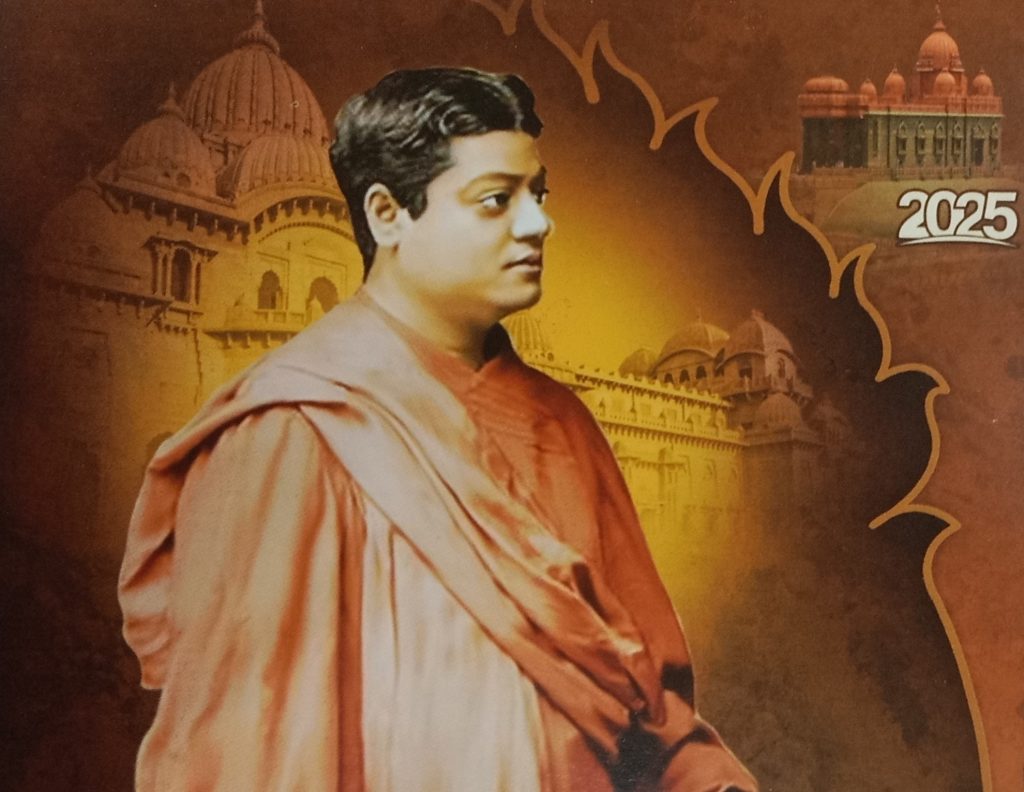
Swami Vivekananda’s biography is a testament to the power of spiritual wisdom combined with practical action. His life and teachings continue to inspire millions around the world, encouraging them to seek inner growth while serving humanity.
As we reflect on Vivekananda’s legacy, we are reminded of his call to awaken the divinity within ourselves and work towards the betterment of society. His message of universal brotherhood, self-realization, and selfless service remains as relevant today as it was over a century ago.
