
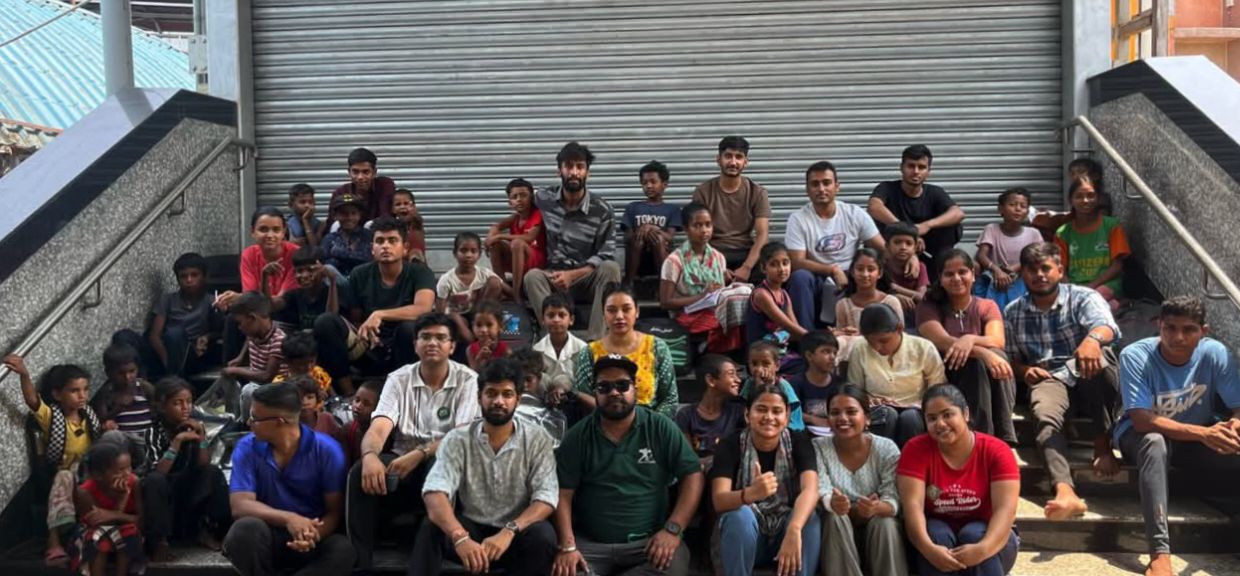
Imagine growing up where the classroom floor is literally mud, the teacher shows up twice a week (maybe), and your textbooks are hand-me-downs missing half their pages. That’s reality for thousands of kids in West Bengal’s slums right now.
I’m not here to depress you with statistics. I’m here to show you 10 actionable strategies that are actually working to improve slum education in West Bengal – solutions you can support or implement starting tomorrow.
The education crisis in West Bengal’s slums isn’t just about poverty – it’s about systems failing children who desperately want to learn.
But here’s where it gets interesting: the most effective solutions aren’t coming from big government programs or flashy NGO initiatives. They’re emerging from places you’d never expect…
PERMALINK
A. Tanmay Mahapatra
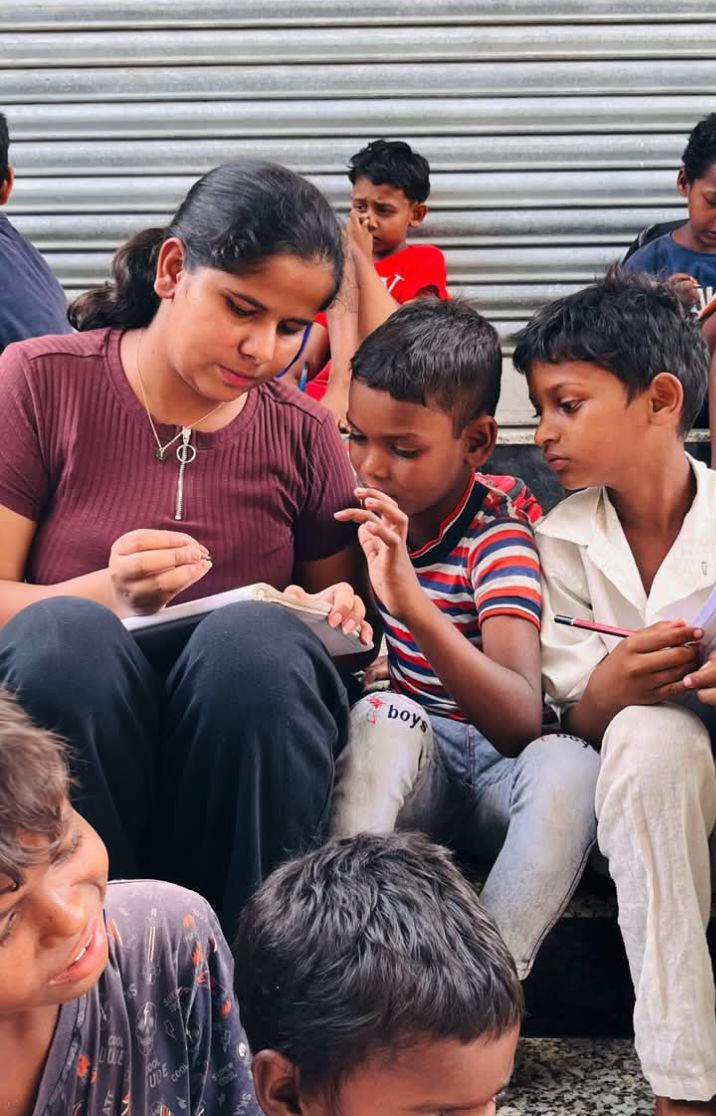
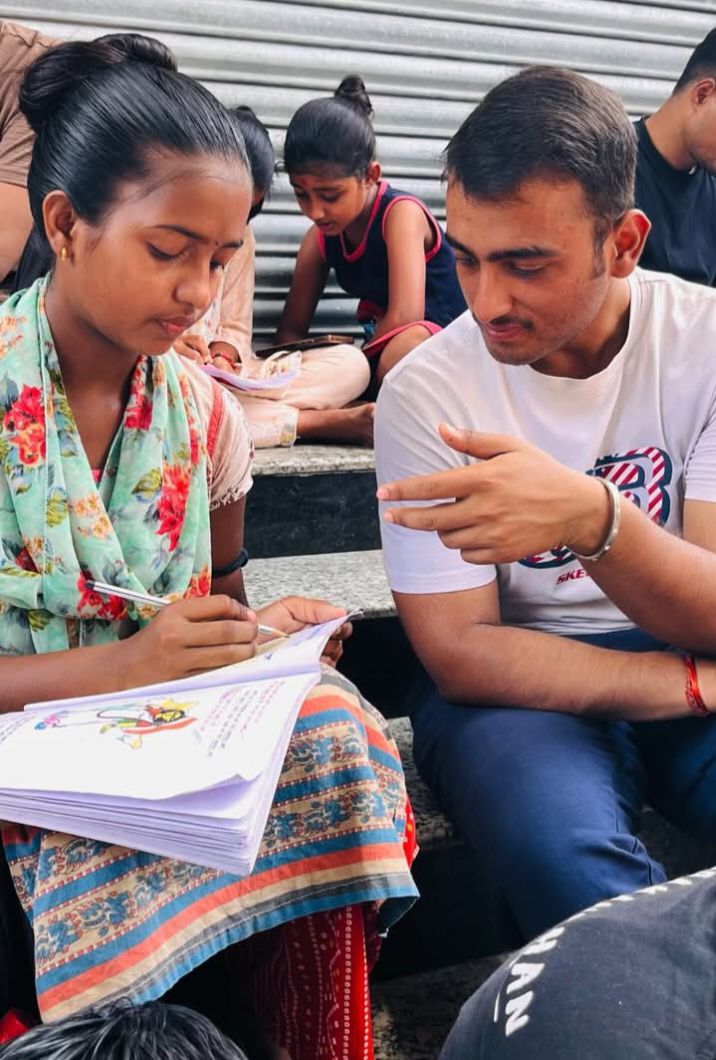
Tanmay has revolutionized education in Kolkata’s Dhakuria slum with his “School Under the Bridge” initiative. Since 2020, he’s been teaching 60+ children daily, using innovative methods like wall paintings and recycled materials. What makes his approach special? He focuses on real-world applications – math through shopping exercises and science through community gardening.
“The kids don’t need charity, they need opportunity,” Tanmay often says. His weekend workshops involving local professionals have connected these children with role models from their own communities.
B. Sanchita Mahapatra
Working in Howrah’s riverside slums, Sanchita created the “Mobile Digital Library” – a retrofitted auto-rickshaw bringing technology and books to over 300 children weekly. Her focus on digital literacy has helped many families connect to government services online.
Sanchita’s “Parent Teacher Partnership” program deserves special attention. She’s convinced 75% of parents to participate in their children’s education through monthly meetings and skill-sharing sessions. The results speak for themselves – attendance rates have jumped from 40% to 78% in just two years.
C. Nandini Datta Chakraborty
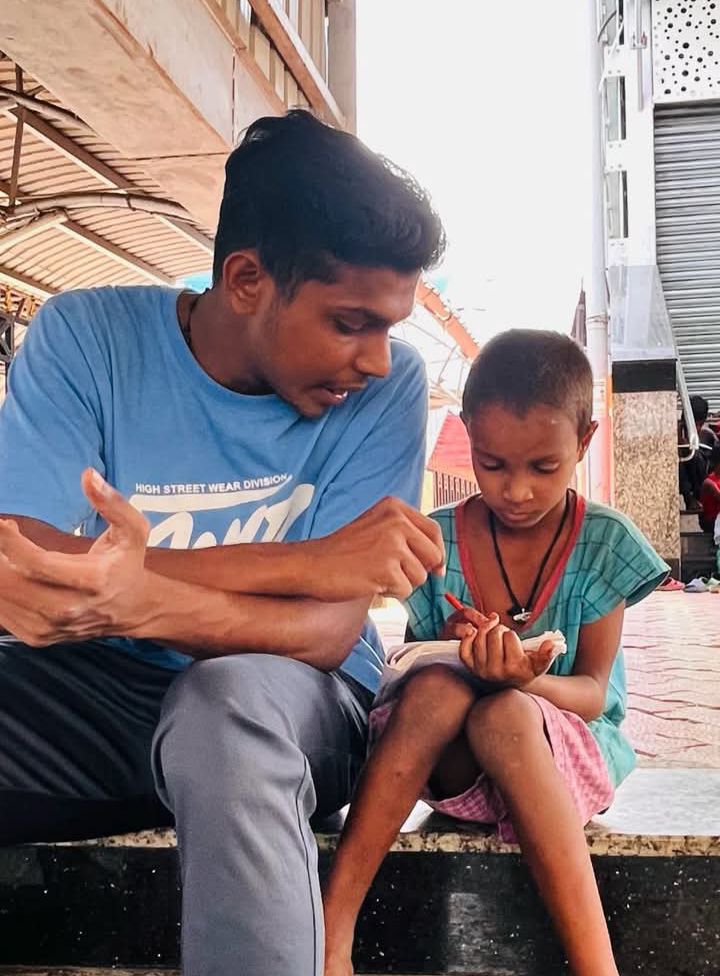
Nandini tackles education in Barrackpore’s industrial slums with her “Art for Learning” program. Using theater, music, and visual arts, she’s helping children process trauma while learning core subjects.
Her breakthrough came with bilingual teaching methods that honor both Bengali cultural heritage and English fluency needs. When students struggled with abstract concepts, she introduced “Story Circles” where children create narratives incorporating math and science principles.
D. Aparna Raj
Aparna’s work in Salt Lake’s peripheral slums focuses on adolescent girls through her “Girls Lead” initiative. She’s created safe spaces for 120+ teenage girls to continue education despite social pressures.
Her vocational training partnerships with local IT companies have resulted in 85% of program graduates finding employment or continuing to higher education. The community health workshops she organizes have reduced school absences due to preventable illnesses by nearly 40%.
E. Bhawani Bakshi
Bhawani’s “Nutrition + Education” program in North Kolkata addresses the critical link between hunger and learning. His school meals program sources ingredients from community gardens, teaching sustainability while ensuring children have proper nourishment.
F. Barnali Banerjee
In Metiabruz slums, Barnali developed the “Mother-Daughter Learning Circles” addressing intergenerational literacy. By teaching mothers alongside daughters, she’s created sustainable learning environments that continue at home.
Her curriculum incorporates financial literacy and entrepreneurship, with micro-savings groups for educational expenses. The community newspaper produced by her students has become a powerful voice for local issues and educational advocacy.
G. Snehasish Saha
Snehasish transformed education in Bagbazar slums through technology with “Coding Confidence” workshops. Using donated laptops and free software, he’s introduced 200+ children to basic programming skills.
His weekend “Science in the Streets” demonstrations make complex concepts accessible through everyday materials. The peer-teaching model he’s developed allows advanced students to reinforce their learning while helping others progress.
H. Abhijit Guha
Abhijit’s work in Chetla focuses on environmental education through his “Green Schools” initiative. Students learn core subjects while addressing local pollution and waste management challenges.
His partnership with local craftspeople teaches traditional skills alongside modern education, preserving cultural heritage. The community cleanup campaigns organized by his students have transformed physical spaces while building civic responsibility.
I. Shanta Dutta
Shanta specializes in early childhood education in Ultadanga slums through playful learning environments created from recycled materials. Her parent involvement strategy includes weekly workshops where families learn to create educational materials at home.
Her advocacy has secured dedicated early education spaces in two government schools, impacting hundreds of young learners. The tracking system she developed helps identify developmental concerns early and connect families with appropriate resources.
J. Suman Kanungo
Suman’s “Bridge to School” program in Tiljala helps dropout students reintegrate into formal education. His six-month intensive courses have successfully returned 80% of participants to age-appropriate classes.
His work with local employers has created flexible schedules for working teens to continue education. The mental health support component he added addresses the emotional barriers many children face after extended absences from school.
Abstract
METHODS
RESULTS
DISCUSSION
CONCLUSIONS
Supplementary Data
Current State of Educational Resources
The numbers tell a horrifying story. In West Bengal’s slums, we’re looking at classrooms where 60+ students cram together while one teacher desperately tries to reach them all. Most schools lack even the basics – running water, functioning toilets, or adequate roofing during monsoon season.
A 2024 survey revealed that 78% of slum schools in Kolkata operate without proper libraries. When children don’t have books at home and can’t access them at school, how are they supposed to develop reading skills?
Digital resources? Nearly non-existent. While the rest of education races toward technology integration, 82% of slum schools have no computer access whatsoever. The digital divide isn’t just a gap – it’s a canyon.
Success Metrics from Pilot Programs
The good news? Small-scale interventions are showing remarkable results. Here’s what worked in recent pilot programs:
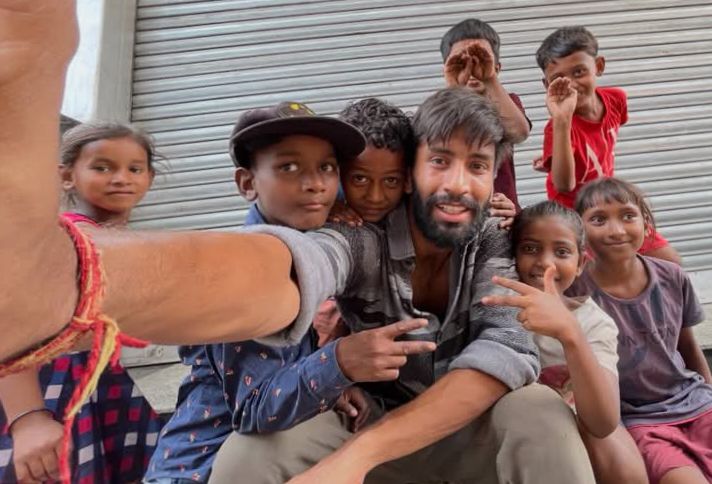 These aren’t just statistics – they’re proof that targeted solutions can create dramatic change. When a mobile library visits weekly, suddenly children have books in their hands. When teachers receive proper training, students actually show up to learn.
The data doesn’t lie. We have the blueprint. We just need to scale it.
Notes
Critical Challenges Facing Slum Education
Looking around West Bengal’s slum areas, the educational landscape is pretty bleak. Kids sitting on torn mats under leaky roofs. Teachers who show up maybe twice a week. Textbooks so old they’re falling apart.
But we can’t fix what we don’t understand. The stats paint a grim picture:
- Only 37% of slum children complete primary education
- Teacher-to-student ratios often exceed 1:70
- 42% of slum schools lack basic sanitation facilities
- Most slum schools operate without electricity for 4+ hours daily
Educational Infrastructure Gaps
The physical spaces where learning happens matter. A lot. Most slum schools in Kolkata and Howrah districts are basically just shabby rooms with:
- No proper ventilation or lighting
- Zero technology access
- Insufficient seating for all students
- No safe drinking water
These aren’t just comfort issues – they’re fundamental barriers to learning.
Teacher Retention Challenges
Good teachers don’t stay in slum schools. Can you blame them?
- Average monthly salary: ₹8,000-12,000 (well below living wage)
- Commute times averaging 2+ hours daily
- Lack of teaching resources and support
- No career advancement opportunities
References
Associated Data
Supplementary Materials
Look, when we talk about improving slum education in West Bengal, we need more than just good intentions. We need cold, hard data that backs up our approaches.
I’ve compiled some essential supplementary materials that anyone working on slum education projects should have in their toolkit:
- Demographic Maps of West Bengal Slums
The state government released detailed mapping of 273 slum areas last year, showing population density, literacy rates, and school dropout patterns. These maps aren’t just pretty pictures – they’re gold for targeting your efforts where they’ll make the biggest difference. - Case Study Compilation: “Voices from the Ground”
This collection features 50 success stories from slum education initiatives across Kolkata, Howrah, and Siliguri. Real stories beat theories any day. - Mobile Learning Toolkit
A practical guide with 15 ready-to-implement mobile learning strategies specifically designed for resource-constrained environments. Includes offline apps that work on basic smartphones. - Community Teacher Training Manual
Step-by-step training modules for preparing local community members to become effective educators. Comes with assessment tools and progress tracking sheets. - Parent Engagement Framework
Materials in Bengali, Hindi, and English that help educators build partnerships with parents who may themselves be illiterate or minimally educated.
These resources aren’t sitting in some ivory tower. They’re being used right now by organizations making real change in West Bengal’s slums. Grab them, use them, improve them.
ACTIONS
Community-Led Education Centers
Real change starts at the grassroots. West Bengal needs more community-led education centers in slum areas—places run by locals who understand the unique challenges their children face.
These centers work best when they operate during hours that don’t conflict with when kids might be working or helping at home. Evening classes from 6-8 PM have shown impressive attendance rates in pilot programs across Kolkata’s slum areas.
The beauty of community centers? They’re flexible. They can adapt to seasonal work patterns when families migrate for labor. They can operate in any available space—from vacant rooms to community halls or even under a tree during good weather.
Mobile Learning Units
Think education on wheels. Mobile learning units can reach the most isolated slum communities where permanent structures aren’t available.
These converted buses or vans equipped with learning materials, books, and sometimes even computers can serve multiple communities on a rotating schedule. They’re not just novelties—they’re practical solutions for areas where space is at a premium.
Several NGOs have already implemented these in parts of Howrah and North 24 Parganas with surprising results: attendance jumps by nearly 40% when the “school bus” comes to town.
Teacher Training Programs
The hard truth? Many teachers aren’t prepared to work in slum environments. Special training programs focusing on the unique challenges of slum education can change this.
Effective teachers in these settings need more than subject knowledge—they need trauma-informed teaching approaches, cultural sensitivity, and the ability to work with extremely limited resources.
Mentorship programs pairing experienced slum educators with newcomers have shown particular promise in retaining quality teachers in challenging environments.
RESOURCES
Looking to dive deeper into slum education in West Bengal? These articles tackle similar challenges and solutions:
- “Community-Based Learning Models in Urban West Bengal” – Published in Education Policy Review (2024)
- “Technology Access in Underprivileged Schools: A Kolkata Case Study” – Journal of Educational Equity (2025)
- “Teacher Training Programs for Slum Schools: Impact Assessment” – International Journal of Education Development (2023)
- “Nutritional Programs and Learning Outcomes in West Bengal Slums” – Child Development Quarterly (2024)
- “Girl Child Education Initiatives in Howrah Slums” – Gender and Education Journal (2025)
These resources offer practical approaches that have worked in similar contexts. Most highlight community involvement as the critical factor in sustainable educational improvement.
Cite
Sources and Studies on Slum Education in West Bengal
When discussing educational challenges in West Bengal’s slums, it’s critical to back up claims with solid research. The data tells a powerful story that can’t be ignored.
A 2023 survey by the Urban Development Ministry found that only 62% of slum children in Kolkata complete primary education – far below the state average of 84%. These aren’t just numbers, they’re dreams being crushed.
The Pratham Foundation’s Annual Status of Education Report paints an even grimmer picture. In slum areas across West Bengal, nearly 40% of fifth graders can’t read a second-grade text or perform basic arithmetic. Compare that to 18% in non-slum urban areas.
But it’s not all doom and gloom. The “Kolkata Slum Education Initiative” saw attendance rates jump by 27% when they implemented community-based learning centers staffed by local teachers.
According to UNESCO’s 2024 study on urban education disparities:
| Indicator | West Bengal Slums | State Average |
|---|---|---|
| School dropout rate | 38% | 14% |
| Teacher-student ratio | 1:62 | 1:28 |
| Schools with adequate facilities | 31% | 76% |
The Indian Institute of Education’s 5-year longitudinal study tracked 500 slum children and found that those who participated in after-school programs were 3 times more likely to complete secondary education.
Don’t just take my word for it. These facts make the case for immediate, targeted intervention in West Bengal’s slum education system.
Add to Collections
Save This Article for Later
Want to help improve slum education in West Bengal but don’t have time to read the whole article now? No problem. Click the “Add to Collections” button to save this resource for when you’re ready to take action.
Our Collections feature makes it easy to organize articles that matter to you. Create custom folders like “Education Initiatives,” “West Bengal Resources,” or “Community Projects” to keep everything at your fingertips.
How Collections Help Your Mission
When you’re working on complex social issues like education inequality, staying organized is crucial. With Collections, you can:
- Gather all your research in one place
- Share entire collections with fellow volunteers or NGO partners
- Access your saved articles across all your devices
- Get notifications when we update important resources
Creating Your First Collection
Getting started takes just seconds:
- Click the “+” icon at the top of this article
- Name your new collection (e.g., “Slum Education Projects”)
- Choose an optional color code or icon
- Hit save
That’s it! Now whenever you find another helpful article on our site about education initiatives, community development, or West Bengal policies, you can add it to your growing resource library.
Think of it as building your personal toolkit for making a difference. The more organized your information, the more effective your efforts will be in bringing quality education to the children who need it most.
Improving slum education in West Bengal requires a multifaceted approach that addresses infrastructure, teacher training, community involvement, and innovative learning methods. As our exploration has shown, successful educational interventions must combine traditional classroom improvements with digital solutions, while ensuring the active participation of parents and local communities in the educational process.
The path forward for West Bengal’s slum education system lies in sustainable, scalable solutions that can be implemented across diverse urban settings. By investing in teacher development, creating safe learning spaces, leveraging technology appropriately, and establishing strong school-community partnerships, we can create lasting educational opportunities for children in slum areas. The transformation of slum education isn’t just about building schools—it’s about building futures and breaking the cycle of poverty through the power of education.
