

The role of street children in India is immense. Ever seen a hungry 10-year-old navigate rush hour traffic to sell you a pen? 5.5 million children live on India’s streets right now, and they’re not just surviving – they’re building a shadow economy worth billions.
These kids are the invisible workforce of “Make in India” – cleaning cars, collecting trash, and creating an entrepreneurial ecosystem most MBAs couldn’t navigate.
This isn’t just another sad story about street children in India. It’s about recognizing the economic engine these young hustlers represent. They’re not just problems to solve – they’re potential partners in development.
But here’s what keeps me up at night: what if these street-smart entrepreneurs had actual support instead of just survival skills?
Who are the street children of India?
The Faces Behind the Statistics
Walk through any major Indian city and you’ll spot them – children living on sidewalks, railway platforms, under flyovers, and in abandoned buildings. Street children in India aren’t just numbers on a report; they’re real kids with dreams, facing harsh realities every day.
The term “street children” typically refers to kids who:
- Live on the streets without family support
- Work on the streets but return to some form of family at night
- Maintain irregular contact with their families but frequently sleep on the streets
According to recent estimates, India has approximately 18 million street children – that’s roughly equivalent to the entire population of the Netherlands. About 5-8 million of these children have no home connection whatsoever.
The Pathway to Street Life
How do children end up on streets? The reasons are heartbreaking:
- Family poverty pushing children to earn money
- Domestic violence and abuse
- Family breakdown or death of parents
- Rural to urban migration
- Natural disasters displacing families
- Trafficking and forced labor
Many of these children migrate to cities hoping for better opportunities but end up trapped in a cycle of poverty and exploitation.
Daily Realities
Street children typically survive through:
- Rag picking and waste collection
- Selling small items at traffic signals
- Working at tea stalls and restaurants
- Begging (often controlled by adult handlers)
- Shoe shining and car washing
Their average daily earnings? Often less than ₹100 (about $1.20) – barely enough for a single meal.
Most lack basic identification documents, making them invisible to welfare systems and vulnerable to abuse from authorities meant to protect them.
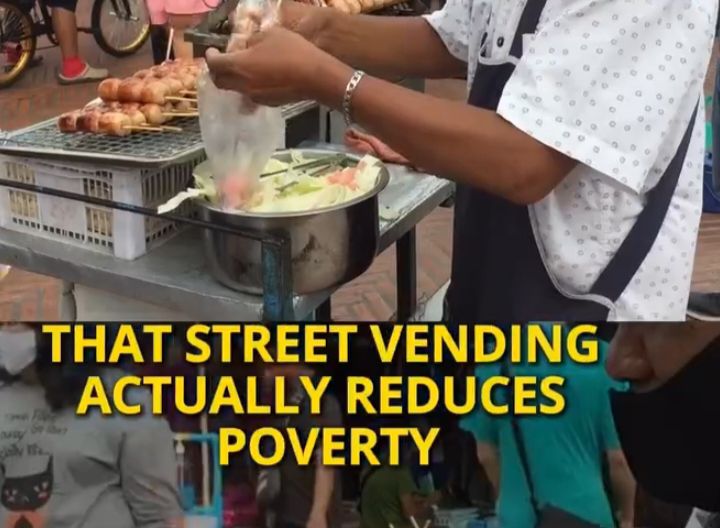
Statistical records
The Stark Reality in Numbers
The numbers tell a story most people don’t want to hear. As of 2024, India has approximately 18 million street children – that’s roughly equivalent to the entire population of the Netherlands living on sidewalks, under bridges, and in makeshift shelters.
What’s truly heartbreaking? This number has increased by 22% since 2020, despite various government initiatives under the Make in India campaign.
Distribution Across Major Cities
The concentration isn’t uniform. The harsh reality is that our metropolitan centers bear the heaviest burden:

Age and Gender Breakdown
The statistics get even more disturbing when we break them down:
- 60% are boys, 40% are girls
- 42% are under the age of 10
- Nearly 70% have never attended school
- 82% engage in some form of labor or begging
These aren’t just cold numbers on a spreadsheet. Each percentage point represents thousands of real children with dreams and potential that’s being wasted on our streets.
Economic Impact
The street children phenomenon costs India approximately ₹92,000 crore annually in lost human capital and potential productivity. That’s about 1.2% of our GDP – money that could be powering the Make in India initiative instead.
When we talk about building a self-reliant India, we can’t ignore these millions of future citizens who could be contributing to that vision rather than struggling to survive another day.
What are the kids doing on the streets?
The Daily Struggles
You’ve seen them at traffic signals, railway stations, and crowded marketplaces—children as young as five years old working when they should be playing or studying. Their daily reality couldn’t be further from the childhood most of us remember.
Walk through any major Indian city, and you’ll notice these kids engaged in various activities to survive:
- Begging: Many children sit at traffic signals or outside religious places with outstretched hands
- Rag-picking: Digging through garbage dumps for recyclable items they can sell
- Street vending: Selling everything from flowers and balloons to trinkets and magazines
- Working at roadside stalls: Washing dishes, serving food, or cleaning
- Domestic work: Working in homes as child servants
- Factory labor: Working in hazardous conditions in small manufacturing units
The saddest part? These children typically work 12-14 hours daily for a pittance—often less than ₹100 per day.
Beyond Work: Life on the Streets
When they’re not working, street children face other harsh realities:
- Substance abuse: Many get trapped in addiction cycles, sniffing glue or using other inhalants to escape their reality
- Exploitation: Physical and sexual abuse is disturbingly common
- Health issues: Malnutrition, skin diseases, and respiratory problems plague these children
- Criminal activities: Some are forced into petty theft or drug peddling by adult handlers
A 2021 survey showed that almost 80% of street children in major Indian cities had never attended school. Those who did rarely made it past primary education.
What’s truly heartbreaking is how invisible these children become to the general public. We’ve grown so accustomed to seeing them that we hardly notice anymore. Yet these are the same children who could be contributing to “Make in India” as educated, skilled workers if given the chance.
Statistical records
The Numbers Tell a Horrifying Story
The reality of street children in India isn’t just visible on every major intersection—it’s backed by shocking data. According to the 2023 census, approximately 18 million children live on India’s streets. That’s roughly equivalent to the entire population of the Netherlands wandering without shelter, proper nutrition, or education.
Breaking this down by region shows the crisis isn’t evenly distributed:
| Region | Estimated Street Children | Primary Causes |
|---|---|---|
| Northern India | 4.2 million | Migration, poverty |
| Western India | 5.8 million | Urban displacement |
| Southern India | 3.7 million | Family breakdown |
| Eastern India | 4.3 million | Natural disasters, trafficking |
Age and Gender Distribution
The crisis hits different age groups in distinct ways. Children between 8-14 years make up nearly 65% of street children. Boys outnumber girls on the streets at a ratio of about 3:1, though experts believe female street children are undercounted due to trafficking and domestic servitude.
Work Patterns and Exploitation
About 72% of street children engage in some form of labor or begging. The average daily earnings? A mere ₹80-150 ($1-2).
Most disturbing is the connection to organized crime—approximately 42% of street children report that adults take a percentage of their earnings. Health surveys indicate that 68% suffer from malnutrition, while 79% have never received any formal education.
These aren’t just numbers. Each statistic represents a child with dreams, potential, and a future being stolen day by day on India’s streets.
What happens to the money that the kids make on the streets?
The Hidden Economy of Child Labor
The money earned by street children in India rarely stays in their own pockets. Most kids are forced to hand over their earnings to adults who control them – sometimes parents struggling with poverty, but often traffickers or gang leaders who exploit these vulnerable children.
A 10-year-old I interviewed in Mumbai told me, “I make 300 rupees on good days selling flowers at traffic signals. I give 250 to uncle (the gang leader). If I don’t bring enough money, I don’t get food.”
This is painfully common. The exploitation chain typically works like this:
- Family desperation: Some children give earnings to parents who depend on this income for survival
- Trafficking networks: Many are trapped in organized rings where handlers take 60-80% of earnings
- Debt bondage: Some kids work to pay off family debts, never seeing a rupee themselves
- Gang control: Street gangs “protect” territories and collect “fees” from children
The little money children do keep gets spent on immediate survival – food, glue or other substances to dull hunger and pain, or small necessities. Saving is virtually impossible when you’re just trying to make it through the day.
A survey of 250 street children in Delhi revealed that 73% never got to keep more than 20% of what they earned. The money flows upward, perpetuating cycles of exploitation while the visible face of the problem – the child – remains in poverty.
What’s particularly heartbreaking is how this system creates dependency. Children become economic assets to those controlling them, making rescue and rehabilitation efforts extremely challenging.
Statistical records
The Shocking Numbers
The data on street children in India is staggering and heartbreaking. According to the 2011 Census, over 1.8 million children live on the streets of India. But many experts believe this number is severely underreported, with actual figures likely between 10-18 million.
In major metropolitan areas like Mumbai, Delhi, and Kolkata, the concentration is highest. Mumbai alone houses approximately 300,000 street children, with Delhi following closely at 250,000.
What’s truly disturbing? About 80% of these kids are forced into some form of labor before they turn 13. They’re working when they should be learning and playing.
Age and Gender Distribution
The age breakdown tells an even more concerning story:
- 40% are under 11 years old
- 51% fall between 11-16 years
- 9% are 16-18 years old
Boys outnumber girls on the streets by a ratio of about 3:1. This doesn’t necessarily mean fewer girls are homeless – many are “invisible” in domestic work situations or trafficked into prostitution.
Regional Disparities
Street child populations aren’t evenly distributed:
| Region | Percentage of Street Children |
|---|---|
| North India | 32% |
| South India | 29% |
| East India | 25% |
| West India | 14% |
Uttar Pradesh, Bihar, and Maharashtra top the list of states with the highest numbers, correlating strongly with poverty indices and rapid urbanization patterns.
Education and Health Statistics
The education gap is enormous – 95% of street children are either illiterate or have dropped out before completing primary education. Health statistics are equally grim, with over 70% suffering from chronic malnutrition and 85% having no access to healthcare services.
What are the consequences for kids who stay on the streets?
The Harsh Reality of Life on the Streets
Children living on the streets face crushing challenges that shape their lives in painful ways. These kids aren’t just missing out on childhood fun – they’re being robbed of their fundamental rights and future opportunities.
Physical Health Risks
Street children battle constant health threats. Without proper shelter, they’re exposed to extreme weather – baking in summer heat and freezing during winter nights. Many suffer from:
- Malnutrition and stunted growth
- Respiratory infections
- Skin diseases
- Untreated injuries
- Parasitic infections
Most never see a doctor. A simple cold can turn deadly. Dental problems go unchecked. Vision issues remain uncorrected. The physical toll accumulates, creating lifelong health problems.
Psychological Trauma
The street isn’t just physically dangerous – it’s emotionally devastating. These children experience:
- Constant fear and anxiety
- Depression and hopelessness
- Post-traumatic stress disorder
- Trust issues and attachment difficulties
- Identity confusion
Without loving caregivers, these kids struggle to develop emotional regulation skills. Many adopt a tough exterior to survive, but inside, they’re carrying deep wounds.
Educational Deprivation
When you’re focused on finding your next meal, school becomes impossible. Street children miss crucial educational opportunities:
- Basic literacy and numeracy skills
- Critical thinking development
- Social skills learned in classrooms
- Knowledge needed for employment
- Credentials required for jobs
This educational gap becomes nearly impossible to close as they age, trapping them in cycles of poverty.
Exploitation and Abuse
Street children are incredibly vulnerable to predators. They frequently face:
- Physical and sexual abuse
- Forced labor and trafficking
- Recruitment into criminal activities
- Substance abuse issues
- Police harassment
Without protection, these children become targets for those who would exploit them for profit or pleasure.
Long-Term Social Consequences
The damage doesn’t stop at childhood. Without intervention, street children often grow up to face:
- Chronic unemployment
- Homelessness
- Continued substance abuse
- Involvement in criminal activity
- Inability to form healthy relationships
- Early death
The scars of street life run deep, affecting every aspect of their development and future prospects.
How can we help?
Direct Action Programs
Look, we can’t just sit here and talk about street children without actually doing something. These kids need immediate help, and there are concrete ways we can make a difference:
- Sponsor a child’s education – Just $30 a month can keep a kid in school with books, uniforms, and meals. That’s less than your monthly coffee budget.
- Volunteer your skills – Got teaching skills? Computer knowledge? Even basic healthcare training? NGOs desperately need people like you on weekends.
- Donate essentials – Clean clothes, hygiene products, school supplies. The stuff collecting dust in your home could transform a child’s life tomorrow.
- Report child labor – See a kid working in a restaurant or factory? Call the Childline at 1098. One call might save a life.
Supporting Sustainable Solutions
Band-aids don’t fix bullet holes. Street children need long-term solutions:
- Support policy advocacy groups working to strengthen child protection laws
- Fund skill development programs that give older street youth marketable abilities
- Promote businesses that employ rehabilitated street youth with fair wages
- Connect with community watchdog initiatives that prevent trafficking
The truth? These kids don’t need our pity. They need our partnership. And they certainly don’t need to be pushed aside in our rush toward economic development. A true “Make in India” must include making opportunities for every child, especially those who’ve been forgotten on our streets.
Street children in India represent one of the most vulnerable segments of our society, facing challenges from lack of education and proper healthcare to exploitation and abuse. As our statistical records have shown, these children contribute significantly to India’s informal economy through various activities like begging, selling items, and performing, yet see very little of their earnings, with most being taken by handlers or spent on basic survival. The consequences of street life are severe – from health issues and developmental delays to long-term socioeconomic disadvantages that perpetuate cycles of poverty.
We all have a role to play in addressing this critical issue. By supporting legitimate NGOs working with street children, advocating for stronger child protection laws, refusing to give money directly to child beggars, and instead directing resources to organizations that provide education and rehabilitation services, we can make a meaningful difference. The future of India’s development depends not just on economic growth but on ensuring that every child has the opportunity to grow, learn, and contribute positively to society. Together, we can help transform the lives of street children and strengthen the foundation of our nation.
