
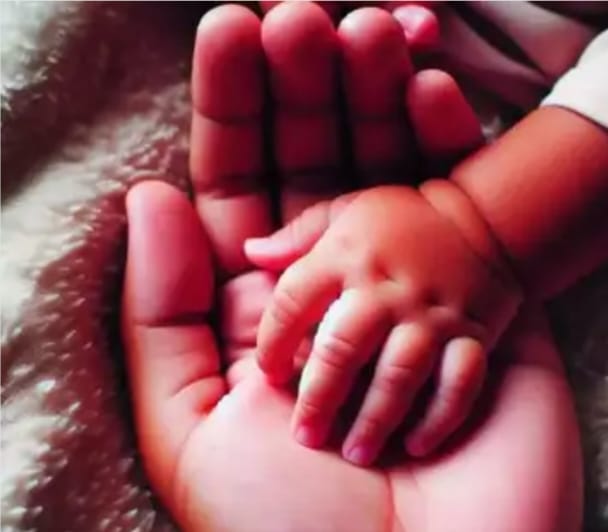
Adoption of street children in India is considered a national duty for wealthy people.Ever wondered what happens to the 80,000 children abandoned on India’s streets every year? They face violence, exploitation, and a future without hope—unless someone steps in.
Adopting a street child in India isn’t just changing one life; it’s breaking generational cycles of poverty while creating a family bond that transcends biology.
The legal adoption of street children in India has become more streamlined, yet fewer than 4,000 adoptions happen annually in a country of 1.3 billion people.
What’s stopping more families from opening their hearts and homes to these children? The answer might surprise you.
The Current State of Street Children in India
A. Statistics and demographics of street children
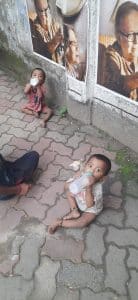
The numbers are shocking. India’s streets are home to an estimated 20 million children. That’s roughly the population of Sri Lanka wandering without shelter, protection, or guidance.
Mumbai alone houses over 100,000 street children, with Delhi and Kolkata not far behind. The problem isn’t just urban either. Small cities and towns across India have growing populations of homeless children as rural poverty pushes families to migrate.
What’s truly heartbreaking? About 40% have completely lost contact with their families. They’re on their own in a world that largely ignores them.
B. Causes of child homelessness
Children don’t end up on streets by choice. Poverty is the obvious culprit – when families can’t afford another mouth to feed, children sometimes leave or are abandoned.
Family breakdown hits hard too. When parents separate, remarry, or face addiction issues, children often slip through the cracks. I’ve seen kids who fled homes where new step-parents didn’t want them around.
Child abuse drives many to flee. For some, dangerous streets feel safer than violent homes.
Migration for work pulls families to cities where housing is unaffordable, forcing children to sleep in public spaces.
C. Daily challenges and risks faced
Street children wake up fighting for survival. Finding food means begging, scavenging through garbage, or performing risky jobs for meager pay.
Sleep isn’t restful when you’re exposed to weather, insects, and predators. Most use cardboard or plastic sheets as beds under bridges or in railway stations.
Health problems run rampant. Malnutrition, respiratory infections, and skin diseases are common. When sick, medical care is a luxury few can access.
Violence follows these kids everywhere. Police harassment, gang recruitment, and physical abuse are daily threats. Girls face additional dangers of sexual exploitation and trafficking.
Education? Forget it. Less than 5% of street children attend any form of school. Without literacy or skills, the cycle of poverty deepens.
The substance abuse trap catches many – sniffing glue or using cheap drugs to escape reality or suppress hunger.
D. Existing government initiatives
The government has made attempts to address this crisis, though results are mixed at best.
The Integrated Child Protection Scheme (ICPS) provides funding for shelters and outreach programs, but implementation varies wildly across states.
Childline (1098) operates as a 24-hour helpline for children in distress, receiving over 10 million calls annually. It’s a vital first response, connecting kids to immediate help.
The Juvenile Justice Act establishes Child Welfare Committees in each district to make decisions about children’s care and protection. But most committees are understaffed and overwhelmed.
The Right to Education Act technically guarantees free education to all children, but street children face barriers like lack of documentation and address proof.
Several states have rolled out “rescue” operations to bring children into shelters, but without addressing root causes, many return to the streets.
The truth? These programs reach less than 20% of street children. The system simply wasn’t built to handle the scale of this crisis.
Legal Framework for Adoption in India
A. CARA (Central Adoption Resource Authority) guidelines
Ever wondered who’s actually in charge of adoptions in India? It’s CARA – the big boss that oversees everything. Established under the Ministry of Women and Child Development, CARA makes sure adoption processes don’t go off the rails.
Their guidelines are pretty straightforward but comprehensive. First, you need to register on their portal. Then comes the home study, eligibility assessment, and matching process. The waiting period? It can stretch from months to years depending on your preferences and availability of children.
CARA doesn’t mess around with transparency. Their online portal lets you track your application status in real-time. No more wondering if your paperwork disappeared into some bureaucratic black hole.
The kicker? Street children often slip through CARA’s structured system because they might not have proper documentation or legal free status. That’s where the real challenge begins.
B. Juvenile Justice Act provisions
The JJ Act is basically the legal backbone for protecting kids without families. The 2015 version specifically addresses adoption in Chapter VIII, making it clear that every child has the right to be placed in a family.
For street children, Section 39 is gold – it outlines rehabilitation options including adoption. But here’s the thing – a child must be declared “legally free” before adoption. This requires documentation that street kids rarely have.
The Act created Child Welfare Committees in each district that can declare a child legally free for adoption after a thorough investigation. These committees become the temporary guardians of street children.
What makes the JJ Act powerful is how it criminalizes unauthorized adoptions. People can’t just pick up a street child and claim them – there’s a process, and skipping it carries serious penalties.
C. Rights of orphaned children
Street children deserve the same rights as any other kid in India. Period. The Constitution and various laws guarantee them protection, education, healthcare, and most importantly, the right to a family environment.
These kids have the right to be heard in adoption proceedings. Sounds obvious, but it’s revolutionary in practice. Children above 5 years must give consent to their adoption – giving them agency in their own futures.
The UN Convention on the Rights of the Child (which India signed) reinforces these rights internationally. It emphasizes that every decision must prioritize the “best interests of the child.”
The right to identity is particularly tricky for street children. Many don’t have birth certificates or know their biological parents. Yet legally, they’re entitled to preserve their identity, including name, nationality, and family relations.
What’s often overlooked is their right to cultural continuity. When adopting a child from a different religious or cultural background, adoptive parents must respect and nurture the child’s original cultural identity.
D. Recent policy changes and improvements
The adoption landscape in India has undergone some serious upgrades lately. In 2022, CARA introduced a centralized digital database of all adoptable children – a game-changer for tracking street children who enter the system.
Wait times have been slashed by streamlining the matching process. What used to take 2-3 years can now happen in months. That’s huge for kids who’ve already spent too long without permanent families.
The “special needs” category has been expanded and clarified, making it easier for older street children to find homes. Adoption agencies now receive additional support for preparing these children for family life.
Financial barriers? They’re coming down too. The government has reduced adoption fees and introduced subsidies for families willing to adopt older street children or siblings.
Perhaps the most impactful change is the new “foster-to-adopt” program. It allows potential parents to foster a child before finalizing adoption – creating a smoother transition for street children who might struggle with immediate placement.
E. Legal hurdles in street child adoption
The paperwork mountain is the first obstacle you’ll face. Without birth certificates or parental surrender documents, establishing a street child’s legal status is like solving a Rubik’s cube blindfolded.
Courts move at a glacial pace when it comes to declaring street children legally free for adoption. What should take weeks stretches into months or years while children grow up in institutions instead of families.
The “missing persons” dilemma hits hard with street children. The law requires reasonable efforts to locate biological parents before adoption proceedings can begin. But how do you find parents when you have zero information to start with?
Interstate adoptions add another layer of complexity. If a child is found in one state but adopted by parents from another, jurisdictional issues can create bureaucratic nightmares that leave children in limbo.
Religious personal laws still influence adoption in India. Hindu Adoptions and Maintenance Act allows full adoptive rights, while Muslim, Christian, and Parsi communities follow guardianship laws through the Guardians and Wards Act – creating an uneven playing field.
The Adoption Process for Street Children
Identification and documentation challenges
Ever tried finding someone without an ID? That’s the first hurdle in street child adoption.
Most street children lack birth certificates, identity documents, or any official records. Without these papers, they legally don’t exist. How can you adopt someone who “doesn’t exist” on paper?
Social workers often become detectives, piecing together a child’s history through interviews and community inquiries. Sometimes they find relatives who can verify a child’s identity. Other times, it’s starting from scratch.
The paperwork marathon is brutal. Creating legal identities involves courts, police verification, and endless bureaucratic loops. A process that takes weeks for documented children can stretch into years for street children.
Rehabilitation centers and transition homes
Before adoption becomes possible, these kids need stability. Rehabilitation centers provide exactly that – a bridge between street life and permanent homes.
These centers focus on:
- Physical and mental health recovery
- Basic education and life skills
- Emotional healing and trust-building
- Legal documentation work
Transition homes take it further, preparing children for family life. Here, children learn routine, boundaries, and social skills they’ll need in adoptive families.
The transformation is remarkable but takes time. A child who’s survived by their wits on the streets needs patience to adjust to structure and trust adults again.
Matching process with potential families
Finding the right match is like solving a complex puzzle. Street children often have specific needs from trauma, health issues, or educational gaps.
Adoption agencies use careful assessment tools to evaluate:
- Child’s specific needs and background
- Family’s capabilities and resources
- Cultural considerations
- Support systems available
The waiting period can be longer than standard adoptions. Many families want infants, while street children are typically older with established personalities and histories.
Preparing families is crucial. Pre-adoption counseling helps parents understand the unique challenges they might face with children who’ve experienced street life.

Post-adoption monitoring systems
The story doesn’t end once adoption papers are signed. Post-adoption support makes or breaks these placements.
Social workers conduct regular home visits during the first 1-2 years. They’re looking for:
- How well the child is adjusting
- Whether parents need additional resources
- Any emerging challenges that require intervention
Support groups connect families facing similar challenges. Nothing beats talking to someone who truly gets what you’re going through.
Some children need specialized services like trauma therapy, educational support, or medical care. The best post-adoption systems help families access these resources.
When done right, these monitoring systems don’t feel intrusive but supportive – a safety net for both child and family during the transition.
Success Stories and Positive Outcomes
A. Transformed lives through adoption
The streets of India hide thousands of untold stories. But when adoption enters the picture? Everything changes.
Take 8-year-old Ananya, once collecting scraps in Mumbai’s busy lanes. Today, she plays violin and dreams of becoming a doctor. Her adoptive parents didn’t just give her a home – they unlocked her potential.
Or consider Rahul, who spent his early years begging at traffic signals. After adoption at age 6, he’s now a confident teenager excelling in cricket and mathematics. His new family’s unconditional love healed wounds nobody could see.
These aren’t isolated cases. Organizations like Butterflies and Salaam Baalak Trust document hundreds of similar transformations each year.
B. Educational achievements of formerly homeless children
Street children often believe education isn’t for them. Adoption flips that script completely.
Deepak, once unable to recognize alphabets at 10, graduated top of his class three years after adoption. His adoptive family’s patient tutoring and belief in him made all the difference.
Priya, adopted at 7, recently won a national science competition. Before adoption, she’d never set foot in a classroom.
The pattern repeats across India:
| Achievement | Number of Former Street Children (2018-2022) |
|---|---|
| University graduates | 215+ |
| Professional degrees | 87+ |
| Academic awards | 340+ |
C. Integration into family structures
The biggest misconception? That formerly homeless children can’t adjust to family life. Reality tells a different story.
Most adoptive families report complete integration within 12-18 months. Children who once trusted no one learn to accept love, establish routines, and form secure attachments.
The Sharma family adopted siblings Vikram and Meena five years ago. Today, visitors can’t tell which children were born to the family and which were adopted. The siblings participate fully in family traditions, celebrations, and everyday life.
What makes this integration successful? Patience, professional support, and understanding that healing takes time. Many adoptive parents call this journey the most rewarding challenge they’ve ever faced.
Challenges in Street Child Adoption
A. Missing documentation and identity issues
The street kids of India are basically invisible on paper. No birth certificates, no school records, nothing that says “this child exists officially.” Try adopting a child who, according to government records, doesn’t even exist. It’s a nightmare.
I’ve seen families wait years just trying to establish a child’s basic identity. Sometimes they don’t even know their own birthdays or real names. How do you fill out adoption paperwork when the most basic information is missing?
Child welfare officers often have to piece together identities through interviews and investigations. Sometimes they’ll assign estimated birth dates based on a child’s physical development or memories of festivals they can recall.
B. Psychological trauma and adjustment difficulties
These kids have seen things no child should see. Many have survived abuse, violence, drug addiction—sometimes before they even learned to read.
The trauma doesn’t magically disappear once they’re in a loving home. Night terrors, trust issues, acting out—these are just Tuesday for adoptive parents of street children.
One adoptive mom told me her daughter would hoard food for months after placement. Another said their son couldn’t sleep in a bed for the first year—he’d curl up on the floor every night because that’s what felt safe.
C. Age-related adoption barriers
Let’s get real about age preferences in adoption. Most prospective parents want babies or toddlers. But street children are typically older when they enter the system.
By the time a child is identified, documented, declared legally free for adoption, and placed in an institution, years have often passed. A 3-year-old becomes 7, and suddenly their chances drop dramatically.
The statistics are brutal:
- Children under 2: Usually adopted within months
- Children 6-8: Wait times of 2+ years
- Children over 10: Less than 20% find permanent homes
D. Cultural stigmas and societal attitudes
In India, bloodlines matter. A lot. Extended families often discourage adoption, especially of street children who might have “bad blood” or unknown parentage.
I’ve heard people ask adoptive parents ridiculous questions like, “Aren’t you afraid they’ll become criminals like their real parents?” Or “Won’t they contaminate your family values?”
The caste system still influences adoption preferences too. Higher-caste families rarely consider adopting children who might be from lower castes, even though caste shouldn’t matter one bit.
Even progressive families sometimes face pressure to adopt only fair-skinned children or those who physically resemble them to “hide” the adoption. As if adoption is something shameful rather than beautiful.
Role of NGOs and Civil Society
Leading organizations working in this space
The streets of India are home to countless children, but several NGOs are fighting tirelessly to change that reality. Organizations like Childline India Foundation run the nation’s 24-hour helpline (1098) that any child in distress can call. They rescue over 10 million children annually.
Then there’s Salaam Baalak Trust in Delhi and Mumbai – founded by filmmaker Mira Nair, they’ve transformed thousands of lives through their shelter homes and education programs. What makes them special? They employ former street children as guides for their city walks, creating both awareness and employment.
CRY (Child Rights and You) takes a different approach, working as a catalyst between donors and grassroots organizations that directly implement change. Their reach extends to 19 states, impacting over 3 million children.
Innovative approaches to child rehabilitation
Gone are the days of simply providing shelter. Today’s rehabilitation is holistic and individualized.
The “Trauma-Informed Care” model used by Butterflies NGO recognizes that street children have experienced significant trauma. Their approach includes specialized counseling, art therapy, and peer support systems that address psychological wounds while building resilience.
Mobile schools bring education directly to children who can’t attend regular schools. Vans equipped with learning materials and trained teachers park in areas where street children congregate, creating instant classrooms.
Several organizations now use sports as therapy. Football leagues organized by Slum Soccer help children develop teamwork, discipline, and confidence – skills that extend far beyond the playing field.
Public-private partnerships
The challenge of street children is too big for any single entity to tackle alone. Public-private partnerships are bridging crucial gaps.
The Rainbow Homes program partners with government schools to use vacant buildings as residential facilities for street girls. The government provides infrastructure while private organizations handle operations and funding. This model has successfully housed and educated over 4,000 girls.
Corporate giants like Tata, HCL, and Infosys don’t just write checks – they’re actively involved through their foundations. Tata Trusts works with government agencies to develop sustainable models for childcare that can be replicated nationwide.
These partnerships create sustainable change because they combine government reach with private sector efficiency and innovation.
Volunteer opportunities and support systems
Want to help? You’ve got options beyond donation.
Many organizations offer weekend mentorship programs where you can teach skills, help with homework, or simply provide much-needed attention. Commitment can be as little as 4 hours weekly.
Virtual volunteering has exploded post-pandemic. From social media management to online tutoring, you can contribute remotely regardless of your location.
For deeper involvement, organizations like Make A Difference offer structured, year-long volunteer programs with training and support.
The most effective volunteers understand that consistency matters more than intensity. Children who’ve faced abandonment need reliable presence, not fleeting enthusiasm.
Supporting the caregivers is equally important. Many organizations now provide counseling and support groups for staff working with traumatized children, recognizing that secondary trauma is real and burnout is common.
How to Support the Cause
A. Adoption consideration guidelines
Thinking about adopting a street child in India? It’s a life-changing decision that requires careful thought. The process isn’t simple, but the impact is immense.
First, understand the legal framework. In India, adoption is governed by the Central Adoption Resource Authority (CARA). They’ve streamlined the process, but it’s still thorough.
You’ll need to:
- Register on the CARA website
- Complete a home study
- Get financially and emotionally ready
- Be patient (the wait can be long)
Single parents, married couples, and NRIs can all adopt. The key is showing you can provide a stable, loving home.
Remember, these kids have often experienced trauma. They need parents who understand this and are prepared to provide extra emotional support.
B. Sponsorship programs
Can’t adopt but still want to help? Sponsorship programs bridge that gap beautifully.
Organizations like SOS Children’s Villages, CRY, and Miracle Foundation connect you directly with street children. Your monthly contribution (often starting at just ₹1000) covers their basics – food, clothing, healthcare, and education.
The beauty of sponsorship? You’ll receive regular updates about your sponsored child. Many programs even allow letter exchanges and visits.
Some sponsorship models focus on specific needs:
- Education-only sponsorships
- Medical care sponsorships
- Skill development sponsorships
These programs give street children something priceless – consistency and hope.
C. Advocacy initiatives
Your voice matters more than you think. Advocacy creates systemic change for street children across India.
Join or support advocacy groups that push for:
- Better child protection laws
- Increased government funding for shelters
- Improved access to education for underprivileged children
- Stronger anti-trafficking measures
Use social media to amplify these causes. Share success stories, not just the heartbreaking ones.
Contact your local representatives. A simple email or call asking what they’re doing for street children can spark action.
Organizations like Bachpan Bachao Andolan have shown that persistent advocacy can literally save thousands of lives.
D. Supporting education and skill development
Education breaks the cycle of poverty for street children. Here’s how you can specifically help:
Donate educational materials – many shelters struggle with basics like textbooks and stationery. Even a small package of supplies makes a difference.
Volunteer as a tutor. Even a few hours weekly teaching English, math, or computer skills can transform a child’s future prospects.
Fund vocational training programs. Skills like tailoring, computer repair, or cooking give older street children a path to financial independence.
Support organizations that focus on the “last mile” – helping street children not just attend school but complete their education and find employment.
E. Community awareness programs
Change begins at the neighborhood level. Community awareness programs shift perceptions and create local support networks.
Organize street plays about child rights in your community. They’re engaging and effective at communicating complex issues.
Arrange school visits where (with proper protection of identity) former street children share their stories. This builds empathy in the next generation.
Host community fundraisers like sports events or cultural performances where proceeds go to street children’s shelters.
Involve local businesses – they can offer apprenticeships, donate goods, or sponsor children.
The most effective community programs create sustained involvement, not just one-time awareness. They transform bystanders into active participants in these children’s lives.
Adopting street children in India represents more than just providing a home—it’s about restoring dignity, offering opportunity, and transforming lives. From understanding the legal frameworks to navigating the adoption process, supporting these vulnerable children requires commitment and compassion. While challenges exist, the success stories demonstrate that positive change is possible when individuals, NGOs, and government bodies work together.
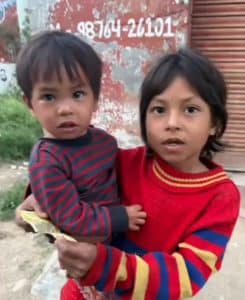
You can make a difference today. Whether through adoption, donations, volunteering, or simply raising awareness, every action contributes to helping India’s street children find stability and hope. By extending your hand, you become part of the solution that helps these children—like the two sisters who lost their father to war—rebuild their lives and discover a brighter future. The journey may be complex, but the reward of changing a child’s life forever is immeasurable.
