
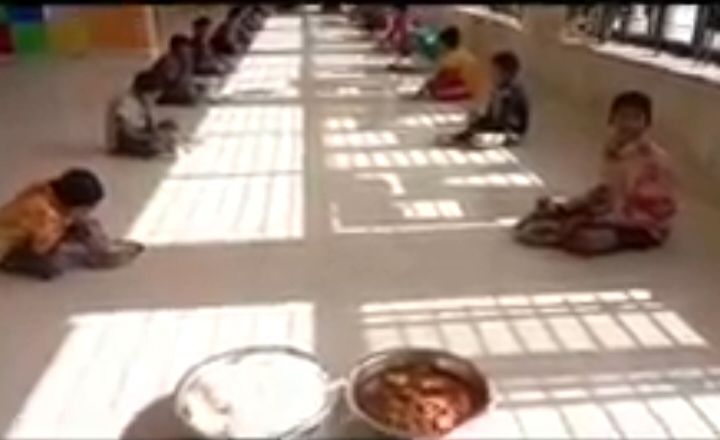
Ever wondered what happens to the 150 million children worldwide who call the streets their home? These kids aren’t just statistics – they’re survivors navigating a world that’s forgotten them.
Street children shelter homes offer more than just a roof. They’re lifelines providing safety, education, and a shot at childhood for those who’ve never known what that means.
I spent six months volunteering in these shelters across three continents. What I discovered about how these homes actually operate shocked me – both the heartbreaking challenges and the unexpected triumphs.
The question isn’t whether these shelters help. It’s whether they’re solving the right problem in the first place.
Understanding the Crisis of Street Children
A. Global statistics and distribution of homeless children
The numbers are staggering. Right now, about 150 million children worldwide call the streets their home. That’s nearly the population of Russia wandering without proper shelter or protection.
Most street children are concentrated in developing regions:
- Africa: 30 million
- Asia: 60 million
- Latin America: 40 million
- Other regions: 20 million
And here’s the gut punch – these numbers keep climbing every year.
B. Main causes driving children to the streets
Kids don’t choose the streets. They’re pushed there.
Poverty hits hardest – parents simply can’t afford to feed another mouth. Family breakdown comes next, with abuse, neglect, and violence driving kids away from what should be their safe haven.
Then there’s war. In conflict zones, children get separated from families or become orphans overnight. Natural disasters do the same damage.
Urban migration plays its part too. Families move to cities chasing opportunities but find only hardship, and kids sometimes split off to fend for themselves.
And don’t forget HIV/AIDS – it’s created millions of orphans, especially across Africa.
C. Daily challenges and risks faced by street children
Street life is brutal. These kids wake up each day facing:
Physical dangers – exposure to weather, unsafe sleeping spots, hunger that never quite goes away.
Violence is constant – from police, gangs, even other street kids fighting for the same scraps.
Sexual exploitation? It’s horrifyingly common. Traffickers prey on these vulnerable children daily.
Drug use becomes both escape and trap. Sniffing glue dulls hunger pains but creates addiction.
And there’s zero access to education. No school means no future beyond the streets.
D. Impact of street life on physical and mental health
The health toll is devastating. Street children typically suffer from:
- Chronic malnutrition – stunting growth and brain development
- Respiratory infections from pollution and exposure
- Skin diseases from poor hygiene and contaminated water
- STIs including HIV due to sexual exploitation
Mentally, the damage runs deep. PTSD is nearly universal. Depression and anxiety become constant companions. Trust issues make forming relationships nearly impossible.
The Vital Role of Shelter Homes
Core functions and services provided
Shelter homes aren’t just places with four walls and a roof. They’re lifelines for kids who’ve been tossed aside by society.
Most shelters cover the basics: safe sleeping arrangements, regular meals, and clean water. But the good ones go way beyond that. They offer healthcare services that many street children have never accessed before—treating everything from minor scrapes to serious illnesses that have gone unchecked for years.
Education is huge. Many shelters run informal classes to help kids catch up before reintegrating them into mainstream schools. Some even have in-house schools with specially trained teachers who understand trauma.
Psychological support might be the most critical service. These kids have seen things no child should see. Counselors help them process trauma, build self-esteem, and develop healthy coping mechanisms.
Vocational training gives older children skills they can use to support themselves—carpentry, computer literacy, cooking, or tailoring.
Legal advocacy is another vital function. Shelter staff often help kids get birth certificates and other identity documents they’ve never had.
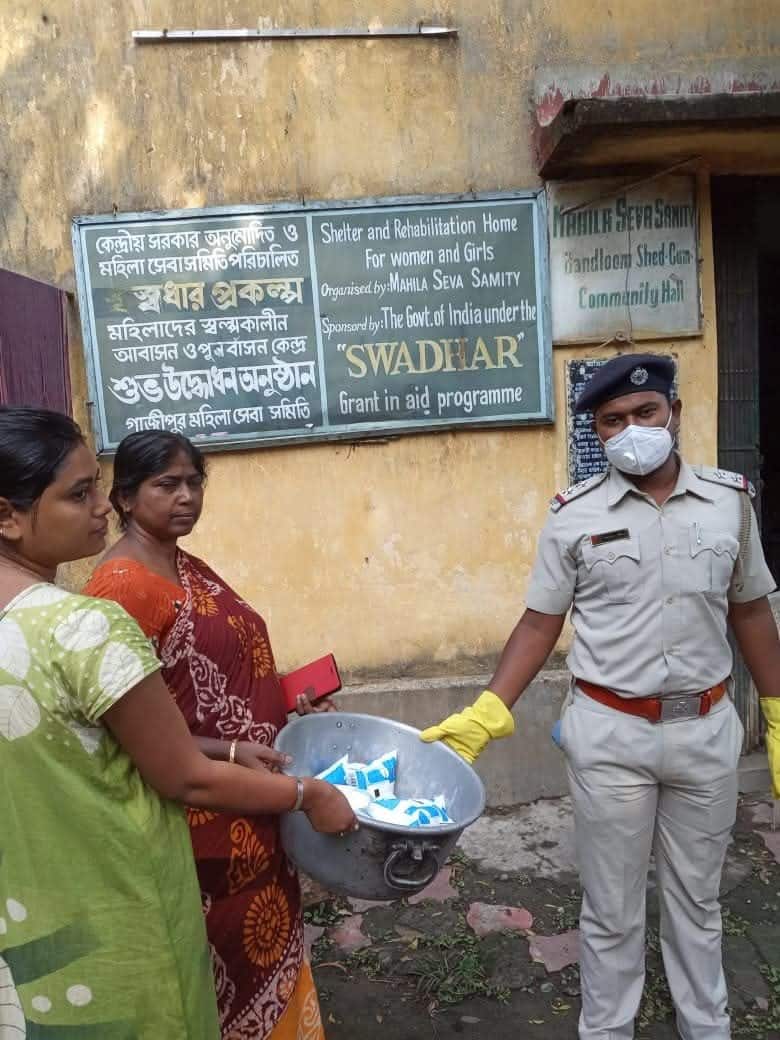
Different models of shelter homes worldwide
No two shelter homes look exactly alike. The differences are fascinating.
Drop-in centers operate during daytime hours only. They’re perfect for kids who aren’t ready to leave the streets completely but need a safe place to rest, eat, and maybe attend a class.
Residential homes provide 24/7 care in a family-like setting. In places like India, you’ll find large-scale institutions housing hundreds of children, while European models tend to favor smaller group homes with 8-12 kids.
Mobile outreach units flip the script completely—instead of waiting for kids to come to them, staff travel to where street children gather, building trust gradually.
Family reunification models focus primarily on returning children to their families when possible, using temporary shelter as a stepping stone rather than a permanent solution.
In Brazil, some innovative shelters operate businesses where the kids work and learn—restaurants, craft shops, or car washes that double as training facilities and income sources.
Success stories and positive outcomes
The transformation can be mind-blowing. Kids who once spent their days begging or picking through garbage now graduating from high school. Teens who used to sleep under bridges becoming community leaders.
Take Carlos from Mexico City—he entered a shelter at 11 after years of living in sewers. Today, he’s a qualified electrician with his own apartment. Or Priya from Mumbai, who went from rag-picking to running her own tailoring business with three employees—all former street children themselves.
Success isn’t always dramatic. Sometimes it’s simply a child learning to trust adults again. Or a teen making it through a night without nightmares.
The ripple effects spread far. Former shelter residents often return as volunteers or staff. Many become advocates for child rights, using their lived experience to change policies.
The data backs this up. Studies show that properly run shelters see about 70% of their children either successfully reintegrated with families or living independently as productive adults.
Challenges in operation and sustainability
Running a shelter is brutal, hard work.
Funding tops the list of headaches. Donors love new projects but get bored with ongoing operational costs. Many shelters lurch from grant to grant, never knowing if they’ll make next month’s payroll.
Staff burnout is epidemic. The emotional toll of working with traumatized children, often for low pay, leads to high turnover rates. This creates a vicious cycle—the kids, who desperately need stability, face a revolving door of caregivers.
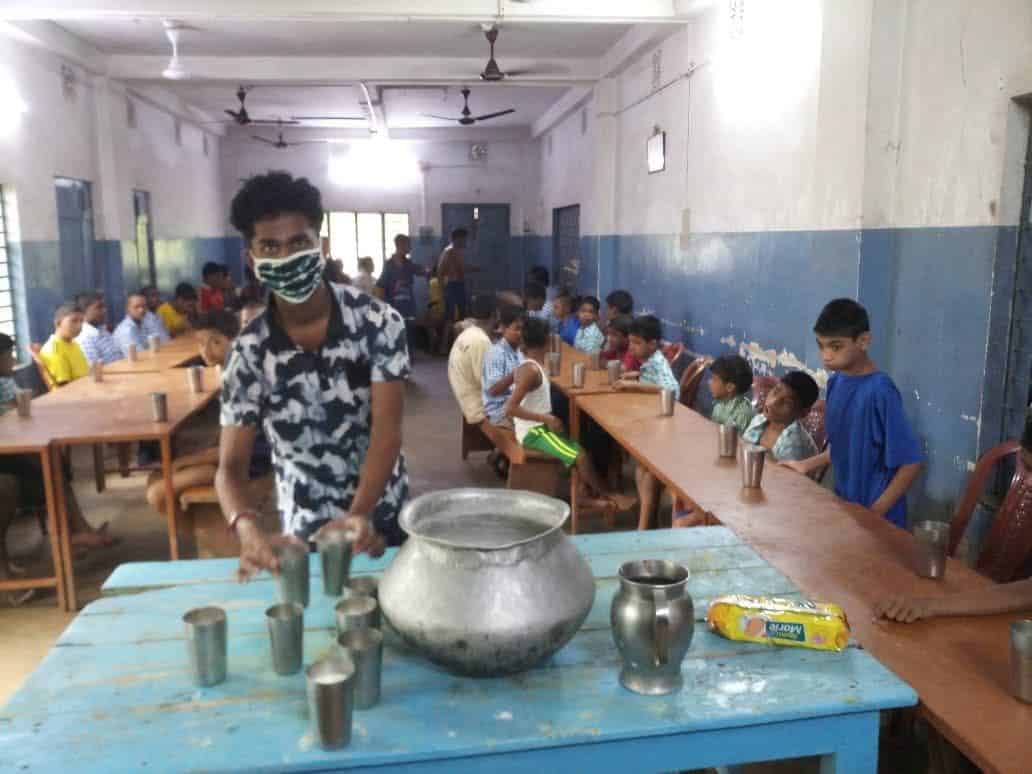
Physical infrastructure poses huge challenges. Most shelters operate in whatever space they can afford—often cramped, poorly ventilated buildings never designed for residential care.
Balancing security with freedom is tricky. Shelters must protect vulnerable children while avoiding prison-like atmospheres that can trigger trauma responses.
Government regulations vary wildly. Some countries have strict standards requiring expensive compliance; others have no oversight at all, allowing both good and bad actors to operate unchecked.
Perhaps the most heartbreaking challenge? The sheer numbers. For every child in a shelter, dozens more remain on the streets, with existing facilities simply unable to meet the overwhelming need.
Creating Effective Shelter Environments
Essential physical requirements and safety standards
When kids live on the streets, they need more than just four walls and a roof. Proper shelter homes require thoughtful design that addresses both physical and emotional security.
First up, the basics: clean sleeping areas with proper bedding, functioning bathrooms, and hygienic food preparation spaces. But that’s just the starting point.
Safety means comprehensive fire systems, secure entry points, and proper lighting throughout. It means clear evacuation plans posted where everyone can see them, and regular drills so they become second nature.
The layout matters too. Separate spaces for different age groups prevent older kids from intimidating younger ones. Designated quiet zones give overwhelmed children somewhere to decompress when everything gets too much.
Temperature control isn’t a luxury – it’s essential. Street kids have often endured extreme weather conditions, and consistent, comfortable temperatures signal stability and care.
Storage matters more than you might think. Personal lockers give children something that might be entirely new to them – a private space that’s truly theirs, where their few possessions remain safe and untouched.
Psychological support systems and trauma-informed care
Street children don’t just need physical shelter – they need emotional safety too. These kids have typically experienced layers of trauma that most of us can barely imagine.
Trauma-informed care isn’t fancy psychology jargon – it’s understanding that a child’s “difficult behavior” is actually their best attempt to cope with overwhelming experiences. It’s recognizing that what looks like defiance might actually be fear in disguise.
Effective shelters build in regular, predictable access to trained counselors who understand complex trauma. They create environments where children can express difficult emotions without fear of punishment or rejection.
Staff training goes beyond basic childcare. Everyone from the cook to the director needs to understand trauma responses and how to avoid triggering them. Simple things like giving warnings before physical contact or explaining changes in routine can make enormous differences.
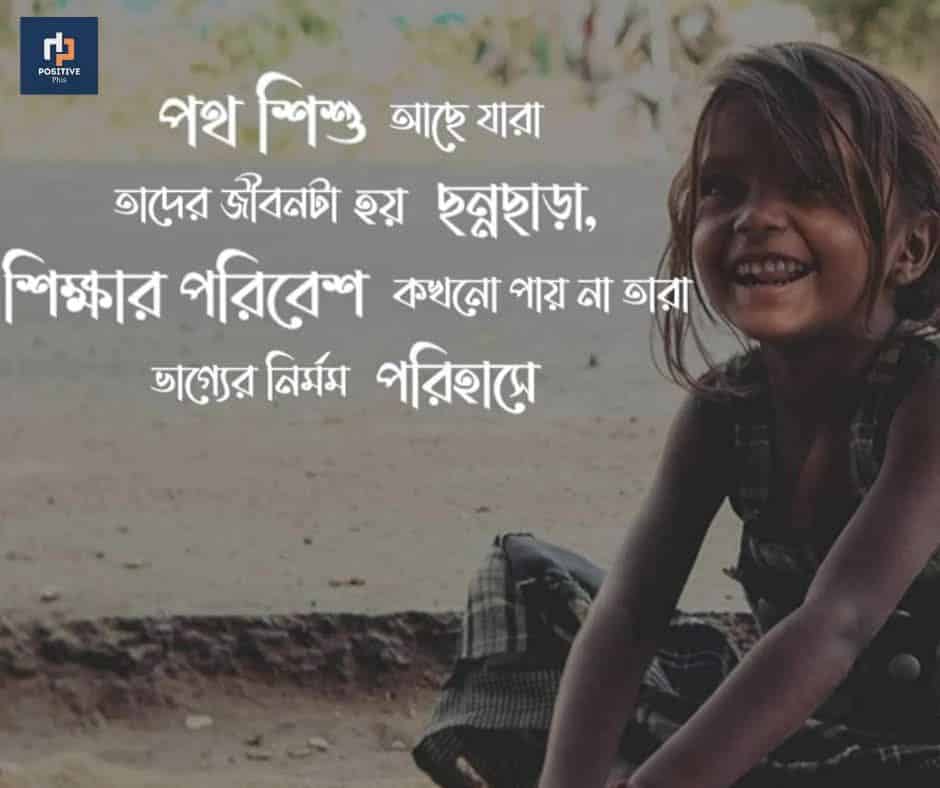
Daily schedules balance structure with flexibility. Street children have often lived without regular routines, so predictability helps rebuild their sense of security. But rigid rules can trigger rebellion, so there’s always room to adapt.
Peer support groups give kids the chance to see they’re not alone in their experiences, reducing shame and isolation. When facilitated by skilled staff, these groups build community healing that professional counseling alone can’t provide.
Educational and vocational training opportunities
Street kids haven’t had the luxury of regular schooling. They’ve been busy surviving. But education is their ticket to breaking the cycle of poverty.
Smart shelter programs don’t just dump these kids into standard classrooms where they’ll feel lost and stupid. They start with remedial learning that meets each child exactly where they are. No shame, no pressure – just appropriate challenges that build confidence through success.
Literacy and numeracy are just the beginning. Vocational training in marketable skills creates paths to actual employment. Computer literacy, carpentry, cooking, sewing, auto repair – these practical skills offer clear routes to earning money legitimately.
The best programs include mentorships with local businesses. Nothing builds a child’s confidence like a respected adult saying, “I see potential in you.” These relationships often lead to apprenticeships and eventual jobs.
Financial literacy training prevents exploitation. Many street children have handled money through begging or worse, but understanding banking, saving, and making sound financial choices is entirely different.
Art and music programs aren’t extras – they’re essential healing tools. Creative expression gives children ways to process trauma that talking simply can’t access. Plus, these activities build focus, patience, and the joy of creating something beautiful.
Building trust and stability for traumatized children
Trust doesn’t come easy for kids who’ve been betrayed by the very adults who should have protected them. Building it requires consistent, honest interactions over time.
The key word is “predictable.” When adults do what they say they’ll do – consistently showing up, keeping promises, maintaining boundaries – children slowly learn that not everyone will let them down.
Clear expectations communicated in simple language help children understand what’s happening around them. No surprises. No sudden changes. Everything explained ahead of time.
Consequences for behavior need to make sense and be applied fairly. These kids have survived by reading people and situations carefully – they’ll spot inconsistency immediately and it will destroy fragile trust.
Choice matters tremendously. Street children have had their power stripped away repeatedly. Offering appropriate choices – “Would you prefer to do your homework before or after dinner?” – returns some control to children who desperately need it.
Long-term staff retention creates the continuity these children need. Every time a trusted adult leaves, it reinforces the message that attachments aren’t safe. Shelters need to invest in staff support and competitive pay to maintain the stable relationships traumatized children require.
Age-appropriate programming and development support
What works for a six-year-old won’t work for a teenager. Effective shelters recognize developmental stages and create programming that matches children’s actual needs, not just their chronological age.
For younger children, play-based learning helps them catch up on missed developmental milestones. Many street children haven’t had the luxury of normal play, which is actually crucial for brain development.
Teenagers need different approaches entirely. They benefit from leadership opportunities and direct input into shelter operations. Peer mentoring programs let older teens guide younger ones, building responsibility and pride.
Identity development requires special attention. Street children often struggle with questions like “Who am I beyond survival?” Cultural activities, community connections, and exploration of personal interests help them build healthy identities.
Life skills training grows increasingly important as children approach independence. Cooking nutritious meals, managing a household, navigating public transportation, and handling job interviews – these practical skills prepare them for successful transitions.
Transition planning starts early. The move from shelter to independent living needs careful preparation, not an abrupt push out the door when a child reaches a certain age. Gradual steps toward independence with ongoing support create sustainable futures instead of returning children to the streets.
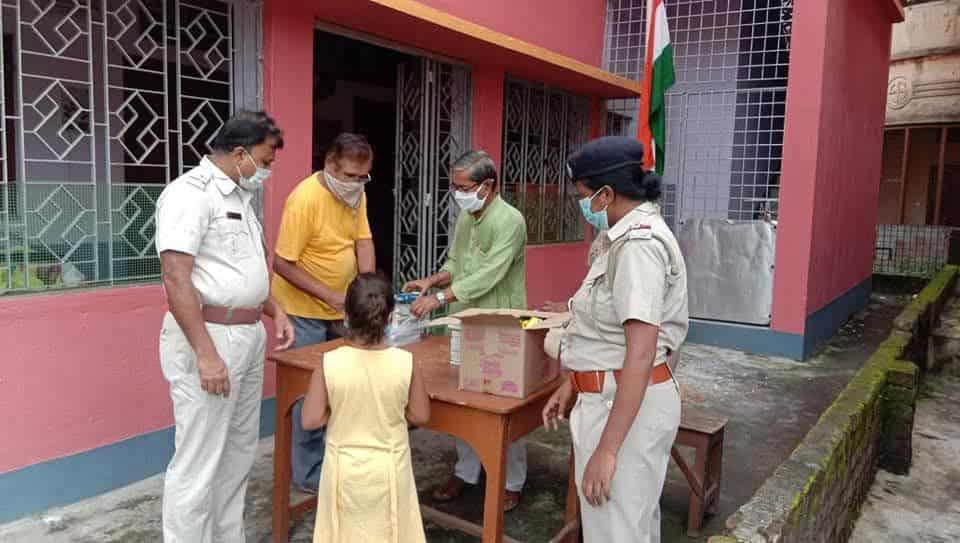
Beyond Basic Shelter: Comprehensive Rehabilitation
A. Family reunification efforts and protocols
Ever wondered what happens after a child arrives at a shelter? It’s not just about giving them a bed. The real goal is getting kids back to their families when it’s safe.
Good shelters run thorough background checks before reunification. They’ll interview family members, visit homes, and assess if the environment is actually safe for the child to return to.
Most shelters follow a step-by-step process:
- Locate the family (sometimes using community networks)
- Assess family conditions and willingness to accept the child
- Provide family counseling and support
- Arrange supervised visits
- Conduct follow-up monitoring after reunification
The best programs don’t just drop kids back home and disappear. They stick around, checking in regularly for at least 6-12 months.
B. Education and life skills development
These kids aren’t just waiting around for life to happen. Quality shelters run comprehensive education programs—from basic literacy to vocational training.
Many children arrive having missed years of school. Shelters bridge this gap with remedial classes that prepare them to enter formal education again. But it goes beyond reading and math.
The real game-changers are life skills programs teaching:
- Financial literacy and saving habits
- Conflict resolution techniques
- Decision-making and goal setting
- Personal hygiene and health management
- Communication skills
Some shelters partner with local businesses to create apprenticeship programs, giving teens practical work experience before they leave the system.
C. Healthcare services and nutritional support
Street life wrecks havoc on young bodies. When children arrive at shelters, many suffer from malnutrition, untreated injuries, respiratory infections, and skin diseases.
Comprehensive shelters offer:
- Initial health screenings and vaccinations
- Regular medical check-ups
- Dental care (often overlooked but critical)
- Mental health counseling
- Substance abuse treatment when needed
Nutrition isn’t an afterthought—it’s central to recovery. Many shelters work with nutritionists to design balanced meal plans that address specific deficiencies common in formerly street-involved children.
Some innovative programs even teach kids to grow their own food in shelter gardens, combining nutritional education with practical skills.
D. Legal aid and documentation assistance
You can’t fully exist in society without proper documentation. Many street children lack birth certificates, identity cards, or other crucial papers—essentially making them invisible to systems meant to protect them.
Shelters with legal components help children:
- Obtain birth certificates and ID documents
- Navigate custody hearings when necessary
- Access government welfare programs
- Understand their rights and protections under the law
- Receive representation if they’ve been victims of crimes
This documentation work might sound boring compared to other services, but it’s absolutely transformative. With proper papers, a child gains access to education, healthcare, and future employment opportunities previously blocked to them.
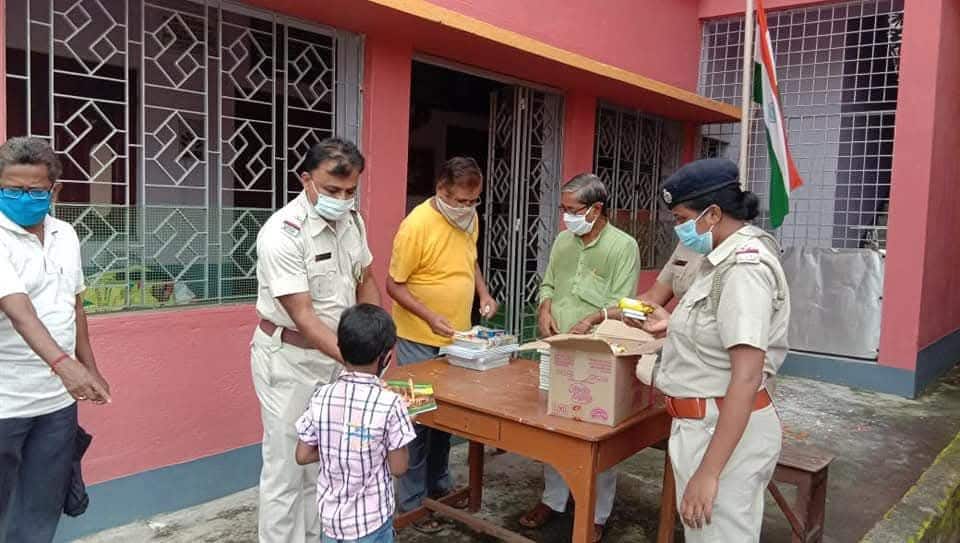
Community Integration and Support Networks
Local partnerships with businesses and schools
Street children don’t exist in isolation. They’re part of our community, and when businesses and schools step up, amazing things happen.
Local shops like Danny’s Bakery in Mumbai donate unsold bread each evening to nearby shelters. It’s a simple act that feeds dozens of kids. Some companies go further – offering apprenticeships that give these children real skills and future employment possibilities.
Schools make perfect partners too. When the Sunshine Shelter in Lagos paired with five local schools, the children gained access to education without feeling different. Teachers volunteered extra hours, and regular students became mentors and friends.
These partnerships work because they’re win-win. Businesses get community goodwill, schools fulfill their social mission, and the children? They get something priceless – connection to the world beyond shelter walls.
Volunteer programs and community involvement
Nothing transforms a shelter from an institution to a home like regular volunteers. They bring fresh energy, specialized skills, and most importantly – human connection.
Weekend art programs, homework clubs, sports coaching – these activities run on volunteer power. But the best programs go beyond just “helping the poor kids.” They create relationships.
Take the “Buddy System” in Bangkok – each child is matched with a community volunteer who commits to weekly visits for at least a year. These consistent relationships help heal trauma and build trust.
Community involvement works best when it’s a two-way street. Shelters that invite neighbors for open houses or have the children participate in community clean-ups shift the dynamic from charity to citizenship.
Destigmatizing street children through awareness campaigns
The label “street child” comes with baggage – assumptions about criminality, drug use, or moral failure. These stereotypes hurt. Badly.
Smart awareness campaigns tackle this head-on. The “I Am More” photo exhibit in Bogotá displayed portraits of shelter residents alongside their dreams and talents – not their hardships. It humanized the children in ways statistics never could.
Social media campaigns work too, especially when they let the children tell their own stories. When 14-year-old Raj from Delhi shared his journey through a viral video series, viewers stopped seeing “street children” and started seeing individuals with potential.
Schools that include awareness programs teach the next generation a different perspective. When children learn that homelessness often stems from systems failing – not personal failings – stigma starts to crack.
The most effective campaigns don’t just tug heartstrings. They call for specific policy changes and community action that addresses root causes.
Policy and Advocacy for Street Children
A. Legal frameworks protecting homeless youth
Kids living on the streets need legal protection. Period. The UN Convention on the Rights of the Child is the big one here – it says all kids deserve shelter, food, and education. No exceptions for street kids.
But here’s the thing – fancy international laws don’t mean much without local muscle behind them. Countries need their own laws with real teeth. India’s Juvenile Justice Act and Brazil’s Child and Adolescent Statute are good examples. They specifically recognize street children as a vulnerable group needing special protection.
What works best? Laws that don’t just punish kids for being homeless but actually help them. Laws that stop cops from hassling them just for existing in public spaces. Laws that make it easier for them to get ID documents, which they need for basically everything.
B. Government responsibilities and funding mechanisms
Governments can’t just shrug and say “not my problem.” They need to put real money behind helping these kids.
Many countries set up dedicated departments or committees focusing on street children. The smart ones create multi-year budget plans instead of just one-off projects that fizzle out after a few months.
Funding models vary widely. Some governments:
- Directly fund shelters and programs
- Create public-private partnerships
- Offer tax incentives to businesses that support shelter homes
- Establish special funds from tourism or luxury taxes
The most effective approach? Decentralized funding that gives local authorities flexibility while maintaining accountability standards.
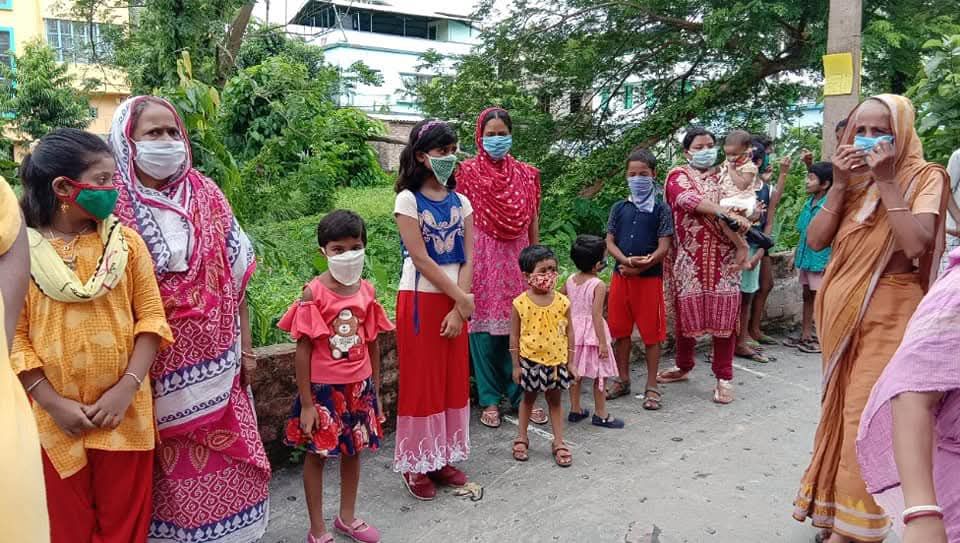
C. NGO collaborations and international support
NGOs are often the real MVPs in this work. They’re on the ground when governments fall short. Organizations like Save the Children, Covenant House, and Railway Children have built impressive networks of support.
International donors play a crucial role too. The World Bank, UNICEF, and private foundations pump millions into programs for street children. But these relationships get complicated fast.
Foreign funding sometimes comes with strings attached that don’t match local realities. And when international funding suddenly dries up? Programs collapse overnight.
The best collaborations happen when:
- Local NGOs lead strategy development
- International partners provide funding AND capacity building
- Knowledge and best practices flow both ways
- Long-term commitments replace short-term “projects”
D. Advocacy strategies for systemic change
Advocacy isn’t just nice – it’s necessary. We need systemic change, not band-aid solutions.
The most powerful advocacy includes street children themselves. Their voices matter most. Former street youth make incredibly effective advocates – they know the reality better than any policy expert.
Media campaigns can shift public perception from seeing these kids as criminals or nuisances to seeing them as children deserving protection.
Effective advocacy strategies include:
- Child-led campaigns and testimonials
- Strategic litigation challenging discriminatory laws
- Policy briefs targeting specific legislative changes
- Coalition building across sectors
- Economic impact studies showing the cost of inaction
The hardest part? Getting the general public to care about kids they’ve been taught to avoid on the street. But when advocacy breaks through that barrier, real change happens fast.
Measuring Impact and Ensuring Quality
A. Effective monitoring and evaluation systems
The real question is: how do we know if shelter homes are actually helping street children?
Good monitoring systems aren’t just fancy paperwork. They track what matters – are kids safer, healthier, and moving toward better futures? The best systems combine:
- Daily observation logs capturing behavioral changes
- Regular health assessments
- Educational progress tracking
- Feedback sessions with children
- Follow-up with former residents
Many shelters fail because they collect tons of data but never use it. Smart shelters focus on actionable metrics that staff can actually respond to.
B. Key performance indicators for shelter homes
What gets measured gets improved. For shelter homes, these KPIs cut through the noise:
| KPI Category | Examples |
|---|---|
| Safety | Incidents reported, safety perception scores |
| Health | Weight gain, reduced illness rates, mental health improvements |
| Education | Attendance rates, literacy improvements, skill development |
| Social Development | Positive relationship formation, reduced conflict |
| Long-term Success | Family reunification rates, transition to stable housing |
The trick? Measuring both immediate outcomes (are kids fed today?) and long-term impact (can they support themselves later?).
C. Child participation in program development
Want to know what street children need? Ask them.
The most successful shelter programs invite children into the planning process. This isn’t just feel-good philosophy – it creates programs that children actually use.
Some practical approaches:
- Youth councils with real decision-making power
- Anonymous suggestion systems where kids feel safe giving feedback
- Child-led tours for visitors and new residents
- Mentorship programs where older children help design activities for younger ones
When children help shape the programs meant to serve them, engagement skyrockets and outcomes improve dramatically.
D. Continuous improvement methodologies
The shelter landscape changes constantly. The homes that thrive embrace a cycle of:
- Test small changes before big implementations
- Gather feedback from children and staff quickly
- Analyze what worked (and what bombed)
- Adapt programs immediately
- Repeat
Most shelters get stuck in “we’ve always done it this way” thinking. But street children’s needs evolve with society, technology, and economic conditions.
The most innovative homes borrow improvement methods from other sectors – like the “sprint” concept from tech companies or quality circles from manufacturing – and adapt them to create nimble, responsive programs that actually work.
Street children shelter homes provide a critical safety net for vulnerable young people, offering far more than just a roof over their heads. Through organizations like Covenant House, these sanctuaries deliver comprehensive care including food, clothing, medical attention, and emotional support while fostering environments where youth can heal from trauma and begin rebuilding their lives. From physical safety to educational opportunities and vocational training, these programs address the complex needs of young people experiencing homelessness and trafficking.
Supporting shelter homes means investing in the future of vulnerable children and youth. By contributing time, resources, or advocacy efforts, we can strengthen these vital institutions that transform lives daily. Each success story represents a child who has found not just shelter, but opportunity, dignity, and hope for a brighter tomorrow. Together, we can ensure these safe havens continue to welcome every young person in need with open arms and unwavering support.
