
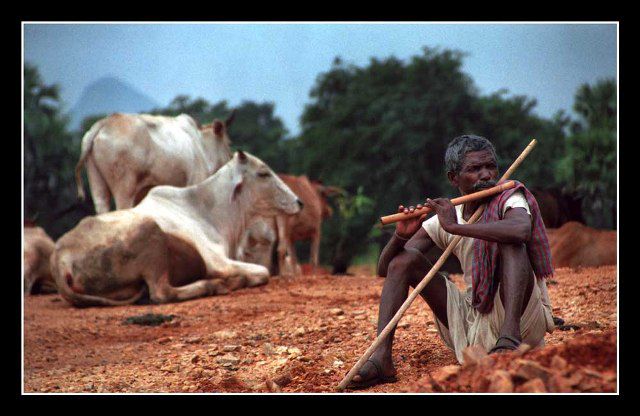
The Agaria tribe stands as one of India’s most fascinating indigenous communities, known for their exceptional iron working skills and rich cultural traditions. This guide is perfect for students, researchers, cultural enthusiasts, and anyone curious about India’s tribal heritage.The Agaria people have called central India home for centuries, developing unique customs and beliefs that set them apart from other communities. Their mastery of iron smelting and tool-making has been passed down through generations, making them essential contributors to local economies and cultural landscapes.We’ll explore the historical roots and cultural heritage that shaped the Agaria tribe into the community it is today. You’ll also discover their traditional ironworking techniques and craftsmanship that made them famous throughout the region. Finally, we’ll look at how they organize their society and the modern challenges they face while trying to preserve their ancient way of life.
Historical Origins and Cultural Heritage of the Agaria Tribe
Ancient roots tracing back to medieval India
The Agaria tribe’s story stretches back centuries, with historical records placing their origins during India’s medieval period, roughly between the 8th and 12th centuries CE. These communities emerged as specialized artisan groups when iron working was becoming increasingly sophisticated across the Indian subcontinent. Archaeological evidence from various excavation sites in central India reveals iron tools and implements that bear the distinctive hallmarks of early Agaria craftsmanship.During the Mughal era, the Agaria gained recognition as master iron workers, with their skills being documented in court records and administrative texts. Their reputation spread beyond local kingdoms, earning them patronage from rulers who valued their technical expertise. The tribe’s oral traditions speak of ancestors who were among the first to develop advanced smelting techniques, passing down knowledge through generations without written documentation.
Connection to iron smelting and traditional metallurgy
Iron smelting forms the cultural backbone of the Agaria identity. Their traditional bloomery furnaces, known locally as “bhatti,” represent centuries of metallurgical innovation. These cone-shaped structures, built from locally sourced clay and stones, can reach temperatures exceeding 1,200 degrees Celsius, perfect for extracting iron from ore.The Agaria developed unique techniques for ore selection and preparation. They could identify high-quality iron ore by its color, weight, and magnetic properties. Their smelting process involved creating charcoal from specific tree species, mixing iron ore with limestone flux, and maintaining precise temperature control throughout the process.
Their mastery extended beyond basic iron working to creating specialized alloys. By adding small amounts of carbon during the smelting process, they produced steel with varying hardness levels suitable for different applications.
Geographic distribution across central Indian states
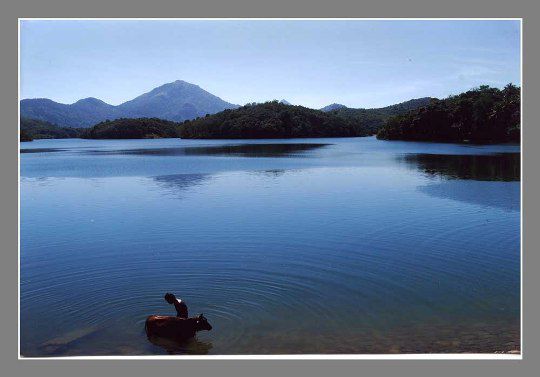
The Agaria primarily inhabit the forested regions of Madhya Pradesh, Chhattisgarh, and parts of Jharkhand and Odisha. Their settlements cluster around areas rich in iron ore deposits, particularly in the Satpura and Vindhya mountain ranges. Each geographic pocket has developed slight variations in techniques and cultural practices while maintaining core traditions.In Madhya Pradesh, the largest concentrations live in:
- Mandla district
- Dindori district
- Balaghat district
- Parts of Jabalpur division
Chhattisgarh’s Agaria communities are found mainly in:
- Bilaspur region
- Korba district
- Surguja division
These geographic distributions aren’t random – they follow ancient trade routes and areas where iron ore, forests for charcoal, and water sources converge. The tribe’s mobility patterns historically followed seasonal availability of raw materials and market demands for their products.
Linguistic traditions and dialect preservation
The Agaria speak various dialects that blend Hindi, regional languages, and their own tribal vocabulary. Their linguistic heritage includes specialized terminology for metallurgical processes that doesn’t exist in standard Hindi or other regional languages. Terms like “loha-paani” (iron-water, referring to quenching), “aag-mitti” (fire-clay, for furnace lining), and “dhaatu-vidya” (metal knowledge) represent technical concepts passed down orally.Different Agaria settlements have developed distinct pronunciations and vocabulary influenced by surrounding communities. The Madhya Pradesh groups often incorporate more Hindi words, while those in Chhattisgarh maintain stronger tribal linguistic elements. Despite these variations, core technical terminology remains consistent across regions.Storytelling traditions preserve not just language but also technical knowledge. Folk songs describe smelting processes, ore identification, and tool-making techniques. These oral traditions serve as both cultural preservation and practical instruction manuals. Elders use rhythmic verses to teach young apprentices the timing for adding materials to furnaces and recognizing different stages of the smelting process.The tribe also maintains naming conventions that reflect their metallurgical heritage. Many personal names incorporate words related to iron, fire, or craftsmanship, connecting individuals to their ancestral profession from birth.
Traditional Iron Working Skills and Craftsmanship
Time-honored smelting techniques passed through generations
The Agaria tribe has preserved ancient iron smelting methods for over 2,000 years, passing these skills from master to apprentice through oral traditions and hands-on learning. Their smelting process begins with carefully selected iron ore, typically sourced from local hills and valleys. The ore undergoes meticulous preparation, including crushing and washing to remove impurities.
The traditional furnace, called a “bhatti,” stands as the centerpiece of Agaria metallurgy. These cylindrical clay structures, reaching heights of 3-4 feet, feature intricate designs that optimize airflow and heat distribution. The furnace construction itself requires specialized knowledge, with specific clay mixtures and proportions known only to experienced smelters.Charcoal serves as the primary fuel source, produced from specific tree species like sal and mahua. The Agaria craftsmen understand the burning characteristics of different woods and select them based on the desired iron quality. The smelting process typically lasts 8-12 hours, requiring constant monitoring and adjustment of fuel and airflow.
Sacred rituals surrounding iron production processes
Iron working among the Agaria tribe intertwines deeply with spiritual beliefs and ceremonial practices. Before lighting the furnace, smelters perform elaborate rituals to invoke blessings from their patron deity, Lohasur, the god of iron. These ceremonies include offerings of rice, flowers, and coconut, along with prayers for successful smelting and protection from accidents.The timing of iron production follows lunar cycles and auspicious dates determined by tribal elders. Certain days are considered taboo for smelting, particularly during eclipses or inauspicious periods in the tribal calendar. Women traditionally remain away from the smelting area during active production, as their presence is believed to affect the iron’s quality.Each stage of the process involves specific chants and mantras passed down through generations. The first lighting of the furnace requires the eldest craftsman to perform a fire ceremony, while the pouring of molten iron is accompanied by protective prayers. These rituals create a sacred atmosphere that transforms ordinary metalwork into a spiritual practice.
Tools and equipment used in traditional metallurgy
Agaria metalworkers employ a sophisticated array of traditional tools, many handcrafted by the artisans themselves. The bellows system, operated manually by assistants, consists of two leather bags connected to bamboo pipes that deliver controlled air blasts to the furnace. This ancient technology requires precise coordination and timing to maintain optimal combustion temperatures.Crucibles made from special clay mixtures hold the molten iron during pouring and shaping. These vessels must withstand extreme temperatures and thermal shock, requiring specific clay preparations and firing techniques. The Agaria craftsmen create these crucibles using clay from particular locations known for their heat-resistant properties.
Essential tools include:
- Long-handled tongs for manipulating hot iron
- Stone hammers of various sizes for shaping
- Anvils carved from hard stone
- Measuring tools made from bamboo and wood
- Water containers for quenching and cooling
Quality and characteristics of Agaria-made iron products
Agaria-produced iron possesses unique qualities that distinguish it from modern industrial iron. The traditional smelting process creates wrought iron with exceptional malleability and corrosion resistance. This iron contains lower carbon content, making it ideal for tools that require flexibility and durability.The finished products exhibit distinctive characteristics including a fibrous grain structure that provides superior strength and workability. Agaria iron tools maintain sharp edges longer than mass-produced alternatives and can be repeatedly heated and reshaped without losing structural integrity. The surface often displays a characteristic bluish-black patina that develops naturally during the forging process.Traditional Agaria products include agricultural implements, household utensils, and ceremonial objects. Their axes, sickles, and plowshares are particularly renowned for their longevity and effectiveness. The iron’s unique composition makes it less brittle than high-carbon steel, allowing tools to bend rather than break under stress.
Economic significance of iron working in tribal communities
Iron production forms the economic backbone of many Agaria settlements, providing both direct income and supporting related trades. Families typically specialize in different aspects of the process, from ore mining and charcoal production to forging and marketing finished goods. This specialization creates interdependent economic networks within tribal communities.The trade relationships extend beyond tribal boundaries, with Agaria iron products reaching distant markets through traditional trading networks. Agricultural communities particularly value Agaria tools for their durability and performance, creating steady demand that sustains the tribal economy.However, modern industrial competition has significantly impacted traditional iron working. Cheaper mass-produced tools flood local markets, reducing demand for handcrafted alternatives. Many young Agaria tribe members migrate to cities for employment, leaving fewer people to continue the traditional practices. This economic pressure threatens the survival of ancient metallurgical knowledge and the communities dependent on this craft.
Social Structure and Community Organization
Clan-based Hierarchical Systems and Leadership Roles
The Agaria tribe operates through a well-defined clan system that forms the backbone of their social organization. Each clan, known as gotra, traces its lineage through patrilineal descent, with several major clans dominating the community structure. The Maharana, Chaurasia, and Agaria clans represent the primary divisions, each maintaining distinct ritual obligations and social responsibilities.Traditional leadership falls under the Panchayat system, where village elders make collective decisions about community affairs. The Mukhiya or headman typically emerges from the most respected clan and holds authority over dispute resolution, resource allocation, and ceremonial functions. This position isn’t hereditary but rather earned through demonstrated wisdom, iron-working expertise, and community service.Clan hierarchy directly connects to occupational specialization, with master ironworkers holding higher social status. The Lohar (blacksmith) families command respect for their technical skills, while newer members learn through apprenticeship systems that can span generations. Each clan maintains specific totems and ritual practices that distinguish them from others, creating a complex web of social identity and belonging.
Marriage Customs and Kinship Patterns
Marriage within the Agaria community follows strict exogamous rules, preventing unions within the same clan or gotra. Young people typically marry outside their immediate kinship network, often arranged by families who consider factors like clan compatibility, iron-working skills, and economic stability.The traditional marriage process involves elaborate negotiations between families, including bride price discussions and ceremonial exchanges. Wedding ceremonies blend Hindu customs with unique Agaria traditions, featuring special rituals where the groom demonstrates his iron-working abilities and the bride receives tools that symbolize her future role in supporting the craft.Kinship patterns emphasize extended family networks, with multiple generations often living in shared compounds. Children learn trade secrets and cultural knowledge through close interaction with grandparents and uncles. The joint family system provides economic security and ensures knowledge transfer across generations, making kinship ties crucial for both cultural preservation and livelihood maintenance.
Gender Roles in Traditional and Modern Contexts
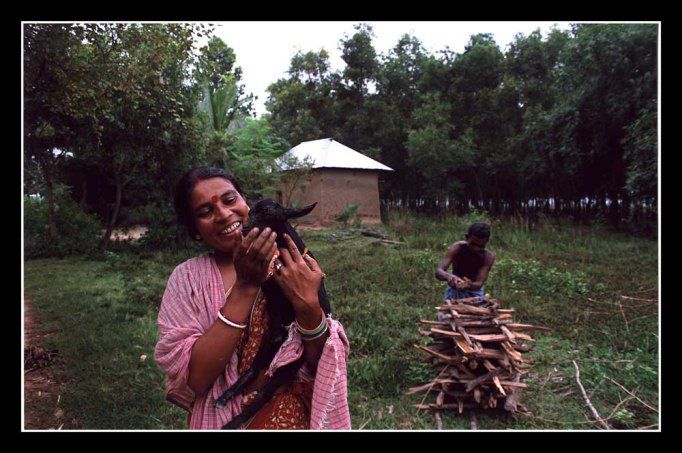
Traditional gender roles within the Agaria tribe center around iron-working activities and household management. Men dominate the forge work, handling heavy hammering, fire management, and tool creation, while women support the process through coal preparation, bellows operation, and finished product marketing. This division creates complementary partnerships where both genders contribute essential skills to family enterprises.
Women hold significant influence in household decisions and often manage family finances from iron-working profits. They also maintain cultural traditions through storytelling, ritual preparations, and community ceremonies. Many women possess deep knowledge about metal properties and customer preferences, making them skilled negotiators in local markets.Modern changes challenge traditional patterns as education and urbanization create new opportunities. Younger Agaria women increasingly pursue formal education and alternative careers, while some men explore employment beyond iron-working. However, many families still prefer maintaining traditional roles, especially in rural areas where iron-working remains profitable. This creates generational tensions as communities balance cultural preservation with changing economic realities and educational aspirations for their children.
Religious Beliefs and Spiritual Practices
Worship of Lohasur, the iron deity
The spiritual world of the Agaria tribe centers around Lohasur, their revered iron deity who embodies the sacred essence of metal and fire. This powerful god represents the soul of their ironworking profession and serves as the divine protector of their craft. Agaria communities believe that Lohasur dwells within their furnaces and guides their hands during the delicate process of transforming raw iron ore into tools and weapons.Local traditions describe Lohasur as a benevolent force who blessed the Agaria people with the knowledge of metallurgy. Before beginning any major ironworking project, craftsmen offer prayers and small sacrifices to ensure his favor. These offerings typically include rice, flowers, and sometimes a portion of their first successful creation. The deity’s presence is felt most strongly during the initial lighting of furnaces, when flames dance and metal begins to glow.Sacred stories passed down through generations tell of how Lohasur taught the first Agaria ancestors the secrets of reading iron ore quality and controlling fire temperatures. This divine knowledge separated them from other tribal communities and established their unique identity as master metalworkers.Rituals connected to fire and metal working
Fire holds profound spiritual significance in Agaria culture, viewed as both a practical tool and a divine element connecting the earthly and spiritual realms. The lighting of the furnace involves elaborate ceremonies where tribal elders chant ancient prayers while younger members arrange specific patterns of fuel and iron ore.
Before each smelting session, the Agaria perform purification rituals that include:
- Sacred water sprinkling around the furnace area
- Burning of specific herbs believed to attract positive spiritual energy
- Placement of protective charms made from iron scraps and blessed materials
- Communal prayers recited in their traditional language
The bellows operation follows rhythmic patterns that mirror ceremonial drumbeats, creating a meditative atmosphere where spiritual and physical work merge seamlessly. Master craftsmen teach apprentices that successful ironworking requires not just technical skill but also spiritual alignment with the forces of fire and metal.Seasonal festivals celebrate different aspects of their metalworking heritage. The annual Iron Festival marks the beginning of the prime working season, featuring competitions between different family groups and elaborate displays of their finest creations.
Integration of Hindu practices with tribal traditions
Over centuries of interaction with neighboring Hindu communities, the Agaria have skillfully woven mainstream religious elements into their existing belief system without losing their distinctive tribal identity. This cultural blending creates a rich spiritual tapestry that honors both ancient tribal wisdom and broader Hindu traditions.Many Agaria families now worship Hindu deities alongside Lohasur, particularly Vishvakarma, the divine architect and craftsman. They see strong connections between Vishvakarma’s role as the cosmic creator of tools and weapons and their own sacred metalworking traditions. During Hindu festivals like Vishvakarma Puja, Agaria craftsmen clean and decorate their tools, seeking blessings for continued skill and prosperity.
The integration appears in various forms:
Local temples often feature shrines dedicated to both Hindu gods and Agaria tribal deities, creating unique worship spaces that reflect this cultural synthesis. Priests conducting ceremonies frequently incorporate traditional Agaria chants with Sanskrit verses, producing hybrid religious practices that feel authentic to community members.
Sacred groves and natural worship sites
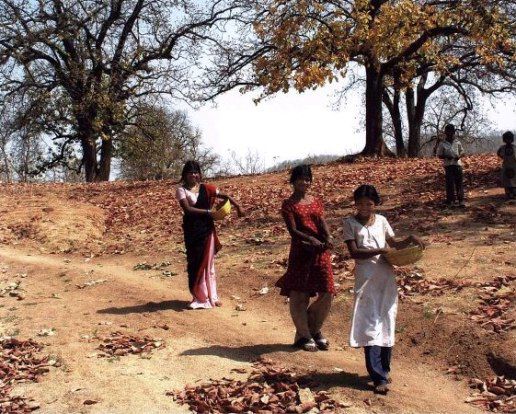
The Agaria maintain deep connections with natural environments, designating specific forest areas as sacred spaces where spiritual practices and environmental conservation intersect. These protected groves, called “devrai” in local dialect, serve as outdoor temples where the tribe conducts important ceremonies and maintains contact with nature spirits.Dense clusters of sal, teak, and bamboo trees create natural sanctuaries where tribal elders gather for decision-making councils and young people receive traditional education about their heritage. The Agaria believe these forests house protective spirits who guard their communities from harm and ensure successful hunting and gathering expeditions.Within these sacred spaces, particular trees are identified as dwelling places for ancestral spirits. Community members tie colorful cloth strips to branches, leave small offerings of food and flowers, and seek guidance during times of difficulty. The practice demonstrates their understanding that spiritual power flows through natural elements, not just human-made objects.Rock formations near these groves often feature ancient carvings and paintings that tell stories of Agaria history and mythology. These natural galleries serve as outdoor classrooms where cultural knowledge passes from generation to generation. Elders point to specific symbols and recount tales of heroic ancestors, legendary hunts, and divine interventions that shaped their community’s destiny.The tribe’s commitment to preserving these natural worship sites creates informal but effective conservation zones that protect local biodiversity while maintaining spiritual traditions. This dual purpose reflects the Agaria worldview that sees no separation between environmental stewardship and religious duty.
Modern Challenges and Cultural Preservation Efforts
Impact of industrialization on traditional livelihoods
The rise of large-scale steel and iron industries has dramatically changed the economic landscape for the Agaria tribe. Traditional iron-working families who once thrived on their specialized blacksmithing skills now struggle to compete with mass-produced metal goods flooding local markets. Village forges that operated for generations have fallen silent as demand for handcrafted tools and implements dwindled.Many Agaria craftsmen have been forced to abandon their ancestral profession, seeking work as daily laborers in factories or construction sites. This shift represents more than just economic adaptation – it breaks a cultural chain that connected generations through shared knowledge and techniques passed down over centuries.The mechanization of agriculture has also reduced demand for traditional farming tools that were once the backbone of Agaria trade. Plowshares, sickles, and other implements that required the unique metallurgical expertise of the Agaria are now replaced by factory-made alternatives that cost less but lack the durability and craftsmanship of traditional pieces.
Educational initiatives and skill development programs
Several organizations have launched programs specifically designed to preserve and modernize Agaria traditional skills. Training centers now teach young tribal members how to blend ancient iron-working techniques with contemporary market demands, creating products that appeal to modern consumers while maintaining cultural authenticity.Vocational programs focus on:
- Metal art and decorative items for urban markets
- Traditional tool-making for heritage tourism
- Small-scale manufacturing using improved furnaces
- Business skills and marketing strategies
Educational NGOs work directly with Agaria communities to establish learning centers where elders can pass on technical knowledge to younger generations. These initiatives recognize that preserving culture requires making it economically viable for the next generation.
Government policies affecting tribal communities
Government classification of the Agaria as a Scheduled Tribe provides certain protections and benefits, including reserved seats in educational institutions and government jobs. However, policy implementation often falls short of addressing the community’s specific needs as traditional craftspeople.Recent policies have focused on:
- Land rights recognition and protection
- Access to credit for small-scale enterprises
- Healthcare services in remote tribal areas
- Forest resource usage rights
The government’s push toward formalization of the economy has created challenges for traditional artisans who historically operated through informal networks and barter systems. New regulations and licensing requirements often prove difficult for elderly craftsmen to navigate.
Youth migration and its effects on cultural continuity
Young Agaria men and women increasingly migrate to cities for education and employment opportunities, leaving behind elderly family members who possess irreplaceable traditional knowledge. This brain drain threatens the survival of intricate iron-working techniques that require years of apprenticeship to master.Urban migration creates a cultural gap where traditional practices lose relevance in city life. Young people who grow up away from their villages often lack the deep connection to ancestral crafts that previous generations maintained. When they return home for visits, they may find it difficult to relate to the slow, meditative process of traditional iron-working.The challenge becomes particularly acute when master craftsmen age without having fully trained successors. Each passing elder represents a potential loss of specific techniques, ritual knowledge, and cultural wisdom that cannot be easily recovered once lost.However, some young Agaria are finding ways to bridge this gap by using modern technology to document traditional practices, creating online marketplaces for tribal crafts, and developing hybrid approaches that honor their heritage while embracing contemporary opportunities.The Agaria tribe stands as a living testament to India’s rich cultural tapestry, with their ancient ironworking traditions and deep spiritual connections shaping their identity for centuries. Their unique social structure and religious practices have helped them maintain their distinct heritage even as the modern world presents new challenges. From their skilled craftsmanship that once supplied tools and weapons across regions to their close-knit community bonds, the Agaria people have preserved knowledge and traditions that offer valuable insights into India’s tribal history.Today, the Agaria community faces the difficult balance of honoring their ancestral ways while adapting to contemporary realities. Their story reminds us that cultural preservation isn’t just about maintaining traditions—it’s about recognizing the wisdom and skills that indigenous communities bring to our shared human experience. Supporting their efforts to document their practices, protect their rights, and find sustainable ways to continue their ironworking heritage becomes not just their responsibility, but ours as well. The Agaria tribe’s journey forward depends on both their own resilience and society’s commitment to celebrating and protecting tribal cultures that enrich our world.
