
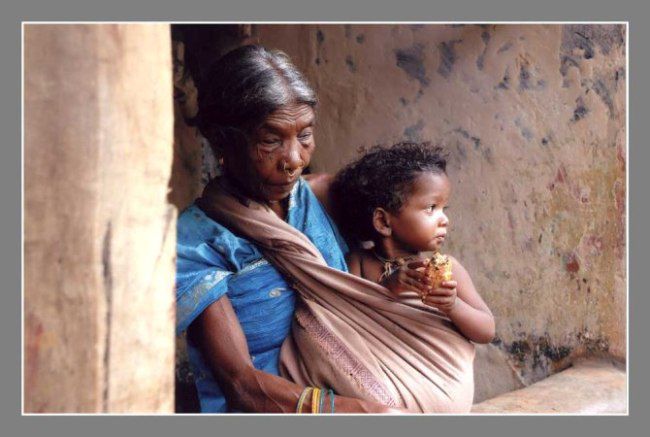
The Khariam Tribe represents one of India’s lesser-known indigenous communities, carrying centuries of unique traditions and cultural practices that deserve recognition and understanding. This guide is perfect for students, researchers, cultural enthusiasts, and anyone curious about India’s diverse tribal heritage.
You’ll discover the fascinating origins and historical background that shaped the Khariam people’s identity over generations. We’ll explore their rich cultural traditions and community practices that continue to bind them together today. Finally, you’ll learn about the modern challenges they face and how they’re adapting while trying to preserve their ancestral way of life.
Origins and Historical Background of the Khariam Tribe
Ancient roots and migration patterns
The Khariam Tribe traces its origins back several centuries, with oral traditions suggesting they emerged from the broader Austroasiatic linguistic family. Archaeological evidence points to their ancestors migrating southward through the Indian subcontinent during ancient population movements, likely between the 8th and 12th centuries CE. These early migrations followed river valleys and mountain passes, bringing distinct cultural practices and agricultural techniques that would define the Khariam identity.
The tribe’s migration patterns show a gradual settlement process rather than a single mass movement. Small groups established temporary settlements, testing soil fertility and water availability before committing to permanent habitation. This cautious approach helped preserve their cultural integrity while adapting to new environments.
Traditional homeland and geographical distribution
The Khariam Tribe primarily inhabits the hilly regions of eastern India, with concentrated populations in Jharkhand, Odisha, and parts of West Bengal. Their traditional territories span approximately 15,000 square kilometers across these states, encompassing both forested highlands and river valleys.
The geographical distribution reflects their adaptive strategies:
- Core settlements: Dense forest areas with reliable water sources
- Seasonal camps: Agricultural plains for crop cultivation
- Trading posts: Strategic locations along ancient trade routes
- Sacred sites: Hilltops and groves designated for spiritual practices
This scattered yet connected pattern allowed the Khariam to maintain territorial control while preserving access to diverse ecological resources. Each settlement typically houses 50-200 families, creating manageable community sizes that foster strong social bonds.
Early interactions with neighboring communities
Historical records from the 16th century describe the Khariam Tribe as skilled traders and mediators between various ethnic groups. They developed sophisticated diplomatic relationships with neighboring tribes like the Santhal, Ho, and Munda communities. These interactions involved:
- Trade networks: Exchange of forest products, metalwork, and agricultural goods
- Cultural exchanges: Shared festivals, marriage alliances, and linguistic borrowing
- Territorial agreements: Peaceful coexistence through defined hunting and farming boundaries
- Conflict resolution: Serving as neutral arbitrators in inter-tribal disputes
The Khariam reputation for fairness made them valuable allies during regional conflicts. British colonial records mention their role in maintaining peace during the Santhal rebellion of 1855-56, where they provided safe passage for refugees while avoiding direct military involvement.
Historical significance in regional development
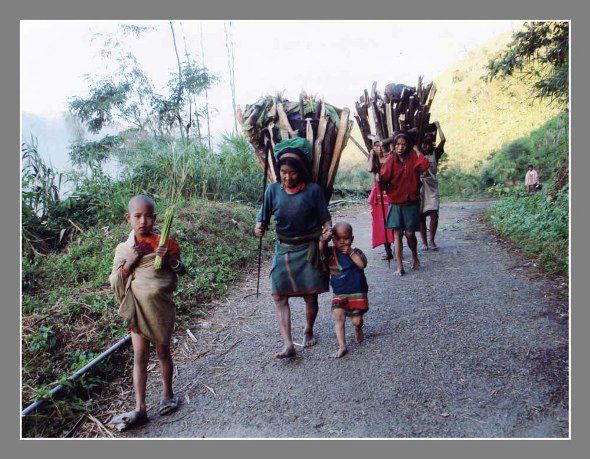
The Khariam Tribe contributed significantly to regional development through their innovative agricultural practices and metallurgical skills. They introduced terraced farming techniques that prevented soil erosion in hilly terrain, methods later adopted by surrounding communities. Their ironworking expertise produced high-quality tools and weapons that became highly sought after in regional markets.
During the colonial period, the Khariam maintained semi-autonomous status by strategically cooperating with British administrators while preserving their traditional governance systems. This balance allowed them to avoid the harsh disruptions experienced by many other tribal communities during this era.
Cultural Identity and Traditional Practices
Language preservation and linguistic heritage
The Khariam Tribe speaks a distinct dialect that belongs to the Austro-Asiatic language family, sharing roots with other tribal communities in eastern India. This linguistic heritage represents centuries of oral tradition, passed down through generations without written scripts until recent documentation efforts began.
Community elders serve as living libraries, preserving ancient vocabularies that describe unique ecological knowledge, seasonal patterns, and traditional practices. The language contains specialized terms for medicinal plants, hunting techniques, and spiritual concepts that have no direct translations in mainstream languages. Young Khariam speakers often code-switch between their native tongue and regional languages like Hindi or Bengali, creating a dynamic linguistic landscape within their communities.
Recent initiatives by tribal leaders and linguistic researchers focus on creating written documentation of the Khariam language, including dictionaries and grammatical guides. Children learn their ancestral language primarily through daily interaction with grandparents and participation in community gatherings where traditional stories and songs are shared.
Traditional clothing and distinctive attire
Khariam traditional dress reflects both practical needs and cultural symbolism. Women wear handwoven sarees called “panchi” in deep red, black, and white patterns that tell stories of their clan identity and marital status. These garments feature intricate geometric designs created using natural dyes extracted from local plants and minerals.
Men traditionally don “dhoti” paired with handwoven shawls during ceremonial occasions. The shawls display distinctive striped patterns in earth tones that represent different age groups and social positions within the community. Daily work clothes are simpler but still incorporate traditional weaving techniques passed down through families.
Jewelry plays a significant role in Khariam attire. Silver ornaments, including nose rings, ear decorations, and arm bangles, are crafted by skilled artisans within the tribe. These pieces often incorporate symbols representing nature spirits and ancestral protection. During festivals, both men and women wear elaborate headpieces made from feathers, beads, and metal work that showcase their artistic traditions.
Sacred rituals and ceremonial customs
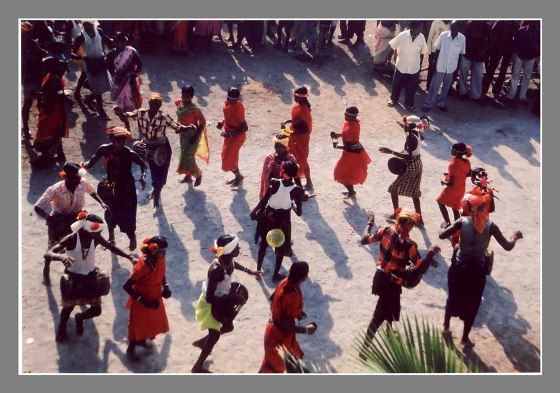
The Khariam Tribe maintains a rich calendar of rituals connected to agricultural cycles, life transitions, and spiritual beliefs. The “Baha” festival marks the beginning of spring and involves elaborate flower ceremonies where community members offer sal blossoms to nature spirits. This celebration includes group prayers, traditional food preparation, and collective dancing that strengthens social bonds.
Harvest ceremonies called “Nawakhani” celebrate the first rice of the season. Families prepare special dishes using newly harvested grains and share them with neighbors, reinforcing community solidarity. The ritual involves blessing the granaries and expressing gratitude to earth spirits for their abundance.
Life cycle ceremonies hold deep significance in Khariam culture. Birth rituals include naming ceremonies where elders consult traditional calendars to choose auspicious names. Marriage customs involve elaborate negotiations between families and multi-day celebrations featuring traditional music, dance, and feast preparations. Death rituals focus on ensuring peaceful transition for departed souls through specific chanting, offerings, and burial practices that reflect their animistic beliefs.
Art forms and craftsmanship traditions
Khariam artisans excel in multiple craft forms that serve both practical and aesthetic purposes. Basket weaving represents one of their most refined skills, creating intricate containers for grain storage, market transport, and ceremonial use. These baskets feature complex patterns that require years of training to master and often incorporate symbolic elements representing tribal mythology.
Wood carving traditions focus on creating agricultural tools, household items, and decorative objects. Skilled carvers produce everything from plowing implements to ornate headrests, each piece reflecting deep understanding of wood properties and functional design. Traditional motifs include animal figures, geometric patterns, and nature symbols that connect everyday objects to spiritual beliefs.
Metalwork, particularly in brass and iron, produces both utilitarian items and ceremonial objects. Blacksmiths within the Khariam community forge hunting implements, cooking vessels, and ritual items using techniques passed down through generations. These craftsmen hold respected positions in tribal society due to their specialized knowledge and the essential nature of their products.
Music and dance expressions
Music and dance form integral parts of Khariam cultural expression, accompanying everything from daily work songs to major festivals. Traditional instruments include the “madal” drum, bamboo flutes, and string instruments made from gourds. Each instrument carries specific cultural meanings and is played during designated ceremonies or seasons.
Work songs help coordinate group activities like rice transplanting, harvesting, and house construction. These melodic chants maintain rhythm for repetitive tasks while strengthening community bonds through shared musical experience. The lyrics often reference local geography, seasonal changes, and ancestral wisdom.
Festival dances involve elaborate choreography performed by age-specific groups. Young unmarried women perform graceful movements that mimic natural phenomena like flowing water or swaying trees. Men’s dances often simulate hunting activities or warrior traditions, using props like sticks, shields, or agricultural tools. Group dances during major celebrations involve entire families and reinforce social cohesion while passing cultural knowledge to younger generations through embodied learning.
Social Structure and Community Organization
Tribal Governance and Leadership Systems
The Khariam Tribe operates through a well-established governance system that balances traditional authority with collective decision-making. At the community’s heart sits the village council, composed of respected elders who have demonstrated wisdom and fairness throughout their lives. This council doesn’t rule with absolute power but serves more like a guiding body that helps resolve disputes and makes decisions affecting the entire community.
Leadership among the Khariam follows hereditary lines combined with merit-based selection. The village headman, often called the “chief elder,” typically inherits his position but must prove his capability to maintain respect and authority. Women hold significant influence in governance, particularly in matters concerning family welfare, resource distribution, and cultural preservation.
The tribe uses consensus-building as their primary decision-making process. Before any major choice affects the community, extensive discussions take place where every adult member can voice their opinion. This approach ensures that decisions reflect the collective will rather than individual preferences.
Specialized roles exist within the governance structure, including ritual leaders who oversee ceremonial activities, conflict mediators who handle interpersonal disputes, and resource managers who coordinate hunting, fishing, and farming activities. These positions often rotate among qualified community members, preventing the concentration of power in few hands.
Family Structures and Kinship Networks
Family units within the Khariam Tribe extend far beyond the nuclear family concept common in modern societies. Extended families form the backbone of their social organization, with multiple generations living together or in close proximity. These family clusters typically include grandparents, parents, children, aunts, uncles, and cousins, creating a support network that ensures no member faces hardship alone.
Kinship relationships determine many aspects of daily life, from marriage arrangements to work partnerships. The Khariam practice exogamy, meaning individuals must marry outside their immediate clan to maintain genetic diversity and strengthen inter-clan relationships. This marriage system creates complex webs of obligation and mutual support that bind the entire tribe together.
Property and resources pass down through both maternal and paternal lines, though specific items may follow different inheritance patterns. Land use rights typically transfer through male lineage, while certain ceremonial objects and knowledge pass through female lines. This dual inheritance system ensures both genders maintain important roles in preserving tribal assets and traditions.
The concept of adoption holds special significance in Khariam society. Orphaned children or those from struggling families are readily absorbed into other family units without distinction from biological children. This practice reflects their belief that community welfare supersedes individual family interests.
Age-Based Roles and Responsibilities
The Khariam Tribe organizes society around clearly defined age groups, each carrying specific duties and privileges that contribute to overall community functioning. Children between ages 5-12 focus primarily on learning through observation and play, gradually taking on small responsibilities like gathering firewood or helping with simple food preparation.
Adolescents enter a transitional phase where they begin intensive training in gender-specific skills. Boys learn hunting techniques, tool-making, and tribal history from male elders, while girls master food processing, textile creation, and medicinal plant knowledge from experienced women. Both groups participate in coming-of-age ceremonies that formally recognize their transition to adult responsibilities.
Young adults (roughly ages 18-35) shoulder the most physically demanding work within the community. They handle hunting expeditions, agricultural labor, construction projects, and child-rearing duties. This age group also serves as the primary defenders of tribal territory when conflicts arise.
Middle-aged adults (35-55) transition into advisory roles while maintaining active participation in daily activities. They begin mentoring younger community members and take on specialized crafts requiring years of experience to master. Their extensive knowledge makes them valuable mediators in disputes and planners for long-term community projects.
Elders over 55 receive deep respect as living repositories of tribal wisdom, traditional stories, and survival knowledge. They spend their time teaching, conducting ceremonies, and providing guidance on important decisions. The community ensures their comfort and care, recognizing their invaluable contributions to preserving Khariam culture for future generations.
Traditional Knowledge and Survival Skills
Indigenous Farming and Agricultural Techniques
The Khariam people have developed sophisticated farming methods that work in perfect harmony with their environment. Their traditional jhum cultivation, also known as shifting agriculture, involves carefully selected forest patches where they grow multiple crops together. This technique allows the land to naturally regenerate while providing diverse harvests.
Rice forms the cornerstone of Khariam agriculture, but they plant it alongside vegetables, spices, and medicinal herbs in the same field. This polyculture approach maximizes land use while maintaining soil health. The tribe rotates their fields every three to four years, giving each plot time to recover its fertility naturally.
Water management plays a crucial role in their farming success. The Khariam construct ingenious bamboo irrigation systems that channel mountain streams to their terraced fields. These channels require minimal maintenance and work with gravity to distribute water evenly across crops.
Their seed preservation methods ensure crop diversity continues across generations. Women traditionally select and store the best seeds in specially woven baskets treated with natural preservatives like neem leaves and turmeric powder.
Medicinal Plant Knowledge and Healing Practices
Deep forest knowledge runs through Khariam culture, particularly their understanding of medicinal plants. Village healers, known as “Ojhas,” can identify over 200 plant species with therapeutic properties. This knowledge passes down through oral traditions and hands-on training.
Common healing practices include using turmeric and ginger for digestive issues, while bark from specific trees treats fever and inflammation. The tribe prepares herbal concoctions for everything from minor cuts to serious illnesses, often combining multiple plants for enhanced effectiveness.
Seasonal collection of medicinal plants follows strict guidelines that ensure sustainability. The Khariam harvest only what they need and never completely strip a plant of its leaves or bark. They understand which parts to collect at specific times of year for maximum potency.
Mental health receives equal attention through herbal remedies and spiritual healing practices. Certain plants help with anxiety and sleep disorders, while ritual ceremonies using sacred herbs address emotional trauma and community conflicts.
Hunting and Gathering Traditions
The Khariam maintain sustainable hunting practices that respect wildlife populations and seasonal breeding cycles. Traditional weapons like bows, spears, and ingeniously designed traps allow for selective hunting that doesn’t disrupt entire animal communities.
Fishing techniques include constructing temporary bamboo weirs across streams during spawning seasons. These structures capture fish without harming the riverbed ecosystem, and the tribe removes them after short periods to allow normal water flow.
Plant gathering follows detailed ecological calendars that tribal elders maintain in their memory. Different families have specialized knowledge about various forest products – some excel at finding edible mushrooms, others know the best locations for wild honey or medicinal roots.
The tribe practices rotational gathering, never harvesting from the same area two years running. This gives plant populations time to recover and ensures future generations will find abundant resources in traditional gathering spots.
Environmental Conservation Wisdom
Sacred groves represent the Khariam tribe’s most profound conservation practice. These protected forest areas remain untouched by human activity, serving as refuges for rare plants and animals while maintaining crucial watershed functions.
The tribe recognizes indicator species that signal ecosystem health. When certain birds or insects become scarce, community leaders adjust hunting and gathering practices to reduce pressure on the environment. This adaptive management prevents resource depletion before it becomes critical.
Traditional fire management involves controlled burns during specific seasons to maintain forest health. The Khariam understand how different plants respond to fire and use this knowledge to encourage beneficial species while preventing destructive wildfires.
Water source protection involves maintaining forest cover around springs and streams. The tribe plants specific trees near water sources and prohibits certain activities in these sensitive areas, understanding the connection between forest health and water quality.
Modern Challenges and Adaptation Strategies
Impact of urbanization and modernization
The Khariam Tribe faces mounting pressure from rapid urban development encroaching on their ancestral territories. Traditional hunting grounds have transformed into commercial zones, while sacred forests give way to infrastructure projects. Many young tribal members migrate to cities seeking employment, creating a generational divide within communities.
Digital connectivity brings both opportunities and challenges. While smartphones enable access to information and markets, they also expose youth to outside influences that sometimes conflict with traditional values. The introduction of modern transportation has improved mobility but disrupted age-old migration patterns that once defined tribal life cycles.
Environmental degradation from industrial activities affects traditional food sources and medicinal plants that the Khariam have depended on for centuries. Climate change compounds these issues, altering rainfall patterns crucial for their agricultural practices and natural resource management.
Education access and literacy initiatives
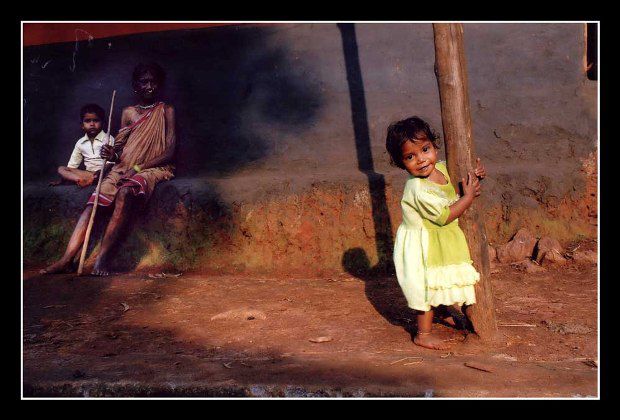
Remote geographical locations create significant barriers to educational access for Khariam children. Government schools often lack proper infrastructure, qualified teachers, and materials in local languages. Many families struggle with the decision to send children away for education versus maintaining cultural transmission at home.
Recent initiatives focus on establishing mobile schools and community learning centers within tribal areas. These programs emphasize bilingual education, preserving Khariam language while introducing mainstream academic subjects. Adult literacy programs specifically target women, recognizing their crucial role in cultural preservation and community development.
Technology-based solutions include solar-powered tablets loaded with educational content and video lessons conducted in native dialects. Partnership programs with NGOs provide scholarships and mentorship opportunities for promising students, creating pathways to higher education while maintaining cultural connections.
Healthcare challenges and solutions
Healthcare access remains critically limited in Khariam settlements, with the nearest medical facilities often days away by foot. Traditional healers continue serving as primary healthcare providers, using indigenous knowledge of medicinal plants and healing practices passed down through generations.
Common health issues include waterborne diseases, respiratory infections, and malnutrition. Maternal and child mortality rates remain concerning due to limited prenatal care and skilled birth attendance. The Khariam Tribe’s isolation makes emergency medical intervention particularly challenging.
Mobile health clinics now visit tribal areas monthly, providing basic medical services and health education. Community health workers from within the tribe receive training to bridge traditional and modern medical practices. Telemedicine programs connect remote areas with specialist doctors, while vaccination drives target preventable diseases.
Water purification systems and sanitation improvements form core components of health interventions, addressing root causes of illness rather than just treating symptoms.
Economic opportunities and livelihood diversification
Traditional subsistence patterns face disruption from environmental changes and land alienation. The Khariam Tribe increasingly seeks alternative income sources while attempting to preserve cultural practices. Handicraft production offers promising opportunities, with traditional weaving, pottery, and woodworking finding markets among urban consumers appreciating authentic tribal artisanship.
Sustainable agriculture initiatives introduce drought-resistant crops and modern farming techniques adapted to local conditions. Organic farming certification helps tribal produce command premium prices in urban markets. Community-based ecotourism projects showcase Khariam culture while generating revenue, though these require careful management to prevent cultural commodification.
Microfinance programs provide small loans for entrepreneurial ventures, from livestock rearing to small-scale processing units. Skills development programs focus on renewable energy installation, forest conservation, and sustainable harvesting practices that align with traditional ecological knowledge.
Government employment schemes offer temporary work opportunities, though many Khariam prefer projects that don’t require permanent relocation from ancestral lands. Cooperative societies help consolidate resources and improve bargaining power in agricultural markets.
The Khariam Tribe stands as a powerful example of how indigenous communities maintain their cultural roots while adapting to modern realities. Their rich history, unique social structures, and time-tested survival skills represent invaluable knowledge that has been passed down through generations. Despite facing significant challenges from modernization and changing environments, the tribe continues to find creative ways to preserve their traditions while embracing necessary changes.
Learning about the Khariam people reminds us how important it is to protect and celebrate indigenous cultures around the world. Their stories and experiences offer valuable lessons about community resilience, sustainable living, and the delicate balance between honoring the past and preparing for the future. Supporting indigenous rights and cultural preservation efforts helps ensure that these remarkable communities can continue to thrive and share their wisdom with future generations.
