
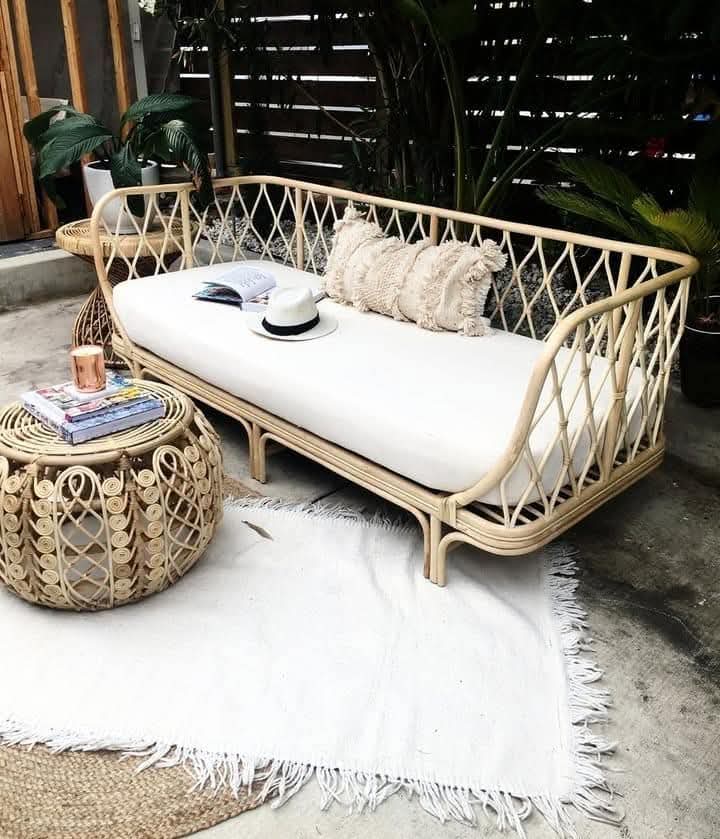
Introduction : Bamboo handicrafts in India
Bamboo handicrafts in India are an ancient local art that is intertwined with India’s climate. India’s bamboo handicrafts represent one of the country’s most ancient and diverse craft traditions. This thriving artisan industry creates everything from everyday household items to intricate decorative pieces using sustainable bamboo resources.
We’ll explore how different regions across India have developed unique bamboo craft techniques and specialties, from Manipur’s intricately woven baskets to Tamil Nadu’s decorative window scree. You’llns discover the main categories of bamboo products available today, including furniture, home decor, utensils, and toys that blend traditional craftsmanship with modern functionality. Finally, we’ll look at how this traditional craft industry creates meaningful livelihood opportunities for artisans while supporting environmental sustainability through the use of rapidly renewable bamboo resources.

Understanding India’s Rich Bamboo Handicraft Heritage
Ancient Origins and Cultural Significance of Bamboo Crafts
The history of bamboo handicrafts India traces back centuries, forming an integral part of the country’s cultural fabric. Traditional bamboo crafts weren’t merely decorative items but essential components of daily life, particularly among tribal settlements in ancient India. These sustainable bamboo products served practical purposes, from basic household necessities like baskets and mats to intricate decorative pieces that reflected the artistic sensibilities of Indian communities.
Bamboo crafts held deep cultural significance, transcending their utilitarian function to become vessels of tradition and storytelling. The art form became a medium through which communities preserved their heritage, with each woven strip carrying forward ancestral knowledge and cultural practices. During festivals, bamboo baskets filled with fruits became symbols of prosperity and celebration, creating lasting memories that remain etched in Indian consciousness.
The versatility of bamboo made it an ideal material for crafting, leading to its widespread adoption across various regions. What distinguishes Indian bamboo products is not just their functionality but their role in maintaining the divine connection between nature and human creativity, where artisans transformed simple bamboo strips into masterpieces that reflected both practical needs and artistic expression.

Regional Variations and Unique Techniques Across Indian States
Each state and region of India has developed distinctive approaches to bamboo crafting, creating a rich tapestry of regional bamboo handicrafts that showcase local creativity and cultural identity. These regional variations demonstrate how bamboo artisans India have adapted traditional techniques to reflect their unique geographical, cultural, and social contexts.
The diversity in bamboo craft techniques across different states is remarkable, with each region contributing its personal touch to the art form. While the fundamental principles remain consistent, the stylistic approaches, weaving patterns, and finishing techniques vary significantly from one region to another. This regional specialization has created distinct schools of bamboo craftsmanship, each with its characteristic aesthetic and technical approach.
Local artisan communities have passed down these specialized techniques through generations, ensuring that regional traditions remain alive and continue to evolve. The common thread binding all these regional variations is the unwavering tradition and creativity of Indian artisans, who have consistently demonstrated their ability to adapt ancient techniques to meet contemporary needs while preserving the cultural essence of their craft.
Key Bamboo Species Used in Traditional Crafting
The foundation of handmade bamboo items India lies in the careful selection and utilization of specific bamboo species that provide the necessary characteristics for quality craftsmanship. Traditional Indian bamboo crafts rely on bamboo varieties that offer optimal flexibility, durability, and workability for creating intricate designs and functional items.
The long and flat bamboo strips used in traditional crafting are carefully selected based on their structural properties and suitability for specific applications. These bamboo varieties provide artisans with the raw material necessary to create everything from delicate decorative pieces to sturdy household items. The natural properties of these bamboo species enable craftsmen to achieve the intricate weaving patterns and structural integrity that characterize high-quality eco-friendly bamboo crafts.
The selection of appropriate bamboo species is crucial for ensuring the longevity and functionality of finished products. Artisans have developed deep knowledge about which bamboo varieties work best for specific types of crafts, whether for creating lightweight decorative items, durable storage solutions, or functional household accessories. This specialized knowledge about bamboo species forms a critical component of the traditional crafting wisdom that has been preserved and transmitted through generations of skilled craftspeople.
Regional Specialties and Traditional Techniques
Manipur’s Intricate Basketry and Fishing Equipment
Manipur stands as a renowned center for bamboo handicrafts India, where tribal artisans have perfected the art of creating intricate basketry using dyed bamboo to produce stunning visual patterns. The state’s bamboo and cane crafts encompass both traditional and modern creations, with raw materials sourced from the abundant forests of Churachandpur, Jiribam, Tamenglong, and Imphal districts.
The basketry of Manipur showcases remarkable diversity, featuring specialized containers like Chengbon – square-bodied baskets with distinctive black and white checkered patterns that rest on four prominent legs for storing clothes. Other notable varieties include measuring baskets, Miruk, filtering baskets, and conical baskets, each serving specific household purposes.
A unique specialty of Manipur’s traditional bamboo crafts lies in their fishing equipment. The Long – a bamboo split-weaved, bowl-shaped fishing basket used by women for catching fish – exemplifies the region’s practical craftsmanship. Additionally, artisans create exquisitely crafted bamboo fish traps that demonstrate the integration of functionality with artistic design.
Beyond utilitarian objects, Manipur’s bamboo artisans craft beautifully woven screens for room dividers, stage backdrops, and mandap decorations. The region also produces reed mats and cushions known locally as ‘Kounaphak’, which enjoy demand beyond state boundaries due to their superior quality and craftsmanship.
Tripura’s Refined Weaving and Furniture Making
Tripura has established itself as an icon of refined handmade bamboo items India, distinguished by beautiful weaving patterns and lovely designs practiced by various tribal communities. The bamboo handicrafts are concentrated across subdivisions including Kailashahar, Dharmanagar, Khowai, Sadar, Sooamura, and Belonia, where skilled artisans employ sophisticated techniques.
The weaving technique of Tripura artisans creates exceptionally durable and assertive crafts. Skilled craftspeople achieve uniformity by splitting bamboo vertically into consistent strips, then cutting them to preferred lengths using simple yet effective tools. This meticulous process results in premier quality bamboo products online India that are both functional and aesthetically pleasing.
Western Tripura specializes in vegetable baskets called Kula and dala, renowned for their longevity and durability. The state’s artisans excel in creating furniture pieces, lamp shades, trays, stools, vases, hand fans, window screens, door screens, and shopping accessories that showcase refined craftsmanship.
Traditional items include Dulla (fish baskets) and Pathee (rain shields), alongside decorative products like small-framed mirrors, hair clips, powder cases, and ornamental trays. The Tripura State Government’s Craft Teacher’s Institute (CTTI) has significantly contributed to advancing bamboo craft techniques in the region.
Bamboo matting represents a flourishing industry in Tripura, transforming basic materials into sophisticated products including fans, lampshades, handbags, and decorative wall hangings painted with oil colors.
Bamboo Handicrafts in India
Southern India’s Household Items and Decorative Crafts
Southern India’s regional bamboo handicrafts thrive due to abundant bamboo plantation cultivation across the region. The states of Andhra Pradesh, Telangana, Tamil Nadu, Karnataka, and Kerala house skilled artisans capable of crafting diverse sustainable bamboo products that primarily focus on household utility items and decorative pieces.
Karnataka’s bamboo artisans specialize in coasters, wall hangings, mats, lamp shades, and baskets, carefully selecting optimal bamboo types for manufacturing artifacts. The state employs plaiting and coiling techniques, perfected by skilled laborers to create products that balance functionality with aesthetic appeal.
Andhra Pradesh serves as a significant production center with primary bamboo cultivation districts including Khammam, West Godavari, Kurnool, Mahbubnagar, East Godavari, Visakhapatnam, and Adilabad. The vast forest stretches in Prakasham, Srikakulam, Chittoor, and Warangal districts boast rich bamboo plantation growth that supports the region’s handicraft industry.
These Southern Indian states collectively contribute to India’s eco-friendly bamboo crafts by producing regular utility household items that serve daily needs while maintaining traditional craftsmanship standards passed down through generations.
Tamil Nadu’s Window Screens and Mat Weaving Excellence
Tamil Nadu excels in producing specialized Indian bamboo products, particularly focusing on household items, home décor pieces, and functional accessories. The state’s artisans utilize fibers from cane, rattan, and Tamil reed bamboo, benefiting from abundant local raw material availability combined with skilled craftsmanship.
The major production centers are located in Dharmapuri, Salem, Coimbatore, South Arcot, and Tiruchirapalli districts, with additional manufacturing hubs in Thanjavur and Arcot. These regions produce baskets, dolls, toys, mats, trays, flower baskets, shopping bags, and folding fans that showcase Tamil Nadu’s diverse bamboo crafting capabilities.
A distinctive specialty of Tamil Nadu lies in creating bamboo window screens known locally as ‘chiks’. These screens, made from bamboo slats tied with strings in plain or colored variations, represent the state’s mastery in functional bamboo applications that provide both privacy and ventilation while maintaining aesthetic appeal.
Mat weaving stands as another distinct art form within Tamil Nadu’s bamboo artisans India community. Beyond decorative mats, artisans create practical items including fodder containers, fish baskets, trinket boxes, modhas (traditional tools), and grain-threshing trays that serve agricultural and household purposes, demonstrating the integration of traditional techniques with contemporary needs.
Essential Product Categories and Their Applications
Functional Baskets and Storage Solutions for Daily Use
Traditional Indian bamboo basketry represents one of the most profitable segments within the bamboo handicrafts industry. Research conducted in Bihar reveals that basket production generates the highest net profits, with workers earning up to Rs.7,680 per month from this category alone. The most commonly produced baskets include dala and duli, crafted by over 70% of bamboo artisans, primarily due to their essential role in religious ceremonies like Chhath Puja and wedding festivities.
Beyond ceremonial uses, functional baskets serve diverse storage needs in Indian households. Kula baskets, produced by 55.83% of workers, function as versatile storage containers, while chalani (47.50%) serves as traditional strainers. Tukuri and khorahi baskets, though produced by fewer artisans (40.83% and 39.17% respectively), command premium prices due to specialized applications. Steam baskets, crafted by only 25.83% of workers, cater to specific culinary needs and are typically made on order basis.
The profitability analysis demonstrates that khorahi and tukuri baskets yield the highest returns at Rs.1,400 per month each, making them particularly attractive for artisans. Traditional baskets like dala (Rs.1,200), duli (Rs.1,000), and kula (Rs.1,080) maintain steady demand throughout the year, ensuring consistent income streams for craftsmen.
Home Decor Items Including Lampshades and Wall Hangings
Now that we have covered functional storage solutions, decorative bamboo products represent an emerging segment within India’s traditional handicraft industry. While the research data primarily focuses on utility-based products, contemporary bamboo artisans have diversified into creating tissue boxes, decorative lamps, and other modern handicraft items to meet evolving market demands.
The transition from purely functional to decorative items reflects the adaptability of Indian bamboo craftsmen. Traditional skills are being reimagined to create contemporary home decor solutions that maintain the authentic craftsmanship while appealing to modern aesthetic preferences. These decorative items often command higher profit margins compared to basic utility products, encouraging artisans to expand their product portfolios.

Traditional Mats and Floor Coverings
Traditional bamboo floor coverings continue to hold cultural significance across Indian households. Charpai, a traditional woven bed/mat, emerges as the most profitable furniture item produced by bamboo handicraft workers, with 60% of artisans engaged in its production and generating net profits of Rs.800 per month. This traditional floor covering enjoys widespread demand not only in rural communities but also in urban settings, including dhaba restaurants and agro-tourism centers.
The versatility of charpai extends beyond residential use, finding applications in hospitality and tourism sectors where authentic, eco-friendly furnishing solutions are increasingly valued. The consistent demand throughout the year makes charpai production a reliable income source for bamboo artisans, contributing significantly to the overall furniture category profits of Rs.3,600 per month.
Sustainable Utensils and Eco-Friendly Dining Solutions
With this in mind, bamboo utensils represent the fastest-growing segment within sustainable dining solutions. Research indicates that 75.83% of bamboo handicraft workers produce forks, making it the most commonly crafted utility item. Trays follow closely with 51.67% of workers engaged in their production, while spoons (43.33%) and bowls (34.17%) complete the essential dining set offerings.
The utility products category generates Rs.1,910 in net monthly profits, with an average production of 72 products per month across all artisans. Specialized items like coasters (24.17% of workers) and ashtrays (20% of workers) cater to niche markets but contribute to overall profitability. These eco-friendly dining solutions address growing environmental consciousness among consumers, particularly during festive seasons when demand peaks significantly.
The production pattern reveals strategic seasonal manufacturing, with most utility products experiencing heightened demand during festivals and fairs. This seasonal variation allows artisans to optimize their production schedules and maximize profits during peak selling periods, contributing to the sustainable livelihoods of rural bamboo handicraft communities across India.
Employment Generation for Rural Artisan Communities
Bamboo handicrafts serve as a significant source of employment for thousands of rural artisans across India, particularly in developing regions where alternative livelihood opportunities remain limited. The industry provides stable income generation that effectively reduces migration to urban areas, allowing artisan communities to maintain their traditional way of life while earning sustainable livelihoods.
The economic benefits extend across multiple skill levels, creating job opportunities for both skilled and unskilled workers within rural communities. Traditional bamboo crafting techniques such as weaving, carving, and sculpting have been preserved through generations, with each handcrafted piece maintaining authenticity and uniqueness unlike mass-produced alternatives. This preservation of traditional skills ensures that valuable cultural heritage continues to be passed down while providing economic sustenance.
Bamboo’s affordability as a raw material makes it particularly accessible for rural artisans, as it is widely available and inexpensive compared to other crafting materials. This accessibility enables artisans to invest in their craft without significant capital requirements, making bamboo handicrafts an ideal cottage industry for rural development.
Government Initiatives and Training Institute Support
Government initiatives and non-governmental organizations play a crucial role in supporting bamboo artisans through comprehensive assistance programs. These initiatives focus on providing financial aid, training, and marketing assistance to strengthen the bamboo handicraft sector.
Key support mechanisms include microfinance loans that help artisans invest in essential tools and materials, enabling them to expand their production capabilities. Training programs are specifically designed to enhance craftsmanship skills and improve the marketability of bamboo products, ensuring artisans can compete effectively in both domestic and international markets.
Subsidies and grants are strategically provided to encourage more artisans to join the industry, creating a supportive ecosystem for bamboo handicraft development. These government policies and subsidies supporting bamboo handicrafts demonstrate a commitment to rural development and traditional craft preservation.
Training and skill development programs for bamboo artisans focus on both traditional techniques and modern innovations, helping craftsmen adapt to changing market demands while maintaining the authenticity of their products. These initiatives ensure that bamboo artisans can leverage both heritage craftsmanship and contemporary market opportunities.
Market Demand for Traditional and Modern Bamboo Products
The market demand for bamboo handicrafts has experienced significant growth, driven by increasing global emphasis on sustainability and eco-friendly products. Traditional bamboo products continue to attract customers seeking authentic cultural experiences, while modern applications have expanded the market reach considerably.
International markets have shown growing appreciation for bamboo crafts, with countries recognizing the environmental benefits and unique aesthetic appeal of these handmade products. This global demand contributes to foreign exchange earnings and provides artisans with access to premium markets that value sustainable production practices.
E-commerce platforms have revolutionized the handicraft industry by allowing rural artisans to reach global customers directly. Websites and online marketplaces offer direct sales opportunities, reducing dependency on middlemen and increasing profit margins for artisans. This digital transformation has enabled traditional craftsmen to showcase their work to international audiences.
Innovation in bamboo craftsmanship has led to diversification of product offerings, including eco-friendly cutlery, musical instruments, and fashion accessories. This diversification helps artisans remain competitive and attract new customer segments, ensuring sustainable market demand.
Social media platforms have further enabled artisans to showcase their work, attract buyers, and grow their businesses by reaching targeted audiences interested in sustainable and traditional crafts. The combination of traditional craftsmanship with modern marketing channels creates a robust foundation for continued growth in the bamboo handicrafts sector.
Sustainable Benefits and Modern Applications
Environmental Advantages of Bamboo as Raw Material
Bamboo stands out as one of the most environmentally beneficial raw materials for India’s handicraft industry. This remarkable grass species grows at an unprecedented rate of up to 3 feet per day, maturing within just 3-5 years compared to hardwood trees that require 30-50 years to reach full growth. Unlike traditional timber, bamboo regenerates naturally without the need for replanting, making it a truly renewable resource.
The environmental impact of bamboo cultivation is exceptionally positive. It absorbs 35% more carbon dioxide than trees while simultaneously producing 30% more oxygen than an equivalent mass of trees. This carbon sequestration capability makes Indian bamboo products particularly valuable in combating climate change. Additionally, bamboo’s extensive root system helps prevent soil erosion and landslides, contributing to ecosystem stability across India’s diverse terrain.
What makes bamboo even more attractive for sustainable bamboo products is its minimal cultivation requirements. The plant grows naturally without fertilizers or pesticides, eliminating chemical runoff that often contaminates water sources. This organic growth process ensures that handmade bamboo items India produces maintain their eco-friendly credentials from cultivation to final product.
Contemporary Adaptations for Modern Lifestyle Needs
Now that we understand bamboo’s environmental benefits, let’s explore how Indian artisans are adapting traditional techniques for contemporary applications. Modern bamboo handicrafts India offers extend far beyond conventional baskets and furniture. Today’s bamboo products include sophisticated electronics accessories such as computer keyboards, laptop cases, and phone cases that blend traditional craftsmanship with modern functionality.
The textile and fashion industry has embraced bamboo fibers for producing soft, breathable, and biodegradable fabrics. Indian bamboo craft techniques now incorporate advanced processing methods to create clothing that appeals to environmentally conscious consumers. Bamboo-derived accessories like sunglasses, watches, and toothbrushes demonstrate how regional bamboo handicrafts are evolving to meet urban lifestyle demands.
In construction, Indian artisans are pioneering the use of engineered bamboo wood and chipboards for multi-story apartments and commercial buildings. This innovation showcases how traditional bamboo crafts can scale up to meet modern architectural requirements while maintaining sustainability principles.
Eco-Friendly Alternatives to Plastic and Metal Products
With this understanding of modern adaptations, we can now examine how bamboo handicrafts serve as superior alternatives to conventional materials. Bamboo products offer a biodegradable solution that decomposes naturally within months to a couple of years, contrasting sharply with plastic items that persist for hundreds of years in the environment.
The manufacturing process of eco-friendly bamboo crafts requires significantly lower energy consumption compared to plastic and metal industries. Traditional Indian bamboo artisans use minimal machinery, reducing carbon emissions while promoting handcrafted excellence. This low carbon footprint production method aligns perfectly with global sustainability goals.
Bamboo’s natural antimicrobial properties eliminate the need for chemical treatments during processing, making it inherently safer than chemically-treated alternatives. For kitchenware applications, bamboo products are non-toxic and free from synthetic coatings, providing a healthier option for food preparation and storage.
Bamboo activated charcoal, derived from processed bamboo, demonstrates another innovative application in air and water purification systems. This natural filtering capability showcases how traditional bamboo crafts can address modern environmental challenges while supporting the livelihoods of bamboo artisans India depends upon for preserving these age-old skills.
India’s bamboo handicraft tradition represents a remarkable fusion of ancient artistry and contemporary relevance. From Manipur’s intricate baskets and fishing traps to Tripura’s elegant home décor items, and from Tamil Nadu’s traditional ‘chiks’ to Karnataka’s sophisticated wall hangings, each region has developed distinctive techniques that showcase the versatility of this sustainable material. The craft has evolved from fulfilling basic tribal necessities to creating sophisticated products ranging from furniture and utensils to toys and decorative pieces, demonstrating its adaptability to modern lifestyle demands.
The significance of bamboo handicrafts extends far beyond their aesthetic appeal. These crafts provide crucial livelihood opportunities for artisans across multiple states while promoting environmental sustainability through the use of rapidly renewable bamboo resources. Government initiatives like Tripura’s Craft Teacher’s Institute and the widespread availability of raw materials in states like Andhra Pradesh and Karnataka have strengthened this sector’s foundation. As consumers increasingly seek eco-friendly alternatives to plastic and metal products, bamboo handicrafts offer the perfect solution – combining traditional craftsmanship with contemporary environmental consciousness, ensuring this ancient art form remains relevant for future generations.
