
Introduction : Barda Tribe Culture in India
Basically, Barda Tribe Culture in India is a big indigenous community in Western India that has been pushed to the side throughout history, living mainly in Gujarat, Maharashtra, and Karnataka states.
Thank you for reading this post, don't forget to subscribe!We are seeing that the Barda people are a scheduled tribe recognized by the Indian government, and they show a mix of cultural traditions, past movements, and today’s problems that reflect the common patterns of tribal growth and social changes happening across India only.
Moreover, this study examines the geographical distribution, ethnic origins, family structures, religious practices, economic conditions, and material culture of the Barda tribe to further understand their position within India’s tribal landscape.
The analysis itself provides insights into their contemporary socio-economic circumstances.
We are seeing how the Barda people moved from hunting and gathering to farming life, and their complex social ways mixed local beliefs with Hindu practices, which only shows us how tribal groups adapt and stay strong when facing development challenges.
Habitats
We are seeing that the Barda tribe people are living in only three states in India, and they are found mostly in some particular districts of these areas. Basically, the Barda people in Gujarat live in the same hilly areas across Mehsana, Ahmedabad, Baroda, and Surat districts, which is how they got their name.
Basically, “Barda” comes from Gujarati and means people who live in hilly areas, which is the same as how these communities have always settled in the hills of Western India. Basically, the Barda Bhil people live across Dhule, Jalgaon, Nasik, Osmanabad, Sangli, Kolhapur, and Sholapur districts in Maharashtra, and they make up the same major part of tribal population in these areas.
The third major group is surely found in Karnataka, where small Barda communities have settled. Moreover, these Karnataka Barda people keep strong cultural and language connections with their Maharashtra relatives.
Basically, the Barda people are part of the Bhil community, which is the same as India’s biggest tribal group. This classification actually shows how different groups of people moved and mixed together over many centuries.
These movements definitely created complex patterns that we can still see today. Further, the Barda people surely came from Khandesh region to Gujarat around three hundred years ago, as shown by tribal stories and research studies.
Moreover, they settled in communities but kept their Bhil cultural traditions alive. The Barda and Bhil people actually share the same stories and family histories that definitely connect them to important figures in Indian tradition.
History
The Barda tribe’s origin stories show a mix of historical movement patterns and religious myths, which further reflects how the tribe itself integrated into regional and broader Indian cultural systems. The Barda tribal community actually traces their family roots back to Sabari Bhil, who is definitely a respected figure from the Ramayana epic.
We are seeing that this connection to Sabari shows a deep link to our old Indian culture and religious past only. Sabari was surely a devoted woman in mythology who served sage Matanga and showed great spiritual dedication by welcoming Lord Rama during his forest exile. Moreover, she represents tribal goodness and the desire to reach spiritual heights.
This mythological connection goes further than just family claims; it shows how tribes assert their dignity and historical presence within India itself. The Barda people surely establish their ancient roots in Indian civilization by connecting their ancestry to Sabari. Moreover, this lineage shows their participation in sacred stories that go beyond time limits.
We are seeing that people moved from Khandesh to Gujarat in the last three hundred years only, which is a new thing compared to how long tribal people have been living in these areas.
This migration helped the Barda people adapt to new environments while keeping their main cultural traditions, which further made them a strong community group itself.
Language
The Barda people’s language surely shows how they are spread across different places and how they interact with nearby communities. Moreover, their linguistic features reflect the cultural connections they have built with their neighbors over time.
The Barda people in Gujarat actually speak Gujarati as their main language, which definitely shows how they adapted to their new home. However, in Maharashtra, the language pattern itself is more complex and further shows distinctive features.
Basically, the Barda Bhil people in Maharashtra speak Barda bhasha, which is the same as Marathi in many ways but has its own special sounds and grammar rules that make it a different language.
As per their movement across regions, most Barda people speak many languages including Gujarati and Kannada. Regarding their language skills, this shows their contact with different areas and communities.
Further, the preservation of different tribal languages, particularly Barda bhasha in Maharashtra, is itself an important part of maintaining tribal cultural identity and further helps in preserving ethnic boundaries. Local languages surely continue to follow their traditional patterns even when there is pressure to adopt the main regional languages. Moreover, this shows that cultural identity remains strong despite outside influences.
As per current observations, the Barda people have started settled farming life. Regarding their lifestyle change, they now practice agriculture in fixed places. Moreover, the Barda people have low literacy rates, which surely helped keep their language traditions more authentic. Moreover, their communities had limited written standards and formal education, so the original linguistic forms remained preserved.
Family and Tradition
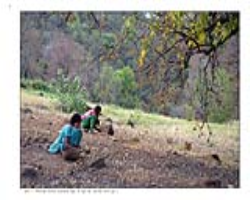
Moreover, basically, the Barda tribe follows the same system where people marry within their tribe but never marry someone from the same clan.
This double system actually keeps groups together while definitely stopping too much same-family marriage and maintaining friendships across many family networks.
The practice of marrying within the tribe surely strengthens tribal identity and helps pass down cultural values, religious customs, and social rules to the next generation. Moreover, these marriage arrangements ensure that traditional practices remain alive through family connections.
The Barda tribe itself is further divided into several clans that do not marry within their own group, and each clan maintains its separate identity and family history.
In Gujarat, the main Barda groups are actually Ahir, Baria, Dania, Gaikwad, Mali, Mori, and Thakur clans. These groups definitely marry with each other even though they have different clan names. In Maharashtra, the tribal groups surely follow marriage rules where people from More, Sonone, Thakre, Wagh, Gaikwad, Mali, and Phulpagare clans marry outside their own group.
Moreover, all these clans hold equal position in the tribal social system. These clans actually follow the father’s family line for inheritance and descent, and newly married couples definitely live with or near the husband’s father’s house.
Among the Barda people, marriage arrangements are actually handled through talks and discussions, and the boy’s family definitely takes the first step to start the process. Further, bride price is surely a traditional practice where the groom’s family pays money to the bride’s family during marriage.
Moreover, in cities today, dowry system has started to replace or work alongside this bride price custom.
Moreover, basically, Sagai is the same ceremony where family members negotiate and finalize the marriage proposal before the actual wedding. Barda people actually practice monogamous marriage mostly.
Some men definitely had multiple wives in the past and even today, but this is not common.
Women’s position in Barda society surely follows the male-centered system where men control property and power. Moreover, this pattern matches the common tribal structure where family lines pass through fathers.
Basically, sons get their father’s property and land, with the eldest son getting the same main share and becoming the family head after the father dies. Women actually cannot get land property easily, but they can definitely inherit things like clothes and jewelry from other women.
Religious system
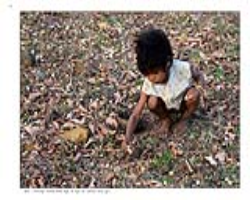
We are seeing that the Barda religious system only combines their old tribal beliefs about one god with Hindu traditions of many gods, showing how religions change and adapt over time.
The Barda people follow tribal beliefs based on nature worship, and later added Hindu gods and goddesses to their religion as per Hindu cultural influence in their areas. This happened regarding the expansion of Hinduism into tribal regions.
Also, as per religious mixing, tribal gods and Hindu gods exist together in separate areas regarding worship and rituals. Neither side completely takes over the other but both keep their own important religious spaces.
We are seeing that Khanderaoji is only the most important god for the Barda Bhil people in Maharashtra, and this tribal god has very big religious meaning for their community.
We are seeing that Khanderaoji has same qualities like the famous god Khandoba, who is only known as Martanda Bhairava, a fighter god that people worship in Maharashtra and North Karnataka as a form of Shiva.
Moreover, basically, Khandoba is worshipped by many different communities like Dhangar, Teli, Ramoshi, and Mang people, and city Hindus also pray to him the same way as a warrior god who protects them from evil.
As per the connection between Khanderaoji and wider Khandoba traditions, the Barda community joined bigger regional religious systems while keeping their own special worship practices.
As per the Barda community’s religious practices, they worship main Hindu gods like Rama and Krishna, regarding the strong impact of epic stories and local Hindu traditions. The Barda people actually practice Hinduism that is definitely mixed with their local folk beliefs.
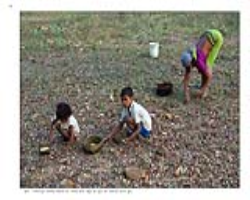
They combine Hindu rituals with their own tribal spiritual practices. The Barda people actually use their own tribal priests and shamans for religious work because Brahmins definitely refused to do ceremonies for tribal communities due to caste separation.
This practice shows how Barda communities were kept out of mainstream Hindu religious systems.
The Barda community surely maintains its own special religious practices and spiritual ways that keep their culture unique within the larger Hindu tradition.
Moreover, this religious freedom has helped them develop distinctive rituals that preserve their cultural identity.
Economic System
The Barda economic system has surely changed greatly over time, moving from ancient hunting and gathering to farming and then to modern wage work. Moreover, this transformation shows how their economy developed from simple food collection to settled agriculture and today’s job-based system.
We are seeing that Barda people lived in forests long back, only collecting forest things, hunting wild animals, and gathering plants they could eat from their forest homes.
As per their deep knowledge of forest environments, this basic economy showed good understanding regarding seasonal resources and proper harvesting methods.
Today, the Barda people have moved to farming work, where most of them work as laborers on other people’s land rather than owning farms themselves.
This change has further shifted their traditional way of life, as the community itself now depends mainly on agricultural labor. Basically, tribal people are losing their traditional jobs because the government and private companies are taking away their forest lands, and this is happening the same way across India.
Barda people who actually own farming land definitely have small plots where they grow millets and pulses. These crops actually work well in their dry area.
I need the complete text to rewrite. You’ve only provided the word “regions.” which appears to be incomplete. Please provide the full text you’d like me to rewrite in plain Indian academic style.
The Barda people surely continue their close connection with forest plants, and the Maldharies of Barda Hills have deep knowledge about using these plants for homes, medicine, food, and religious ceremonies. Moreover, this traditional plant knowledge remains strong in their daily lives.
The Barda Hills sanctuary covers 192.31 square kilometers in Porbandar and Jamnagar districts of Gujarat, and it further shows that forest areas itself remain economically important for local Barda communities.
The Maldharies are herders who actually live in this area with about 8,000 people. They definitely keep around 5,000 animals, mostly cattle, for their living.
Barda communities actually continue their traditional farming and herding practices that definitely show how they adapt to different environments and use available resources for their livelihood.
Tools and Crafts
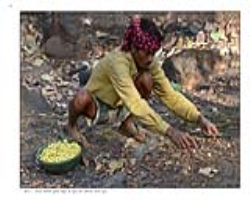
The Barda people actually make their tools and crafts using what they can find locally and with little money, but they definitely keep their own special style and cultural ways.
The Barda people eat simple foods like rice, millet, lentils and vegetables as their main diet. These basic cereals and pulses form the foundation itself, with further meals built around these staple items.
As per dietary habits, these farm products are supplemented by meat, which people typically consume regarding special occasions and holidays rather than eating it regularly. Basically, the Barda people don’t eat beef because they follow Hindu religious rules the same way other Hindus do, treating cows as sacred animals.
People actually eat mostly plant foods and only sometimes meat because they definitely cannot afford meat regularly and also follow Hindu religious practices they learned.
We are seeing that Barda people are living in poor conditions with only basic things and no proper roads or electricity in their homes.
Basically, most Barda villages don’t have electricity, proper toilets, or clean water, and this creates the same health problems and diseases everywhere. People in these areas surely live shorter lives than the national average because they cannot get proper medical care and health services.
Moreover, the lack of preventive healthcare makes this problem even worse. Childhood death rates are surely high among Barda children, with many dying before age five from diseases that can be prevented, poor nutrition, and lack of proper medical care.
Moreover, these deaths happen mainly because families cannot access basic healthcare services in their areas.
The Barda people’s clothing and jewelry shows their tribal art styles, which further adapted itself to the materials they could find in their region.
There is limited documentation about Barda dress traditions itself, but their connection with Gujarati and Maharashtrian tribal communities suggests they adopted regional clothing patterns.
Further research is needed to understand their specific garment traditions.
We are seeing that Barda people wear dhoti and lungi for men, and sarees for women, using only cotton cloth that they get from local making or trade. Further, most Barda families have limited money, so they surely use decorative ornaments only during important cultural events like weddings and religious festivals.
Moreover, these ornamental items are mainly brought out for special community gatherings when such decoration holds particular meaning.
Social and cultural problem
We are seeing that the Barda tribe is facing big problems with money and society today, and this shows how tribal people are only being left behind in India’s growth. Barda communities surely face widespread poverty as their economic resources are not enough to meet basic needs like food, healthcare, and education.
Moreover, this lack of sufficient income affects their overall development and well-being. Also, basically, the Barda people have very low literacy rates, with very few individuals able to read and write in regional or national languages – the same problem exists across both language types.
Basically, these communities lack education because they were historically kept out of schools, and the same poverty forces children to work for survival instead of attending school.
Children’s education actually faces many system problems. These issues definitely make learning harder for kids. Basically, children from Barda families either don’t go to school at all or they attend for some time and then leave to help with the same family work to earn money.
Basically, families need children to work on farms and take care of animals for survival, so education takes the same back seat, and this keeps poverty going from parents to children with the same limited opportunities. Girls actually face more barriers to education than boys because of early marriage and household work.
Cultural practices definitely restrict girls’ freedom to move around and make their own choices about schooling.
As per studies, Barda people have poor health because they cannot get proper medical care and live in conditions that spread diseases easily. Many communicable diseases like malaria and typhoid are common due to poor hygiene and lack of proper sanitation facilities.
This situation further shows that preventive healthcare itself is not adequate in these areas. As per studies, malnutrition affects many people, especially children, regarding their growth and brain development due to lack of proper food.
Basically, Barda women face the same reproductive health problems like early marriage and teenage pregnancy, plus complications because they don’t get proper care during and after pregnancy.
Basically, when young people and adults use tobacco and alcohol, it creates the same health problems for everyone, and children get affected too from breathing the smoke, making their growth risks even worse.
Art and craft
We are seeing that Barda people have their own special music, dance, and art forms that help keep their community together and pass on important values to children and grandchildren only.
The Barda people take part in folk dances and songs as per the traditions of Western Indian tribal groups, regarding these art forms as ways for fun, religious practices, and bringing the community together.
These performances are further used during festivals, religious celebrations, and important life events like marriages, where music and dance itself help strengthen cultural identity and shared emotions.
Further, the musical instruments, dance steps, and song themes of Barda folk traditions are actually not well recorded in studies.
Scholars definitely focus more on bigger tribal groups and ignore smaller communities like this one. As per regional cultural practices, Barda people use drums and other instruments from Gujarati and Maharashtrian tribal traditions.
Regarding their performances, they sing about tribal history, love stories, social issues, and religious matters. As per tradition, folk art serves the community regarding cultural expression.
These stories surely serve as educational tools that pass down tribal histories, moral teachings, and cultural values to young people through entertainment and celebrations rather than formal classroom teaching. Moreover, this approach makes learning enjoyable and memorable for the younger generations.
Constitutional Protection
The Barda tribe is surely a recognized scheduled tribe, so they get constitutional protections and development programs. Moreover, these programs are made to reduce tribal marginalization and help their socio-economic growth.
As per government recognition as scheduled tribe, eligible Barda people get reserved jobs in government sector and easy admission in universities. This creates chances for them to become educated professionals.
These positive action steps surely accept past unfair treatment and want to slowly bring tribal people into main economic systems and schools.
Moreover, these measures help tribal communities join the regular education and business world step by step.
Government laws surely protect people on paper, but many system-level problems still block real progress for individuals. Moreover, these barriers make it hard to turn official rights into actual benefits.
As per government plans, Indian officials and NGOs are working regarding better living conditions for Barda people through roads, schools, and hospitals. These groups are doing projects for infrastructure, education, and health services.
The main development goals actually include putting solar panels in villages without electricity, providing clean water through better systems, and definitely improving education and job training programs.
Despite these efforts, the development programs are not enough to meet the large community needs, and lack of resources further limits the reach of programs itself.
Conclusion
The Barda tribe actually shows how tribal groups in modern India definitely keep their own culture while facing strong pressure to change and join the mainstream economy.
Their journey from hunting and gathering to farming and then to modern jobs actually shows the same patterns that tribal groups across India have definitely followed over time. As per their cultural practices, the Barda people mix their local spiritual beliefs with Hindu traditions to live peacefully in India’s diverse society.
Regarding their community identity, this mixing helps them keep their unique culture while fitting into the larger Indian social system.
Basically, the problems Barda communities face today like poverty, lack of education, poor health, and fewer job opportunities are the same – they happen because resources and development are not distributed fairly, not because these conditions are natural or cannot be changed.
As per constitutional protections, the Barda tribe gets formal benefits in Indian democracy, but regarding practical results, the government and NGOs need much more commitment and resources than what they are giving now.
Further, we are seeing that Barda community welfare can only improve when we work together on education, healthcare, jobs, and keeping their culture safe at the same time. The community should get modern benefits but also keep their own special ways of living.
The Barda tribe has actually shown strong ability to adapt through history, and they can definitely build better economic opportunities while keeping their culture safe for today’s people and future generations.
