
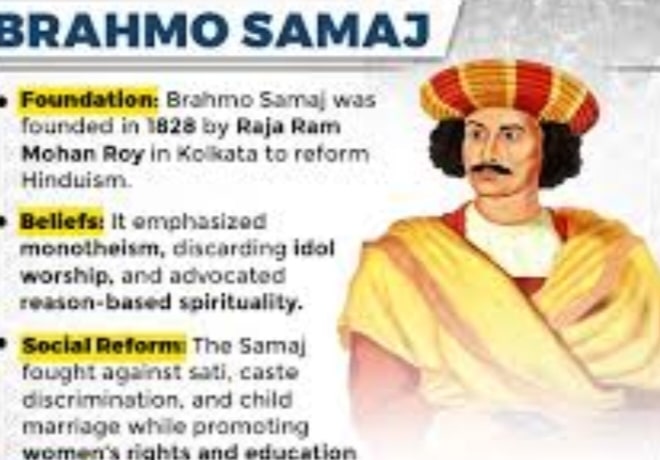
Introduction to Brahmo Samaj
The Brahmo Samaj, a significant socio-religious reform movement, emerged in 19th century India as a beacon of progressive thought and social change. This movement, which sought to blend traditional Indian spirituality with modern rationalism, played a crucial role in shaping the cultural and intellectual landscape of colonial India.
Thank you for reading this post, don't forget to subscribe!Origins and Founding
The basic principle of Brahmo Samaj is one and all, and it would be wrong to say that it is monotheism, they do not believe in any other form of idolatry. It is true that God exists, but they do not consider it acceptable to have other related paraphernalia in the name of God. However, the policy makers of this religion or those who practice this religion do not accept the existence of the God of other religions, but they do not neglect any living being socially. They believe that every living thing on this earth has the right to survive.At the same time, the social and economic problems that every person faces can be solved within society itself. They have no belief whatsoever in God and any biological concepts or activities related to God. They were fiercely opposed to idolatry. Because they knew that through this idol worship, superstition would slowly enter society. Indian society at that time was already riddled with superstitions, and with further propaganda, the Brahmins would spread their influence and bring in even more superstitions. From these thoughts, the superstitions prevalent in Indian society at that time, such as the practice of sati, keeping women out of education, depriving women of property rights after the death of their father or husband, due to all these social prejudices, those who were determining the rules and regulations of the Brahmo Samaj in the society of that time created a fierce protest against it.
The movement officially began with the establishment of the Brahmo Sabha (later renamed Brahmo Samaj) in Calcutta. Roy’s primary aim was to purify Hinduism of what he perceived as superstitious practices and to promote a rational approach to religion.
They believed in rational moral behavior. Through this rational, that is, through its medium, the scientist wanted to develop the idea that people could live a healthy life and express interest in healthy thinking. Science and rational thought entered India through Western education. But if this education is confined to textbook thinking only, no progress will be made in society. That’s why they wanted to spread that scientific thinking or rational thinking to every person in society. As a result, no socially inferior or lower class person would have to suffer any discrimination at that time. They wanted to eliminate these social distinctions and create a new society in which there would be no classes, there would be no discrimination, He even wanted to eliminate the differences between men and women and establish their equal rights.
Core Principles and Beliefs
The Brahmo Samaj was built on several key principles:
Monotheism: Belief in one supreme God, rejecting the polytheistic aspects of traditional Hinduism.
Rejection of idolatry: Opposition to the worship of idols and images.
Universalism: Acceptance of truth from all religions and cultures.
Rationalism: Emphasis on reason and logic in religious matters.
The first protest came from the Brahmins against the founders of the Brahmo Samaj at that time, when they were trying to propagate the ideology of the Brahmo Samaj. Leading an entire society on a new path was not such an easy task. Those who believed in the Brahmo Samaj did not consider or even believe in any religious scripture as final. They even rejected the scriptures that are considered the guiding principles of Hinduism.
Social reform: Advocacy for progressive social changes, particularly regarding women’s rights and caste discrimination.
These principles were revolutionary for their time and attracted many educated Indians who were grappling with the challenges of modernization and colonial rule.
Key Figures in Brahmo Samaj
While Raja Ram Mohan Roy laid the foundation, several other notable figures contributed significantly to the growth and evolution of the Brahmo Samaj:
Debendranath Tagore: Father of Nobel laureate Rabindranath Tagore, he revitalized the movement in the 1840s and formalized its doctrines.
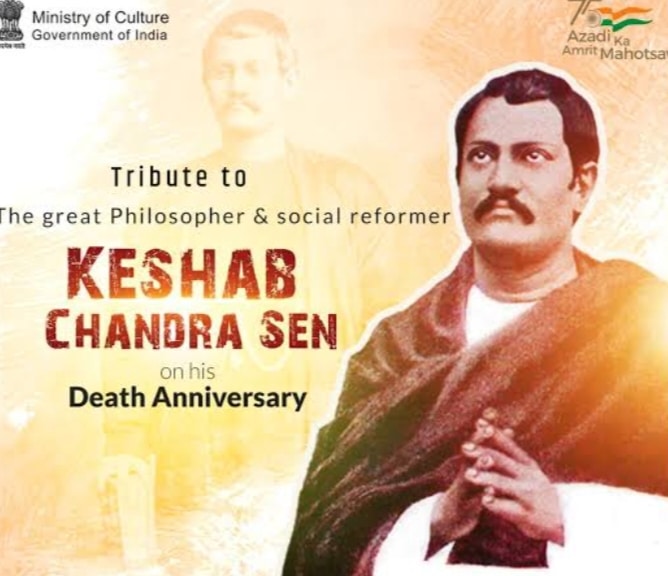
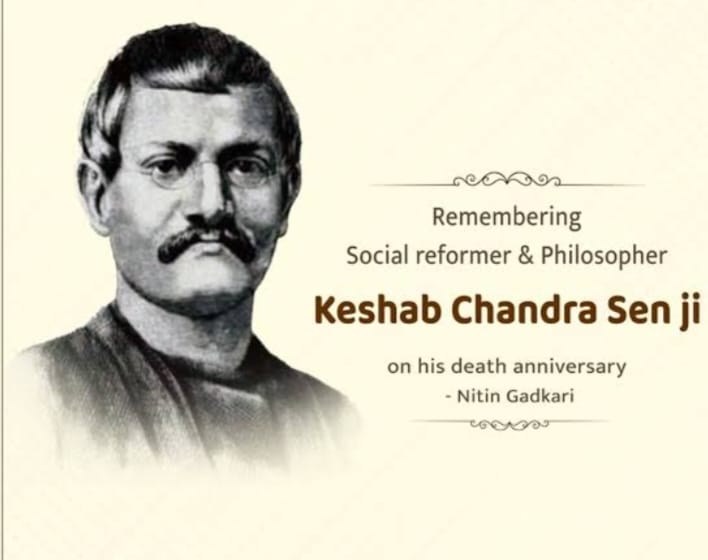
Keshub Chunder Sen: A charismatic leader who brought new energy to the movement and emphasized social reform.
Sivanath Sastri: A historian and reformer who documented the movement’s history and principles.
Ananda Mohan Bose: A prominent educator and reformer who founded the City College in Calcutta.
These leaders, along with many others, helped shape the Brahmo Samaj into a multifaceted movement that went beyond religious reform to address broader social and cultural issues.
They did not believe in the karma of birth and reincarnation, they wouldn’t have denied it again. That is, the idea emerged among them that they were only concerned with uplifting the neglected and oppressed people in the current society or in the current life. Their only goal was to ensure that every living being in society could live healthily with their own rights. It cannot be denied that the Brahmo Samaj partly created the origins of the rights we enjoy in today’s society. The lie is that it promotes secular values and does not attack other religions but helps them to be accepted.
Social Reforms and Impact
The Brahmo Samaj was at the forefront of many social reform movements in 19th century India. Some of their key contributions include:
Women’s rights: Advocacy for women’s education, widow remarriage, and opposition to child marriage and the practice of sati (widow immolation).
Caste reform: Rejection of the caste system and promotion of inter-caste marriages.
Education: Establishment of schools and colleges that promoted modern education, including for girls.
Language and literature: Encouragement of Bengali literature and journalism, contributing to a cultural renaissance in Bengal.
They advanced this idea that is the practice of highlighting the hierarchy of Brahmo Samaj today. The essence of later socialist thought was also contained within this. However, they could not distance themselves from communism, but they tried hard to distance society from classism.
The impact of these reforms extended far beyond the immediate circle of Brahmo Samaj followers. They influenced public opinion and, in some cases, led to legal reforms by the British colonial government.
Brahmo Samaj’s Influence on Indian Independence
The Brahmo Samaj played a significant role in shaping the intellectual and cultural milieu that eventually led to the Indian independence movement. By promoting rationalism, social reform, and a blend of Eastern and Western thought, the movement helped create a new class of educated Indians who were equipped to challenge colonial rule.
The basic principle of Brahmo Samaj is one and all, and it would be wrong to say that it is monotheism, they do not believe in any other form of idolatry. It is true that God exists, but they do not consider it acceptable to have other related paraphernalia in the name of God. However, the policy makers of this religion or those who practice this religion do not accept the existence of the God of other religions, but they do not neglect any living being socially. They believe that every living thing on this earth has the right to survive. At the same time, the social and economic problems that every person faces can be solved within society itself. They have no belief whatsoever in God and any biological concepts or activities related to God. They were fiercely opposed to idolatry. Because they knew that through this idol worship, superstition would slowly enter society. Indian society at that time was already riddled with superstitions, and with further propaganda, the Brahmins would spread their influence and bring in even more superstitions. From these thoughts, the superstitions prevalent in Indian society at that time, such as the practice of sati, keeping women out of education, depriving women of property rights after the death of their father or husband, due to all these social prejudices, those who were determining the rules and regulations of the Brahmo Samaj in the society of that time created a fierce protest against it.
They believed in rational moral behavior. Through this rational, that is, through its medium, the scientist wanted to develop the idea that people could live a healthy life and express interest in healthy thinking. Science and rational thought entered India through Western education. But if this education is confined to textbook thinking only, no progress will be made in society. That’s why they wanted to spread that scientific thinking or rational thinking to every person in society. As a result, no socially inferior or lower class person would have to suffer any discrimination at that time. They wanted to eliminate these social distinctions and create a new society in which there would be no classes, there would be no discrimination, He even wanted to eliminate the differences between men and women and establish their equal rights.
The first protest came from the Brahmins against the founders of the Brahmo Samaj at that time, when they were trying to propagate the ideology of the Brahmo Samaj. Leading an entire society on a new path was not such an easy task. Those who believed in the Brahmo Samaj did not consider or even believe in any religious scripture as final. They even rejected the scriptures that are considered the guiding principles of Hinduism.
They did not believe in the karma of birth and reincarnation, they wouldn’t have denied it again. That is, the idea emerged among them that they were only concerned with uplifting the neglected and oppressed people in the current society or in the current life. Their only goal was to ensure that every living being in society could live healthily with their own rights. It cannot be denied that the Brahmo Samaj partly created the origins of the rights we enjoy in today’s society. The lie is that it promotes secular values and does not attack other religions but helps them to be accepted.
They advanced this idea that is the practice of highlighting the hierarchy of Brahmo Samaj today. The essence of later socialist thought was also contained within this. However, they could not distance themselves from communism, but they tried hard to distance society from classism.
Many prominent figures in the Indian freedom struggle were either members of the Brahmo Samaj or were influenced by its ideals. For example, Rabindranath Tagore, whose family was closely associated with the Brahmo Samaj, became a leading voice for Indian nationalism and cultural pride.
Challenges and Criticisms
Despite its influential
