
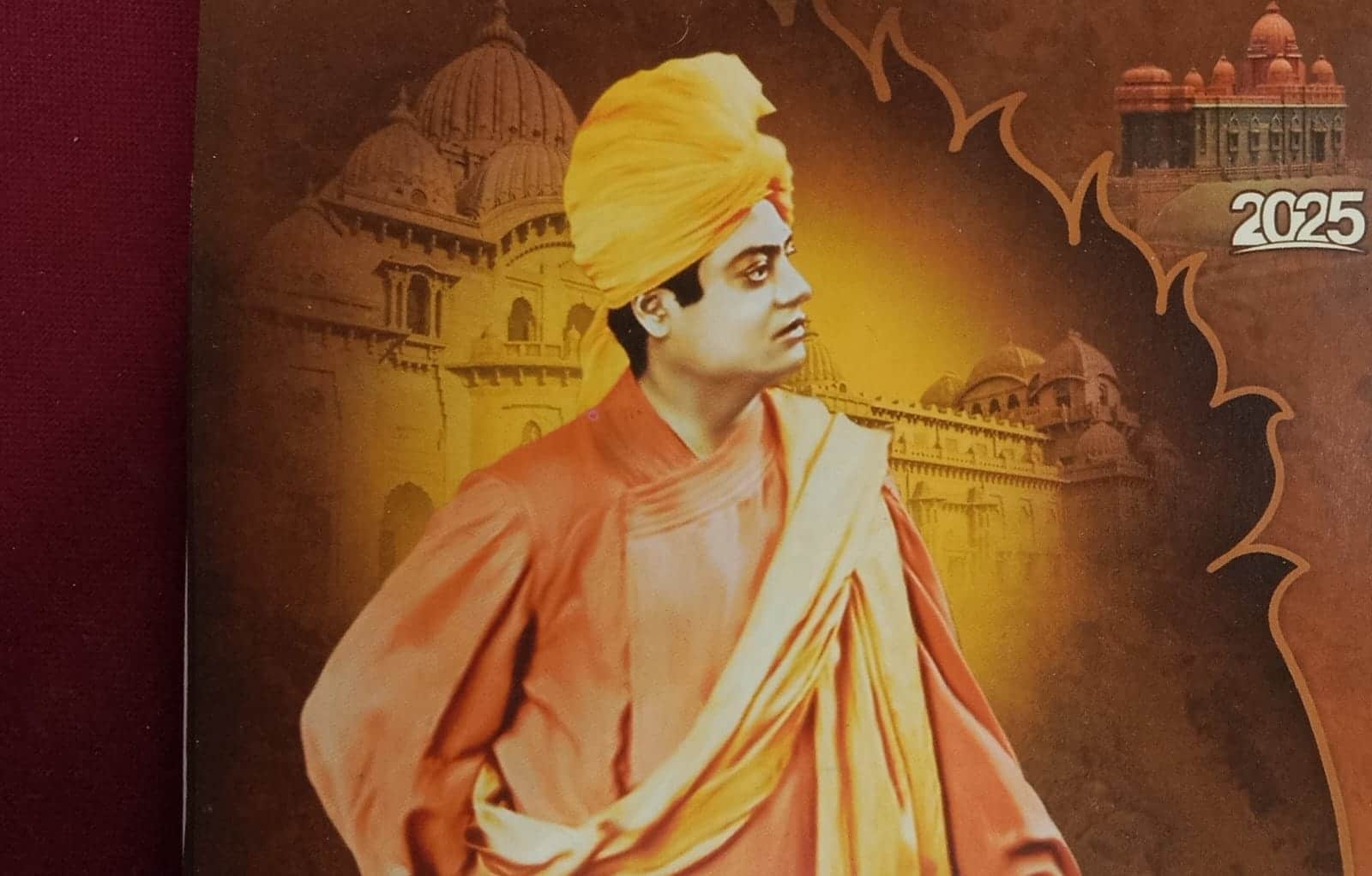
1. Early Life and Education of SWAMI VIVEKANANDA
1.1. Childhood and family background
Thank you for reading this post, don't forget to subscribe!Swami Vivekananda, born Narendranath Datta on January 12, 1863, in Calcutta, India, grew up in a well-educated and culturally rich family. His father, Vishwanath Datta, was a successful attorney, while his mother, Bhuvaneswari Devi, was a devout housewife. Narendranath was an intelligent and mischievous child, known for his sharp mind and playful nature.
1.2. Academic pursuits and intellectual curiosity
From a young age, Narendranath showed exceptional intellectual abilities. He excelled in his studies, particularly in subjects like philosophy, history, and literature. His voracious reading habits and questioning nature set him apart from his peers. He attended Ishwar Chandra Vidyasagar’s Metropolitan Institution and later joined Presidency College, where he further honed his analytical skills.
1.3. Spiritual awakening and search for truth
As a teenager, Narendranath began to question the existence of God and the nature of reality. He explored various philosophical and religious texts, seeking answers to life’s profound questions. This quest for truth led him to join the Brahmo Samaj, a reformist Hindu movement, where he engaged in debates and discussions on spirituality and social reform.
2. Encounter with Ramakrishna Paramahamsa
2.1. First meeting and initial skepticism
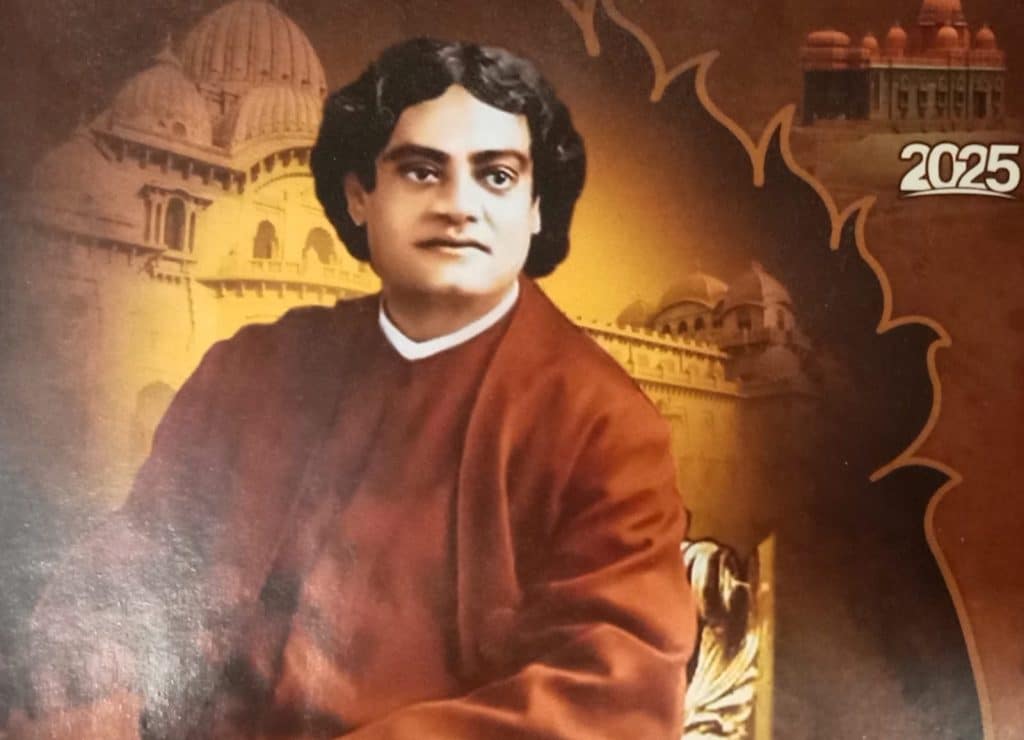
In 1881, Narendranath met Sri Ramakrishna at the Dakshineswar Kali Temple. Initially skeptical of Ramakrishna’s spiritual claims, Narendranath approached him with a critical mindset. He asked Ramakrishna if he had seen God, to which Ramakrishna replied that he had, and could show him too. This encounter marked the beginning of a transformative relationship.
2.2. Spiritual transformation under Ramakrishna’s guidance
2.3. Becoming a devoted disciple
As Narendranath spent more time with Ramakrishna, he gradually accepted him as his guru. He became one of Ramakrishna’s closest disciples, absorbing his teachings on the unity of all religions and the importance of selfless service. This discipleship laid the foundation for Narendranath’s future role as a spiritual leader.
3. Vivekananda’s Philosophical Teachings
3.1. Vedanta philosophy and its interpretation
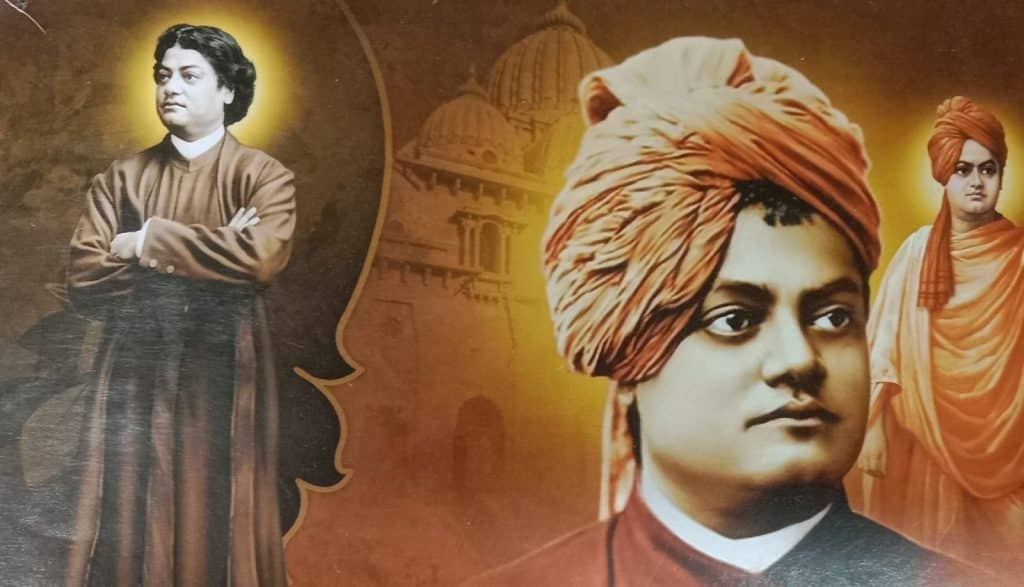
Swami Vivekananda’s interpretation of Vedanta philosophy made it accessible to the masses. He emphasized the practical aspects of Vedanta, teaching that the ultimate goal of human life is to realize one’s divine nature. Vivekananda’s explanation of Advaita Vedanta, which posits the oneness of all existence, became a cornerstone of his teachings.
3.2. Concept of universal religion and religious harmony
One of Vivekananda’s most significant contributions was his promotion of religious harmony. He advocated for a universal religion that respected all faiths while recognizing their common essence. This idea of unity in diversity became a powerful message in a world often divided by religious differences.
3.3. Emphasis on practical spirituality and service
Vivekananda strongly believed that spirituality should not be confined to temples and monasteries but should be applied in daily life. He encouraged his followers to serve humanity as a form of worship, saying, “Service to man is service to God.” This practical approach to spirituality resonated with many and became a defining feature of his teachings.
4. Journey to the West and the Parliament of World Religions
4.1. Traveling across India as a wandering monk
After Ramakrishna’s death in 1886, Vivekananda spent several years traveling across India as a wandering monk. This journey allowed him to understand the diverse cultural and social landscape of the country, deepening his commitment to addressing India’s social and spiritual needs.
4.2. Arrival in America and initial challenges
In 1893, Vivekananda embarked on a journey to America to represent Hinduism at the Parliament of World Religions in Chicago. His arrival in the West was met with numerous challenges, including financial difficulties and cultural differences. However, his determination and charisma helped him overcome these obstacles.
4.3. Historic speech at the Parliament of World Religions
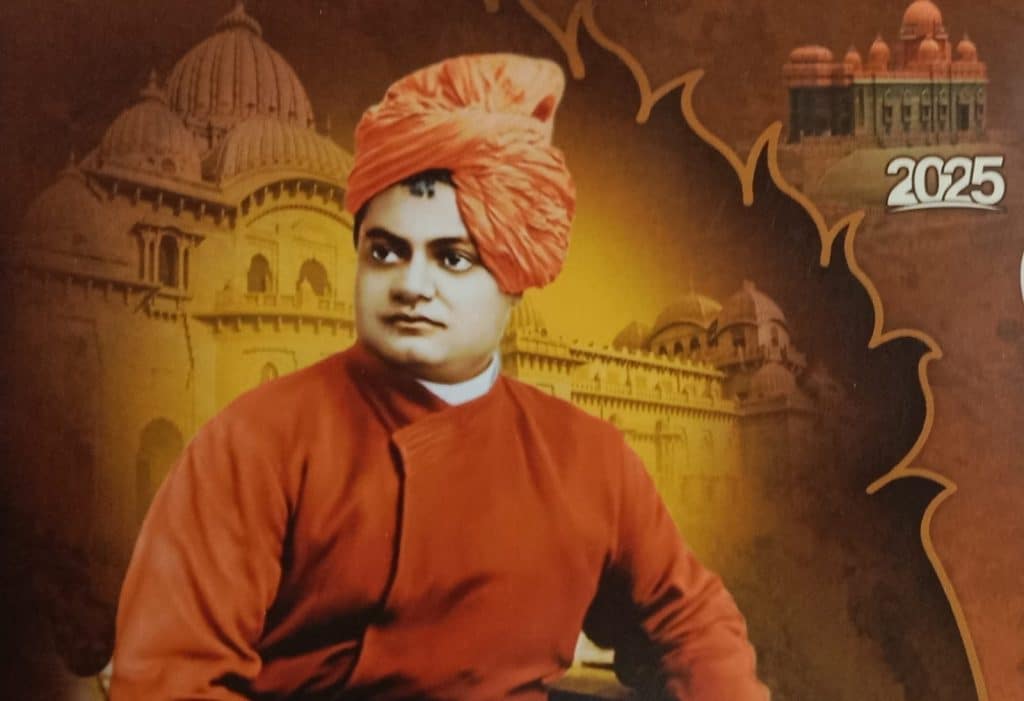
On September 11, 1893, Vivekananda delivered his famous speech at the Parliament of World Religions, beginning with the words “Sisters and brothers of America.” His address, emphasizing religious tolerance and the universal truths underlying all faiths, received a standing ovation and catapulted him to international fame.
5. Establishment of the Ramakrishna Mission
5.1. Founding principles and objectives
In 1897, Vivekananda founded the Ramakrishna Mission to carry forward Ramakrishna’s teachings and to serve humanity. The mission’s core principles included promoting the idea of the potential divinity of every soul, harmony of religions, and selfless service to humanity.
5.2. Expansion of the mission in India and abroad
Under Vivekananda’s guidance, the Ramakrishna Mission quickly expanded its reach. Centers were established across India and in various parts of the world, spreading the message of Vedanta and engaging in social service activities.
5.3. Social service initiatives and educational programs
The Ramakrishna Mission initiated numerous social service projects, including schools, hospitals, and relief work during natural disasters. These efforts embodied Vivekananda’s vision of practical spirituality and continue to this day, making a significant impact on society.
6. Literary Contributions and Speeches
6.1. Major works and publications
Vivekananda was a prolific writer, and his works include “Raja Yoga,” “Karma Yoga,” “Bhakti Yoga,” and “Jnana Yoga.” These books, along with his collected works, form a comprehensive exploration of Vedanta philosophy and its practical applications.
6.2. Influential lectures and discourses
Throughout his life, Vivekananda delivered numerous lectures and discourses, both in India and abroad. His speeches on topics ranging from spirituality to nationalism inspired countless individuals and continue to be studied and referenced today.
6.3. Impact on Indian literature and thought
7. Legacy and Influence on Modern India
7.1. Role in reviving Hindu philosophy and culture
Vivekananda played a crucial role in reviving interest in Hindu philosophy and culture, both in India and abroad. His interpretation of Vedanta and emphasis on its practical aspects helped make ancient Indian wisdom relevant to the modern world.
7.2. Inspiration for India’s independence movement
Many leaders of India’s independence movement, including Mahatma Gandhi and Subhas Chandra Bose, were deeply influenced by Vivekananda’s teachings. His call for national unity and pride in India’s spiritual heritage resonated with the freedom fighters and helped shape the ideology of the independence movement.
7.3. Continued relevance in contemporary society
Swami Vivekananda’s ideas continue to be relevant in contemporary society. His emphasis on religious harmony, social service, and the potential divinity of every individual offers solutions to many of the challenges faced by the modern world. Vivekananda’s life and teachings continue to inspire millions, making him a timeless figure in India’s spiritual and cultural landscape.
