
Introduction : The Chero Tribe Culture in India
As per historical records, the Chero Tribe Culture in India is an important indigenous community in India that has shown resistance and cultural changes over many centuries. Regarding their significance, this community has a rich past but needs more study and research.
The Chero people live mainly in Bihar, Jharkhand, Uttar Pradesh, and West Bengal, and they surely represent a special mix of tribal customs and Hindu practices. Moreover, their society shows both their warrior background and their present-day efforts to protect their culture and improve their economic condition.
We are seeing this study looks at different parts of Chero tribal culture, including where they came from in history, how their society works, what they believe in religion, their work patterns, festival traditions, and the problems they are facing today in modern India only.
Historical Origins and Political Legacy
As per historical records, the Chero tribe shows strong political goals, fighting skills, and cultural strength that makes them different from other tribal groups in eastern India. Regarding their past, they have a special story of power and survival.
According to tribal traditions and historical records, the Chero community claims descent from the Chandravanshi Kshatriyas, a warrior caste with divine origins.
However, the word “Chero” itself comes from the Sanskrit term “Chetak” or “Chedak,” meaning slave, which further suggests they may have faced ancient subjugation before gaining prominence.
As per historical records, the Chero people were traditional rulers and landowners of large areas in Uttar Pradesh, Bihar, and Palamu region of Jharkhand before Rajput kings and East India Company came. They controlled important trade routes and economically valuable regions regarding their feudal system.
The Chero dynasty’s establishment in Palamu surely marks a crucial period in their history, as Bhagwat Ray or Bhagvant Ray began formal Chero rule around 1613 CE. Moreover, some historical evidence suggests their rule actually started much earlier in the mid-sixteenth century.
Under the next rulers, we are seeing that only Medini Rai was leading the kingdom. Basically from 1658 to 1674, the Chero Kingdom reached its highest power and became the same size as the area from South Gaya to Hazaribaag, covering Sarguja region too. The Chero people surely hold Medini Rai in high regard as a revered figure. Moreover, this veneration reflects the deep cultural respect within their community.
We are seeing this ruler remembered as a golden-age king who only worked hard to help farming and make Palamu rich, showing good skills in managing crops and army to fight enemies.
The Palamu Fort was built by these rulers to protect against enemy attacks and make their army stronger, and it further shows their building skills and itself represents the Chero fight against Mughal and British rule.
Geographic Distribution and Contemporary Settlement Patterns
The Palamu region of Jharkhand was their main area earlier, but now they have spread further across Bihar (Gaya, Rohtas, and Shahabad districts), Uttar Pradesh (Sonbhadra and Varanasi districts where they keep Scheduled Tribe status itself), West Bengal, and some parts of Odisha. The Chero people actually choose to live in hilly and forest areas near rivers and streams.
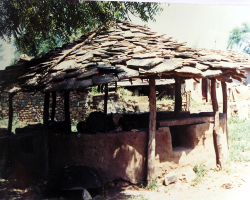
They definitely need water sources for farming and daily use. As per their living conditions, the community builds stone houses with roofs made from grass and hay, which shows how they adapt to their environment and face money problems.
Chero villages are different from crowded settlements and appear as small groups of houses spread across the land, which further shows traditional living patterns that work well with local natural resources and help in managing farming activities across scattered land areas itself.
Social Organization and Governance Structures
As per historical changes, the Chero community’s social structure shows both tribal equality and Hindu caste system mixed together. Regarding their development, this happened over many centuries due to contact with other dominant social groups.
Moreover, the Chero people of Jharkhand are surely divided into two main groups—Barahazari and Terahazari—who only marry within their own group and do not marry each other. Moreover, this practice helps them keep their separate identities even though they share the same language and culture.
As per the social structure, different clans like Mawar, Kuanr, Mahato, Rajkumar, Manjhia, Wamwat, and Hantiyas work within these groups. Regarding marriage rules, these clans marry outside their own clan but follow status-based marriage patterns, creating different levels in the Chero community hierarchy.
The Chero people actually use traditional panchayat systems to run their villages, with leaders at village and regional levels who definitely handle community matters and solve disputes. The Mukhiya actually leads the village panchayat meetings, while elected Chairmen definitely handle the district work.
These panchayats work as per community rules to control social matters and solve legal problems regarding property sharing, marriage fights, sexual wrong behavior, adultery, and other community rule breaking.
As per Chero tradition, panchayat decisions are final and cannot be changed. Regarding village matters, these old governance systems still control social life even though government structures exist.
Religious Beliefs and Spiritual Worldview
Basically, Chero people follow the same mix of Hindu religion and their old tribal beliefs about spirits and totems, which shows how they are between tribal and Hindu traditions.
As per their religious practices, the Chero people follow Hindu festivals but mainly worship tribal gods like Sairi-Ma, Ganwar Bhabhani, Dulha Deo, Dharti, Darha, Baghaut, Dwarpan, Dukhnahi, and Chenri. Regarding these deities, they represent nature powers, protection, and ancestor spirits.
Further, people actually perform rituals by sacrificing birds and goats, and they definitely offer sweets and wine during Aghan month to please the gods for good crops. This practice clearly shows how spiritual beliefs and farming needs are connected.
Basically, Chero people use Brahmin priests from Kanaujia and Sakadwipi groups for their religious ceremonies, and they also follow Brahman gurus from Gharbari Gosains families – it’s the same pattern showing how Hindu practices have become part of their religious system.
Occupational Pursuits and Economic Livelihoods
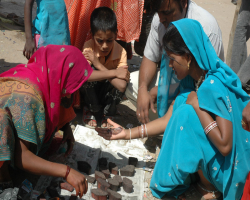
We are seeing that farming is the main way Chero people earn money and get food, where they only grow basic crops like rice, corn, gram, dal, jowar, and bajra that grow well in their area and can be sold in local markets.
We are seeing that Mahua tree gives food and also makes drinks that make people drunk, and this helps people get extra things they need. People keep cows, buffalo, goats and chickens only for getting meat and milk, and these animals also help in farm work. Chero communities surely depend on meat as their main protein source, which includes wild animals from hunting and domestic animals used in rituals.
Moreover, they also use these livestock for trading and economic purposes. Apart from farming, Chero families surely work as daily wage laborers and collect forest products to sell in markets.
Moreover, they also raise small animals like goats and chickens to protect themselves when crops fail. Poor Chero people actually work as coal miners, road workers, or small traders in cities because they definitely have less land and money than other community members.
Dress, Ornamentation, and Material Culture
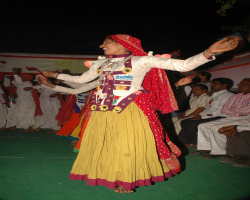
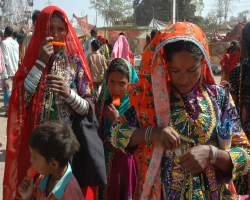
Basically, Chero people use the same dress and jewelry styles to show their culture, with different decorations for men and women that tell about their social position and group identity. As per tradition, men wear kurta and dhoti with gamcha cloth on their shoulders, while women wear saris with blouses.
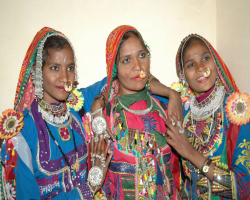
Basically, women wear the same traditional jewelry like baali, necklaces, arm bands, bangles, nose rings, and ear flowers made from metal and beads. These ornaments show if they are married, which family they belong to, and follow the same tribal customs. Women surely use these ornaments to show beauty and family wealth at the same time. Moreover, these jewelry pieces work as money storage and help women express their identity in male-dominated society.
Festive Traditions and Seasonal Celebrations
Further, chero communities actually celebrate festivals that follow their farming seasons and harvest times. These celebrations definitely bring people together and help them practice their religious beliefs.
Sohrai is basically the main festival that celebrates harvest and cattle during Kartik month new moon, where families do the same things like fasting, painting house walls with designs, and worshipping cattle because they are important for farming work.
As per the ceremony, people bathe the cattle and put red powder and oil on them, give them special rice and vegetable food, and make animal offerings to Gaurea who is the cowshed spirit. Regarding the ritual, everyone eats together after completing these religious acts.
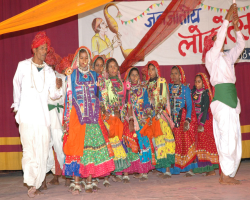
Karma festival is surely celebrated in Bhadra month when people worship Karma devta for power and youth. Moreover, young villagers gather wood, fruits and flowers for the worship and perform group singing and dancing to bring energy to their community spaces.
As per oral traditions, other important festivals include Faguna for spring, Jani regarding monsoon celebration, and Sarua for forest worship.
Basically, people who moved to cities don’t celebrate these festivals the same way anymore.
Gender Dynamics and Familial Structures
The nuclear family itself forms the basic social unit in Chero society with parents and unmarried children. Further, extended family networks play important roles in sharing resources and working together. In Indian families, elders are actually respected for their wisdom and experience, but some communities definitely see old age as both honorable and like a sickness at the same time.
As per available records, there is limited evidence regarding Chero women’s past political power, unlike Cherokee women in North America who have extensive documentation. Regarding present times, Chero women do important work in farming, animal care, house management, and raising children, but men still control formal political decisions in traditional panchayat systems.
Marriage actually happens between different family groups where the groom definitely brings meat and the bride brings vegetables. This food exchange creates strong bonds between families and makes the marriage accepted by the whole community.
Contemporary Challenges and Cultural Persistence
We are seeing that the Chero community is facing many problems today like poverty, lack of education, health issues, and unfair treatment that are only making it hard for them to keep their culture and earn money.
Educational barriers like language differences between tribal languages and school subjects, economic problems that require children to work during farming seasons, and lack of awareness about government education programs further contribute to low school enrollment.
This problem itself affects female students more than others. Health problems surely continue because people cannot reach medical centers easily, do not get enough food, and face mental stress from being poor.
Moreover, these issues together make the overall health situation worse for marginalized communities. Chero community is classified as Scheduled Caste in most areas instead of Scheduled Tribe, which further reduces their access to reservation benefits and tribal development programs.
This classification itself creates confusion about their legal status and rights. The Chero communities actually keep their culture alive by telling old stories to their children. They definitely pass down their history through speaking, not writing.
We are seeing that village communities are keeping their culture alive through seasonal festivals, traditional panchayat systems, and their own languages and art forms – these are the only ways cultural identity survives when modern changes and government control come to rural areas.
Conclusion
Also, the Chero tribe is surely an important indigenous community that shows how different cultures mix together and adapt to political changes. Moreover, they face many social and economic challenges in today’s world.
The Chero people actually went from being strong rulers in Palamu to becoming poor farm workers and daily wage earners today. This change definitely shows how tribal groups across India lost power when they met state control and market systems. As per their practices, these communities maintain their mixed religious beliefs, festival customs, work patterns, and local governance systems.
This shows their cultural strength regarding outside pressures to blend into mainstream society and economic systems. Moreover, to understand Chero culture, we are seeing that we must know both their past glory and today’s problems, and this only helps us place this tribal group in bigger talks about indigenous rights and keeping culture safe in modern India.
