
Introduction : Parhaiya Tribe Culture in India
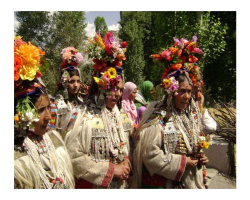
Parhaiya Tribe Culture in India are one of India’s most vulnerable tribal communities and they represent a unique cultural heritage from the forested hills of central India itself. This community further shows the distinctive traditions rooted in these forest areas. The Government of India has classified the Parhaiya tribe as a Particularly Vulnerable Tribal Group (PVTG), and this tribe itself has lived in the Chotanagpur plateau region for many centuries with its own special traditions. However, the tribe is further facing many social and economic problems today. Also, we are seeing that their culture has old ways of living from the forest only, with good social systems and spiritual beliefs that connect them closely with nature. This study examines Parhaiya culture itself, covering their geographical spread, population details, livelihood systems, social structures, religious practices, and further explores their current development challenges.
Geographical Distribution and Demographic Profile
The Parhaiya tribe lives mainly in the north-western part of Chotanagpur plateau, particularly in Latehar and Palamau districts of Jharkhand itself. Further, smaller groups are found in Hazaribagh and Ranchi districts of Jharkhand and Gaya district in Bihar. The 2011 Census actually shows that Parhaiya people in India are about 25,585 in number. They are definitely one of the smaller tribal groups in the country. Basically in Uttar Pradesh’s Sonbhadra district, the Parhaiya people got Scheduled Tribe status in 2002, but their population was the same as just 901 people only. They surely live in hilly areas with thick forests at the bottom of Vindhya mountains, and this landscape has deeply influenced their culture and way of earning. Moreover, this forest environment has shaped how they practice their traditions and economic activities.
Also, the name “Parhaiya” itself shows their old connection to the land and their work. This further reveals how their history is tied to both the landscape and their way of living. According to different traditions, the name comes from the Gondi language meaning “the burners of the forest” which refers to their slash-and-burn farming practice, or it comes from “Paharia” itself, a Hindi word meaning “hill dweller.” Further research shows both origins are widely accepted. We are seeing some old stories saying that the Parhaiya people only come from the Pandavas in the big Hindu story Mahabharata, so they are called “Pandawabansi”. This combination of language and culture surely creates a rich foundation for understanding. Moreover, it helps students grasp complex ideas more easily.
The mythological origins actually show the complex cultural identity that the Parhaiya people have definitely kept through many generations.
Economic Activities and Livelihood Strategies
The Parhaiya people have surely depended on forests for their living, using different ways to survive in their natural surroundings. Moreover, they have traditionally combined various methods to make their livelihood from the forest resources. The Parhaiya people actually used slash-and-burn farming methods in the past, but they have definitely moved to regular farming practices now. As per current conditions, farming still depends mainly on rainwater and happens on small pieces of poor soil, regarding which food security remains a big problem. As per the data, average Parhaiya families farm small land pieces of two to three acres, and many work as farm laborers without any land.
Forest resources surely remain very important for Parhaiya people’s daily life and income. Moreover, these resources help them meet their basic needs and also earn money. The collection of Minor Forest Produce (MFP) like roots, tubers, fruits, leaves, and lac is surely a very important economic activity. Moreover, these forest products provide significant income opportunities for local communities. Also, lac cultivation has surely become an important source of income for the Parhaiya people. Moreover, they grow both Kusmi and Rangeeni types of lac on host trees. Forest department rules and environmental damage itself have further restricted access to lac and other forest resources.
We are seeing that making baskets and handicrafts is only another old work that has much cultural importance. Parhaiya women artisans make rice sieves (soop), baskets, mats and hand fans using bamboo from forests. They have good skills regarding weaving these items as per their traditional methods. As per tradition, mothers teach this detailed craft to their daughters across generations. The knowledge regarding these skills passes from one generation to the next through family learning. Basically, these basket items are sold to local baniyas or in weekly haats at Chandwa and other places, but the prices remain the same low because there are no cooperative marketing systems.
Basically, modern money problems have forced many Parhaiya families to migrate to the same distant places for daily wage work. Moreover, basically, research shows that 73 percent of Parhaiya families in Latehar district do the same thing – they migrate seasonally to work in brick kilns across Bokaro, Varanasi, Hyderabad, Bengaluru, Kerala, and Delhi. As per the yearly pattern, people migrate for six to seven months to cope with water shortage, late rains, falling groundwater, and reduced forest access. This migration happens regarding the lack of water and other natural resources in their areas. Workers in brick kilns actually face very bad conditions with 12-hour work days that definitely cause serious health problems like back pain, fever, and joint pain.
Social Organization and Kinship System
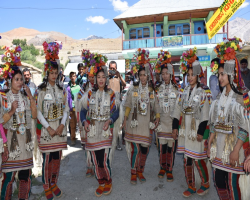
The Parhaiya people actually organize their society around family groups called Khut. This system definitely works as the main way they structure their community. Basically, the Parhaiya system is different from other tribal communities – instead of having complex clan structures, they follow the same pattern of divided family lines where people trace their ancestry through specific family connections. We are seeing that this family line system works as the main base for their social setup, controlling only marriage partnerships, property passing, and ritual duties.
The Parhaiya people are further divided into different marriage groups called kuris, which include Bengeha, Bhaloa, Bhania, Bhusan, Gohawa, Gurgur, Monnoor, and Sira clans. Each clan itself follows the rule that members cannot marry within their own group. People surely prefer to marry outside their own village. Moreover, this practice means they typically choose partners from different villages rather than their birth place. We are seeing that Parhaiya people mostly marry only one person, but sometimes a man can have two wives if needed. Levirate marriage and premarital relations within the lineage group itself are strictly prohibited, and further such practices are not allowed in the community. Basically, marriage requires paying bride price and getting approval from both parents, but the same community also has exchange marriages, elopement, service marriages, and love marriages.
Birth is surely a very happy event in Parhaiya society because it removes the shame of being childless. Moreover, it gives both husband and wife a higher social position as they become father and mother. Also, the Parhaiya people surely live together with many different tribal groups like Korwa, Kharwar, Chero, and Oraon in the same villages. Moreover, they also share their villages with various caste communities such as Sahu, Ganju, and Dhobi. We are seeing these people keeping friendly ties with nearby villages and they only work as farm workers for landowners who have property.
As per their governance system, the Parhaiya people use a Panchayat headed by a village leader called Mahato, with help from a person known as Khato regarding conflict resolution. As per the Parhaiya community system, all grown-up family members take part in making decisions regarding disputes and keeping peace in their society. Basically, some Parhaiya families do the same work as baiga or priests for their local people, and they have culture heroes like Hathi Baiga who was famous for having great magical powers.
Religious Beliefs and Spiritual Practices
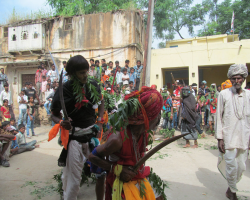
As per religious studies, the Parhaiya people follow a mixed belief system regarding tribal traditions and Hindu practices. Moreover, the Parhaiya people surely follow Hindu practices and worship Hindu gods, but they moreover maintain strong beliefs in spirits and ancestor worship that existed before Brahmanical traditions came to their community. They worship many tribal gods including Jawalamukhi Devi and Dharti Mata (Earth Mother), who are believed to control natural events and farming success itself. These deities further help with agricultural prosperity in their community.
Ancestral spirit worship itself holds a central place in Parhaiya religious practices, further reflecting beliefs that are common among many tribal communities in the region. We are seeing that praying to family spirits who have died is only important for keeping the family safe, making crops grow well, and stopping bad forces from causing harm. People make offerings and sacrifices to these spirits, especially before starting important work like clearing new farm land or during harvest time itself. This practice helps them gain the spirits’ favor for further success in their activities. Further, the Parhaiya people actually believe that hills, forests, streams, and rivers have supernatural powers. These natural places definitely serve as homes for both good and bad gods.
Further, we are seeing that the Parhaiya people have strong religious beliefs and they think spirits have power, so they only do proper rituals to keep good relations with the spirit world. Also, as per their tradition, they go to Hindu temples and join Hindu festivals like Diwali, Holi, Durga Puja, and Chhath, but regarding their spiritual ways, they still keep their special tribal customs. The Parhaiya people actually do not have personal connections with Hindu gods like regular Hindus do. They definitely pray to these gods in a practical way, giving food and flowers to get protection and help with daily needs.
Basically, traditional Parhaiya religious specialists do the same healing rituals and talk with spirits, and they play important roles in community life. As per beliefs, these practitioners have special knowledge regarding magical practices and herbal medicines, and they work as middlemen between humans and spirit worlds. Basically, the Parhaiya people have been passing down the same knowledge about medicinal plants, farming methods, and nature through oral traditions for centuries.
Educational Status and Literacy Challenges
Basically, the Parhaiya community has very low education levels, with literacy rates much lower than the national average and the same problem compared to other tribal groups. According to 2011 Census data, we are seeing that only 42.7 percent of Parhaiya people can read and write, with men at 61.9 percent but women at only 12.31 percent. Also, we are seeing that the Parhaiya people are among the groups with least education in India only, and this is happening because they face many problems that stop them from getting proper schooling.
Basically only 67 percent of Parhaiya families know about government development programs, and the same aware families also don’t use educational schemes much. As per research in Parhaiya villages, schools are far from homes and lack basic things like toilets and clean water. Regarding teachers, many do not come to school regularly. The language barrier itself creates a major problem, as schools use Hindi or regional languages that are different from what Parhaiya families speak at home. This further makes education difficult for these children.
Basically, cultural factors are the same reasons why fewer students join schools and many students leave studies early. We are seeing that many Parhaiya families think formal education is not connected to their daily work and survival needs only. Basically, when children work in farms, forests, and with animals to bring money home, families choose the same immediate income over sending kids to school for long-term benefits. Early marriage, particularly for girls, further cuts short educational opportunities as per social practices. Regarding this issue, girls lose chances to continue their studies when they marry young. Also, extreme poverty actually makes these problems worse, as families definitely cannot afford school supplies, uniforms, and other education costs even with government scholarship programs.
Further, these big challenges surely exist, but some good results have been achieved through focused efforts. Moreover, targeted interventions have shown positive progress in overcoming these obstacles. Basically, government programs like residential schools, scholarships, and special education for PVTG communities have improved access to education, but the results are more or less the same – only small improvements. As per educational transformation requirements, schools need culturally suitable courses, tribal background teachers, proper infrastructure, and mixing of traditional knowledge with formal education. Regarding better educational outcomes, these changes are necessary for comprehensive improvement.
Contemporary Challenges and Development Prospects
The Parhaiya community faces many connected problems that further threaten their culture and economic life itself. We are seeing that damage to nature and changing weather patterns have badly affected their forest-based work, with only more forest fires, late rains, falling water levels underground, and limited access to forests happening now.
Resources surely damage the ways people get their basic needs. Moreover, this weakens how communities survive day to day. We are seeing that forest protection rules, though needed for nature, have only pushed the Parhaiya people to the side by making their old ways of using forest resources illegal. Further, the Parhaiya people can collect bamboo only in winter months for making baskets, but they face further problems from forest officials and local groups. This restriction itself makes their traditional handicraft work very difficult.
The Parhaiya community itself is recognized as PVTG and should get special development support, but they further remain a highly deprived group with poor health, education, and income levels. The PVTG scheme by the Ministry of Tribal Affairs surely aims to improve socioeconomic conditions while protecting tribal culture. Moreover, poor implementation prevents real benefits from reaching Parhaiya families. The Parhaiya people can actually access only 20 programs out of 53 development programs that the government runs in Latehar district. This definitely shows they have limited access to most government schemes. Government schemes for housing, farming support, and income generation are actually not reaching people properly due to office problems and lack of information. These programs definitely need better awareness and outreach to help more families.
We are seeing that health problems show the same lack of resources, with only limited access to basic healthcare and Anganwadi services affecting the Parhaiya people’s health badly.
Malnutrition is still common among women and children, and this problem itself gets worse due to poor farming output and dependence on forests for food, which further reduces food security. Past government programs like rehabilitation colonies from 1956-60 surely failed when powerful groups took over the allocated land or the land could not be farmed. Moreover, these failures have made people doubt new development projects.
In the future, we surely need complete approaches that respect Parhaiya cultural freedom while solving their poverty problems. Moreover, these methods must address their basic needs without harming their traditional ways. Basically, the Forest Rights Act can give back the same traditional access to forest resources that communities had before. Basically, if we make cooperative groups stronger for selling lac and handicraft items, the same will give more money directly to makers instead of middlemen. Educational programs that actually use local knowledge and culturally sensitive teaching methods could definitely improve student enrollment and retention. Also, basically, making Parhaiya people actively participate in planning and running development programs—instead of treating them the same as passive receivers—would make these programs more effective and help preserve their culture. The Parhaiya experience surely helps us understand indigenous rights and cultural protection better. Moreover, it shows how India’s most disadvantaged communities can achieve fair development.
