
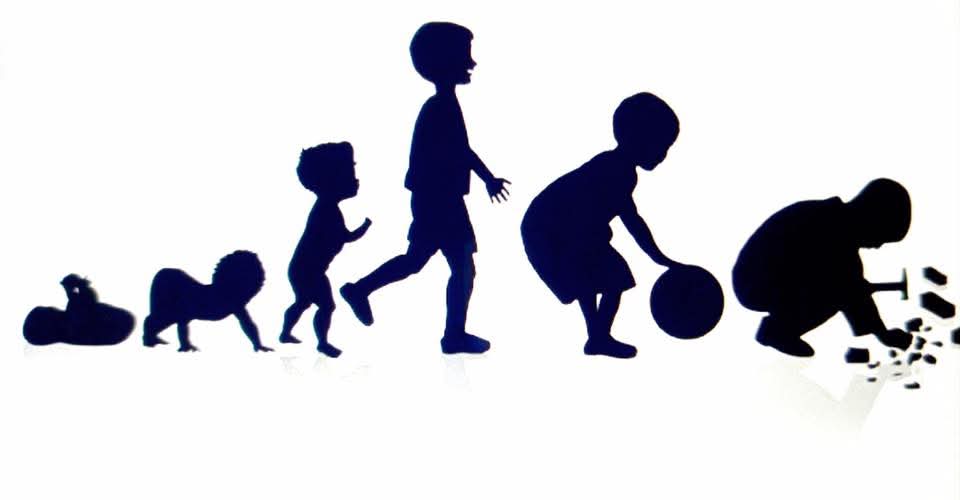
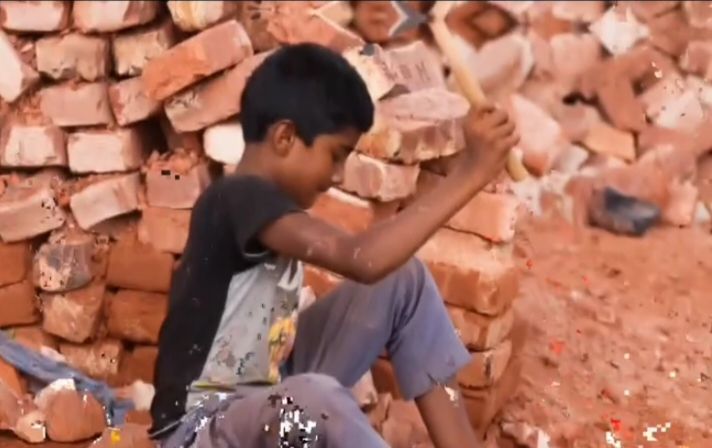
Child labor prevention in India is still a major challenge for society. Picture a 12-year-old working 14-hour days in a dimly lit factory while your kid complains about homework. Shocking, right? Yet for 10.1 million children in India, this isn’t fiction—it’s their daily reality.
I’ve spent years tracking child labor prevention efforts across India, and I’m about to share what actually works versus what just looks good on paper.
What most NGOs get wrong about this issue will surprise you—and it explains why billions in aid hasn’t solved the problem yet.
Understanding Child Labor in India
A. Current statistics and prevalence
What’s really disturbing? Nearly 80% of these children work in rural areas, often hidden from public view. The COVID-19 pandemic made things worse, pushing an estimated 7-10 million more children into labor as families lost livelihoods.
B. Root causes of child labor
Poverty hits different when it forces parents to choose between sending kids to school or work. When a family earns less than $2 per day, children become economic assets rather than dependents.
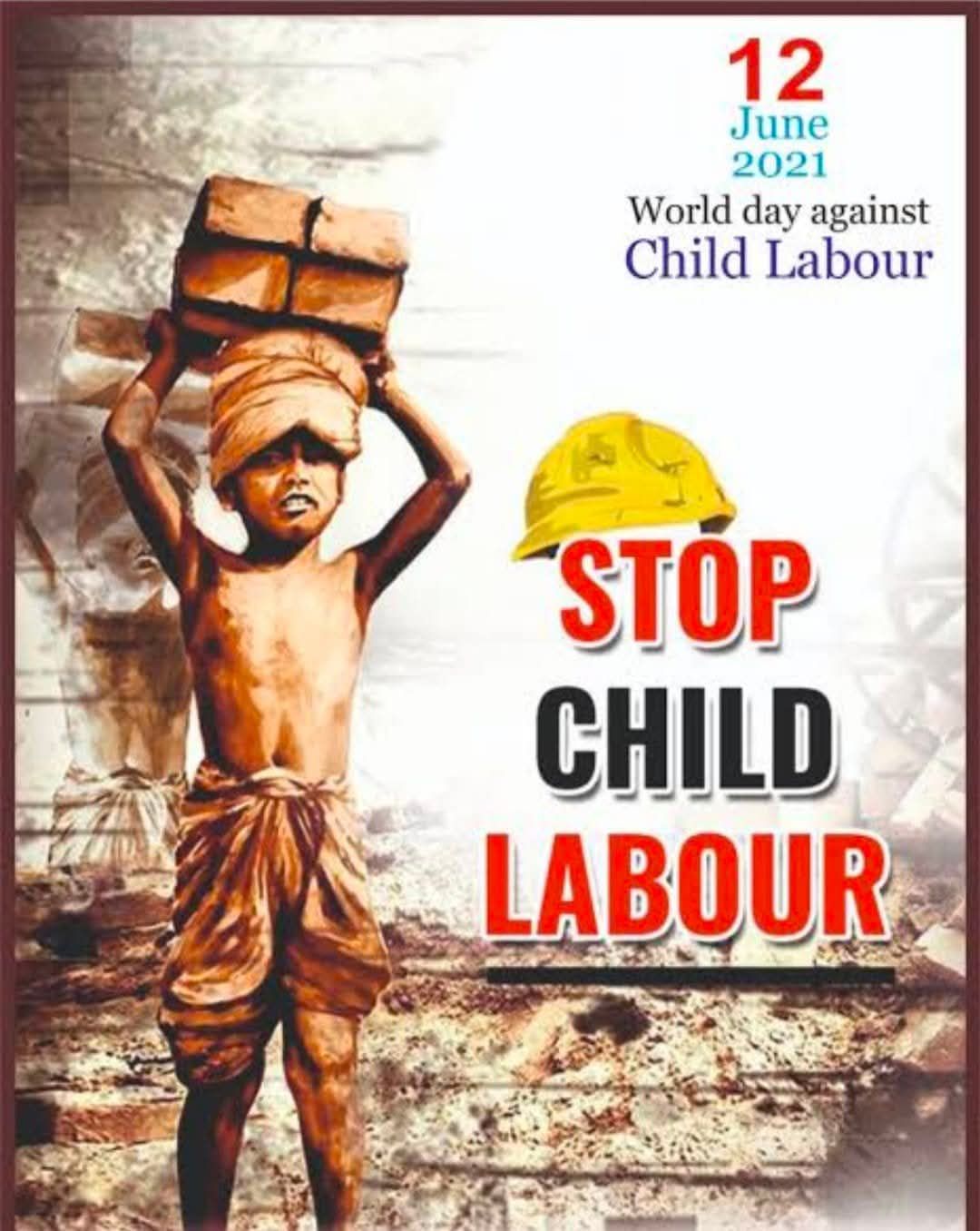
The education system itself is part of the problem. Schools in rural areas often lack basic facilities, qualified teachers, and relevant curricula. Why would parents sacrifice immediate income for seemingly pointless schooling?
Social norms play their part too. In certain communities, children working is just “the way things are.” Add in massive population growth, weak enforcement of laws, and you’ve got a perfect storm for exploitation.
C. Industries with highest child labor rates
Kids aren’t working in air-conditioned offices. They’re in the trenches:
| Industry | Percentage | Common Tasks |
|---|---|---|
| Agriculture | 70% | Harvesting crops, handling pesticides |
| Manufacturing | 16% | Carpet weaving, bangle making, garments |
| Mining | 5% | Coal extraction, stone quarrying |
| Domestic work | 4% | Household chores, childcare |
| Hospitality | 3% | Restaurants, hotels, tea stalls |
| Others | 2% | Construction, waste picking |
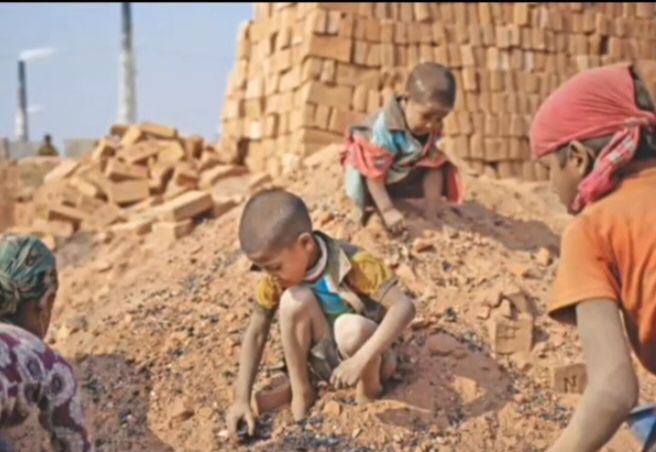
The most dangerous? Brick kilns, glass factories, and carpet workshops where children work 12+ hours in hazardous conditions.
D. Impact on children’s physical and mental health
Working instead of learning destroys childhoods. Period.
Physically, child laborers suffer from stunted growth, respiratory diseases, and skeletal deformities. Children in factories often develop chronic back pain before they’re even teenagers.
The mental toll is just as devastating. These kids show higher rates of depression, anxiety, and PTSD. Their cognitive development takes a hit too – studies show working children score 30% lower on memory and attention tests compared to their school-going peers.
The worst part? These effects are often irreversible, creating a permanent underclass of citizens.
E. Regional variations across states
Child labor isn’t distributed evenly across India. It’s a geography lesson in inequality:
Bihar, Uttar Pradesh, and Rajasthan lead with the highest absolute numbers. In Bihar alone, nearly 11% of children work instead of attending school.
Southern states like Kerala show significantly lower rates (under 1%), proving that strong state policies and education investments make a difference.
Urban centers like Delhi and Mumbai have their own unique problems – child trafficking networks funnel children from poor states into factories and domestic work.
The Northeast presents a different picture altogether, with tribal communities facing unique challenges around traditional work versus exploitation.
Legal Framework for Child Protection
A. Child Labor (Prohibition and Regulation) Act
India’s fight against child labor got serious in 1986 with this landmark legislation. The act strictly bans employing children under 14 in hazardous sectors like mining, factories, and construction.
What’s interesting? In 2016, the government amended the act to create two categories: children (under 14) and adolescents (14-18). Now children can only work in family businesses after school hours, while adolescents are prohibited from working in dangerous occupations.
The penalties are no joke – employers caught using child labor face jail time up to 2 years and fines up to ₹50,000. The act also established Child Welfare Committees in each district to monitor implementation.
B. Right to Education Act
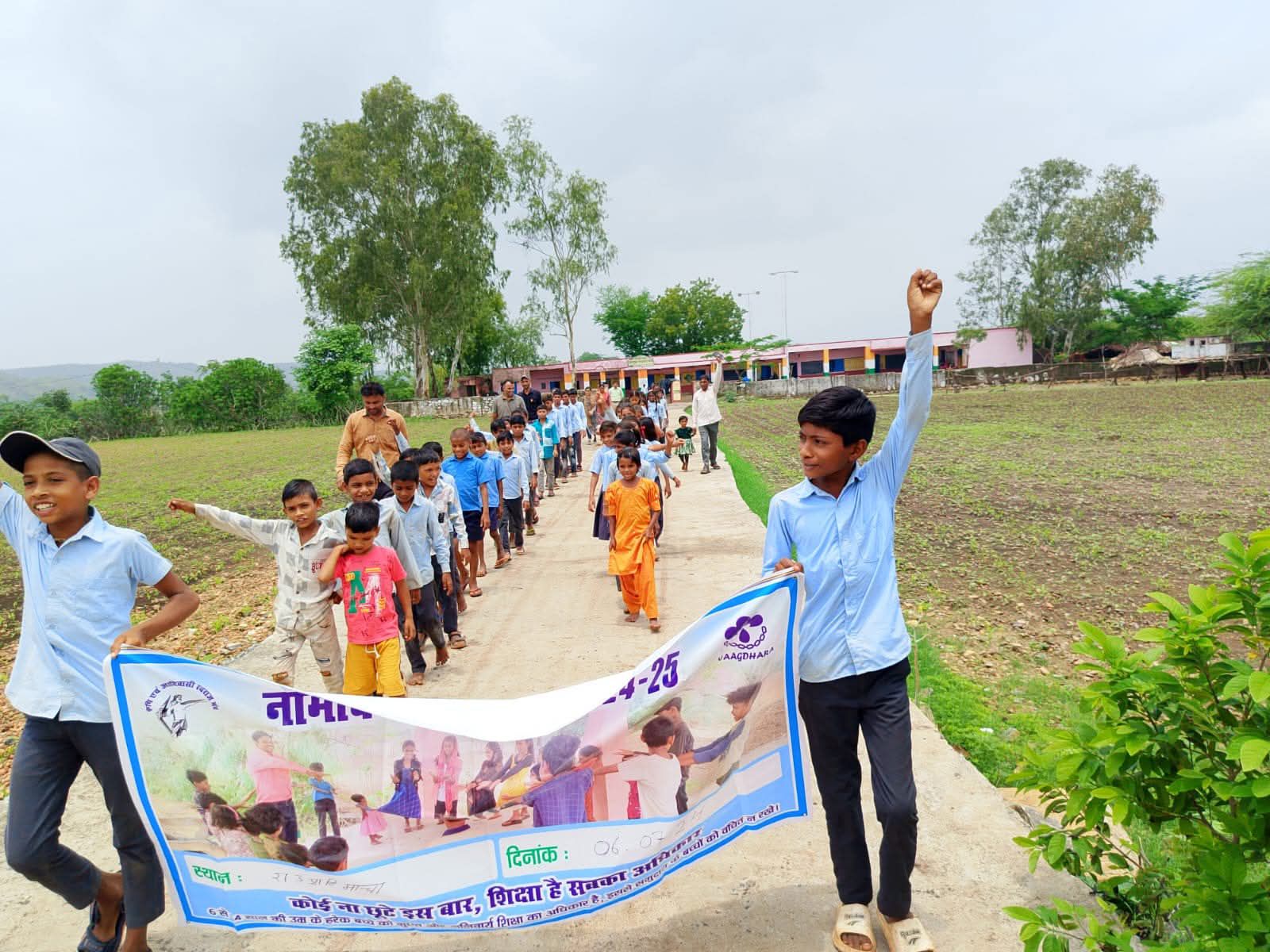
Ever wondered why you see more kids in school now? The RTE Act of 2009 made education a fundamental right for every child between 6-14 years.
This brilliant piece of legislation tackles child labor at its roots by:
- Making education free and compulsory
- Requiring schools within walking distance of communities
- Prohibiting physical punishment and mental harassment
- Mandating 25% reservation for disadvantaged groups in private schools
When children are in classrooms instead of workplaces, the cycle breaks. School enrollment has jumped dramatically since implementation, pulling thousands of kids out of labor.
C. Juvenile Justice Act
The JJ Act of 2015 is the backbone of child protection in India. It classifies employing children for labor as a “cognizable offense” – meaning police can arrest without a warrant.
The act gives serious muscle to child protection by:
- Establishing Child Welfare Committees in every district
- Creating special juvenile police units
- Setting up Child Care Institutions for rescued children
- Mandating rehabilitation and social reintegration programs
Children rescued from labor situations receive care, protection, and opportunities for education and skill development through this framework.
D. International agreements and India’s commitments
India hasn’t just made promises at home – it’s made them to the world.
The country has ratified major international conventions including:
- UN Convention on Rights of the Child (1992)
- ILO Convention 182 on Worst Forms of Child Labor (2017)
- ILO Convention 138 on Minimum Age for Employment (2017)
These commitments require India to regularly report progress to international bodies. The government has aligned national laws with these standards and participates in global initiatives like the International Programme on the Elimination of Child Labour.
The South Asian Association for Regional Cooperation (SAARC) also provides a regional framework where India collaborates with neighboring countries to address cross-border child trafficking and labor.
Socio-Economic Factors Contributing to Child Labor
A. Poverty and economic necessity
When families can’t put food on the table, children become breadwinners by default. In India, this harsh reality plays out daily for millions of kids who should be playing and learning, not working in factories or fields.
The numbers tell a brutal story: families earning less than $2 per day often have no choice but to send their children to work. For these families, it’s not about wanting extra cash—it’s about survival.
What makes it worse? Large family sizes with many mouths to feed, combined with unreliable income streams. When parents work as daily wage laborers or seasonal agricultural workers, their earnings fluctuate wildly, pushing children into the workforce during financial crises.
B. Lack of access to quality education
The gap between having schools and having good schools is massive in India. Many government schools, especially in rural areas, lack basic facilities—no toilets, no drinking water, not enough teachers.
Would you send your child to a school where teachers rarely show up? Many parents don’t see the point.
The cost barrier is real too. While government schools are technically free, the hidden expenses add up fast: uniforms, books, transportation. For poor families, these costs make education a luxury they simply can’t afford.
C. Migration and displacement
Families forced to move for work often end up in situations where children have to contribute. Seasonal migration pulls kids out of schools mid-year, making it nearly impossible for them to catch up when they return.
In urban construction sites across India, you’ll find entire families living in makeshift shelters with children either working alongside parents or left unsupervised.
D. Caste and gender discrimination
The ugly truth is that some children are more vulnerable than others. Lower-caste children face systemic barriers to education and development opportunities, pushing them toward manual labor from an early age.
Girls face a double burden. They’re often the first to be pulled from school when money gets tight. Many work invisible hours doing domestic chores or caring for siblings, work that never shows up in official statistics but steals their childhood nonetheless.
In some communities, educating girls is still seen as a waste of resources since they’ll “just get married anyway.” This mindset traps another generation in poverty, continuing the cycle.
Government Initiatives and Programs
A. National Child Labour Project (NCLP)
The NCLP scheme is one of India’s most powerful weapons against child labor. Launched in 1988, it operates in over 300 districts, targeting children aged 9-14 working in hazardous occupations.
What makes NCLP work? It doesn’t just pull kids out of work – it creates special training centers where rescued children get bridge education, vocational training, monthly stipends, and regular health checkups. The goal? Mainstream these kids back into formal education.
Over 1 million children have been rescued through this program. That’s not just a statistic – those are real kids getting their childhoods back.
B. Integrated Child Development Services
ICDS isn’t specifically anti-child labor, but it tackles the root causes head-on. By providing nutrition, healthcare, and pre-school education to children under 6, it removes the vulnerability factors that push families to send kids to work.
The program reaches 158 million children and pregnant/lactating mothers through 1.4 million anganwadi centers nationwide. When families have support for their youngest children, older siblings are less likely to be forced into work.
C. Midday Meal Scheme
Want to know a surprisingly effective anti-child labor tool? Free lunch. The Midday Meal Scheme serves hot, nutritious meals to about 120 million children in government schools daily.
Parents facing poverty often send kids to work because they can’t afford to feed them. This program flips that equation – keep your child in school, and they’ll get fed. Studies show it’s boosted enrollment by 10% and slashed dropout rates.
The meal itself might cost just a few rupees, but its impact on child labor prevention is priceless.
D. Skill Development Programs for Adolescents
For teens at risk of entering the workforce too early, skill development programs offer a crucial alternative. The National Skill Development Mission and Skill India initiative focus on equipping 14-18 year olds with marketable skills while keeping them in education.
These programs use a dual approach:
- Practical vocational training (carpentry, electronics, tailoring)
- Continued academic education
The smart part? They’re designed to work around school hours, allowing teens to learn skills without sacrificing their education.
E. Rescue and Rehabilitation Efforts
The government doesn’t just make policies – it takes action. Operation Smile and Operation Muskaan conduct regular raids to rescue child workers across industries.
In 2021 alone, over 50,000 children were rescued through these operations. But rescue is just the first step. What happens next matters more:
- Child Welfare Committees evaluate each child’s situation
- Children are placed in shelter homes during transition
- Families receive counseling and economic support
- Rescued children get enrolled in schools or skill training
The rehabilitation model works because it recognizes that simply removing children from work isn’t enough – you need to build a complete support system around them.
Role of NGOs and Civil Society
Successful intervention models
NGOs across India have cracked the code on fighting child labor. Take Bachpan Bachao Andolan (BBA) – they’ve rescued over 90,000 children through their direct intervention approach. Their secret? They don’t just rescue kids; they ensure prosecution of employers and rehabilitation of victims.
Another standout is Pratham, whose “Learn and Earn” programs give vulnerable children both education and vocational skills. This dual approach has shown incredible results in breaking the poverty cycle that drives child labor.
What makes these models work isn’t just good intentions – it’s their holistic approach. The best NGOs connect with families, local authorities, and businesses to create sustainable solutions.
Awareness campaigns and advocacy
You can’t fix what people don’t acknowledge. That’s why awareness campaigns are game-changers in the fight against child labor.
Child Rights and You (CRY) has mastered this with their hard-hitting social media campaigns that reach millions. Their #ChildLabourFree initiative didn’t just raise awareness – it changed behaviors.
Advocacy efforts by organizations like UNICEF India have successfully pushed for stronger enforcement of existing laws. They’ve worked directly with state governments to implement child-friendly policies and establish specialized task forces.
The most effective campaigns don’t just tug at heartstrings – they offer concrete actions people can take, from reporting violations to supporting ethical businesses.
Rehabilitation and education centers
Rescuing children is only the beginning. What happens next determines everything.
Rehabilitation centers run by organizations like Don Bosco and Salaam Baalak Trust provide comprehensive care including:
- Trauma counseling
- Bridge education programs
- Family reunification support
- Life skills training
These centers understand that each child’s situation is unique. Some need intensive psychological support, others need academic catch-up programs, and many need both.
UNICEF’s “Second Chance” education centers have been particularly successful, helping over 15,000 former child laborers transition to formal education annually.
Community-based monitoring systems
The real heroes in preventing child labor? Often it’s regular community members.
NGOs like CARE India have pioneered village-level monitoring committees where local volunteers keep tabs on school attendance and watch for signs of trafficking or exploitation.
These grassroots systems work because they tap into existing social networks. When a child stops showing up at school, these committees spring into action before the situation worsens.
The M.V. Foundation has trained over 4,000 community volunteers who’ve helped make entire villages child-labor free through persistent monitoring and intervention.
Digital tools have supercharged these efforts, with mobile apps allowing quick reporting of violations and coordination between communities and authorities.
Corporate Responsibility in Prevention
A. Supply chain auditing and transparency
Corporate giants can’t hide behind “we didn’t know” anymore. Child labor thrives in murky supply chains where nobody’s watching. That’s why serious companies now track every step from raw material to finished product.
What does real supply chain auditing look like? It’s surprise factory inspections. It’s interviewing workers without managers hovering nearby. It’s age verification systems that actually work.
Take the garment industry in India. Companies like H&M and Gap faced harsh criticism years ago. Now they publish supplier lists, conduct hundreds of audits yearly, and terminate relationships with factories using child labor.
Transparency isn’t optional—it’s essential. When businesses open their books, showing exactly who makes their products and under what conditions, they create accountability. This pressure cascades down to the smallest workshops and farms where child labor often hides.
B. Corporate social responsibility initiatives
CSR isn’t just fancy reports and photo ops. The best companies tackle child labor through sustained community investment.
Tata Group and Infosys run education programs in vulnerable communities, addressing the root causes. They don’t just remove kids from work—they create viable alternatives through scholarships, school infrastructure, and teacher training.
Some businesses partner directly with families, offering adult employment and steady income in exchange for sending children to school. Others provide microloans to help parents start businesses, eliminating the financial desperation that drives child labor.
C. Industry-specific prevention strategies
Different industries need tailored approaches. In agriculture, companies implement harvest scheduling that accommodates school calendars. They pay premium prices to farmers who verify no children worked their fields.
The tech sector focuses on traceability. Blockchain technology now tracks minerals from mines through the supply chain, ensuring components in your smartphone aren’t tainted by child labor.
Construction companies implement strict age verification at worksites using biometric identification. They also support mobile schools that follow migrant worker families, ensuring children receive education despite frequent moves.
Manufacturing has shifted toward supplier certification programs with zero tolerance for child labor, backed by independent monitoring organizations who verify compliance.
Smart companies know this isn’t just ethics—it’s business sense. Consumers increasingly demand clean supply chains, and preventing child labor builds sustainable business models that outperform competitors in the long run.
Technology and Innovation in Prevention
Digital tracking systems for vulnerable children
Technology is revolutionizing how we protect vulnerable kids in India. Digital tracking systems now monitor children who might fall through the cracks. These systems use biometric data and unique identification to keep tabs on kids in high-risk areas.
The track-and-trace platforms help authorities spot when children disappear from schools or communities. Some districts have implemented SMS alerts that trigger when a child misses school for more than three consecutive days. Pretty smart, right?
NGOs like Bachpan Bachao Andolan have developed tracking systems that map vulnerable communities and create real-time databases of at-risk children. The data gets shared across agencies, so everyone’s on the same page.
Mobile applications for reporting violations
Got a phone? You can fight child labor! Mobile apps have made reporting child labor violations as easy as sending a text.
The ChildLine app lets anyone snap a photo of potential violations and report them instantly. The government-backed Operation Smile app connects police, child welfare committees, and concerned citizens in a unified reporting system.
These apps cut response time dramatically. What once took weeks now takes hours. Many include features that protect the reporter’s identity – crucial in areas where reporting can bring backlash.
Data analytics for targeted interventions
The real game-changer? Big data. Analytics tools now crunch massive datasets to predict child labor hotspots before they develop.
Government agencies use pattern recognition to identify industries and geographic areas with high risk factors. They can spot telltale signals like sudden school dropout rates or migration patterns that often precede child labor surges.
This predictive approach means resources go exactly where they’re needed most. One program in Bihar used data analytics to target interventions and saw a 26% reduction in child labor cases in just 18 months.
Educational technology for out-of-school children
Tech is also bringing education to kids who can’t get to school. Mobile learning platforms deliver curriculum to remote villages where children often end up working instead of learning.
The Digital Study Hall project records teachers’ lessons and distributes them to underserved areas. Solar-powered tablets preloaded with educational content have reached thousands of former child workers.
Online-to-offline models combine digital learning with community centers where children can access computers and internet. These hybrid approaches have shown promising results in keeping vulnerable children engaged in education instead of labor.
Challenges and Roadblocks
A. Enforcement limitations
India’s child labor laws look impressive on paper, but the reality on the ground? Total mess. The enforcement machinery is stretched thin, with child labor inspectors covering impossibly large territories. Many districts have just one or two inspectors responsible for hundreds of establishments.
These inspectors often lack proper training, transportation, and even basic resources to conduct surprise checks. When they do manage to perform raids, the penalties imposed on violators are laughably small – hardly a deterrent for businesses profiting from cheap child labor.
B. Corruption and political will
Let’s cut to the chase – corruption eats away at every attempt to address child labor. Factory owners routinely bribe officials to look the other way. Tip-offs about upcoming raids are common, giving employers time to temporarily hide children.
Political will? Practically non-existent. Many politicians have ties to industries that benefit from child labor. They talk big during campaigns but conveniently forget promises once elected. The issue gets buried under “more pressing” economic concerns.
C. Rural-urban divide in implementation
The enforcement gap between cities and villages is staggering. Urban areas see some semblance of monitoring, while rural India remains largely overlooked. Most government programs target visible urban child labor, ignoring millions of children working in agricultural settings.
Rural families, desperate for income, don’t see alternatives. School quality is poor, and immediate survival trumps distant dreams of education. Meanwhile, city-centric policies fail to address these fundamental rural realities.
D. Informal sector regulation difficulties
Nearly 90% of child labor exists in India’s sprawling informal sector – street vending, domestic work, agriculture, and small-scale manufacturing. These operations are virtually invisible to regulators.
No employment records. No fixed locations. No formal business structures. How do you monitor millions of tiny workshops hidden in residential areas? Or children working on family farms? The informal economy’s very nature defies conventional regulation approaches.
E. Cultural attitudes toward child work
Perhaps the toughest barrier is cultural. Many communities don’t view children working as “labor” but as “training” or “family duty.” Generations of families have followed the same path – children learning trades from parents.
Some communities genuinely believe they’re doing what’s best for their children by teaching them practical skills instead of sending them to schools with questionable quality. Changing these deeply-held beliefs requires more than just laws – it demands a cultural shift that acknowledges both educational value and economic realities.
Success Stories and Case Studies
A. Model districts with reduced child labor
The numbers don’t lie—some districts in India have dramatically cut child labor rates while others struggle. Take Gujarat’s Kutch district. Five years ago, they had over 15,000 child laborers. Today? Under 3,000.
How’d they do it? Relentless school enrollment drives combined with economic support for vulnerable families. Local officials didn’t just talk—they created a real-time monitoring system using mobile reporting.
Bihar’s Gaya district tells a similar story. They formed village-level task forces where community members become the eyes and ears for child protection. When a child disappears from school, someone notices immediately.
These success stories share common elements:
- Strong local government commitment
- Coordination between education and labor departments
- Regular home visits to at-risk families
- Alternative income sources for parents
B. Community-led initiatives that work
The most powerful solutions come from communities themselves. In Rajasthan’s marble mining areas, former child laborers now patrol work sites as “child rights champions.” They know all the hiding spots and excuses because they lived that reality.
In Tamil Nadu, women’s self-help groups run “bridge schools” that ease formerly working children back into education. The genius part? They combine education with practical skills training that shows families immediate benefits.
One standout approach from West Bengal uses street theater to change mindsets. Local performers create compelling stories about the dangers of child labor and opportunities through education. After performances, enrollment in local schools jumps by 20-30%.
C. Rescued children’s journeys to education
Meena was 9 when authorities found her working in a garment factory. Today, she’s preparing for college entrance exams.
The path isn’t easy. Most rescued children need intensive support—they’ve missed critical learning years and carry psychological scars. But specialized transition programs work wonders.
In Karnataka, “back-to-school” camps use accelerated learning methods to help children catch up. The curriculum mixes academic basics with confidence-building activities. Within six months, most can join regular classrooms.
Rajiv from Uttar Pradesh represents another success story. Rescued at 11 from a carpet loom, he struggled with night terrors and couldn’t sit still. A combination of counseling, art therapy, and patient teachers transformed him. Now 17, he teaches computer skills to younger rescued children.
D. Corporate-NGO partnerships making a difference
Smart companies have figured out that fighting child labor isn’t just ethical—it’s good business. The Ethical Carpet Initiative brings together exporters and local NGOs in a powerful alliance. Exporters fund community monitoring while NGOs provide rehabilitation services for identified children.
Tech giants are jumping in too. A partnership between a leading mobile provider and grassroots organizations created a child labor tracking app used by over 2,000 villages. Field workers document cases, track progress, and connect families with support services—all from basic smartphones.
The apparel industry has made impressive strides through the “Cotton Supply Chain Initiative.” Instead of just auditing suppliers, they invest in community development and education in cotton-growing regions. The result? A 71% reduction in child labor across participating villages.
The fight against child labor in India requires a multifaceted approach involving legal frameworks, government initiatives, NGO partnerships, corporate responsibility, and technological innovation. While socio-economic factors continue to present challenges, the success stories across the country demonstrate that positive change is possible when all stakeholders work together with determination and purpose.
Each of us has a role to play in this crucial battle. Whether through supporting ethical businesses, volunteering with organizations that protect children’s rights, or simply raising awareness, our collective actions can help ensure that every Indian child enjoys their right to education, play, and a dignified childhood. The path forward may be challenging, but by addressing root causes and building on successful models, we can create a future where child labor becomes a relic of the past.
