
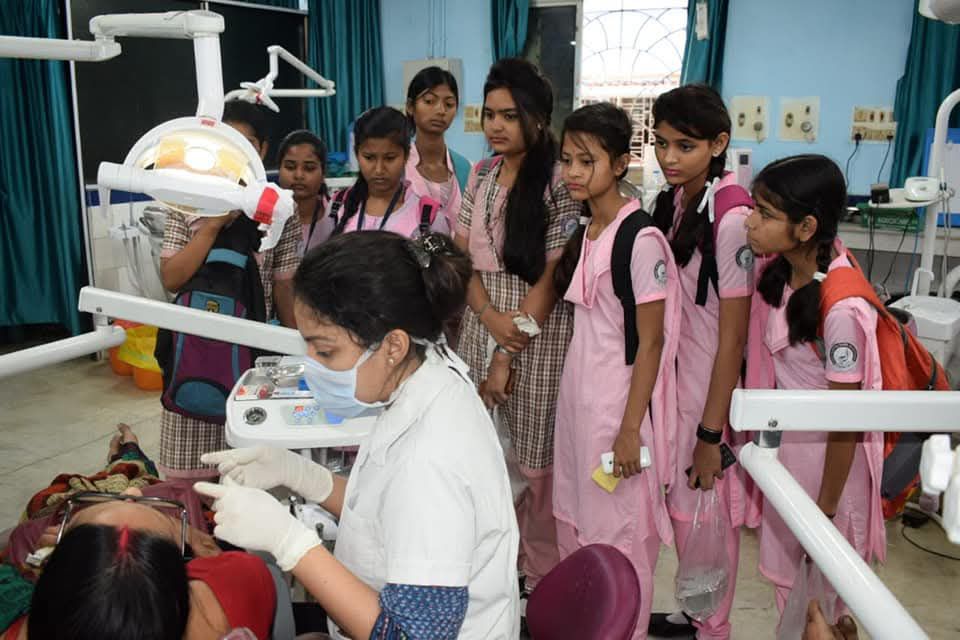
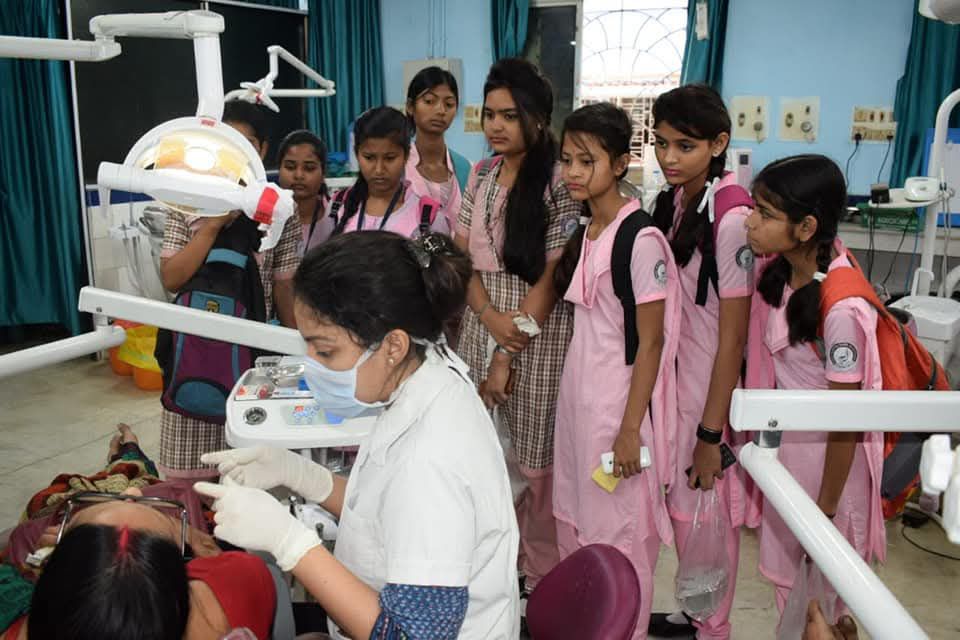
Did you know that 75% of Indian women still hesitate to discuss reproductive health issues, even with their doctors? It’s a silent crisis hiding in plain sight across our country.
This guide cuts through the noise to deliver practical insights that urban and rural women alike can use to reclaim control of their wellbeing.
Current State of Women’s Health in India
A. Key statistics and trends
The numbers paint a stark picture. India’s maternal mortality ratio stands at 113 per 100,000 live births – that’s roughly 30 women dying every day from preventable pregnancy-related causes.
Nearly 47% of Indian women are anemic, with rates climbing to 60% in some states. What’s shocking? This hasn’t changed much in two decades.
Cancer detection happens late for most women – breast cancer diagnosis typically occurs at stages 3-4, when survival rates drop dramatically. Why? Lack of screening programs and awareness.
Mental health remains the elephant in the room. Depression rates among women are 2-3 times higher than men, yet 80% receive no treatment whatsoever.
B. Regional disparities in healthcare access
Walk into a hospital in Kerala, and you’ll see a different world than one in Uttar Pradesh:
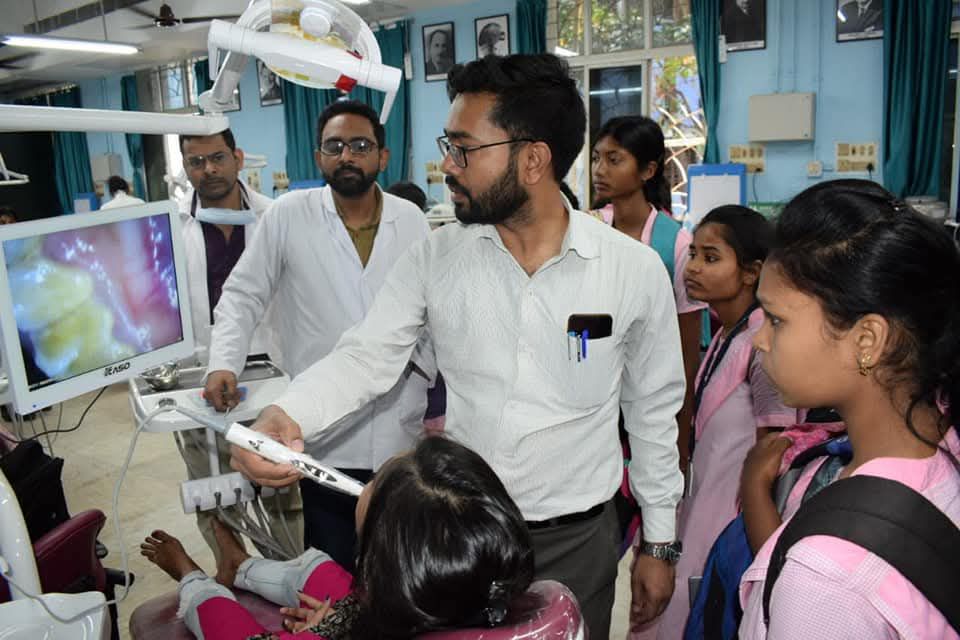
Southern states outperform northern counterparts across virtually every health metric. Women in northeastern states face unique challenges – geographic isolation means many travel 40+ kilometers for basic gynecological care.
C. Urban vs. rural healthcare challenges
City women have it tough. Rural women have it tougher.
In urban areas, 89% of pregnant women receive antenatal care compared to just 62% in rural regions. A village woman is four times more likely to give birth without skilled assistance.
The doctor gap is mind-boggling – urban areas have one gynecologist per 3,000 women while rural areas make do with one per 15,000. Public health centers in rural areas operate at 65% staff capacity, with critical specialist positions often vacant for years.
Rural women face a triple barrier: distance, affordability, and cultural restrictions on mobility.
D. Economic impact of women’s health issues
Poor women’s health costs India billions. The economy loses approximately 4% of GDP annually due to women’s health-related productivity losses.
A woman with untreated reproductive health issues typically misses 20+ workdays annually. For daily wage earners, that’s catastrophic.
The hidden costs? When mothers fall ill, daughters often drop out of school to care for them – perpetuating intergenerational cycles of lost opportunity.
Companies with robust women’s health programs report 35% lower absenteeism and 21% higher productivity. The message is clear: investing in women’s health isn’t just right – it’s economically smart.
Critical Women’s Health Issues
A. Maternal and reproductive health
The truth? India’s maternal mortality rate is finally dropping, but we’re still losing too many mothers. Rural women often deliver without skilled attendants because healthcare facilities are miles away or simply unaffordable.
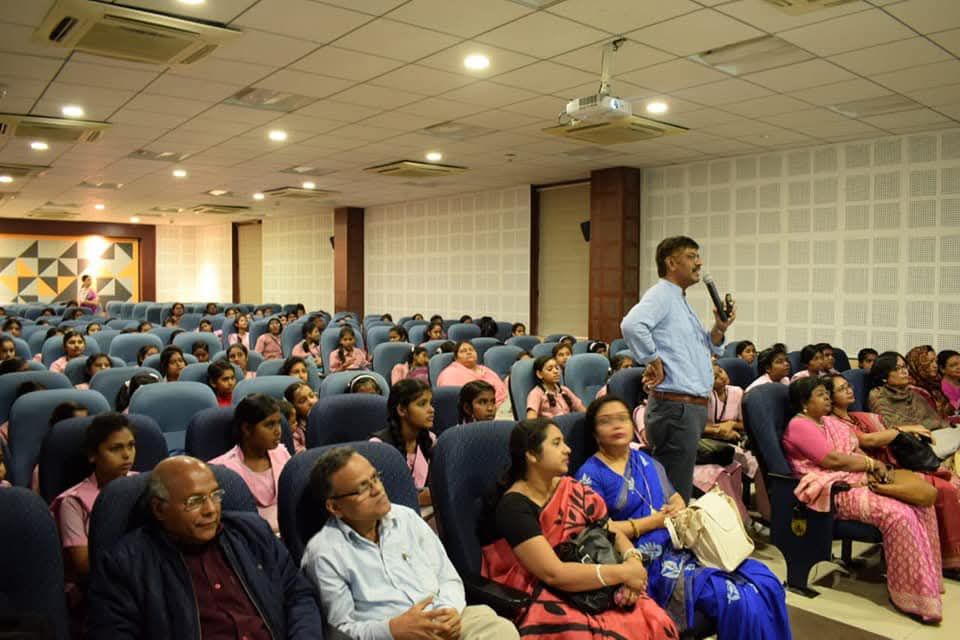 Many pregnant women never receive proper antenatal care. They show up at hospitals only when complications become life-threatening. By then, it’s often too late.
Reproductive health education remains taboo in many communities. Young women enter marriages with zero knowledge about contraception or family planning. They’re expected to bear children immediately, regardless of their health or readiness.
B. Menstrual hygiene management
Girls across India still miss school during their periods. Not because they want to, but because they lack access to basic menstrual products.
In rural areas, women resort to using unsafe materials like old rags, ash, or newspaper. These makeshift solutions lead to infections and health complications that could easily be prevented.
The pink tax hits hard too. When you’re earning less than $2 a day, spending money on sanitary pads feels like a luxury, not a necessity.
C. Nutrition and anemia
Half of Indian women are anemic. That’s not just a statistic—it’s millions of women constantly feeling exhausted, dizzy, and weak.
Cultural practices often mean women eat last and least. The best food goes to male family members while women make do with leftovers.
Pregnancy demands additional nutrition, but many expectant mothers remain undernourished throughout. This creates a vicious cycle—malnourished mothers give birth to low-weight babies who face health challenges from day one.
D. Mental health concerns
Depression rates among Indian women are skyrocketing, yet mental health remains invisible in most healthcare discussions.
Women experiencing postpartum depression often suffer in silence. Their symptoms get dismissed as “baby blues” or character weakness.
Domestic violence survivors rarely receive psychological support. They’re expected to endure trauma and “adjust” for family harmony.
E. Non-communicable diseases affecting women
Heart disease kills more Indian women than men, yet women’s heart attack symptoms often get misdiagnosed.
Breast and cervical cancers are detected too late because screening programs aren’t widespread or accessible enough.
Osteoporosis silently weakens bones in millions of women who’ve never had their bone density checked. By the time they fracture a hip, the damage is already extensive.
Thyroid disorders affect women disproportionately but remain underdiagnosed due to vague symptoms that get attributed to “women’s problems” or stress.
Cultural and Social Barriers to Women’s Healthcare
Stigma surrounding women’s health discussions
Ever tried talking about periods at a family dinner? The awkward silence tells you everything. In India, women’s health discussions remain shrouded in hushed tones and euphemisms. Girls grow up learning to wrap sanitary pads in newspaper and black plastic bags—as if menstruation is something shameful.
This silence isn’t just uncomfortable—it’s dangerous. When women can’t openly discuss reproductive health, they miss critical warning signs of serious conditions. Many don’t know what “normal” even looks like because nobody talks about it.
Gender discrimination in healthcare settings
“Have you asked your husband?” or “Come back with a male relative.” Women hear these phrases constantly in medical settings. Female patients frequently report being dismissed, their pain minimized, or symptoms attributed to “just stress” or “hormones.”
The numbers don’t lie. Women wait longer for diagnoses, receive less pain medication, and face skepticism when describing symptoms. Rural healthcare centers often prioritize male patients, with women’s concerns treated as secondary.
Traditional beliefs affecting healthcare decisions
Ancient wisdom has its place, but not when it prevents proper medical care. Traditional beliefs still dictate that postpartum women shouldn’t bathe for days or that certain foods cause “heat” or “cold” imbalances during menstruation.
Many communities believe discussing reproductive health brings dishonor. Some families avoid taking unmarried women to gynecologists, fearing it might affect marriage prospects—as if medical care somehow compromises “purity.”
Lack of women’s autonomy in health choices
For countless Indian women, healthcare decisions aren’t their own to make. From needing a husband’s consent for sterilization to in-laws controlling prenatal care—women’s bodies are treated as family property.
Financial dependency compounds this problem. Without economic independence, women can’t access healthcare without permission from whoever controls the household finances. Even educated, urban women often defer to male family members for critical health decisions.
Government Initiatives and Programs
National Health Mission’s impact on women’s health
The National Health Mission has completely transformed women’s healthcare in India. Since its launch, maternal mortality has dropped by nearly 30% – that’s thousands of mothers’ lives saved every year.
What makes NHM special? It’s the focus on the whole journey. From family planning to pregnancy care to post-delivery support – they’ve got it covered. The Janani Suraksha Yojana alone has brought millions of women into hospitals for safer deliveries by offering cash incentives.
But it’s not just about pregnancy. The Mission has set up specialized clinics in rural areas where women can get cancer screenings, menstrual health support, and treatment for gynecological issues. Many women who’d never seen a doctor before now have regular checkups.
Successful state-level programs
Tamil Nadu’s Muthulakshmi Reddy Scheme is a game-changer. Pregnant women get financial assistance of ₹18,000 – covering nutrition, transport, and income loss during pregnancy. The state’s maternal mortality rate has plummeted as a result.
Kerala’s women-friendly health model includes Kudumbashree workers who connect women in remote areas with healthcare facilities. They don’t just provide information – they accompany women to appointments and follow up afterward.
Maharashtra’s Matrutva Anudan Yojana focuses on adolescent girls and young women, with remarkable success in reducing anemia rates from 60% to 40% in participating districts.
Public-private partnerships
Smart partnerships are making women’s healthcare more accessible than ever. The Merrygold Network in Uttar Pradesh has created a chain of affordable private maternity hospitals that have served over 500,000 women from low-income families.
Apollo Hospitals has partnered with state governments to provide mobile cancer screening units specifically for women in rural areas. They’ve detected early-stage cancers in thousands of women who would otherwise have presented at late stages.
The “She Shops” initiative pairs corporate funding with government infrastructure to provide subsidized sanitary products in schools and workplaces, tackling period poverty head-on.
Digital health initiatives for women
The real revolution is happening on smartphones across India. Apps like “Kilkari” deliver weekly audio messages about pregnancy and childcare directly to over 10 million mothers.
Telemedicine platforms specifically for women have exploded in popularity. Services like Practo and Mfine offer discreet consultations with gynecologists – perfect for women in conservative communities who might avoid seeking help otherwise.
ReMiND, a mobile tool for frontline health workers, has improved antenatal care compliance by 73% in districts where it’s been implemented. Health workers use it to track pregnant women, send appointment reminders, and provide personalized health advice.
Empowering Women Through Health Education
School-based health education programs
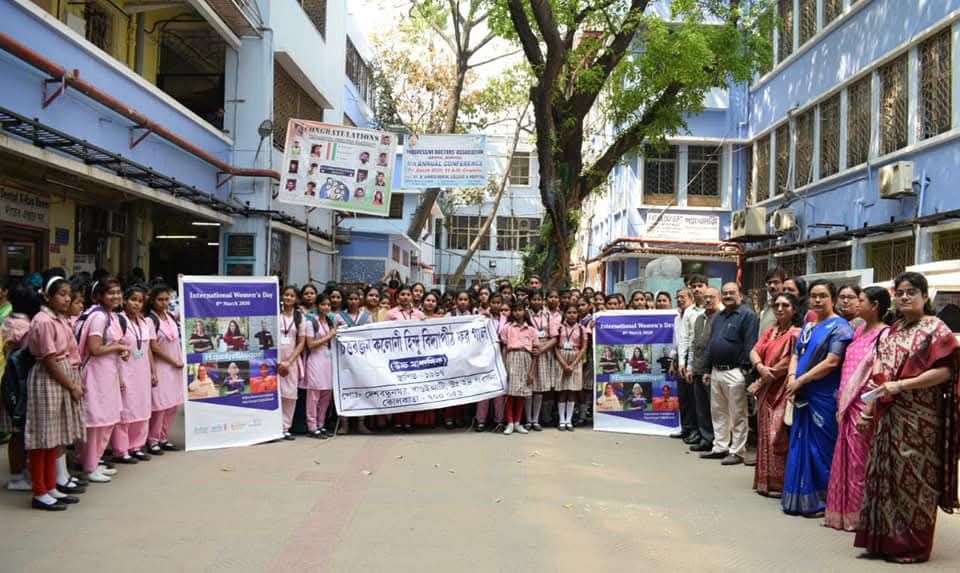
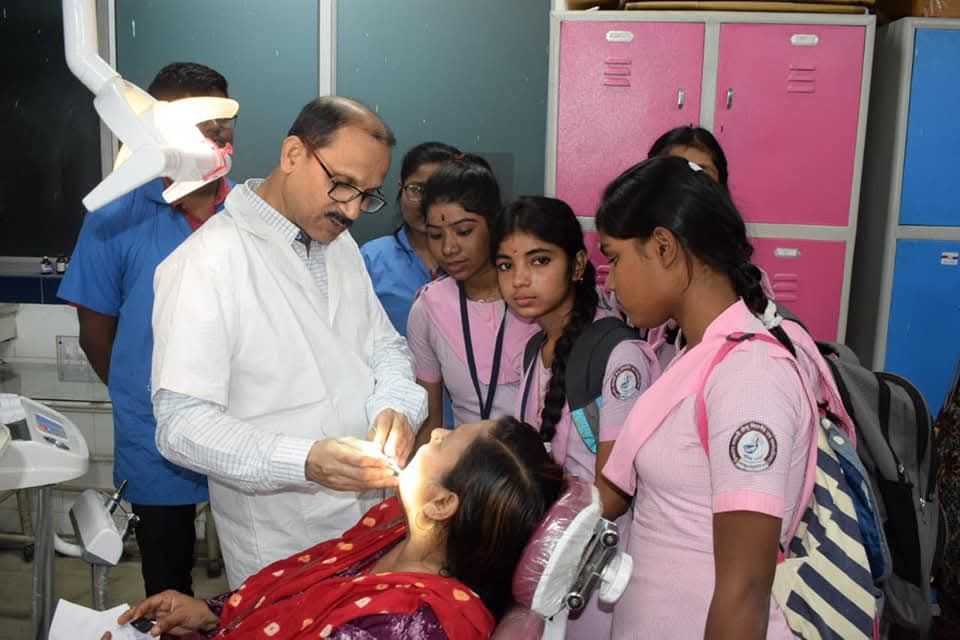
Girls in India deserve to know their bodies aren’t taboo. Yet most schools skip over crucial health topics that could literally save lives.
When Priya’s school in rural Maharashtra introduced comprehensive health classes, everything changed. Students learned about menstruation, reproductive health, and nutrition in a judgment-free zone. No more whispering about periods or believing myths.
The best programs start early – around 5th grade – and continue through high school. They cover:
- Menstrual hygiene management
- Nutrition for different life stages
- Basic reproductive system knowledge
- Mental health awareness
- Self-examination techniques
Schools that implement these programs see immediate results: fewer absences during menstruation, increased confidence, and girls who speak up about health concerns before they become serious.
Community awareness campaigns
The magic happens when health education moves beyond classroom walls.
In villages across Gujarat, monthly “Swasthya Samvad” (Health Conversations) gatherings bring women together to discuss everything from breast cancer screening to domestic violence resources. These campaigns work because they’re designed by local women who understand cultural sensitivities.
Smart campaigns use multiple channels:
- Street plays addressing stigmatized topics
- Door-to-door outreach by trained community members
- Visual materials for women with limited literacy
- Men-inclusive sessions to create supportive environments
When campaigns respect cultural contexts while challenging harmful practices, women actually show up.
Role of healthcare workers in education
ASHA workers are the unsung heroes of women’s health education in India.
These frontline health workers do more than distribute medicine – they translate complex health information into actionable advice. They’re trusted because they’re from the same communities they serve.
Effective healthcare workers:
- Speak the local language and understand cultural nuances
- Visit homes regularly, building relationships over time
- Provide private spaces for sensitive discussions
- Connect women to appropriate health services
- Follow up consistently
When properly trained and supported, each healthcare worker becomes a walking resource center for hundreds of women who might otherwise never access health information.
Technology-enabled learning resources
The smartphone revolution is changing how Indian women learn about their health.
Apps like Maya and Nari track menstrual cycles while subtly educating users about reproductive health. YouTube channels dedicated to women’s health in regional languages reach millions who’d never pick up a medical textbook.
The digital advantage is privacy. A woman in a conservative household can access information without public scrutiny.
Effective digital resources include:
- Voice-based information for those with limited literacy
- Offline functionality for areas with spotty internet
- Content in regional languages
- Anonymous Q&A platforms
- WhatsApp groups moderated by health professionals
Peer support networks
Nothing beats learning from someone who’s walked in your shoes.
When Meena from Rajasthan discovered a breast lump, she didn’t know what to do until her women’s savings group connected her with Lakshmi, who had survived breast cancer. This peer education saved her life.
Effective peer networks:
- Train community members as health advocates
- Create safe spaces for taboo discussions
- Connect women across generations
- Build solidarity around shared experiences
- Provide emotional support alongside factual information
The power of these networks lies in their authenticity. When women see others from similar backgrounds prioritizing health, they believe they can too.
Future Directions for Women’s Health in India
Policy recommendations
The hard truth is that India’s women deserve better health policies. Right now, most policies focus on maternal health, which is crucial but not enough. Women need comprehensive care throughout their lives, not just during pregnancy.
What we need:
- Universal health coverage that actually covers women’s specific needs
- Stronger laws against gender discrimination in healthcare
- Policies requiring gender-sensitive training for all health workers
- Rural healthcare incentives that prioritize women’s services
- Mental health coverage that addresses women’s unique challenges
The government needs to put its money where its mouth is. Budget allocations for women’s health programs remain inadequate. I’m not sugar-coating this – unless funding increases dramatically, women’s health outcomes won’t improve.
Innovative healthcare delivery models
Traditional healthcare isn’t cutting it for millions of Indian women. The good news? Innovation is happening:
- Mobile clinics bringing gynecological care to remote villages
- Telemedicine platforms connecting women to specialists without travel
- Community health worker networks focusing on preventive care
- Self-help groups becoming health educators
- Public-private partnerships filling service gaps
These models work because they meet women where they are. Take the mobile mammography vans in Maharashtra – they’ve screened thousands of women who’d never access this care otherwise.
Research priorities
Indian women’s health research has massive blind spots. Seriously.
Research funding needs to target:
- Non-communicable diseases affecting Indian women
- Mental health issues beyond postpartum depression
- Indigenous and traditional medicine’s role in women’s health
- Technology solutions for rural women’s healthcare
- Long-term effects of environmental pollutants on women’s health
The research community must include more female scientists and community input. Studies need diverse participants reflecting India’s population diversity.
Investment opportunities in women’s health
Women’s health isn’t just a social need – it’s a massive market opportunity.
Smart investors are looking at:
- Affordable diagnostic tools for women’s cancers
- Femtech startups developing India-specific solutions
- Training programs for specialized healthcare providers
- Sustainable menstrual product companies
- Preventive health platforms targeting women
The women’s health market in India could grow to $30 billion by 2030. Companies providing affordable, accessible solutions will lead this growth.
Beyond profits, investing in women’s health strengthens families, communities, and the economy. For every rupee invested in women’s health, the return is multifold.
As awareness and education continue to improve, Indian women are gaining better access to healthcare services, but challenges remain significant. Cultural barriers, social stigmas, and limited resources still hinder many women from prioritizing their health needs. Government initiatives like the National Health Mission have made important strides, yet implementation gaps persist, particularly in rural and underserved areas.
The path forward for women’s health in India requires a multi-faceted approach combining enhanced healthcare infrastructure, community education, and policy reform. By empowering women with health knowledge, addressing cultural sensitivities, and strengthening healthcare systems, India can create a healthier future for its female population. Each of us has a role to play—whether as healthcare providers, community leaders, or family members—in supporting women’s right to health and wellbeing across the country.
