


Ever heard that over 63 million kids globally went to bed hungry last night? That’s the gut-punch reality of child poverty – and honestly, it shouldn’t exist in a world with so much wealth.
I’m not here to depress you with stats. I’m here to show you the surprising strategies actually making a difference in child poverty reduction across communities just like yours.
Ready to have some of your assumptions challenged? The approach that’s working best might actually contradict everything you’ve been led to believe about poverty.
Understanding Child Poverty Today
A. Key statistics that reveal the scope of the problem
The numbers are staggering. Right now, about 1 in 6 children in developed countries lives in poverty. In the United States alone, that’s over 11 million kids going to bed hungry, lacking proper healthcare, or living in unsafe conditions.
What’s even more shocking? Child poverty rates have barely budged in the last decade. While the economy grows, millions of kids are still stuck in the same cycle their parents faced.
The pandemic made everything worse. An additional 150 million children worldwide were pushed into poverty in 2020 – wiping out years of progress overnight.
B. How poverty affects children’s development and future prospects
The ripple effects are huge:
- 30% higher likelihood of dropping out of high school
- Double the rates of asthma and other chronic health conditions
- Three times more likely to experience mental health problems
A poor child born today will earn, on average, 25% less throughout their lifetime than their middle-class peers. That’s not because they’re less capable – it’s because poverty slams doors shut before they even know those doors exist.
C. Geographic and demographic patterns of child poverty
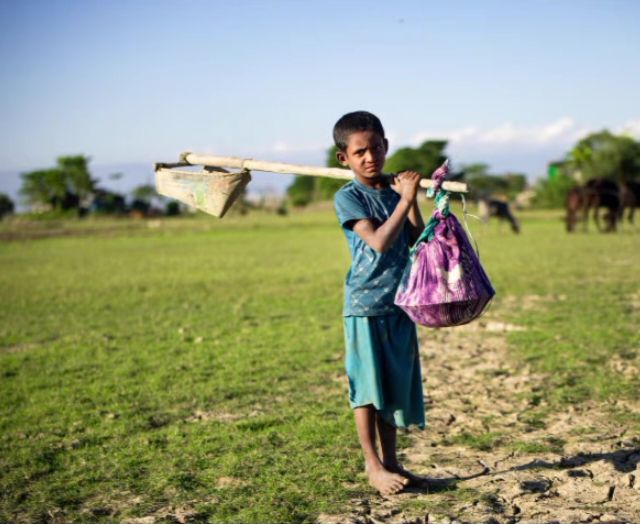
Child poverty isn’t distributed equally. Rural areas consistently show rates 5-7% higher than urban centers. The South bears the heaviest burden, with Mississippi topping the charts at nearly 28%.
Race plays a massive role too. Black and Indigenous children face poverty rates 2-3 times higher than white children. Latino children aren’t far behind.
The cruelest pattern? Poverty clusters. When a neighborhood hits high poverty levels, it creates what researchers call “poverty traps” – areas where multiple generations get stuck with limited access to good schools, jobs, healthcare, and even grocery stores.
D. The economic cost of not addressing child poverty
Penny-wise, pound-foolish. That’s our approach to child poverty.
Each year of inaction costs the US economy about $1.03 trillion – roughly 5% of GDP. Where does this money go? Increased healthcare costs, criminal justice expenses, lower productivity, and reduced tax revenue.
For every $1 invested in reducing child poverty, we’d save $7 in future costs.
The math is clear. Child poverty isn’t just a moral failure – it’s terrible economics. We’re choosing to pay on the back end (with interest) rather than investing upfront where it matters most.
Effective Government Policies for Reducing Child Poverty
A. Income support programs that lift families out of poverty
Cash matters when kids are going hungry. Period. Direct income support programs are game-changers for families struggling to make ends meet.
Take Temporary Assistance for Needy Families (TANF) in the US. When properly funded, it puts money directly into parents’ hands so they can buy essentials. But here’s the kicker – states with more generous TANF benefits show significantly lower child poverty rates.
Or look at child allowances. Countries like Canada introduced the Canada Child Benefit, giving families up to $6,400 annually per child. The result? They cut child poverty by almost 40% in just four years.
The most effective programs share common features:
- Adequate payment amounts (not just symbolic gestures)
- Regular, predictable payments (so families can plan)
- Low barriers to access (complicated paperwork hurts the neediest)
- Limited or no work requirements for parents
B. Tax credits and benefits that make a difference
Tax day feels different when you’re living paycheck to paycheck. Smart tax policies can turn a family’s finances around overnight.
The Earned Income Tax Credit (EITC) and Child Tax Credit (CTC) in the US have been poverty-fighting powerhouses. When the CTC was temporarily expanded during COVID to $3,600 per child and made fully refundable, childhood poverty dropped by a staggering 46%.
What makes these tax benefits work:
- Full refundability (families get the full benefit even with low income)
- Automatic enrollment where possible
- Advance payments throughout the year instead of one lump sum
- Targeted at families who need it most
The UK’s Child Benefit system offers another model, providing universal payments regardless of income, eliminating stigma and ensuring nearly all eligible families receive support.
C. Housing assistance initiatives that provide stability
Nothing derails a child’s development like constant moving or homelessness. Housing stability is fundamental.
Housing voucher programs like Section 8 in the US allow families to spend only 30% of their income on rent, with the government covering the rest. Children in families receiving housing assistance show better health outcomes, higher school attendance, and improved test scores.
Finland took a radical approach with their “Housing First” policy, providing stable housing as a right before addressing other issues. Child homelessness virtually disappeared.
Effective housing initiatives include:
- Rent control in high-cost areas
- Eviction prevention programs
- Utility assistance
- Mixed-income housing development
- Pathway programs to homeownership for low-income families
D. Healthcare access programs that protect vulnerable children
A single medical emergency can push a family from getting by to deep poverty. Children can’t thrive when they’re sick and their parents are drowning in medical debt.
Medicaid expansion in the US has been transformative for low-income families. States that expanded Medicaid saw a 50% larger reduction in uninsured children compared to non-expansion states.
The Children’s Health Insurance Program (CHIP) provides comprehensive coverage for kids whose families earn too much for Medicaid but too little for private insurance – covering over 9.6 million children.

Universal healthcare systems in countries like Sweden and Norway eliminate the connection between family income and healthcare access entirely. These countries consistently rank among the lowest in child poverty rates globally.
E. Evidence-based examples from successful countries
The proof is in the pudding – some countries have nearly eliminated child poverty while others struggle. What works?
Denmark reduced child poverty to under 4% through a combination of:
- Universal childcare (capped at 25% of family income)
- Generous parental leave (52 weeks shared between parents)
- Direct child benefits (about $2,250 annually per child)
Finland’s “baby box” program provides every newborn with essentials like clothes, bedding, and care products, ensuring all children start life with basics regardless of family income.
New Zealand cut child poverty by a third in just three years through targeted initiatives:
- Increased family tax credits
- Boosted housing subsidies
- Free school meals programs
- Expanded healthcare for children
The common thread? These countries view child poverty as a policy choice, not an inevitability. They invest upfront, knowing that every dollar spent reducing child poverty saves society $7 in reduced healthcare costs, increased productivity, and decreased crime in the future.
Education as a Pathway Out of Poverty
A. Early childhood education’s role in breaking the cycle
The first six years of a child’s life? They’re not just adorable photo ops – they’re when the brain builds its foundation. For kids in poverty, quality early education isn’t a luxury; it’s their ticket to breaking generational poverty.
Look at the numbers: children who attend quality preschool programs are 25% more likely to graduate high school and 40% less likely to repeat grades. That’s not just academic progress – it’s life trajectory change.
Head Start programs have been doing this work for decades, but they’re chronically underfunded. Only about 30% of eligible kids actually get spots. That’s leaving talent on the table.
What makes early childhood education so powerful? It’s not just ABCs and 123s. It’s:
- Language development in a word-rich environment
- Social skills that build confidence
- Problem-solving foundations
- Stable relationships with caring adults
- Regular meals and health screenings
B. Addressing educational inequality in K-12 schools
Walk into two schools five miles apart, and you might think you’re in different countries. One has new textbooks, robust arts programs, and college counselors. The other has outdated materials, overcrowded classrooms, and one guidance counselor for 500+ students.
Property tax-based school funding keeps this inequality alive and kicking. Poor neighborhoods = poor schools = poor outcomes. It’s math that doesn’t add up for kids.
Some promising approaches to fix this broken system:
- Weighted funding formulas that direct more dollars to high-poverty schools
- Community school models providing wraparound services
- Extended learning time through after-school and summer programs
- Teacher incentives for working in challenging schools
- Technology access initiatives closing the digital divide
The achievement gap isn’t about ability – it’s about opportunity. When Massachusetts reformed its funding formula to provide equitable resources, their test scores rose to top in the nation. Coincidence? Not a chance.
C. College access and affordability programs
College graduates earn roughly $1 million more over their lifetimes than high school grads. But for poor kids, college often feels as accessible as the moon.
The financial barriers are obvious – tuition costs have skyrocketed while family incomes have stagnated. But the information barriers can be just as devastating. Many first-generation students don’t know how to navigate admissions, financial aid, or campus life.
Programs making a real difference include:
- Promise Scholarships guaranteeing tuition for all local graduates
- FAFSA completion campaigns (students miss billions in aid annually by not applying)
- College advising corps placing recent grads in high-need high schools
- Bridge programs easing the transition between high school and college
- Emergency grant programs preventing minor financial setbacks from derailing education
When Tennessee made community college free through Tennessee Promise, enrollment jumped 30%. Turns out when you remove barriers, talent flows.
D. Vocational training and alternative pathways
College isn’t the only road to success. For many, vocational training offers a faster, more affordable path to middle-class wages.
The skilled trades are facing worker shortages while offering salaries that often outpace those requiring bachelor’s degrees. An electrician or plumber can earn $70,000+ without student loan debt.
Effective vocational approaches include:
- Career academies within high schools
- Apprenticeship programs combining paid work with classroom instruction
- Industry-recognized credential programs
- Community college certificates designed with employer input
- Entrepreneurship training for self-employment opportunities
Switzerland’s apprenticeship system enrolls 70% of teenagers and maintains youth unemployment below 5%. Their secret? They treat vocational education as equally prestigious to academic paths.
The key is creating multiple pathways out of poverty, not forcing everyone through the same door.
Community-Based Solutions
Local initiatives making significant impact
Ever noticed how the most effective solutions come from people who understand the problem firsthand? That’s exactly what’s happening in communities tackling child poverty head-on.
In Detroit, the Brightmoor Neighborhood Coalition transformed abandoned lots into community gardens, providing fresh food for over 400 families with children. The gardens aren’t just food sources—they’re outdoor classrooms where kids learn about nutrition and entrepreneurship by selling produce at local markets.
In rural Kentucky, the “Backpack Program” ensures kids don’t go hungry on weekends, sending students home with nutritious food when school meals aren’t available. Started by concerned teachers, it now serves 3,000+ children and has improved attendance rates by 27%.
These initiatives work because they’re tailored to specific community needs. Not cookie-cutter programs, but solutions designed by people who actually live there.
Public-private partnerships that address child poverty
The magic happens when businesses join forces with government agencies. Companies bring resources and efficiency while public agencies contribute reach and expertise.
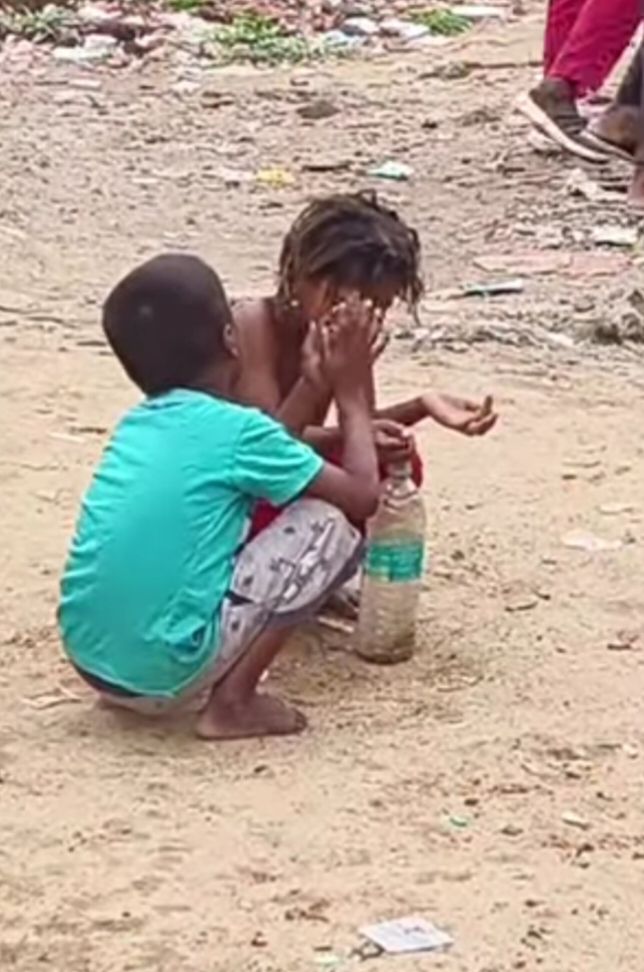
Take the “Future Ready” initiative in Charlotte. Local tech companies partnered with public schools to create coding academies in low-income neighborhoods. The results? Over 2,000 kids have gained valuable skills, and 78% of graduates have found pathways to higher education or employment.
Another standout is the “Housing Plus” program in Minneapolis, where developers receive tax incentives for including affordable family housing in new projects—but only if they also incorporate childcare facilities and homework centers. This holistic approach has housed 850 families while supporting children’s development.
What makes these partnerships work isn’t just money—it’s shared accountability. When both sectors have skin in the game, they’re invested in seeing real results.
Faith-based and nonprofit approaches that work
Faith communities and nonprofits often have something government programs don’t—deep roots in the communities they serve.
The “Pathways to Promise” program, run by a coalition of churches in Atlanta, provides mentorship to children in poverty. Each child is paired with an adult who helps with homework, attends school events, and provides emotional support. The program boasts a 92% high school graduation rate among participants—far above the district average.
Meanwhile, the nonprofit “Bridge the Gap” takes a two-generation approach, offering job training for parents while providing enrichment activities for kids. They’ve helped over 1,200 families increase their income by an average of 38% while improving children’s academic performance.
These organizations succeed because trust matters. When families are hesitant to engage with government services, these trusted community institutions become essential bridges to support.
Economic Opportunities for Families
A. Living wage policies that support working parents
Families can’t climb out of poverty when working full-time still means struggling to put food on the table. That’s why living wage policies matter so much.
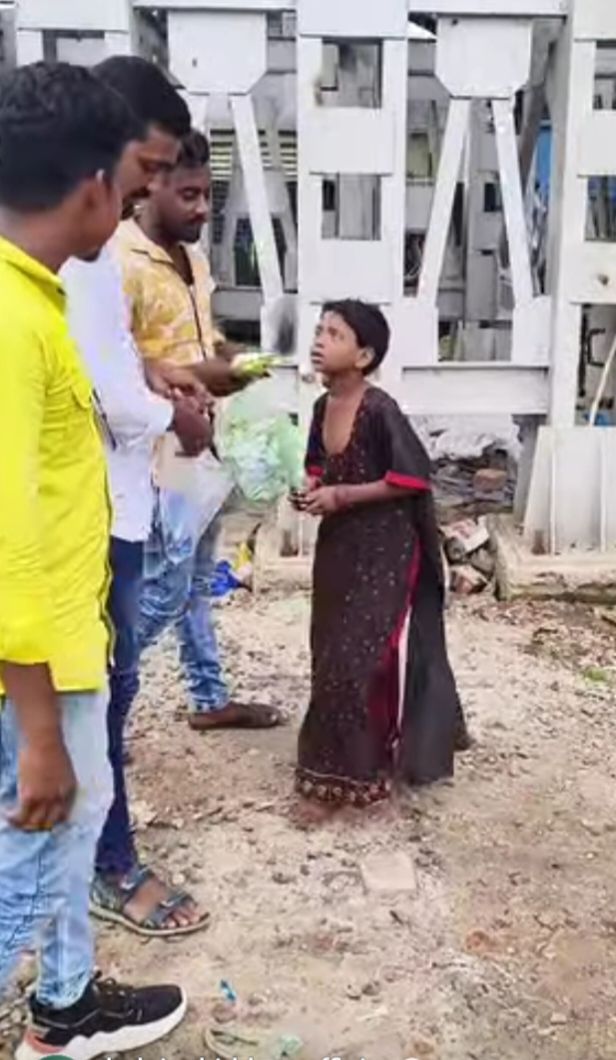
When parents earn enough to cover basics without working multiple jobs, they can actually be present in their children’s lives. Simple as that.
The math is clear: In cities with higher minimum wages, child poverty rates drop. It’s not rocket science – when parents make more money, kids have more stability.
But here’s the thing – a living wage isn’t just about a bigger paycheck. It’s about dignity. It’s about parents not having to choose between paying rent or buying school supplies.
B. Affordable childcare as an economic necessity
Childcare costs are absolutely crushing families these days. Many parents face an impossible choice: work and spend most of their paycheck on childcare, or stay home and lose income entirely.
Quality childcare can run higher than college tuition in many states. How crazy is that?
The ripple effects are huge:
- Parents (usually moms) forced out of the workforce
- Lost wages and career progression
- Less economic stability for kids
Countries that invest in universal childcare see dramatic drops in child poverty rates. When parents can work without spending 30-40% of their income on childcare, families thrive.
C. Workplace flexibility and parental leave policies
The 9-to-5 grind simply doesn’t work for many families struggling to stay afloat. Rigid schedules mean missed parent-teacher conferences, impossible childcare arrangements, and constant stress.
Paid parental leave? That’s a game-changer. Those crucial first months with a newborn shouldn’t force families into financial crisis.
Companies offering flexible schedules and remote options see higher retention rates among parents. That’s not just good for families – it’s smart business.
The countries with the lowest child poverty rates all have strong parental leave policies. Meanwhile, the U.S. remains the only developed nation without guaranteed paid leave. The connection couldn’t be clearer.
D. Job training and employment services for parents
Skills gaps trap many parents in low-wage jobs with no path forward. But targeted job training programs change that equation.
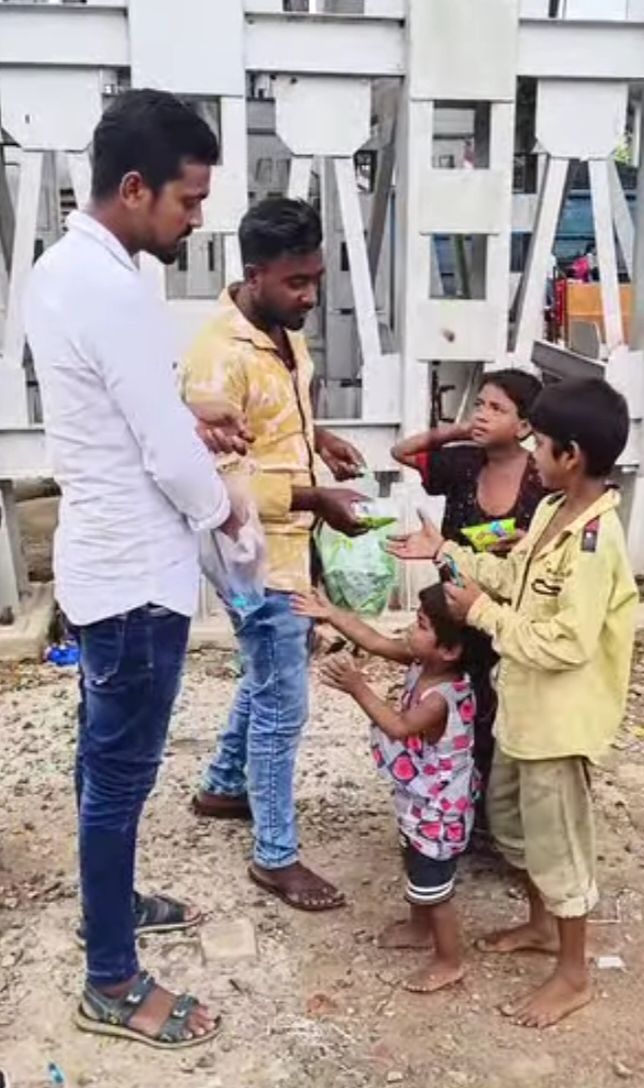
Sector-specific training programs that align with local job markets boost parent earnings by 20-40%. That’s real money for real families.
What actually works:
- Programs that provide childcare during training
- Flexible scheduling options for working parents
- Support services that don’t disappear the moment someone gets hired
- Targeted assistance with resume building and interview skills
When employment services recognize the unique challenges parents face, success rates skyrocket. A parent with marketable skills and support is a family’s strongest asset against poverty.
Measuring Success and Scaling Solutions
A. Key indicators for tracking child poverty reduction
Want to know if you’re actually making a dent in child poverty? You need solid metrics.
The most basic indicator is the child poverty rate – the percentage of children living below the poverty line. But that’s just scratching the surface.
Look deeper at:
- Material deprivation indices (access to food, housing, clothing)
- Education outcomes (graduation rates, literacy)
- Health metrics (insurance coverage, vaccination rates, nutrition)
- Family economic stability (parent employment, housing security)
Cross-cutting indicators tell the real story:
- Geographic disparities (rural vs urban poverty pockets)
- Racial/ethnic gaps (addressing systemic barriers)
- Depth of poverty (how far below the line families fall)
B. Cost-benefit analysis of intervention programs
The cold, hard truth? Not all programs deliver bang for your buck.
Early childhood programs typically return $4-9 for every dollar invested. Cash transfers show immediate poverty reduction but vary in long-term impact.
Here’s what the numbers say:
| Program Type | Short-term ROI | Long-term ROI | Key Benefits |
|---|---|---|---|
| Early education | Moderate | Very high | Lifetime earnings boost, reduced crime |
| Nutrition assistance | High | Moderate | Immediate health, reduced healthcare costs |
| Housing subsidies | Moderate | High | Stability, education continuity |
| Parent employment | Variable | High | Family stability, tax revenue |
Smart analysis goes beyond dollars saved. Consider community cohesion, reduced stress, and improved social mobility.
C. Building political will for sustained investment
Political will doesn’t magically appear. You build it.
Start with compelling stories and hard data. Numbers matter, but nothing moves politicians like constituent stories and local impacts.
Cross-partisan messaging works. Frame child poverty as:
- Economic issue (future workforce, fiscal impact)
- Family values issue (supporting parents)
- Community stability concern
Cultivate unusual allies. Business leaders become powerful advocates when they understand the workforce implications. Faith communities bring moral authority. Military leaders can speak to national security implications.
Create accountability mechanisms. Regular poverty impact assessments and public reporting keep the issue visible between election cycles.
D. Framework for implementing comprehensive strategies
Piecemeal approaches fail. Period.
Effective frameworks connect interventions across systems:
- Multi-level coordination: Local, state, and federal efforts must align. Create formal coordination bodies with real authority.
- Lifecycle approach: Support from prenatal to young adulthood, with smooth transitions between programs.
- Two-generation focus: Address children’s needs while building parent capacity simultaneously.
- Feedback loops: Real-time data collection to adjust strategies when they’re not working.
- Community ownership: Solutions designed with (not for) affected communities last longer.
The most successful frameworks maintain flexibility while enforcing accountability – they adapt to local contexts while maintaining core standards for outcomes.
The fight against child poverty requires a coordinated approach across multiple fronts. From government policies that provide essential safety nets to educational interventions that break intergenerational cycles, our collective efforts must address both immediate needs and long-term systemic challenges. Community-based solutions and expanded economic opportunities for families serve as crucial pillars in creating sustainable pathways out of poverty.
As we measure outcomes and scale successful initiatives, let’s remember that every child deserves the chance to thrive regardless of their economic circumstances. By investing in comprehensive strategies that support vulnerable children and their families, we not only improve individual lives but strengthen our entire society. The time to act is now—our children’s futures depend on it.
