
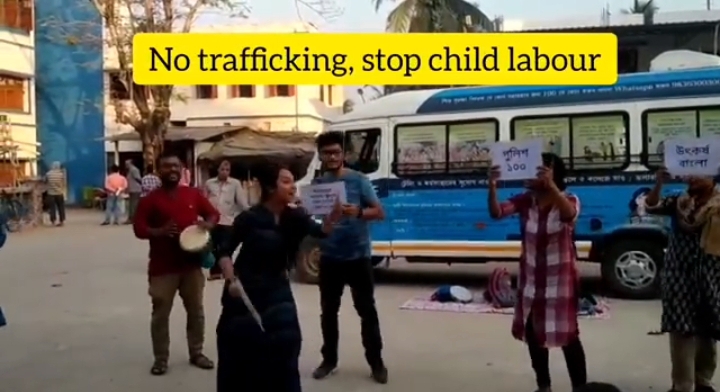
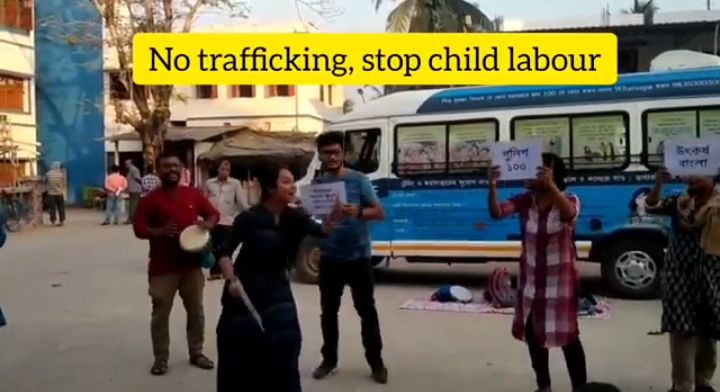
Ever heard about the 8-year-old who was promised a better life, only to end up begging on streets 500 miles from home? That’s not a one-off story – it’s happening to millions of street children worldwide right now.
The numbers are gut-wrenching. These kids aren’t just homeless; they’re being systematically trafficked into forced labor, sexual exploitation, and worse.
Street children trafficking awareness isn’t just another charity buzzword. It’s about recognizing the invisible chains binding kids who look free but are actually trapped in plain sight.
By the time you finish reading this post, dozens more children will have been lured with false promises of food, shelter, or education. But here’s what’s really keeping this cycle going…
Understanding the Crisis of Child Trafficking
A. Current global statistics and trends
The numbers are staggering. Right now, about 1.2 million children are trafficked annually worldwide. That’s one child every 30 seconds.
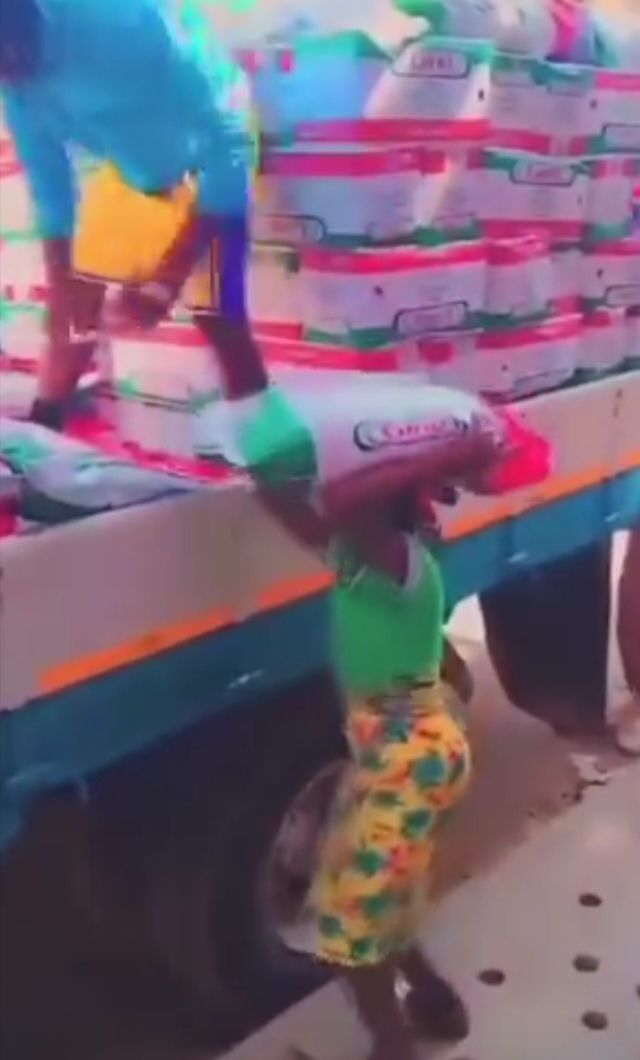
The pandemic made things worse. With schools closed and poverty deepening, trafficking jumped 20% globally between 2020-2022.
B. Root causes of street children vulnerability
These kids don’t just appear on streets by magic. Family breakdown is the biggest factor – abuse, violence, or parents who simply can’t feed them.
Poverty drives desperate decisions. When your family earns $2 a day, a trafficker’s promise of “good work” sounds like salvation.
Many street kids have no birth certificates or ID. They officially don’t exist. No papers = no protection.
War and natural disasters create perfect hunting grounds for traffickers. When 50,000 children were displaced after the Haiti earthquake, nearly 7,000 vanished within months.
Drug addiction traps many in cycles of exploitation. They’ll do anything for the next fix.
C. Common trafficking routes and hotspots
Traffickers follow predictable paths. Southeast Asia to China and the Middle East. Eastern Europe to Western Europe. Central America to the US.
Border regions are trafficking superhighways. The Thailand-Myanmar border sees approximately 4,000 children moved across annually.
Urban transit hubs like bus stations and train terminals in Delhi, Manila, and Rio are prime hunting grounds. Traffickers spot runaways within hours of arrival.
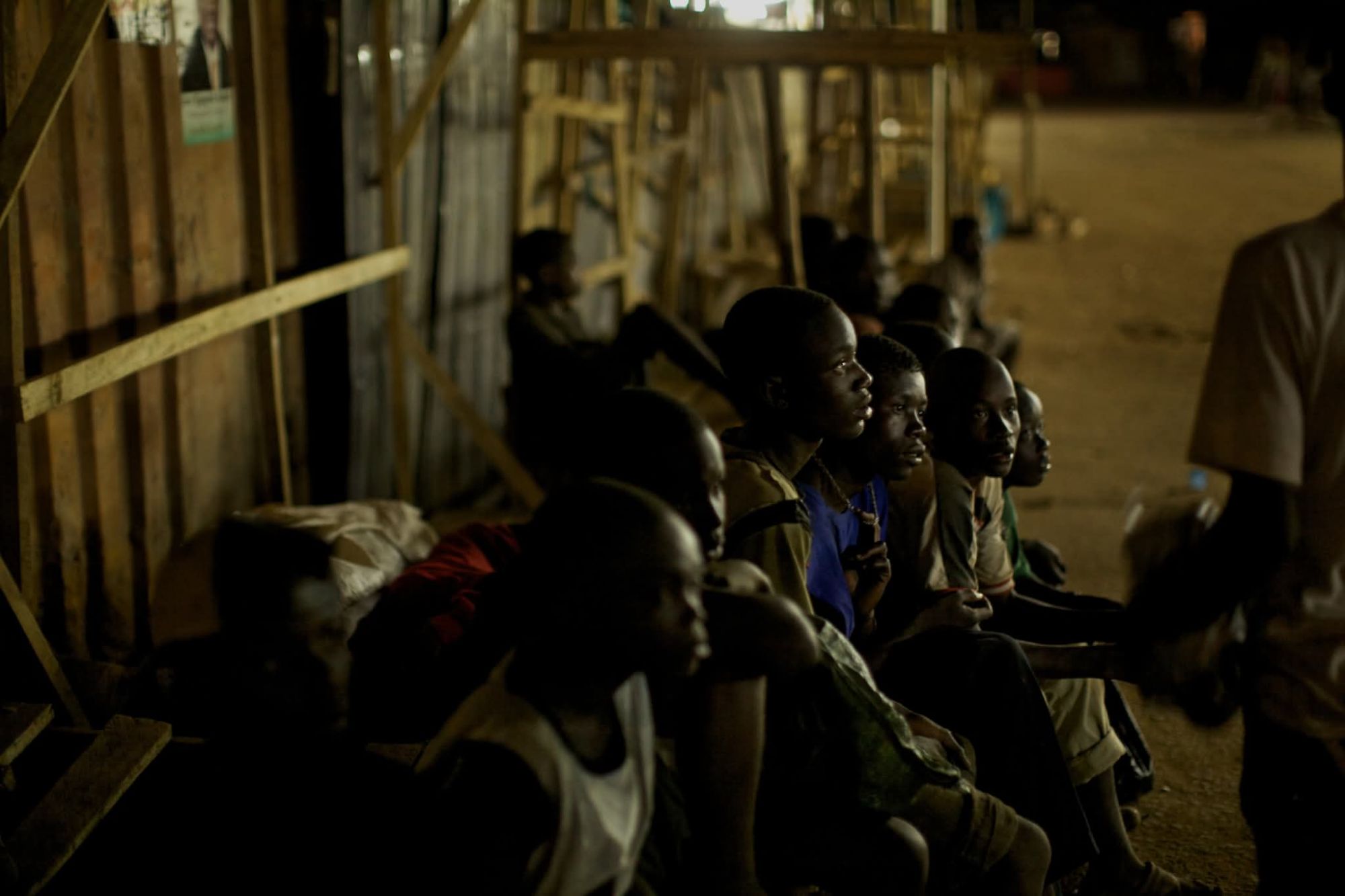
Tourist areas hide trafficking in plain sight. In places like Thailand, Cambodia, and Brazil, the commercial sexual exploitation of street children operates behind the façade of tourism.
Conflict zones create trafficking pipelines. In Syria alone, militias have recruited over 19,000 child soldiers from street populations.
D. The invisible nature of street children exploitation
Street kids are perfect victims because they’re already invisible. No one files missing person reports. No one checks on them.
They move constantly to survive, making tracking nearly impossible. A child might sleep in three different locations in a single week.
Technology has made exploitation harder to spot. Traffickers recruit and control victims through apps and encrypted messaging.
Many street children don’t even recognize they’re victims. When you’ve faced abuse your whole life, exploitation feels normal.
The legal system often treats them as criminals rather than victims. In many countries, they’re arrested for survival crimes like begging or petty theft instead of being protected.
Recognizing Signs of Trafficking
A. Physical indicators of trafficked street children
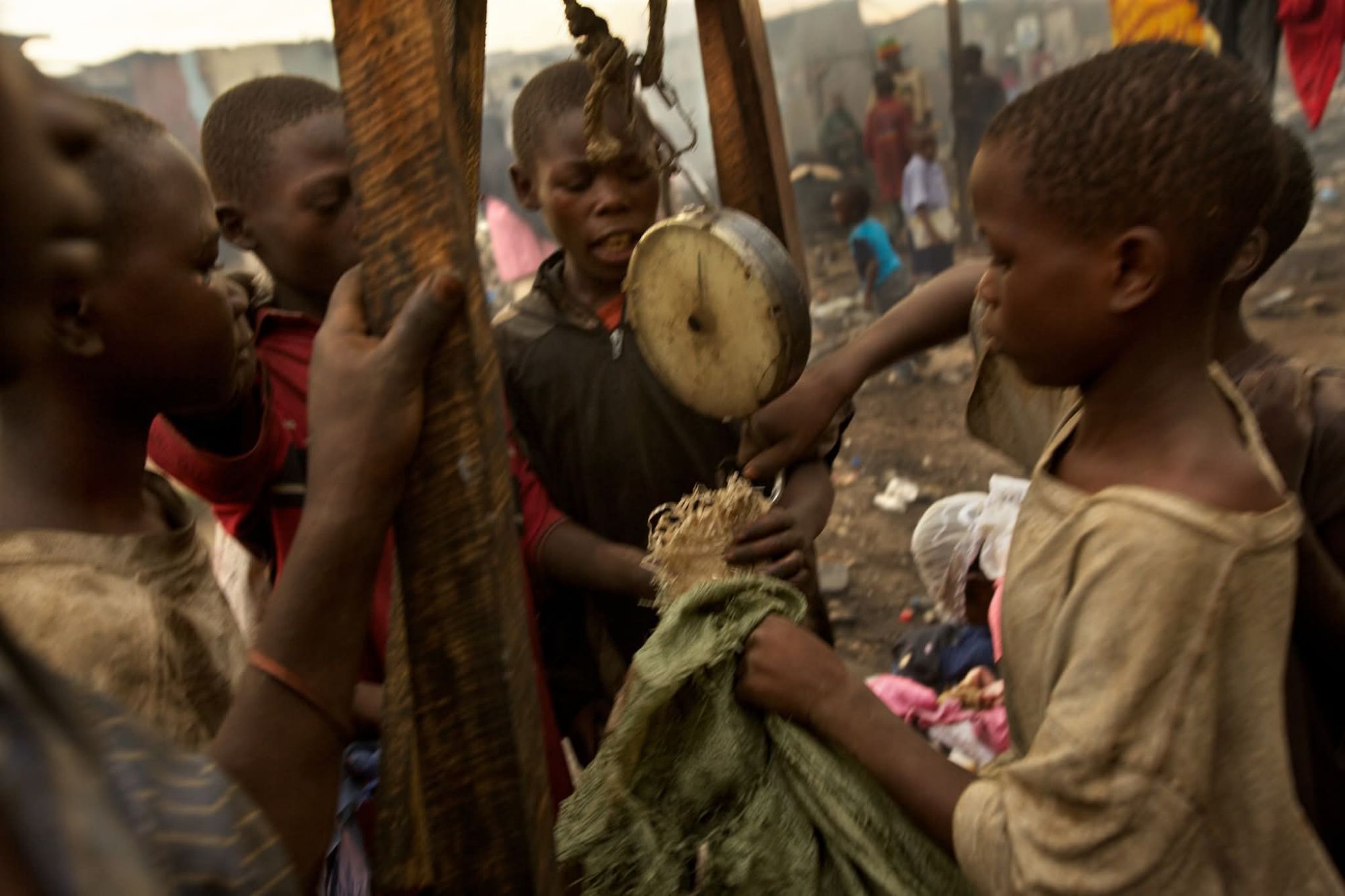
Kids who’ve been trafficked often show physical signs that something’s wrong. Bruises, burns, or cuts in various healing stages might appear on their bodies. They’re frequently malnourished, with sunken eyes and protruding bones. Their clothes? Usually dirty, inappropriate for the weather, or way too big or small.
These children often look exhausted – dark circles under bloodshot eyes tell the story of sleep deprivation. Some have tattoos or branding marks (yes, actual brands) that traffickers use to show “ownership.” Untreated medical conditions like rotting teeth, chronic coughs, or skin infections are common too.
The saddest part? Many develop a vacant stare – like nobody’s home behind those eyes.
B. Behavioral changes to watch for
When a kid’s been trafficked, their behavior shifts dramatically. They’re jumpy, nervous around adults, and avoid eye contact like it hurts. Some become totally withdrawn while others act out aggressively.
Pay attention to their speech patterns. They might repeat rehearsed stories that sound fake or inconsistent. Strange vocabulary pops up – trafficking terms or sexual language that kids their age shouldn’t know.
Many trafficked children show extreme attachment to personal possessions (often their only belongings) or become hyper-vigilant about time. They’ll check phones constantly, worried about missing calls from their traffickers.
The most heartbreaking sign? When they show no emotion about clearly abusive situations, having normalized the horror.
C. Environmental and situational red flags
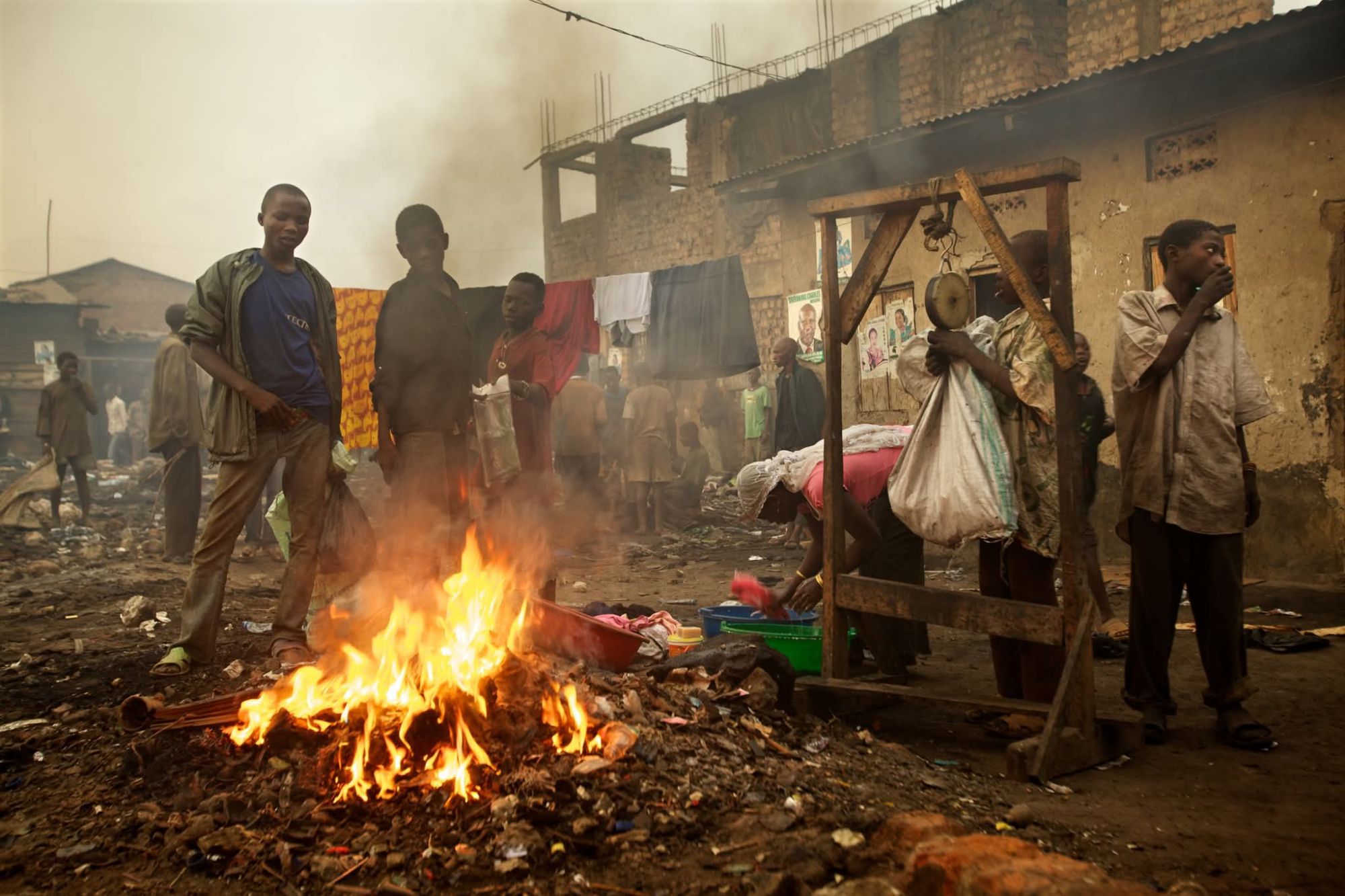
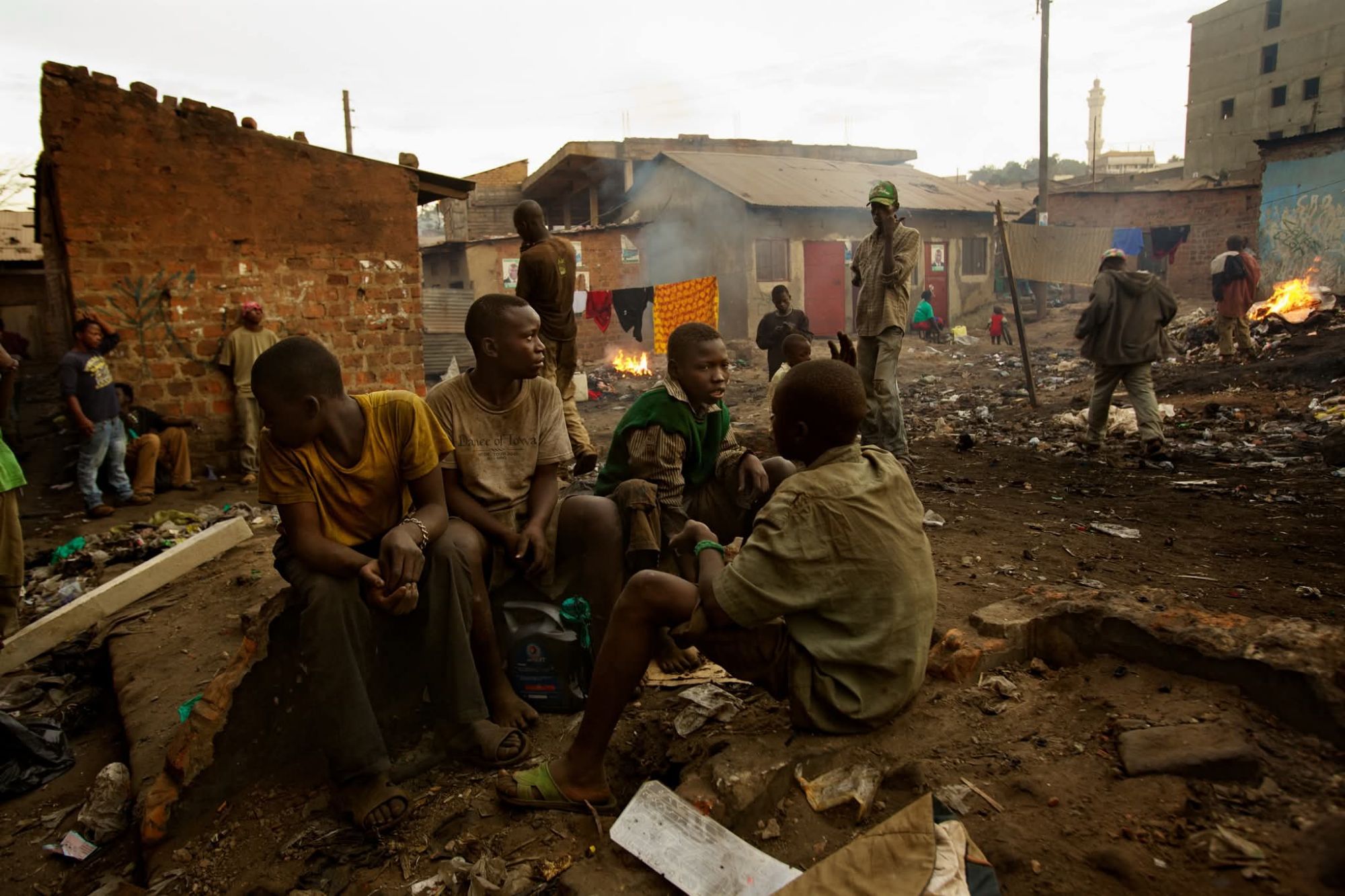
The surroundings tell a story too. Children living in overcrowded, unsanitary locations with multiple unrelated adults should raise immediate concerns. You might spot them in unusual places at weird hours – selling items on streets at 2 AM or hanging around adult entertainment venues.
Watch for kids who can’t speak freely, with adults hovering nearby, monitoring their every word. Many trafficked children lack identification documents or carry fake IDs. Their stories about where they live or attend school don’t add up.
Transportation patterns matter too. If you see the same kids being dropped off and picked up by different adults, especially in expensive cars that contrast with their obvious poverty, something’s wrong.
Remember those motel rooms with constant visitor traffic? Children shouldn’t be there.
D. Distinguishing between poverty and trafficking cases
This gets tricky. Poverty and trafficking share symptoms, but critical differences exist.
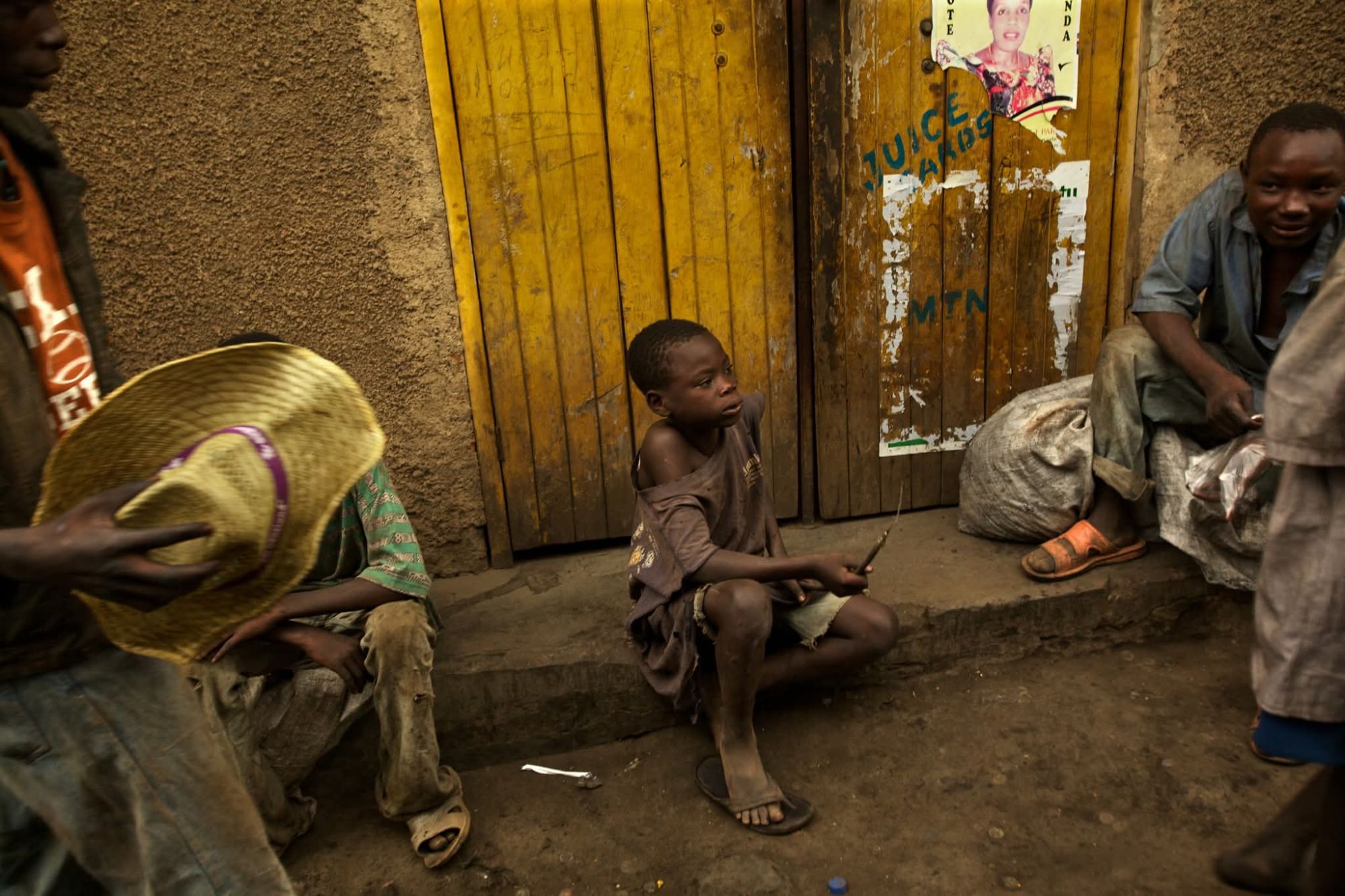
Poverty-stricken children typically maintain family bonds and community connections. They attend school when possible and exhibit normal developmental behaviors despite material lacks. Their work, while inappropriate for children, usually contributes to family income without exploitation by third parties.
Trafficked children, however, are isolated, controlled, and exploited specifically for someone else’s profit. They rarely attend school and demonstrate trauma responses beyond typical poverty-related stress.
The key question isn’t just “Is this child poor?” but “Who benefits from this child’s situation?” When someone other than the child or their family profits from their vulnerability, trafficking is likely occurring.
E. Technology’s role in identifying victims
Technology has revolutionized trafficking identification. Facial recognition software now scans missing children databases against online ads and social media. Pattern-recognition algorithms detect suspicious online behaviors and connections.
Mobile apps like TraffickCam let hotel guests upload room photos to help identify locations in exploitation images. Blockchain technology creates secure digital IDs for vulnerable children lacking documentation.
But the most promising tech? Artificial intelligence that analyzes multiple risk indicators simultaneously – spotting patterns humans might miss. These systems can flag concerning situations before exploitation occurs.
Remember though, technology is just a tool. The human element – community awareness and intervention – remains crucial. A concerned neighbor noticing something “off” still saves more children than any algorithm.
The Devastating Impact on Young Lives
A. Physical and mental health consequences
Ever seen a child with empty eyes? That’s what trafficking does. These kids face brutal physical abuse—beatings, starvation, forced labor that breaks their growing bodies. Many are pumped full of drugs to keep them compliant.
The psychological damage cuts even deeper. Constant fear becomes their normal. Trust? Gone. Self-worth? Destroyed. PTSD, depression, and anxiety aren’t just clinical terms for these children—they’re daily companions.
What’s truly heartbreaking is how young bodies and minds are violated during crucial developmental stages. The trauma rewires their brains. Many develop dissociative disorders just to survive mentally.
B. Educational opportunities destroyed
School becomes a distant memory when you’re trafficked. Basic reading, writing, math? Forgotten luxuries.
Without education, these kids lose more than knowledge—they lose futures. No diplomas. No skills. No chance to discover talents or dreams. The world of opportunity shrinks to nothing.
The gap widens every day they remain trafficked. By the time they escape (if they ever do), they’re years behind peers, often too embarrassed or traumatized to return to school.
C. Long-term social integration challenges
Recovery isn’t just about rescue—it’s about rebuilding a life. These kids struggle with basic social skills. They don’t know how to form healthy relationships. Trust issues sabotage friendships. Shame keeps them isolated.
Many former street children carry stigma like a shadow. Communities whisper. Potential employers hesitate. Finding acceptance becomes another battle.
The normal milestones of growing up—making friends, dating, finding purpose—become mountains to climb with inadequate equipment.
D. Economic implications for communities
The cost isn’t just personal—it’s communal. When children are trafficked, communities lose future workers, leaders, and contributors.
Resources that could fund development get diverted to rehabilitation services. Healthcare systems strain under the burden of treating complex trauma. Criminal justice systems spend millions prosecuting traffickers.
The cycle perpetuates poverty. Trafficked children often become vulnerable adults who struggle to find stable employment. Many end up back on the streets or turning to crime, creating a devastating ripple effect across generations.
Legal Frameworks and Protection Gaps
A. International conventions on child trafficking
The world has some pretty serious rules about trafficking kids, but they’re only as good as their enforcement. The UN’s Protocol to Prevent, Suppress and Punish Trafficking in Persons (Palermo Protocol) is the big one – it specifically calls out child trafficking as a major no-go. Then there’s the Convention on the Rights of the Child, which gives kids basic protections regardless of where they live or their situation.
But here’s the thing – street children often fall through the cracks of these fancy agreements. Why? Because they’re invisible to the system. No address, no school enrollment, no regular contact with authorities. They exist in shadows where international conventions rarely reach.
B. National legislation effectiveness
Most countries have anti-trafficking laws on the books. Sounds great on paper, right? The reality is messier.
Many national laws weren’t created with street children in mind. They focus on cross-border trafficking but miss the domestic exploitation happening right under our noses. Street kids are trafficked within cities, across neighborhoods – not just international borders.
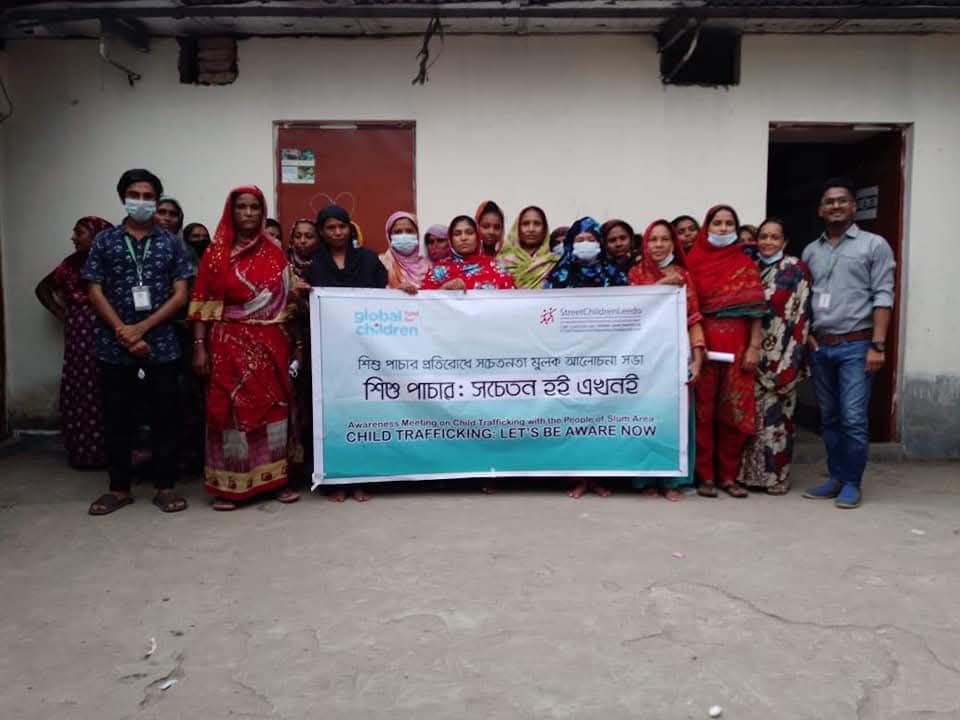
The penalties vary wildly too:
C. Law enforcement challenges in street children cases
Police officers aren’t exactly trained to spot trafficking among street kids. They’re more likely to treat them as delinquents than victims.
The trust gap is massive. Street children have learned through brutal experience to avoid authorities. When you’ve been harassed, beaten or extorted by police, you’re not exactly rushing to file a trafficking report with them.
Evidence collection is another nightmare. No fixed addresses, no regular witnesses, no consistent documentation. Prosecutors need solid evidence for convictions, and street children cases rarely provide it.
D. Documentation barriers for undocumented youth
No birth certificate? No ID? No existence – at least in the eyes of the law.
Undocumented street kids face a brutal catch-22: they need documentation to access protection services, but can’t get documentation without a fixed address or guardian. Traffickers exploit this limbo state perfectly.
Even when rescued, these children struggle to access victim services or legal remedies without proper paperwork. Many countries require proof of identity and nationality before providing assistance – exactly what these kids don’t have.
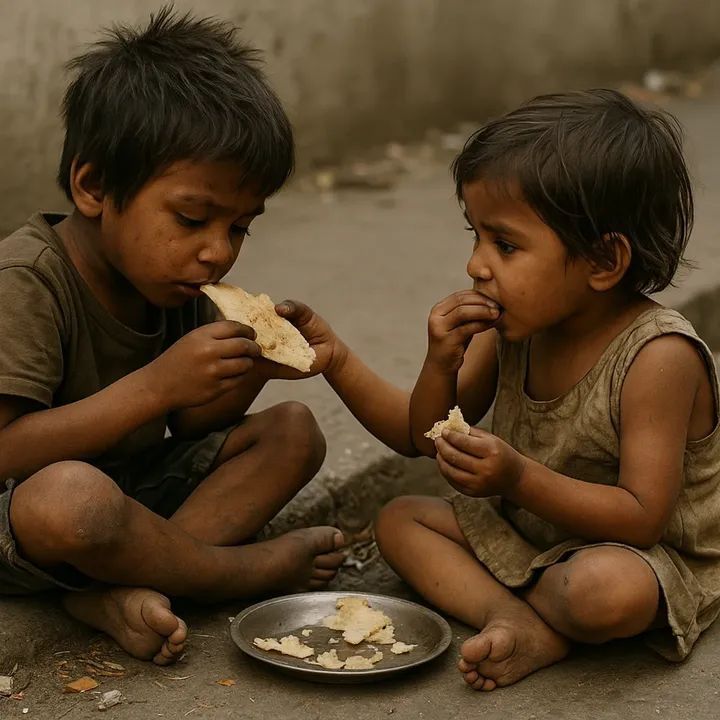
The documentation gap essentially creates a parallel population that exists outside legal frameworks, making them perfect targets for traffickers who know they can exploit with minimal risk.
Effective Intervention Strategies
A. Outreach programs that work
The harsh reality? Most street children don’t come looking for help. They’ve been burned too many times. Effective outreach meets kids where they are—literally.
Mobile health clinics parked near known gathering spots have shown remarkable success rates. In Manila, the Bahay Tuluyan mobile van reaches over 300 children weekly, offering not just medical care but that crucial first point of trust.
Peer-led outreach is another game-changer. Former street youth who’ve escaped trafficking make the most compelling advocates. They speak the language, know the hiding spots, and most importantly—they’re living proof that escape is possible.
Night outreach teams also catch kids during their most vulnerable hours. These brave workers hit the streets from 10 PM to 4 AM, exactly when traffickers are most active.
B. Trauma-informed care approaches
Trauma isn’t just something these kids experienced—it’s woven into their daily existence. Standard counseling approaches often fall flat.
The most successful programs train every single staff member—from janitors to directors—in trauma basics. Why? Because the security guard who greets a child might be the first adult who doesn’t trigger their fear response.
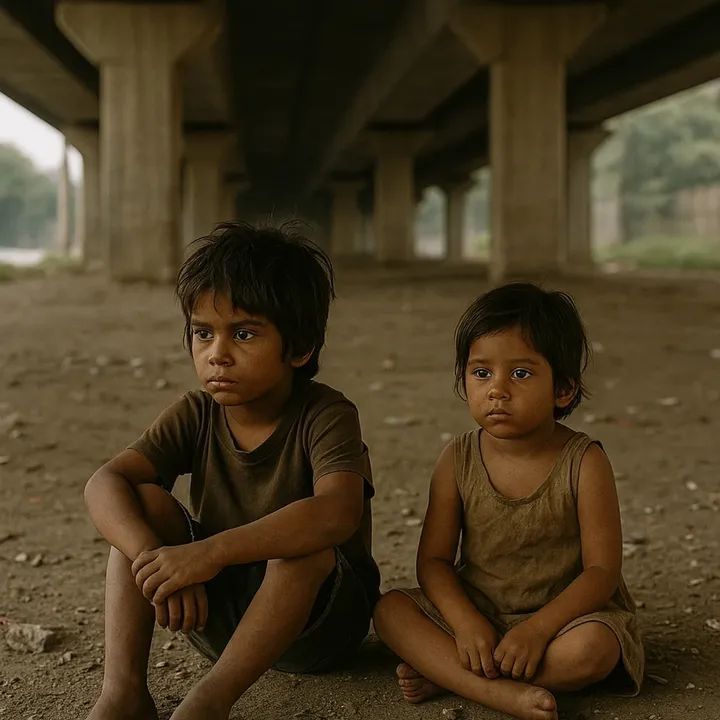
Practical approaches include:
- Low-stimulus environments (muted colors, quiet spaces)
- Predictable schedules that build security
- Choice-driven activities that restore control
- Somatic therapies that bypass verbal processing
C. Safe shelter and rehabilitation options
Safe doesn’t just mean four walls and a roof. These kids have developed finely-tuned danger detectors—and many shelters accidentally trigger them.
The best rehabilitation spaces:
- Start with short-stay options before asking for commitment
- Allow freedom of movement (locked doors can feel like another trap)
- Separate younger children from teens who may have been exploiters
- Provide private spaces to decompress
- Keep beds consistently assigned
The Brazilian organization Projeto Uere revolutionized shelter design by consulting former street children on everything from lighting to security protocols. Their approach slashed runaway rates by 60%.
D. Education and vocational training solutions
Traditional classrooms are terrifying failure zones for many street-involved kids. Successful programs tear up the standard curriculum and start with practical survival skills.
Accelerated learning programs can help teens cover elementary basics in months rather than years. Mobile classrooms that pull up to known gathering spots eliminate the intimidation factor of school buildings.
For vocational training, the focus must be immediate income generation. Kids leave trafficking for economic reasons. Training that takes months to pay off won’t cut it.
Micro-entrepreneurship has shown particular promise. Programs teaching mobile phone repair, street food vending, or hair braiding give youth marketable skills with minimal startup costs.
E. Family reunification considerations
Family reunification isn’t always the answer. Sometimes family was the problem.
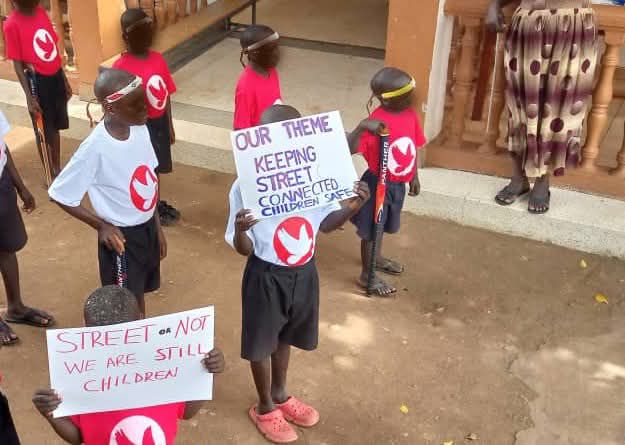
Before reunification, comprehensive assessment is critical. This means asking tough questions:
- Was family poverty the driving factor? (Solvable)
- Was abuse or exploitation present? (Potential deal-breaker)
- Has the family situation changed meaningfully?
- Does the child actually want to return?
When reunification is appropriate, economic support makes or breaks success. Conditional cash transfers tied to keeping children in school and out of work have shown exceptional results in parts of Africa and Southeast Asia.
For children who can’t go home, mentorship programs create family-like connections without biological ties. These relationships provide the emotional scaffolding that formal services never can.
Taking Action in Your Community
A. Reporting suspected trafficking cases safely
Ever seen a kid who just doesn’t look right with the adults they’re with? Trust that gut feeling. But don’t play hero – it could put both you and the child at risk.
Instead, call the National Human Trafficking Hotline (1-888-373-7888) or text “HELP” to 233733. They’re available 24/7 and can guide you on next steps. Save these numbers in your phone right now.
When reporting, focus on what you actually saw – specific behaviors, physical signs, or conversations – not your interpretations. These details help authorities determine if intervention is needed.
B. Supporting grassroots organizations
Local organizations often do the heavy lifting in trafficking prevention with minimal resources. Find groups in your area through sites like GlobalGiving or CharityNavigator.
Can’t donate money? Give time. Many need volunteers for outreach, fundraising, or administrative support. Even skills like graphic design, translation, or legal expertise can be game-changers for small organizations.
Remember: the most effective help comes from consistent support, not one-time donations.
C. Advocating for policy changes
Contact your representatives about strengthening anti-trafficking laws and funding prevention programs. A personal email or phone call carries more weight than you might think.
Join advocacy groups like ECPAT-USA or Polaris Project for coordinated campaigns that actually move the needle.
D. Raising awareness through responsible communication
Trafficking awareness isn’t about shocking statistics or sensationalized stories. It’s about educating people on the realities without exploiting victims.
When sharing information:
- Avoid using images that show children in degrading situations
- Focus on solutions rather than graphic details
- Verify information before sharing (misinformation hurts the cause)
- Highlight survivor-led organizations and their recommendations
The most powerful awareness-raising happens in everyday conversations with friends, family and coworkers. Small discussions build collective understanding and action.
The hidden epidemic of street children trafficking demands our collective attention and urgent action. From understanding the warning signs to recognizing the profound trauma inflicted on young victims, we’ve explored how this crisis persists despite existing legal protections. The gaps in our systems continue to leave vulnerable children at risk every day.
Each of us has the power to make a difference through awareness, advocacy, and community vigilance. By supporting intervention programs, reporting suspicious activities, and educating others about this issue, we can help build a protective shield around at-risk children. Remember, the fight against child trafficking begins with recognizing that these are not nameless statistics, but children deserving of safety, dignity and the chance to simply be kids.
