
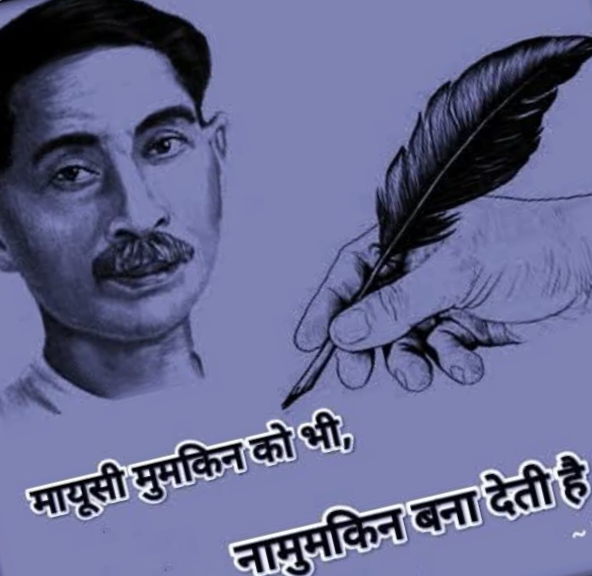
We see contemporary Indian social problems in Munshi Premchand’s literature. Munshi Premchand’s literature highlighted contemporary Indian social problems and opened up new horizons for the rural system. Ever wondered how a writer from the early 1900s could perfectly capture the social issues we’re still fighting today? That’s Premchand for you – the literary genius whose stories feel like they were written yesterday, not a century ago.
When you dive into Munshi Premchand’s world, you’re not just reading literature; you’re witnessing a masterclass in social commentary that remains painfully relevant. His portrayal of contemporary Indian social problems offers more insight than most modern textbooks.
The magic of Munshi Premchand’s work isn’t just in his storytelling – it’s how Munshi Premchand forces you to confront uncomfortable truths about caste discrimination, gender inequality, and economic exploitation without preaching at you.
But what makes his century-old observations still cut so deep in today’s India? That’s where things get really interesting…
Munshi Premchand’s Life and Literary Background
A. Early influences on Premchand’s social consciousness
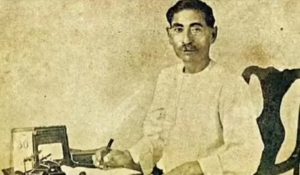
Born as Dhanpat Rai Shrivastav in 1880 in Lamhi village near Varanasi, Premchand’s early life was steeped in rural poverty and social inequality. His mother died when he was just eight, and his father remarried—experiences that gave him firsthand insight into family dynamics and hardship.
Munshi Premchand’s formative years coincided with India’s growing independence movement. While working as a teacher on a meager salary of 18 rupees per month, he witnessed the vast gap between India’s elite and its struggling masses.
Munshi Premchand’s reading of authors like Tolstoy and Gandhi profoundly shaped his worldview. Tolstoy’s ideas about simplicity and moral integrity resonated with him, while Gandhi’s philosophy of social justice and non-violence gave his emerging social consciousness a framework.
Munshi Premchand brief stint as a government servant exposed him to the inner workings of colonial administration—corrupt officials, exploitation of farmers, and the callous indifference of those in power became themes he’d revisit throughout Munshi Premchand’s literary career.
B. Evolution of his writing style and themes
Munshi Premchand’s literary journey began with works written in Urdu under the pen name “Nawab Rai.” Munshi Premchand’s first novel, “Asrar e Ma’abid” (Secrets of God’s Abode), published in 1903, already showed his interest in religious hypocrisy.
The Jallianwala Bagh massacre in 1919 marked a turning point. Shaken by the brutality, Premchand shifted from romantic idealism to harsh realism. He also switched primarily to Hindi, reaching a wider audience with stories that didn’t flinch from showing life’s ugliness.
His early works featured dramatic plots and somewhat idealized characters. But as he matured, his writing became more nuanced. His characters—landlords, peasants, widows, orphans—emerged as complex humans with virtues and flaws, not just symbols.
Munshi Premchand broke with tradition by rejecting escapism. When most Hindi literature offered fantasy or religious themes, he dragged readers into uncomfortable realities: caste discrimination, poverty, corruption, and women’s oppression.
Munshi Premchand’s language evolved too. Munshi Premchand abandoned flowery Urdu and ornate Sanskrit-heavy Hindi for a direct, accessible style using the dialect of ordinary people. This revolutionary approach made literature available to the masses rather than just educated elites.
C. Historical context of pre-independence India in his works
Munshi Premchand wrote during a critical period in Indian history—the intensifying struggle against British rule between 1900-1936. His work captures this tumultuous era with remarkable clarity.
The disintegration of traditional village economics runs through novels like “Godan.” British colonial policies had transformed self-sufficient communities into cogs in an imperial machine. Farmers growing food for families were forced to cultivate cash crops like indigo, creating widespread hunger.
Religious and social reform movements of the era echo in his stories. Characters debate Gandhi’s ideas, the removal of untouchability, and women’s rights, reflecting the intellectual ferment of the time.
The rising nationalist sentiment appears in works like “Rangbhoomi,” where characters join non-cooperation movements. But Premchand went beyond simple patriotism to critique Indian society itself—suggesting political independence alone wouldn’t solve deep-rooted social problems.
He documented the urban-rural divide that emerged during industrialization. Cities represented corruption and moral decay, while villages, despite their poverty and superstition, maintained a certain moral integrity.
Perhaps most significantly, Premchand captured the psychological impact of colonialism—the inferiority complex, the mimicry of Western ways by Indian elites, and the struggle to maintain cultural identity while embracing necessary change.
Rural Poverty and Economic Exploitation
A. Depiction of zamindari system and peasant struggles
Premchand’s stories pull back the curtain on the brutal reality of the zamindari system that crushed rural India. In “Godaan,” we witness how landowners like Rai Saheb squeeze every last penny from farmers who barely survive on their plots. The zamindars aren’t just collecting rent—they’re extracting the very life force from villages.
When peasants in Premchand’s works fight back, it’s not with dramatic revolution but through small, desperate acts of resistance. They withhold payments when crops fail, gather in hushed meetings, or sometimes just refuse to bow their heads quite as low.
What makes Premchand’s portrayal so devastating is how he shows this system wasn’t just economic—it was soul-crushing. Characters like Hori in “Godaan” don’t just lose their money and land; they lose their dignity, their families, and eventually their lives.
B. Economic disparities between classes
The gap between rich and poor in Premchand’s India isn’t just wide—it’s a canyon with no bridge in sight.
On one side: landlords hosting lavish celebrations, wearing fine clothes, and lounging in comfortable homes.
On the other: families like Madhav’s in “Kafan,” who can’t even afford a proper burial shroud for their dead.
What’s brilliant about Premchand is how he shows this inequality isn’t natural—it’s manufactured. The wealthy in his stories don’t just happen to have more; they actively create systems to keep others poor. In “Rangbhoomi,” the businessman Kunwar Bharat Singh doesn’t just want profit—he wants control over an entire community.
C. Debt bondage and financial oppression
Debt in Premchand’s world isn’t just a financial problem—it’s a prison without walls. His characters don’t take loans; they surrender their futures.
The cycle appears everywhere in his work: A farmer needs seed money, a family needs cash for a daughter’s wedding, a medical emergency strikes. The moneylender arrives with a smile and a pen, interest rates hidden in small print. Before long, generations are working to pay off what began as a small sum.
In “Poos Ki Raat,” Halku loses everything to debt—even his warm blanket in the freezing winter night. The brilliance of Premchand is showing how these systems turn humans into commodities. Debtors don’t just owe money; they owe their independence, their decisions, sometimes their very bodies.
D. Impact of colonial policies on rural economy
Premchand never lets us forget—behind the zamindars and moneylenders stands the real puppet master: colonial rule.
British policies didn’t just take India’s resources; they redesigned entire economic systems. Cash crops replaced food crops. Traditional markets collapsed under new tax systems. The village industry Premchand lovingly describes—weavers, potters, blacksmiths—crumbles against factory-made imports.
In “Rangbhoomi,” we see how colonial urban planning serves British interests while destroying local livelihoods. “Premashram” shows how the British administrative system creates a new class of Indian collaborators who become more oppressive than their masters.
The genius of Premchand is showing how colonialism wasn’t just happening in government offices—it was happening in every village, changing how people grew food, settled disputes, and valued themselves.
Caste Discrimination in Munshi Premchand’s Stories
A. Portrayal of untouchability and social ostracism
Premchand didn’t just write about caste discrimination—he ripped the bandage off India’s festering wound. In “Thakur Ka Kuan” (The Thakur’s Well), he shows us Gangi, a Dalit woman, desperately seeking water while upper castes deny her this basic need. The story punches you in the gut with its raw depiction of how untouchability worked in everyday life.
What makes Premchand’s portrayal so powerful? He doesn’t lecture us. Instead, he drops us right into the shoes of the oppressed. In “Sadgati” (Salvation), the character Dukhi dies from exhaustion after performing unpaid labor for a Brahmin priest—a brutal reminder of how caste exploitation literally killed people.
B. Inter-caste relationships and conflicts
The sparks really fly in Premchand’s stories when castes collide. “Kafan” (Shroud) digs into not just poverty but how caste identity shapes human relationships. When characters from different castes interact, Premchand reveals the unwritten rules governing who can speak to whom and how.
In “Rangbhoomi” (Arena), his characters dare to cross caste lines, facing violent backlash that feels eerily familiar even today. The romance between upper-caste and lower-caste characters in several stories isn’t just forbidden love—it’s political rebellion.
C. Challenges to traditional caste hierarchies
Premchand wasn’t content just documenting oppression—he showed resistance too. His characters often challenge their “designated place” in society, giving readers revolutionary ideas wrapped in compelling fiction.
In “Godan” (The Gift of a Cow), Hori dreams of owning a cow despite his low caste status—a simple wish that becomes radical in a system designed to keep him propertyless. Premchand’s stories feature Dalit characters who refuse to bow their heads, who speak back to power despite knowing the consequences.
What’s mind-blowing is how these stories, written nearly a century ago, mirror conflicts we still see in Indian society today. The characters might wear different clothes, but their struggles against caste prejudice continue to resonate across time.
Gender Inequality and Women’s Struggles
A. Representation of child marriage and widowhood
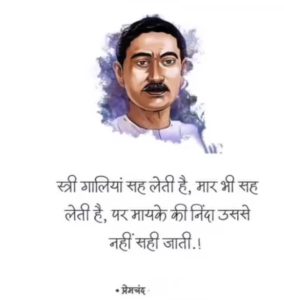
Premchand didn’t pull any punches when portraying the harsh realities women faced in colonial India. His stories like “Nirmala” hit you right in the gut – a young girl forced to marry an elderly widower, her youth and dreams sacrificed at the altar of social customs.
The treatment of widows appears repeatedly throughout his works. Remember “Godaan”? The character Dhania lives in perpetual fear of widowhood, knowing it would strip her of all dignity and security. Widows in Premchand’s stories aren’t just supporting characters; they embody the cruel contradiction of being both socially invisible yet subjected to harsh restrictions.
What makes Munshi Premchand’s portrayal so powerful is how he shows these practices weren’t just abstract traditions but systems that crushed real women’s spirits daily.
B. Women’s education and autonomy
Munshi Premchand was way ahead of his time in recognizing education as the key to women’s liberation. In stories like “Nirmala,” he directly connects a woman’s vulnerability to her lack of educational opportunities.
Munshi Premchand’s progressive stance shows in characters who buck the trend. Take Malati from “Rangbhoomi” – educated, assertive, and determined to chart her own path. These characters weren’t just fictional anomalies but Premchand’s vision for a more equitable future.
The brilliance of Munshi Premchand’s writing lies in how he doesn’t present education as some magical solution. Instead, he shows educated women still battling deeply entrenched patriarchal attitudes. Their struggles feel painfully authentic even today.
C. Domestic violence and patriarchal control
The home, supposedly a sanctuary, becomes a prison in many of Premchand’s narratives. His unflinching portrayal of domestic violence tears away the veil of privacy that often shields such abuse.
In “Gaban,” Jalpa’s psychological torment at the hands of her husband reveals how financial control serves as a tool of domination. Premchand doesn’t just show the physical aspects of abuse but digs deeper into the emotional and psychological control mechanisms that keep women subjugated.
What’s striking is how he portrays the community’s complicity. Neighbors, relatives, and even other women often reinforce these power structures, showing how deeply patriarchy had infiltrated social consciousness.
D. Female characters as symbols of resistance
Not all women in Premchand’s stories accept their fate quietly. Many fight back in ways both subtle and direct.
Take Dhania from “Godaan” – she may not have formal education or social standing, but her moral courage and unwavering sense of justice make her a force to be reckoned with. When she confronts the zamindar, she’s not just fighting for herself but challenging an entire system of oppression.
Or consider the quiet resistance of women who use the limited tools at their disposal – their wits, solidarity with other women, or moral authority – to carve out spaces of autonomy within constraining circumstances.
These characters resonate because their resistance isn’t portrayed as exceptional heroism but as a natural response to injustice.
E. Changing gender roles in transitional India
Premchand wrote during a period of massive social transformation, and his works capture that tension brilliantly. His stories show traditional gender roles beginning to crack under the pressure of modernization, nationalism, and new ideas.
The urban-rural divide features prominently in this portrayal. City women in his stories often have different expectations and opportunities than their village counterparts, creating new forms of inequality and privilege.
What makes Premchand’s perspective special is his refusal to simplistically celebrate modernity. He shows how colonial influences sometimes replaced old patriarchal structures with new ones rather than dismantling them entirely.
The conflicts he portrays – between tradition and modernity, between individual desire and social expectation – weren’t just literary devices but reflect the lived reality of women navigating a society in flux.
Religious Conflicts and Communal Harmony
Hindu-Muslim Relations in Pre-partition India
Premchand’s writings capture the complex fabric of Hindu-Muslim relations during a time when India was struggling with colonial rule and communal tensions. In “Idgah,” he portrays a Muslim festival through the eyes of a child, showing the universal nature of human emotions that transcend religious boundaries.
What makes Premchand extraordinary is his refusal to romanticize or vilify either community. In “Kafan,” the characters’ religious identities take a backseat to their shared economic struggles. He shows how ordinary Hindus and Muslims lived side by side, sharing joys and sorrows despite political machinations trying to drive them apart.
Look at how he portrays the friendship between Hindu and Muslim characters in stories like “Do Bailon ki Katha” – they’re bound by humanity first, religion second.
Critique of Religious Orthodoxy and Superstition
Premchand pulls no punches when attacking religious dogma. In “Sadgati,” he exposes the cruelty of the caste system through the tragic death of a Dalit man waiting for a priest’s services.
The hypocrisy of religious leaders becomes a frequent target. Remember that scene in “Godan” where the priest demands payment from a dying man who can’t afford food? That’s Premchand showing how religion was weaponized against the poor.
His characters often suffer because of blind faith. Women characters particularly bear the brunt of superstitious practices – widowhood, child marriage, and prohibition of remarriage are all shown as social evils hiding behind religious justification.
Vision of Secular Coexistence
Premchand wasn’t just complaining about problems – he was painting a vision of what could be. His story “Panch Parmeshwar” brilliantly illustrates how justice and fairness can triumph over religious differences when two friends (one Hindu, one Muslim) put truth above personal relationships.
His utopian vision isn’t naive though. He acknowledges the deep challenges in achieving communal harmony. In “Premashram,” characters debate the merits of different religious philosophies while working toward common social good.
The genius of Premchand lies in showing that secular coexistence doesn’t mean abandoning religious identity. Instead, he suggests a society where religious practices enrich rather than divide – where different faiths contribute to a shared moral framework that uplifts everyone.
His characters find common ground in shared struggles against economic exploitation, showing that class unity could potentially overcome religious divisions – a radical idea that remains relevant in today’s polarized world.
Modern Relevance of Munshi Premchand’s Social Commentary
A. Persistent social issues in contemporary India
Flip through Premchand’s pages, and you’ll see India’s social mirror reflecting back at you—almost a century later. The caste divides he portrayed in “Thakur Ka Kuan” haven’t disappeared; they’ve just shape-shifted. Dalit communities still face discrimination, though it looks different in our digital age.
Economic inequality? That gap Premchand highlighted in “Kafan” has only widened. The father-son duo who couldn’t afford a proper burial for their family member represents millions today struggling with healthcare costs and basic necessities.
Women’s issues remain painfully relevant too. The exploitation Premchand depicted in stories like “Nirmala” continues in modern forms—from workplace discrimination to domestic violence.
Corruption, that central theme in “Gaban,” still plagues Indian governance and institutions. Politicians making headlines for scams would fit perfectly as characters in Premchand’s narratives.
Rural poverty hasn’t vanished either. Those farming communities fighting debt and drought in his stories? They’re the same ones making desperate marches to capital cities today.
B. Premchand’s influence on modern Indian literature
Modern Indian writers owe Premchand a massive debt. He pioneered the art of writing about ordinary people in realistic settings—something now considered essential in quality Indian literature.
His storytelling DNA runs through contemporary works that tackle social injustice. Writers like Arundhati Roy, who explores caste and class in “The God of Small Things,” builds on Premchand’s foundation.
Hindi cinema keeps borrowing from his playbook too. Films addressing rural distress and social inequality often channel his narrative techniques—showing characters caught between tradition and progress, much like in “Godaan.”
What’s really striking is how he normalized social critique in Indian literature. Before Premchand, most Hindi literature focused on religious themes or royal escapades. After him? Writing about society’s problems became not just acceptable but expected.
Young Indian writers today might not directly reference him, but they’re all walking paths he cleared—using fiction to spark conversations about uncomfortable realities.
C. Universality of themes across time and geography
Take Premchand’s stories out of India, and they’d still work almost anywhere. That’s their magic.
His exploration of power dynamics in “Panch Parmeshwar” speaks to human nature beyond borders. Two friends torn apart by responsibility and integrity? That’s a universal drama playing out in courtrooms and boardrooms worldwide.
The corrupt officials in “Namak Ka Daroga” could easily be transplanted to any country struggling with institutional integrity. Greed and moral compromise aren’t uniquely Indian problems.
His portrayals of poverty cut across cultural boundaries too. The desperate choices made by characters in “Kafan” mirror those faced by the impoverished globally—from Brazilian favelas to American inner cities.
What’s fascinating is how Premchand managed to be so specifically Indian while capturing human experiences that resonate everywhere. That’s why his works get translated into dozens of languages and studied in universities across continents.
The struggles of the marginalized, the complexity of human morality, the gaps between rich and poor—these themes are timeless and borderless, making Premchand’s century-old stories feel written yesterday.

D. Lessons for current social reform movements
Modern reform movements often struggle with this nuance. Premchand’s works remind us that even oppressors are products of their environment, making real change about transforming systems, not just individuals.
His stories also teach patience. Social progress in Premchand’s narratives doesn’t come in dramatic revolutionary moments but through slow, sometimes painful evolution. This perspective offers valuable grounding for activists expecting quick fixes to entrenched problems.
Perhaps most importantly, Premchand demonstrates the power of accessible communication. He wrote for ordinary people in everyday language—not academic jargon or political manifestos. Today’s movements often forget this lesson, losing potential supporters through unnecessarily complex rhetoric.
The enduring impact of his work proves something essential: stories change minds more effectively than statistics or slogans ever could.
Munshi Premchand’s literary works continue to serve as powerful social documents that capture the essence of Indian society’s deepest challenges. Through masterpieces like “Panch Parmeshwar,” “Gaban,” and “The Shroud,” he illuminated the harsh realities of rural poverty, economic exploitation, caste discrimination, gender inequality, and religious conflicts with remarkable clarity and compassion. We see contemporary Indian social problems in Munshi Premchand’s literature is simple yet profound storytelling technique allowed him to expose corruption, social rot, and systemic injustice in ways that resonated with readers across all backgrounds.
The problems Munshi Premchand depicted nearly a century ago unfortunately remain relevant in contemporary India, making his work not just historically significant but urgently pertinent. His ability to humanize the marginalized while critically examining social structures offers valuable insights for addressing today’s challenges. As we continue to grapple with many of the same issues he highlighted, Premchand’s literature stands as both a sobering reminder of persistent inequalities and an inspiring call to work toward the more just and compassionate society he envisioned.
