
Ever stopped to wonder about the kid who just cleaned your windshield at the traffic light? That child might be contributing more to your country’s economy than you realize. In a country like India, the contribution of street children to develop the country is undeniable.
Street children aren’t just surviving—they’re hustling in ways that silently prop up our economic foundations. From waste collection to informal vending, their contribution to urban economies is both substantial and largely unrecognized.
But here’s what most economists miss: these children aren’t just economic actors—they’re potential entrepreneurs being forged in the harshest business school on earth. The question isn’t whether they contribute, but why we’ve failed to properly harness this remarkable human capital.
Street Children and Homeless Children – Definitions
What is streetism?
Ever walked down a busy street and noticed kids selling trinkets, washing windshields, or just hanging around with nowhere to go? That’s streetism in action – but it’s way more complex than what meets the eye.
Streetism refers to the phenomenon where children live and work on the streets, disconnected from family support and proper shelter. These kids aren’t just hanging out—they’re surviving. Day in, day out.
The reality is harsh. Streetism isn’t a lifestyle choice; it’s usually the result of poverty, family breakdown, abuse, or conflict. Some kids sleep in abandoned buildings, under bridges, or in makeshift shelters. Others might have some family connection but spend most waking hours working on streets to contribute to family income.
Here’s what streetism typically involves:
- Living partially or completely on streets
- Limited or no adult supervision
- Irregular or no access to education
- Earning money through informal jobs (begging, vending, recycling)
- High vulnerability to exploitation and abuse
- Developing survival skills at the expense of childhood
The UN estimates there are tens of millions of street children worldwide. That’s millions of young lives navigating dangerous environments while most kids their age worry about homework or video games.
Streetism creates a paradox – these children often develop incredible resilience and entrepreneurial skills, yet remain trapped in cycles of poverty without intervention. They’re simultaneously invisible to many in society yet hypervisible as “problems” to be managed.
Understanding streetism means recognizing these aren’t just “homeless kids” – they’re children adapting to extremely difficult circumstances with whatever tools they have available.
Myth Busters: Challenge Your Perception of Street-Connected Children
The Hard Truths Most People Miss
When’s the last time you walked past a street child and thought, “There goes a future engineer” or “That kid could solve our country’s economic problems someday”?
Never? Yeah, that’s what I figured.
We’ve all got these mental shortcuts about street kids, and most of them are dead wrong. These assumptions don’t just hurt these children—they’re holding back our entire nation.
Let’s shatter some of these misconceptions right now.
Myth #1: “They’re just lazy beggars”
Seriously? Have you tried surviving on the streets for even 24 hours?
These kids wake up before dawn, navigate dangerous situations, find food, protect themselves, and often contribute to their families’ income. Many work collecting recyclables, selling small items, or doing odd jobs that adults won’t touch.
That’s not laziness. That’s resilience most office workers couldn’t match if they tried.
Myth #2: “They’re all criminals in the making”
This one drives me crazy. Most street children aren’t breaking laws—they’re breaking their backs trying to survive in a system that forgot them.
When society labels you a criminal before you’ve done anything wrong, it creates a self-fulfilling prophecy. What if we expected greatness instead?
Myth #3: “They can’t be educated”
Many street-connected children show remarkable intelligence—they’re master problem-solvers, natural entrepreneurs, and quick thinkers. These are kids who can calculate profits faster than some business grads.
Studies show street children often develop exceptional memory skills and emotional intelligence. They’re not uneducable—they’re just educated by different teachers: necessity and survival.
Myth #4: “They’re a burden on society”
The opposite is true. Street children contribute to the informal economy in countless ways. They recycle tons of materials that would otherwise clog landfills. They provide services in neighborhoods others have abandoned.
With proper support, these natural survivors could transform from managing daily crises to managing businesses and communities.
Why do some children live or work in the street?
The Harsh Reality Behind Street Life
Kids don’t just wake up one morning and decide living on the streets sounds fun. It’s a desperate move driven by circumstances most of us can’t imagine.
Picture this: a 10-year-old boy sleeping under a bridge because home isn’t safe anymore. Or a teenage girl selling trinkets at traffic lights because her family needs every penny to survive.
The paths leading children to street life are diverse but almost always rooted in poverty and broken systems.
Economic Factors
Money problems top the list. When families can’t afford basic necessities, children often become breadwinners by default. They shine shoes, wash cars, or collect recyclables—whatever brings in cash.
In many cases, parents actually send their kids to work on the streets. It’s not because they don’t care—it’s because they’re desperate. One child working might mean the difference between the family eating or going hungry.
Family Breakdown
Home should be safe. But for many street children, it’s anything but:
- Physical and emotional abuse
- Alcoholic or drug-addicted parents
- Death of caregivers
- Severe neglect
- Domestic violence
When home becomes a battleground, the streets sometimes feel safer.
Failed Systems
Government support? Social services? For these kids, they’re often just empty promises:
- Overcrowded orphanages with minimal supervision
- Underfunded schools that can’t accommodate their needs
- Absence of affordable healthcare
- Weak child protection laws
- Limited mental health support
Migration and Displacement
War, natural disasters, and political instability force families to move. During these chaotic relocations, children get separated from parents or are sent ahead to find work.
The tragic truth? Street life is rarely a choice—it’s the last resort when every safety net has failed.
How many street children are there?
The numbers are staggering, folks. According to UNICEF’s latest global estimates, over 150 million children are living or working on streets worldwide. That’s nearly equivalent to the entire population of Russia wandering without stable homes.
But let’s break it down by regions:
Regional Distribution
In South Asia alone, approximately 40 million children call the streets their home. The numbers in Africa hover around 30 million, with Sub-Saharan countries bearing the heaviest burden.
Looking at specific countries paints an even clearer picture:
Urban Concentration
The problem isn’t evenly distributed. Mega-cities bear the brunt:
- Mumbai hosts roughly 300,000 street children
- Mexico City has about 250,000
- Dhaka shelters around 400,000
These aren’t just statistics—they’re kids with stories, dreams, and untapped potential.
Growth Trends
The numbers are climbing faster than we’d like to admit. Since 2020, we’ve seen a 12% increase globally. Economic fallouts from the pandemic, regional conflicts, and climate displacement have all contributed to this surge.
What’s truly mind-boggling? For every child counted in these statistics, experts estimate two more fly under the radar. The actual numbers could be nearly double what’s officially reported.
And here’s the kicker—these kids aren’t just passive victims. Many are incredibly resourceful, finding ways to contribute economically despite their circumstances. They’re an untapped workforce with boundless energy and street smarts that could transform economies if properly supported.
CSC Research – How we make sure decision makers have the right data to make plans benefiting street children
The Power of Data-Driven Advocacy
Most politicians and policymakers have no idea what street children actually need. Harsh, but true.

They make decisions based on assumptions, outdated information, or worse – complete ignorance of these kids’ realities. That’s where our CSC Research initiative comes in.
We don’t just collect data – we transform it into actionable intelligence that forces decision-makers to confront reality.
Our research methodology is pretty unique. Unlike traditional academic studies that treat street children as mere subjects, we incorporate them as active research participants. These kids aren’t just numbers in our spreadsheets – they’re collaborators who shape our understanding.
From Invisible to Visible
Our mobile research teams hit the streets at all hours – because street life doesn’t operate on a 9-to-5 schedule. We build relationships first, gather information second.
And here’s what makes our approach different:
- Longitudinal tracking: We follow the same groups over years, not weeks
- Peer-to-peer interviewing: Street children interview other street children
- Mixed methods: Combining quantitative surveys with storytelling and visual documentation
When a government official claims “we have no street children problem,” we counter with precise maps showing exactly where 5,000+ kids sleep each night. When budget committees allocate zero funds for street outreach, we present cost analyses proving how preventative services save millions long-term.
Turning Research into Action
The magic happens when we translate complex data into formats that resonate with different stakeholders:
- Visual dashboards for quick-decision government officials
- Detailed economic impact reports for finance ministries
- Personal story collections for media campaigns
- Simplified policy briefs for community advocates
This isn’t research for research’s sake. It’s ammunition for change.
What are the risks of children being on the streets?
What are the risks of children being on the streets?
A. Street children suffer violence
The streets are a battleground, not a playground. Street children face physical abuse daily from multiple sources – police officers, security guards, other street kids, and even random passersby. Many sleep with one eye open, knowing a beating could come at any moment.
In major cities across developing countries, up to 90% of street children report experiencing violence. Think about that – 9 out of 10 kids getting hit, kicked, or worse just because they have nowhere else to go.
B. Street children are targeted by abusers
Predators see these kids as easy targets. Without parents or guardians watching over them, street children become prime victims for sexual exploitation and human trafficking.
Many are coerced into prostitution or pornography by adults who know these children have no protection. Their bodies become commodities in a twisted marketplace where childhood innocence is bought and sold.
C. Street children can get recruited into gangs
Gangs offer what these kids desperately crave – protection, belonging, and a twisted form of “family.”
Gang recruitment isn’t just about adding numbers; it’s about exploiting vulnerable children who need to survive. These groups pull kids in with promises of food, shelter, and protection, then trap them in cycles of crime and violence. Once in, leaving often means risking their lives.
D. Street children may become addicted to drugs
Many street kids turn to substances to numb their pain, hunger, and fear. Glue sniffing, alcohol, marijuana, and other drugs provide temporary escape from unbearable reality.
What starts as experimentation quickly spirals into dependency. These substances damage developing brains and bodies while creating addiction cycles that make escape from street life even harder.
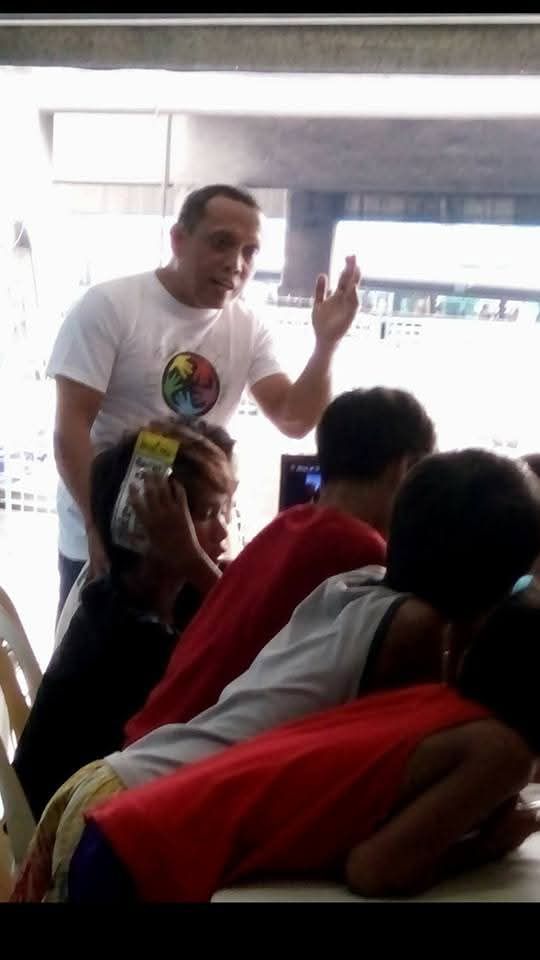
E. Street children can suffer from mental health issues
The constant stress of street survival wreaks havoc on young minds. Depression, anxiety, PTSD, and suicidal thoughts plague these children at rates far exceeding their housed peers.
Without treatment or support, these conditions worsen over time. The psychological scars often last long after physical wounds heal, affecting their ability to form relationships or function in society later in life.
F. Street children get punished by a legal system that has a discriminatory effect on being homeless or not registered at birth
The system kicks these kids when they’re already down. Many lack birth certificates or identification, making them effectively invisible to social services but highly visible to law enforcement.
Legal Atlas for Street Children – learn about the laws affecting street children in countries worldwide
Understanding the Legal Landscape
Street children exist in a shadowy legal world. They’re often ignored by laws or, worse, criminalized just for surviving. The Legal Atlas for Street Children changes this by mapping out laws affecting these kids across different countries.
How the Legal Atlas Works
Think of it as Google Maps, but for laws about street children. It shows you country by country what rights these kids have – or don’t have. You can see where sleeping rough is criminalized, where begging gets you arrested, or where police can detain children just for looking homeless.
Why This Matters
When a 12-year-old gets thrown in jail for sleeping in a park, that’s not just sad – it’s a human rights violation. But without knowing the laws, advocates can’t fight them. The Atlas gives ammunition to those fighting for change.
Country Comparisons at a Glance
Using the Atlas for Advocacy
Smart advocates don’t just complain – they use data. The Atlas provides concrete evidence of discriminatory laws that can be presented to lawmakers. It’s helped organizations in Colombia, Egypt, and Indonesia to challenge anti-child legislation.
From Criminalization to Contribution
When we stop treating street children as criminals and start recognizing their potential, everyone wins. The Atlas shows which countries have made this shift, offering models for others to follow.
Supporting Street Children: Building Futures Together
Street children, often misunderstood and marginalized, represent an untapped potential for societal development. As we’ve explored throughout this article, these young individuals face numerous challenges but possess remarkable resilience and capabilities. Understanding the differences between street and homeless children, challenging our perceptions, and recognizing the complex factors that drive children to the streets are crucial steps toward developing effective support systems. The alarming numbers of street-connected youth worldwide demand our attention, while research-backed approaches ensure decision-makers can implement policies that genuinely benefit these children rather than further marginalizing them.
The risks faced by children on the streets are significant, but so is their potential contribution to society when given proper support and opportunities. By familiarizing ourselves with the Legal Atlas for Street Children and advocating for protective legislation, we can help transform vulnerability into empowerment. Each of us has a role to play in supporting street children’s integration into society as valued contributors. Whether through volunteering, advocacy, or simply changing our perspective, we can help these young people transition from survival mode to becoming active participants in their country’s development. Their journey from the margins to meaningful contribution begins with our recognition of their humanity and potential.
