
When talking about French colonies in India after independence, Pondicherry must be mentioned first. Picture this: a slice of France nestled in India even after 1947. Sounds wild, right? But that’s exactly what happened with Pondicherry (now Puducherry), a French colony that held onto its European identity well after the British packed their bags.
While the rest of India celebrated freedom from colonial rule, French territories in India marched to their own beat. These French colonies in India after independence remained under Paris’ control until 1954, creating this fascinating cultural bubble that exists nowhere else in the subcontinent.
Today, walking through Puducherry’s French Quarter feels like stepping through a portal – baguettes and croissants on one street, dosas and chai on the next. But the story of how this transition happened? That’s where things get really interesting…
Historical Overview of French Colonies in India
Establishment of French trading posts in the 17th century
The French were fashionably late to the Indian trading party. While the Portuguese had been sipping chai on the subcontinent since 1498, the French didn’t show up until 1667. That’s when François Caron, a man who’d previously worked for the Dutch East India Company (talk about switching teams), established France’s first trading post in Surat.
But the real game-changer came in 1674. The brilliant François Martin—a name that deserves more recognition in history books—founded Pondicherry. He took a sleepy fishing village and transformed it into what would become the crown jewel of French India.
The French didn’t stop there. Their Company of the East Indies kept pushing, setting up trading posts wherever they could get a foothold. These weren’t random choices—they strategically positioned themselves along both coasts of the subcontinent to maximize trade routes.
What made these trading posts stick? Three things: diplomacy with local rulers (sometimes genuinely respectful, sometimes just clever manipulation), military muscle when needed, and the promise of economic benefits that made local elites think, “Hey, having these French folks around might actually be good for business.”
The five major French territories: Pondicherry, Karikal, Yanam, Mahe, and Chandernagor
The French colonial presence in India wasn’t vast, but it was strategic. Their holdings formed a patchwork across the subcontinent, each with its own distinct character and economic value.
Pondicherry (now Puducherry) was the undisputed star of French India. Sitting pretty on the Coromandel Coast, it served as the capital and showcased the most visible French influence. The town planning, with its distinctive grid pattern dividing the “White Town” from the “Black Town,” still shapes the city today. The French quarter, with its Mediterranean-style buildings and wide boulevards, feels like a slice of Europe dropped onto Indian soil.
Karikal, just 140 km south of Pondicherry, was agricultural powerhouse territory. The French nabbed it in 1739 and quickly recognized its value for rice production. The fertile Kaveri delta made this place a breadbasket for French holdings.
Mahe was the odd one out—the only French territory on the western Malabar Coast. Squeezed between British territories, this tiny pocket became hugely valuable for one thing: pepper. Black gold, as traders called it. The spice trade flowing through Mahe kept French cuisine well-seasoned and French coffers well-lined.
Chandernagor (now Chandannagar) in Bengal was France’s northern outpost. Just up the river from Calcutta, it gave the French a foothold in the lucrative Bengal trade. The French established it in 1673, making it one of their earliest possessions in India.
French colonial administration structure
The French ran their Indian territories like a tight ship—but a distinctly French one. At the top sat the Governor-General, always appointed directly by Paris and typically from an aristocratic background. This wasn’t just any government job; it was a prestigious posting that could make or break careers back home.
Below the Governor-General was a clever two-tier system. French officials handled all the big decisions about trade, military matters, and relations with other European powers and Indian rulers. Meanwhile, local Indian administrators managed day-to-day governance in native quarters—tax collection, minor disputes, and local commerce.
What made the French approach interesting was their willingness to adapt. Unlike some colonial powers (looking at you, Britain), the French were more flexible about incorporating local customs into their administration. They maintained what they called the “politique d’association”—essentially keeping local institutions intact when it served their purposes.
The tax system? Pure genius from a colonial perspective, brutal from an Indian one. French authorities collected revenue through intermediaries—often local notables who did the dirty work of extraction while the French kept their hands clean.
Comparison with British colonial presence in India
The French and British approached their Indian colonies like two chefs with very different recipes for the same dish. Here’s the breakdown:
The size difference was stark. The British Empire in India eventually spanned 1.8 million square miles. French territories? A tiny fraction of that. It’s like comparing a mansion to a garden shed.
Here’s where it gets interesting: despite controlling much less territory, French cultural influence ran surprisingly deep. The French focused on creating “little Frances” within their territories, with architecture, education, and administration that mirrored metropolitan France. Meanwhile, the British, despite their vast holdings, often remained socially distant from Indian society.
By the time independence rolled around, the contrast was clear: the British had built an empire, while the French had built trading outposts with a distinctive cultural flavor that would outlast their political control.
The Path to De-colonization After Indian Independence
A. Initial retention of French territories after 1947
While most of India celebrated independence on August 15, 1947, the French weren’t exactly rushing to pack their bags. They kept their grip on five territories scattered across the subcontinent: Pondicherry, Karaikal, Yanam, Mahe, and Chandernagore.
The French government had this wild idea they could maintain their colonial presence despite the dramatic shift in power happening all around them. Unlike the British who had finally acknowledged the inevitable, French officials clung to the notion that their “little France in India” could somehow continue unchanged.
French administrators attempted business as usual, running these territories as overseas departments of France. Can you imagine? Indians living just a few miles from freedom while their neighbors across an invisible border remained colonial subjects.
Residents of these territories found themselves in a bizarre time bubble—technically part of France while surrounded by a newly independent India. They used French currency, followed French laws, and French remained the official language of administration.
B. The referendum of 1948 and its outcomes
The first crack in France’s colonial façade appeared in Chandernagore. In 1948, residents were given a simple choice: stay with France or join India. The results weren’t even close.
A staggering 97% voted to join India. Talk about a wake-up call for the French!
The referendum sent shockwaves through the remaining territories. France could no longer pretend their rule was welcomed or desired by the local population. On June 2, 1949, Chandernagore officially became part of India’s West Bengal, the first French territory to break free.
For the other territories, this vote was like watching dominos start to fall. The message was crystal clear: the days of French rule in India were numbered, regardless of how tightly Paris tried to hold on.
C. The liberation movement in French territories
While diplomatic chess moves played out in high offices, ordinary people in French territories weren’t sitting quietly. A powerful liberation movement gained momentum, drawing inspiration from India’s successful independence struggle.
Street protests became common, with demonstrators waving Indian flags and demanding merger with the motherland. Local newspapers printed increasingly bold editorials questioning why they remained under foreign rule while the rest of India was free.
The movement took different forms across territories. In Pondicherry, it maintained largely peaceful demonstrations. But in places like Yanam, tensions occasionally boiled over into direct confrontations with French authorities.
By 1953, the pressure had become impossible to ignore. Schools and government offices regularly closed due to strikes. French officials found themselves governing increasingly hostile populations who viewed them as unwelcome remnants of a colonial past that should have already ended.
D. Key independence leaders and their contributions
The fight for freedom from French rule produced its own set of remarkable leaders, though they’re rarely mentioned in broader Indian independence narratives.
V. Subbiah emerged as Pondicherry’s most prominent freedom fighter, organizing workers and leading mass movements against the French administration. His approach combined Gandhi’s non-violence with persistent pressure through strikes and civil disobedience.
In Yanam, Dadala Raphael Ramanayya took a more direct approach. In 1954, he led what’s now known as the “Coup d’état de Yanam,” where pro-India forces effectively seized control from French authorities.
Edouard Goubert played a fascinating role as a French-Indian politician who initially supported French rule but later switched sides, eventually becoming Pondicherry’s first Chief Minister after the merger with India.
These leaders navigated complex political waters, balancing the desire for independence with protecting the unique Franco-Indian cultural fusion that had developed over centuries.
E. International pressure on France
France’s position became increasingly untenable on the global stage. The United Nations’ strong anti-colonial stance made France’s continued presence in India look hopelessly backward and out of touch.
After losing their colonies in Vietnam following the 1954 Geneva Accords, France’s appetite for colonial conflicts diminished considerably. Holding onto tiny territories in India while retreating from major possessions elsewhere made little strategic sense.
India’s diplomatic efforts, led by Prime Minister Nehru, consistently highlighted the absurdity of foreign enclaves existing within a sovereign nation. At international forums, Indian representatives pointedly asked how France would feel if India claimed ownership of neighborhoods in Paris.
Global opinion had shifted decidedly against colonialism, leaving France increasingly isolated in its position. Even traditional allies suggested that negotiating a dignified transfer of power was preferable to clinging to colonial possessions that had become diplomatic liabilities.
By October 1954, France finally accepted reality. The French Parliament ratified the treaty transferring the remaining territories to India, though Pondicherry would wait until 1962 for the formal transfer to be completed.
The De Facto and De Jure Transfer Process
A. The Kiwal incident and its impact on French-Indian relations
The Kiwal incident of 1953 was a turning point that pushed French India toward its inevitable merger with independent India.
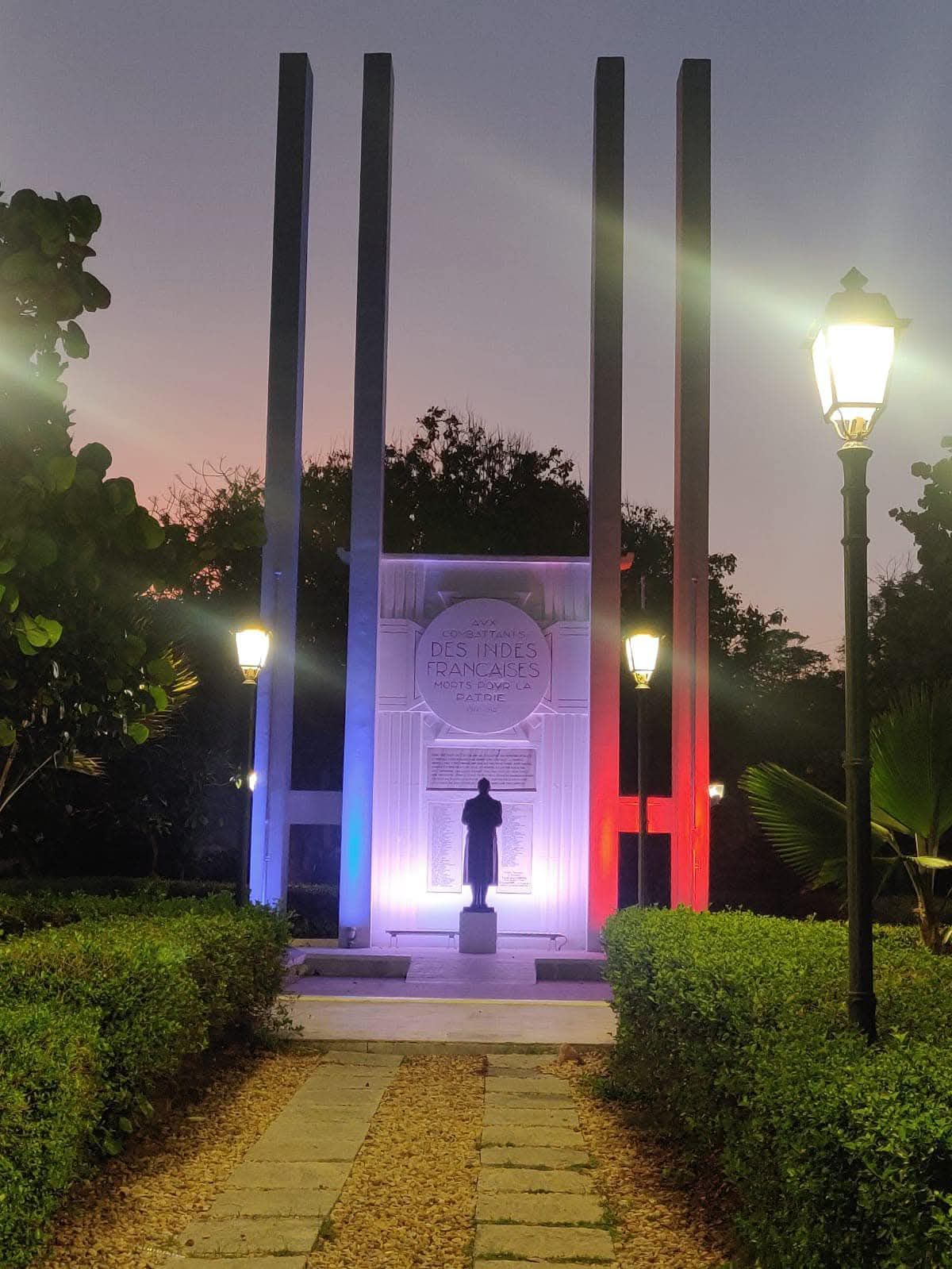
It started simply enough. Indian nationalists from Pondicherry crossed into the small French enclave of Kiwal, raised the Indian flag, and declared the territory liberated from French rule. But things quickly spiraled out of control when French authorities sent police to remove the flag.
The confrontation turned violent. Shots were fired. People died.
The aftermath? A PR nightmare for France. News of French police firing on unarmed Indian protesters spread like wildfire. Public opinion across India erupted in outrage, with protests breaking out in major cities demanding immediate French withdrawal from all territories.
Prime Minister Nehru, who had been relatively patient in negotiations, suddenly faced immense domestic pressure to take a harder stance. The diplomatic atmosphere chilled overnight.
French officials in Paris realized they’d lost the battle for hearts and minds. Continuing to hold onto these tiny enclaves surrounded by an increasingly hostile independent nation just wasn’t sustainable anymore.
Within months, secret negotiations accelerated dramatically. The Kiwal incident effectively killed any remaining French resistance to the idea of full transfer. It transformed what had been a slow diplomatic dance into an urgent exit strategy.
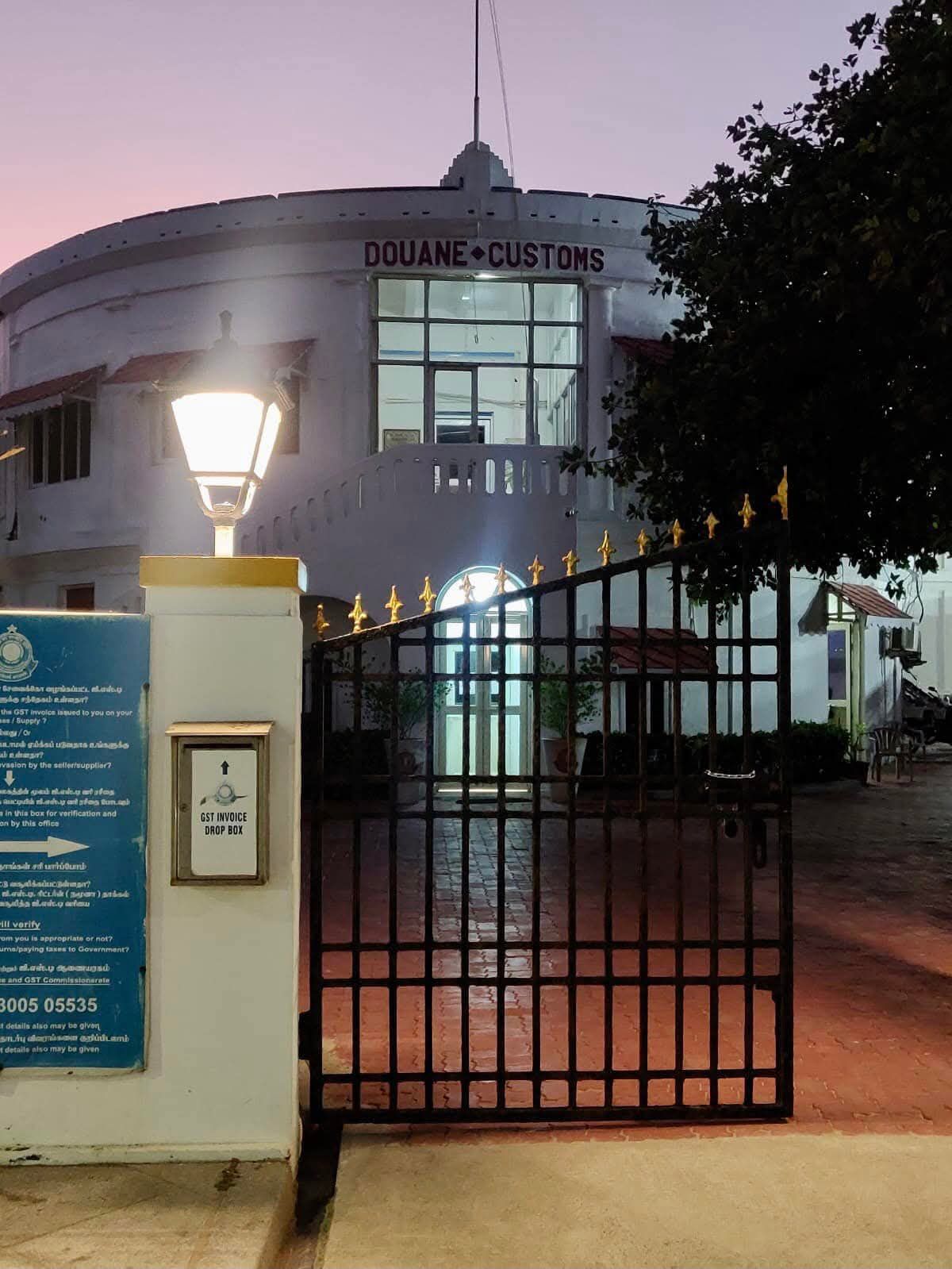
B. Treaty of Cession (1954): Terms and conditions
The Treaty of Cession, signed on October 21, 1954, wasn’t just some dusty diplomatic document. It was France finally accepting reality – their 280-year colonial chapter in India was closing for good.
The treaty laid out surprisingly favorable terms for France. They managed to negotiate conditions that preserved some French influence even after the transfer:
- French language would continue as an official language in the former colonies
- French educational institutions could maintain their curricula and language of instruction
- French civil servants could either transfer to Indian service or receive compensation
- France would maintain a cultural presence through the establishment of research institutes
- Citizens could choose French citizenship if desired (within 6 months of the treaty)
Here’s what India gained:
- Full sovereignty over all French territories (except Chandernagore, already transferred)
- Integration of approximately 170,000 residents into the Indian Republic
- Control over strategic coastal areas along the eastern seaboard
- Elimination of foreign enclaves that complicated administration and security
Behind the scenes, financial matters dominated discussions. France secured promises of pension payments for colonial officials and compensation for French-owned properties. India agreed to honor existing French business contracts during a transition period.
The treaty also established a unique administrative arrangement – these territories wouldn’t simply dissolve into neighboring Indian states. Instead, they’d form a distinct union territory with special autonomy provisions.
C. Chandernagor’s early merger with West Bengal
Chandernagor (now Chandannagar) broke away from the French India pack early. While other territories held out, Chandernagor’s fate was sealed back in 1949 through a different process entirely.
The people spoke first. A referendum held on June 19, 1949, showed overwhelming support for joining India, with 97% voting in favor of merger. This wasn’t just democratic window dressing – it reflected genuine local sentiment against continued French rule.
By February 1951, it was official. France formally transferred Chandernagor to India, and by 1954, the former French enclave had been fully integrated into West Bengal state.
Why did Chandernagor go first? A few key factors:
- Its location made it practically an island within West Bengal
- The Bengali identity of its residents created natural cultural alignment with surrounding areas
- Active local independence movements had stronger ties to Indian nationalist groups
- Less French cultural investment compared to Pondicherry
The smooth transfer of Chandernagor actually created the template for how the remaining territories would eventually be handled. It demonstrated that transition could happen without major disruption, and provided administrative lessons that proved valuable during the later, larger handovers.
D. The final handover process of remaining territories
The actual transfer of power in the remaining territories wasn’t some grand ceremony with flags lowering and raising. It was remarkably… bureaucratic.
On November 1, 1954, French officials simply handed over administrative files to their Indian counterparts. Civil servants transitioned roles. Police forces merged. School curricula were adjusted. Business continued mostly as usual.
For the average resident, the change happened in slow motion:
- French currency gradually disappeared from circulation
- Street signs were changed from French to Tamil, Malayalam or English
- Administrative forms shifted to Indian formats
- Passport offices opened for those choosing French citizenship
Behind these mundane details was a carefully orchestrated transfer process. Joint committees managed everything from treasury balances to property records. Technical teams integrated electrical grids, water systems, and telephone networks.
The most complex part? Legal integration. Decades of French civil law had created property rights, business structures, and personal status situations that didn’t perfectly align with Indian legal frameworks. Special provisions had to be created to bridge these differences during a transition period.
By 1962, the administrative integration was complete enough that the territories of Pondicherry, Karaikal, Yanam and Mahé were formally constituted as the Union Territory of Pondicherry (now Puducherry).
But one final, symbolic step remained. Though practically part of India since 1954, the territories remained technically “on loan” to India until 1963, when the French parliament finally ratified the complete transfer of sovereignty.
Pondicherry as a Union Territory
A. Special administrative status and governance structure
When Pondicherry became part of India in 1954, it wasn’t just folded into an existing state. Nope, it got special treatment as a Union Territory with its own unique governance setup.
Unlike regular Indian states, Pondicherry (officially renamed Puducherry in 2006) answers directly to the President of India through an appointed Lieutenant Governor. But here’s where it gets interesting – it’s not a completely centralized arrangement. Puducherry also has its own elected legislative assembly and Chief Minister.
This hybrid model wasn’t random. It was carefully designed to acknowledge the territory’s distinct Franco-Indian character while gradually integrating it into the Indian administrative framework.
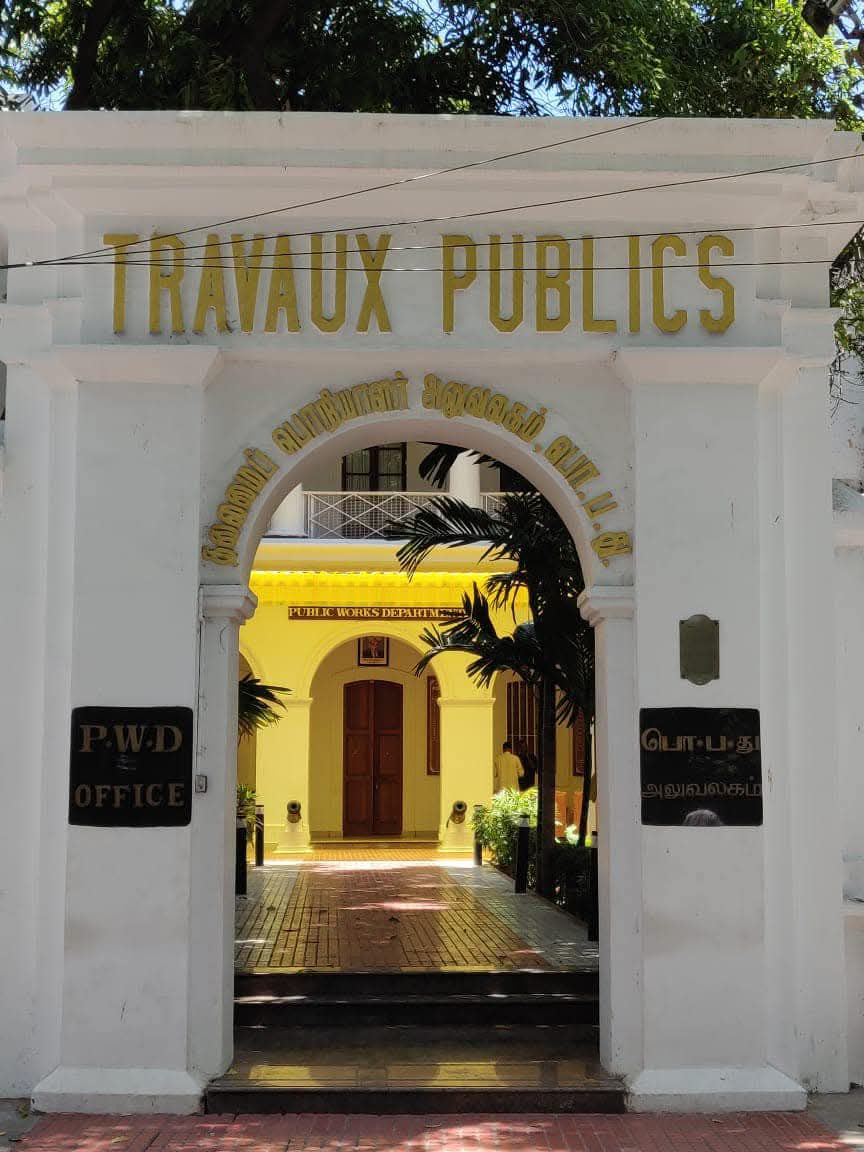
The governance structure maintains certain French administrative practices that had become embedded in local institutions over 300 years of colonial rule. Many government buildings still showcase French architectural influence, and some administrative procedures carry echoes of the French system.
For locals, this special status has meant maintaining a certain level of autonomy that other parts of India don’t enjoy. The territory comprises four non-contiguous regions – Puducherry, Karaikal, Mahe, and Yanam – each with its own regional council to address local concerns.
This unique administrative arrangement has helped smooth the transition from French colony to Indian territory while respecting the region’s distinct historical journey.
B. Preservation of Franco-Indian cultural heritage
Walk through Puducherry’s French Quarter today and you might forget you’re in India for a moment. The yellow-walled colonial buildings, tree-lined boulevards, and French street names tell a different story than the rest of the country.
After independence, preserving this Franco-Indian cultural fusion became a priority, not an afterthought. The government established dedicated heritage conservation bodies to maintain the architectural character of the former French enclave.
The French influence isn’t just window dressing – it runs deep in everyday life. Annual celebrations like Bastille Day continue alongside traditional Indian festivals. The Puducherry Tourism Department actively promotes this unique blend as the territory’s defining feature.
The INTACH (Indian National Trust for Art and Cultural Heritage) Puducherry chapter works tirelessly to restore colonial buildings according to traditional techniques. Many of these structures now house boutique hotels, restaurants, and cultural centers that attract tourists fascinated by this cultural crossroads.
Cultural institutions like the Alliance Française and the French Institute maintain active presences, hosting language courses, art exhibitions, and cultural exchanges that strengthen the Franco-Indian connection.
Local cuisine tells the same story of cultural blending – dishes like fish vindaloo prepared with French techniques or croissants served alongside masala chai. Even religious practices show this fusion, with many Catholic churches incorporating Indian cultural elements in their services.
C. Language policies and the continued use of French
French didn’t disappear from Puducherry when the tricolor came down. Far from it. Even now, 70+ years after independence, French remains an official language alongside Tamil and English.
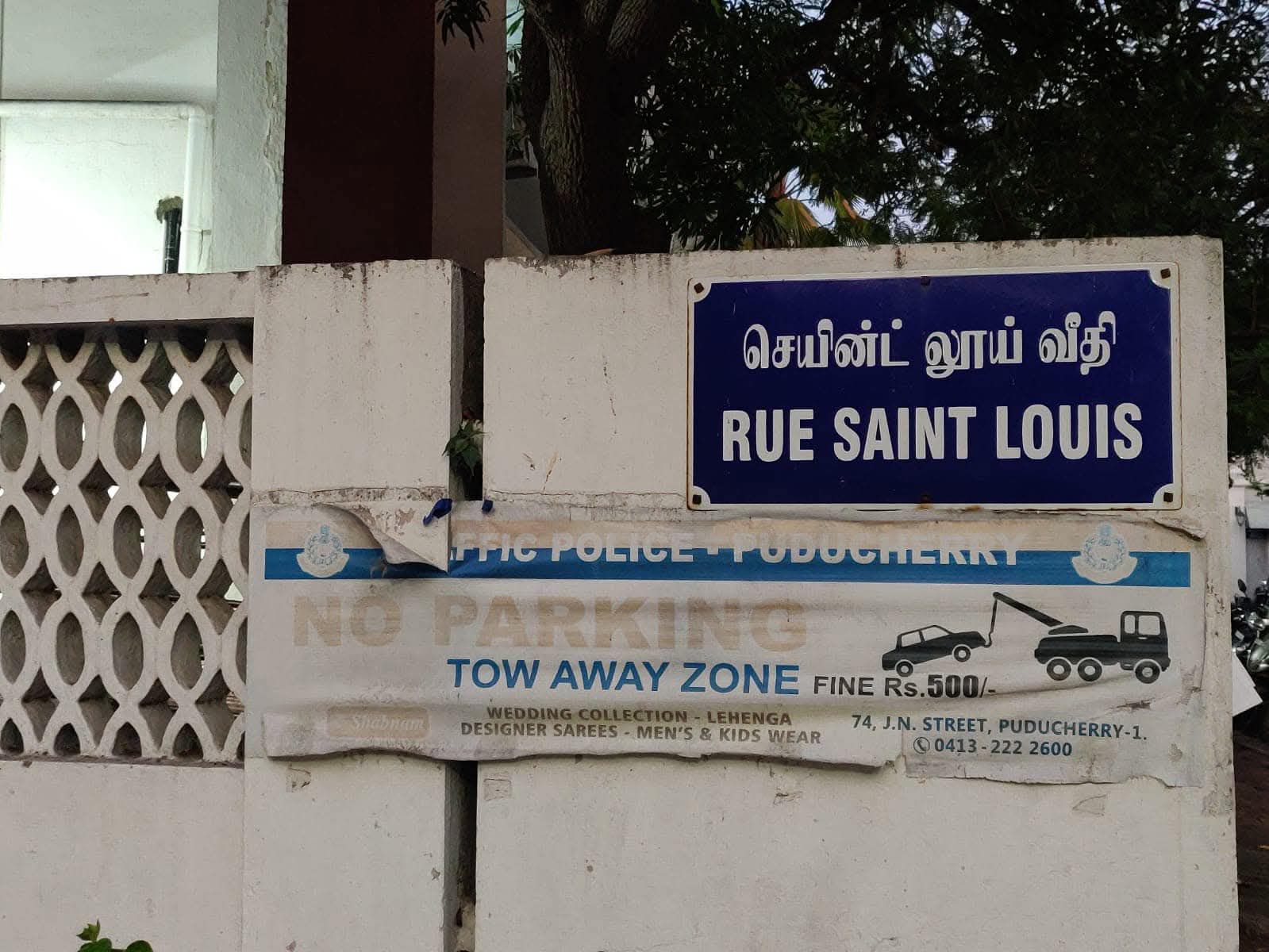
This isn’t just symbolic. Government gazettes and official notices still come out in French. Street signs throughout the former French Quarter display both Tamil and French names. The Legislative Assembly permits debates in French, something you won’t find anywhere else in India.
In schools, the situation gets even more interesting. French is taught as a first language in many educational institutions, creating generations of Puducherrians who speak fluent French without ever having set foot in France. The Lycée Français, established during colonial times, continues to follow the French curriculum and sends students to universities in France.
The language has become a practical advantage too. Tourism businesses leverage this linguistic heritage to attract French visitors, while local students find opportunities in translation, diplomacy, and international business.
What’s fascinating is how French has evolved here – it’s not identical to Parisian French. It’s developed its own local flavor, incorporating Tamil words and expressions, creating a distinct Puducherry French dialect that linguists find fascinating.
This language policy represents a deliberate choice to maintain cultural connections while moving forward as part of the Indian republic.
D. Economic transitions after French withdrawal
When the French packed up their colonial administration, they left behind an economy built around port activities, textile manufacturing, and civil service jobs. The transition wasn’t easy.
The initial years saw economic uncertainty as French subsidies dried up and trade patterns shifted. Many French businesses pulled out, leaving employment gaps. Puducherry had to reinvent its economic identity.
By the 1970s, a new direction emerged. The territory leveraged its unique status to establish special economic incentives that mainland states couldn’t offer. Lower taxes, simplified regulations, and subsidized electricity attracted industries from across India.
The textile sector expanded beyond traditional handloom products to include modern manufacturing. Tourism emerged as a major economic driver, with visitors drawn to the territory’s colonial architecture, beaches, and spiritual centers like Auroville.
Here’s what the economic transformation looked like:
The special excise policies made Puducherry famous for another reason – significantly cheaper alcohol prices compared to neighboring Tamil Nadu, creating a whole cross-border shopping economy.
Today’s Puducherry economy represents a successful blend of traditional industries, tourism, education, and modern manufacturing – a far cry from its colonial economic structure but still influenced by its French heritage.
Cultural Legacy of French Rule in Modern India
A. Architectural influences and urban planning
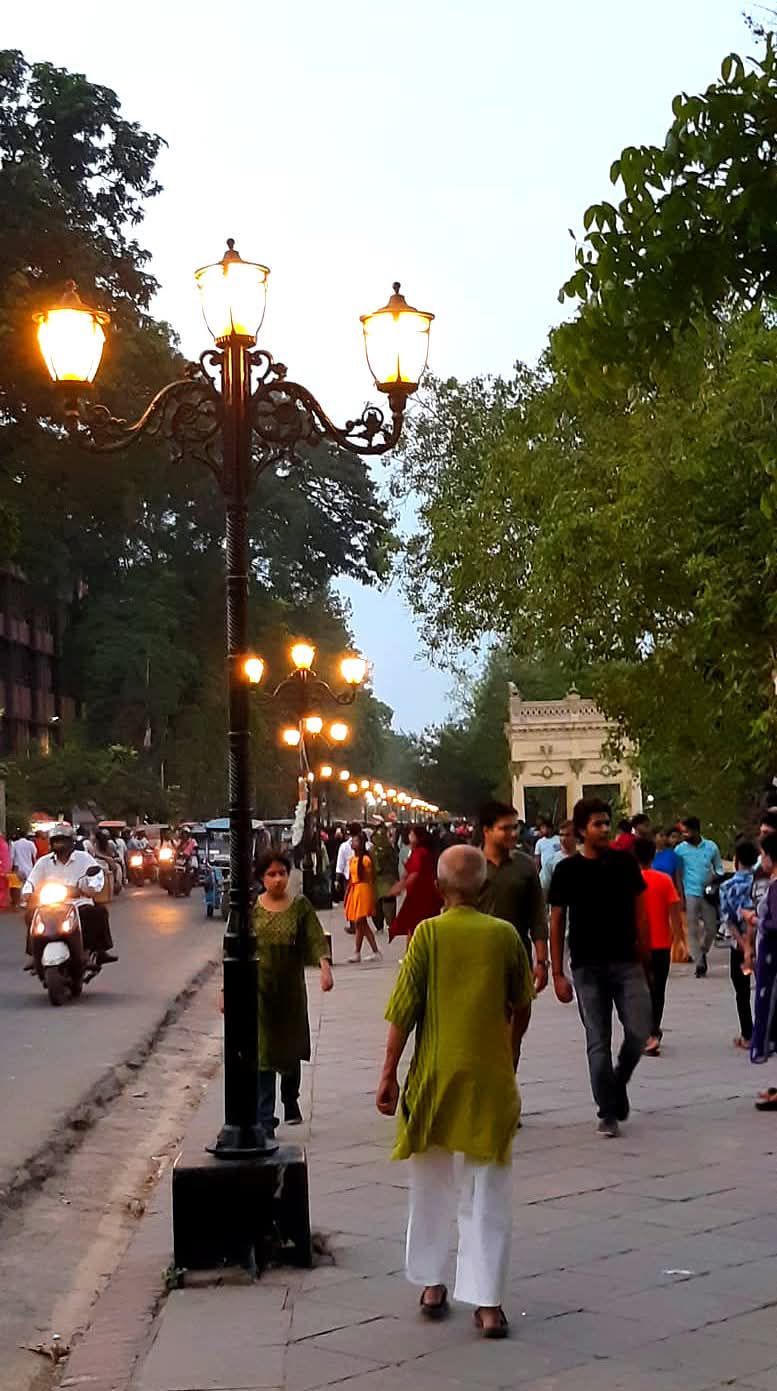
Walk through Pondicherry’s White Town district today, and you’d swear you’ve somehow teleported to a quaint French provincial town. Those yellow-washed colonial buildings with their ornate iron balconies and bougainvillea-draped walls? Pure French charm that’s stood the test of time.
The French didn’t just build random structures – they created a whole urban blueprint that survives today. The grid pattern of streets in the French Quarter is something you simply don’t find in traditional Indian cities. Wide boulevards, tree-lined avenues, and that famous beachfront promenade (now Goubert Avenue) show how French urban planning shaped the city’s very bones.
What’s fascinating is how the architecture here created a distinct “dual city” setup. The French Quarter (White Town) with its European aesthetic sits right beside the Tamil Quarter (Black Town) with its traditional Tamil architecture. It’s like two worlds coexisting side by side.
Even the street names tell the story – many still carry their original French names alongside Tamil ones. Rue Suffren, Rue Dumas, Rue Labourdonnais – walking down these streets feels like stepping through living history.
B. Educational institutions and French language presence
French isn’t just some foreign language in former French territories – it’s woven into the cultural fabric. The Lycée Français de Pondichéry, established in 1826, still operates as a premier educational institution following the French curriculum. Students graduate with diplomas recognized by the French government!
The Alliance Française network thrives across former French territories, especially in Pondicherry where it’s become a cultural hub. They don’t just teach language – they host film screenings, art exhibitions, and cultural exchanges that keep Franco-Indian connections vibrant.
French language education has created a unique linguistic landscape. Stroll through the French Quarter and you’ll hear Tamil, English, and French conversations flowing seamlessly. Many locals, especially older generations, speak French with remarkable fluency – a living connection to their colonial past.
The École Française d’Extrême-Orient continues scholarly research on Asian civilizations from its Pondicherry center, preserving ancient manuscripts and promoting academic exchange between India and France.
C. Indo-French cuisine and culinary traditions
The food scene in former French territories is a delicious identity crisis – in the best possible way. Local chefs took French cooking techniques and married them with Indian spices and ingredients, creating something entirely new.
You haven’t lived until you’ve tried Pondicherry’s seafood. The French obsession with fresh fish combined with Tamil coastal traditions gives you dishes like meen puyabaisse – a spicy Indian twist on the classic French bouillabaisse that’ll blow your mind.
Bakeries in Pondicherry aren’t just businesses – they’re institutions. Places like Baker Street and Auroville Bakery create croissants and baguettes that would make a Parisian proud, alongside Indian sweets and savories. That morning ritual of coffee and fresh bread? Pure French influence.
The restaurant scene reflects this beautiful culinary collision. Spots like Villa Shanti and Le Dupleix serve fusion dishes where French techniques meet Indian flavors – think coriander-infused béarnaise sauce or curry leaf-flecked ratatouille.
D. Religious syncretism and its manifestations
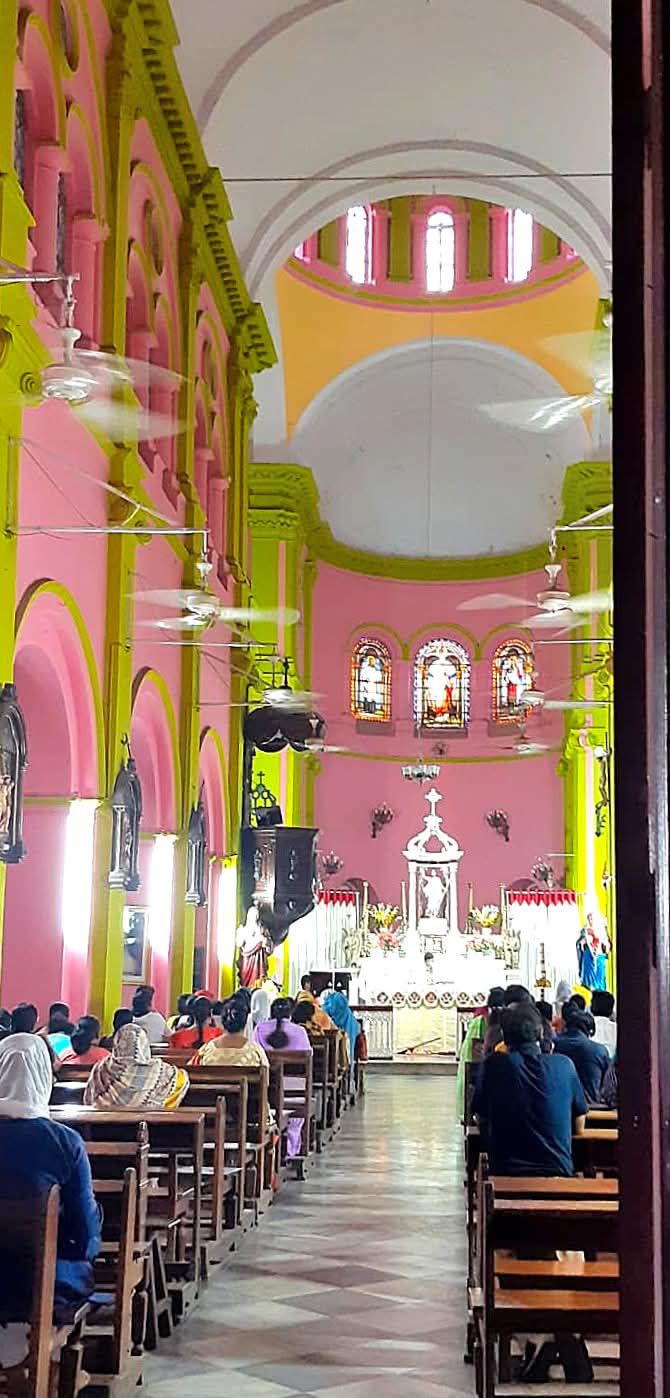
Religious life in former French territories shows fascinating blends of European Catholicism and Indian traditions. The Sacred Heart Basilica in Pondicherry might look structurally European, but step inside during festivals and you’ll see Catholic rituals infused with distinctly Tamil cultural elements.
Churches here developed their own unique identity. The Notre Dame des Anges church conducts services in French, Tamil, and English, with architectural elements blending Gothic and Tamil styles. During processions, you’ll see Catholic saints carried alongside garlands and offerings typical of Hindu traditions.
The Immaculate Conception Cathedral stands as the mother church of the Archdiocese of Pondicherry and Cuddalore. Built in the 1790s, its annual feast attracts pilgrims from across religious backgrounds – Catholics, Hindus, and Muslims participating together in celebration.
This religious coexistence extends beyond buildings. Many families practice a form of folk Catholicism that incorporates elements of Hindu ritual traditions, creating a unique spiritual landscape found nowhere else in India.
E. Tourism centered around French colonial heritage
Tourism in former French territories isn’t just a business – it’s identity preservation in action. The government markets Pondicherry specifically as a “piece of France in India,” drawing visitors seeking something different from typical Indian tourism.
Heritage walks have become the hottest ticket in town. Local guides lead visitors through the French Quarter, pointing out architectural details and sharing stories of colonial life that bring the past vividly to life. These aren’t just tours – they’re living history lessons.
Annual events like Bastille Day celebrations and the International Yoga Festival blend French cultural elements with Indian traditions, creating unique tourism draws. The Pondicherry Heritage Festival showcases colonial architecture, cuisine, and performing arts, attracting culture vultures from around the world.
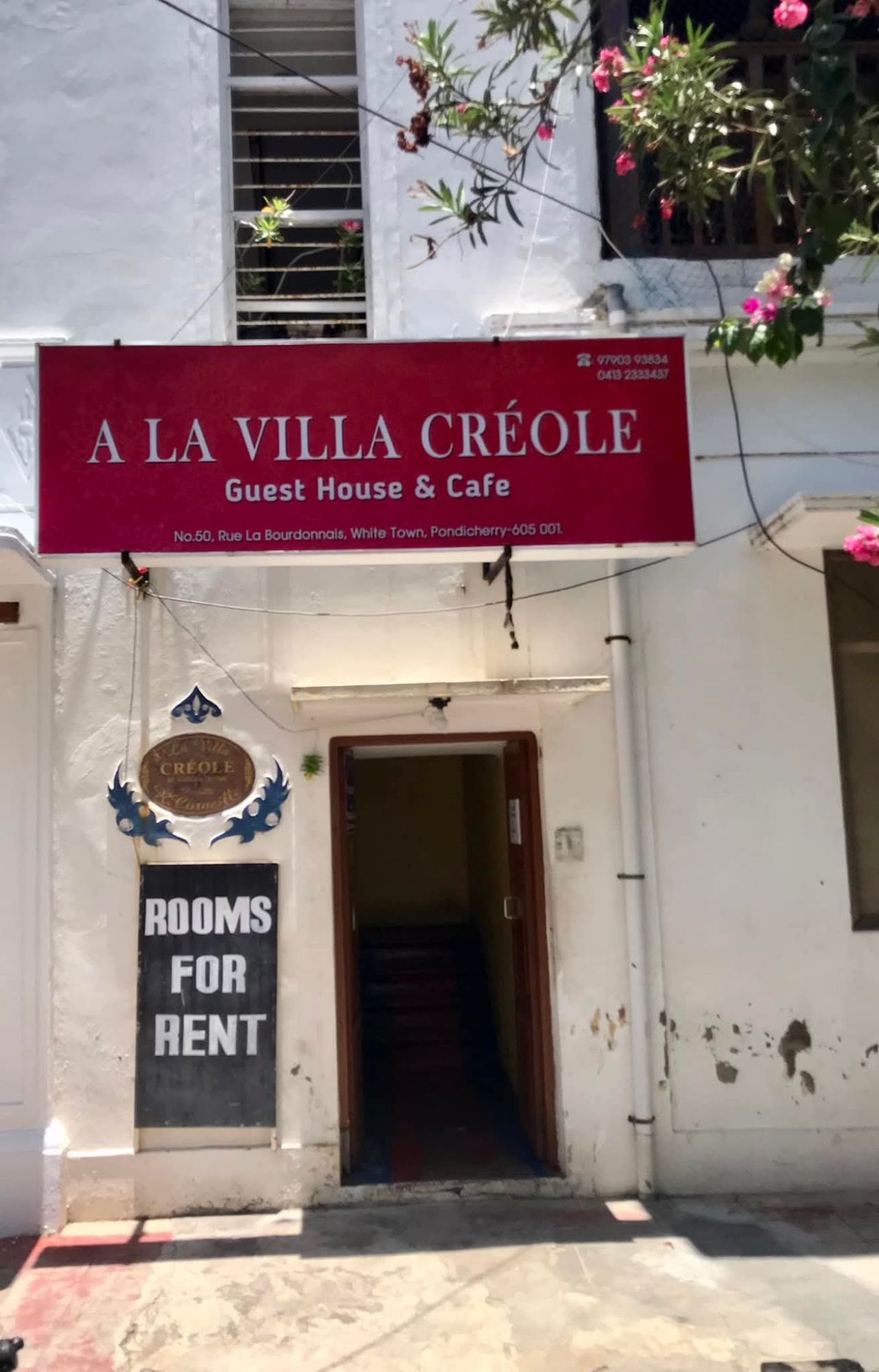
Boutique hotels have transformed colonial buildings into luxury accommodations. Places like La Villa, Hotel de l’Orient, and Le Pondy offer guests the chance to actually live in these historic spaces, creating immersive heritage experiences that go beyond superficial tourism.
Modern Indo-French Relations Shaped by Colonial History
A. Diplomatic ties and strategic partnerships
The relationship between India and France isn’t just another diplomatic connection—it’s a living testament to their complex shared history. When the French handed over their colonies in 1954, instead of a complete rupture, it created an unexpected foundation for modern collaboration.
Today, their strategic partnership spans defense, space, nuclear energy, and counterterrorism. The 1998 Strategic Partnership agreement marked a turning point, significantly deepening ties beyond the ceremonial. France stood by India during nuclear tests when others imposed sanctions, proving itself a reliable ally when it counted most.
What makes this relationship unique is how France consistently supports India’s bid for permanent membership in the UN Security Council. Their joint naval exercises in the Indian Ocean reflect mutual concerns about China’s growing influence in the region.
B. Educational and cultural exchange programs
Walk through Pondicherry today and you’ll spot French schools, research institutes, and cultural centers that aren’t just remnants of the past—they’re active bridges between cultures.
The Alliance Française network operates in 15 Indian cities, teaching French to over 30,000 students annually. Meanwhile, thousands of Indian students choose France for higher education each year.
These aren’t just academic exchanges. The joint film productions, art exhibitions, and literary festivals create a two-way cultural highway. The annual Bonjour India festival transforms multiple Indian cities into showcases of French innovation and culture, while Namaste France does the reverse in Paris.
C. Economic cooperation and investment opportunities
French businesses didn’t wait for formal invitations to enter the Indian market. They recognized potential early, leveraging historical connections to establish footholds.
France ranks among India’s top foreign investors, with over 1,000 French companies operating in India and generating 350,000+ jobs. Major players like Airbus, Dassault Aviation, and Thales dominate the aerospace and defense sectors, while L’Oréal, Michelin, and Renault have become household names.
The economic relationship continues evolving beyond traditional sectors into renewable energy, smart cities, and digital innovation. When Macron visited in 2018, both countries signed agreements worth $16 billion, highlighting how colonial history has transformed into mutually beneficial commerce.
D. Ongoing preservation efforts for shared heritage sites
The physical reminders of French presence aren’t gathering dust—they’re being carefully preserved through joint efforts.
The most visible success story is Pondicherry’s French Quarter, where meticulous restoration has transformed colonial buildings into boutique hotels, restaurants, and cultural spaces. The yellow-and-white facades along the promenade aren’t just Instagram backdrops—they represent living history that generates tourism revenue.
In Chandernagore, the restoration of the French colonial registry office symbolizes this collaborative approach. India and France jointly fund these projects through specialized heritage conservation programs, recognizing that these sites represent their intertwined histories.
Beyond buildings, there’s growing interest in preserving intangible heritage—the Indo-French fusion cuisine, linguistic influences, and artistic traditions that evolved during the colonial period and continue to evolve today.
The story of French India presents a unique historical narrative distinct from British colonial territories in the subcontinent. While most of India gained independence in 1947, French territories underwent a more gradual transition, with Pondicherry and other enclaves maintaining their status until the de facto transfer in 1954 and final de jure handover in 1962. This delayed integration created a distinctive cultural identity that persists in present-day Union Territories like Puducherry, where French architectural influences, administrative systems, and linguistic heritage continue to shape local life.
Today, this colonial legacy serves as a foundation for the special relationship between India and France. From defense partnerships to cultural exchanges, the shared history has evolved into meaningful diplomatic ties that benefit both nations. As we reflect on this unique historical journey, we’re reminded how complex colonial transitions can result in rich cultural tapestries and constructive international relationships when managed thoughtfully. Puducherry stands as living testimony to how colonial heritage can be preserved while allowing a territory to forge its own distinctive identity within the larger Indian nation.
