
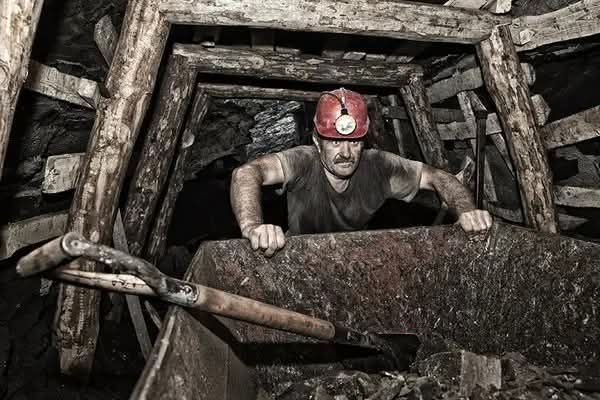
Ever noticed how there’s a never-ending stream of tech job openings, but somehow your plumbing emergency still costs $200 an hour? That’s not coincidental.The dirty little secret of today’s job market is that while everyone’s chasing clean hands and corner offices, essential dirty work remains stubbornly in demand.For business owners struggling with hiring, understanding the shifting demand for physically demanding, unpleasant, or dangerous jobs could be your competitive advantage.The modern labor market has created a fascinating paradox where dirty work commands premium pay yet faces persistent worker shortages. Companies are reimagining these roles through technology, better compensation, and creative recruiting.But here’s the question keeping CEOs up at night: how do you attract reliable talent to jobs nobody seems to want?
Understanding “Dirty Work” in Today’s Job Market
Defining what constitutes dirty work professions
- Physically dirty: Garbage collectors, septic tank cleaners, and janitors
- Socially tainted: Prison guards, debt collectors, and telemarketers
- Morally dubious: Payday loan officers, tobacco executives, and gambling operators
Most dirty work jobs share common traits: they involve tasks others don’t want to do, expose workers to unpleasant substances or situations, and typically receive social stigma despite being absolutely necessary for society to function.
Current statistics on demand for essential but undesirable jobs
The pandemic revealed something crucial: many of these “undesirable” jobs are actually essential. When lockdowns happened, garbage collectors couldn’t work from home.Recent labor market data shows:
Companies in these industries report persistent staffing shortages despite offering increasingly competitive wages.
Economic factors driving the dirty work sector
The dirty work economy operates on a simple principle: when nobody wants to do something necessary, pay goes up.Several economic forces are supercharging this sector:
- Aging infrastructure – America’s pipes, sewers, and waste systems are crumbling, creating massive demand for maintenance workers.
- Environmental regulations – Stricter rules mean more specialized hazardous waste handlers and environmental remediation pros.
- Demographic shifts – Younger workers typically avoid these careers, creating labor shortages as older workers retire.
- Automation resistance – Many dirty jobs involve complex environments robots can’t navigate. A sewer inspection requires human judgment that AI can’t replicate.
- Wage competition – Employers must offer increasingly attractive compensation packages, with some entry-level positions now starting at $25/hour plus benefits.
The irony? As society gets “cleaner” with technology, the need for dirty work specialists only increases.
Societal attitudes toward dirty work
We’re a walking contradiction when it comes to dirty work.We desperately need these services but look down on the people who provide them. The garbage collector gets sideways glances despite performing one of society’s most essential functions.Research shows three common reactions to dirty workers:
- Stigmatization – Subtle and overt social distancing from those in “unclean” professions
- Invisible workforce syndrome – We prefer not to see or acknowledge dirty workers
- Assumed intelligence bias – False assumption that people do dirty work because they lack skills for “better” jobs
These attitudes create real consequences. Workers report feeling socially isolated, experiencing discrimination in housing markets, and facing challenges in dating.The narrative is slowly changing, though. Shows like “Dirty Jobs” with Mike Rowe have highlighted the skill and dignity in these professions. The pandemic temporarily elevated essential workers to “hero” status.Real change requires acknowledging an uncomfortable truth: societal comfort depends entirely on people willing to do work most of us actively avoid.

High-Demand Dirty Work Sectors
A. Waste management and sanitation careers
The dirty truth? Garbage doesn’t collect itself. Waste management careers are booming because, well, humans keep making trash.These jobs typically offer solid pay with minimal education requirements. Garbage collectors can earn $40,000+ annually with just a high school diploma. Landfill operators and recycling specialists often make even more.Job security? Rock solid. Economic downturns don’t slow down trash production. People always need their garbage handled, making these positions virtually recession-proof.Plus, many waste management positions come with government benefits since they’re often municipal jobs. Think healthcare, retirement plans, and paid time off.Demand for dirty work in the jobs

B. Industrial cleaning and hazardous material handling
Ever wonder who cleans up chemical spills or scrubs industrial equipment? These specialized cleaners aren’t using your average household products.Hazmat workers can pull in $45,000-$70,000 yearly, with supervisors making six figures. The catch? You’ll need proper certification and training to handle dangerous substances.The demand is skyrocketing as regulations get stricter and more facilities need professional decontamination. Companies can’t just hire anyone—they need certified pros.Crime scene cleaners—a specialized subset—make $35-80 per hour. Gruesome? Yes. Necessary? Absolutely.
C. Slaughterhouse and meat processing positions
Someone has to turn livestock into those neatly packaged meats in grocery stores.Slaughterhouse workers typically earn $25,000-$35,000 annually. The work is physically demanding, repetitive, and fast-paced—processing lines can handle thousands of animals daily.High turnover creates constant job openings. Many facilities now offer sign-on bonuses, healthcare, and competitive wages to attract workers.The psychological toll is real—not everyone can handle this environment day after day. But for those who can, stable employment awaits.
D. Sewer and wastewater treatment operations
Underground heroes keep our water systems functioning. Wastewater operators ensure what goes down your drain doesn’t pollute the environment.Entry-level technicians make around $35,000-$45,000, while senior operators with certifications can earn $70,000+. Many positions require only a high school diploma plus specialized training.As infrastructure ages across America, demand for these workers is surging. Cities are desperately seeking qualified professionals to maintain and upgrade aging systems.The work isn’t glamorous—confined spaces, unpleasant odors, and sometimes hazardous conditions come with the territory.
E. Death care industry jobs
The funeral industry remains steadily in demand for obvious reasons.Funeral directors average $55,000-$75,000 annually, while embalmers typically earn $40,000-$60,000. Many positions require specialized education or apprenticeships.Crematory operators, cemetery groundskeepers, and mortuary assistants fill essential roles with varying educational requirements and competitive pay.The emotional intelligence required is substantial—you’re dealing with families on their worst days. But many professionals find deep meaning in helping people through grief.With an aging population, this industry faces a workforce shortage. Mortuary schools report they can’t graduate students fast enough to meet demand.
Financial Incentives in Dirty Work Professions
Surprising Salary Potential in Stigmatized Occupations
Think dirty jobs pay peanuts? Think again.Garbage collectors in major cities often pull in $60,000-$80,000 annually, with some veteran sanitation workers in NYC breaking the $100,000 barrier. Wild, right?Crime scene cleaners—those brave souls who handle what nobody else wants to—typically earn $35-$80 per hour. That’s potentially $150,000+ yearly if they’re willing to be on call.Sewer inspectors might wade through the worst conditions imaginable, but they’re compensated accordingly—often earning $70,000+ with overtime opportunities galore.The pattern’s pretty clear: society pays a premium for the jobs most people run from.
Compensation Trends and Hazard Pay Structures
The dirty little secret about dirty jobs? They come with serious financial perks beyond the base salary.Most physically demanding and hazardous positions operate on a premium pay scale:
- Night differential: 10-15% pay bump
- Weekend premiums: Additional $50-200 per shift
- Hazard pay: 25-35% increase when handling dangerous materials
Oil rig workers demonstrate this perfectly. Entry-level roughnecks start around $50,000 but quickly climb to six figures with experience. Their compensation structure typically includes:
Benefits Packages Unique to Difficult Work Environments
Dirty jobs don’t just pay better—they often come with benefit packages that would make corporate types jealous.Many waste management companies offer comprehensive healthcare with zero employee contribution. When was the last time you heard of that?Retirement benefits typically kick in earlier than standard jobs. Many dirty work professions allow retirement with full pension after 20-25 years—meaning workers can start second careers while still in their 40s.Companies in these industries also frequently offer:
- Extended disability coverage (obvious reasons)
- Death benefits 3-5x higher than standard positions
- Education allowances for children
- Extended paid time off (often 4-6 weeks annually)
- Free life insurance policies
The psychological toll gets factored in too. Many employers provide mental health resources, counseling services, and additional personal days to decompress from the strain of consistently challenging work environments.
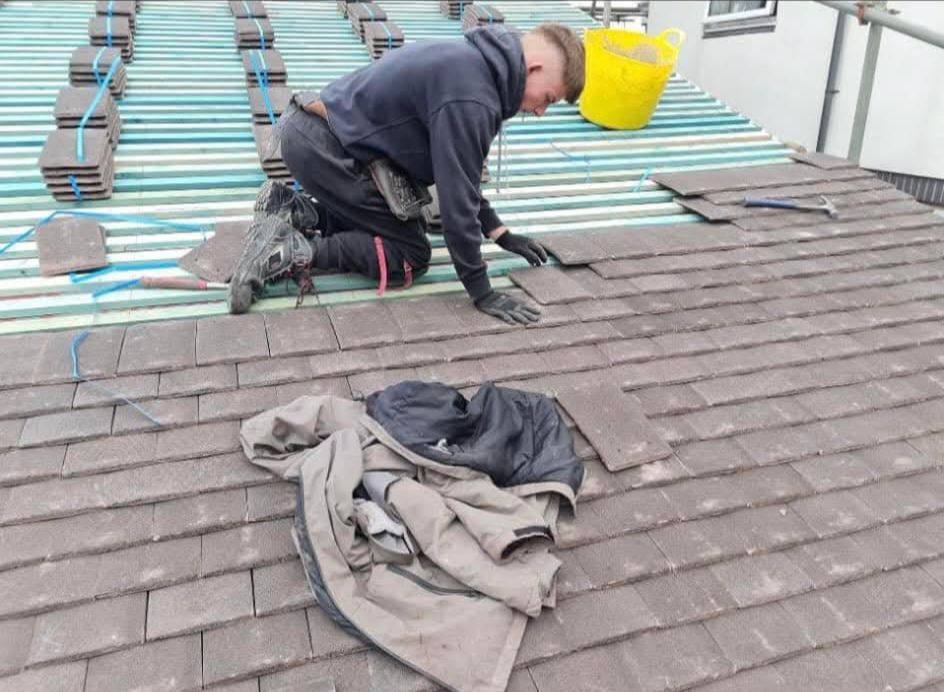
The Psychological Impact of Performing Dirty Work
A. Identity management strategies among workers
Garbage collectors, morticians, and sewer workers don’t just clock in and out. They’re constantly playing mental gymnastics to maintain a healthy self-image while doing work others wrinkle their noses at.Most dirty workers use what psychologists call “reframing” – they flip the script on their job’s negative aspects. A slaughterhouse worker might focus on “feeding America” rather than animal processing. Others employ “occupational ideologies” – systems of beliefs that transform the meaning of their work. Crime scene cleaners often see themselves as bringing order to chaos or providing crucial support to grieving families.Some workers create distance between themselves and their occupation: “I clean toilets, but that’s not who I am.” Others do the opposite, fully embracing their dirty work identity and wearing it as a badge of honor. Ever notice how some sanitation workers call themselves “waste management professionals”? That’s not just fancy talk – it’s identity protection in action.The most successful dirty workers develop what researchers call “defensive othering” – distinguishing themselves from negative stereotypes by highlighting their professionalism, specialized knowledge, or ethical standards.
B. Coping with social stigma and occupational taint
The sideways glances. The sudden conversation shifts when you mention what you do. The “I could never do that” comments. Social stigma hits dirty workers from all angles.Workers in stigmatized jobs develop thick skin—fast. Many adopt humor as their shield. Morticians are notorious for their dark jokes, which serve as both stress relief and boundary markers between insiders who “get it” and outsiders who don’t.Some cope by compartmentalizing, keeping work and personal life strictly separated. Others become selective about when and how they disclose their occupation. A pest controller might simply say “I work in residential services” at a dinner party to avoid the inevitable bug stories.Many dirty workers find strength in defiance, developing a “someone’s gotta do it” mentality that emphasizes the essential nature of their work. They transform social rejection into pride by focusing on their contribution to society’s functioning.Some even turn the tables completely, developing counter-narratives that question who’s really doing the “dirty” work. As one sanitation worker put it: “I may pick up trash, but at least I’m not creating it like those Wall Street guys.”
C. Building professional pride in essential but undesirable roles
Professional pride doesn’t just happen in corner offices and surgical suites. It thrives in sewers, crime scenes, and slaughterhouses too.Dirty workers develop intense pride through mastering technical skills others don’t have. Septic tank cleaners, for instance, pride themselves on their specialized knowledge of complex waste systems. There’s genuine satisfaction in solving problems others can’t (or won’t) touch.Many find meaning by focusing on the greater purpose. Meat processors see themselves as feeding nations. Janitors take pride in creating safe, clean environments for others. Funeral directors help people through life’s most difficult moments.This isn’t just feel-good talk—it’s survival. When society undervalues your contribution, self-valuation becomes critical. Many dirty workers develop what psychologists call “refocusing” – shifting attention from how others see their work to how they themselves view it.Some organizations actively foster this pride through formal recognition, specialized training programs, and career advancement opportunities. Smart managers of dirty work operations understand that acknowledging skill and contribution directly counters societal devaluation.
D. Community formation among dirty work professionals
There’s nothing like shared struggle to forge tight bonds. Dirty workers don’t just clock in together—they defend each other against a world that often misunderstands their value.These communities develop their own languages, rituals, and traditions. Garbage collectors have elaborate signaling systems. Morticians share specialized gallows humor. Slaughterhouse workers develop unique terminologies that both facilitate work and buffer psychological impact.These tight-knit communities serve multiple functions. They provide emotional support when public interactions turn sour. They offer practical knowledge-sharing that can’t be found in textbooks. And perhaps most importantly, they validate experiences that outsiders simply cannot understand.Digital platforms have transformed these communities. Facebook groups, subreddits, and specialized forums allow dirty workers to connect across geographic boundaries. A sewer worker in Seattle can now share techniques with counterparts in Sydney.The most powerful aspect of these communities is their ability to collectively redefine what their work means. Together, they construct counter-narratives that challenge societal stigma and reinforce the essential nature of their contributions. In these spaces, dirty work isn’t just tolerated—it’s celebrated.
The Future of Dirty Work
Automation potential and technological impacts
The dirty work world is getting flipped on its head by robots and AI. Garbage collection? There are now trucks with mechanical arms that grab bins without a human leaving the cab. Sewage work? Remote-controlled robots are already crawling through pipes doing inspections.But don’t panic just yet. These jobs aren’t disappearing overnight.Truth is, many dirty jobs have what engineers call “high manipulation variability” – fancy talk for “robots still suck at handling unpredictable situations.” A machine might excel at repetitive tasks in perfect conditions, but throw in a twisted piece of metal or an unusual blockage, and human judgment becomes irreplaceable.The numbers tell the story:
The real future isn’t robots stealing jobs – it’s technology making dirty jobs less dangerous and more efficient. Exoskeletons helping sanitation workers lift heavy loads. Drones inspecting sewage systems. AI identifying hazards before humans encounter them.The smartest companies aren’t trying to replace their dirty workforce – they’re augmenting them with tech that makes the work safer, more productive, and yes, maybe even a little less dirty.
Immigration policies affecting the labor supply
Immigration policies are reshaping dirty work industries faster than you might realize. These sectors have historically relied on immigrant labor – sometimes up to 35% of the workforce in areas like meat processing, agricultural labor, and cleaning services.When immigration tightens, labor shortages hit hard. After immigration crackdowns, some meat processing plants saw turnover rates skyrocket to 96% annually. That’s basically replacing their entire workforce every year!The math just doesn’t add up when policies restrict labor flow:
What’s fascinating is how regions with more flexible immigration approaches maintain more stable dirty work economies. When California expanded protections for undocumented workers in agriculture, productivity stayed higher than in states with stricter enforcement.The dirty secret? Without immigrant labor, many dirty work industries would collapse overnight. Companies are caught between political pressures and operational realities, often lobbying for immigration reform behind the scenes while publicly staying neutral.The coming decade will force a reckoning: either policies adapt to labor market realities, or these industries will face fundamental restructuring, likely through accelerated automation or significant price increases.
Educational initiatives and recruitment challenges
Vocational schools are making a comeback, but they’re fighting an uphill battle. Enrollment in trade programs for plumbing, waste management, and other dirty work fields dropped 31% between 2000-2020. Meanwhile, job openings keep climbing.The disconnect is obvious when you look at the numbers:
Parents still push college despite mountains of evidence showing many dirty work careers outpay office jobs. A master plumber with 10 years’ experience can easily clear $100K while many college grads struggle with half that and student debt.Some innovative programs are finally turning the tide. Pennsylvania’s “Dirty Jobs, Clean Money” initiative brought trade professionals into high schools, resulting in a 42% jump in apprenticeship applications. The message resonates when delivered authentically.Community colleges partnering with industry are seeing the best results. When employers guarantee interviews or offer paid training, enrollment spikes. Milwaukee’s trade partnership program saw applications triple when they added a $2,000 completion bonus and job placement assistance.The schools winning this battle aren’t just teaching technical skills – they’re rebuilding the dignity and respect these professions deserve.
Rebranding efforts to attract new generations of workers
Dirty work is getting a serious image makeover. Companies realized calling something a “dirty job” is marketing suicide with younger workers.Waste management companies now brand themselves as “environmental services” or “resource recovery specialists.” Slaughterhouses became “protein processing facilities.” Sewer workers? They’re now “underground infrastructure technicians.”Eye-roll worthy? Maybe. Effective? Absolutely.Check out these before-and-after rebrandings:
Beyond just fancy titles, smart companies are highlighting what actually matters to younger workers: environmental impact, technology integration, and career advancement.Republic Services saw applications jump 63% after their “Sustainability Champions” campaign showed how waste workers prevent pollution. Roto-Rooter’s TikTok showing high-tech sewer equipment went viral with 12 million views.The companies winning the talent war aren’t hiding the dirt – they’re reframing it as meaningful work. They showcase the problem-solving aspects, the environmental benefits, the teamwork, and yes, the surprisingly good money.Young workers don’t mind getting dirty. They just want to know why the dirt matters.The job market’s increasing demand for “dirty work” reflects our society’s essential needs, despite these roles often being stigmatized or overlooked. From waste management to crime scene cleanup, these high-demand sectors offer surprising financial incentives that frequently surpass compensation in more socially prestigious positions. Workers in these fields must navigate complex psychological challenges, including social stigma and emotional labor, yet many find deep meaning and purpose in their contributions.As technology evolves, many dirty work professions will transform rather than disappear. While automation may handle certain tasks, the human elements of empathy, judgment, and adaptability remain irreplaceable in these crucial roles. For job seekers willing to overcome initial discomfort, these careers offer stable employment, competitive compensation, and the satisfaction of providing truly essential services to society. Perhaps it’s time we reconsider our perception of “dirty work” and recognize these occupations for what they truly are: foundational to our communities’ functioning and wellbeing.
