
Ever scrolled through TV channels and wondered why female news anchors look like they’re auditioning for a beauty pageant while their male counterparts can rock a receding hairline with confidence? That’s just the tip of the iceberg when it comes to women’s role in media in India.I’m about to break down how Indian media simultaneously worships and diminishes its women – from Bollywood’s item numbers to newsroom gender politics.This isn’t just another feminist rant. It’s about understanding how media shapes what millions of Indians think about gender roles every single day.And before you ask if things are really that bad in 2023 – wait until you see the numbers behind who actually controls what you’re watching. They’ll surprise you.
Historical Evolution of Women in Indian Media
Breaking Barriers: Pioneering Women Journalists
The story of women in Indian media begins with trailblazers who refused to accept the status quo. In 1887, Kadambini Ganguly and Chandramukhi Basu became the first female graduates in the British Empire, opening doors for women in professional fields. But journalism? That was still considered “no place for a lady.”Then came Homai Vyarawalla in the 1930s – India’s first female photojournalist who captured everything from Gandhi’s funeral to India’s first flag hoisting. At a time when women barely stepped out alone, she was lugging heavy camera equipment to document history.Kamaladevi Chattopadhyay wrote fiery political columns while Frene Talyarkhan became the first woman sports commentator on All India Radio in the 1940s. These weren’t just “women journalists” – they were journalists, period. And damn good ones.
Transition from Print to Electronic Media
The 1970s brought television to Indian homes, and with it, new opportunities. When Doordarshan launched, women like Komal GB Singh and Salma Sultan became household names. Their voices and faces entered living rooms nationwide, challenging perceptions about women’s roles.Radio wasn’t far behind. Women announcers on Vividh Bharati and All India Radio developed loyal followings. Their distinctive voices broke the male monopoly on broadcasting.The 1990s satellite TV explosion created unprecedented opportunities. Suddenly, Barkha Dutt was reporting from Kargil’s frontlines, and Nalini Singh’s “Aankhon Dekhi” was tackling social issues head-on.
Growth in Media Ownership
Women didn’t just want to report the news – they wanted to own it. Rama Bijapurkar and Shobhana Bhartia blazed trails in media management and ownership.When Shobhana Bhartia took over Hindustan Times in the 1980s, the idea of a woman running a major newspaper was revolutionary. Today, she’s among the most influential media figures in the country.The digital revolution created even more pathways. Women launched independent media ventures without needing massive capital investment. Suddenly, founders like Shaili Chopra (SheThePeople) and Faye D’Souza could create platforms centering women’s voices and concerns.
Impact of Economic Liberalization on Women’s Media Presence
The 1991 economic reforms transformed India’s media landscape. Foreign investment poured in, new publications launched, and television channels multiplied. This expansion created unprecedented opportunities for women journalists.Private news channels needed fresh talent and were less bound by traditional gender expectations. Women grabbed these opportunities. Names like Barkha Dutt, Rajdeep Sardesai, and Nidhi Razdan became synonymous with hard-hitting journalism.The advertising boom following liberalization also changed how media portrayed women. Female consumers became valuable targets, leading to more women-focused content and, consequently, more women creators.International media houses entering India brought different workplace cultures. Many had stronger gender equality policies, pushing domestic organizations to improve their own practices. Competition for talent meant news organizations could no longer ignore qualified women.
Current Representation and Visibility
A. Statistical Analysis of Women in Newsrooms
The numbers tell a stark story. Women make up just 26.3% of leadership positions in Indian newsrooms according to a 2022 Media Equity Report. Even more troubling? Only 11% of editor-in-chief positions belong to women across print, broadcast, and digital platforms.Look at regional language media and the picture gets worse – women representation drops to a dismal 17% overall. English-language outlets fare slightly better at 34%, but that’s hardly cause for celebration.Print media continues to be a boys’ club, with just 23% female journalists compared to television’s somewhat improved 37%. The pandemic made things worse – nearly 41% of women journalists faced job cuts or salary reductions versus 28% of their male counterparts.
B. On-Screen Presence in Television and Film
C. Leadership Positions and Decision-Making Roles
Power positions remain largely male domains. Of India’s top 10 media conglomerates, only one has a woman as CEO. Film production isn’t much better – women directed just 7.2% of the top 100 Hindi films released between 2018-2022.Behind the camera, women make up:
- 8% of directors
- 12.5% of producers
- 15% of screenwriters
- 4% of cinematographers
Women’s perspectives are systematically excluded from content creation, resulting in stories that often fail to reflect women’s lived experiences.
D. Gender Pay Gap in Media Industries
The wage gap is real and massive. Female actors in Bollywood typically earn 40-60% less than their male counterparts with equivalent experience and roles. Even top-tier actresses like Deepika Padukone and Priyanka Chopra reportedly earn just a fraction of what leading men command.In journalism, women earn approximately 27% less than men in comparable positions. This gap widens in senior roles, where the difference can reach up to 45%.Contract negotiations reveal another troubling pattern: women are more likely to receive short-term contracts with fewer benefits, creating financial insecurity that pushes many talented women out of the industry.
E. Digital Media Opportunities
Digital platforms have cracked open doors previously slammed shut. Independent digital news outlets like The News Minute and The Quint, both co-founded by women, employ significantly higher percentages of women journalists (48% and 43% respectively).Social media has become a powerful equalizer, allowing women to build audiences without traditional gatekeepers. YouTubers like Prajakta Koli and Mostly Sane have amassed millions of followers, creating content on their own terms.Podcasting shows similar promise, with women-led shows like “The Internet Said So” and “Maed in India” growing rapidly. These digital spaces provide both creative control and revenue opportunities previously unavailable in traditional media.But digital isn’t perfect. Online harassment disproportionately targets women journalists, with 76% reporting they’ve experienced threats or abuse related to their work.
Portrayal of Women in Indian Media
A. Evolution of Female Characters in Cinema
Remember when Bollywood heroines just danced around trees and waited to be rescued? Those days are fading fast.Indian cinema has come a long way since the submissive, one-dimensional female characters of the past. In the 1950s and 60s, women like Nargis in “Mother India” showed early glimpses of strength, but these were exceptions in a sea of stereotypes.The 80s and 90s saw women primarily as romantic interests or victims needing salvation. Think about it – how many films featured women with actual careers or ambitions beyond marriage?The real shift started in the 2000s. Films like “Queen,” “English Vinglish,” and “Pink” placed women at the center of their own stories. These weren’t just love interests – they were complex humans with dreams, flaws, and agency.Today’s actresses aren’t settling for decorative roles anymore. Performers like Vidya Balan, Kangana Ranaut, and Alia Bhatt demand substantial characters and aren’t afraid to tackle taboo subjects.But let’s not get too comfortable. For every “Thappad” addressing domestic violence, there are dozens of films still objectifying women or sidelining them to one-note characters.The journey continues, but at least we’re moving in the right direction.
B. Advertising Stereotypes vs. Progressive Campaigns
While regressive ads still exist, consumers are pushing back harder than ever. Social media has given women a voice to call out sexist messaging, forcing brands to think twice before perpetuating stereotypes.
C. News Coverage of Women’s Issues
The Indian media landscape tells a troubling story when it comes to reporting on women’s issues.Crime against women gets plenty of coverage—but often for all the wrong reasons. Sexual assault cases frequently devolve into sensationalized spectacles with graphic details, victim-blaming undertones, and minimal focus on the systemic issues at play.Headlines matter. Notice how often news reports say “woman raped” (passive voice) instead of “man rapes woman” (active voice)? This subtle framing shifts focus away from perpetrators and onto victims.Coverage of women in politics reveals similar biases. Female politicians face scrutiny about their appearance, marital status, and “likability”—questions their male counterparts rarely encounter. Remember when a female politician’s speech about economic policy got less coverage than her choice of sari?But positive shifts are happening:Women journalists are pushing back, creating spaces for nuanced reporting on gender issues. Publications like The Ladies Finger and Feminism In India provide platforms focused exclusively on women’s perspectives.The 2012 Delhi gang rape case marked a turning point in how media covered sexual violence, with more emphasis on consent, legal reforms, and societal change rather than lurid details.Digital media has democratized the conversation, allowing women to control their own narratives and challenge mainstream reporting that misrepresents them.
D. Reality TV and Women’s Image
Reality TV in India has a complicated relationship with women’s representation.On one side, shows like “Bigg Boss” and “Splitsvilla” often reduce women to catfight-prone competitors vying for male attention. The editing deliberately amplifies drama between female contestants while portraying men as level-headed mediators. The message? Women are emotional and unstable, men are rational decision-makers.The beauty standards promoted are equally problematic. From “India’s Next Top Model” to “Indian Idol,” female participants face relentless comments about their appearance that their male counterparts simply don’t experience.But there’s another side to this story.Reality shows have also provided platforms for women to showcase genuine talent and share authentic stories. “MasterChef India” has spotlighted talented home cooks, many of whom are women turning their previously undervalued domestic skills into professional opportunities.”Kaun Banega Crorepati” regularly features women from small towns breaking stereotypes and inspiring millions. When a rural woman wins big, it challenges perceptions about what’s possible.Dance reality shows like “Dance India Dance” have celebrated female dancers excelling in traditionally male-dominated styles, shifting perceptions of what constitutes “appropriate” expression for women.The impact on viewers is significant. When young girls see diverse female representation—women who are ambitious, intelligent, and multi-dimensional—it expands their sense of possibility.
Challenges Faced by Women Media Professionals
Workplace Harassment and Safety Concerns
The reality for women in Indian media is harsh. Female journalists frequently face sexual harassment, both in newsrooms and in the field. A 2022 survey revealed that 67% of women media professionals experienced some form of harassment, yet only 28% reported these incidents due to fear of retaliation.Online threats have escalated dramatically. Women covering politics or crime receive rape threats, death threats, and doxxing. Remember Barkha Dutt? When covering sensitive issues, she received over 5,000 abusive messages in a single week.Physical safety remains a constant worry. Female reporters covering protests or conflict zones face unique dangers their male counterparts don’t – groping in crowds, deliberate intimidation, and targeted violence.
Work-Life Balance Pressures
The demanding 24/7 news cycle hits women particularly hard. Unpredictable hours clash brutally with societal expectations that women remain primary caregivers.”I missed my daughter’s first birthday covering a political rally,” shares Priya Sharma, a television reporter. “My mother-in-law still brings it up at family gatherings.”Women in media face a painful double standard. They’re expected to be available for breaking news at 2 AM while simultaneously managing household responsibilities without complaint. Media organizations in India rarely offer:
- Flexible scheduling
- Childcare support
- Adequate maternity leave
- Return-to-work programs
Gender Bias in Assignments and Coverage
The bias is glaring. Women get pigeonholed into “soft” beats like lifestyle, entertainment, and health while men dominate politics, business, and sports desks.When Deepika Narayan broke into cricket commentary, social media erupted with comments questioning her knowledge rather than critiquing her analysis. This isn’t rare – it’s the norm.Pay disparities persist across the industry. Women earn approximately 27% less than male counterparts in equivalent positions. Advancement opportunities? Even more skewed. Only 13% of leadership positions in major Indian media houses are held by women.Editorial decisions often reflect male perspectives. Stories affecting women specifically – reproductive rights, domestic violence, childcare – get relegated to special segments rather than headline news.
Rural-Urban Divide in Media Access
The gap is enormous. Urban women may struggle for equal footing in media careers, but rural women often can’t even access basic media platforms.Digital literacy rates for rural women hover around 38% compared to 72% for urban women. This creates a dangerous information vacuum where their voices and stories rarely reach mainstream platforms.Language barriers compound the problem. English-dominated media excludes millions of women who communicate primarily in regional languages.Community radio initiatives show promise in bridging this gap. Projects like “Women’s Voice Radio” in Bihar have trained over 200 rural women in media production, creating locally relevant content by and for women.Without addressing these rural-urban disparities, any progress in women’s media representation remains incomplete and fundamentally exclusive.
Success Stories and Role Models
Award-Winning Journalists and Filmmakers
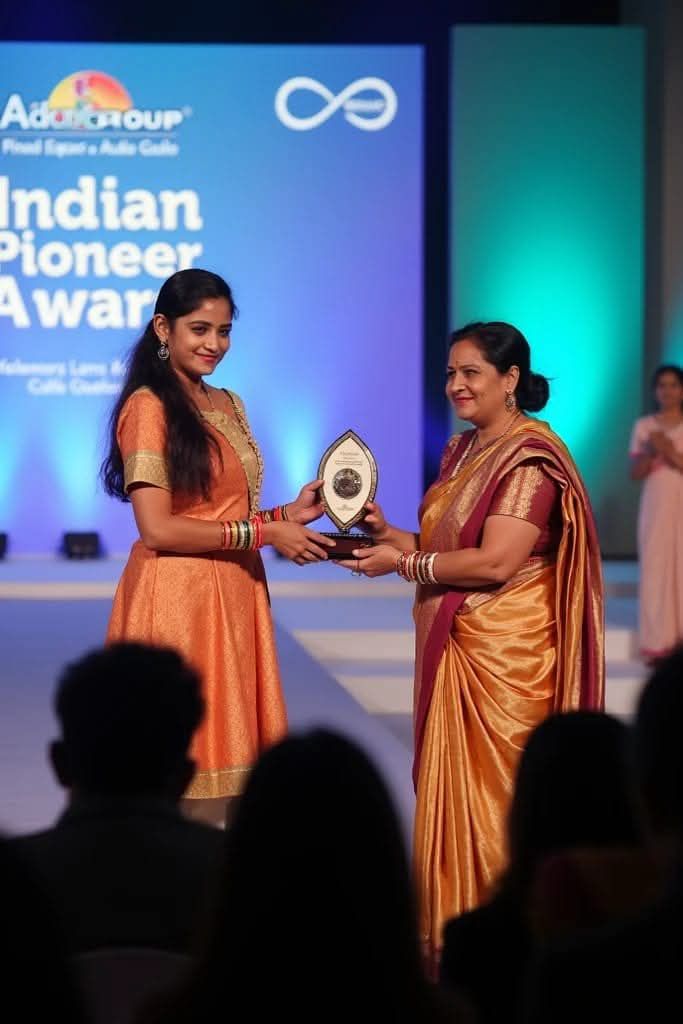
The Indian media landscape has been transformed by trailblazing women who’ve broken barriers and set new standards. Barkha Dutt became a household name during the Kargil War, reporting from the frontlines when female war correspondents were rare. Her courage under fire shattered stereotypes about women in journalism.Filmmaker Zoya Akhtar has redefined Bollywood storytelling with films like “Gully Boy” and “Made in Heaven,” bringing authentic female characters to screens across India. Her work doesn’t just entertain—it challenges social norms and starts conversations.Ever watched “Lipstick Under My Burkha”? Alankrita Shrivastava directed this game-changing film that censors initially refused to certify. She fought back and won, bringing women’s intimate stories to audiences despite resistance.
Women Media Entrepreneurs
Think starting a media company in India is tough? Try doing it as a woman. Radhika Roy co-founded NDTV, now one of India’s most respected news channels, in a time when women executives were practically invisible in broadcasting.Malini Agarwal (MissMalini) built a digital empire from scratch, turning her blog into a multi-platform entertainment network. She didn’t just join the digital revolution—she helped create it.Ekta Kapoor revolutionized Indian television through Balaji Telefilms. Love them or hate them, her shows dominated prime time and gave millions of Indian women characters they could relate to.
Influential Critics and Media Analysts
Women aren’t just creating content—they’re shaping how we understand it. Anupama Chopra’s film reviews carry weight that can make or break box office results. Her analytical approach to cinema has elevated film criticism in India.Media researcher Urvashi Butalia doesn’t just comment on media—she challenges it. Her research on gender representation has forced uncomfortable but necessary conversations in newsrooms across the country.Digital media analyst Faye D’Souza has emerged as a powerful voice explaining complex media issues to everyday Indians. Her straightforward analysis cuts through noise and helps viewers understand what really matters.
These women aren’t just successful—they’ve created pathways for the next generation in an industry that didn’t always welcome them.
Impact of Social Media Revolution
A. Democratization of Content Creation
The social media revolution has completely flipped the script for women in Indian media. Gone are the days when you needed connections at major networks or publications to be heard. Now? A smartphone and internet connection can turn any woman into a content creator.This shift has been nothing short of revolutionary. Women who were once sidelined by mainstream media gatekeepers are building massive followings on Instagram, YouTube, and Twitter. Take Prajakta Koli, who started as a radio intern but found her voice on YouTube as “MostlySane” with millions of subscribers. Or Kusha Kapila, who transformed from a content writer to a social media phenomenon.What makes this so powerful? Women are telling their own stories, in their own voices, without anyone filtering or editing their experiences. They’re covering everything from beauty and lifestyle to politics and social issues—topics that traditional media often pigeonholed “for women” or ignored entirely.
B. Online Activism and Awareness Campaigns
Remember when discussions about periods, sexual harassment, or mental health were whispered behind closed doors? That silence is breaking.Women-led hashtag movements have transformed awareness in India. #MeTooIndia exposed widespread sexual harassment across industries. The #SafetyPin campaign highlighted the urgent need for women’s safety in public spaces.What’s unique about these digital movements is how they connect women across geographical and social boundaries. A college student in Mumbai can join forces with a professional in Delhi and an activist in Kolkata.These campaigns work because they:
- Create safe spaces for sharing personal experiences
- Provide strength in numbers against backlash
- Transform individual stories into visible patterns of systemic issues
- Bypass traditional media’s reluctance to cover “controversial” women’s issues
C. Dealing with Cyberbullying and Trolling
The digital spotlight comes with a dark side. Women creating content or speaking out online face brutal trolling and harassment—often much worse than their male counterparts.The attacks get personal fast. Appearance, family, sexuality, religion—trolls target it all, especially when women discuss politics or challenge traditions. Female journalists like Barkha Dutt and Rana Ayyub face coordinated hate campaigns including death and rape threats simply for doing their jobs.Many women have developed resilience strategies:
- Building support networks with other women creators
- Using platform tools to filter toxic comments
- Creating boundaries around when and how they engage online
- Speaking publicly about harassment to normalize these conversations
- Working with digital rights organizations for policy changes
The sad truth? Many talented women silence themselves or leave platforms altogether when the abuse becomes overwhelming.
D. Independent Digital Platforms Led by Women
Tired of fighting for space in male-dominated media, Indian women are creating their own digital kingdoms.Platforms like Feminism In India, Women’s Web, and SheThePeople TV publish content specifically addressing women’s perspectives. These aren’t just blogs—they’re full-fledged media operations with professional standards and growing audiences.What makes these platforms special is their commitment to diverse voices. They deliberately feature stories from women across regions, castes, religions, sexualities, and abilities—voices that mainstream media routinely overlooks.They’re also training grounds. Many women get their first publishing opportunity through these platforms before moving to larger outlets. The editors mentor emerging writers, creating a pipeline of female media talent.The business models vary from subscription and donation-based to advertising and partnerships, but the mission remains consistent: creating media that takes women seriously as both creators and audience.
Future Directions and Opportunities
Policy Recommendations for Gender Equity
The media landscape in India needs serious reform. Right now, we’re seeing a patchwork approach to gender equity, but what we need are comprehensive policies with teeth.Media organizations should adopt the 30% rule—ensuring women make up at least 30% of leadership positions. This isn’t just about numbers; it’s about changing who makes decisions about content and representation.And let’s talk about equal pay. The gender pay gap in Indian media is still embarrassingly wide. Companies need salary audits and transparent compensation structures.The government should step up too. Tax incentives for media houses with proven gender equity? Yes. Penalties for those with discriminatory practices? Double yes.
Media Literacy and Gender Sensitivity Training
Here’s something you might not want to hear: many journalists don’t recognize their own biases. Shocking, I know.Media organizations need mandatory gender sensitivity training—not just once-a-year checkbox exercises, but ongoing programs that challenge stereotypes and promote inclusive reporting.Journalism schools must overhaul their curricula. Students should learn to question gender stereotypes before they ever write their first story.And this training needs to happen at all levels. Camera operators, editors, producers—everyone influences how women are portrayed and what stories get told.
International Collaborations and Learning
India doesn’t need to reinvent the wheel. Some countries have made impressive strides in media gender equity.Partnership programs with international media organizations can bring fresh perspectives. Exchange programs where Indian women journalists work abroad and bring back best practices? Game-changing.The BBC’s 50:50 Project has transformed gender representation in their content. Indian media houses could adapt similar accountability systems.Regional collaborations within South Asia would address shared cultural contexts and challenges. The problems might look different in Delhi than in London, but solutions can be adapted.
Technology as an Equalizer
Digital platforms have democratized media creation. Women are launching podcasts, YouTube channels, and online publications without waiting for traditional gatekeepers to give them a chance.Mobile journalism has been revolutionary, especially for women reporting from rural areas. A smartphone and internet connection can amplify voices previously unheard.AI and automation could help identify gender bias in content. Imagine software that flags when female sources are consistently underrepresented or described in stereotypical ways.Digital safety remains a concern, though. Women journalists face horrific online harassment. Tech companies need to create better tools to protect women in digital spaces while media organizations must provide support when their journalists face digital violence.The journey of women in Indian media reflects a remarkable evolution from minimal representation to significant influence across various platforms. From historical beginnings to current representation, we’ve witnessed both challenges and triumphs in how women are portrayed and their professional experiences in the industry. Despite persistent obstacles like gender bias and safety concerns, pioneering women have broken barriers and established themselves as powerful voices in Indian media.As social media continues to democratize content creation, women have found new avenues for authentic expression and audience connection. Looking ahead, the future of women in Indian media appears promising, with increasing opportunities for leadership and influence. The continued advancement of women in this sector remains crucial not just for gender equality, but for ensuring diverse perspectives shape India’s media landscape and cultural narratives.
