
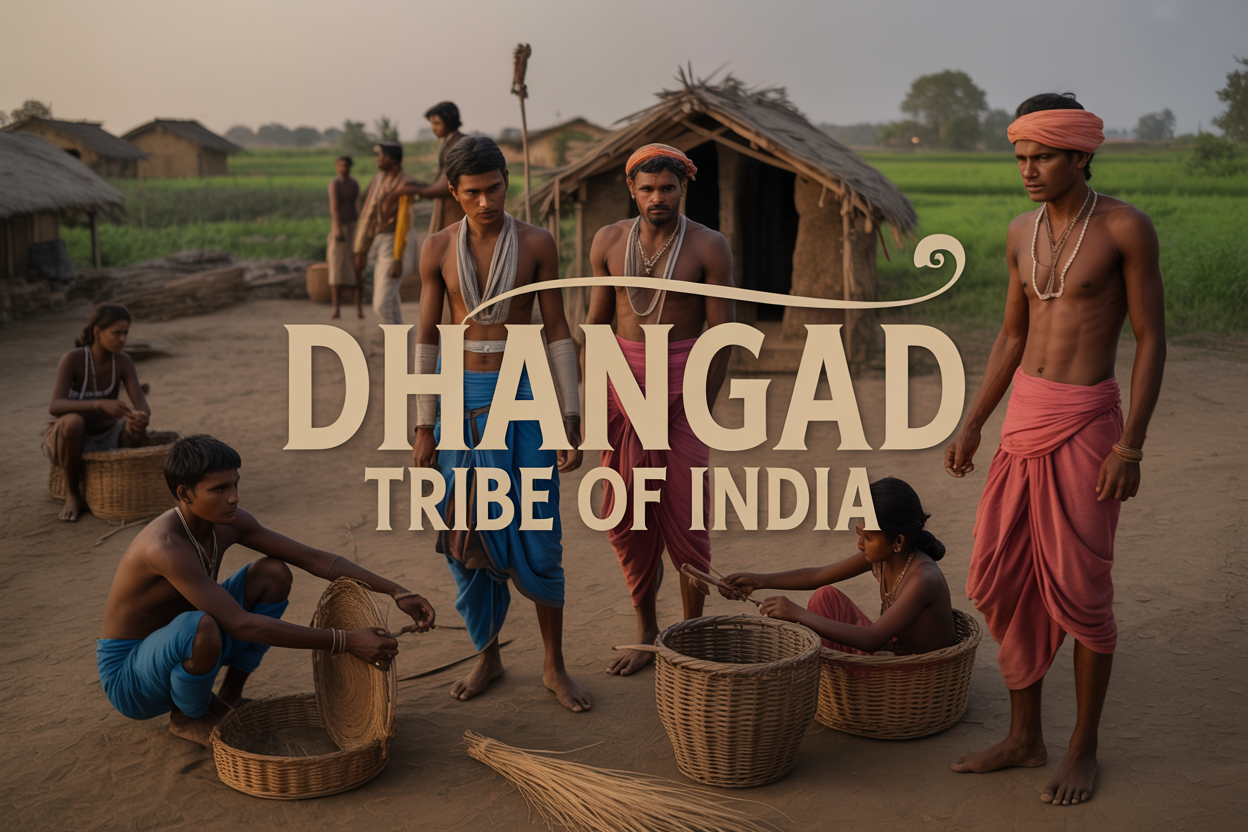
The Dhangad Tribe of India represents one of India’s lesser-known indigenous communities, with a rich cultural heritage that spans centuries. This guide is designed for researchers, students, anthropology enthusiasts, and anyone curious about India’s diverse tribal populations who want to understand the Dhangad people’s unique identity and way of life.
Thank you for reading this post, don't forget to subscribe!We’ll explore their fascinating origins and how historical events shaped their identity over time. You’ll also discover their traditional cultural practices, from festivals and rituals to their unique economic activities that have sustained their communities for generations. Finally, we’ll examine the modern challenges they face today and their current socioeconomic status in contemporary India.
Origins and Historical Background of the Dhangad Tribe
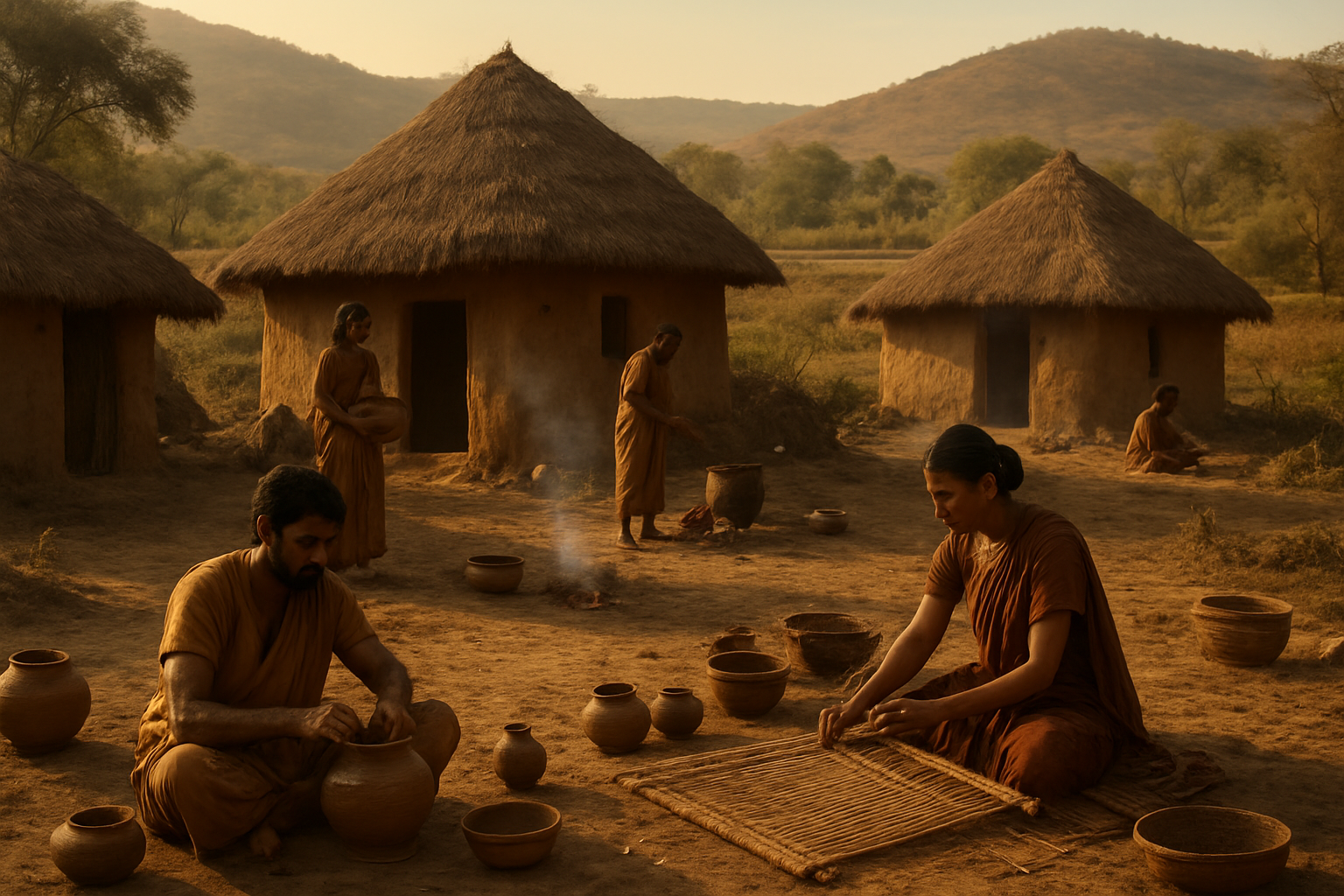
Ancient roots and migration patterns across Indian subcontinent
The Dhangad tribe traces its origins back thousands of years, representing one of the earliest indigenous communities of the Indian subcontinent. Archaeological evidence and oral traditions point to their presence in central and western India during the pre-Vedic period. Their ancestral roots connect them to the broader Dravidian populations that inhabited the region before the Indo-Aryan migrations.
The tribe’s movement patterns reflect the complex demographic shifts that shaped ancient India. Early Dhangad communities likely migrated from the Deccan plateau toward the Gangetic plains, following seasonal patterns and seeking fertile lands for their pastoral and agricultural activities. These migrations weren’t random wanderings but strategic movements influenced by climatic changes, resource availability, and interactions with other tribal groups.
Genetic studies suggest the Dhangad people share common ancestry with several other tribal communities across Maharashtra, Madhya Pradesh, and Gujarat. Their migration routes often followed river systems, particularly the Narmada and Tapti rivers, which provided water sources and fertile valleys for settlement.
Traditional homeland regions and geographical distribution
The Dhangad tribe’s traditional homeland spans across multiple states in central and western India. Their primary concentration areas include:
Primary Regions:
- Maharashtra: Concentrated in Pune, Ahmednagar, and Nashik districts
- Madhya Pradesh: Found in Indore, Ujjain, and Dewas districts
- Gujarat: Present in Vadodara and Panchmahals regions
- Rajasthan: Scattered populations in southern districts
The tribe traditionally favored hilly terrain and forested areas that supported their livestock-based economy. These regions offered natural grazing grounds for their cattle and sheep, which formed the backbone of their traditional livelihood. The Sahyadri mountain ranges and the Satpura hills became significant settlement areas where Dhangad communities established semi-permanent villages.
Their settlement patterns often featured seasonal mobility, moving between different locations based on monsoon cycles and grazing requirements. This semi-nomadic lifestyle influenced their social organization and cultural practices for centuries.
Historical significance in Indian tribal communities
The Dhangad tribe holds considerable importance within India’s tribal landscape due to their unique social structure and historical role in regional politics. Unlike many other tribal communities, the Dhangads developed a sophisticated caste-like hierarchy that bridged tribal and non-tribal social systems.
Historically, they served as intermediaries between settled agricultural communities and nomadic pastoral groups. Their expertise in animal husbandry made them valuable trading partners with farming communities who needed livestock for agricultural purposes. This economic role gave them significant influence in local markets and political affairs.
During medieval times, several Dhangad leaders established small principalities and served as military commanders under various regional kingdoms. Their martial traditions and organizational skills earned them recognition from rulers across western and central India. Some Dhangad families even received land grants and titles from Maratha rulers, elevating their social status.
Cultural evolution through different time periods
The Dhangad cultural identity has undergone significant transformation across different historical periods while maintaining core traditions.
Pre-Medieval Period (Before 1000 CE):
- Purely pastoral lifestyle with seasonal migrations
- Worship of nature deities and ancestor spirits
- Oral tradition-based knowledge systems
- Clan-based social organization
Medieval Period (1000-1700 CE):
- Integration with regional kingdoms and political systems
- Adoption of Hindu religious practices alongside traditional beliefs
- Development of specialized occupational groups within the community
- Establishment of permanent settlements in some areas
Colonial Period (1700-1947):
- Documentation of their customs and traditions by British ethnographers
- Gradual shift from nomadic to sedentary lifestyle
- Introduction of formal education in some communities
- Changes in land tenure systems affecting their traditional grazing rights
Modern Period (Post-1947):
- Government recognition and reservation benefits
- Urbanization pressures leading to occupational diversification
- Efforts to preserve traditional culture while adapting to contemporary challenges
- Integration with mainstream educational and economic systems
The tribe’s cultural evolution reflects their remarkable adaptability while preserving essential elements of their identity. Their traditional council systems, marriage customs, and folk traditions continue to play important roles in community life, even as younger generations pursue modern education and urban careers.
Geographic Distribution and Settlement Patterns
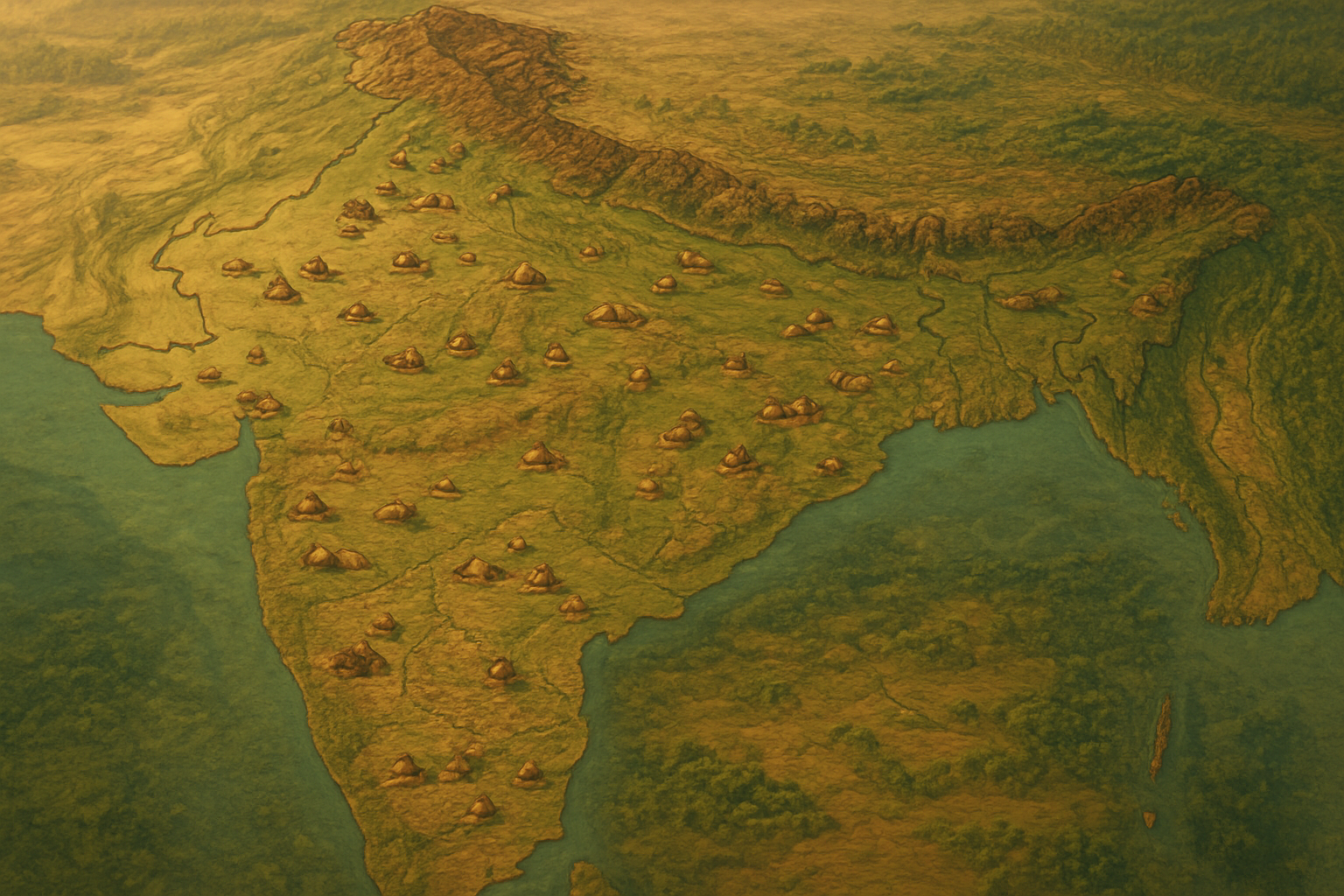
Primary concentration areas in Maharashtra and surrounding states
The Dhangad community primarily inhabits the western and southwestern regions of Maharashtra, with significant populations concentrated in districts like Satara, Sangli, Kolhapur, and parts of Pune. These areas represent their traditional heartland, where generations of Dhangad families have maintained their cultural identity and established deep-rooted community networks.
Beyond Maharashtra’s borders, substantial Dhangad populations have spread into neighboring Karnataka, particularly in the northern districts of Belgaum, Bagalkot, and Bijapur. This cross-state presence reflects historical migration patterns and shared cultural landscapes between these regions. Smaller communities also exist in parts of Goa and southern Madhya Pradesh, where families migrated in search of economic opportunities.
The distribution pattern shows clear clusters around river valleys and fertile plains, particularly along the Krishna and its tributaries. These water-rich areas provided ideal conditions for their traditional occupations in agriculture and animal husbandry. Many settlements developed around trading routes and market towns, where the community could leverage their skills in commerce and crafts.
Urban versus rural settlement preferences
Rural areas remain the preferred habitat for most Dhangad families, with approximately 75% of the community still residing in villages and small towns. These rural settlements often feature clustered housing patterns, where extended families live in proximity to maintain social bonds and share resources. Traditional village layouts typically include common areas for community gatherings and festivals.
Urban migration has accelerated since the 1980s, driven by educational opportunities and employment prospects in cities like Pune, Mumbai, and Bangalore. Urban Dhangad communities tend to concentrate in specific neighborhoods, creating mini-enclaves that preserve cultural practices while adapting to city life. These urban settlements often serve as bridges between rural traditions and modern opportunities.
The community demonstrates remarkable flexibility in settlement choices, with many families maintaining dual connections – keeping ancestral homes in villages while establishing urban residences for work and education. This bi-local strategy allows them to preserve cultural roots while accessing modern amenities and economic opportunities.
Environmental adaptation strategies in diverse terrains
The Dhangad community has developed sophisticated strategies for thriving across varied geographical landscapes, from the semi-arid Deccan plateau to the coastal plains of western Maharashtra. In drought-prone regions, families traditionally practiced water conservation through community-managed wells and tank systems, sharing these resources according to established social protocols.
Their agricultural practices reflect deep environmental knowledge, with crop selection varying according to soil types and rainfall patterns. In black cotton soil areas, they focus on cotton and sugarcane cultivation, while in red soil regions, they adapt with millets and pulses. This agricultural diversity helps mitigate risks from climate variability.
Livestock management represents another key adaptation strategy, with the community maintaining mixed herds of cattle, goats, and sheep suited to local grazing conditions. During seasonal migrations, herders follow established routes that maximize pasture utilization while maintaining animal health. These practices demonstrate generations of accumulated ecological wisdom that continues to serve the community well in changing environmental conditions.
Social Structure and Community Organization
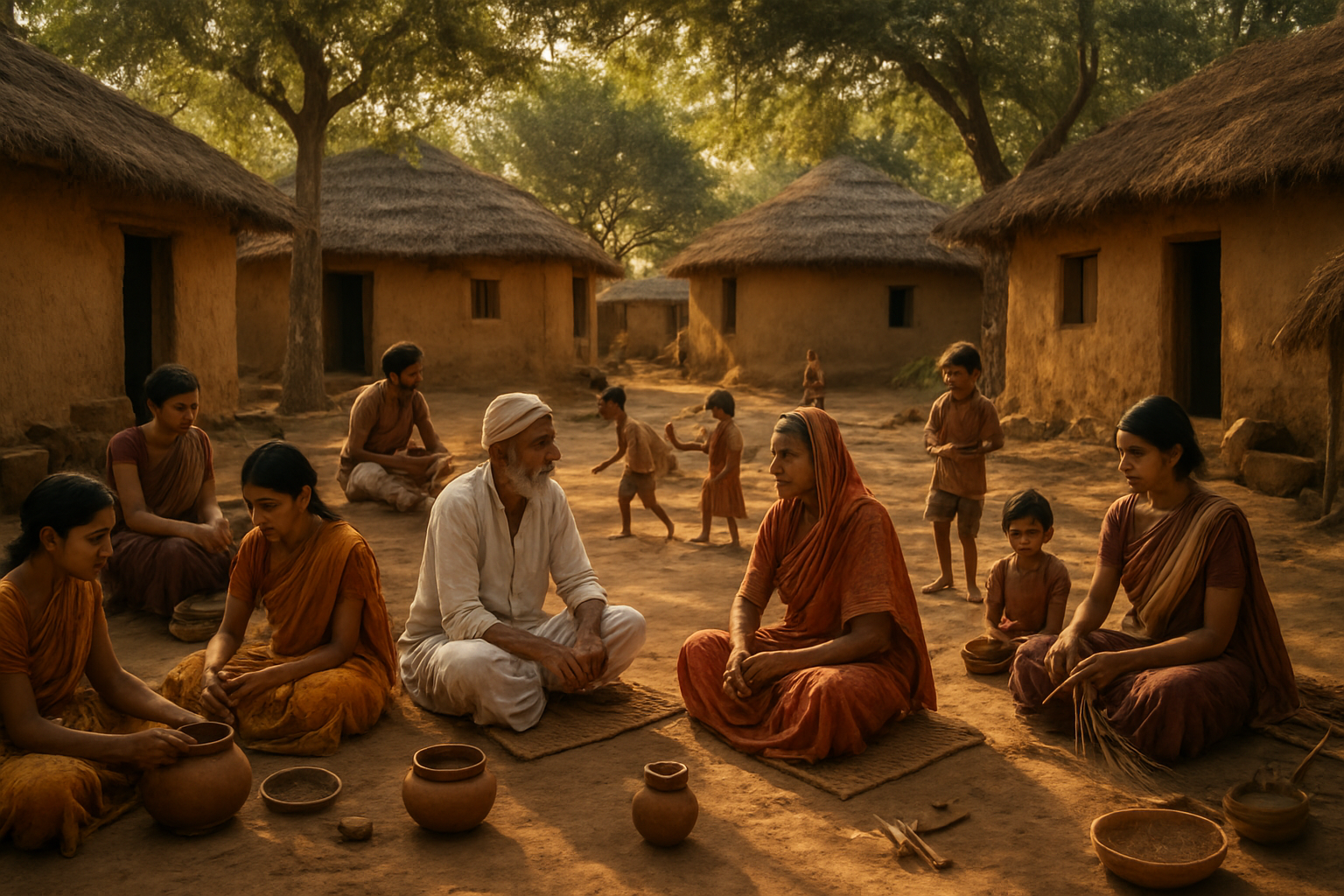
Traditional clan system and kinship networks
The Dhangad community organizes itself around a sophisticated clan system called ‘gotra’ that traces lineage through paternal lines. Each gotra represents a distinct ancestral group, and members believe they descend from common ancestors. The major gotras include Kashyap, Bharadwaj, Gautam, and Vishwamitra, among others. Marriage within the same gotra remains strictly prohibited, ensuring genetic diversity and maintaining cultural traditions.
Extended families form the backbone of Dhangad society, with multiple generations often living together in joint households. The eldest male typically serves as the family head, making important decisions about property, marriages, and community matters. Women play crucial roles in maintaining household harmony and preserving cultural knowledge, though their formal authority varies by region.
Kinship networks extend beyond immediate families to include distant relatives, creating support systems that span entire villages. These connections become particularly important during festivals, weddings, and times of crisis when community members rally together to provide assistance.
Leadership roles and decision-making processes
Village councils, known as ‘panchayats,’ handle community disputes and make collective decisions affecting the entire settlement. The traditional headman, called ‘mukhiya’ or ‘pradhan,’ leads these councils and serves as the primary liaison with government officials. These leaders gain their positions through community consensus, considering factors like age, wisdom, conflict resolution skills, and moral standing.
Decision-making follows democratic principles where all adult members can voice opinions during village meetings. Elders carry significant weight in discussions, drawing from their life experience and knowledge of customs. Women increasingly participate in these forums, especially regarding issues affecting families and children.
Religious leaders also wield considerable influence, guiding the community on spiritual matters and ritual observances. They work closely with civil leaders to maintain social order and cultural continuity.
Inter-tribal relationships and community bonds
The Dhangad community maintains cordial relationships with neighboring tribes and castes, often sharing resources during agricultural seasons. Inter-community marriages, while less common, do occur and help strengthen these bonds. Trade relationships flourish between different groups, with Dhangads often serving as intermediaries in local markets.
Festival celebrations frequently include members from other communities, creating opportunities for cultural exchange and mutual understanding. During times of natural disasters or external threats, these inter-tribal alliances prove invaluable for collective survival and support.
Competition for resources sometimes creates tensions, but traditional conflict resolution mechanisms help maintain peace. Community leaders from different groups regularly meet to address disputes and maintain harmony in multi-ethnic regions.
Modern changes in social hierarchy
Education and economic opportunities have begun reshaping traditional social structures within Dhangad communities. Younger generations with formal education increasingly challenge age-based authority, introducing new perspectives on governance and social organization. Professional success allows some individuals to gain influence regardless of their traditional family status.
Government reservation policies have created new leadership opportunities for Dhangad youth in politics and administration. This has led to the emergence of educated leaders who bridge traditional customs with modern governance structures.
Urban migration has weakened joint family systems, with nuclear families becoming more common among those who relocate to cities. However, rural communities still largely maintain traditional hierarchies, adapting them to contemporary circumstances while preserving core cultural values.
Cultural Practices and Traditional Lifestyle
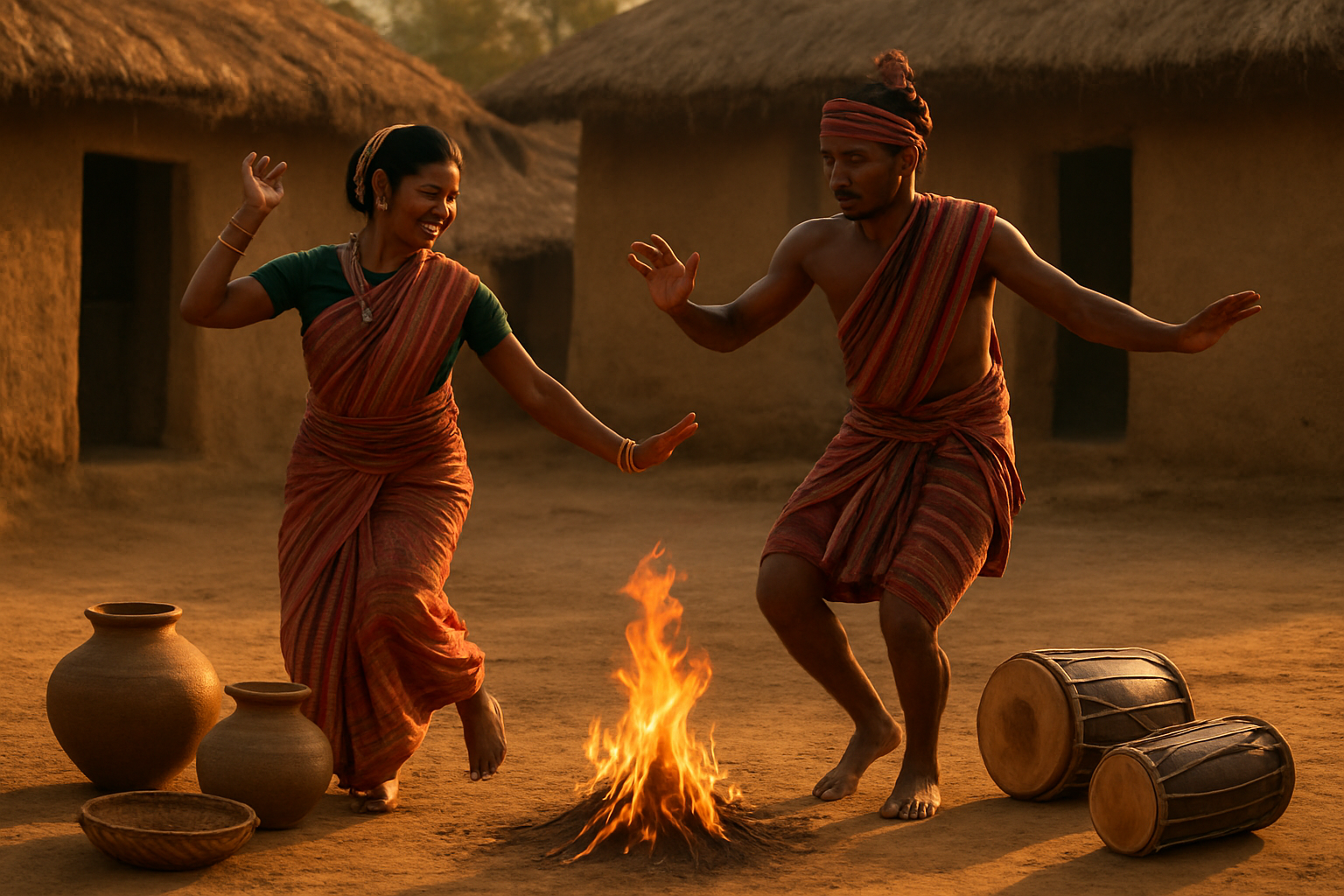
Distinctive Customs and Ceremonial Practices
The Dhangad community maintains rich ceremonial traditions that mark important life transitions and community bonds. Birth ceremonies involve elaborate rituals where newborns receive blessings from elders and protective amulets crafted from traditional materials. Coming-of-age rituals for both boys and girls include specific rites that formally welcome them into adult community roles.
Marriage customs among the Dhangads feature multi-day celebrations with intricate pre-wedding ceremonies. The bride and groom undergo purification rituals, and families exchange symbolic gifts that represent prosperity and unity. Wedding processions include traditional music, decorated animals, and community participation that strengthens social bonds.
Death rituals hold deep spiritual significance, with specific practices for honoring the deceased and ensuring their peaceful transition. Community members gather for extended mourning periods, sharing meals and stories that celebrate the person’s life and contributions to the tribe.
Traditional Clothing and Ornamental Significance
Dhangad traditional attire reflects both practical needs and cultural identity. Women wear colorful saris with distinctive patterns that often indicate marital status, age, and regional variations. These garments feature hand-woven designs passed down through generations, incorporating natural dyes extracted from local plants and minerals.
Men typically dress in dhoti-kurta combinations during ceremonies, with specific colors and styles reserved for different occasions. Daily work clothes are simpler but still maintain cultural elements through patterns and styling choices.
Jewelry holds special meaning beyond decoration. Silver ornaments, particularly nose rings, bangles, and ankle chains, represent different life stages and social positions. Many pieces include protective symbols and are believed to ward off negative influences while attracting good fortune.
Folk Music, Dance, and Artistic Expressions
Music plays a central role in Dhangad cultural life, with traditional instruments like drums, flutes, and string instruments creating distinctive rhythms and melodies. Each song type serves specific purposes – work songs coordinate group activities, devotional songs accompany religious practices, and celebration songs mark joyous occasions.
Dance traditions vary by region but typically involve circular formations where dancers move in synchronized patterns. These performances often tell stories about tribal heroes, natural phenomena, or historical events. Harvest dances celebrate successful crops, while rain dances invoke favorable weather conditions.
Artistic expressions include intricate beadwork, pottery decoration, and wall paintings that adorn homes during festivals. Women create detailed patterns using natural pigments, often incorporating geometric designs and nature motifs that hold spiritual significance.
Oral Traditions and Storytelling Heritage
Storytelling serves as the primary method for preserving Dhangad history, wisdom, and cultural values. Elder community members hold the responsibility of maintaining these oral archives, sharing tales during evening gatherings and special occasions. Stories often feature moral lessons, historical accounts of tribal migrations, and explanations of natural phenomena through mythological narratives.
Creation myths explain the tribe’s origins and their connection to specific geographical regions. Hero tales celebrate legendary figures who demonstrated courage, wisdom, or special abilities that benefited the community. These stories also preserve practical knowledge about survival skills, medicinal plants, and seasonal patterns.
Riddles and proverbs form another important aspect of oral tradition, teaching children logical thinking while transmitting cultural wisdom in memorable formats. Many proverbs offer guidance about social behavior, work ethics, and relationships with nature.
Seasonal Festivals and Religious Observances
The Dhangad calendar revolves around agricultural cycles and natural events, with festivals marking crucial seasonal transitions. Harvest festivals are particularly significant, featuring community feasts, traditional games, and thanksgiving ceremonies that honor both ancestral spirits and natural forces.
Spring festivals celebrate renewal and fertility, often including rituals that encourage good crops and healthy livestock. These events typically involve elaborate decorations, special foods prepared from seasonal ingredients, and performances that welcome the changing season.
Religious observances blend traditional tribal beliefs with influences from major Indian religions. Sacred groves and natural landmarks serve as worship sites where community members offer prayers and perform rituals. Full moon ceremonies are common, bringing together families for collective worship and social bonding.
Rain festivals hold special importance, as water availability directly affects the community’s agricultural success. These celebrations include specific dances, songs, and offerings designed to encourage favorable weather patterns for the coming growing season.
Economic Activities and Livelihood Strategies
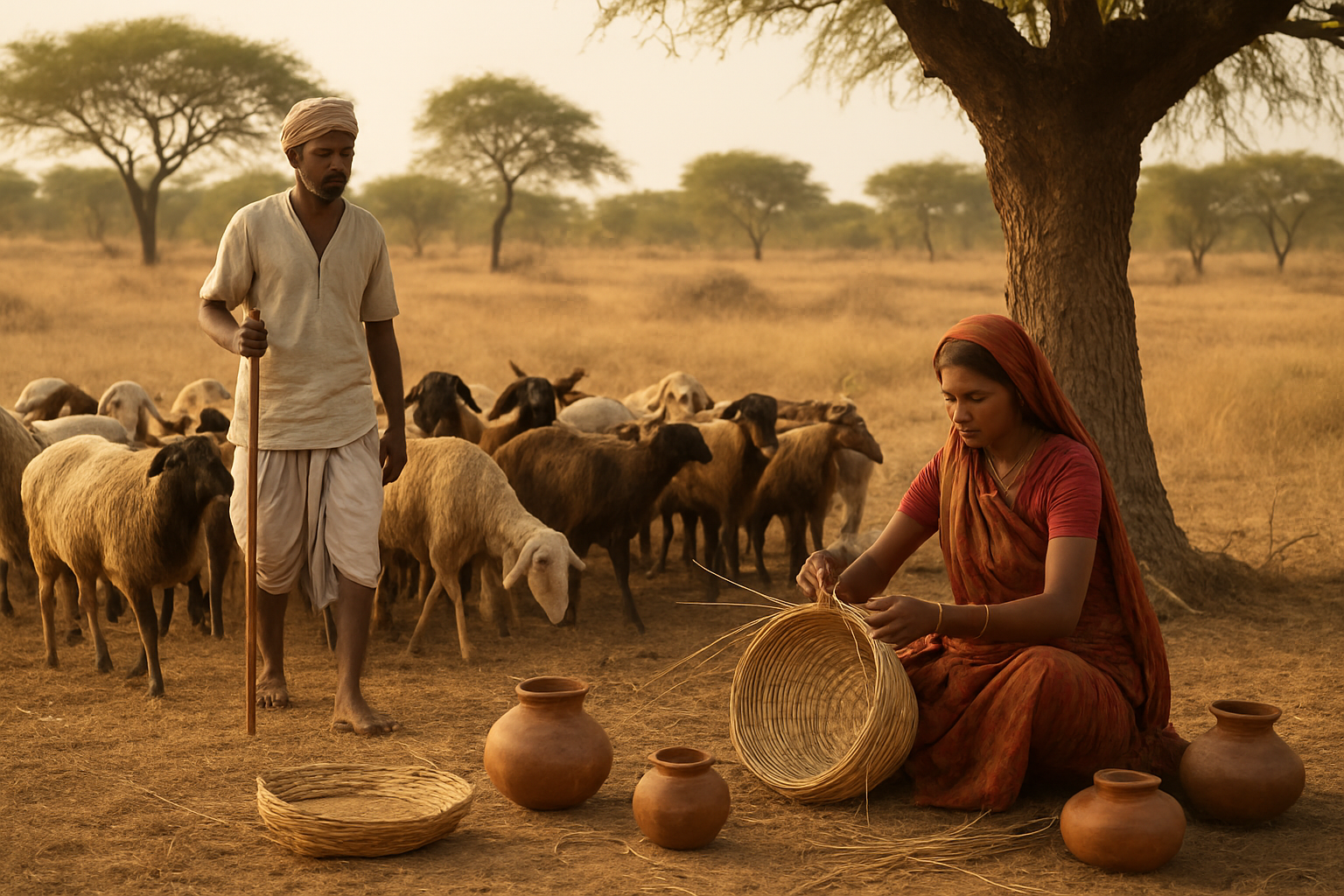
Traditional Occupations and Skill-Based Professions
The Dhangad community has historically been associated with a diverse range of traditional occupations that showcase their adaptability and resourcefulness. Many Dhangad families have been involved in fishing, particularly in regions near rivers and water bodies, where they developed sophisticated techniques for catching freshwater fish using traditional nets, traps, and boats crafted from local materials.
Animal husbandry forms another cornerstone of their traditional livelihood, with many families raising cattle, buffaloes, goats, and poultry. They possess deep knowledge of animal care, breeding practices, and veterinary remedies passed down through generations. Some Dhangad groups specialize in dairy farming, producing milk, curd, and other dairy products for local markets.
The community also includes skilled craftspeople who work with bamboo, creating baskets, mats, and household items. Their expertise in weaving and handicrafts has been recognized for its quality and durability. Additionally, many Dhangad individuals work as agricultural laborers, bringing their knowledge of local soil conditions and farming techniques to various agricultural operations.
In certain regions, members of the Dhangad tribe have traditionally served as village guards or watchmen, a role that required trust and reliability within rural communities. Some families have also been involved in small-scale trading, particularly in agricultural produce and livestock.
Agricultural Practices and Farming Techniques
Agriculture plays a central role in the Dhangad community’s economic framework, with many families owning small plots of land or working as tenant farmers. Their farming practices blend traditional wisdom with practical knowledge gained over centuries of working the land.
The Dhangad farmers typically grow a variety of crops suited to their local climate and soil conditions. Rice, wheat, millets, and pulses form the primary crops, while many families also cultivate vegetables like onions, tomatoes, and leafy greens for both consumption and sale. They often practice intercropping, growing multiple crops together to maximize land use and reduce pest problems.
Water management represents a critical aspect of their agricultural approach. Many Dhangad farmers have developed efficient irrigation systems using wells, ponds, and traditional water conservation methods. They understand seasonal rainfall patterns and plan their cropping cycles accordingly.
Organic farming practices are common within the community, with many families using natural fertilizers like cow dung and compost. They also employ traditional pest control methods using neem and other plant-based solutions. Crop rotation is practiced to maintain soil fertility and prevent disease buildup.
The community often engages in collective farming activities during peak seasons, with families helping each other during planting and harvesting periods. This cooperative approach strengthens social bonds while ensuring that labor-intensive agricultural tasks are completed efficiently.
Modern Employment Opportunities and Challenges
The economic landscape for the Dhangad community has undergone significant changes in recent decades, presenting both new opportunities and considerable challenges. Many young people from the community have moved toward wage labor in construction, manufacturing, and service sectors, often requiring migration to urban areas.
Educational initiatives have opened doors for some Dhangad individuals to pursue careers in government services, teaching, and healthcare. However, access to quality education remains limited in many areas where the community is concentrated, creating barriers to professional advancement.
The rise of mechanized agriculture has reduced demand for traditional agricultural labor, forcing many families to seek alternative income sources. Some have successfully transitioned to operating small businesses, including grocery shops, transportation services, and food stalls. Mobile technology and improved connectivity have enabled some Dhangad entrepreneurs to expand their reach and connect with broader markets.
Despite these opportunities, the community faces several persistent challenges. Limited access to credit and financial services makes it difficult for families to invest in modern farming equipment or start new businesses. Land ownership issues and fragmented agricultural holdings reduce farming efficiency and income potential.
Government schemes and welfare programs have provided some relief, including subsidized housing, healthcare access, and skill development programs. However, awareness about these programs and their effective implementation often remains inadequate in remote areas where many Dhangad families live.
The digital divide poses another challenge, as limited internet access and digital literacy skills prevent full participation in the modern economy. Climate change and unpredictable weather patterns have also affected traditional agricultural practices, requiring adaptation to new farming techniques and crop varieties.
Current Challenges and Socioeconomic Status
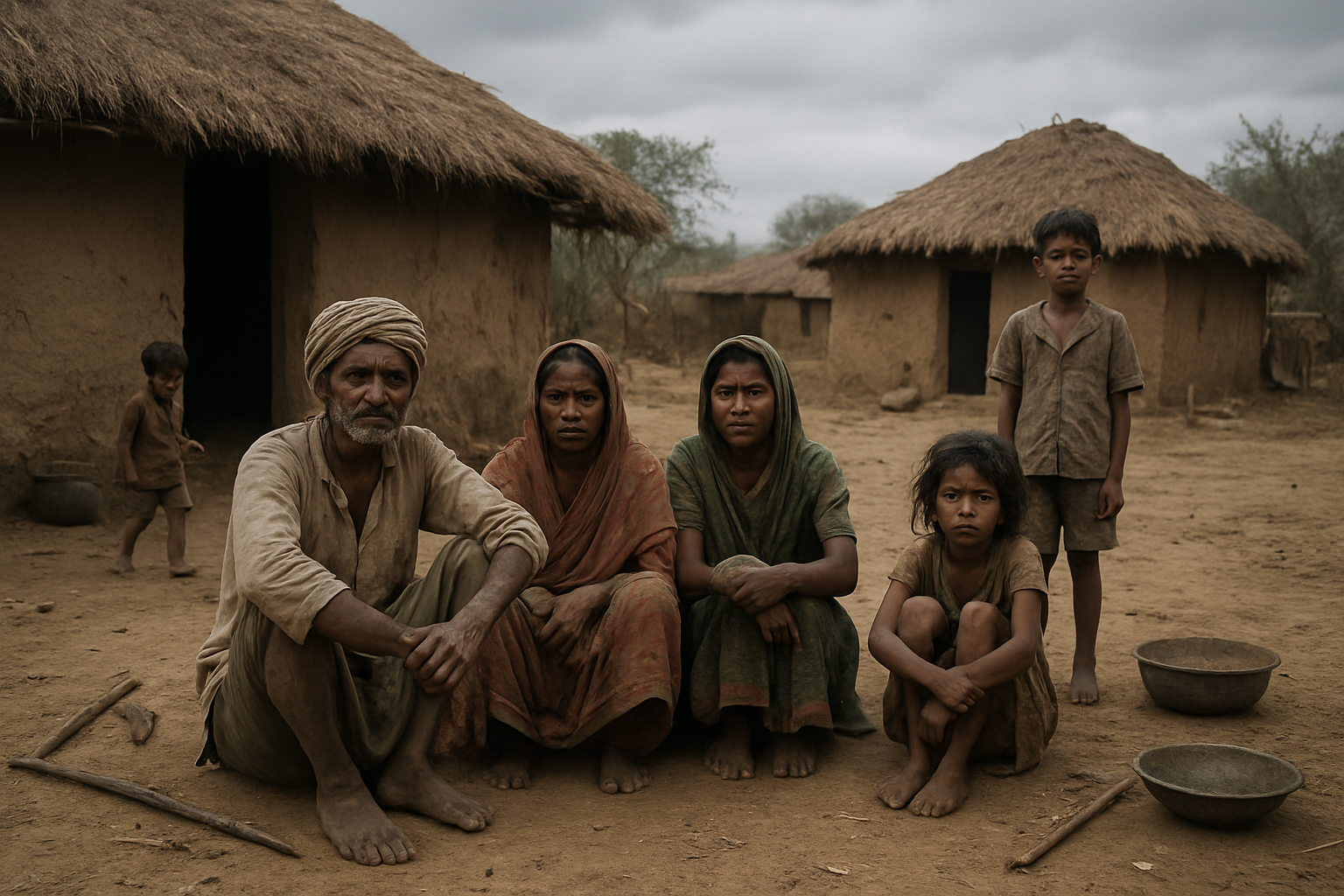
Educational Access and Literacy Development Initiatives
The Dhangad tribe faces significant educational barriers that have persisted for generations. Many tribal children struggle to access quality education due to remote village locations where schools are either non-existent or severely under-resourced. Teachers often avoid posting to these areas, creating chronic shortages of qualified educators. When schools do exist, they frequently lack basic infrastructure like proper buildings, electricity, and clean water facilities.
Language barriers compound these challenges since instruction typically occurs in regional languages rather than tribal dialects. Children from Dhangad families often arrive at school speaking their native tongue, making it difficult to follow lessons and participate actively in classroom discussions. This linguistic disconnect contributes to high dropout rates, particularly among girls who face additional social pressures to marry early or help with household responsibilities.
Government initiatives like the Sarva Shiksha Abhiyan and various tribal education schemes have attempted to bridge these gaps. Some programs provide free textbooks, uniforms, and midday meals to encourage enrollment. Residential schools specifically for tribal children have been established in certain regions, though these often face criticism for separating children from their families and cultural roots. Non-governmental organizations have also stepped in with mobile education units, adult literacy programs, and vocational training centers designed to meet the community’s specific needs while respecting their cultural values.
Healthcare Availability and Nutritional Concerns
Healthcare access remains critically limited for most Dhangad communities. Many tribal settlements lie hours away from the nearest primary health center, making routine medical care nearly impossible. Pregnant women often give birth without professional medical assistance, leading to higher maternal and infant mortality rates compared to national averages. Emergency medical situations become life-threatening when patients must travel long distances over poor road conditions to reach hospitals.
Traditional medicine still plays a central role in Dhangad healthcare practices. Community healers use indigenous knowledge of medicinal plants and ancient remedies passed down through generations. While this knowledge represents valuable cultural heritage, it sometimes delays seeking modern medical treatment for serious conditions. The integration of traditional and modern healthcare systems remains an ongoing challenge that requires sensitive cultural navigation.
Nutritional deficiencies plague many Dhangad families, particularly children and nursing mothers. Poverty limits access to diverse, protein-rich foods, leading to widespread anemia, stunted growth, and weakened immune systems. Seasonal food shortages during agricultural lean periods exacerbate malnutrition problems. Government nutrition programs like the Integrated Child Development Services attempt to address these issues through supplementary feeding and health monitoring, but irregular implementation and inadequate coverage leave many families without support.
Government Welfare Programs and Policy Impact
Various central and state government schemes target tribal welfare, yet implementation often falls short of intended goals. The Public Distribution System provides subsidized food grains, but many Dhangad families lack proper documentation required for enrollment. Bureaucratic procedures and corruption at local levels frequently prevent benefits from reaching intended beneficiaries.
Housing schemes under programs like the Pradhan Mantri Awas Yojana have constructed new homes in some Dhangad settlements. However, these standardized designs often clash with traditional architectural styles and may not suit the community’s cultural practices. Some families find the new structures inadequate for their extended family systems or specific livelihood requirements.
Employment guarantee schemes like MGNREGA have provided crucial income sources during agricultural off-seasons. These programs offer wage labor for public works projects, giving tribal workers access to steady income without leaving their villages. However, delayed wage payments and limited project availability reduce the program’s effectiveness. Financial inclusion initiatives promoting bank accounts and digital transactions face obstacles due to low literacy rates and limited banking infrastructure in tribal areas.
Scholarship programs for tribal students show promise but often involve complex application processes that discourage participation. Many eligible students miss out on educational opportunities simply because their families cannot navigate the bureaucratic requirements or lack awareness about available benefits.
Land Rights Issues and Displacement Challenges
Land ownership disputes represent perhaps the most pressing challenge facing the Dhangad tribe. Traditional land tenure systems based on customary rights often lack legal documentation, making tribal lands vulnerable to encroachment by non-tribal settlers, government acquisition for development projects, and commercial exploitation by mining or industrial companies.
The Forest Rights Act of 2006 promised to address historical injustices by recognizing traditional forest dwellers’ rights. However, implementation has been painfully slow, with many Dhangad families still waiting for their claims to be processed. Complex procedural requirements and insufficient awareness about the law’s provisions have hindered widespread benefit realization.
Development projects including dams, highways, and industrial facilities have displaced numerous Dhangad communities from their ancestral lands. Compensation packages rarely reflect the true value of lost livelihoods and cultural connections to specific territories. Rehabilitation efforts often relocate families to unfamiliar environments where their traditional skills become irrelevant, forcing them into wage labor or urban migration.
Mining activities pose particular threats to Dhangad settlements located in mineral-rich regions. While mining companies promise employment and development benefits, the reality often involves environmental degradation, loss of agricultural land, and disruption of traditional water sources. Legal battles over land acquisition can drag on for years, leaving communities in limbo while development proceeds around them.
Land fragmentation due to inheritance patterns has reduced individual family holdings to economically unviable sizes. Without access to credit or modern agricultural inputs, many young tribal members migrate to cities seeking work, leaving behind elderly relatives to manage increasingly difficult farming operations.
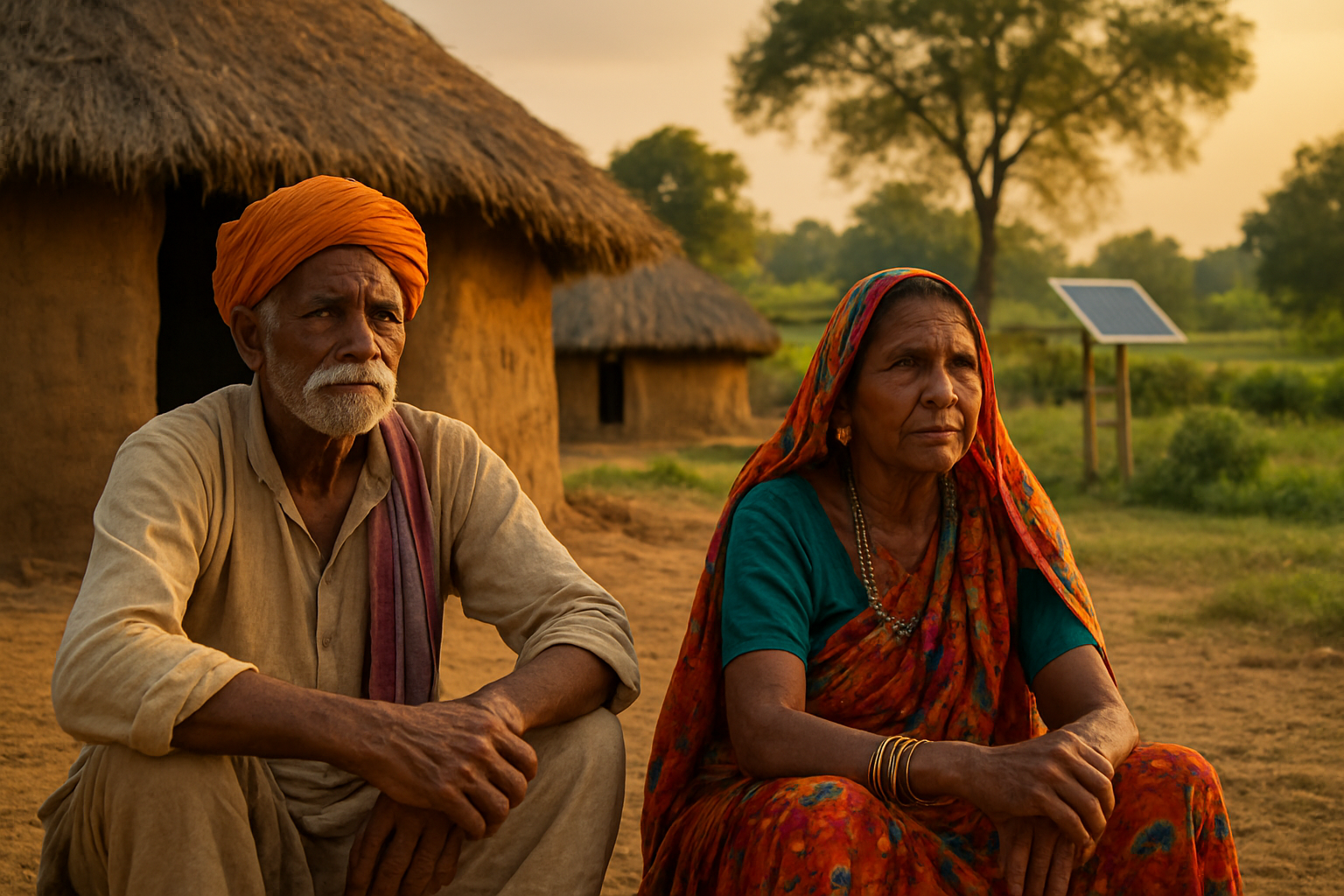
The Dhangad tribe represents a fascinating piece of India’s diverse cultural mosaic, with deep historical roots and unique traditions that have shaped their identity across generations. From their origins and widespread geographic presence to their distinctive social structures and time-honored cultural practices, this community has maintained its heritage while adapting to changing times. Their traditional economic activities and livelihood strategies showcase remarkable resilience and resourcefulness that has sustained them through centuries.
Today, the Dhangad people face significant challenges as they navigate modern India’s socioeconomic landscape. Supporting their development through education, healthcare access, and economic opportunities while respecting their cultural autonomy is essential. Understanding and appreciating communities like the Dhangad tribe helps us recognize the incredible diversity that makes India truly unique. Their story reminds us that preserving indigenous cultures isn’t just about honoring the past – it’s about creating a richer, more inclusive future for everyone.
