
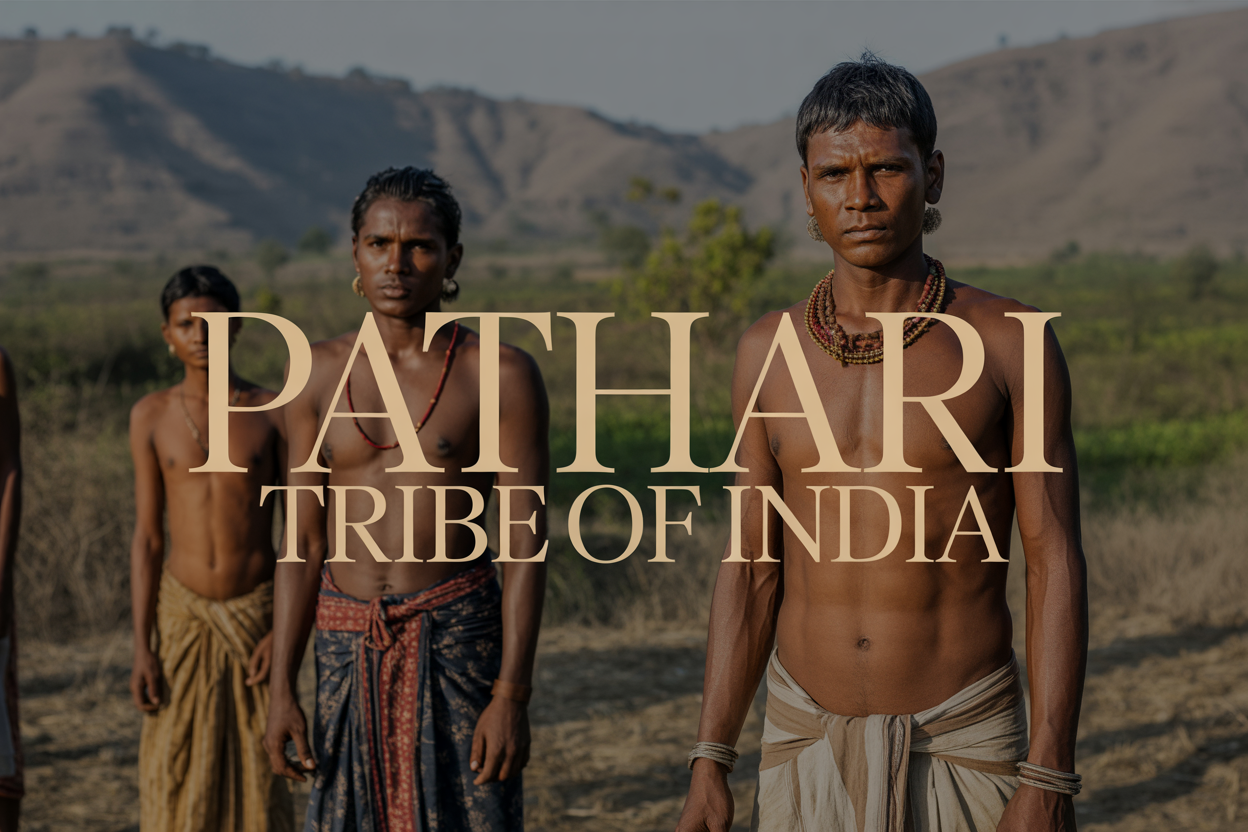
The Pathari Tribe of India represents one of the country’s lesser-known indigenous communities, carrying centuries of unique traditions and cultural practices. This guide is designed for researchers, students, cultural enthusiasts, and anyone curious about India’s diverse tribal heritage.
Thank you for reading this post, don't forget to subscribe!The Pathari Tribe has maintained its distinct identity across generations, adapting to changing times while preserving core cultural elements. Their story offers insights into how indigenous communities navigate between tradition and modernity in contemporary India.
We’ll explore the origins and historical background of the Pathari people, tracing their ancestral roots and migration patterns. You’ll discover their geographic distribution across different states and how their natural habitat shapes their daily lives. We’ll also examine their cultural identity and social structure, including traditional occupations, language preservation efforts, and religious practices that define their community today.
Origins and Historical Background of the Pathari Tribe
Ancient roots and migration patterns
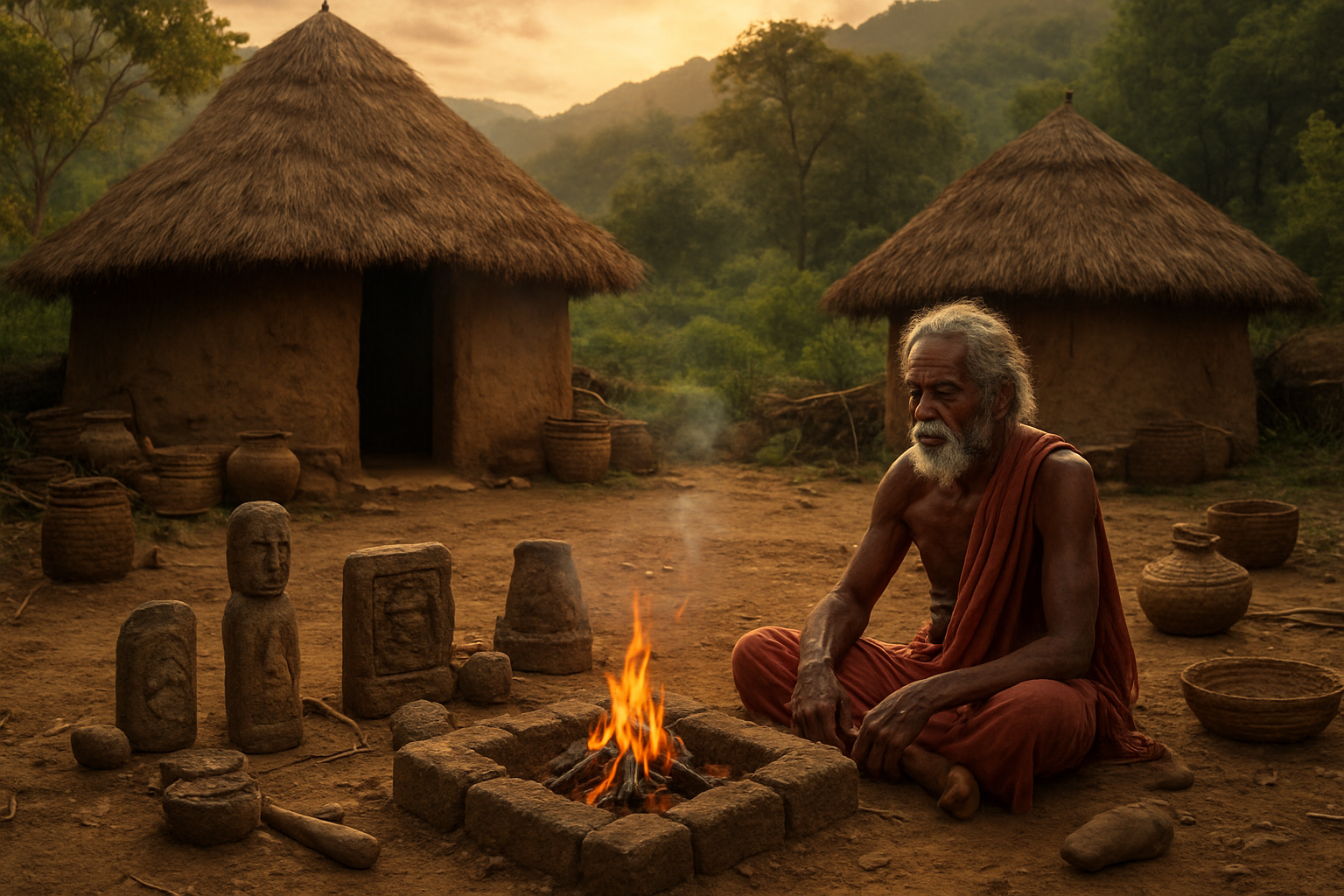
The Pathari Tribe of India traces its ancestry back several centuries, with oral traditions suggesting their origins lie in the ancient tribal movements that swept across the Indian subcontinent. Archaeological evidence points to their ancestors being part of the larger Dravidian population groups that inhabited central India long before the arrival of Indo-Aryan settlers.
Migration patterns of the Pathari Tribe reveal a fascinating journey from the southern regions of present-day Karnataka and Andhra Pradesh toward the central Indian plateau. These movements likely occurred in waves between the 8th and 12th centuries CE, driven by territorial conflicts, resource scarcity, and climatic changes that affected their traditional hunting and gathering grounds.
The tribal elders maintain detailed genealogies passed down through generations, describing how their forefathers crossed major river systems including the Godavari and Narmada. These migration stories often interweave with tales of other tribal communities, suggesting coordinated movements rather than isolated wanderings.
Geographic settlement in central India
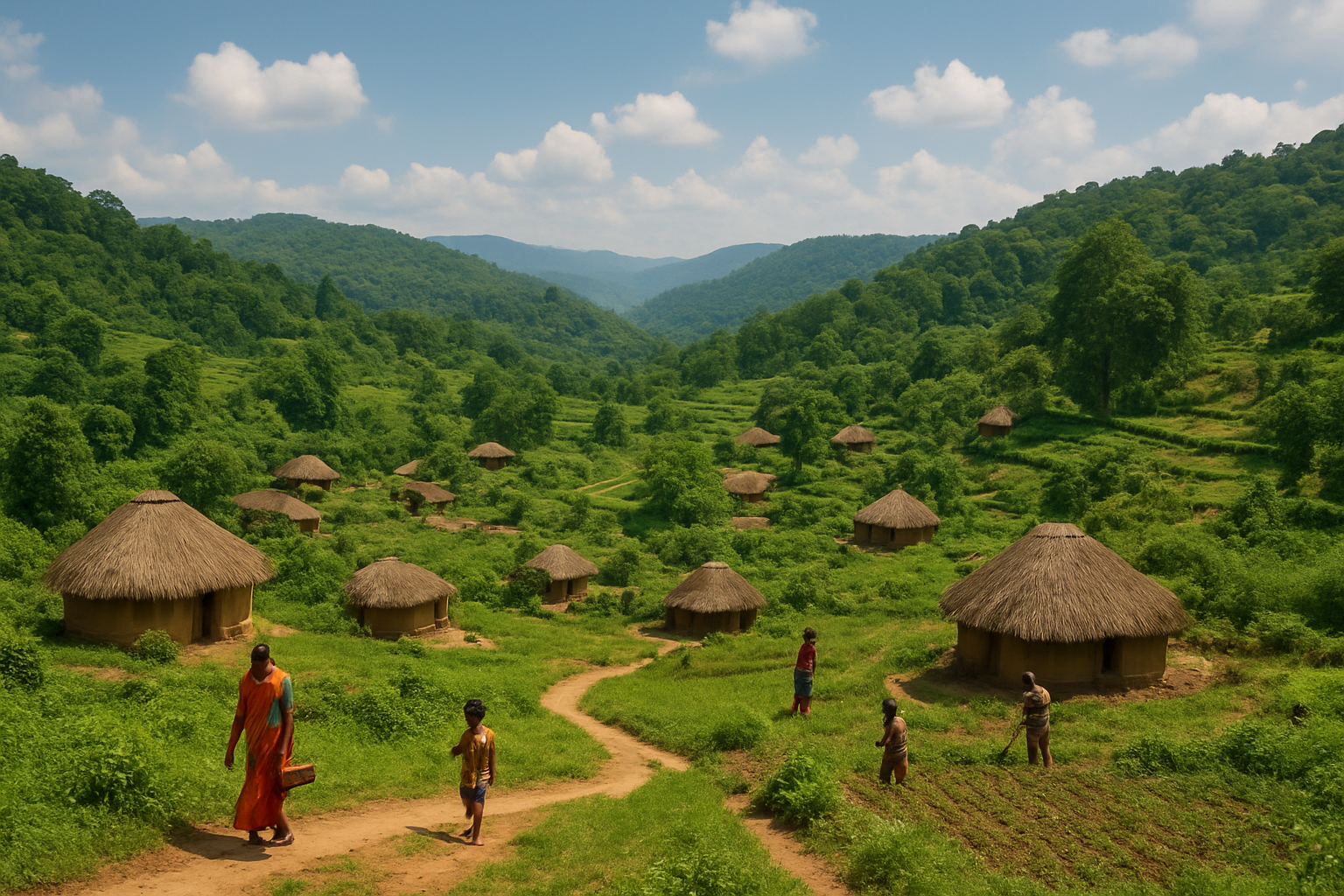
The Pathari people established their primary settlements across the dense forests and hilly terrain of central India, particularly in regions that now comprise parts of Madhya Pradesh, Chhattisgarh, and eastern Maharashtra. Their choice of habitat reflected their deep understanding of forest ecosystems and their preference for areas rich in natural resources.
Key settlement patterns show the Pathari concentrated in:
- Forested highlands with elevations between 300-800 meters
- River valleys providing access to water sources and fertile land
- Rocky outcrops offering natural protection and vantage points
- Dense sal and teak forests supporting their traditional livelihood practices
The geographic distribution demonstrates their adaptive strategies, as they established villages in locations that balanced accessibility with security. These settlements typically featured natural boundaries like hills or rivers, providing both protection from hostile forces and access to diverse ecological niches.
Historical documentation and archaeological evidence
Written records about the Pathari Tribe first appear in colonial administrative documents from the late 18th century, though these accounts often present limited and sometimes biased perspectives. British ethnographers and district collectors documented their customs, population numbers, and territorial boundaries as part of broader tribal mapping exercises.
Archaeological excavations in traditional Pathari territories have uncovered:
| Time Period | Archaeological Findings | Location |
|---|---|---|
| Pre-colonial | Stone tools, pottery fragments | Central Madhya Pradesh |
| Medieval | Iron implements, religious artifacts | Chhattisgarh region |
| Colonial era | Trade beads, metal ornaments | Maharashtra borders |
Rock paintings discovered in caves within Pathari territories display hunting scenes, ritualistic practices, and astronomical observations that align with their oral traditions. Carbon dating of organic materials from these sites confirms continuous habitation spanning over 800 years.
Portuguese and later British records from the 16th and 17th centuries mention encounters with forest-dwelling communities matching Pathari descriptions, though specific tribal names weren’t consistently recorded until the formal census operations of the 19th century.
Connection to broader tribal communities
The Pathari maintain complex relationships with neighboring tribal groups, sharing linguistic elements, cultural practices, and historical narratives that suggest common ancestral roots. Their connections with the Gond, Baiga, and Korku communities run particularly deep, evidenced by intermarriage patterns, shared festivals, and similar agricultural techniques.
Anthropological studies reveal that Pathari social organization mirrors that of other central Indian tribes, featuring clan-based governance, animistic belief systems, and collective land ownership practices. These similarities point to a shared cultural substrate that predates their geographic separation.
Trade relationships historically connected the Pathari with distant communities, as evidenced by archaeological finds of shells from coastal regions and metals from mining areas outside their immediate territory. These exchange networks facilitated cultural diffusion and maintained connections across tribal boundaries.
Marriage alliances between Pathari sub-groups and related tribes created kinship networks extending across modern state boundaries. These relationships served multiple functions: genetic diversity, political alliance, resource sharing, and cultural exchange. Elder community members can still trace family connections to Gond and Baiga settlements several hundred kilometers away.
The linguistic analysis shows Pathari dialects containing loan words from multiple tribal languages, supporting theories of sustained contact and cultural exchange. Their religious practices incorporate elements from various tribal traditions, creating a syncretic belief system that reflects their historical interactions with diverse communities.
Geographic Distribution and Habitat
Primary regions across Madhya Pradesh and Chhattisgarh
The Pathari Tribe finds its home predominantly in the central Indian states of Madhya Pradesh and Chhattisgarh, where they have established deep-rooted communities across several districts. In Madhya Pradesh, the Pathari people are mainly concentrated in the districts of Balaghat, Seoni, Mandla, and Dindori, regions known for their dense forest cover and hilly terrain. These areas provide the natural environment that has shaped their traditional way of life for generations.
In Chhattisgarh, the Pathari communities are primarily found in the northern districts, particularly in areas bordering Madhya Pradesh such as Surguja, Korba, and Bilaspur. The tribal settlements are scattered across these regions, often positioned strategically near forest boundaries where they can access both woodland resources and agricultural land.
The population distribution shows distinct clusters around specific geographical features – river valleys, forest edges, and elevated plateaus. This pattern reflects their adaptive relationship with the landscape, where water sources, forest access, and elevated ground for safety have historically influenced settlement choices.
Forest and hill dwelling preferences
The Pathari Tribe demonstrates a strong preference for forested and hilly environments, which directly connects to their traditional lifestyle and survival strategies. Their settlements typically occupy the transitional zones between dense forests and open agricultural land, allowing them to benefit from both ecosystems.
These communities show particular attraction to areas with mixed deciduous forests, where sal, teak, and bamboo grow abundantly. The forest provides essential resources including timber for construction, medicinal plants, wild foods, and materials for traditional crafts. Hills and elevated areas offer natural protection and are often chosen for permanent settlements due to their defensive advantages and better drainage during monsoon seasons.
The Pathari people have developed sophisticated knowledge of forest ecology, understanding which areas provide the best resources during different seasons. Their settlements often cluster around natural springs or perennial water sources found in hilly terrain. This habitat preference has helped preserve their traditional knowledge systems while maintaining their cultural identity closely tied to forest life.
Seasonal migration patterns
Traditional seasonal movement patterns characterize the lifestyle of many Pathari communities, though these practices have evolved significantly in recent decades. Historically, the tribe followed cyclical migration routes that aligned with agricultural seasons, forest resource availability, and climate patterns.
During the monsoon months (June to September), families often move to higher ground to avoid flooding in low-lying areas while engaging in agricultural activities. The post-monsoon period sees movement toward forest areas for gathering seasonal fruits, honey collection, and hunting activities that supplement their food supply.
Winter months typically bring the Pathari people to areas suitable for certain traditional occupations, including stone quarrying and seasonal labor opportunities. Some communities maintain temporary settlements near work sites during this period. However, modern economic pressures and government policies have significantly reduced these traditional migration patterns. Many families now maintain permanent residences while only some members engage in seasonal movement for employment opportunities in urban areas or industrial sites, creating new patterns of temporary migration that blend traditional mobility with contemporary economic needs.
Cultural Identity and Social Structure
Traditional clan system and kinship patterns
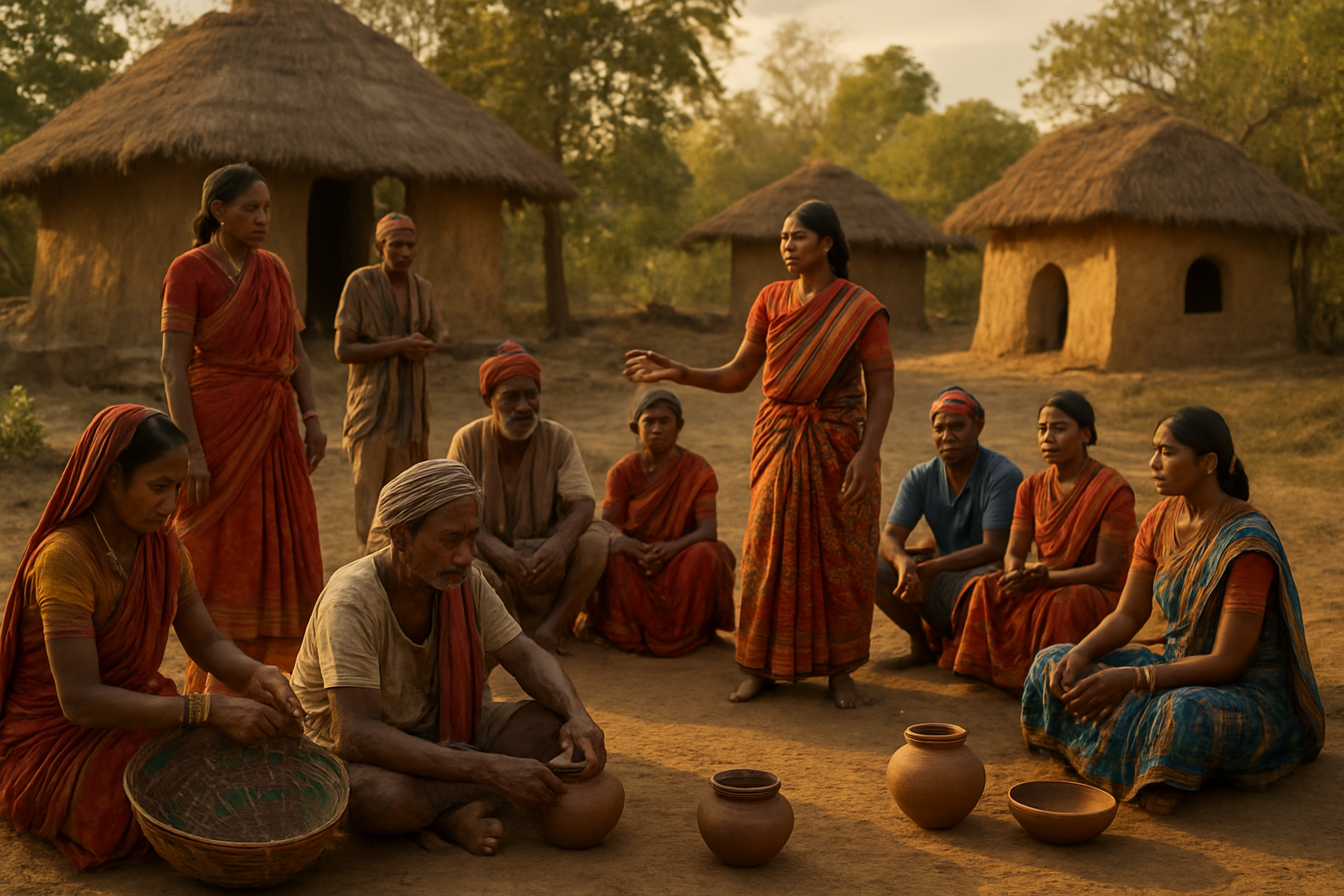
The Pathari Tribe follows a complex clan-based social organization that forms the backbone of their cultural identity. Each clan, known as “kula,” traces its lineage through patrilineal descent, where children inherit their father’s clan membership and social standing. These clans are typically named after animals, natural elements, or ancestral totems that hold spiritual significance for the community.
Marriage within the same clan is strictly prohibited, creating an intricate web of inter-clan relationships that strengthen tribal unity. The Pathari maintain detailed oral genealogies spanning several generations, ensuring proper marriage alliances and preventing violations of kinship taboos. Extended families often live in compound arrangements, with multiple generations sharing resources and responsibilities under the guidance of the eldest male member.
Kinship terminology reflects the deep respect for hierarchical relationships within the Pathari social structure. Specific terms exist for different types of cousins, uncles, and aunts, each carrying distinct social obligations and privileges. Women retain strong connections to their birth families even after marriage, maintaining ceremonial roles and inheritance rights that differ from many other tribal communities.
Leadership roles and community governance
Traditional Pathari governance operates through a council of elders called the “panchayat,” where senior male members from each clan represent their community’s interests. The headman, or “mukhiya,” is typically chosen based on wisdom, conflict resolution skills, and knowledge of tribal customs rather than hereditary succession. This democratic approach ensures leadership remains connected to community needs.
Age-grade societies provide structured pathways for young men to learn leadership skills and tribal responsibilities. These groups organize community work projects, assist in agricultural activities, and serve as training grounds for future leaders. The Pathari system emphasizes collective responsibility and shared accountability in maintaining social harmony.
Marriage customs and family traditions
Pathari marriage customs involve elaborate negotiations between families that can span several months. The bride price, called “dhan,” includes livestock, grains, and traditional ornaments, symbolizing the groom’s family’s respect for the bride and her lineage. Cross-cousin marriages are preferred, particularly between a man and his mother’s brother’s daughter, strengthening existing family bonds.
Wedding ceremonies unfold over several days, incorporating rituals that honor ancestral spirits and ensure fertility and prosperity for the new couple. The bride undergoes purification ceremonies and receives blessings from elderly women who share traditional wisdom about married life. Groom’s processions feature traditional music, dance, and the display of clan symbols that announce the union to neighboring communities.
Post-marriage residence patterns typically follow patrilocal customs, where the bride joins her husband’s family compound. However, the Pathari system includes provisions for women to maintain property rights in their natal homes and participate in important family decisions. Divorce, though rare, is permitted under specific circumstances and involves community mediation to ensure fair treatment of both parties.
Festivals and ceremonial practices
The Pathari calendar revolves around agricultural cycles and seasonal transitions, marked by vibrant festivals that reinforce community bonds and cultural identity. The harvest festival, “Dhanyaraj Purnima,” celebrates the completion of the agricultural year with communal feasting, traditional dances, and offerings to fertility deities. Each clan contributes specific items and performs designated roles that have been passed down through generations.
Ancestor worship ceremonies occur monthly, where families gather to honor deceased relatives and seek their guidance for important decisions. These rituals involve elaborate food offerings, incense burning, and the recitation of genealogical histories that connect the living with their spiritual heritage. Sacred groves serve as venues for these ceremonies, maintaining the Pathari connection to their natural environment.
Coming-of-age rituals mark important transitions in individual lives while strengthening tribal identity. Young men undergo initiation ceremonies that test their knowledge of tribal customs, hunting skills, and social responsibilities. Young women participate in separate rituals that celebrate their transition to adulthood and prepare them for marriage and motherhood. These ceremonies involve temporary separation from the community, specialized instruction from elders, and ceremonial reintegration that acknowledges their new status within Pathari society.
Traditional Occupations and Economic Activities
Forest-based livelihoods and resource gathering
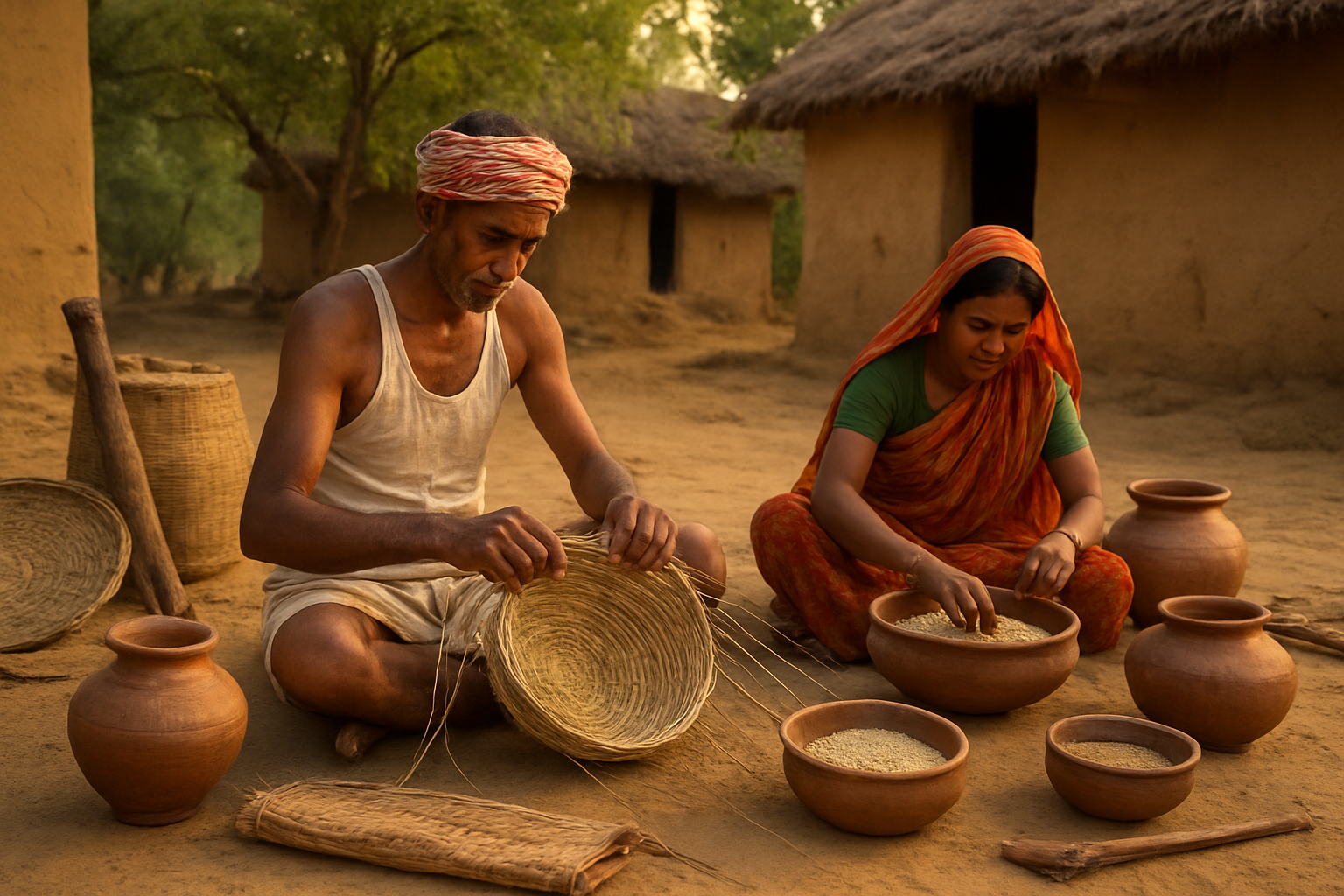
The Pathari Tribe has developed an intricate relationship with forest ecosystems that spans generations. Their deep understanding of woodland environments allows them to identify and harvest dozens of medicinal plants, which they use for traditional healing practices and sometimes trade with nearby settlements. Honey collection represents another significant forest-based activity, with tribal members using traditional techniques passed down through families to locate and harvest honey from wild bees without causing harm to the colonies.
Gathering activities follow seasonal patterns that the Pathari people have observed for centuries. During monsoon months, they collect various types of mushrooms and leafy vegetables that grow abundantly in the forest understory. The community also harvests bamboo shoots, wild fruits, and nuts that provide essential nutrition and can be preserved for lean periods. Women typically lead these gathering expeditions, carrying specialized baskets woven from forest materials.
The tribe’s knowledge extends to sustainable harvesting practices that ensure forest resources remain available for future generations. They rotate collection areas, never overharvesting from a single location, and maintain detailed oral knowledge about which plants can be collected at different times of the year. This wisdom represents centuries of accumulated experience about living in harmony with forest ecosystems.
Agriculture and farming practices
Agricultural practices among the Pathari Tribe blend traditional techniques with adaptive strategies suited to their forest-adjacent environment. They primarily practice shifting cultivation, clearing small plots of forest land for temporary farming before allowing them to return to their natural state. This rotation system, known locally by various names, helps maintain soil fertility while providing space for crops.
The tribe grows a diverse mix of crops including finger millet, rice varieties adapted to upland conditions, and various pulses that enrich the soil through nitrogen fixation. Their farming calendar closely follows natural weather patterns, with planting times determined by traditional ecological indicators like bird behaviors and flowering patterns of specific trees.
Terraced farming appears in some areas where the Pathari have established more permanent agricultural sites. These terraces prevent soil erosion on sloped terrain while creating distinct microclimates for different crops. The community employs minimal external inputs, relying instead on organic composting methods and natural pest management techniques that incorporate plants with insecticidal properties.
Water management plays a crucial role in their agricultural success. The tribe constructs small check dams and water retention structures using locally available materials. These systems capture rainwater during monsoons and provide irrigation during drier periods, demonstrating sophisticated understanding of watershed management.
Handicrafts and artisanal skills
Artistic expression and practical craftsmanship merge seamlessly in Pathari tribal culture. Bamboo weaving represents one of their most developed skills, producing everything from storage containers and fishing baskets to decorative items used in ceremonies. The intricate patterns woven into these objects often carry symbolic meanings related to tribal beliefs and natural observations.
Textile work showcases another area of expertise, particularly among women who create distinctive fabrics using traditional looms. They cultivate cotton in small plots and process fibers using time-tested methods. Natural dyes extracted from forest plants, bark, and roots create the vibrant colors that characterize Pathari textiles. Each design tells stories or represents important cultural symbols that help preserve tribal history.
Pottery making serves both functional and ceremonial purposes within the community. Using clay deposits found near their settlements, skilled artisans create vessels for cooking, storage, and ritual use. The shapes and decorative elements follow patterns established over generations, with subtle variations that reflect individual creativity while maintaining cultural continuity.
Woodworking skills enable the tribe to create essential tools, furniture, and structural elements for their homes. They understand the properties of different tree species, selecting appropriate wood types for specific purposes. Carving techniques produce everything from simple agricultural implements to elaborate decorative pieces used in festivals and important ceremonies.
Trade relationships with neighboring communities
The Pathari Tribe maintains complex trading networks that extend their economic reach beyond their immediate territory. These relationships often span multiple generations, built on trust and mutual benefit rather than formal contracts. Forest products like honey, medicinal plants, and handwoven baskets form the backbone of these exchanges.
Weekly markets in nearby towns provide regular opportunities for trade interactions. Pathari people bring their forest goods and handicrafts to exchange for items they cannot produce themselves, including metal tools, salt, and certain types of cloth. These market days also serve social functions, allowing tribal members to maintain connections with the broader regional community.
Barter systems remain common in rural trade relationships, though cash transactions have become more frequent in recent years. The tribe values their traditional products highly, understanding that their forest knowledge and artisanal skills create items that outside communities cannot easily replicate. This recognition gives them leverage in negotiations and helps maintain fair exchange rates.
Seasonal trading patterns reflect the availability of different forest resources throughout the year. During certain months, the Pathari focus on gathering and processing specific products that command higher prices in external markets. This timing requires careful planning and storage capabilities to maximize the value of their natural resource harvesting efforts.
Language and Oral Traditions
Linguistic Classification and Dialects
The Pathari Tribe speaks a distinct dialect that belongs to the Indo-Aryan language family, though their linguistic heritage shows fascinating influences from neighboring tribal communities. Their spoken language contains unique phonetic patterns and vocabulary that set it apart from mainstream regional languages. The dialect varies significantly across different settlements, with northern communities using more Sanskrit-derived words while southern groups incorporate Dravidian linguistic elements.
Within the Pathari community, three primary dialectical variations exist. The highland dialect features harder consonants and shorter vowel sounds, adapted to the mountainous terrain where voices need to carry across valleys. The lowland variant uses softer tones and longer syllables, reflecting the more relaxed pace of riverine settlements. The transitional dialect, spoken in foothill areas, blends elements from both variants and serves as a linguistic bridge between communities.
Interestingly, the Pathari Tribe of India has developed a complex system of honorifics and kinship terms that reflect their intricate social structure. Age, gender, and clan affiliation all influence how individuals address each other, creating a rich tapestry of respectful communication that reinforces community bonds.
Storytelling and Folklore Preservation
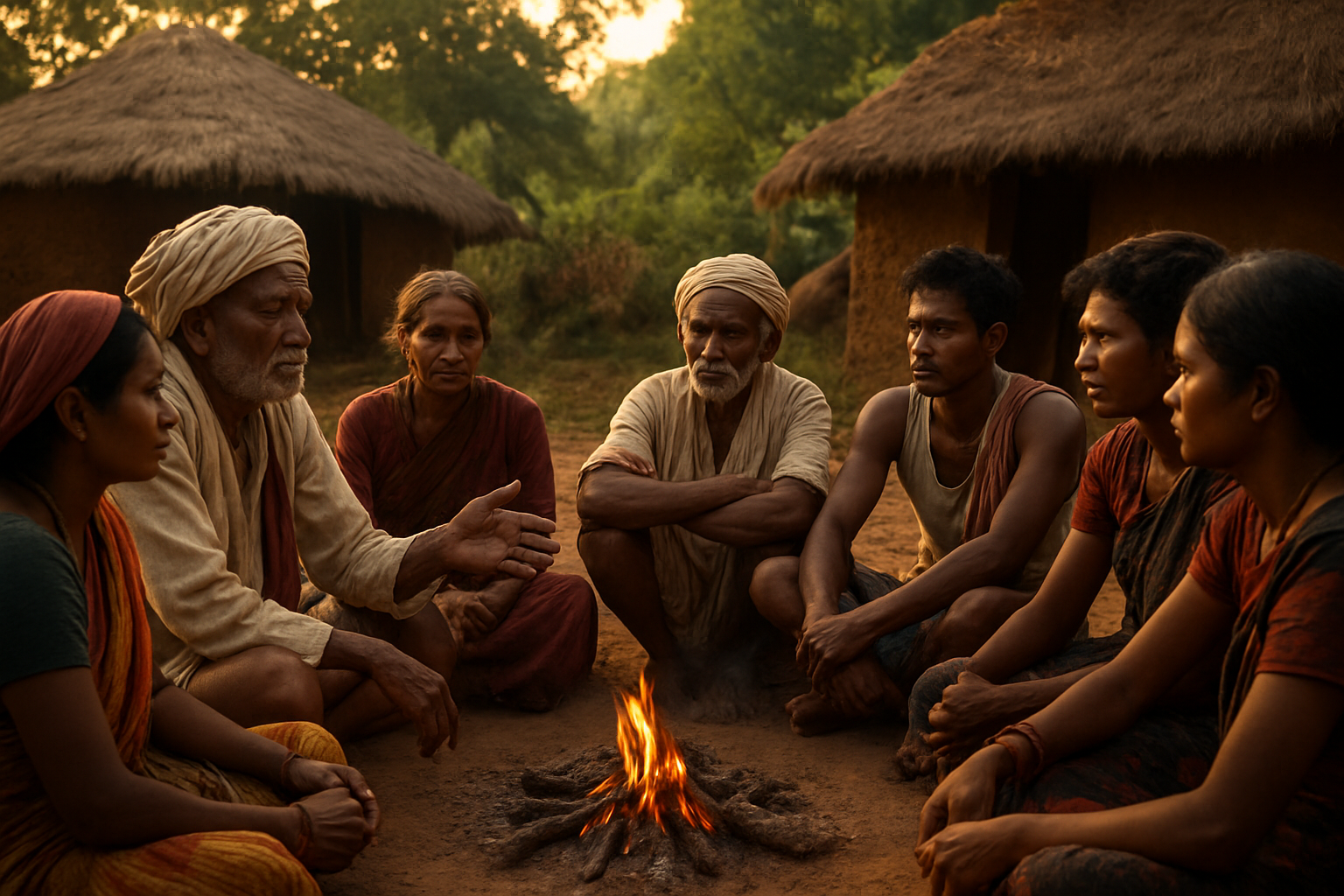
Oral storytelling remains the cornerstone of Pathari cultural transmission. Elder community members, known as “Kathakars,” hold the responsibility of preserving and sharing ancestral stories during evening gatherings. These narratives encompass creation myths, heroic tales, moral lessons, and historical accounts of tribal migrations and battles.
The storytelling tradition follows specific seasonal patterns. Winter months bring epic tales that can span multiple nights, while shorter folktales and riddles entertain families during busy agricultural seasons. Sacred stories about tribal deities and spirits are reserved for special ceremonies and can only be shared by designated spiritual leaders.
Children learn these stories through repetition and participation, gradually taking on narrator roles as they mature. The community encourages creative embellishment while maintaining core narrative elements, allowing stories to evolve naturally while preserving their essential cultural messages. This dynamic approach has helped Pathari folklore remain relevant and engaging across generations.
Traditional Songs and Musical Heritage
Music permeates every aspect of Pathari Tribe life, from daily work routines to major celebrations. Their musical tradition includes work songs that accompany agricultural activities, helping coordinate group labor while making tasks more enjoyable. Harvest songs celebrate successful crops, while planting songs invoke blessings for fertile soil and adequate rainfall.
Ceremonial music plays a central role in religious observances and life cycle events. Wedding songs differ dramatically between regions, with some communities favoring rhythmic chants accompanied by traditional drums, while others prefer melodic compositions featuring bamboo flutes and stringed instruments.
The Pathari musical heritage also includes lullabies that mothers sing to their children, often incorporating protective charms and blessings. These gentle melodies frequently reference natural elements like flowing rivers, swaying trees, and protective mountain spirits, connecting young minds to their environmental heritage from birth.
Community gatherings feature competitive singing, where different families or clans present their musical interpretations of traditional themes. These events serve both entertainment and educational purposes, allowing skilled musicians to demonstrate proper techniques while preserving authentic melodies and lyrical content for future generations.
Religious Beliefs and Spiritual Practices
Nature Worship and Animistic Traditions
The Pathari Tribe maintains a deep spiritual connection with the natural world that shapes their daily existence. Every tree, river, mountain, and even rocks are believed to house spirits that influence human life. The Pathari people see nature as a living entity filled with supernatural forces that must be respected and appeased through specific rituals and offerings.
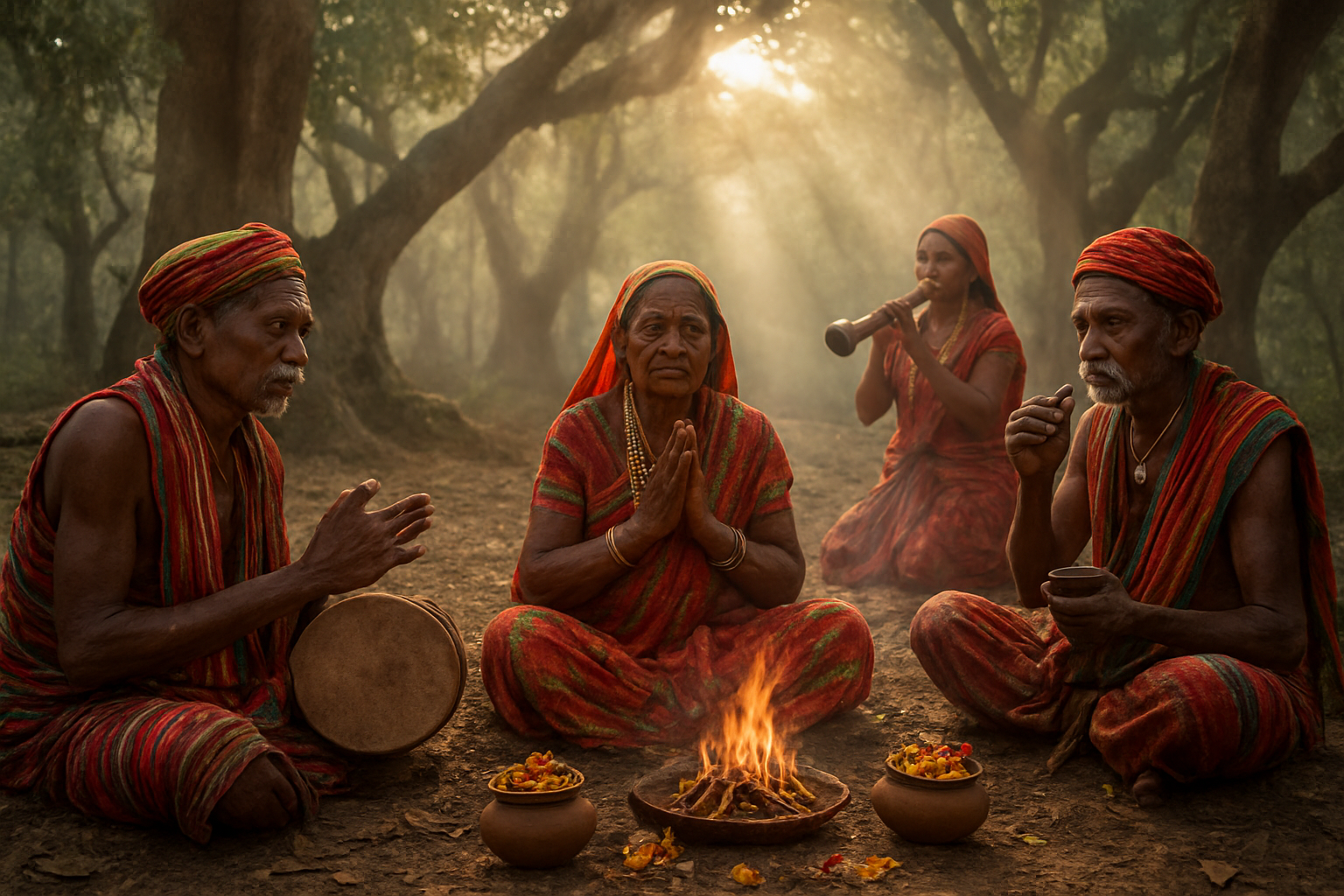
Sacred trees like the banyan, neem, and sal hold special significance in Pathari spirituality. Community members regularly place flowers, rice, and vermillion at the base of these trees while chanting traditional prayers. The tribe believes these spirits can bring good fortune, protect crops, and ward off diseases when properly honored.
Water bodies receive particular reverence among the Pathari Tribe of India. Rivers and springs are considered dwelling places of powerful water spirits who control rainfall and agricultural success. Before planting seasons, tribal elders perform elaborate ceremonies near water sources, involving the entire community in prayers and traditional dances.
Animal spirits also play a crucial role in Pathari beliefs. Certain animals like tigers, elephants, and serpents are considered sacred messengers between the human and spirit worlds. The tribe follows strict taboos regarding these creatures, believing that harming them could bring severe misfortune to the entire community.
Ancestral Reverence and Rituals
Ancestor worship forms the backbone of Pathari spiritual practices, with deceased family members believed to continue influencing the living world. The Pathari people maintain that ancestors possess the power to bless or curse their descendants based on how well their memory is preserved and honored.
Each Pathari household maintains a dedicated space for ancestral spirits, typically located in the main room or a separate shrine area. These spaces contain photographs, personal belongings of the deceased, and small clay figurines representing ancestral spirits. Daily offerings of food, water, and incense are presented to maintain positive relationships with these spiritual beings.
Annual ancestral festivals bring the entire community together for elaborate remembrance ceremonies. During these events, tribal members prepare traditional foods that were favored by their ancestors, share stories about their lives, and perform ritual dances believed to please the spirits. The eldest family members lead these ceremonies, passing down oral traditions and maintaining cultural continuity.
Death rituals among the Pathari involve complex procedures designed to ensure smooth transition of the deceased into the ancestral realm. The body undergoes specific preparation rituals, and burial sites are carefully chosen based on spiritual considerations. Post-death ceremonies continue for several days, with the community supporting the grieving family through shared prayers and meals.
Sacred Groves and Spiritual Sites
The Pathari Tribe designates specific forest areas as sacred groves where spiritual activities take place away from daily village life. These protected spaces serve as natural temples where the most important religious ceremonies occur, and cutting trees or hunting animals within these boundaries is strictly forbidden.
Sacred groves typically contain ancient trees, natural springs, and stone formations that hold special spiritual significance. The largest grove in each territory houses the community’s primary deity shrine, where major festivals and life-cycle ceremonies take place. These areas remain remarkably well-preserved due to religious protection, creating important biodiversity refuges.
Hilltops and cave systems also serve as significant spiritual sites for the Pathari people. High elevations are considered closer to the spirit world, making them ideal locations for communication with supernatural forces. Tribal shamans often retreat to these isolated places for meditation, spiritual healing, and receiving divine guidance for community decisions.
Stone circles and rock paintings found throughout Pathari territory mark additional sacred sites where specific spirits are believed to reside. These locations become pilgrimage destinations during religious festivals, with tribal members traveling considerable distances to offer prayers and seek blessings for important life events.
Integration with Mainstream Religious Practices
Modern Pathari communities increasingly blend traditional animistic beliefs with Hindu and Christian religious practices, creating unique syncretic spiritual systems. Many tribal members now worship Hindu deities alongside their traditional spirits, finding ways to incorporate both belief systems without abandoning their cultural identity.
Hindu festivals like Diwali and Holi are celebrated within Pathari communities, but with distinct tribal modifications that include traditional dances, foods, and ceremonial practices. Local Hindu temples often welcome Pathari worshippers, while tribal sacred groves sometimes house Hindu deity statues alongside traditional spirit shrines.
Christian missionary influence has also impacted some Pathari communities, particularly in regions with greater outside contact. However, converted tribal members often maintain certain traditional practices, attending church services while continuing to honor ancestral spirits and natural deities in private family ceremonies.
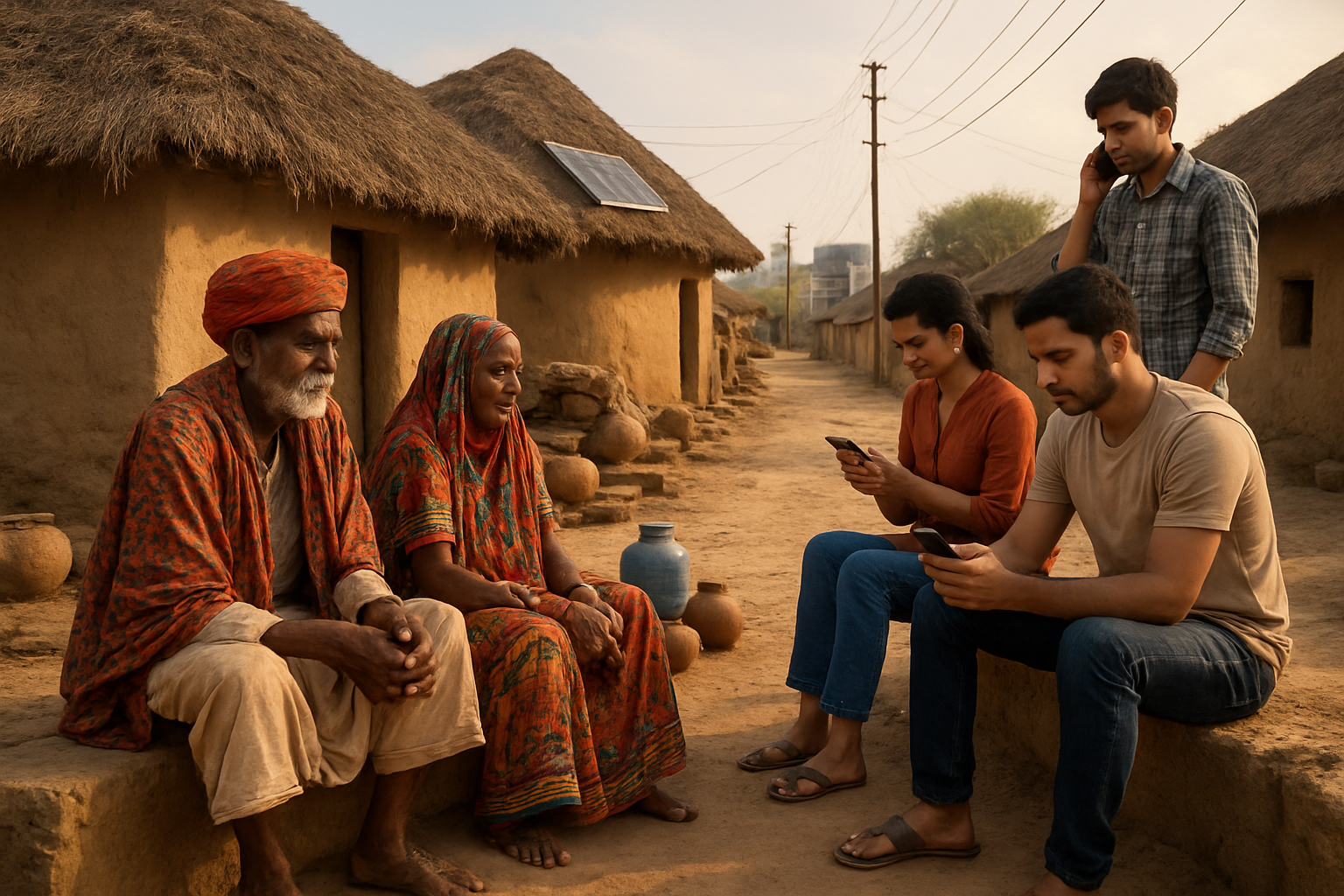
This religious blending creates complex spiritual identities where Pathari Tribe members navigate between traditional and mainstream religious obligations. Younger generations especially find themselves balancing respect for ancestral traditions with participation in broader Indian religious culture, leading to evolving spiritual practices that reflect both heritage and modern influences.
Contemporary Challenges and Modernization
Land rights and displacement issues
The Pathari Tribe faces mounting pressure from land acquisition projects that threaten their ancestral territories. Mining operations, particularly coal and iron ore extraction, have become the primary driver of displacement across traditional Pathari settlements. Government-backed industrial projects often proceed with minimal consultation, leaving communities with little legal recourse to protect their hereditary lands.
Forest conservation policies create additional complications. While environmental protection remains crucial, strict forest regulations sometimes restrict the Pathari people’s access to areas they’ve sustainably managed for generations. This disconnect between conservation goals and indigenous land rights creates ongoing tension between tribal communities and forest authorities.
Legal documentation presents another significant hurdle. Many Pathari families lack formal land titles, relying instead on traditional ownership patterns passed down through generations. This absence of official paperwork makes them vulnerable when developers or government agencies seek to acquire land for development projects.
The Forest Rights Act of 2006 was designed to address some of these issues, but implementation remains inconsistent across different states where the Pathari Tribe resides. Bureaucratic delays and complex application processes often prevent communities from securing the legal recognition they deserve.
Compensation packages, when offered, rarely reflect the true value of lost agricultural land or the cultural significance of ancestral territories. Cash payments cannot replace the deep spiritual connection the Pathari people maintain with specific geographic locations that hold generations of cultural memory.
Educational access and literacy development
Educational infrastructure in Pathari tribal areas remains severely underdeveloped. Many villages lack primary schools within walking distance, forcing young children to travel long distances or abandon their education entirely. The absence of proper roads and transportation systems compounds this accessibility problem.
Language barriers create significant obstacles in classroom settings. Most educational materials and instruction occur in regional or national languages rather than the native Pathari dialect. This linguistic mismatch often leads to poor comprehension and academic performance among tribal students.
Teacher shortages plague schools in Pathari regions. Qualified educators frequently avoid remote tribal areas due to inadequate facilities, irregular salary payments, and challenging living conditions. When teachers are present, they often lack cultural sensitivity training that would help them connect with Pathari students more effectively.
Economic pressures force many Pathari children into early employment rather than school attendance. Families struggling with poverty may prioritize immediate income over long-term educational benefits, particularly when they see limited economic opportunities for educated tribal youth in their local areas.
Higher education remains largely inaccessible for most Pathari young people. Universities and colleges are typically located in urban centers far from tribal communities, and the costs associated with higher education often exceed family financial capabilities.
Adult literacy programs have shown some promise but require sustained funding and community engagement to achieve meaningful results across Pathari settlements.
Healthcare and nutritional concerns
Medical facilities serving the Pathari Tribe are typically understaffed and poorly equipped. Primary health centers, when available, often lack essential medicines and diagnostic equipment. Specialized medical care requires travel to distant urban hospitals, creating financial and logistical barriers for tribal families.
Malnutrition rates remain alarmingly high among Pathari children and pregnant women. Limited access to diverse food sources, combined with seasonal food insecurity, contributes to widespread nutritional deficiencies. Traditional food systems have been disrupted by environmental changes and land displacement, reducing access to indigenous crops and wild foods that historically provided balanced nutrition.
Preventable diseases continue to affect Pathari communities due to inadequate sanitation infrastructure and limited health education. Water-borne illnesses are particularly common during monsoon seasons when existing water sources become contaminated.
Mental health services are virtually non-existent in most Pathari areas. The stress of cultural change, economic uncertainty, and social discrimination takes a significant psychological toll, yet professional mental health support remains unavailable to address these growing concerns.
Traditional healing practices, while culturally important, sometimes conflict with modern medical approaches. Creating bridges between indigenous healing knowledge and contemporary healthcare requires sensitive collaboration that respects both systems while ensuring effective treatment outcomes.
Maternal and infant mortality rates exceed national averages in many Pathari communities, reflecting broader healthcare access challenges that disproportionately affect tribal women and children.
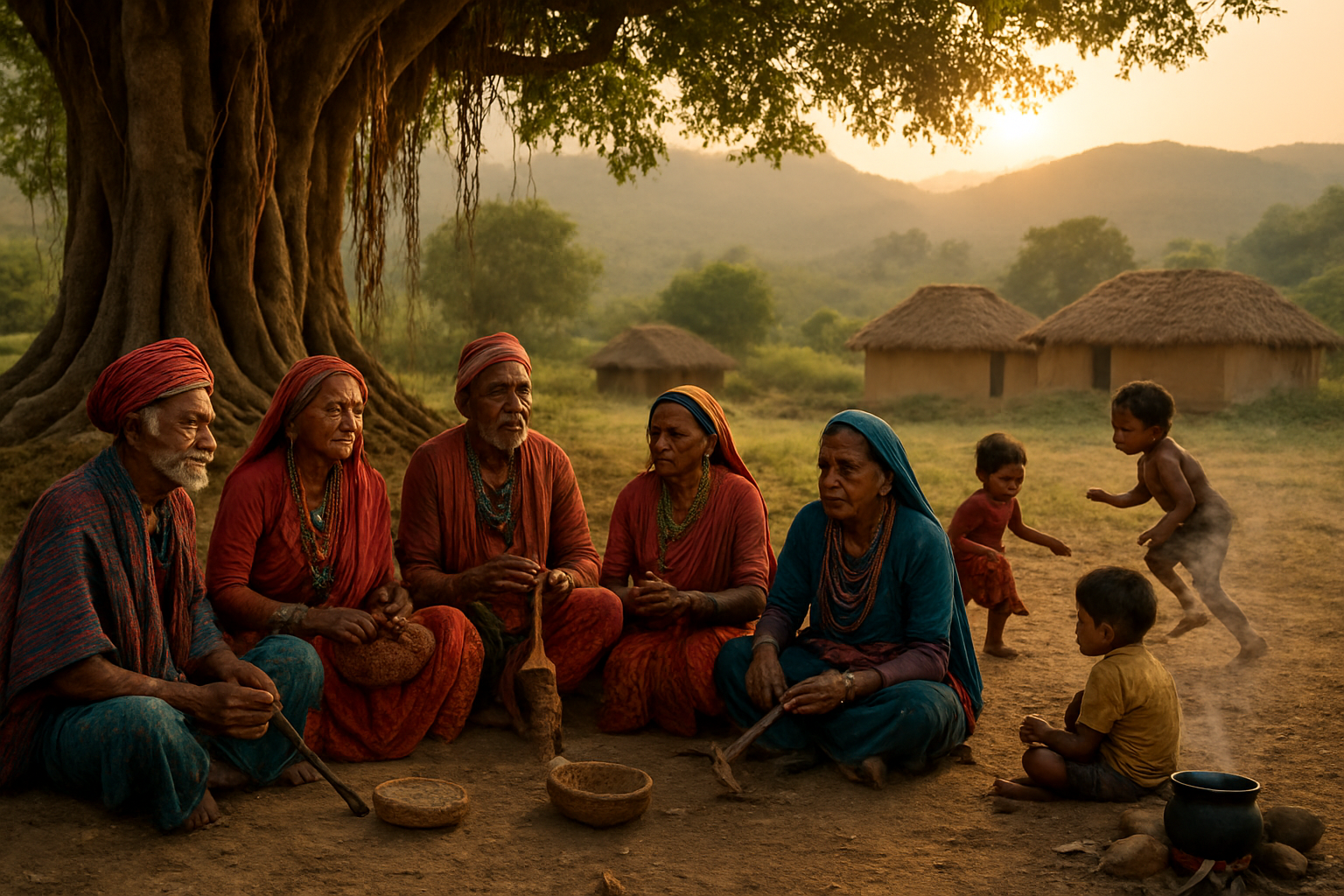
The Pathari tribe represents a fascinating blend of ancient traditions and evolving modern realities. From their deep historical roots and unique cultural practices to their traditional stone-cutting occupations and rich oral heritage, this community has maintained a distinct identity across generations. Their spiritual beliefs and social structures continue to shape their daily lives, even as they navigate the challenges of a rapidly changing world.
Today’s Pathari people face the delicate balance of preserving their ancestral ways while adapting to contemporary opportunities. Supporting indigenous communities like the Pathari means recognizing their valuable contributions to India’s cultural diversity and helping them access education, healthcare, and economic opportunities without losing what makes them unique. Their story reminds us that every tribe carries irreplaceable knowledge and traditions that deserve our respect and protection for future generations to learn from and celebrate.
