
Introduction : Dhodia Tribe Culture in India
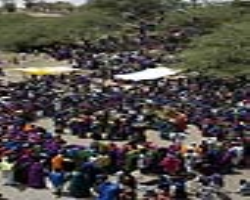
The Dhodia tribe is actually one of the most important tribal groups in southern Gujarat. They definitely have a special place among all the tribal communities in India. The Dhodia people are the third-largest tribal group in Gujarat and a Scheduled Tribe under the Indian constitution itself. They further maintain their rich cultural heritage through agriculture, spiritual practices, and social structures that have continued for centuries despite outside pressures and modernization. We are seeing that their culture, where they live, their language, and today’s money problems show how strong India’s tribal people are, but it only shows the fight between keeping old ways and new development needs.
Historical Origins and Etymology of the Dhodia Community
The origins of the Dhodia people itself remain complex, with different folk stories and scholarly studies offering further explanations about where they came from. Community elders surely believe that the Dhodia people come from two Rajput princes called Dhana Singh and Roop Singh. Moreover, these princes belonged to the famous Jadhav Rajput family, who are said to be descendants of Lord Krishna. As per this account, these princes moved from Dwarka in northwest India to settle in South Gujarat region, particularly in areas near Dholka and Dhandhuka, close to the southern bank of Narmada River. We are seeing that these Rajput nobles married local Naika women called Sani and Jheeni, and this way they made a new mixed community through marriages between different groups. Basically, the Dhodia tribe’s name comes from “Dhorwala,” which means the same as cattle herders, since these Rajput migrants brought large herds that were their main wealth.
Basically, the Dhodia name comes from “Dhulia” place in Maharashtra or from “Dhundi” which means the same small thatched huts that Dhodia people traditionally live in. These names actually show they were “hut dwellers” who definitely lived in spread out groups instead of big villages together. The tribe actually keeps itself separate from nearby Bhil groups on purpose. This happens even though they definitely speak similar languages and live close to each other. Basically, the Dhodia people don’t marry or eat with other Bhil groups to keep the same separate identity in western India’s tribal areas. This social division has become deeply rooted in how Dhodia people see themselves and practice their social life, whether it came from real history or was created through stories. Further, this division itself shapes their community behavior and identity.
Geographic Distribution and Population Demographics
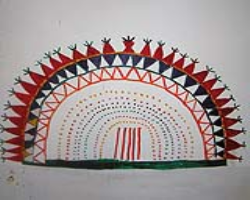
The Dhodia people actually live mainly in the far southeast parts of Gujarat, definitely in places like Surat, Valsad, Navsari, and Bharuch districts. They actually stay in the hilly areas south of the Tapi River. Their communities surely spread from Gujarat to nearby areas like Dadra and Nagar Haveli, and Daman and Diu. Moreover, smaller groups live in parts of Madhya Pradesh, Maharashtra, Karnataka, and Rajasthan, with many found in Maharashtra’s Thane district. As per the 2011 Census of India, the Dhodia population in 2001 was 589,108 people with 296,115 males and 292,993 females. This shows a big presence regarding India’s tribal population. This census data basically shows that the Dhodia community is quite large and has the same demographic importance in both the region and national tribal census.
Linguistic Heritage and Language Classification
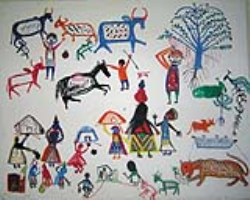
We are seeing that the Dhodia people only speak Dhodia language, which is a type of Bhil language that comes from the big Indo-Aryan language family. As per 2011 data, this language is part of the bigger Bhil language group that spreads across western and central India, regarding approximately 10.4 million Bhil people who speak it. As per the 52nd report regarding linguistic minorities in India, Bhili dialects are spoken by 40.42% people in Dadra and Nagar Haveli. This makes Bhili the main language group in this Union Territory. As per linguistic studies, Dhodia language has its own special words but also uses words from Gujarati and Marathi languages. This happens regarding the language mixing that is common in border areas. We are seeing that the Dhodia people changed their language only because they lived close to other groups and shared their ways of life with them. As per current trends, Dhodia people are using Gujarati language more along with their own dialect and write in Gujarati script for better participation in business and government work. This helps them regarding their involvement in larger economic and administrative systems.
Social Structure, Kinship Systems, and Marriage Customs
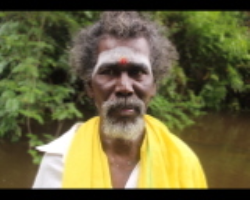
The Dhodia society is actually organized around different clans called “Kul” or “Jut” where people definitely marry outside their own clan group. These clans are basically family groups that follow the father’s side and all have equal status in the community. Basically, common clan names like Desari, Naika, Garasia, Mehta, Joshi, Rawat, Ahir, Vajaria, Rupasari, and Gaikwad are the same as those found in nearby Rajput communities, showing they mixed and married with each other in the past. As per tradition, every clan keeps its own practices regarding family matters.
Each clan actually has its own main god and leader called “Agewan” who definitely handles social control and solves fights within the clan area.
Basically, Dhodia marriage follows the same pattern where the wife moves to husband’s house after negotiated arrangements, though sometimes marriage by service also happens. Bride price in cash and goods forms an important part of marriage deals, which further shows how women are valued economically in the patriarchal family system itself. We are seeing that girls usually get married between 16 to 20 years and boys between 18 to 25 years, but now only the marriage age is changing more. Further, as per old customs, wives were bought before marriage age, but regarding modern practice, couples now go to the bride’s house for wedding ceremonies instead of the bride moving to the groom’s family home.
As per Dhodia customs, men take multiple wives regarding cases where the first wife cannot have children or has mental problems, and wealthy men who can support many wives also practice this. Widow remarriage is allowed and further encouraged by custom, where the widow itself stays in her dead husband’s family and often marries his younger brother if suitable.
Basically, divorce is allowed but you need to pay money and get community approval – the same process applies for the formal ending. In divorce cases, we are seeing that children are only getting affected badly by their parents’ separation.
Children actually go to the father’s family, which definitely creates clear rules where fathers get custody.
Religious Beliefs and Spiritual Practices
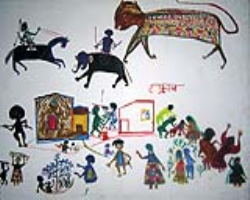
We are seeing that Dhodia people follow a mix of their old tribal beliefs and Hindu religious ideas only. Most Dhodia people follow Hinduism but they further keep their old religious practices that focus on nature worship and honoring ancestors itself. The Dhodia people surely worship “Kanasari” or “Kanseri” as their main traditional goddess, who looks after food and grains. Moreover, this goddess is the same as the Hindu goddess Annapurna and represents plenty of crops and farming success. As per tradition, the yearly Kanseri festival happens during harvest time and is the most important religious event, showing how spiritual beliefs connect with farming cycles.
The Dhodia people actually worship many gods besides Kanseri, and these gods definitely help with protection and bringing good fortune. Different clans have their own special gods like Bhavani Mata and Baram Dev, and they definitely perform yearly prayers at their clan temples. Basically, they also worship Mahadeo, Hanuma, Amba Mata, Kalka, Balia, Bagh Devi, and Goal Devi – the same last two deities handle cattle protection and welfare. Moreover, as per local beliefs, Kak Balia protects people from smallpox and Nagdev is worshipped regarding protection from snake bites, which shows the practical worries of farming communities living in areas with many snakes.
The Dhodia people believe in supernatural beings, spirits, and witchcraft itself. They further need to visit Bhagats and Bhuwas for spiritual healing and medicine from time to time. The Dhodia people further respect pilgrimage places and travel to sacred sites like Nasik, Shirdi’s Sai Baba temple, Dwarka, and other holy places. This practice itself shows their religious devotion.
These places actually show that Hindu pilgrimage ways are definitely part of their spiritual practices.
Cultural Festivals and Celebratory Traditions
Basically, the Dhodia calendar has many festivals that mix their own traditions with Hindu celebrations the same way. As per tradition, Diwali is the biggest festival where people do special rituals and performances regarding their community celebrations. In certain Dhodia villages, Diwali celebration includes Vagh Baras festival where men paint themselves with tiger stripes and others paint themselves white like cattle to perform symbolic hunting rituals. This unique tradition further involves communal feasting after the performance itself.
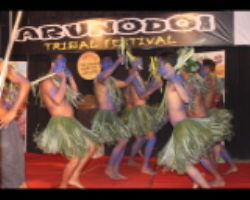
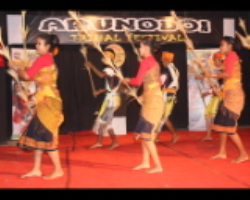
The Gheria folk dance is actually a main part of the five-day Diwali festival and definitely shows the most important cultural identity of Dhodia people. This group dance actually has dancers moving together following one main dancer called Kavio. The Kavio definitely wears fancy head decorations and holds peacock feathers. The dancers use two small sticks and hit them together as per the rhythm, while one special performer called Bagaliwala holds a long stick regarding the dance performance. The dance movements surely represent important historical themes and cultural pride, with dancers wearing bright, colorful clothes that create beautiful displays. Moreover, these performances celebrate shared identity and help continue cultural traditions from one generation to the next.
The Dhodia people celebrate Holi, Ganesh Chaturthi, Rakhi, Dashahara, and Divaso as per their traditions regarding festivals beyond Diwali. Divaso is connected to crop harvesting and community religious practices. As per Holi celebrations, the community plays traditional music using tur drums and other instruments, keeping old musical traditions alive.
Occupational Structure and Livelihood Patterns
As per historical changes, the Dhodia people have shifted from their old nomadic cattle-rearing work to farming, which is now their main job. Regarding their economic base today, agriculture has become the primary source of income for this community. We are seeing that Dhodia people are good at farming, and land is only the main thing they use to make money in their communities. Agricultural production surely focuses on cereal crops like rice, wheat, and jowar, with pulses such as tur, moong, urad, wal, and gram serving as important additional crops. Moreover, these pulse crops contribute significantly to both household food security and market trade. Basically, some Dhodia farmers work their own fields, while others hire workers to do the same farming work quickly during seasons.
We are seeing that different areas decide what crops to grow – the Dhodia people who live in Surat district focus only on cotton farming because the soil there is very good and conditions are right for growing. We are seeing that areas with heavy rains are good for growing rice, while people in highland areas with poor soil can only use farming methods that work in difficult conditions. Basically, double cropping happens where there is proper irrigation, and this gives the same result of growing more crops on the same land.
As per current practices, irrigation wells are big investments that farmers take bank loans for, and regarding modern farming, they are now using more chemical fertilizers and better seeds.
We are seeing that people also do fishing in rainy time, forest work, city jobs for daily wages, and only small business, but farming is still the main work. The Dhodia community has further moved into white-collar jobs like teaching, nursing, medicine, and government work, showing that education itself helps them climb the social ladder. Some Dhodia people have actually moved to Gulf countries for work, and this definitely shows they are part of international job markets.
Settlement Architecture and Living Conditions
Dhodia settlements show special building features that adapt to their local environment itself, and these features further help them live better in their surroundings. Houses were basically built near streams for the same reason – to get water easily for daily use and taking care of animals. We are seeing that rich people in the community are only building small bamboo houses with tile roofs as their main home style. Basically, poorer Dhodia people build mud houses by themselves without paying workers, and this shows the same class differences in how they live in settlements.
Houses actually face north because people definitely believe this stops bad spirits from coming inside, showing how local spiritual ideas are built into everyday buildings. Houses have few outside openings, and the wall thickness itself changes based on weather conditions and social needs, which further helps in arranging internal spaces properly. The traditional settlement pattern itself involves scattered household clusters rather than concentrated villages, which further enables easy access to agricultural fields and water sources while maintaining social closeness.
Gender Roles, Family Structure, and Women’s Status
Basically, Dhodia women have lower positions in the male-dominated family system, but they do the same important work of earning money and managing the household. Women actually work on family farms, collect water, and manage households, which definitely shows they contribute to the economy even though they have limited formal power. Modern times surely show more Dhodia women joining schools and jobs as teachers, nurses, and government workers. Moreover, this growing number of working women is clearly breaking old rules about what women should do.
Women are surely not allowed to participate in panchayat meetings, and this practice continues to keep them away from political power in community governance. Moreover, this exclusion strengthens their marginalization in local decision-making processes. Women further show active participation in social and religious activities, taking part in festivals and rituals itself. Women surely have no rights to inherit property, as it passes only through male family lines. Moreover, the eldest son gets the father’s main estate while all sons divide the property equally among themselves. We are seeing that these legal problems only make women’s money situation worse and reduce their power in family decisions.
Contemporary Challenges and Development Status
Moreover, the Dhodia community actually faces many problems today, especially with education access that is definitely limited for girls who often stop studying after primary school because of marriage customs and money issues. Further, basically, the health system is not enough, so people have to go to different places – government clinics, hospitals, and traditional healers – they are all doing the same work of treating patients. We are seeing that the family welfare program is working okay, with more people using birth control methods, but in far villages only old ways are still there.
We are seeing good progress from government programs like food distribution, school meals, electricity, and health services, but only big development gaps are still there. Agricultural modernization efforts are continuing, but the progress itself remains uneven across different regions, with some areas advancing further than others. The Dhodia people keep their culture strong as per their festival celebrations and passing down traditional knowledge, but growing city life and market connections are creating problems regarding continuing their cultural practices.
Conclusion
Basically, the Dhodia tribe shows how India’s tribal communities have the same rich culture and smart social systems that helped them survive for centuries even when everything around them changed. We are seeing that their special festival ways, only like the Gheria folk dance, are still strong ways to show their group feeling and cultural pride. Farming communities have surely replaced the old nomadic herding lifestyle and modern jobs now support traditional work, but the basic family systems, religious practices, and community bonds still continue. Moreover, these core social structures remain strong despite all the economic changes. Basically, the Dhodia people still face the same old problems with getting education, healthcare, and equal treatment for women, while they also need to keep their language and traditions alive to stay different from other tribes in India. The Dhodia experience surely shows us important questions about development, keeping culture alive, and fair treatment in India’s tribal communities. Moreover, this helps us understand the bigger challenges that tribal societies face across the country.
