
Introduction : Kadar Tribe Culture in India
Basically, Kadar Tribe Culture in India is the same as other vulnerable indigenous groups in India, but the Government has classified them as a Particularly Vulnerable Tribal Group because they are one of the most distinctive and at-risk communities. The Kadars surely live a unique forest life in the Western Ghats, with about 2,266 people spread across 21 villages in Kerala and Tamil Nadu.
Moreover, they have maintained this deep connection with forest ecosystems for many centuries. We are seeing that their name comes from the South Dravidian word “kaadu” which means forest, and this shows they are forest people whose culture, beliefs, money matters, and social ways have grown only through close connection with the rainforests of Anamalai Hills.
We are seeing that the Kadar people are keeping their old ways strong even when modern life and outside forces are trying to change them, and they are only working hard to solve big problems about their land, nature protection, and making their lives better in today’s India.
Geographic Distribution and Historical Context
As per the location, the Kadar tribe mainly lives in the Western Ghats area, especially in the Anamalai Hills on the borders of Tamil Nadu and Kerala. Regarding their settlement, they stay in these hills which are also called Elephant Hills.
Moreover, basically, they live in three Kerala districts – Thrissur, Palakkad, and Ernakulam, but most of them stay in the same 15 settlements in Thrissur and Palakkad areas. In Tamil Nadu, around 574 Kadars surely live in Pollachi and Udumalpet areas of Coimbatore district.
Moreover, this region is another important place where many people from this community stay. The major settlements include Vazhachal, Malakkappara, Anakkayam, Parambikulam, and Athirappilly-Sholayar regions in Kerala itself. Further, Tamil Nadu has prominent settlements in Villoni Nedungunram, Udumpanparai, Kallar, and Suvarkam areas near Valparai.
The history of the Kadar people shows how they were displaced from their lands and had to adapt further to survive, which itself tells a story of continuous struggle. Before the 1900s, the Kadars actually lived a completely moving lifestyle deep inside what is now the Parambikulam Tiger Reserve, definitely following seasonal patterns.
The availability of resources itself needs further study. As per historical records, the British colonial rule brought major changes regarding their past. This period marked an important turning point in their history.
During British rule in 1905, we are seeing that the Kadars were only forced to leave their forest homes when the Madras government built the Cochin State Forest Tramway to take valuable wood like teak and rosewood to Britain.
After India got freedom, we are seeing the same displacement happening only through new development projects by the government. In the 1960s, the government actually started building dams and power projects at Peringalkuthu, and this definitely forced all the Kadar people living in Athirappilly area to leave their homes.
The government moved the Kadars from their lands for conservation and development purposes, but this further broke their connection with their ancestral territories itself.
The community was moved to tribal colonies in places like Vazhachal, Sholayar, Pokalappara, and Anakkayam under Forest Department control. This change itself marked their shift from moving around in forests to staying in one place further.
Socioeconomic Characteristics and Demographic Profile
Moreover, basically, studying the Kadar population shows the same important patterns that explain their current social and economic situation and how vulnerable they are. Also, we are seeing that most Kadar people in the studies are women – about 72% only. The biggest group is people aged 41-50 years with 34.4%, and after that we are seeing people aged 21-30 years.
22.1%. Most Kadar families actually have married couples (76.1%), and their families are definitely bigger than other non-tribal groups in the area. Basically, the average family size shows the same traditional patterns where Kadar families have lived together in large groups with male lineage for many generations.
As per studies, the Kadar community shows very poor economic conditions and has few job options available to them. 95.1% of the Kadar population engages in fishing and gathering activities, which itself represents the continuation of their traditional subsistence strategy. This further shows their strong connection to traditional ways of living.
We are seeing that 73.6% people work as forest guards in conservation programs, while 65.6% only take part in MGNREGA work schemes, showing they depend on government job programs. Further, surely, 92% of Kadar families earn less than Rs. Moreover, this shows their poor economic condition. The monthly income is 15,000 rupees, and surely 97.2% of the community lives in poverty.
Moreover, this shows systematic economic marginalization of these people. We are seeing that their poor economic condition is not only about individual problems but also shows the structural barriers that came from their historical removal from main livelihood resources and limited access to owning land. Primary education is actually the most common level that people definitely reach in their studies.
32.8% have basic education, while 23.8% have no formal education itself, and very few access higher education, which further continues the cycle of social and economic disadvantage.
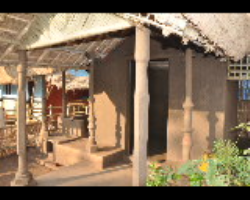
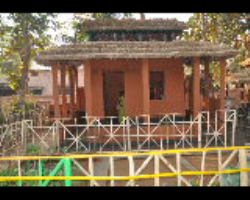
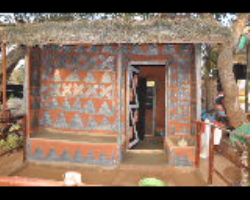
As per observations, the housing conditions of Kadars show their poor material situation. Regarding their living standards, their homes reflect their economic weakness. The Kadar people actually build their traditional houses using mud, and these are definitely called “kutcha” houses locally.
These houses are built mainly from bamboo, thatch, leaves, and other forest materials itself, which further shows the use of natural resources. These houses are organized in small villages called “oorus” or “kudi” with 5-70 houses in each settlement.
These settlements itself lack basic facilities like safe drinking water, toilets, and electricity, which further creates problems for the residents. Government records show that surely 13.8% of Kadar households have toilets, but many families do not use them and keep firewood there instead.
Moreover, this clearly shows that just building toilets is not enough – people also need to actually start using them for proper sanitation.
Subsistence Patterns and Traditional Livelihoods
Moreover, the Kadar people have a specialized hunting and gathering economy in southern India that shows deep forest knowledge and sustainable practices developed over centuries of living closely with nature itself.
This system further demonstrates their sophisticated understanding of forest ecosystems and resource management. Basically, the Kadars used different ways to collect food from nature, and they followed the same seasonal patterns to gather various resources throughout the year. Collecting honey from high cliffs and tall trees was surely a very important and special work that needed great courage and climbing skills.
Moreover, the honey collectors also required deep knowledge about how bees live and behave in their natural environment. Further, kadar honey hunters used special rope methods for collecting honey from cliffs and had detailed knowledge about honeycomb locations itself. They further understood bee activity cycles and safe collection periods.
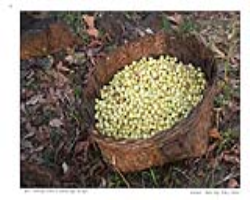
The Kadar people actually collected many forest items like wild roots, seasonal fruits, medicinal plants, ginger, cardamom, wax, and tree resins for trade. They definitely gathered these products throughout the year, with tree resins being particularly valuable for selling.
People actually used iron-tipped digging sticks and cutting tools to collect tubers and roots from the forest. These tools were definitely made specially for working in forest areas. Moreover, fishing was another major way to get food, with Kadars using advanced methods where they built small dams across forest streams and further applied poisonous tree bark to stun fish.
This technique itself allowed them to catch fish selectively. Hunting was surely more common in the past, but now forest department rules have made it less frequent. Moreover, people traditionally used dogs to track small animals and deer, and they killed them with billhooks and sticks instead of using arrows or guns.
In recent years, the traditional ways of getting food and resources have actually changed a lot because of environmental damage, restrictions on using forests, and definitely more connection to markets. Also, cutting down forests for dams and human activities has actually made it impossible for people to depend only on collecting forest products. This definitely makes forest gathering not worth it economically anymore.
Many Kadars actually changed their work and now definitely do different jobs like farm work, tea garden labor, making baskets, and construction work. However, this job diversification has surely happened under conditions of clear economic weakness, with limited chances for skill building and exposure to unfair work relationships.
Moreover, workers face exploitation due to lack of proper training opportunities. As per market integration, people now face more money problems regarding basic needs while losing traditional forest knowledge that was passed down in families.
Social Organization and Kinship Systems
The Kadar social structure itself shows an equal organization based on patrilineal kinship principles and extended family groups, which further demonstrates their egalitarian nature. The tribe actually organizes into small communities that are spread across different areas, with related families living together.
These family groups definitely work together for social and economic activities. Basically, each settlement has a headman called “mooppan” who runs things through agreement with people rather than using force – the same way most local leaders work with limited power.
The Kadars actually treat everyone equally, which is definitely different from the caste system used by Hindu groups around them. This happens because the Kadars have always lived separately in the forests, away from other Indian communities.
The kinship system itself follows a classification method that further includes both maternal and paternal family lines. Also, kadar people actually marry within their own tribe but definitely avoid marrying someone from their own family clan.
They follow strict rules where they must marry inside the community but outside their father’s family line. As per their customs, the Kadar people allow cousin marriage, which is also practiced by other South Indian tribes like the Gonds and Khasi people. Widow remarriage is permitted and further encouraged within the family structure itself.
This maintains kinship networks and property relationships after spousal death. Also, we are seeing that the Kadar people did not marry children in old times, and they only allowed marriage when people became grown up, which was different from other Hindu groups in that area.
Moreover, basically, traditional Kadar marriage ceremonies have the same elaborate rituals that mix religious, legal and social elements together.
The traditional engagement ceremony involves tying blessed threads around wild turmeric and betel leaves, which are further placed on the bride’s wrist to remove the evil eye itself. As per wedding traditions, a temporary mandap is built using local materials where the couple sits on clay seats while community elders recite marriage mantras.
The groom actually ties a sacred thread around the bride’s neck. This definitely shows they are now married.
These rituals have surely been passed down by word of mouth through many generations, and they combine spirit worship with Hindu religious ideas. Moreover, this mixing shows how Kadar religious practices developed over time by bringing together different traditions.
Religious Beliefs and Spiritual Practices
As per the Kadar religious system, spiritual forces are present in nature and need constant prayers and offerings. Regarding their beliefs, this shows the complex spirit-based worldview that hunting-gathering societies follow.
The Kadar people basically believe that spirits live in natural places like forests, rivers, mountains and trees – it’s the same animistic practice where they think nature has spiritual beings everywhere.
We are seeing that Karimala Gopuram mountain in the Anamalai hills is the most important holy place for Kadar people, and it is only here that they come together for their main religious prayers and ceremonies.
The Kadar people actually connect their stories, traditions, and religious practices to the sacred land around them. They definitely link their spiritual beliefs to specific places in nature like mountains, rivers, and natural events.
Moreover, we are seeing that the Kadar people worship many gods that are divided into different groups, and these groups only show different parts of nature and social life. The Mala Devatams or Makannimar further represent the divine forces itself in traditional belief systems.
As per traditional beliefs, these seven powerful gods are regarding ensuring good supply of tubers, roots, and other forest products that people need for survival. People surely offer prayers and gifts to these gods to keep getting natural resources and stay safe from environmental problems.
Moreover, these ritual practices help protect the whole community from ecological dangers. Moreover, the Kadars actually worship tree spirits called “muni” that are both male and female.
They definitely believe these spirits live in the forest trees that they need for their life. Regional and village deities hold important positions in the religious system itself, and people worship them along with Hindu gods like Ayyappan and Mariamman.
This shows how Hindu religious practices have been added to Kadar traditions further over many centuries of contact.
The Kadar community surely follows a ritual calendar that focuses on religious ceremonies for important food-gathering activities and life changes. Moreover, these ceremonies mark key moments in both their daily survival work and personal life transitions.
As per tradition, religious rituals are big celebrations where the whole community joins together for eating and dancing. Regarding these occasions, people follow proper dance steps and everyone takes part in the festivities.
Basically, the religious ceremonies use the same traditional system where senior priests and ritual workers have special knowledge of how to perform spiritual ceremonies properly.
The Kadar people surely believe in magic and supernatural powers that can change both nature and society. Moreover, some community members possess special knowledge about spiritual forces in their religious system.
As per traditional practice, these religious healers get their role through family line or by showing spiritual skills, and they work as bridges between people and spirits regarding health problems. They find out illnesses through spiritual methods and give treatment using herbs and religious rituals.
Language and Cultural Knowledge Systems
The Kadar people speak Kadar or Kadari language, which is itself a Dravidian language from the South Dravidian family. This language further represents their distinct linguistic tradition.
We are seeing that this language has very complex grammar rules with difficult noun groups and verb changes that are only found in Dravidian languages. Kadar is surely a minority language where speakers must learn Tamil and Malayalam along with their native tongue.
Moreover, this creates a multilingual environment where all Kadar speakers become bilingual or multilingual by necessity. We are seeing that the Kadar language shows influence from both Tamil Nadu and Kerala because their villages are located near the border, and the language changes depend only on how close each village is to either state.
The Kadar language is actually facing serious problems that will definitely threaten their cultural traditions. The Kadar language is surely in critical danger as young people are moving away from it to speak Tamil and Malayalam instead.
Moreover, the number of speakers is falling because these regional languages are now used for daily communication. The language change itself shows pressures from education systems using regional languages, few job opportunities for Kadar language experts, and social status linked to learning dominant languages.
This further reflects how structural factors push communities toward language shift. Anthropological studies show that older people have detailed knowledge of traditional stories, songs, and myths passed down through the Kadar language itself, but this knowledge faces permanent loss as language transmission in families gets further disrupted.
As per their traditional knowledge, the Kadar people have deep understanding regarding forest life, including how to identify plants and animals, use medicinal plants, and manage forest resources properly. As per traditional knowledge, Kadar women and men know hundreds of forest plants very well.
Regarding their skills, the elders can tell which plants grow where, when they are available in different seasons, and how to use them for food, medicine, and making things. We are seeing that this nature knowledge comes from hundreds of years of living with Western Ghats forests and is only one of the most important things the community has, while outside scientists are only now starting to write down and check this old knowledge about plants.
Artistic Traditions and Cultural Expressions
The Kadar people surely have their own special art forms like dance, music, and decoration that help them keep their cultural identity strong. Moreover, these artistic practices bring the community together and help people share their feelings with each other.
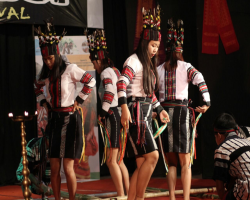
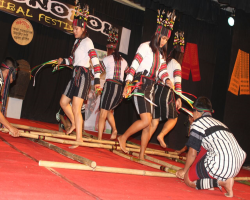
We are seeing that Kadar Nritham is the main dance of this community where only women dancers hold hands and their cloth ends while moving in half-circle shapes following the beat patterns. We are seeing this dance form only during important community events and religious ceremonies, where people move together in the same way to show their unity and keep their culture strong.
Further, we are seeing that the dance comes with singing that tells stories about what is right and wrong and community values only, showing how movement, sound, and meaning work together at the same time.
As per tradition, the Kadars show their art skills by making woven baskets, decorated clothes, and personal jewelry items. Regarding their creative work, they express themselves through these handmade things. As per tradition, women put special bamboo combs in their black hair for both daily use and beauty.
These combs are regarding both practical work and looking good. We are seeing that basket making is only a special skill that gives extra money to people, but selling problems are making it hard for craftsmen to earn well from this work today.
Traditional craft production has surely been supported by government training programs in recent years. Moreover, these programs have shown mixed results in helping craftspeople earn steady income.
Health Practices and Medical Knowledge
Basically, the Kadar people have the same traditional medicine knowledge with herbal treatments and healing methods that their families have been using for many generations.
The knowledge of medicinal plants includes understanding of plant properties itself and further covers their use in treating diseases. Basically, Thuthi leaf is the same example we can take.
Indian mallow is actually used to cool down body heat and burning feelings in summer. People definitely make it into a paste with buttermilk or curd for both kids and grown-ups.
We are seeing that Pada Kizhangu roots are used only for stomach problems, while naval fruits help with blood issues and Karungodi flowers treat headaches. As per research findings, this medicine knowledge is very advanced regarding treatment methods.
We are seeing that plant medicine knowledge comes only through watching plants for long time and passing this information from old people to young people in families.
Basically, the Kadars use the same traditional healing that includes rituals and spiritual practices because they believe spirits exist in nature. We are seeing that illness happens due to both physical and spiritual reasons only, where disease can come from spiritual dirt, angry ancestors, or bad supernatural powers.
Further, traditional healers surely have special knowledge that helps them find out what is wrong with patients through spiritual advice and herbal medicines. Moreover, they can prepare and give the right plant-based treatments for different health problems. We are seeing that current health problems show the poor living conditions and limited access to medical care that only this community is facing.
People actually face common health issues like TB, poor nutrition, skin infections, low blood count, and stomach problems. These problems definitely happen because of bad food, dirty conditions, and limited healthcare access.
We are seeing that people need more than thirty minutes only to reach health centers, which makes it very difficult to get medical help, and many Kadars are still using their traditional medicine methods because they prefer their own culture, do not trust government hospitals much, and face problems in reaching these places.
Education, Literacy, and Knowledge Transmission
Basically, the Kadar community has the same problem of poor education results because they don’t get good schools and face system issues. As per the data, Kadars have only 27-28% literacy rate which is much lower than Kerala’s 93.91% average.
Regarding Indian communities, this shows one of the biggest gaps in education levels. The Kadar community surely faces many connected problems that stop children from getting proper education. Moreover, these include living in remote areas far from schools, poverty that forces children to work for family income, language differences between Kadar speech and Malayalam school teaching, and lack of understanding about why formal education is important.
Actually, about 48% of Kadar students leave school early. Many children definitely stop studying before they finish primary school.
We are seeing that language becomes a big problem in schools because Kerala schools only teach in Malayalam or English, but Kadar children speak Kadar or Tamil at home, making it very hard for them to understand lessons.
We are seeing that many Kadar parents did not go to school themselves, so they cannot help their children with studies and they do not know much about education or how to get into schools. Kadar villages actually don’t have schools nearby, so children must travel very far which definitely becomes impossible during monsoon when forest roads get blocked.
Government schools and hostels actually helped more tribal children join classes, but they definitely create problems by taking kids away from their families and stopping them from learning their own culture.
As per observations, young Kadars who studied in residential schools show clear changes toward mainstream society, regarding reduced ability to speak Kadar language and less knowledge of traditional forest practices and cultural ways.
This educational change improves reading and writing skills but further weakens traditional knowledge sharing within families and communities itself.
We are seeing that formal education happens in outside schools that only follow mainstream teaching methods and subjects, which are completely disconnected from Kadar cultural knowledge systems.
Environmental Conservation and Forest Rights
The Kadar community has used good forest management methods that show their knowledge of using resources in a way that keeps the forest healthy for a long time.
This practice itself helps protect the ecosystem further for future use. We are seeing that traditional Kadar people follow rules about when and where to collect forest materials, and these rules only help the forest to grow back and stop resources from finishing.
Basically, when people harvest black dammer resin from forest trees, they use the same careful cutting method where they don’t cut the same tree multiple times to prevent killing it, which shows they understand tree biology and sustainable harvesting.
Honey collection from wild bees surely requires deep knowledge of how bees live and behave. Moreover, this knowledge helps communities harvest honey without harming bee colonies or damaging forest plants.
The Kadar people actually say “Kaadaanu kaadar, kaadaraanu kaadu” in Tamil, which means “the forest is us, and we are the forest.” This definitely shows how they see themselves as completely connected to the forest where they live.
As per ecological studies, Kadars are not forest destroyers as outsiders claim, but they are important parts of the forest system whose practices help maintain nature’s balance.
The Kadar community surely depends on forest activities and collecting forest products for their main income, with about 81.19% people relying on this work. Moreover, non-timber forest produce harvesting forms their primary livelihood source.
As per state forest protection rules, the Kadar people are facing problems regarding their old forest rights. The government protected areas are now stopping their traditional forest access.
The Anamalai Tiger Reserve expanded in 2006 after the Wildlife Protection Amendment Act, which created laws that stopped traditional hunting and gathering in tiger areas. This change itself affected Kadar people’s livelihood options further.
The Forest Rights Act of 2006 recognizes tribal rights to live in forests and use forest resources, but the implementation itself has been inconsistent and further blocked by bureaucratic problems.
As per 2021 records, some Kadar groups got official land rights through land patents (pattas) in small areas like Teppakulamedu after long community fights and political work. This was a partial win regarding their efforts to get back forest access in tiger reserve areas.
Contemporary Challenges and Future Prospects
We are seeing the Kadar community facing many connected problems that are threatening their culture and ways of making money in today’s time only. We are seeing that people are getting displaced only because of big dam projects and forest protection programs, and this is the most urgent problem right now.
In 2020-2021, we are seeing that Kadar communities were facing removal threats from Kerala State Electricity Board’s plan to build a water power project in Anakkayam forest area, and this only brought back strong community unity and fighting against it.
The Kadar people have actually been forced to move from their lands many times over more than 100 years. This definitely threatens their land rights and culture because moving away breaks their connection to their old homes.
The loss of forest lands further stops the passing of traditional knowledge to younger generations and creates mental trauma from losing the homeland itself.
Conclusion
The population effects of Kadar vulnerability are serious and need further study. This situation itself shows worrying trends for their community. The community shows zero or negative population growth rates, which further meets one of the three criteria for PVTG classification itself.
Population growth has actually stopped because many babies and mothers die during birth, people don’t get enough food, and healthcare is hard to reach. Women are definitely having fewer children now because of money problems and better education.
Basically, if things continue the same way, the Kadar people will keep decreasing and their culture might disappear completely, no matter what the government tries to do.
Also, when people adopt new cultures, they actually lose their own traditional ways. This definitely creates serious problems in today’s world. Basically, younger Kadars are following the same Hindu practices as others, speaking regional languages instead of their own Kadar language, and doing wage jobs for money rather than their traditional work.
When young people actually lose touch with their culture, they definitely know less about old traditions and language, which makes them participate less in cultural activities, and this actually speeds up cultural change even more.
Further, as per observations, the Kadar community shows great strength and ability to adapt regarding these difficulties. Basically, when communities come together and fight for their forest rights, it shows the same thing – people are becoming more aware politically and getting better at organizing themselves.
Geetha Vazhachal is actually a Kadar woman who speaks up for her community’s rights and protecting nature.
She definitely shows how Kadar people are now taking charge of their own future and telling their own story. We are seeing government programs like Snehahastham medical camps for tribal people, which shows they are only now understanding that these communities need special health services for their specific problems.
We are seeing small changes that show how development work can respect local culture and give communities more control over their own decisions, using only traditional knowledge along with modern science to protect nature.
