
Introduction: Digital Literacy for Women in India
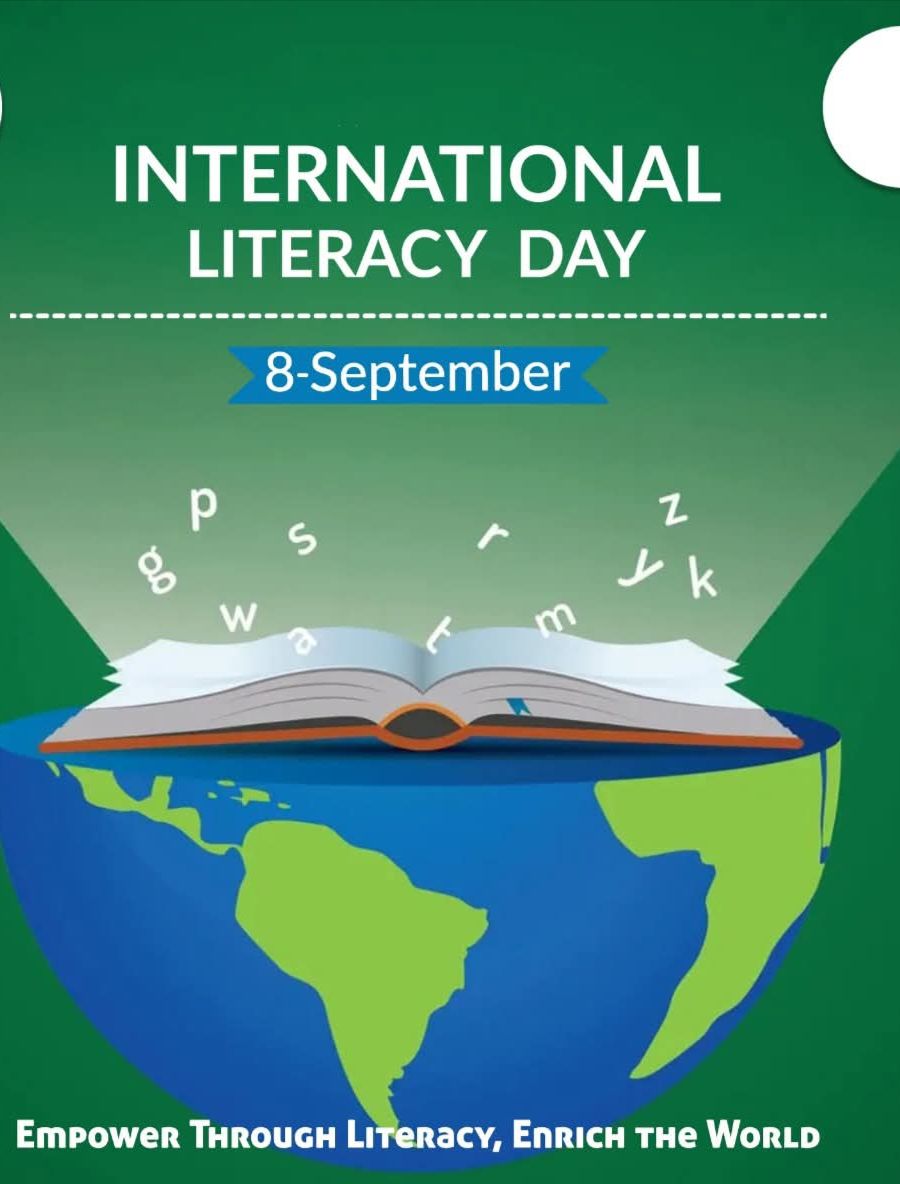
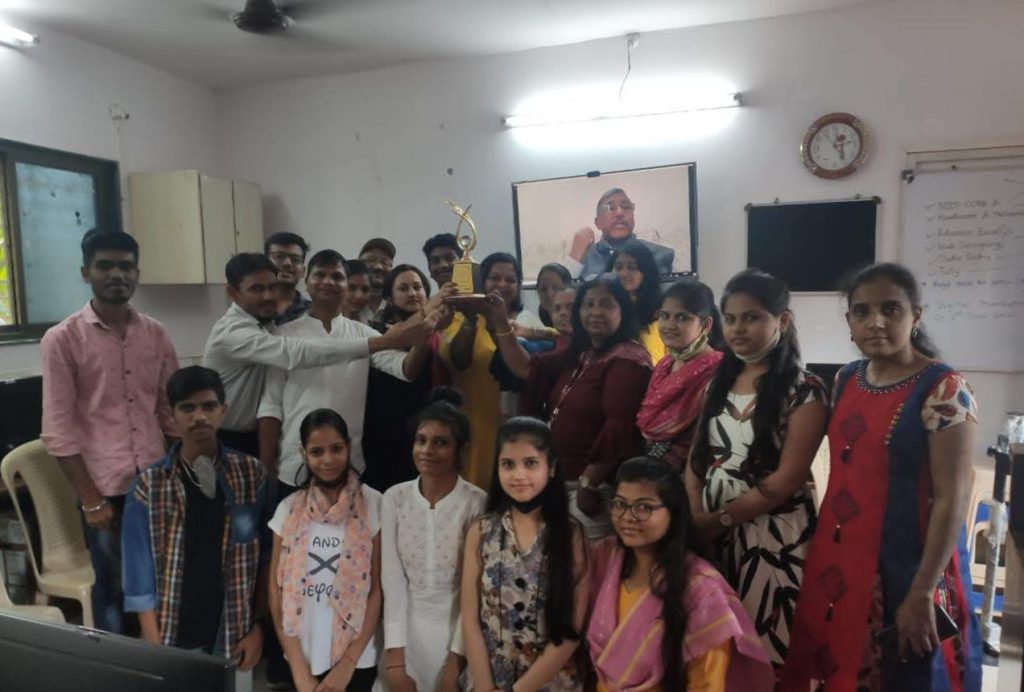
21st century Digital Literacy for Women in India is considered a basic skill, just like reading and writing. It describes the capacity to engage in society through the effective use of digital technologies such as computers, smart phones and the internet), to access information and opportunities to communicate, work, remote study or participate in cultural events.” Digital literacy is a tool of empowerment for women in India – it is their ticket to education, financial independence, medical knowledge and social inclusion. But, despite the accelerated growth of digital infrastructure in India, there remains a massive gender gap in access to and usage of technology. Filling that vacuum is essential if women are not to be left behind in the country’s drive for digital transformation.
Importance of IT Literacy for Narifolk Women : Digital Literacy for Women in India
1. Educational Empowerment
Women get online learning resources, e-books, tutorials and even digital classrooms on virtual platforms. Digital literacy opens the doors of virtually learning environment, scholarships and courses for skill development to millions of girls in rural India with scarce access to quality schools. It banks the idea of lifelong learning, even after formal schooling.
2. Economic Independence
If armed with digital skills, women could avail the jobs in a diversified sectors like e-commerce, freelancing, online teaching and digital marketing. Rural women have been able to launch small businesses via platforms like WhatsApp, Facebook Marketplace or government-backed e-commerce portals. Digital financial literacy also enables them to employ digital payment methods like online banking, UPI and mobile wallets with safety.
3. Healthcare Access
Digital literacy, such as telemedicine service; health awareness programmes and online consultations which women are now able to reach. Rural women can use mHealth apps to know about maternal health, child nutrition, family planning and preventive health care. This is of particular significance for reductions in rural Indian maternal and infant mortality rates.
4. Social and Political Participation
Women can express their views and opinions, partake in social campaigns and democratic processes via digital platforms. On the other hand, when women are digitally literate, they get to know more about government schemes such as Digital India, Jan Dhan Yojana, PM Ujjwala Yojana and MUDRA loans. They also become more empowered to responsibly navigate social media in order to raise awareness about issues affecting their communities.
5. Bridging Gender Inequality
Digital literacy is an enabler for women to cross boundaries of isolation and dependence. Women can simply afford the resources that allow them to participate in decision-making, construct a professional network and demand for their right. It reduces the urban-rural divide and closes the digital gender gap.
Digital Literacy for Women in India Today
Despite explosive digital growth, Indian women still struggle:
The number of women with smart phones is considerably lower than men and significantly even less women have access to mobile internet, according to different studies.
In rural households, many women depend on male family members for digital access.
Training opportunities for digital skills are available, but not always made available to women or tailored to their needs.
Women are actually inhibited from using technology openly, largely due to social norms and stereotypes.
However, progress is visible. Projects under Digital India, training programs conducted by NGOs, and affordable smart phones are slowly changing the scenario. Woman entrepreneurs, students and housewives are now moving to digital platforms for learning, finance and social connect.
Government’s Efforts to Raise Digital Literacy Among Women
1. Digital India Programme
Started in 2015, this is a programme to elevate India into a digitally empowered society. Rural people including women have also been especially targeted for digital literacy in schemes such as PMGDISHA.
2. PMGDISHA (Pradhan Mantri Gramin Digital Saksharta Abhiyan) If you enjoyed reading this story, do share it with your friends and explode everyone’s mind.
This program centres on ensuring that at least one person in every rural family is digitally literate. Many of the recipients are women who become acquainted with basic digital know-how such as operating smartphones, getting on the internet and using digital payment systems.
3. National Digital Literacy Mission (NDLM)
NDLM teaches basic digital skills so that women can engage with the digital economy. Customised training modules are prepared for women in the rural and marginalised sectors.
4. Mahila E-Haat
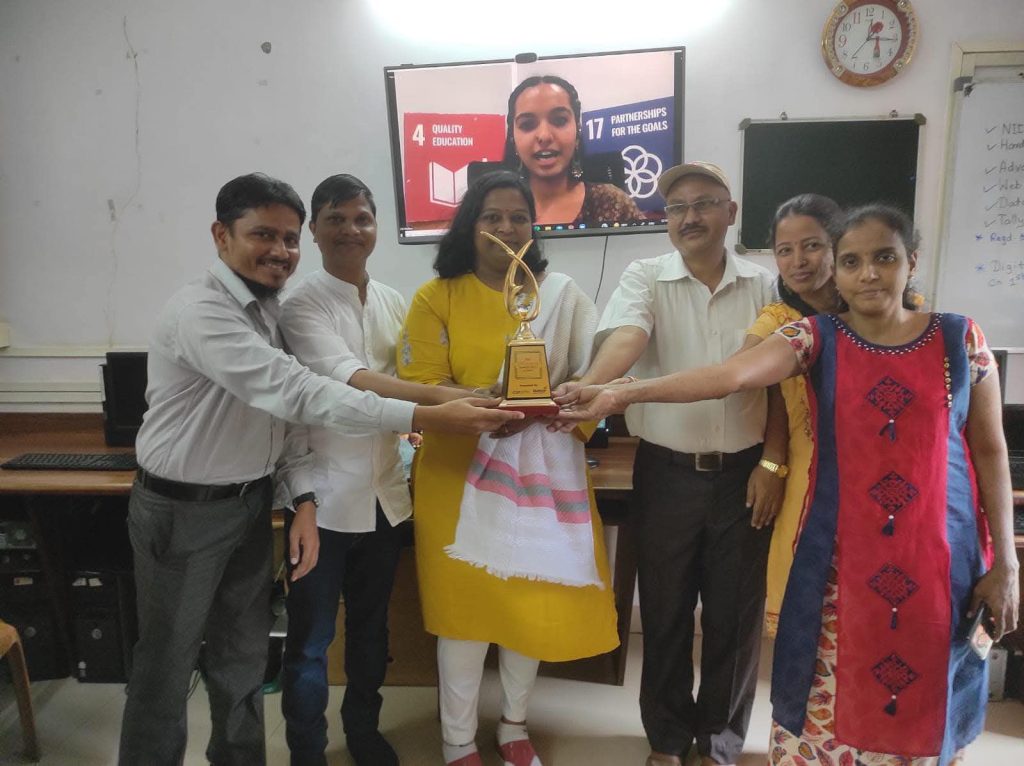
“It is an online marketing platform of sorts which the Ministry of Women and Child Development has created where women entrepreneurs would be supported. It enables women to display their products and interact directly with buyers in an online space.
5. E-Samarth Programmes
There are different state level programmes for digital literacy of women like computer training centers, self-help group digital training and local e-governance activities.
Role of NGOs and Others Corporate causes have to meet resistance not only from the business community but also from Nongovernmental Organizations (NGOs).
There are a handful of NGOs and private organizations that supplement the government’s efforts in encouraging digital literacy amongst women:
SEWA (Self Employed Women’s Association) runs digital business training programs for rural women.
Pratham Education Foundation leverages digital platforms for improving the learning for women and children.
The Internet Saathi Programme by Google provided basic internet training to women in rural areas who then went on to train other women in their community.
Microsoft, Tata Trusts and Reliance Foundation among those collaborating with other organisations to support digital learning for women.
Problems With Encouraging Women to Take Computer Science Courses
1. Socio-Cultural Barriers
Women’s access to technology is often constrained by patriarchal norms. Smart phones too are seen as largely a luxury in a household which should really be used more by men than women.
2. Economic Constraints
Smart phones and internet plans are out of the financial reach of many women, particularly in rural areas.
3. Lack of Awareness
Many women do not know about merits of clicking (digitally) and are thus, fearful in utilizing technology.
4. Safety and Security Concerns
Harassment, cyber bullying and misuse of private data are another concern that discourage women from exercising their right to digital spaces.
5. Language Barriers
English and Hindi are languages of most content on digital medium, making it hard for privileged regional or tribal women to get hold of relevant materials.
Initiatives to Promote Online Literacy for Women
1. Targeted Training Programs
Special digital literacy initiatives for women should take place that focus on practical issues such as how to perform online banking, e-commerce and health services applications.
2. Access to Devices and Internet?
Smartphones on subsidized plans, low-cost internet packages and community digital access centers can help make the internet affordable for women.
3. Content in Local Languages
With language-bound content, apps and training modules the penetration of digital platforms by women from linguistic diversity will increase.
4. Awareness Campaigns
Community-level campaigns can spotlight the ways in which digital literacy can empower women in education, business, and health.
5. Cyber security Education
Women should also be given training on how to use the Internet in a safe, secure and responsible manner so as to overcome apprehensions of misuse.
6. Encouraging Women Entrepreneurs
Exclusive digital platforms for women entrepreneurs need to be encouraged and self help groups should be trained digitally in e-commerce.
Future Outlook
Digital literacy is central to the future of women’s empowerment in India. In a knowledge economy, as the country moves ahead digital literacy is not only essential but women with digital skills will largely determine an inclusive growth. Giving women digital tools to thrive Not only should India provide its women with access to the internet, but when they finally do join the world wide web, we need to ensure that they are able to use it effectively. Given appropriate sustained support, digital literacy can bridge the gender divide and empower women as leaders in the digital age that we live in.
Conclusion
Digital literacy for Indian women is not just a digital mandate but also a social and economic one. It promotes Women education and enhances women.es participation in economic activity, access to healthcare and also other socio-cultural activities. There are still challenges including: affordability, social cultural norms and safety questions but there are also gov’t programs, NGO’s, private initiatives that are certainly working hard. Through making the digital inclusion of women a priority, India can enable not only gender equality but also sustainable national development. So, Digitally Empowering women is the answer to a stronger, and inclusive India.
