

Introduction
Excessive heat in the atmosphere, often described as extreme heat or heat waves, has emerged as one of the most pressing environmental and public health challenges of the 21st century. It refers to prolonged periods of unusually high temperatures that significantly exceed the average conditions of a region. This phenomenon is not merely a result of natural variability but is increasingly intensified by human activities, particularly those that contribute to global warming and climate change. Rising greenhouse gas emissions, urbanization, deforestation, and the burning of fossil fuels all contribute to the steady rise in atmospheric temperatures.
Excessive heat is not just a discomfort; it has profound impacts on ecosystems, human health, agriculture, infrastructure, and the global economy. Understanding its causes, consequences, and potential solutions is crucial to preparing societies for the challenges ahead.
Causes of Excessive Heat in the Atmosphere
1. Greenhouse Gas Emissions
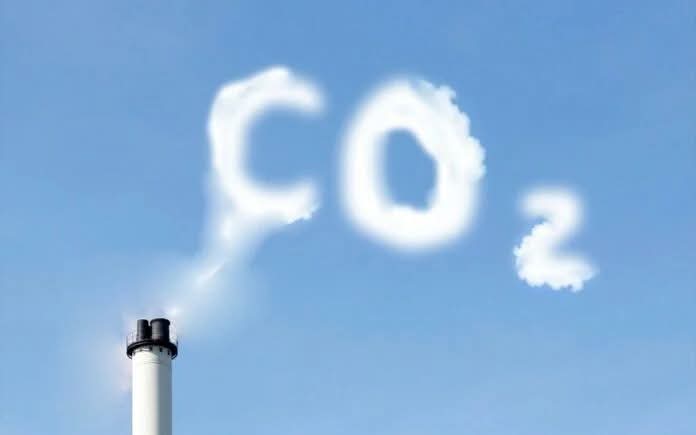
One of the primary causes of excessive atmospheric heat is the greenhouse effect. Gases such as carbon dioxide (CO₂), methane (CH₄), and nitrous oxide (N₂O) trap heat in the Earth’s atmosphere. Instead of allowing infrared radiation to escape back into space, these gases absorb and re-radiate it, creating a warming blanket around the planet. Since the industrial revolution, greenhouse gas concentrations have risen dramatically, intensifying global warming.
2. Global Warming and Climate Change
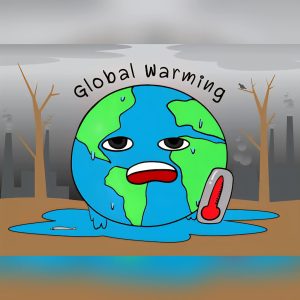
Global warming, driven by rising greenhouse gases, directly contributes to excessive heat events. The average global temperature has already increased by more than 1.1°C compared to pre-industrial levels. This increase magnifies the intensity, frequency, and duration of heat waves worldwide. Climate models project that without significant mitigation, the Earth could warm by 2–3°C or more by the end of the century, leading to catastrophic heat extremes.
3. Urban Heat Island Effect
Urbanization also contributes to excessive heat. Cities with dense infrastructure, asphalt roads, concrete buildings, and limited vegetation tend to absorb and retain heat more than rural areas. This creates urban heat islands (UHIs), where city centers can be several degrees warmer than surrounding countryside. Poor ventilation, traffic congestion, and industrial activity intensify the problem.

4. Deforestation and Land Use Change
Forests act as natural air conditioners by providing shade and facilitating of transpiration. Deforestation removes this cooling effect, while land-use changes such as agriculture, mining, and construction expose bare soil, increasing surface temperatures. Large-scale deforestation in the Amazon, Southeast Asia, and Africa contributes significantly to localized and global heating.
5. Natural Variability
Natural cycles such as El Niño and La Niña also influence atmospheric heat. During an El Niño event, ocean temperatures rise, Which increase global atmospheric temperatures and often lead the Earth to prolonged heat waves. While natural cycles contribute to short-term variability, they are now interacting with anthropogenic climate change, making extreme heat events more severe.
Effects of Excessive Heat
1. Impact on Human Health
Excessive heat is a silent but deadly killer. Prolonged exposure to high temperatures can cause:
Heat exhaustion and heatstroke: Symptoms include dizziness, dehydration, fainting, and in severe cases, organ failure.
Respiratory and cardiovascular stress: Vulnerable populations such as the elderly, children, and those with pre-existing health conditions face higher risks.
Increased mortality rates: According to the World Health Organization (WHO), excessive heat causes tens of thousands of deaths annually, with the number expected to rise.

2. Impact on Agriculture and Food Security
Heat stress affects crop yields, livestock health, and food production systems.
Crops like wheat, rice, and maize experience reduced productivity under extreme heat.
Soil moisture decreases, leading to droughts.
Livestock face reduced fertility, higher mortality, and lower milk and meat production.
Ultimately, this threatens food security and increases the risk of famine in vulnerable regions.
3. Environmental Impacts
Excessive heat disrupts ecosystems and biodiversity.
Forests experience wildfires, destroying habitats and releasing carbon dioxide.
Freshwater ecosystems face higher evaporation rates, reducing water levels in lakes and rivers.
Polar and glacial regions see accelerated ice melt, contributing to sea-level rise.
Many species struggle to adapt, leading to biodiversity loss and potential extinction.
4. Economic Consequences
Excessive heat has direct and indirect impacts on economies:
Productivity in the workplace has decreased as outdoor workers face health risks.
Infrastructure damage, as roads buckle, rail tracks warp, and energy grids face excessive demand for air conditioning.
Increased healthcare costs due to heat-related illnesses.
The decline in tourism, especially in areas dependent on outdoor attractions, requires special attention.

5. Social Inequality and Vulnerability
Excessive heat disproportionately affects marginalized groups. Poor communities with inadequate housing, limited access to cooling systems, and dependence on outdoor labor are more vulnerable. Women, children, elderly people, and those in developing countries face greater risks, creating climate injustice.
Global Examples of Excessive Heat
India and Pakistan: In recent years, South Asia has witnessed record-breaking heat waves with temperatures soaring above 50°C. Such events caused mass hospitalizations, water shortages, and agricultural losses.
Europe: The 2003 European heat wave killed over 70,000 people. More recent heat waves in 2019 and 2022 again highlighted Europe’s vulnerability.
North America: In 2021, the “heat dome” over Canada and the U.S. Pacific Northwest resulted in hundreds of deaths and widespread wildfires.
Australia: Frequent heat waves exacerbate bushfires, threatening both ecosystems and human settlements.
Solutions to Excessive Heat
1.Mitigation Strategies
Reducing greenhouse gas emissions: The transition from fossil fuels to renewable energy sources such as solar, wind, and hydroelectricity is a very important process.
Energy Efficiency: Promoting energy-efficient appliances, buildings, and transportation reduces overall emissions.
Carbon Sequestration: Reforestation, afforestation, and soil carbon storage help absorb excess carbon dioxide from the atmosphere.
2. Adaptation Measures
Urban Planning: Incorporating green roofs, reflective building materials, shaded streets, and urban forests can reduce urban heat islands.
Cooling Infrastructure: Expanding access to air conditioning, cooling centers, and heat shelters helps protect vulnerable populations.
Water Management: Efficient irrigation, rainwater harvesting, and sustainable groundwater use help mitigate drought effects.
3.Public Awareness and Education
Governments and organizations must promote awareness about the dangers of excessive heat. Public campaigns on hydration, early warning systems, and emergency health services can save lives during heat waves.
4. Policy and International Cooperation
Implementation of the Paris Agreement goals to limit global warming below 2°C is essential.
All countries of the world must come forward to invest in climate-resilient agriculture, renewable energy, and heat-resistant infrastructure.
Sharing technology and resources between developed and developing countries to address climate inequality is a must for our survival and future.
Conclusion
Excessive heat in the atmosphere is no longer a distant concern—it is a lived reality for millions worldwide. Driven by human-induced climate change, urbanization, and deforestation, heat waves are becoming more frequent, intense, and deadly. Their impacts ripple across health, agriculture, ecosystems, and economies, threatening global sustainability.
Addressing excessive heat requires a two-pronged approach: mitigation to reduce greenhouse gas emissions and adaptation to build resilience against unavoidable changes. Urban greening, renewable energy transitions, early warning systems, and international cooperation are key strategies.
The battle against excessive atmospheric heat is not just an environmental issue—it is a moral, economic, and humanitarian imperative. The choices humanity makes today will determine whether future generations inherit a livable planet or one plagued by unbearable heat.
