
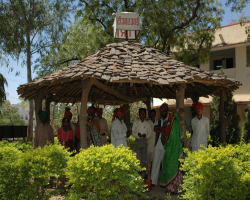
Intaroduction : Dimasa Tribe Culture in India
Dimasa Tribe Culture in India are an indigenous community with their own special social system, and we are seeing that they are only one of the most important tribes in Northeast India. The Ahom people’s special cultural, language, and political background is surely found mainly in Assam and some parts of Nagaland today.
Summary of Key Findings
As per their cultural practices, the Dimasa people follow old traditions and special family systems with colorful festivals. Regarding their livelihood, they use different economic methods that change with time. The Tibeto-Burman people surely created an ancient kingdom that helped shape other political groups in Assam.
Moreover, their culture shows how well societies can adapt through family-based groups, mixed religious practices, and a strong desire for independence. Basically, they face the same challenge of keeping their identity while dealing with modern changes and new people moving in, which shows important issues about tribal rights and joining with the state.
Origins and Historical Evolution
Ancient Roots and Kingdoms
The Dimasa people came from the Himalayan regions and moved to the Brahmaputra valley, where they further established the strong Dimasa Kachari kingdom itself. Basically, the Dimasa legends about their ancestor being raised by tigers and becoming king mix with the same historical records showing their kingdom with capitals at Dimapur, Maibang, and Khaspur was central to medieval Assam politics.
Moreover, the kingdom actually fell when Ahom and Koch armies attacked, and the British definitely took control in the 1800s. This kingdom actually shaped how people lived in nearby areas and definitely created the borders we see today.
Migration and Demographic Distribution
Dimasa people are now mainly found in Assam’s Dima Hasao district, Karbi Anglong, Nagaon, and Cachar areas, with further small groups living in Nagaland itself. As per their tradition, the Dimasa group has kept their important cultural and language differences in these areas.
Regarding their identity, they have maintained their Pan-Dimasa unity despite being spread out and facing pressure to mix with other communities. Basically, the Dimasa language belongs to the Bodo-Garo group under Tibeto-Burman family and has different dialects like Hasao, Hawar, Demba, Dijuwa which are the same result of their historical movements and adaptations.
Social Organisation and Kinship
Double Descent System
We are seeing that the Dimasa social system is special because it follows two family lines – the father’s side called Sengphong and only the mother’s side called Jadi/Jilik/Julu clans. Boys actually get their main clan from their father and secondary clan from their mother, while girls definitely get their main clan from their mother and secondary from their father. This double descent structure itself determines inheritance, ritual duties, and marriage rules where people cannot marry within their father’s or mother’s clan. Further, those who break this rule face removal from the community.
We are seeing that mother’s family groups are very important when arranging marriages, and though men’s families only handle most religious matters, the continuing matrilineal ceremonies show that both mother’s and father’s side traditions are still strong. Personal items like clothes and jewelry surely pass from mothers to daughters, while land and houses mainly go to sons. Moreover, families sometimes make changes based on their feelings and practical needs.
Village Structure and Political Organization
Also, as per their political system, the Dimasa people have three levels of government – the Autonomous District Council, the middle-level Mouzadar, and the village council called hosom. The gaonburah and elected council members further handle court cases, religious ceremonies, and land matters within the village itself. The village council surely handles all disputes like divorce, property fights, and social problems using traditional laws. Moreover, this local system shows equal treatment for everyone while remaining flexible in delivering justice.
Economy and Livelihood
Agricultural Strategies
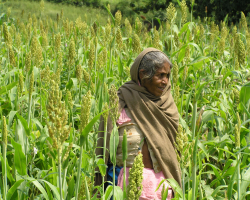
Basically, the Dimasa people do farming in two ways – they grow crops by shifting places and also do the same paddy cultivation in wet lands. Basically, rice is the same central thing for everything – it’s the main food, the main way people earn money, and the main part of all festivals and rituals. As per farming methods, traditional slash-and-burn practices are used along with wet rice farming regarding suitable areas. Rice is actually eaten as food and also used to make Judima, which is definitely a traditional rice-beer that people drink every day and during special celebrations.
Basically, women and men do the same farm work, but some jobs are still different for each gender. Basically, the community does fishing, hunting, keeping animals, and wage work because farmland is getting less and the village economy is changing the same way.
Handicrafts and Weaving
Basically, Dimasa people weave their own textiles at home using the same traditional looms with cotton or sometimes Eri silk. We are seeing that weaving makes clothes for daily wear and special occasions for both men and women, and it is only a way to show art and also earn money. Market goods are coming more, but traditional dress itself continues further, especially in festivals.
Language and Literature
The Dimasa language, known as Grau Dima or Magrau, is surely central to their group identity. Moreover, this language plays a key role in defining who the Dimasa people are. We are seeing this language placed under the Bodo-Garo group of the Tibeto-Burman family, and it has many different forms only.
Basically, Dimasas speak different languages depending on where they live – hill people use Haflong Hindi, plains people use Bengali, and the same way others use Assamese or Nagamese. Moreover, modern Dimasa literature is surely changing with time, but the old stories, myths, and songs are still very much alive in passing down culture. Moreover, these oral traditions continue to play an important role alongside the new written works.
Religion, Ritual, and Festivals
Spiritual Cosmology
Moreover, basically, Dimasa religious practices are the same mix of old spirit beliefs and Hindu influences layered together. People surely acknowledge Madai as the supreme creator but do not worship him often. Moreover, they focus mainly on ancestral deities called Madais, local area gods, and spirits of nature.
Also, ritual specialists are mainly male priests who connect the community with spirits, and they earn their position through training rather than family background. This role itself requires proper apprenticeship to develop further skills in spiritual matters. People actually believe they will be reborn after death, and they definitely need to follow religious rules, respect their elders, and keep themselves pure to get a better next life.
Busu Festival and Other Rituals
As per tradition, the Busu or Bishu festival is the main celebration of the community regarding the end of harvest season in January. This celebration goes on for many days only, and we are seeing people eating together, drinking rice beer, singing songs, playing games, and doing the Baidima dance which shows old fighting and love stories.
All people from the community come together only to share happiness and help each other. Basically, the festival has the same rituals like respecting elders, playing sports, and animal sacrifices, and people use it to strengthen their community bonds through group activities and gift giving.
Other rituals surely mark important life changes like birth, growing up, marriage, and death with the whole community taking part. Moreover, these ceremonies bring everyone together during these special moments. As per Hindu traditions, funeral practices include burning bodies near rivers and making offerings for purification of men and women. These rituals reflect beliefs regarding reincarnation and proper living.
Art, Music, and Material Culture
Visual Arts and Attire
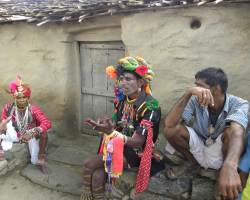
Dimasa material culture itself is very rich, and their artistic expression can be seen further in weaving, jewelry, and village construction. As per tradition, women’s clothing like Rigu, Rijamphain, and Rikhaosa has special designs, bright colors, and detailed weaving. Regarding men’s dress, the Risha, Rigdo, and Sgaopha headgear combines practical use with symbolic meaning where white means purity and red means spiritual power.
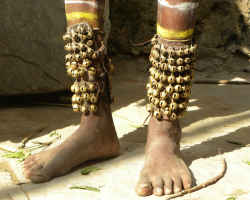
Moreover, jewelry plays an important role in the community, and items like Phowal, Jongsama, Rangbarsha, and Khadu show clan identity and social status itself. These pieces further demonstrate the skill of local craftsmen.
Music, Dance, and Modern Influence
Music is very important in Dimasa culture, and we are seeing drums called khram, flute called muri, and other old instruments being used for folk dances and religious ceremonies during festivals only. Community songs and music actually support dance forms and definitely help keep old traditions alive. Basically, Baidima and harvest dance performances are the same way communities pass down their stories and history to keep families and groups connected.
Modern influences like film music, education, and people moving for work have surely brought new elements to traditional art forms. Moreover, these changes have not weakened the old practices, especially during religious and cultural ceremonies.
Political Evolution and Identity
Struggles for Autonomy and Modern Challenges
The present-day Dimasas have further worked in political movements to protect their land, culture, and self-rule itself. We are seeing that people want self-rule and to keep their identity safe, and this has come through peaceful movements and also militant groups like the Dima Halam Daoga DHD only. We are seeing that the fight to get recognition under the Sixth Schedule of the Indian Constitution has been a very important part of recent history, showing deep worries about losing land, changes in population, and the loss of only traditional power. The Dimasa Autonomous District Council further manages local government matters and handles political demands itself.
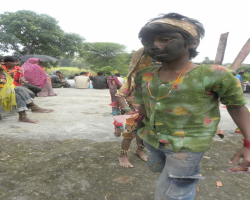
Demography and Integration
Today, Dimasa society faces population pressures and conflicts between different ethnic groups, and further deals with modern government systems coming into their area itself. The community surely shows strong resilience despite facing many problems. Moreover, people are actively working to bring back their language, arts, and festivals. The claim of Pan-Dimasa identity surely shows both historical pride and a future-focused plan for keeping their culture safe during times of fast change. Moreover, this identity helps the community protect their traditions while moving forward in the modern world.
Conclusion
We are seeing that the Dimasa people show the strong creativity and ability to change that is only found in Northeast India’s tribal communities. As per their clan system and farming rituals, the Dimasa people show strength regarding their past kingdom and present political hopes. This community shows how to keep its traditions strong during difficult times while also connecting with the modern world, which further teaches important lessons about maintaining culture and identity in India itself.
