
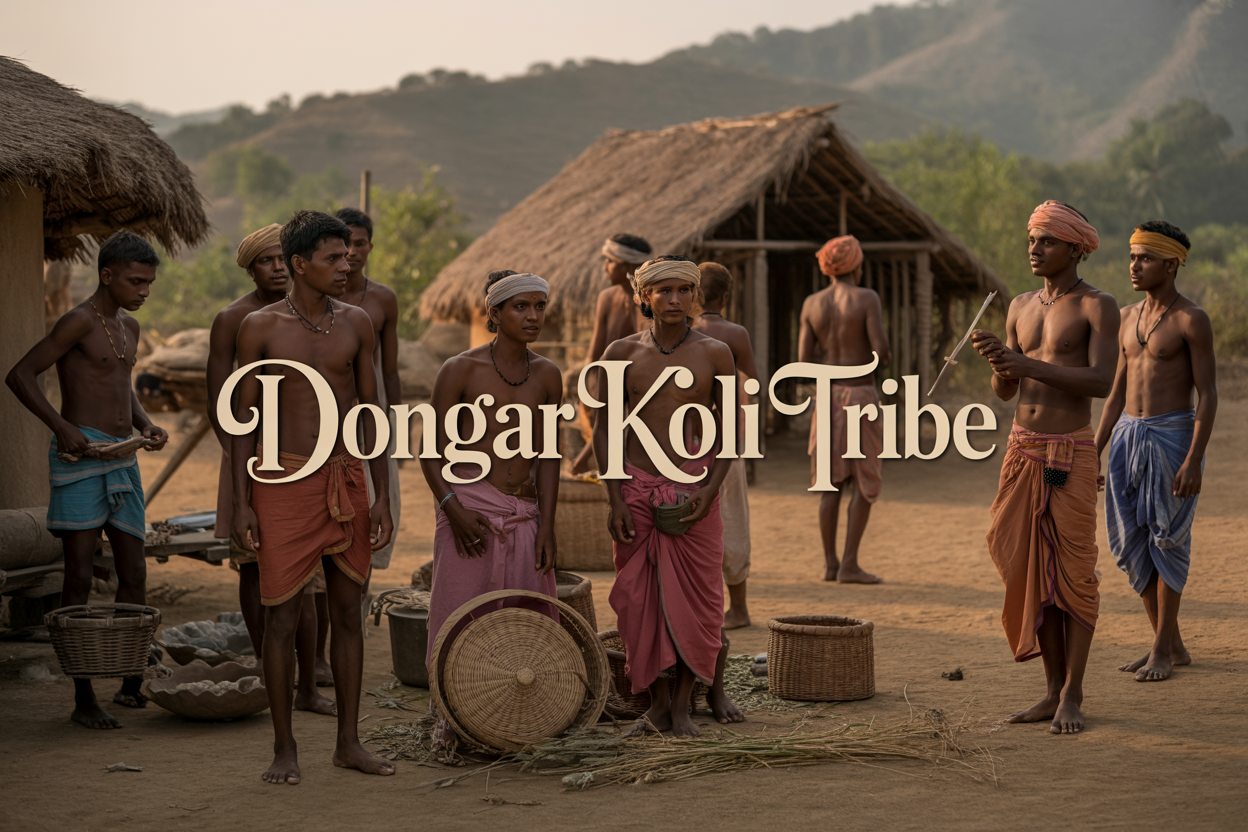
The Dongar Koli Tribe represents one of India’s fascinating indigenous communities with deep roots in the western coastal regions. This guide serves students, researchers, cultural enthusiasts, and anyone curious about India’s tribal diversity who wants to understand the unique identity and traditions of the Dongar Koli people.
Thank you for reading this post, don't forget to subscribe!The Koli communities have shaped coastal life for centuries, and the Dongar branch brings their own distinct customs and practices to this rich tapestry. You’ll discover their historical origins and how geography has influenced their settlement patterns across different regions. We’ll also explore their traditional social structure and daily lifestyle practices that have sustained their community through generations.
Historical Origins and Cultural Heritage
Ancient Roots Tracing Back to Pre-Mughal Maharashtra
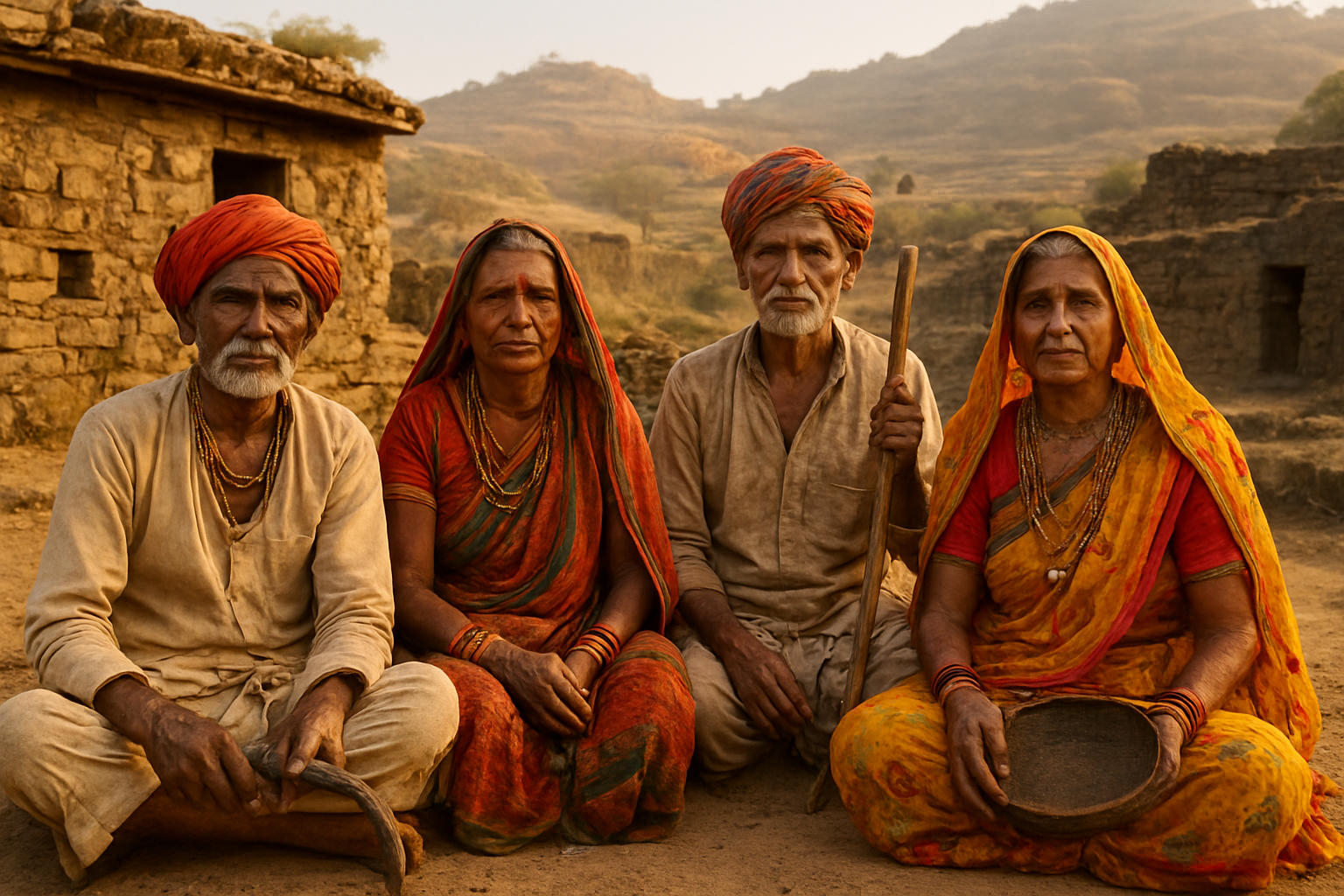
The Dongar Koli tribe carries a rich legacy that stretches deep into Maharashtra’s pre-Mughal history. Archaeological evidence and oral traditions point to their presence in the Western Ghats region for over a thousand years. These communities established themselves in the rugged hill territories long before the arrival of Islamic rulers, creating a distinct cultural identity that blended indigenous practices with regional influences.
Their name “Dongar” literally means “hill” in Marathi, reflecting their strong connection to mountainous terrain. Ancient records from the Deccan sultanates mention various Koli groups, including the Dongar Koli, as skilled navigators of difficult landscapes. They developed unique knowledge systems about local geography, weather patterns, and natural resources that became essential for survival in challenging environments.
Evolution From Nomadic Lifestyle to Settled Communities
The Dongar Koli originally led semi-nomadic lives, moving seasonally between different elevations in pursuit of resources and favorable conditions. During monsoon seasons, they would relocate to higher ground, while winter months brought them to lower valleys where agriculture was possible.
This mobility gradually decreased as British colonial policies introduced land settlement systems. The tribe began establishing permanent villages, particularly in districts like Nashik, Pune, and Ahmednagar. The transition wasn’t smooth – many families struggled to adapt from their flexible, movement-based lifestyle to fixed agricultural practices.
Village formation among the Dongar Koli followed traditional patterns of kinship and clan relationships. Extended families would cluster together, creating small hamlets that eventually grew into recognized settlements. Each village developed its own leadership structure while maintaining connections to the broader Koli community network.
Traditional Occupations and Economic Practices
The Dongar Koli developed diverse economic strategies suited to their hill environment. Agriculture formed the backbone of their economy, with families cultivating crops like jowar, bajra, and various pulses on terraced hillside plots. They mastered water conservation techniques, building small check dams and channels to maximise rainfall utilisation.
Animal husbandry played an equally important role. Goats and cattle were particularly valued for their ability to navigate steep terrain while providing milk, meat, and materials for daily use. Many families specialized in breeding hardy livestock varieties adapted to mountain conditions.
Craftsmanship also flourished within the community. Women became skilled in weaving using locally sourced fibres, while men crafted tools and implements from available materials. These skills created modest trade networks with neighbouring communities.
Sacred Rituals and Spiritual Beliefs Passed Down Through Generations
Dongar Koli spiritual practices centre on nature worship and ancestor veneration. Mountains, rivers, and ancient trees hold sacred significance, with specific rituals performed at natural landmarks believed to house protective spirits. Village deities, often represented by simple stone markers, receive regular offerings of flowers, rice, and coconut.
Seasonal festivals mark important agricultural cycles. The tribe celebrates unique harvest ceremonies where community members gather to thank mountain spirits for successful crops. These events include traditional songs, folk dances, and communal feasts that strengthen social bonds.
Ancestor worship remains central to family life. Each household maintains a small shrine dedicated to deceased elders, believed to continue protecting their descendants from the spirit world. Weekly offerings and prayers connect living family members to their genealogical heritage.
Marriage customs involve elaborate rituals spanning several days, with ceremonies conducted at sacred groves or hilltop locations. These events showcase traditional music, storytelling, and ritual exchanges that preserve cultural knowledge across generations. Elder women play crucial roles as keepers of oral traditions, passing down songs and stories that encode tribal history, moral teachings, and practical wisdom.
Geographic Distribution and Settlement Patterns

Primary regions across Maharashtra and Gujarat states
The Dongar Koli tribe primarily inhabits the rugged mountainous regions spanning across Maharashtra and Gujarat, with their settlements concentrated in the Western Ghats and adjacent hill ranges. In Maharashtra, significant populations reside in districts like Thane, Nashik, Pune, and Ahmednagar, where they occupy elevated terrains and forested areas. The tribe’s name itself reflects their geographic preference – “Dongar”, meaning hill or mountain in the local language, indicating their deep connection to highland territories.
Gujarat houses substantial Dongar Koli communities in the Dangs district, parts of Valsad, and the hilly sections of Surat and Bharuch districts. These areas provide the elevated landscape that defines their traditional habitat. The distribution pattern shows clusters concentrated around specific mountain ranges rather than uniform spread across the states, creating distinct tribal enclaves that have maintained their cultural identity over generations.
The coastal mountain ranges of both states serve as natural corridors for tribal movement and cultural exchange between different Dongar Koli groups. Weather patterns, forest resources, and topographical features heavily influence where these communities establish permanent settlements versus temporary camps during specific seasons.
Tribal villages and community clusters in hilly terrain
Dongar Koli settlements typically form small, tightly-knit villages called “padas” or “wadi” nestled in valleys between hills or perched on mountain slopes. These villages rarely exceed 50-100 households, maintaining intimate community bonds essential for their collective survival and cultural preservation. Village placement follows strategic considerations including proximity to water sources, agricultural potential, and natural defence positions.
Traditional settlement architecture adapts perfectly to the mountainous environment. Houses built with local materials like bamboo, mud, and stone blend seamlessly with the landscape while providing protection from monsoons and extreme weather. The villages often feature terraced layouts that follow natural contours, minimising environmental disruption while maximising usable space.
Community clusters operate as extended family networks, with related groups establishing villages within walking distance of each other. This pattern creates support systems for sharing resources during difficult times and coordinating collective activities like festivals, marriages, and agricultural work. Inter-village pathways connect these clusters, forming invisible networks that maintain tribal unity across geographical boundaries.
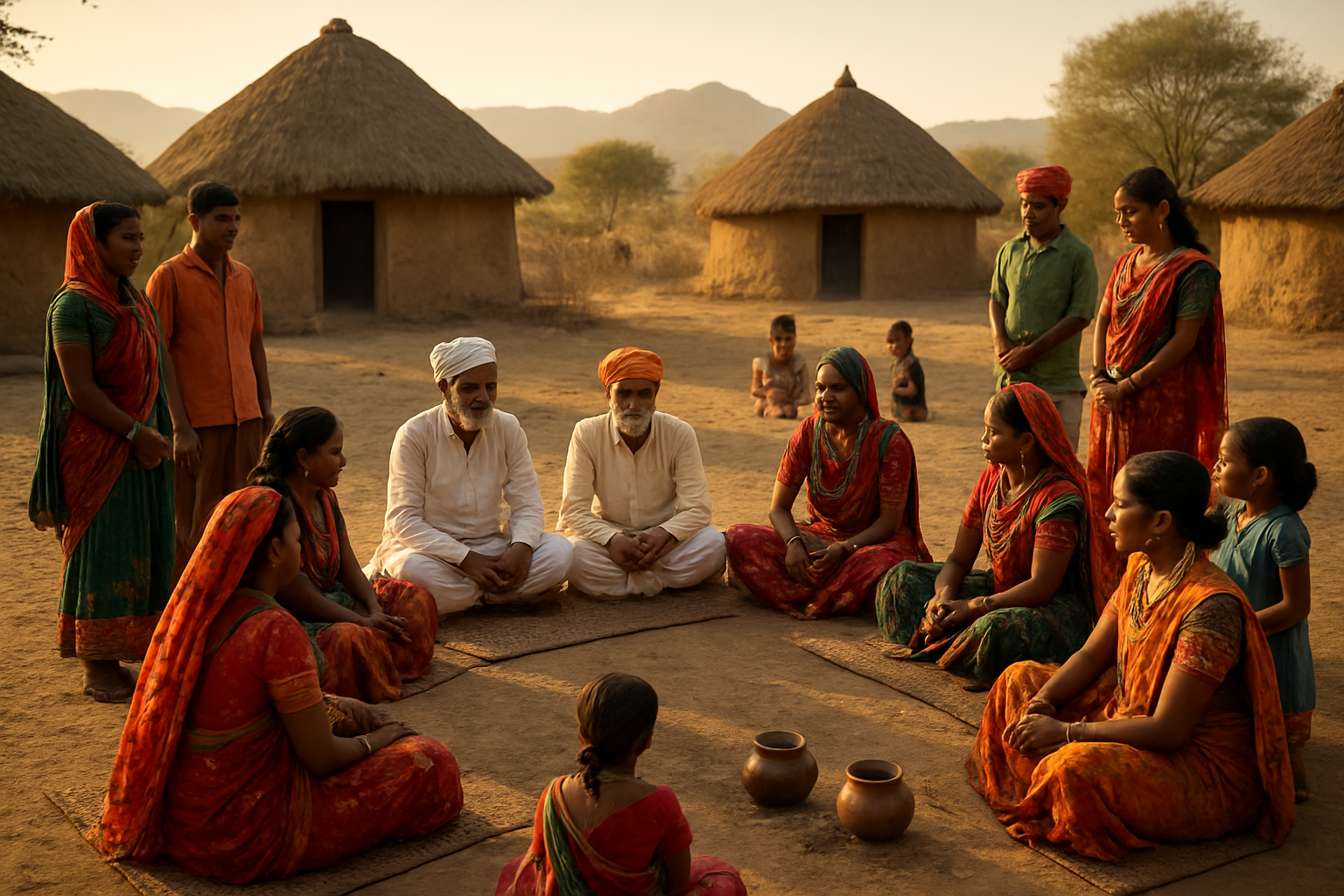
Each village maintains common spaces for community gatherings, traditional councils, and religious ceremonies. These central areas serve as the heart of village life where important decisions get made collectively, reflecting the democratic nature of Dongar Koli society.
Migration patterns influenced by seasonal agriculture
Seasonal agricultural cycles drive complex migration patterns among the Dongar Koli tribe, who practise shifting cultivation and seasonal farming on different elevation zones. During monsoon seasons, many families move to higher elevations where they cultivate crops like rice, finger millet, and various vegetables on terraced fields carved into hillsides.
Post-harvest periods often see temporary migrations to lower plains where tribal members engage in wage labour, particularly in sugarcane harvesting and construction work. These movements supplement agricultural income and provide cash needed for purchasing essential goods unavailable in their mountain villages. Young adults frequently participate in these seasonal work migrations while elders and children remain in the home villages.
Traditional jhum cultivation, though less common now, still influences movement patterns in some areas. This slash-and-burn agricultural method requires families to relocate periodically as they allow cultivated land to regenerate. The cycle typically spans 8-12 years, with communities maintaining multiple plots at different stages of the cultivation-fallow rotation.
Forest resource collection also drives short-term migrations, with families moving closer to specific forests during seasons when valuable non-timber products like honey, medicinal plants, and seasonal fruits become available. These movements follow ancestral knowledge about resource availability and sustainable harvesting practices passed down through generations.
Social Structure and Community Organization
Clan-based Hierarchical System and Leadership Roles
The Dongar Koli community operates through a well-established clan system that forms the backbone of their social organisation. Each clan, known locally as a “gotra”, traces its lineage through patrilineal descent and maintains distinct cultural practices and territorial rights. The leadership structure revolves around clan elders called “Patil” or “Mukhi”, who serve as both spiritual guides and administrative heads for their respective groups.
These leaders gain their positions through a combination of hereditary succession and community consensus. The Patil holds responsibility for maintaining clan traditions, mediating internal conflicts, and representing the group in intercommunity affairs. Below the Patil, sub-leaders called “Kotwals” assist in managing daily affairs and ensuring adherence to traditional customs.
The hierarchy extends to include specialised roles such as priests (“Bhagat”), who conduct religious ceremonies, and warriors (“Koli Thakor”), who historically protected the community. Each position carries specific duties and privileges that have been passed down through generations, creating a structured society where everyone understands their place and responsibilities.
Marriage Customs and Kinship Relationships
Marriage within the Dongar Koli tribe follows strict customary laws that strengthen community bonds while maintaining clan identity. The practice of exogamy prevents marriages within the same gotra, encouraging alliances between different clans and expanding social networks across the broader Koli community.
Arranged marriages remain the dominant practice, with parents and elders playing crucial roles in partner selection. The process begins with extensive background checks on both families, examining factors such as clan reputation, economic status, and adherence to traditional values. Marriage negotiations involve elaborate discussions about bride price (“mol”), which typically includes livestock, agricultural tools, and ceremonial items.
The wedding ceremony itself spans several days and incorporates numerous rituals that bind not just the couple but entire extended families. Post-marriage, the bride joins her husband’s household and gradually integrates into his clan’s social structure. However, she maintains lifelong connections with her birth family, creating complex kinship networks that span multiple villages and regions.
These kinship ties serve practical purposes beyond emotional bonds. They provide mutual support systems during agricultural seasons, facilitate trade relationships, and offer refuge during conflicts or natural disasters.
Community Decision-making Processes and Dispute Resolution
The Dongar Koli tribe employs a consensus-based decision-making system rooted in democratic principles that predate modern governance structures. Village councils, known as “Panchayat”, bring together representatives from each clan to discuss matters affecting the entire community. These assemblies meet regularly under large trees or designated community spaces, following protocols that ensure every voice gets heard.
Dispute resolution follows a systematic approach that prioritises community harmony over individual satisfaction. Minor conflicts receive attention at the clan level, where elders mediate between parties using traditional wisdom and established precedents. More serious disputes escalate to inter-clan councils, where representatives from multiple groups work together to find acceptable solutions.
The process emphasises restoration rather than punishment. Offenders typically face consequences that benefit the community, such as contributing to public works or providing resources for festivals. This approach maintains social cohesion while addressing grievances effectively.
Traditional law, passed down through oral tradition, guides these proceedings. Elders who possess deep knowledge of customary practices serve as living repositories of legal precedent, ensuring decisions align with ancestral wisdom while adapting to contemporary circumstances.
Inter-tribal Relationships with Neighboring Communities
The Dongar Koli maintain complex relationships with surrounding tribal and non-tribal communities that range from cooperative alliances to competitive tensions. Historical interactions with groups like the Bhil, Gamit, and Vasava tribes have created shared cultural practices and intermarriage networks in border regions.
Trade relationships form a significant aspect of inter-community connections. The Dongar Koli’s expertise in agriculture and animal husbandry complements the skills of neighbouring communities, creating mutually beneficial economic partnerships. Weekly markets serve as neutral grounds where different groups exchange goods, share information, and maintain diplomatic ties.
Seasonal festivals and religious celebrations often include members from multiple communities, strengthening social bonds and reducing potential conflicts. However, competition over natural resources, particularly water sources and grazing lands, sometimes creates tensions that require careful negotiation and traditional diplomacy.
Modern administrative boundaries have complicated these relationships, as government policies don’t always recognise traditional territorial agreements between communities. The Dongar Koli leadership works to maintain peaceful coexistence while protecting their community’s interests in an increasingly complex social landscape.
Gender Roles and Responsibilities Within the Tribe
Gender roles within the Dongar Koli society follow traditional patterns that assign distinct but complementary responsibilities to men and women. Men typically handle external affairs, including trade, political negotiations, and community representation. They manage livestock, conduct religious ceremonies, and serve in leadership positions that require interaction with outside authorities.
Women hold significant authority within the domestic sphere and play crucial roles in maintaining cultural continuity. They manage household economies, preserve traditional knowledge through storytelling and songs, and oversee the socialisation of children. Women’s groups, often organised around religious or social activities, provide informal governance structures that parallel male-dominated formal councils.
Agricultural work involves both genders, with specific tasks divided according to traditional practices. Women often manage vegetable gardens and small-scale farming, while men handle larger field crops and animal husbandry. During harvest seasons, the entire community, regardless of gender, participates in collective work that strengthens social bonds.
The transition to modern life has begun shifting some traditional gender roles. Increasing education opportunities allow young women to pursue careers outside the home, while economic pressures sometimes require men to seek employment beyond traditional occupations. However, the community continues to value the balance between preserving cultural identity and adapting to contemporary realities.
Traditional Lifestyle and Daily Practices
Agricultural techniques and crop cultivation methods
The Dongar Koli tribe has developed sophisticated farming practices adapted to their mountainous terrain over generations. They practise terraced agriculture, creating step-like fields on hillsides that prevent soil erosion and maximise water retention. This ancient technique allows them to cultivate crops on slopes that would otherwise be unsuitable for farming.
Rice remains their primary staple crop, grown in carefully constructed terraced paddies during the monsoon season. The Dongar Koli farmers have mastered the art of water management, creating intricate irrigation channels that distribute rainwater evenly across their fields. They also cultivate finger millet, which thrives in the rocky soil and provides essential nutrition during lean periods.
Traditional farming tools include wooden ploughs pulled by oxen, hand-forged sickles, and bamboo baskets for harvesting. The tribe follows organic farming principles, using cattle dung and compost made from kitchen waste and crop residues as natural fertilisers. Crop rotation is a common practice, with legumes like black gram planted between rice seasons to restore soil fertility.
Animal husbandry and livestock management
Livestock forms the backbone of the Dongar Koli economy and cultural identity. Cattle, goats, and poultry are the primary animals raised by the community. Each family typically owns two to four cows or buffaloes, which provide milk, dairy products, and draft power for farming operations.
Goat herding is particularly significant among the Dongar people, as goats adapt well to the mountainous terrain and require minimal investment. These animals graze on wild grasses and shrubs found abundantly in their habitat. The tribe has developed selective breeding practices to maintain hardy, disease-resistant livestock suited to their environment.
Traditional veterinary knowledge passes down through generations, with community elders serving as animal healers. They use medicinal plants like neem leaves, turmeric, and various herbs to treat common livestock ailments. Grazing areas are managed communally, with specific zones designated for different seasons to prevent overgrazing and maintain ecological balance.
Traditional crafts and artisanal skills
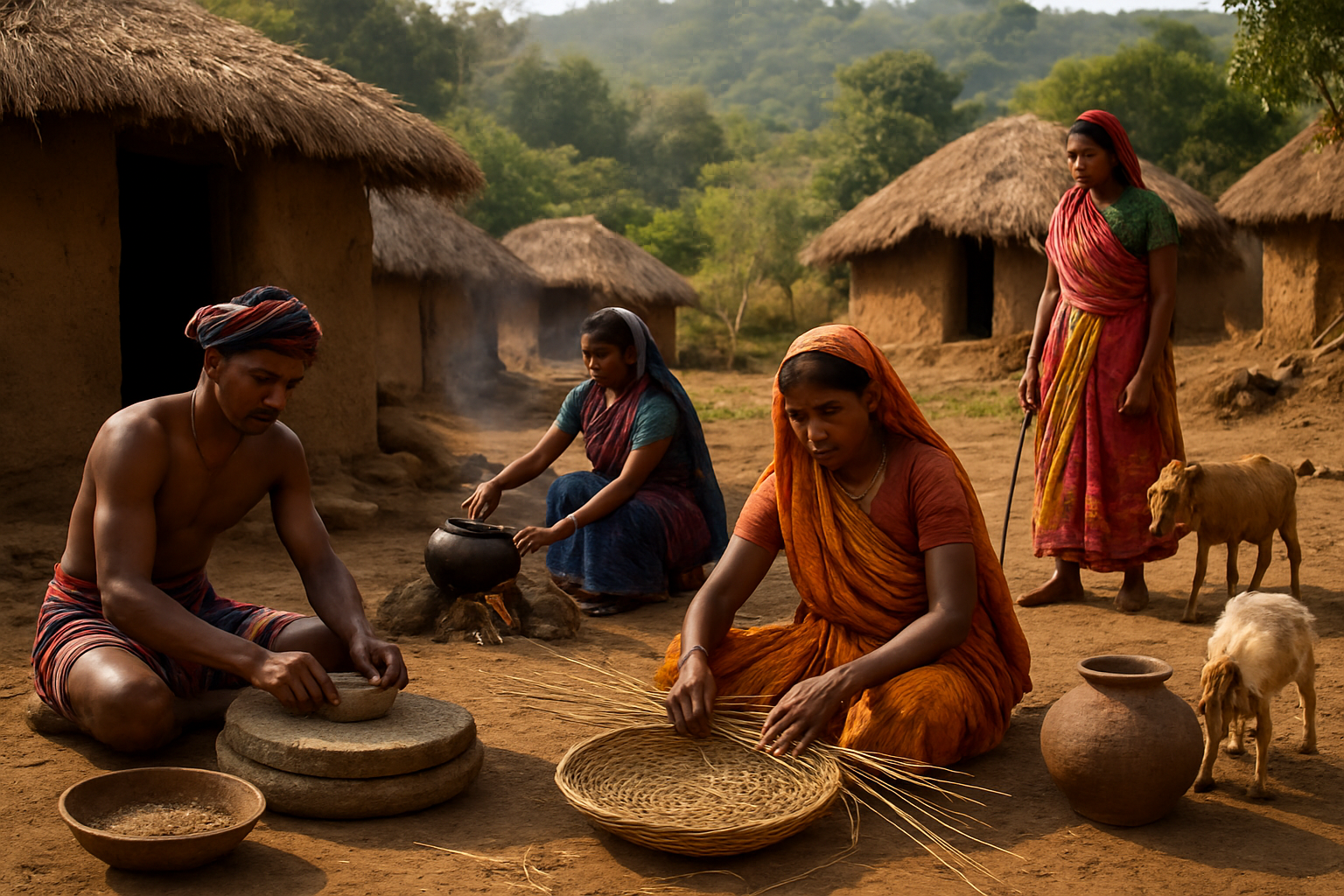
The Dongar Koli tribe excels in bamboo craftsmanship, creating baskets, fishing traps, and household items from locally available bamboo varieties. Women are particularly skilled at weaving intricate patterns into baskets used for storing grains and carrying agricultural produce. These baskets feature distinctive geometric designs that reflect their cultural heritage.
Pottery making represents another important craft tradition. Using clay from riverbanks, artisans create water storage pots, cooking vessels, and ceremonial items. The pottery is fired using traditional kilns built into hillsides, utilising wood and dried cow dung as fuel sources.
Woodworking skills are essential for creating farming tools, furniture, and musical instruments. The Dongar craftsmen carve ploughs, yokes, and handles from locally sourced hardwoods. They also craft traditional drums and flutes used during festivals and ceremonies.
Textile work includes spinning cotton and weaving simple fabrics for daily wear. Women operate traditional spinning wheels and handlooms, creating colourful cloth with patterns unique to their community. Natural dyes extracted from plants and minerals give their textiles distinctive earthy tones.
Seasonal festivals and ceremonial celebrations
The Dongar Koli calendar revolves around agricultural cycles and natural phenomena. Gudi Padwa marks their new year, celebrated with traditional foods, music, and dance performances. Houses are decorated with rangoli patterns, and families gather to share special meals featuring rice preparations and seasonal vegetables.
Harvest festivals hold special significance, with the community coming together to celebrate successful crops. During these celebrations, traditional folk songs narrate stories of their ancestors and agricultural wisdom. Women perform group dances wearing colourful saris and traditional jewellery made from silver and beads.
Monsoon festivals honour the life-giving rains essential for their survival. The Dongar Koli people perform rain dances and offer prayers to ensure adequate rainfall for their crops. These ceremonies often feature drumming, singing, and the sharing of traditional beverages made from fermented grains.
Religious festivals blend Hindu traditions with their indigenous beliefs. They worship local deities associated with forests, mountains, and water sources. Sacred groves are maintained as community spaces where important ceremonies take place, preserving both their spiritual traditions and biodiversity.
Contemporary Challenges and Modernization Impact
Educational opportunities and literacy development
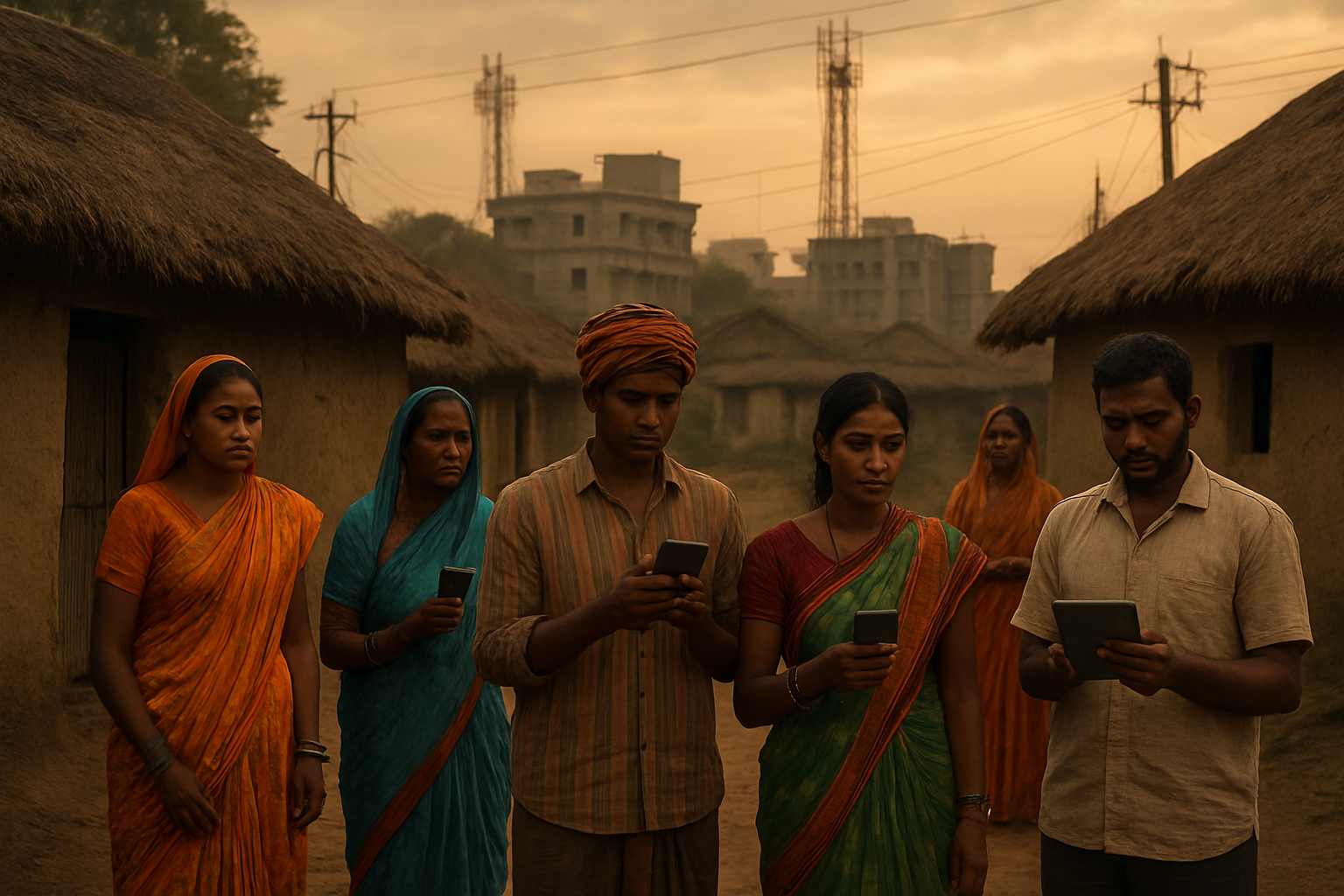
The Dongar Koli community faces significant educational barriers that have persisted for generations. Most children in remote villages still lack access to quality schools, with many families forced to choose between sending their children to distant educational institutions or keeping them home to help with traditional occupations like fishing and farming. The literacy rates among the Dongar Koli remain considerably lower than national averages, particularly for women and girls who often face additional cultural barriers to education.
Government initiatives have introduced mobile schools and adult literacy programmes specifically targeting tribal communities, yet implementation remains inconsistent across different regions. Many Dongar Koli families struggle with the cost of education, including uniforms, books, and transportation to schools located far from their settlements. Language barriers also present challenges, as traditional Koli dialects differ significantly from standard educational curricula taught in regional languages.
Recent efforts by NGOs and community organisations have begun establishing computer literacy centres and vocational training programmes tailored to the Dongar Koli community’s specific needs. These programmes focus on practical skills that can enhance traditional livelihoods while opening new economic opportunities.
Healthcare access and nutritional concerns
Healthcare accessibility remains a critical challenge for the Dongar Koli tribe, with most communities located in remote coastal and hilly areas far from medical facilities. Traditional healers continue to play important roles in community health, using indigenous knowledge of medicinal plants and healing practices passed down through generations.
Malnutrition affects a significant portion of Dongar Koli children, primarily due to limited access to diverse food sources and inadequate knowledge about balanced nutrition. Seasonal fishing patterns and agricultural cycles often create periods of food scarcity, particularly during monsoon seasons when fishing activities decrease substantially.
Government health programmes have established some mobile medical units and primary health centres, but staffing shortages and irregular services limit their effectiveness. Common health issues include respiratory problems from living in poorly ventilated homes, waterborne diseases due to inadequate sanitation, and maternal health complications during childbirth.
Community health workers trained from within the Dongar Koli community have shown promise in bridging the gap between modern healthcare and traditional practices. These workers help educate families about preventive care while respecting cultural beliefs and practices related to health and healing.
Land rights disputes and displacement issues
Land ownership disputes represent one of the most pressing challenges facing the Dongar Koli community today. Many families lack formal documentation proving their ancestral rights to coastal and forest lands they have occupied for centuries. Development projects, including ports, industrial complexes, and tourism infrastructure, have resulted in forced relocations without adequate compensation or alternative livelihood arrangements.
The Dongar Koli’s traditional fishing grounds face encroachment from commercial fishing operations and aquaculture projects that restrict access to waters they have used for generations. Environmental degradation from industrial activities has also reduced fish populations in traditional fishing areas, forcing communities to venture farther from shore or abandon fishing altogether.
Legal battles over land rights often drag on for years, leaving families in limbo without clear ownership status. Many Dongar Koli lack the financial resources or legal knowledge necessary to navigate complex bureaucratic processes involved in land registration and dispute resolution.
Some communities have begun organising collectively to assert their rights, working with legal aid organisations and tribal rights activists to secure formal recognition of their ancestral lands. These efforts have met with mixed success, as competing interests from developers and government agencies continue to pressure traditional territories.
Economic transformation and livelihood diversification
The traditional economic foundation of the Dongar Koli community, centred primarily on fishing and small-scale agriculture, faces unprecedented challenges from modernisation and environmental changes. Overfishing by commercial vessels, pollution of coastal waters, and climate change have significantly reduced fish catches, forcing many families to seek alternative income sources.
Many younger Dongar Koli community members have migrated to urban areas for employment in construction, domestic work, and other labour-intensive industries. This migration provides crucial income for families but also creates social challenges as traditional family structures and community bonds weaken.
Microfinance initiatives and self-help groups have emerged as important tools for economic empowerment within the community. Women’s groups particularly have found success in small-scale enterprises like fish processing, handicraft production, and vegetable cultivation. These initiatives help families supplement traditional fishing income while keeping community members close to their ancestral homes.
Government skill development programmes have introduced new opportunities in tourism, aquaculture, and small-scale manufacturing. However, adoption of these programmes remains limited due to language barriers, lack of initial capital, and scepticism about abandoning proven traditional methods for uncertain new ventures.
Cultural preservation amid urbanization pressures
The rich cultural heritage of the Dongar Koli faces significant erosion as younger generations increasingly migrate to urban areas and adopt mainstream lifestyles. Traditional songs, dances, and storytelling practices that once formed the cornerstone of community identity are gradually disappearing as elders pass away without passing on their knowledge to younger generations.
Religious and spiritual practices unique to the Dongar Koli community struggle to maintain relevance in modernizing societies. Sacred groves and traditional fishing rituals compete with new religious influences and secular worldviews adopted through education and urban exposure.
Language preservation presents a particular challenge, as Koli dialects give way to regional languages and Hindi in educational and professional settings. Children growing up in mixed communities often lose fluency in their ancestral tongue, creating communication gaps between generations.
Community leaders and cultural activists have begun documenting traditional practices, recording folk songs, and organizing cultural festivals to maintain connections to ancestral heritage. Some communities have established cultural centers where elders teach traditional crafts, music, and stories to interested young people.
The challenge lies in finding ways to preserve essential cultural elements while allowing for necessary adaptations to modern life. Successful preservation efforts focus on highlighting the continuing relevance of traditional values and practices rather than treating culture as a museum piece to be preserved unchanged.
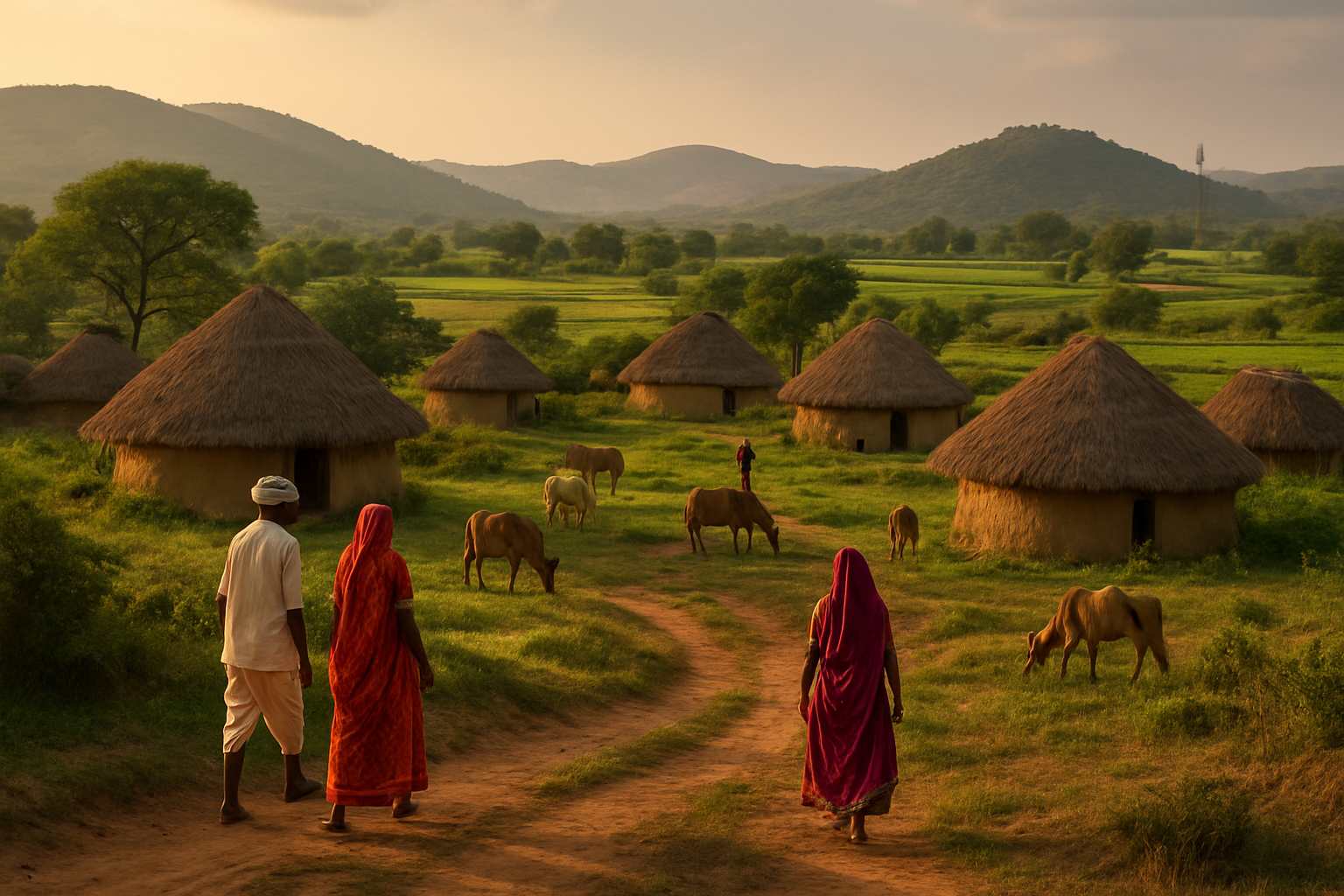
The Dongar Koli tribe stands as a remarkable example of cultural resilience and adaptation. From their ancient origins to their current struggles with modernisation, this community has maintained strong bonds through their unique social structure and traditional practices. Their geographic spread across various regions shows how they’ve adapted to different environments while keeping their core identity intact. The way they organise their communities and carry out daily rituals reflects centuries of wisdom passed down through generations.
Today’s world brings both opportunities and challenges for the Dongar Koli people. While modern education and technology open new doors, they also threaten traditional ways of life that have defined this tribe for countless years. Supporting Indigenous communities like the Dongar Koli means finding ways to help them embrace beneficial changes while preserving what makes their culture special. We can all play a part by learning about these communities, respecting their traditions, and advocating for policies that protect their rights and heritage for future generations.
