
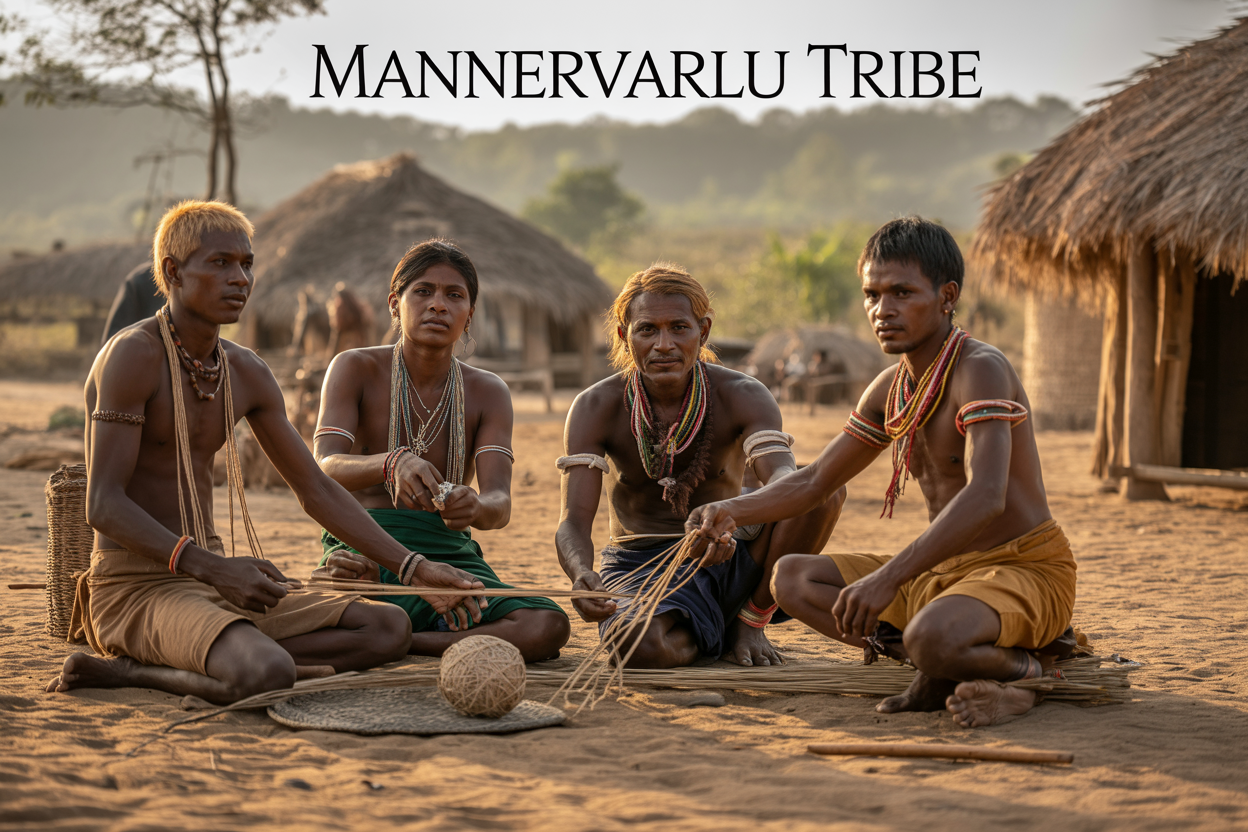
The Mannervarlu tribe represents one of India’s lesser-known indigenous communities, rich in cultural traditions and unique social practices. This guide is designed for researchers, students of anthropology, cultural enthusiasts, and anyone curious about India’s diverse tribal heritage.
Thank you for reading this post, don't forget to subscribe!The Mannervarlu people have maintained their distinct identity through centuries of change, adapting their traditional ways while preserving core cultural values. Their story offers insights into how indigenous communities navigate between ancestral customs and modern pressures.
We’ll explore the historical origins and cultural heritage that shaped the Mannervarlu identity, examining how their ancestors established the foundations of their society. You’ll also discover their traditional lifestyle and daily practices, including the customs that continue to define community life today. Finally, we’ll look at their current challenges and modern adaptations, showing how the tribe balances preservation of their heritage with the demands of contemporary India.
Historical Origins and Cultural Heritage of the Mannervarlu People
Ancient Settlement Patterns and Migration Stories
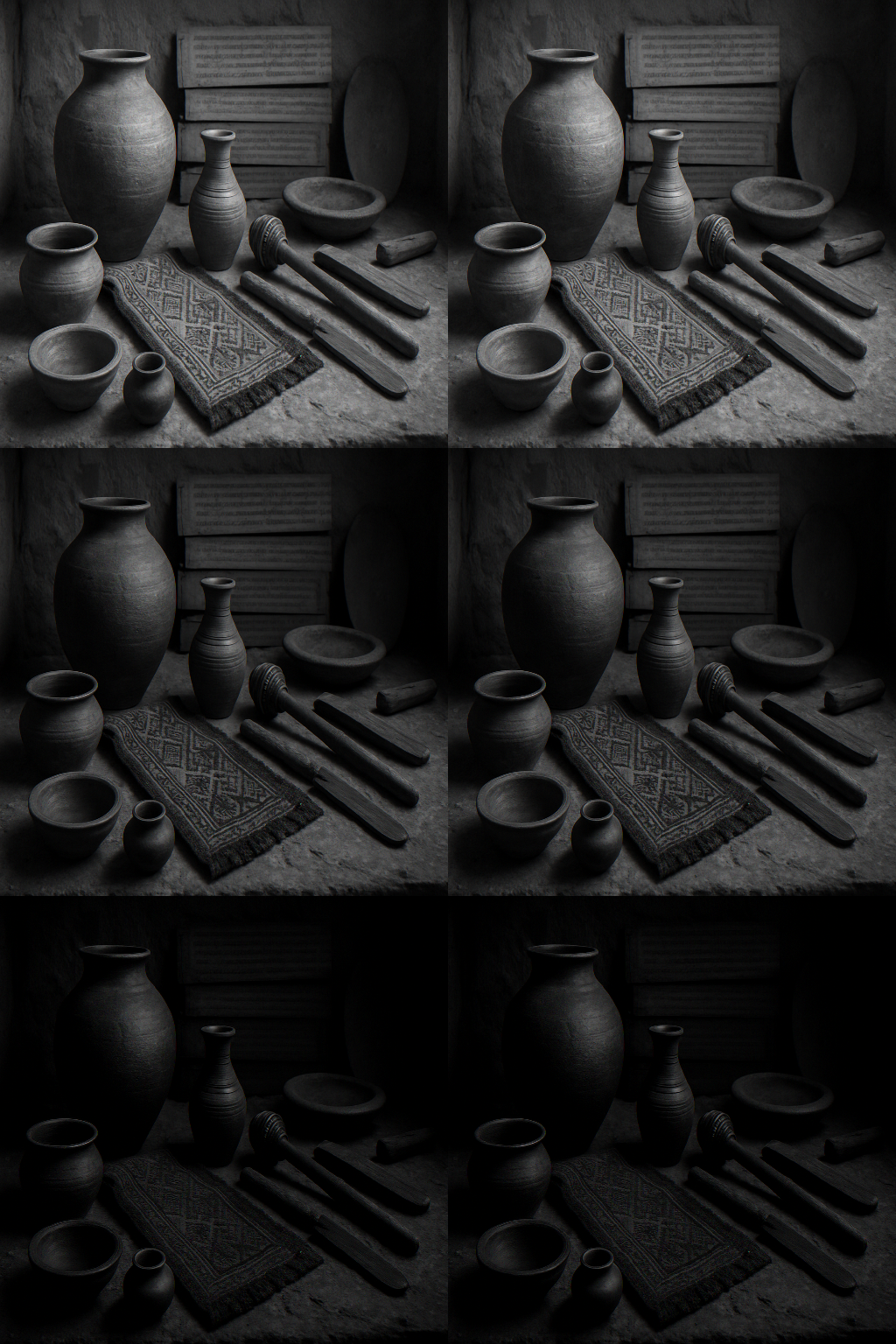
The Mannervarlu tribe’s journey across the Indian subcontinent spans several centuries, with their earliest documented presence tracing back to the pre-colonial era. Archaeological evidence suggests they originated from the central regions of India before gradually migrating southward in search of fertile lands and favorable climatic conditions. Their movement patterns followed river systems and natural corridors, establishing temporary settlements along trade routes.
Oral histories passed down through generations describe how the Mannervarlu people moved in small family groups, carrying with them sacred objects and cultural artifacts that would later become central to their identity. These migration stories often feature encounters with other tribal communities, leading to cultural exchanges that enriched their traditions while maintaining their distinct identity.
Traditional Social Structure and Clan Organization
The Mannervarlu social framework revolves around a sophisticated clan system that has governed community life for generations. Each clan maintains its own territorial boundaries, spiritual practices, and leadership hierarchy. The community recognizes five primary clans, each named after natural elements or ancestral totems.
Leadership roles within the Mannervarlu tribe follow hereditary lines, with clan elders serving as decision-makers for important community matters. Women hold significant positions in preserving cultural knowledge and managing household economies, while men typically handle external affairs and inter-tribal negotiations. This balanced approach to gender roles reflects the tribe’s understanding of complementary strengths within their social structure.
Cultural Symbols and Their Significance in Daily Life
Visual symbols play a crucial role in Mannervarlu culture, appearing in everything from clothing patterns to house decorations. The spiral motif represents the cycle of seasons and life stages, while geometric patterns carved into wooden tools carry protective meanings. Body art and temporary tattoos made from natural dyes serve both decorative and spiritual purposes during ceremonies.
Sacred symbols are incorporated into daily activities through pottery designs, textile weaving, and even food preparation rituals. Each family maintains a collection of symbolic objects that connect them to their ancestral heritage and provide spiritual guidance for important life decisions.
Oral Traditions and Folklore Preservation Methods
The Mannervarlu tribe has developed sophisticated methods for preserving their cultural knowledge without written language. Community storytellers, known as tradition keepers, undergo years of training to memorize epic tales, genealogies, and practical knowledge. These oral traditions are shared during specific seasonal gatherings when the entire community comes together.
Songs and rhythmic chants serve as mnemonic devices, helping preserve historical events, agricultural wisdom, and moral teachings. Children learn these traditions through interactive storytelling sessions, ensuring cultural continuity across generations. The tribe has also adapted to modern challenges by training younger members in traditional preservation methods while exploring new ways to document their heritage.
Traditional Lifestyle and Daily Practices
Housing Architecture and Construction Techniques
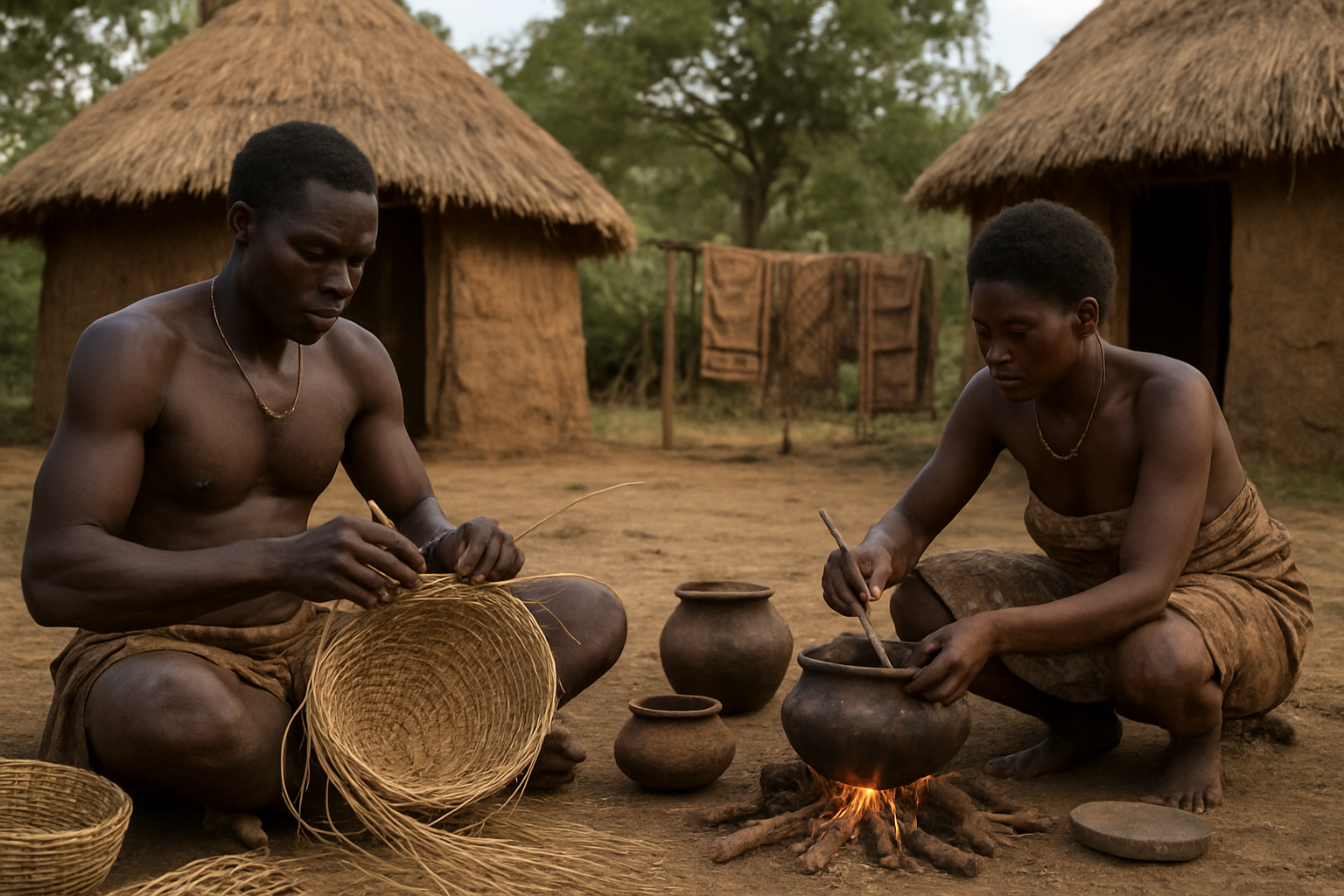
The Mannervarlu tribe constructs their homes using locally sourced materials that perfectly complement their natural environment. Their traditional dwellings feature bamboo frames interwoven with mud walls, creating structures that remain cool during hot seasons and provide adequate warmth during colder months. The roofing typically consists of palm leaves or grass thatch, arranged in overlapping layers to ensure complete water resistance during monsoons.
Each house follows a rectangular layout with raised foundations to prevent flooding and pest intrusion. The construction process involves the entire community, where men typically handle the framework while women specialize in mud plastering and decorative elements. Storage granaries are built separately from living quarters, elevated on wooden stilts to protect harvested crops from moisture and rodents.
The entrance always faces east, following their cultural belief that morning sunlight brings prosperity and positive energy. Interior spaces are divided into cooking areas, sleeping quarters, and a central room for family gatherings and religious ceremonies. Ventilation holes strategically placed near the roof help maintain air circulation throughout the structure.
Agricultural Methods and Seasonal Farming Cycles
The Mannervarlu people practice sustainable agriculture methods passed down through generations, adapting their farming techniques to match seasonal patterns and local soil conditions. Their primary crops include rice, millet, and various vegetables, grown using organic methods without chemical fertilizers or pesticides.
The farming cycle begins with land preparation during late winter months. Community members work together to clear fields, repair irrigation channels, and prepare seedbeds. They practice crop rotation, alternating between cereals and legumes to maintain soil fertility naturally. Traditional tools like wooden plows pulled by oxen remain central to their farming operations.
Monsoon season marks the main planting period when rice seedlings are transplanted to flooded fields. The Mannervarlu tribe has developed sophisticated water management systems, creating small dams and channels to direct rainwater efficiently across their agricultural lands. They also maintain kitchen gardens near their homes, growing vegetables, herbs, and spices for daily consumption.
Harvest time brings the entire community together in collective efforts. After the main harvest, they practice gleaning to ensure no grain goes to waste. Seeds for the next season are carefully selected and stored using traditional preservation methods involving neem leaves and ash.
Clothing Styles and Traditional Attire Significance
Mannervarlu traditional clothing reflects both practical needs and cultural identity, with distinct garments for different occasions and age groups. Women wear colorful sarees made from handwoven cotton, often featuring geometric patterns that hold spiritual significance. The colors and designs vary according to marital status, festivals, and ceremonial purposes.
Men typically dress in dhotis paired with simple cotton shirts or remain bare-chested during work. Their traditional headgear includes cloth turbans, especially during important ceremonies or community meetings. Both men and women wear jewelry made from silver, beads, and natural materials like shells and seeds.
Daily work clothing prioritizes comfort and durability, with darker colors preferred to hide stains from agricultural activities. During festivals and religious ceremonies, the Mannervarlu people don their finest attire, featuring bright colors, intricate embroidery, and special ornaments passed down through family lines.
Children wear miniature versions of adult clothing, gradually transitioning to full traditional attire as they reach adolescence. The weaving and decoration of clothes serves as an important skill passed from mothers to daughters, preserving traditional patterns and techniques within families.
Economic Activities and Livelihood Systems
Primary Occupations and Income Sources
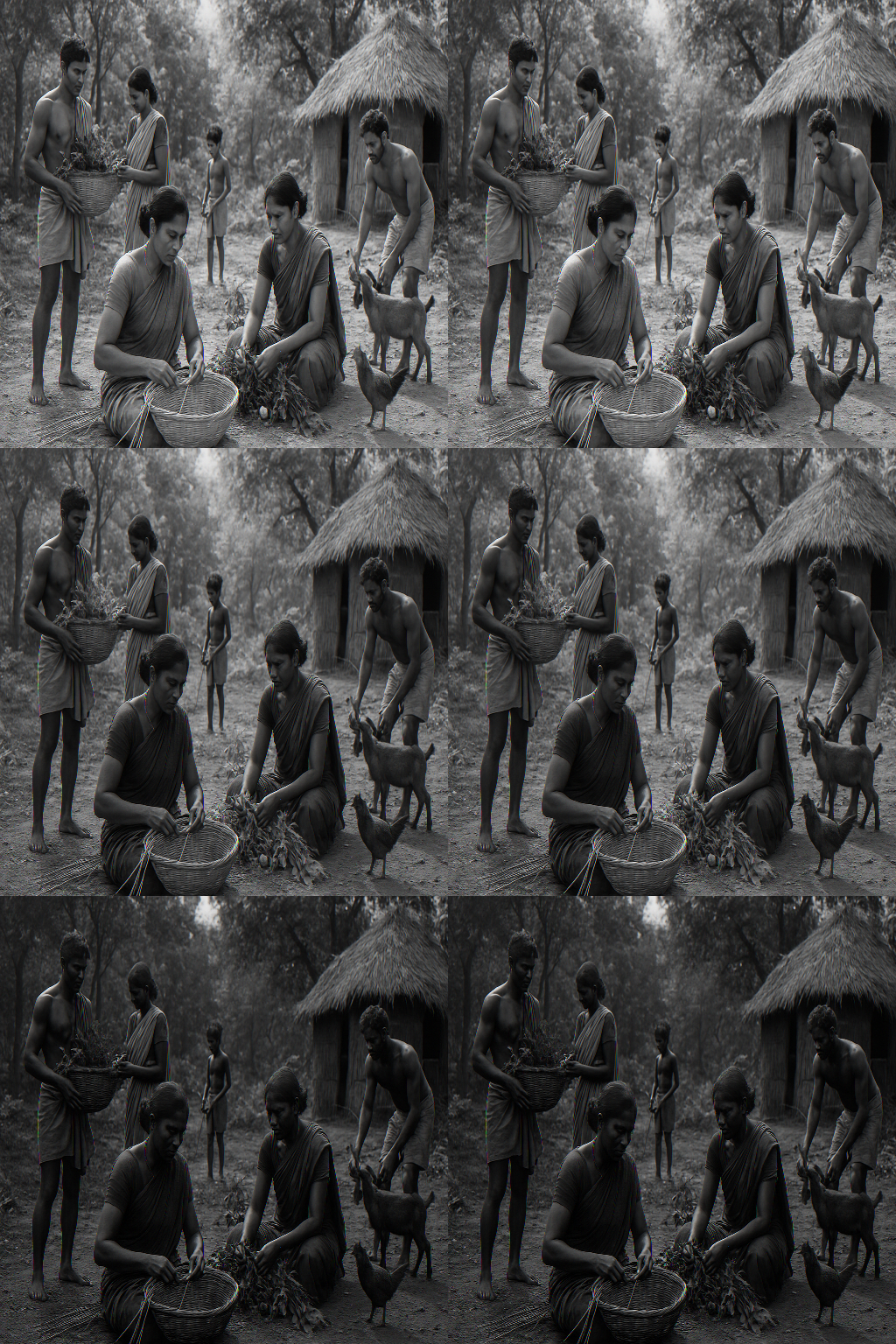
The Mannervarlu tribe has traditionally relied on a diverse mix of subsistence and income-generating activities that reflect their deep connection to the natural environment. Agriculture forms the backbone of their economy, with most families cultivating small plots of land using traditional methods passed down through generations. Rice remains their primary crop, supplemented by millets, pulses, and various vegetables that thrive in their region’s climate.
Livestock rearing plays a crucial role in their livelihood system, with families typically maintaining cattle, goats, and poultry. These animals provide not only protein sources through milk and eggs but also serve as economic assets during times of financial need. The sale of surplus livestock and dairy products in nearby markets provides important cash income for essential purchases.
Forest-based activities contribute significantly to household economies, with community members gathering non-timber forest products like honey, medicinal plants, fruits, and bamboo. These resources serve both subsistence needs and commercial purposes, as many items find ready buyers in regional markets. Seasonal migration for agricultural labor in neighboring areas has also become a common strategy for younger community members seeking additional income.
Traditional Crafts and Artisan Skills
The Mannervarlu people possess remarkable artisanal skills that have been refined over centuries. Bamboo weaving stands out as their most distinctive craft, with skilled artisans creating everything from household baskets and storage containers to decorative items and furniture. The intricate patterns and techniques used in their bamboo work reflect both practical needs and artistic expression.
Pottery making remains another important traditional skill, particularly among women in the community. Using locally sourced clay, they craft water storage vessels, cooking pots, and ceremonial items. The pottery features unique designs and firing techniques that distinguish Mannervarlu crafts from those of neighboring communities.
Textile work, including traditional weaving and dyeing using natural materials, produces clothing and household items that serve both practical and cultural purposes. The patterns and colors often carry symbolic meanings related to their spiritual beliefs and social customs. Wood carving and metalwork skills, though less widespread, are still practiced by specialized artisans who create tools, religious artifacts, and decorative pieces.
Market Participation and Trade Relationships
The Mannervarlu tribe has gradually increased their participation in regional market systems while maintaining their traditional economic practices. Weekly markets in nearby towns serve as primary venues for selling agricultural surplus, forest products, and handicrafts. These market relationships have evolved from simple barter systems to more complex cash-based transactions.
Trade relationships extend beyond immediate geographic boundaries, with their bamboo products and traditional crafts finding buyers in urban areas. Middlemen often facilitate these connections, though this sometimes results in reduced profits for the actual producers. Some community members have begun establishing direct relationships with buyers, particularly for specialty items like organic produce and authentic handicrafts.
The tribe’s engagement with modern market systems has brought both opportunities and challenges. While cash income has increased access to education, healthcare, and modern conveniences, it has also created dependencies on external market fluctuations and price variations beyond their control.
Modern Economic Challenges and Adaptations
Contemporary economic pressures have significantly impacted traditional Mannervarlu livelihood systems. Climate change has affected agricultural productivity, with irregular rainfall patterns and extreme weather events disrupting crop cycles. Forest degradation and government restrictions on forest access have reduced the availability of traditional resources that once provided reliable income sources.
Younger generations increasingly seek education and employment opportunities outside their communities, creating both challenges and opportunities. While this migration provides new income sources through remittances, it also threatens the continuity of traditional skills and cultural practices. Some families now depend heavily on money sent by relatives working in distant cities.
The Mannervarlu people have shown remarkable adaptability in responding to these challenges. Community-based initiatives have emerged, including cooperative farming ventures, collective marketing of handicrafts, and sustainable forest management practices. Some groups have embraced eco-tourism opportunities, sharing their cultural knowledge and traditional practices with visitors while generating income.
Government development programs and NGO interventions have introduced new livelihood options, including skill development training, microfinance opportunities, and market linkage programs. However, the success of these initiatives often depends on how well they align with existing cultural values and traditional knowledge systems of the Mannervarlu tribe.
Social Organization and Community Structure
Leadership Hierarchy and Decision-Making Processes
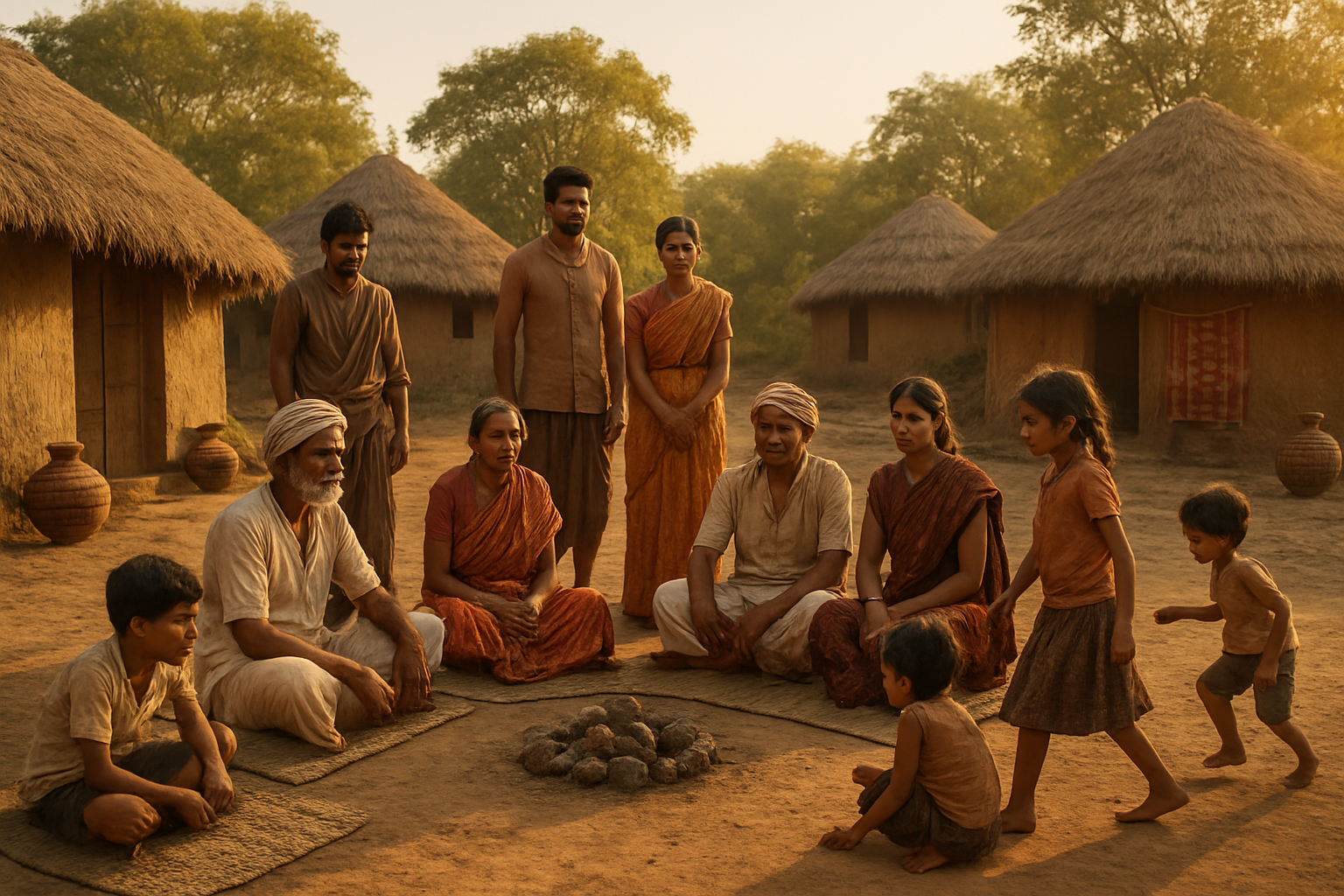
The Mannervarlu tribe operates through a traditional council system where elders hold primary authority in community decisions. Village headmen, typically chosen from respected families with proven wisdom and integrity, serve as the primary decision-makers for daily affairs. These leaders work alongside a council of elders who provide guidance on matters affecting the entire community.
Decision-making follows a consensus-based approach where all adult members can voice their opinions during village assemblies. The headman facilitates these discussions, ensuring every perspective is heard before reaching a collective decision. Major decisions regarding land use, resource allocation, and inter-tribal relations require unanimous agreement from the elder council.
Marriage Customs and Family Relationships
Marriage within the Mannervarlu community follows strict traditional protocols that strengthen tribal bonds. Young people typically marry within specific age ranges, with families arranging matches based on compatibility, social standing, and lineage considerations. Cross-cousin marriages are preferred as they maintain family alliances and preserve cultural bloodlines.
The wedding ceremony involves elaborate rituals spanning several days, including bride price negotiations, ceremonial exchanges of gifts, and community feasts. Extended families play crucial roles in supporting newlyweds, providing housing, land, and guidance during the transition to married life.
Family structures center around joint households where multiple generations live together. Patriarchal systems dominate, with the eldest male serving as the family head who makes important decisions about property, marriages, and religious observances.
Age-Based Roles and Responsibilities
The Mannervarlu tribe assigns specific roles based on age groups, creating a structured society where everyone contributes according to their capabilities. Children begin learning traditional skills around age five, with boys focusing on hunting, fishing, and tool-making while girls learn cooking, weaving, and household management.
Adolescents undergo initiation ceremonies that mark their transition to adulthood and full tribal membership. Young adults take on responsibilities for community defense, resource gathering, and supporting tribal activities. They also serve as messengers between villages and assist in major construction projects.
Middle-aged members handle the bulk of economic activities, including agriculture, animal husbandry, and trade relationships with neighboring communities. They mentor younger members and participate actively in decision-making processes.
Elders receive the highest respect and serve as the repository of tribal knowledge, customs, and oral traditions. They guide religious ceremonies, settle disputes, and pass down cultural wisdom to younger generations.
Conflict Resolution and Justice Systems
The Mannervarlu approach to justice emphasizes restoration over punishment, seeking to heal relationships rather than simply penalize wrongdoing. When conflicts arise, the village headman convenes a traditional court where all parties present their cases before the elder council.
Minor disputes involving property damage, personal disagreements, or family matters are typically resolved through mediation sessions. The elders listen carefully to testimonies, consult traditional laws passed down through generations, and propose solutions that satisfy both parties.
Serious offenses like theft, adultery, or violence against community members face more severe consequences. The traditional court may impose fines, temporary banishment, or require public acknowledgment of wrongdoing. In extreme cases, persistent offenders face permanent exile from the tribe.
Compensation plays a central role in the justice system, with offenders required to make restitution to victims or their families. This approach maintains social harmony while ensuring accountability for harmful actions.
Religious Beliefs and Spiritual Practices
Core Spiritual Beliefs and Worldview
The Mannervarlu tribe embraces a deeply animistic worldview where every element of nature possesses a living spirit. Their spiritual framework revolves around the concept of interconnectedness between humans, animals, plants, and natural forces. According to Mannervarlu beliefs, the physical and spiritual worlds exist simultaneously, with ancestors serving as intermediaries who guide and protect the living community.
Central to their cosmology is the belief in a supreme creator deity who maintains cosmic balance through various nature spirits. These spirits inhabit trees, rivers, mountains, and rocks, requiring respectful interaction from tribal members. The Mannervarlu people view illness, natural disasters, and misfortune as consequences of disrupting this spiritual harmony, while prosperity and health result from maintaining proper relationships with the spirit world.
Their worldview emphasizes collective responsibility, where individual actions affect the entire community’s spiritual well-being. Dreams hold special significance as channels for receiving divine guidance and ancestral messages. Elders who demonstrate exceptional spiritual sensitivity often become shamans or spiritual leaders, serving as healers and mediators between the physical and supernatural realms.
Ritual Ceremonies and Their Purposes
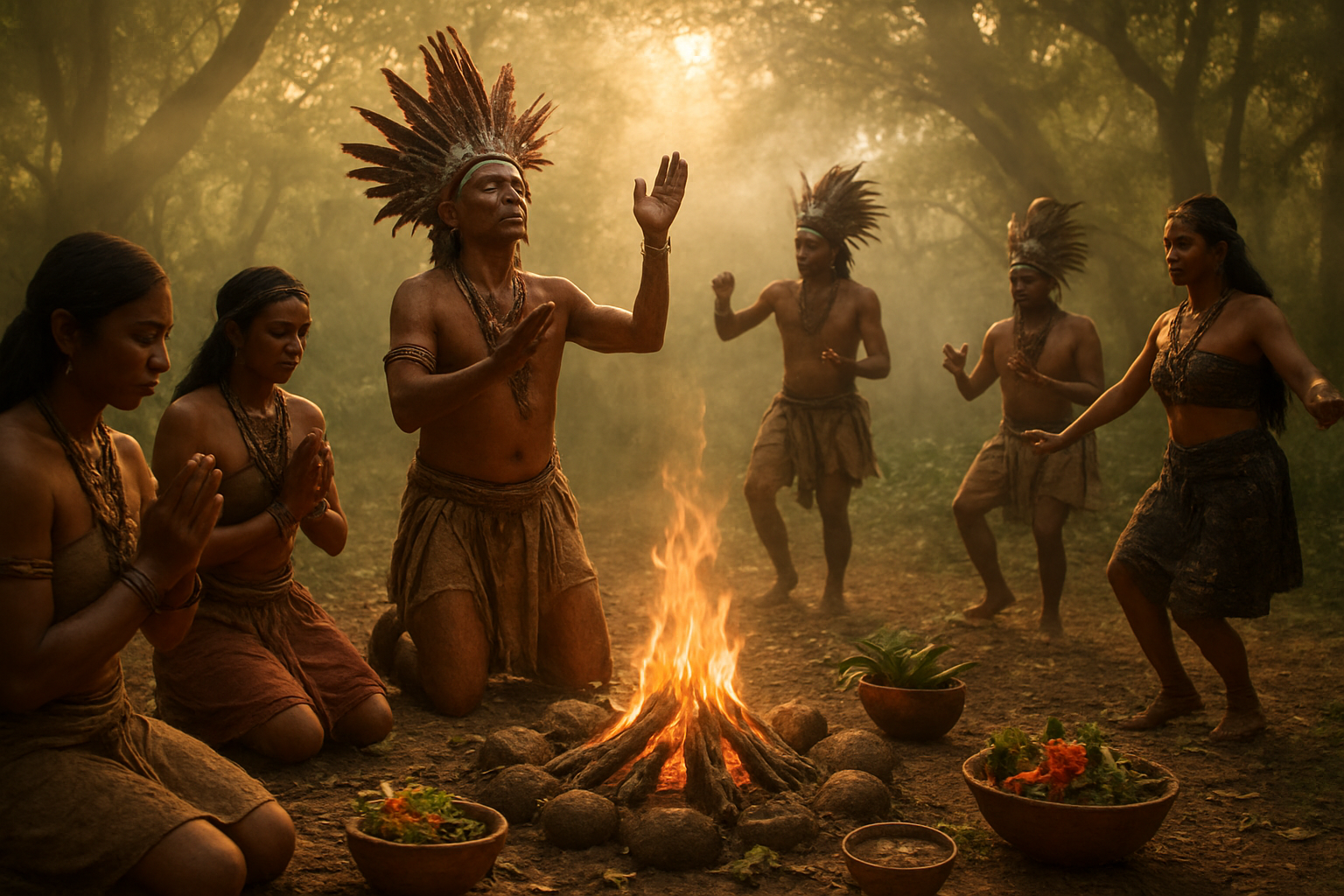
The Mannervarlu tribe conducts elaborate ceremonial practices throughout the year, each serving specific spiritual and social functions. Their most significant ceremony, the Annual Harvest Festival, celebrates the agricultural cycle while honoring earth spirits who ensure crop fertility. During this three-day event, community members perform traditional dances, offer food sacrifices, and conduct purification rituals.
Life transition ceremonies mark important milestones within the tribe. Birth ceremonies welcome newborns into the spiritual community through naming rituals that invoke ancestral protection. Coming-of-age ceremonies transform adolescents into adults through elaborate initiation processes involving fasting, spiritual tests, and elder teachings about tribal traditions.
Healing ceremonies represent another crucial aspect of Mannervarlu spiritual practice. When illness strikes, shamans conduct intricate rituals involving herbal medicines, chanting, and spirit communication. These ceremonies aim to restore spiritual balance while addressing physical ailments through traditional healing methods.
Death ceremonies ensure proper transition of souls to the ancestral realm. The tribe believes improper funeral rites can trap spirits in the physical world, causing harm to living relatives. These ceremonies involve specific burial practices, mourning rituals, and memorial offerings that continue for prescribed periods.
Sacred Sites and Pilgrimage Traditions
The Mannervarlu territory contains numerous sacred locations that hold profound spiritual significance for the tribe. Ancient grove sites, typically featuring centuries-old trees, serve as primary worship centers where major ceremonies take place. These groves are considered dwelling places of powerful spirits and remain protected from any form of disturbance or commercial exploitation.
Mountain peaks within their traditional lands function as pilgrimage destinations where tribal members seek spiritual visions and divine guidance. The most revered peak, known locally as “Spirit’s Crown,” attracts pilgrims during specific lunar cycles when spiritual energy is believed to be strongest. Pilgrims climb these mountains while observing strict dietary restrictions and maintaining ritual purity.
Sacred water bodies, including springs, lakes, and river confluences, play essential roles in purification ceremonies and spiritual cleansing. The tribe considers these locations as gateways between earthly and spiritual dimensions. Community members visit these sites during times of personal crisis, important decisions, or seasonal transitions to seek clarity and spiritual renewal.
Rock formations with unique shapes or historical significance serve as meditation sites and markers of tribal history. Some rocks contain ancient petroglyphs created by ancestors, making them living libraries of tribal wisdom and spiritual teachings. These sites require special permission from elders to visit and are approached with careful ritual preparation to show proper respect to the ancestral spirits residing there.
Current Challenges and Modern Adaptations
Impact of Urbanization on Traditional Ways
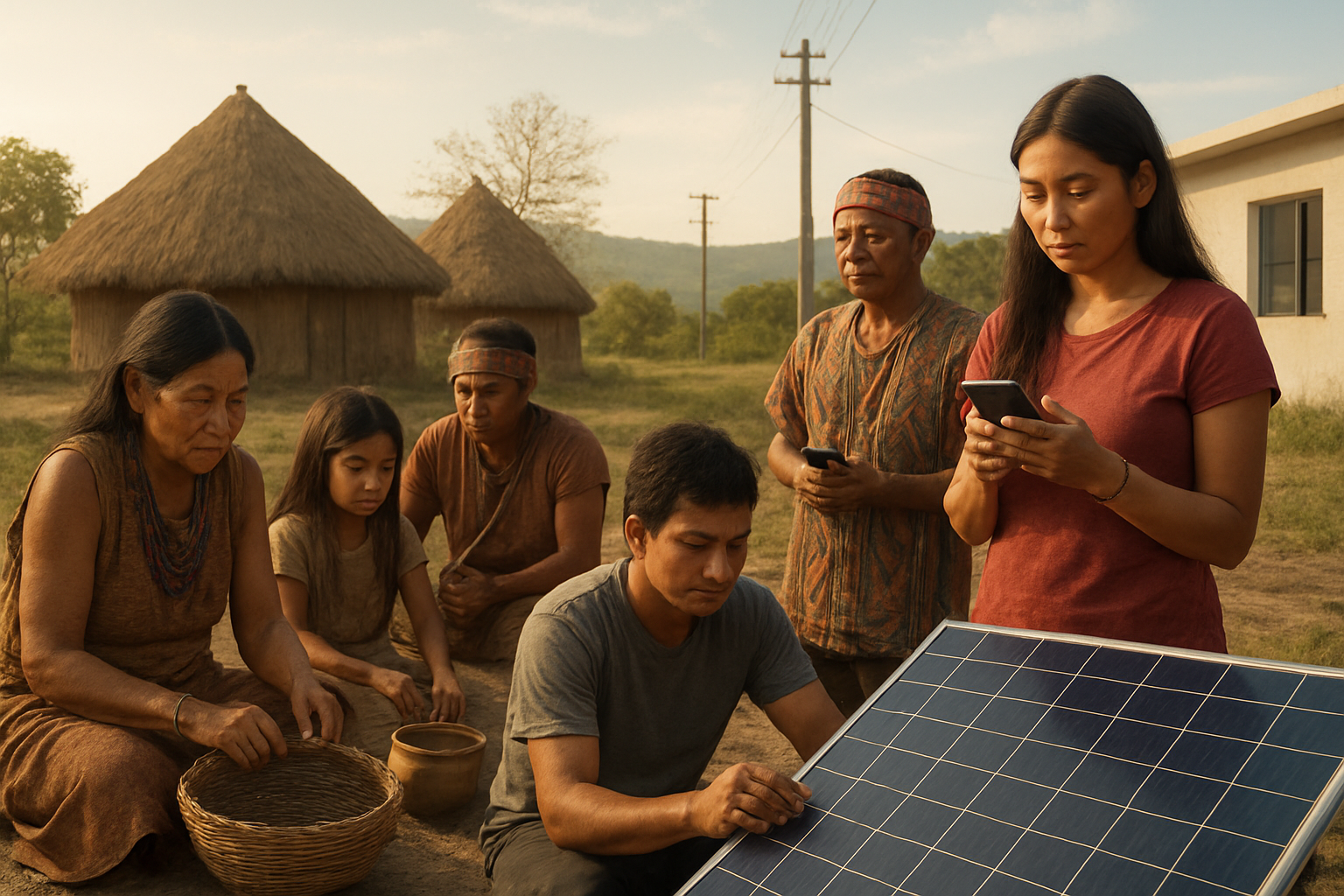
The Mannervarlu tribe faces mounting pressure as cities expand into their ancestral lands. Modern infrastructure projects have displaced several communities, forcing them to relocate to urban peripheries where traditional practices become difficult to maintain. Many tribal members now live in concrete housing that lacks the communal spaces essential for their cultural ceremonies and social gatherings.
Traditional occupations like hunting, gathering, and artisan crafts struggle to find relevance in urban settings. The younger generation increasingly abandons these practices, viewing them as outdated compared to modern career opportunities. Forest access has become restricted due to development projects, making it nearly impossible to collect medicinal plants and materials needed for traditional handicrafts.
The shift from barter systems to cash-based economies has fundamentally altered the Mannervarlu community dynamics. Elders who once held authority through their knowledge of forest resources now find themselves dependent on family members who work in cities. This reversal of traditional power structures creates tension within families and communities.
Education Access and Literacy Improvements
Government initiatives have significantly increased educational opportunities for Mannervarlu children. Mobile schools and residential programs now reach remote settlements, providing basic literacy skills that were previously unavailable. Adult literacy programs have helped older community members navigate modern administrative requirements and access government services.
However, the education system primarily uses mainstream curricula that don’t incorporate Mannervarlu cultural knowledge. Students often feel disconnected from their heritage as they advance through formal education. Many drop out after primary school due to language barriers and cultural differences in teaching methods.
Recent efforts include:
- Bilingual education programs incorporating tribal languages
- Scholarship schemes for higher education
- Vocational training centers in tribal areas
- Digital literacy initiatives for remote communities
Healthcare Challenges and Government Support
The Mannervarlu tribe struggles with limited healthcare access in their remote settlements. Traditional healers still play crucial roles, but they lack resources to treat modern diseases and health complications. Government health workers visit periodically, but regular medical care remains scarce.
Malnutrition affects many children due to changing dietary patterns and reduced access to traditional foods. The transition from forest-based diets to processed foods has led to new health problems including diabetes and hypertension among adults.
Government healthcare initiatives have introduced:
- Mobile medical units serving tribal areas monthly
- Training programs for traditional birth attendants
- Immunization drives targeting preventable diseases
- Subsidized medicines through public health centers
Water and sanitation infrastructure improvements have reduced waterborne diseases, though many settlements still lack clean drinking water access.
Youth Migration and Cultural Preservation Efforts
Economic opportunities draw many young Mannervarlu people to cities, creating a demographic shift that threatens cultural continuity. Those who migrate often struggle to maintain connections with their heritage while adapting to urban lifestyles. The brain drain effect leaves communities with fewer educated members to lead local development initiatives.
Cultural preservation has become a urgent priority as traditional knowledge holders age. Community elders work with researchers to document oral histories, traditional recipes, and medicinal practices before they disappear. Video recordings capture traditional dances and songs that risk being forgotten.
Several preservation initiatives show promise:
- Cultural centers teaching traditional crafts to youth
- Annual festivals celebrating Mannervarlu heritage
- Documentation projects recording tribal languages
- Mentorship programs pairing elders with young people
- Eco-tourism ventures showcasing tribal culture
Some young migrants return during festivals and ceremonies, helping bridge the gap between modern lifestyles and traditional practices. Social media platforms now help scattered community members maintain cultural connections across geographical distances.
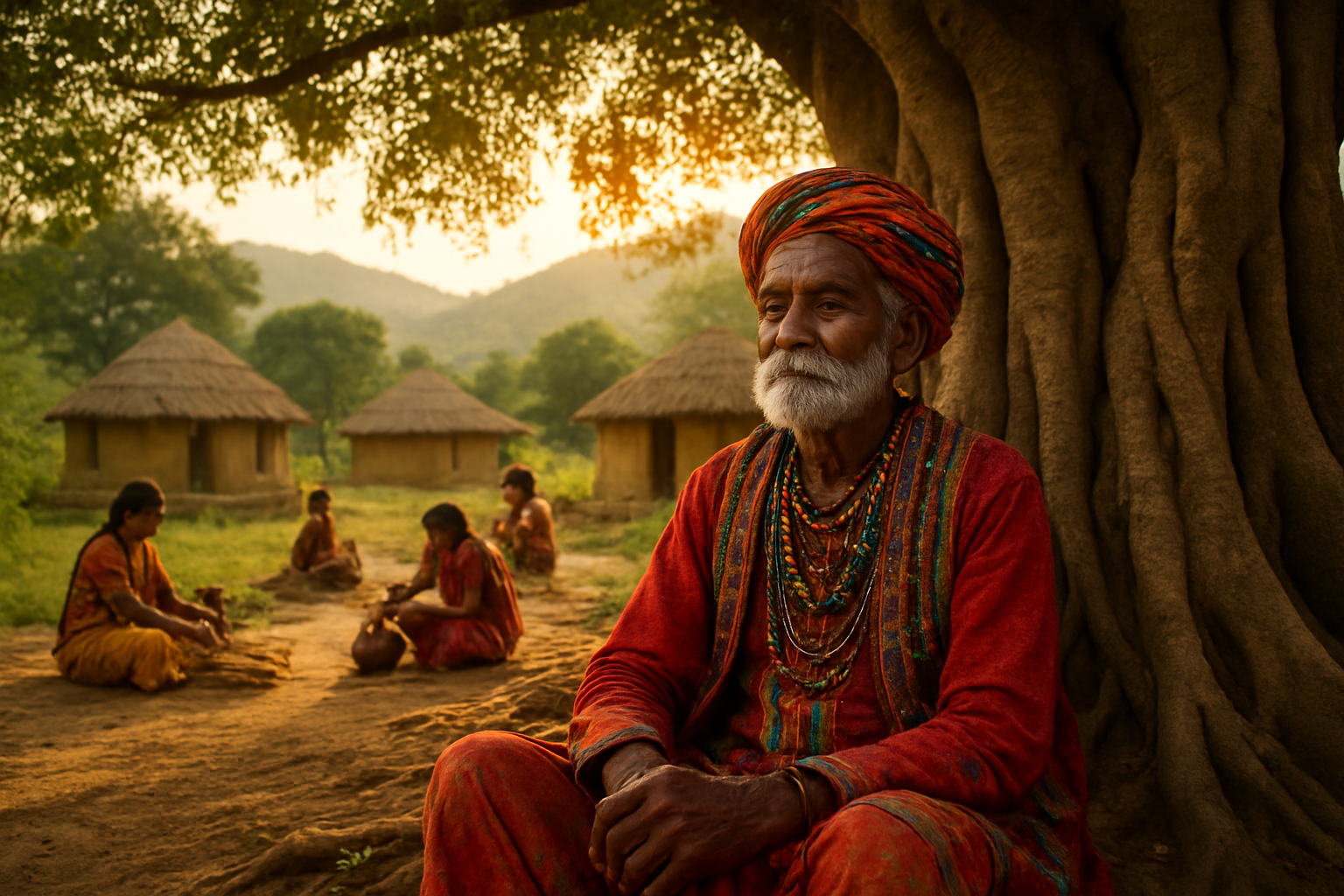
The Mannervarlu tribe represents a fascinating example of how ancient cultures continue to thrive while adapting to modern realities. Their rich historical heritage, deeply rooted spiritual beliefs, and traditional economic systems show us the importance of preserving indigenous knowledge and practices. From their unique social structures to their sustainable lifestyle approaches, the Mannervarlu people offer valuable insights into community living and environmental harmony that many contemporary societies could learn from.
Today, like many indigenous communities worldwide, the Mannervarlu face the challenge of balancing cultural preservation with necessary modern adaptations. Their story reminds us that supporting indigenous rights and cultural diversity isn’t just about preserving the past – it’s about enriching our collective future. Take time to learn about the indigenous communities in your own region, support organizations that work with tribal peoples, and advocate for policies that protect their lands and traditions. Every effort to understand and respect indigenous cultures helps ensure these invaluable ways of life continue to flourish for generations to come.
