
The education system of Indian tribal communities represents a fascinating blend of ancient wisdom and modern learning challenges that affects over 100 million tribal people across India. This guide is designed for educators, policymakers, researchers, and anyone interested in understanding how indigenous education works in practice.
Thank you for reading this post, don't forget to subscribe!Indian tribal communities have maintained unique learning traditions for centuries, but today they face significant obstacles in accessing quality education. From remote geographical locations to language barriers, these challenges require innovative solutions that respect cultural heritage while preparing students for the modern world.
We’ll explore how traditional knowledge systems continue to shape learning in tribal areas and examine the specific barriers that prevent many tribal children from completing their education. You’ll also discover the government programs working to bridge these educational gaps and learn about successful approaches that other communities can adapt.
Traditional Learning Systems in Tribal Communities
Oral tradition and storytelling methods
Stories form the backbone of learning in Indian tribal communities, passed down through generations like precious heirlooms. Tribal elders weave complex narratives that carry everything from moral lessons to practical survival skills. These aren’t just bedtime stories – they’re sophisticated educational tools that teach children about their history, cultural values, and place in the world.
The Santhal tribe uses traditional ballads called “bapla” to teach children about their ancestors and tribal customs. Through rhythmic verses and memorable melodies, young learners absorb complex historical information that would be difficult to retain through conventional methods. Similarly, the Gond community employs elaborate storytelling sessions where creation myths double as geography lessons, teaching children about local landscapes and natural phenomena.
What makes oral tradition so powerful is its interactive nature. Children don’t just listen passively – they participate, ask questions, and gradually become storytellers themselves. This creates a living library where knowledge stays fresh and relevant to each generation.
Nature-based knowledge transmission
The natural world serves as the ultimate classroom for Indian tribal communities. Children learn by observing seasonal patterns, animal behaviors, and plant cycles. This hands-on approach creates deep connections between theoretical knowledge and practical application.
The Khasi tribe teaches children to read weather patterns by watching cloud formations and bird movements. Young ones learn to identify medicinal plants during forest walks with their grandparents, understanding not just what heals but when to harvest and how to prepare remedies. This knowledge system produces individuals who can predict monsoons, locate water sources, and navigate dense forests using natural landmarks.
Tribal communities like the Toda of Tamil Nadu have developed intricate calendars based on natural cycles. Children learn to associate specific activities with particular seasons, understanding when to plant, when to migrate with livestock, and when to gather wild foods. This creates a sustainable lifestyle that works in harmony with environmental rhythms.
Community elders as primary educators
Grandparents and elderly community members hold the most respected teaching positions in tribal society. Unlike formal education systems where authority comes from certificates, tribal educators earn respect through lived experience and demonstrated wisdom.
The Bhil community organizes regular evening sessions where elders share knowledge about traditional crafts, hunting techniques, and conflict resolution. These informal gatherings create strong bonds between generations while ensuring cultural continuity. Children learn not just facts but the reasoning behind traditions and customs.
Each elder typically specializes in different areas – one might be the master storyteller, another the herb specialist, and yet another the expert in tribal law and governance. This distributed knowledge system ensures comprehensive education while recognizing individual strengths and expertise within the community.
Skill-based learning through practical experience
Tribal children learn by doing rather than memorizing. A young Warli child masters geometric patterns by helping create traditional wall paintings, simultaneously developing artistic skills and understanding mathematical concepts. Boys in many tribal communities learn hunting and fishing by accompanying adults on expeditions, gradually taking on more responsibilities as their skills develop.
Girls often learn traditional crafts like weaving, pottery, and food preparation through guided practice. The Lambadi women teach intricate embroidery techniques through patient demonstration and practice, creating beautiful textiles while preserving cultural identity. These skills provide both practical benefits and potential income sources.
This experiential approach creates confident, capable individuals who understand the connection between learning and real-world application. Children see immediate results from their efforts, making education engaging and meaningful rather than abstract or disconnected from daily life.
Current Challenges Facing Tribal Education
Language barriers in mainstream education
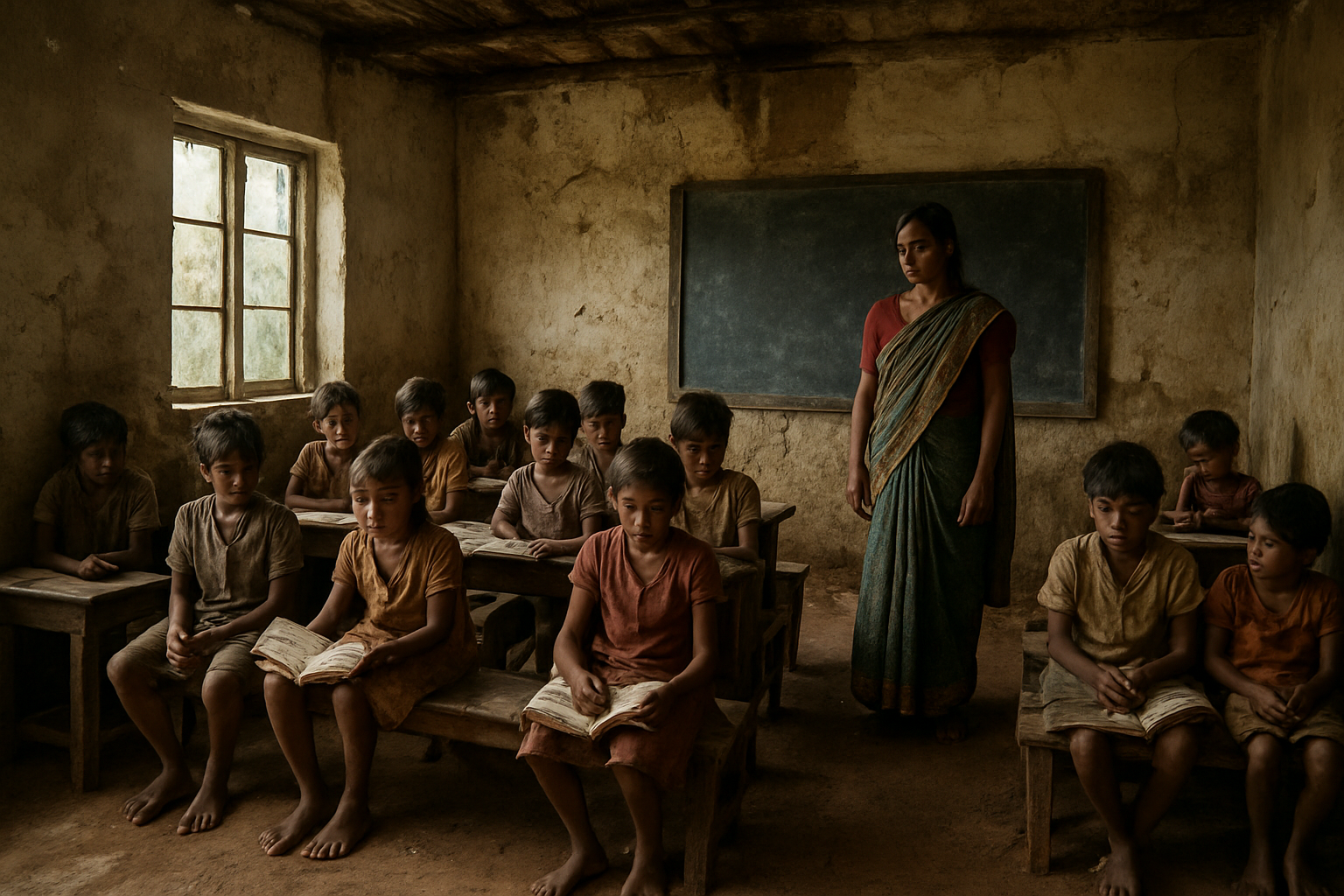
Indian tribal communities face significant obstacles when their children enter mainstream educational systems. Many tribal children arrive at school speaking their native languages fluently but struggle with Hindi or English, which are typically the mediums of instruction. This creates an immediate disadvantage where students must simultaneously learn academic content while mastering a new language.
Teachers in mainstream schools often lack training in tribal languages or cultural contexts, making communication challenging. Children may understand concepts perfectly in their mother tongue but fail to express this knowledge in the required academic language. This language gap frequently leads to misdiagnosis of learning difficulties when the real issue is linguistic barriers.
The education system of Indian tribal communities traditionally relied on oral storytelling and practical demonstrations rather than written text. When tribal children encounter textbook-heavy curricula in unfamiliar languages, they struggle to connect with the learning material. Many drop out during primary school years, not because they lack intelligence or capability, but because the language barrier makes academic success nearly impossible.
Parents from tribal communities often cannot assist with homework due to their own limited exposure to mainstream languages, creating a cycle where educational support remains absent at home. This linguistic isolation affects not just academic performance but also the child’s confidence and sense of belonging in the educational environment.
Geographic isolation and accessibility issues
Remote tribal settlements face enormous challenges in accessing quality education due to their distant locations from educational infrastructure. Many tribal villages lack proper road connectivity, making it difficult for children to reach schools daily. During monsoon seasons, rivers and streams become impassable, cutting off entire communities from educational facilities for months.
The sparse population in tribal areas makes it economically challenging to establish schools within walking distance of every settlement. Children often must travel 10-15 kilometers daily to reach the nearest school, which becomes impossible for younger students. Boarding facilities are limited and often inadequately maintained, creating safety concerns for parents who might otherwise send their children away for education.
Teacher recruitment and retention in these remote areas poses another major challenge. Qualified educators are reluctant to work in isolated tribal regions due to basic amenities shortages, lack of professional growth opportunities, and separation from urban conveniences. Schools frequently operate with untrained teachers or remain closed for extended periods due to staff shortages.
Transportation infrastructure remains inadequate, with many tribal areas lacking regular bus services or safe transportation options. Parents worry about their children’s safety during long daily commutes, especially for young girls, leading to higher dropout rates among female students.
Cultural disconnect in modern curriculum
The standard curriculum used in mainstream schools often completely ignores the rich cultural heritage and traditional knowledge systems of tribal communities. Textbooks rarely feature tribal heroes, festivals, or contributions to Indian society, making tribal children feel invisible and undervalued in their own educational journey.
Traditional tribal occupations like forest gathering, handicrafts, and sustainable agriculture receive no recognition in modern syllabi. Instead, the curriculum promotes urban lifestyles and career paths that seem disconnected from tribal realities. This creates confusion among tribal youth about their identity and future prospects.
Religious and spiritual practices central to tribal life find no place in secular education systems. Children learn about mainstream festivals and traditions while their own cultural celebrations remain unacknowledged. This cultural erasure damages self-esteem and creates internal conflicts about cultural identity.
The education system emphasizes individual achievement and competition, contrasting sharply with tribal values that prioritize community cooperation and collective well-being. Tribal children struggle to adapt to classroom environments that discourage collaboration and sharing, values fundamental to their upbringing.
Assessment methods rely heavily on written examinations and rote memorization, ignoring traditional learning styles that emphasize practical skills, observation, and experiential knowledge. This mismatch between teaching methods and learning preferences puts tribal students at a significant disadvantage in academic evaluations.
Government Initiatives for Tribal Education Development
Special reservation policies and scholarships
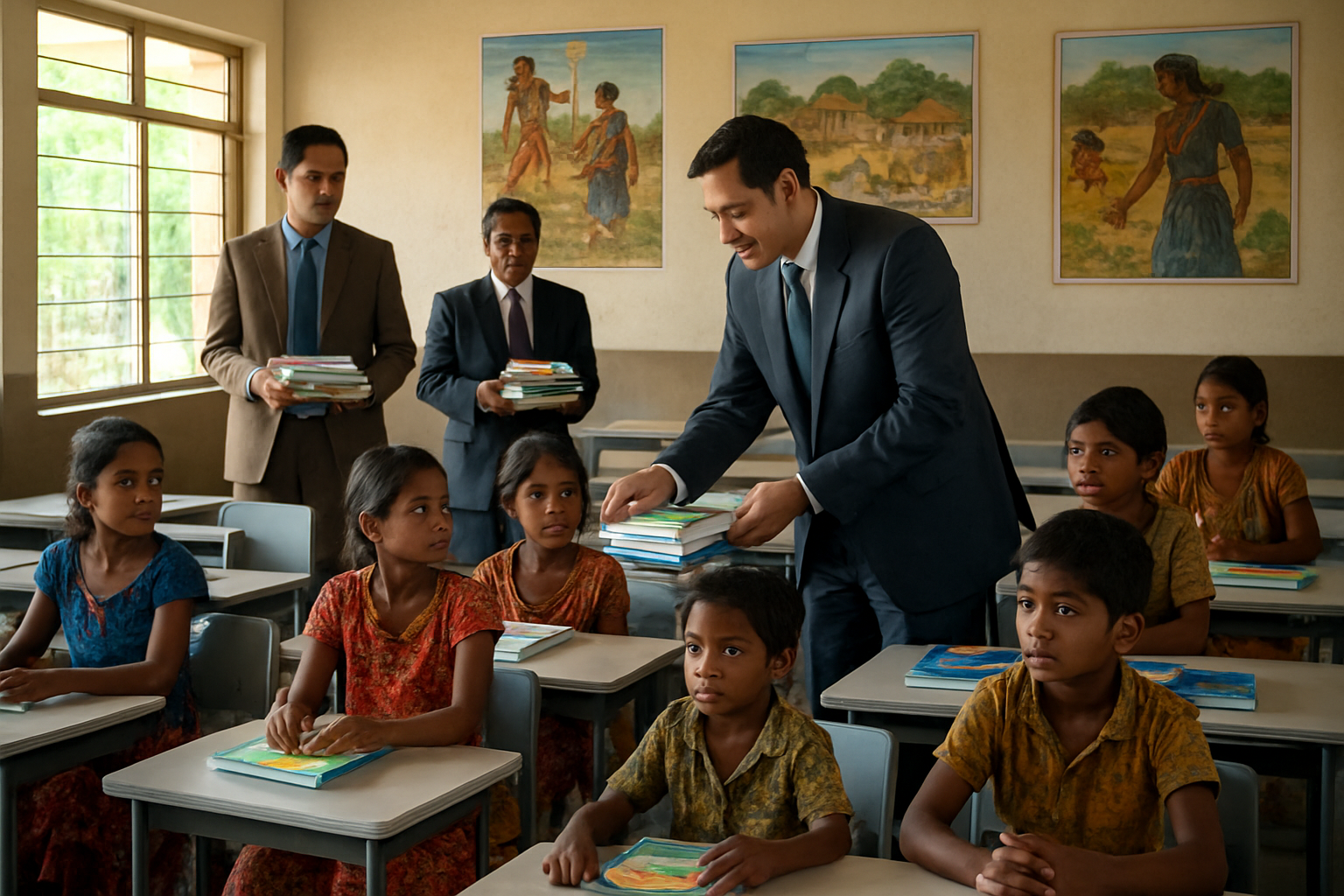
The Indian government has created extensive reservation frameworks specifically targeting tribal communities to ensure educational access and opportunity. Article 46 of the Constitution directs special attention to educational advancement of Scheduled Tribes, leading to dedicated quota systems in higher education institutions. Most central universities reserve 7.5% of seats for ST students, while state institutions follow similar patterns based on local tribal populations.
Scholarship programs form the backbone of tribal education support. The Pre-Matric Scholarship covers students from classes I to X, providing financial assistance for books, stationery, and other educational expenses. Post-Matric Scholarships extend this support through higher secondary and college levels, often covering tuition fees, maintenance allowances, and study materials. The Top Class Education Scheme specifically targets meritorious tribal students seeking admission to premier institutions like IITs and IIMs.
State governments supplement these efforts with regional scholarship programs. Jharkhand’s Mukhyamantri Sarathi Yojana provides laptops and financial aid to tribal students, while Odisha’s Kalinga Sikhya Sathi covers complete educational costs for deserving candidates.
Establishment of tribal residential schools
Eklavya Model Residential Schools (EMRS) represent the flagship initiative for tribal education infrastructure. Launched in 1997-98, these schools provide quality education with complete residential facilities in tribal areas. The government plans to establish one EMRS in every block with over 50% tribal population, targeting 740 schools by 2025.
These institutions offer education from Class VI to XII with modern infrastructure including science laboratories, computer centers, libraries, and sports facilities. The curriculum integrates mainstream subjects with tribal culture and traditions, creating a balanced educational environment. Students receive free education, boarding, lodging, uniforms, textbooks, and medical care.
Ashram schools serve as another residential option, particularly in remote tribal regions where daily commuting isn’t feasible. These schools bridge the gap between traditional gurukul systems and modern educational requirements, maintaining smaller student-teacher ratios for personalized attention.
Mother tongue medium instruction programs
Language barriers significantly impact tribal children’s learning outcomes, leading to multilingual education initiatives. The National Education Policy 2020 emphasizes mother tongue instruction up to Grade 5, with special provisions for tribal languages.
Several states have introduced tribal language textbooks and teaching materials. Odisha publishes textbooks in 21 tribal languages, while Jharkhand covers major tribal dialects like Santhali, Ho, and Mundari. These materials help students grasp fundamental concepts in familiar linguistic frameworks before transitioning to regional or national languages.
The Bhasha Sangam program promotes understanding of tribal languages among non-tribal teachers and students, fostering inclusive classroom environments. Digital platforms now offer interactive content in tribal languages, making learning more engaging and accessible.
Teacher training for tribal area deployment
Specialized teacher training programs address the unique challenges of teaching in tribal areas. The District Institute of Education and Training (DIET) conducts orientation programs covering tribal culture, social dynamics, and pedagogical approaches suitable for tribal communities.
The Tribal Education Research Programme trains teachers in ethnographic methods and culturally responsive teaching strategies. This helps educators understand local customs, beliefs, and learning patterns, enabling them to adapt their teaching methods accordingly.
Incentive schemes attract quality teachers to remote tribal areas. These include higher pay scales, faster promotions, and residential facilities. The Sarva Shiksha Abhiyan provides special allowances for teachers posted in tribal regions, while some states offer additional benefits like transfer preferences after completing tenure in tribal areas.
Integration of Indigenous Knowledge with Modern Curriculum
Preserving Traditional Ecological Wisdom
Indian tribal communities possess centuries-old knowledge about sustainable living and environmental conservation that modern science is only beginning to understand. Their traditional farming methods, medicinal practices, and forest management techniques offer invaluable insights that can transform contemporary education.
Take the Khasi community in Meghalaya, who practice shifting cultivation alongside sophisticated water management systems. Their understanding of crop rotation, soil health, and biodiversity creates perfect teaching opportunities for modern agricultural science. When schools integrate these practices into their science curriculum, students learn both theoretical concepts and practical wisdom passed down through generations.
Traditional weather prediction methods used by various tribal communities across India provide excellent examples of observational science. The Dongria Kondh tribe’s ability to predict rainfall patterns through bird behavior and wind directions demonstrates scientific thinking that predates modern meteorology. Including such knowledge in geography and environmental studies helps students appreciate indigenous scientific methods.
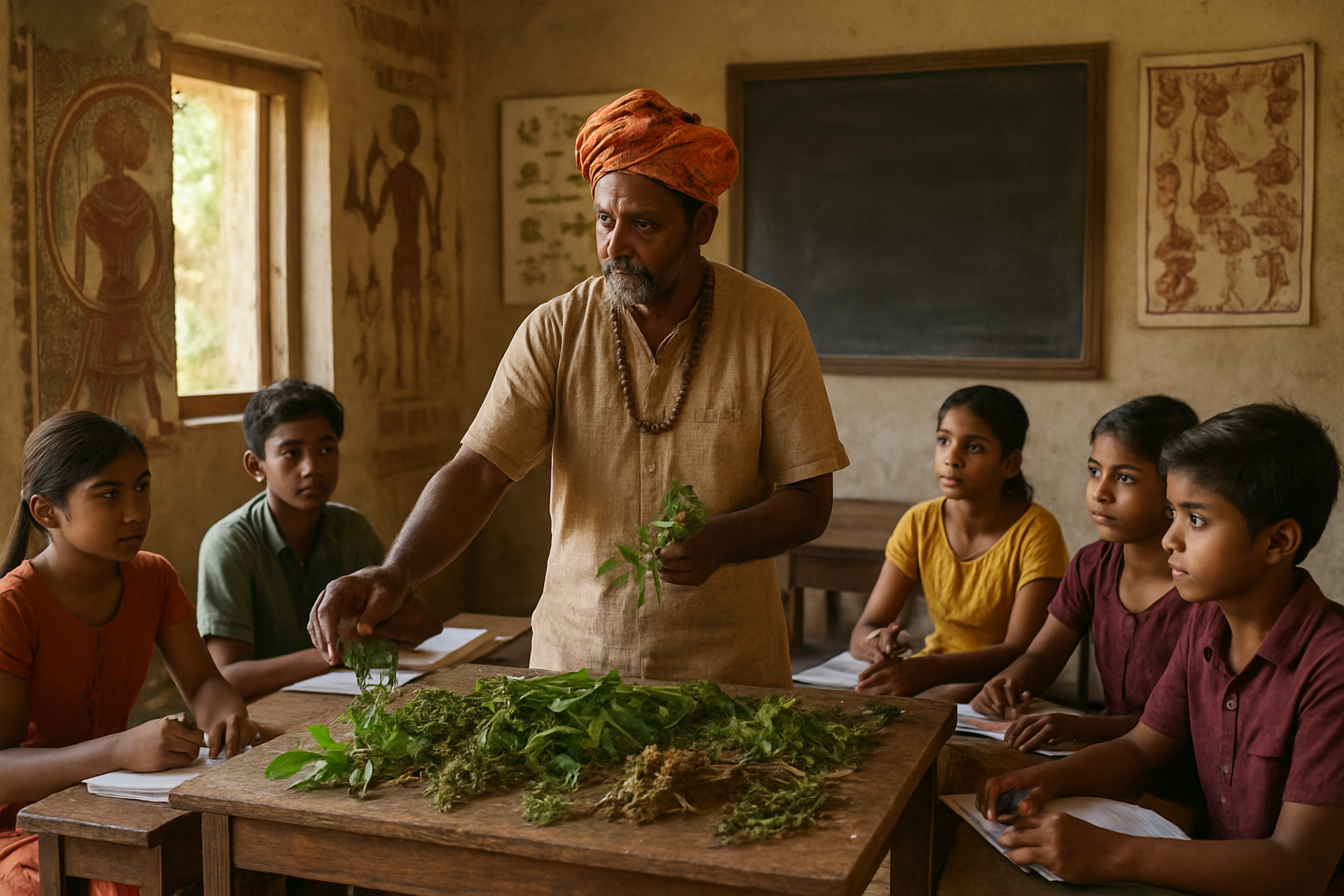
Medicinal plant knowledge represents another treasure trove for integration. Tribal healers understand complex relationships between plants, seasons, and human health. Schools can create herbal gardens based on traditional knowledge while teaching botany, chemistry, and human biology. This approach validates ancestral wisdom while building scientific literacy.
Forest conservation practices like sacred groves, maintained by many tribal communities, exemplify sustainable ecosystem management. These areas serve as living laboratories where students can study biodiversity, ecological balance, and conservation strategies that have protected forests for generations.
Incorporating Local Crafts and Arts Education
Tribal art forms represent sophisticated knowledge systems that can enrich modern curriculum across multiple subjects. Warli paintings from Maharashtra don’t just showcase artistic talent – they encode mathematical concepts, storytelling traditions, and historical documentation that can enhance various academic disciplines.
Traditional weaving techniques practiced by communities like the Bodos in Assam involve complex pattern calculations, color theory, and material science. When integrated into mathematics and design education, these crafts make abstract concepts tangible and culturally relevant. Students learn geometry through traditional motifs while developing practical skills.
Music and dance traditions carry historical narratives, philosophical concepts, and social values that can support language arts and social studies education. The storytelling traditions of Santhal communities, for example, preserve oral literature that rivals written classics. Schools can use these narratives to teach literature analysis, creative writing, and cultural studies.
Pottery and metal crafts practiced by various tribes incorporate principles of chemistry, physics, and engineering. Understanding traditional firing techniques, alloy compositions, and tool-making processes can make STEM subjects more engaging and relevant. Students see immediate applications of scientific principles in culturally meaningful contexts.
Tribal jewelry making involves understanding of materials, design principles, and mathematical precision. These skills can support technical education programs while maintaining cultural connections. Students develop both modern technical skills and appreciation for traditional craftsmanship.
Balancing Cultural Identity with Contemporary Skills
Creating educational programs that honor tribal heritage while building modern competencies requires careful planning and community involvement. Successful integration starts with recognizing that traditional knowledge and contemporary skills complement rather than compete with each other.
Language preservation plays a central role in this balance. Many tribal communities in India maintain distinct languages that carry unique worldviews and knowledge systems. Bilingual education programs that use tribal languages as mediums of instruction for certain subjects help preserve linguistic heritage while ensuring students develop proficiency in mainstream languages needed for higher education and employment.
Technology can bridge traditional and modern approaches effectively. Digital documentation of tribal practices creates resources for curriculum development while preserving knowledge for future generations. Students can use modern tools to research, record, and share traditional practices, developing both technical skills and cultural pride.
Career guidance programs need to expand beyond conventional options to include opportunities that value traditional knowledge. Eco-tourism, organic farming, traditional medicine research, and cultural preservation offer career paths that honor tribal expertise while providing economic opportunities. Students learn they don’t need to abandon their heritage to succeed professionally.
Assessment methods should reflect this integrated approach. Instead of relying solely on standardized tests, schools can evaluate students through project-based assessments that combine traditional knowledge with academic learning. Students might design sustainable farming systems, create cultural documentaries, or develop community health programs that blend traditional and modern approaches.
Community elders and traditional knowledge keepers become essential partners in this educational model. Their involvement ensures authenticity while providing students with direct access to cultural wisdom. This intergenerational learning strengthens community bonds while enriching educational experiences.
Digital Technology Solutions for Remote Tribal Areas
Mobile Learning Platforms and Connectivity
Digital connectivity has become a game-changer for the education system of Indian tribal communities living in remote areas. Mobile learning platforms are bridging the educational gap through specialized apps designed for offline functionality. These platforms store content locally on devices, allowing students to access lessons even when internet connectivity is poor or nonexistent.
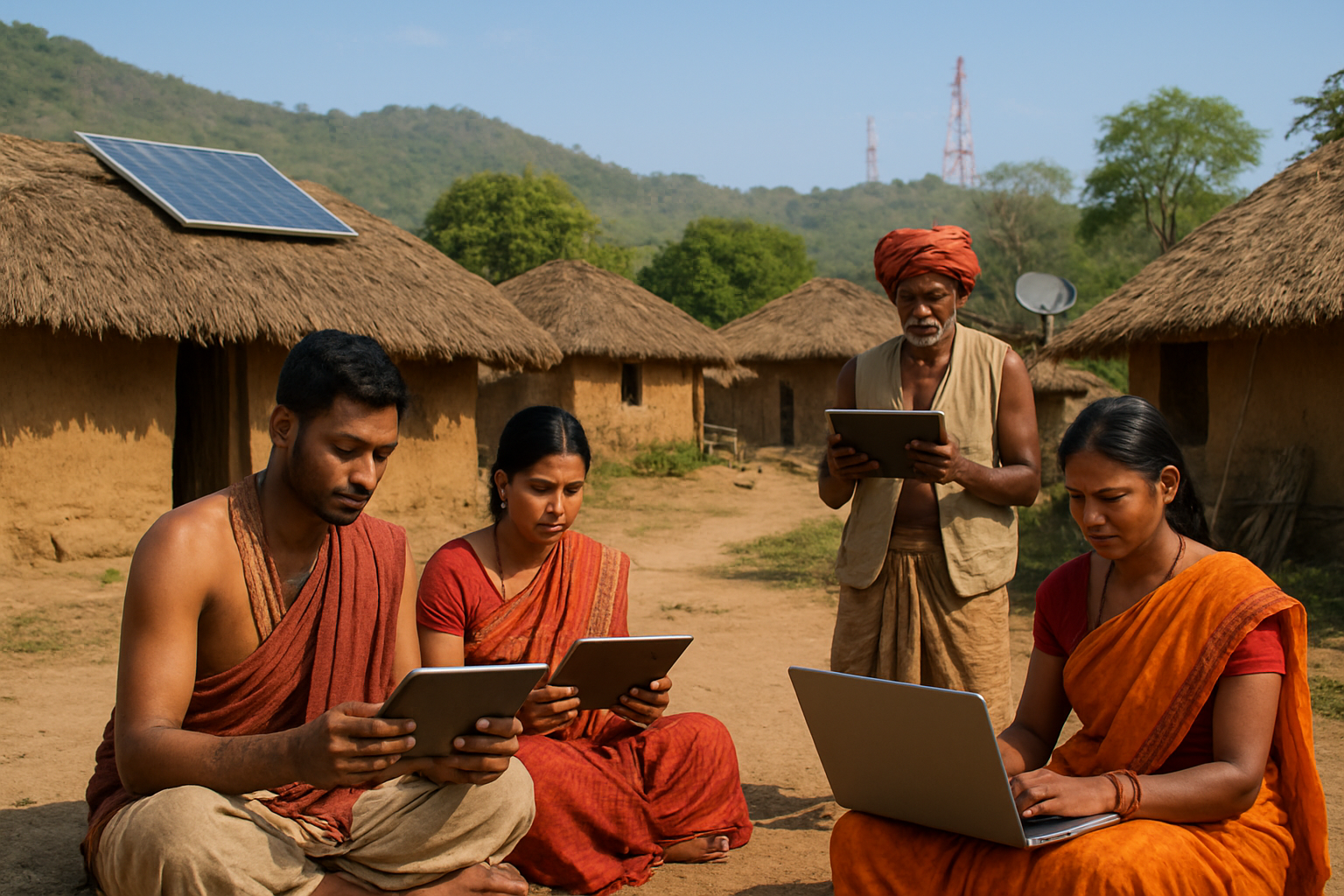
Community-based WiFi hotspots and satellite internet initiatives are expanding connectivity to previously unreachable tribal settlements. Mobile network towers specifically established for educational purposes provide dedicated bandwidth for learning platforms. Solar-powered charging stations ensure devices remain functional in areas without reliable electricity.
Tablet distribution programs specifically target tribal youth, pre-loaded with educational content and multimedia resources. These devices feature ruggedized designs to withstand harsh environmental conditions common in tribal areas. Voice-activated learning tools help overcome literacy barriers, allowing students to interact with educational content through spoken commands in their native languages.
E-Learning Resources in Tribal Languages
Creating educational content in indigenous languages represents a major breakthrough for tribal communities. Digital platforms now offer curricula translated into languages like Santhali, Gond, Bhili, and dozens of other tribal dialects. Audio-visual learning modules incorporate storytelling traditions and cultural narratives that resonate with tribal students.
Interactive language preservation apps document endangered tribal languages while teaching modern subjects. These resources feature pronunciation guides, cultural context explanations, and traditional knowledge integration. Elder community members contribute as voice actors and cultural consultants, ensuring authenticity in educational materials.
Multimedia textbooks combine traditional tribal art, music, and oral traditions with standard academic subjects. Animation and interactive graphics make complex concepts accessible while respecting cultural sensitivities. Regular content updates incorporate feedback from tribal educators and community leaders.
Virtual Classroom Implementations
Remote virtual classrooms connect tribal students with qualified teachers located in urban centers. Live streaming capabilities allow real-time interaction between instructors and students across vast geographical distances. Interactive whiteboards and digital collaboration tools create engaging learning environments that rival traditional classrooms.
Recorded lesson libraries provide flexibility for students who cannot attend live sessions due to agricultural work or family responsibilities. Time-shifted learning accommodates seasonal migration patterns common among certain tribal communities. Virtual labs and simulation software bring science experiments and technical training to areas lacking physical laboratory facilities.
Community viewing centers equipped with large displays serve multiple students simultaneously, making efficient use of limited technology resources. Local facilitators trained in basic technical support ensure smooth operation of virtual classroom sessions.
Digital Literacy Programs for Tribal Youth
Comprehensive digital skills training empowers tribal youth to navigate modern technology effectively. Programs start with basic computer operation, internet navigation, and digital safety awareness. Hands-on workshops teach practical skills like online banking, government service access, and digital documentation.
Coding and programming courses introduce tribal students to technology careers and entrepreneurship opportunities. These programs often incorporate traditional problem-solving methods with modern programming logic. Peer-to-peer learning networks allow digitally literate tribal youth to train others in their communities.
Digital entrepreneurship workshops show tribal communities how technology can market traditional crafts, agriculture products, and cultural services to global audiences. E-commerce training helps establish online businesses that celebrate tribal heritage while generating sustainable income.
Cybersecurity awareness programs protect tribal communities from digital fraud and privacy violations. Financial literacy components teach safe online transactions and digital payment systems, particularly important as government benefits increasingly move to digital platforms.
Success Stories and Best Practices
Community-driven educational models
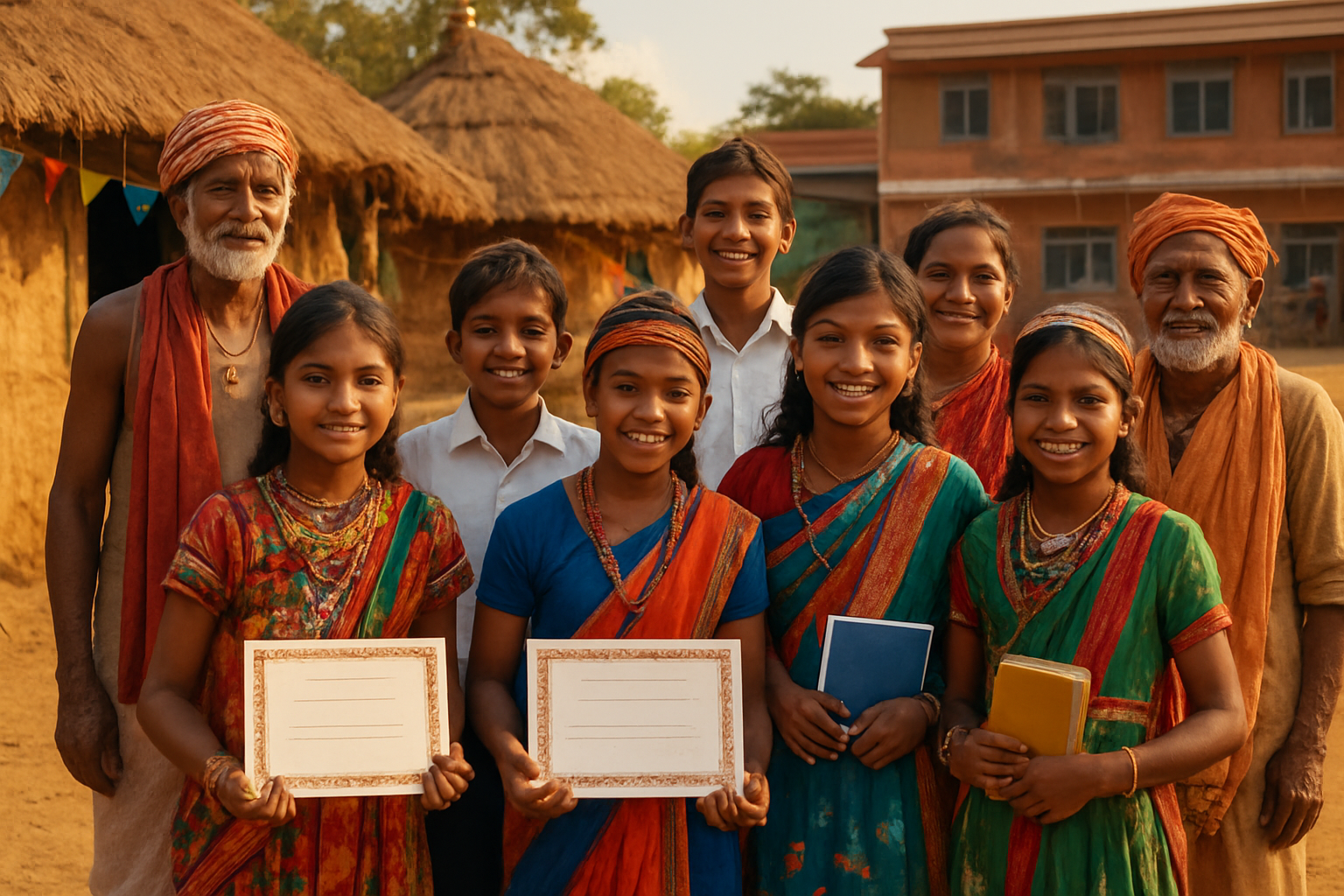
The education system of Indian tribal communities has seen remarkable transformations through grassroots initiatives led by the communities themselves. In Odisha’s Koraput district, the Koraput Collective has established village-based learning centers where tribal elders work alongside certified teachers to create bilingual education programs. These centers teach children in their native languages during early years before gradually introducing Hindi and English, resulting in significantly higher retention rates compared to conventional schools.
The Eklavya Model Residential Schools (EMRS) represent another community-driven success story. In Jharkhand, local tribal committees actively participate in curriculum design and teacher selection, ensuring cultural relevance while maintaining academic standards. These schools have achieved a 95% enrollment rate among tribal children, with many students progressing to higher education.
Maharashtra’s Warli tribe has developed innovative “learning circles” where community knowledge holders share traditional skills alongside academic subjects. This approach has reduced dropout rates by 40% and strengthened cultural identity among young learners. The model emphasizes peer learning and community ownership, making education more accessible and meaningful for tribal students.
Innovative teaching methodologies
Creative pedagogical approaches have revolutionized learning experiences in tribal communities across India. The “storytelling methodology” implemented in Rajasthan’s Bhil communities uses traditional folklore and legends to teach mathematics, science, and social studies. Teachers weave mathematical concepts into tribal stories, making abstract ideas tangible and culturally relevant.
Visual learning techniques have proven particularly effective in areas with limited literacy. In Nagaland, educators use locally-made picture books featuring tribal characters and settings to teach basic concepts. These materials, created in partnership with local artists, have improved comprehension rates by 60% among tribal students.
Technology-enabled learning has also made significant inroads. Mobile education units equipped with tablets and solar charging systems reach remote tribal villages in Chhattisgarh. These units use gamified learning apps developed in local languages, making education engaging for children who previously had no access to formal schooling.
The “nature-based learning” approach connects classroom education with traditional ecological knowledge. Students in tribal areas of Kerala learn botany through medicinal plant identification and mathematics through traditional construction techniques, creating meaningful bridges between ancestral wisdom and modern education.
Higher education achievements in tribal students
Tribal students across India have made remarkable strides in higher education, breaking generational barriers and establishing new benchmarks for their communities. The success of students from the Santhal tribe in West Bengal stands out particularly, with over 200 students qualifying for engineering and medical colleges in the past five years through targeted scholarship programs and mentorship initiatives.
The National Fellowship for Higher Education of ST students has enabled numerous tribal scholars to pursue advanced degrees. Dr. Dayamani Barla from Jharkhand, who earned her PhD in Anthropology, now leads research on tribal education policies and has influenced national-level reforms. Her journey from a remote tribal village to academic leadership inspires countless students in her community.
Technical education has seen impressive participation from tribal youth. The Indian Institute of Technology (IIT) system has welcomed increasing numbers of tribal students through reservation policies and preparatory programs. Students from the Gond tribe in Madhya Pradesh have excelled in engineering fields, with many returning to their communities to establish educational initiatives.
Professional achievements span diverse fields. Tribal students have successfully entered civil services, with several securing positions in the Indian Administrative Service (IAS) and Indian Police Service (IPS). Their success stories demonstrate that with proper support and opportunities, students from tribal communities can excel in any field while maintaining their cultural identity and commitment to community development.
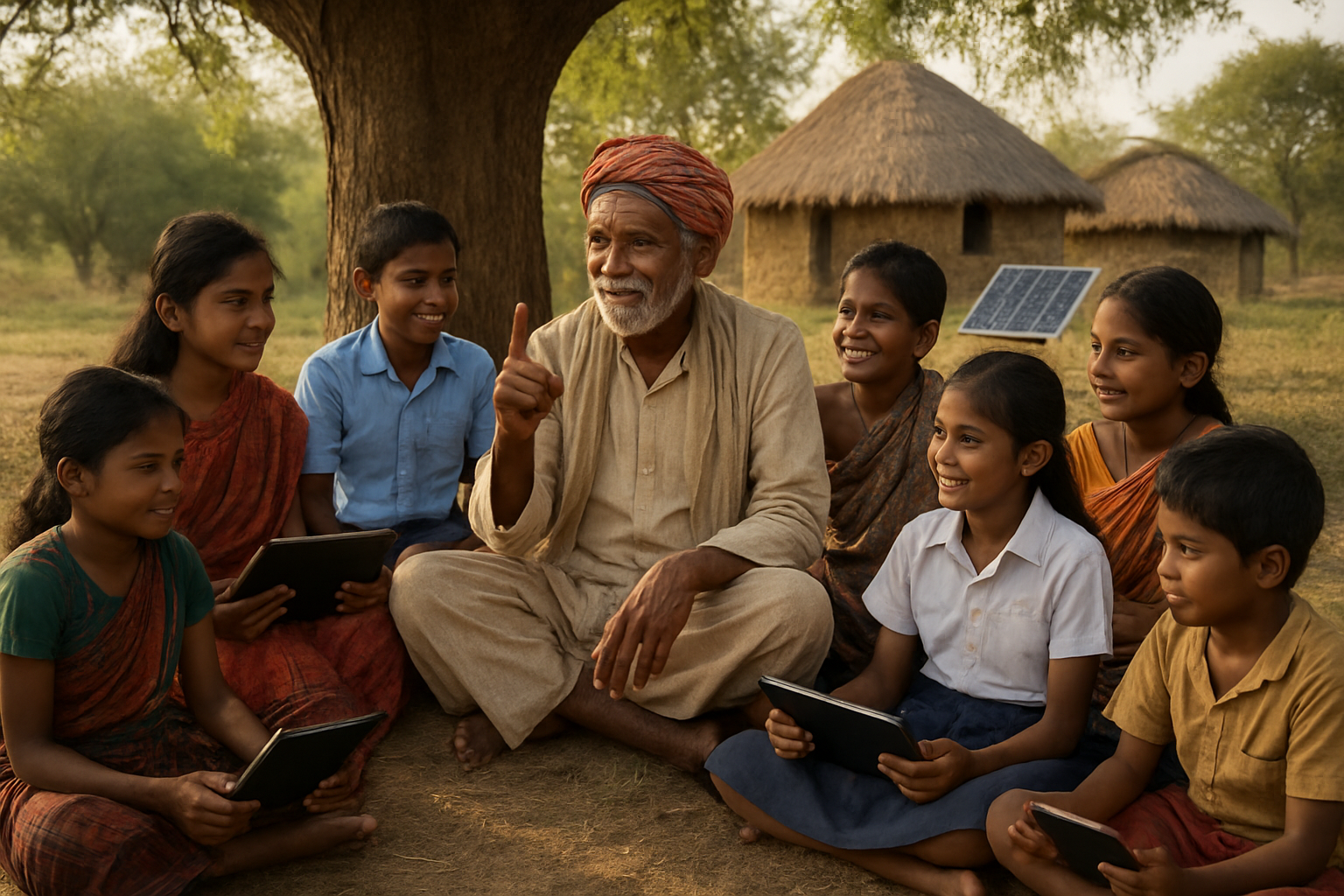
Government programs, digital technology, and creative curriculum integration are opening new doors for tribal students across the country. The most exciting developments happen when schools combine traditional knowledge with contemporary subjects, creating an educational experience that honors cultural heritage while preparing students for today’s world. Supporting these communities means recognizing that their unique perspectives and time-tested wisdom can enrich our entire educational landscape. Every tribal child deserves access to quality education that celebrates their identity while unlocking their full potential.
