
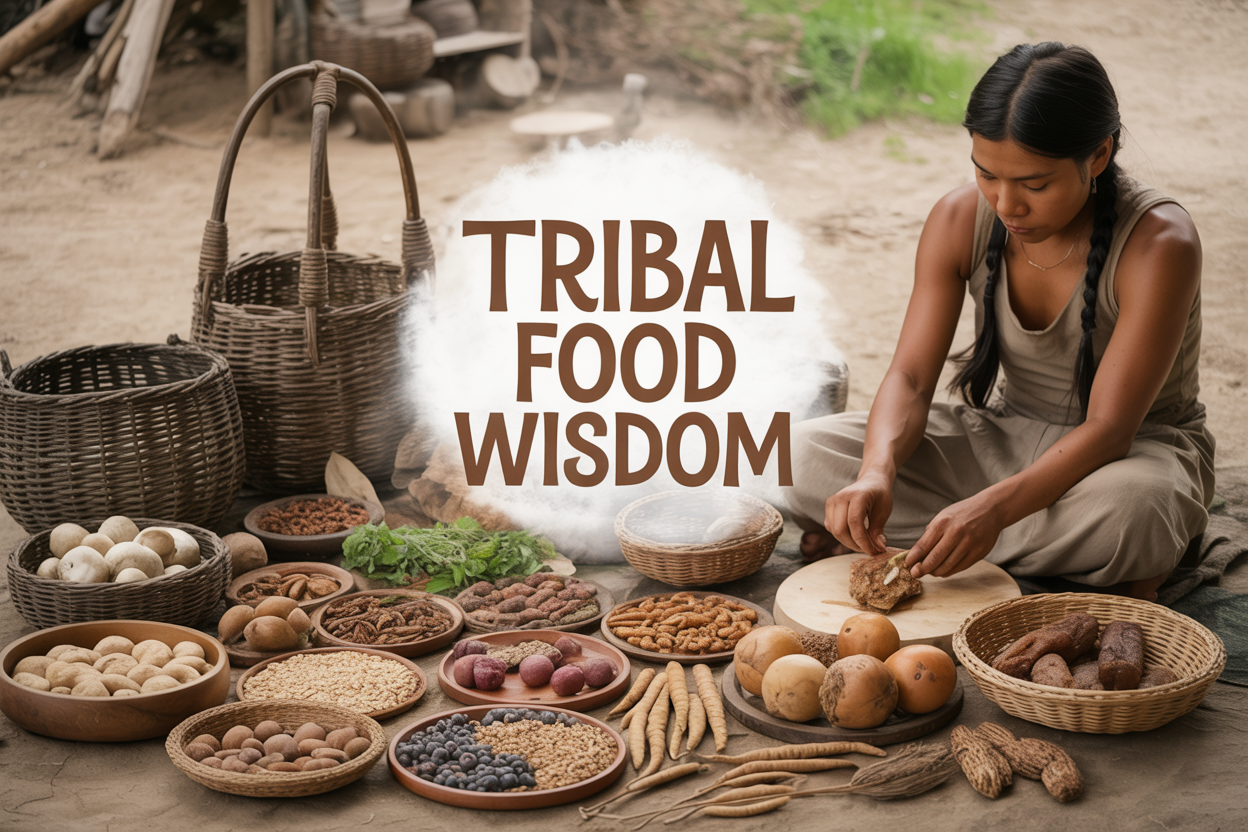
Tribal food culture and its current relevance offer timeless wisdom that modern society desperately needs. This guide is for health enthusiasts, sustainability advocates, and anyone curious about how ancient eating practices can improve our lives today.
Thank you for reading this post, don't forget to subscribe!Traditional tribal communities developed sophisticated food systems over thousands of years. These systems weren’t just about survival – they created nutritious, sustainable ways of eating that modern science is only now beginning to understand.
We’ll explore how tribal food culture shaped unique dietary characteristics that maximised nutrition from local ingredients. You’ll discover the environmental benefits of traditional tribal food practices and how they created zero-waste, regenerative systems. Finally, we’ll show you practical ways to integrate tribal food principles into your daily eating habits for better health and a smaller environmental footprint.
The lessons from these ancient tribal food cultures aren’t museum pieces – they’re solutions for today’s health and environmental challenges.
Traditional Tribal Food Systems and Their Unique Characteristics
Indigenous farming techniques that maximize crop diversity
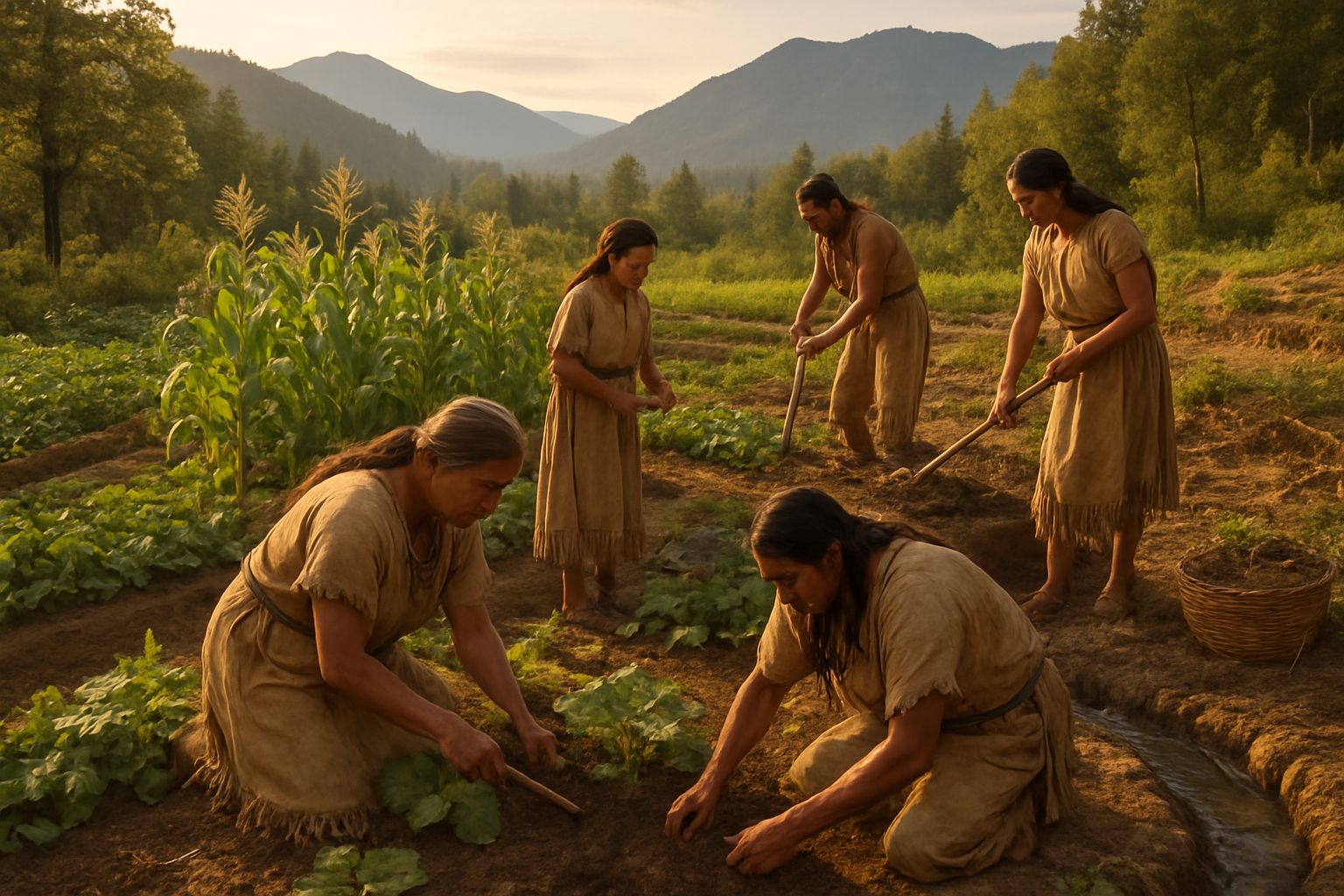
Traditional tribal communities developed sophisticated agricultural systems that prioritized biodiversity over monoculture farming. Three Sisters planting, practiced by many Native American tribes, exemplifies this wisdom by growing corn, beans, and squash together. The corn provides a natural trellis for beans, while beans fix nitrogen in the soil to nourish all three crops. Squash leaves create ground cover that retains moisture and deters pests.
Rotating crop fields between seasons prevented soil depletion and maintained ecological balance. Tribal farmers often cultivated wild varieties alongside domesticated crops, preserving genetic diversity that commercial agriculture has largely abandoned. They understood that different plants thrived in specific microclimates within their territories, leading to the development of numerous crop varieties adapted to local conditions.
Key Indigenous Farming Practices:
- Polyculture planting systems
- Seed saving and selective breeding
- Terracing and water management
- Integration of wild plants with cultivated crops
- Soil enrichment through composting and burning
Seasonal hunting and gathering practices for sustainable protein sources
Tribal food culture developed around natural cycles, with hunting and gathering activities carefully timed to avoid disrupting animal reproduction and plant regeneration. Communities established hunting quotas and territorial boundaries that prevented overexploitation of wildlife populations.
Spring brought opportunities to gather early greens and shoots, while summer focused on berry collection and fishing during spawning seasons. Fall hunting provided protein for winter storage, but tribal protocols ensured pregnant females and young animals remained protected. Winter activities often centered on ice fishing and utilizing preserved foods.
Seasonal Food Calendar Example:
| Season | Primary Activities | Food Sources |
|---|---|---|
| Spring | Early gathering, fishing | Wild greens, fish runs, maple sap |
| Summer | Plant collection, small game | Berries, nuts, birds, rabbits |
| Fall | Major hunts, harvest | Large game, seeds, roots |
| Winter | Preservation focus | Stored foods, ice fishing |
Natural preservation methods that extend food shelf life
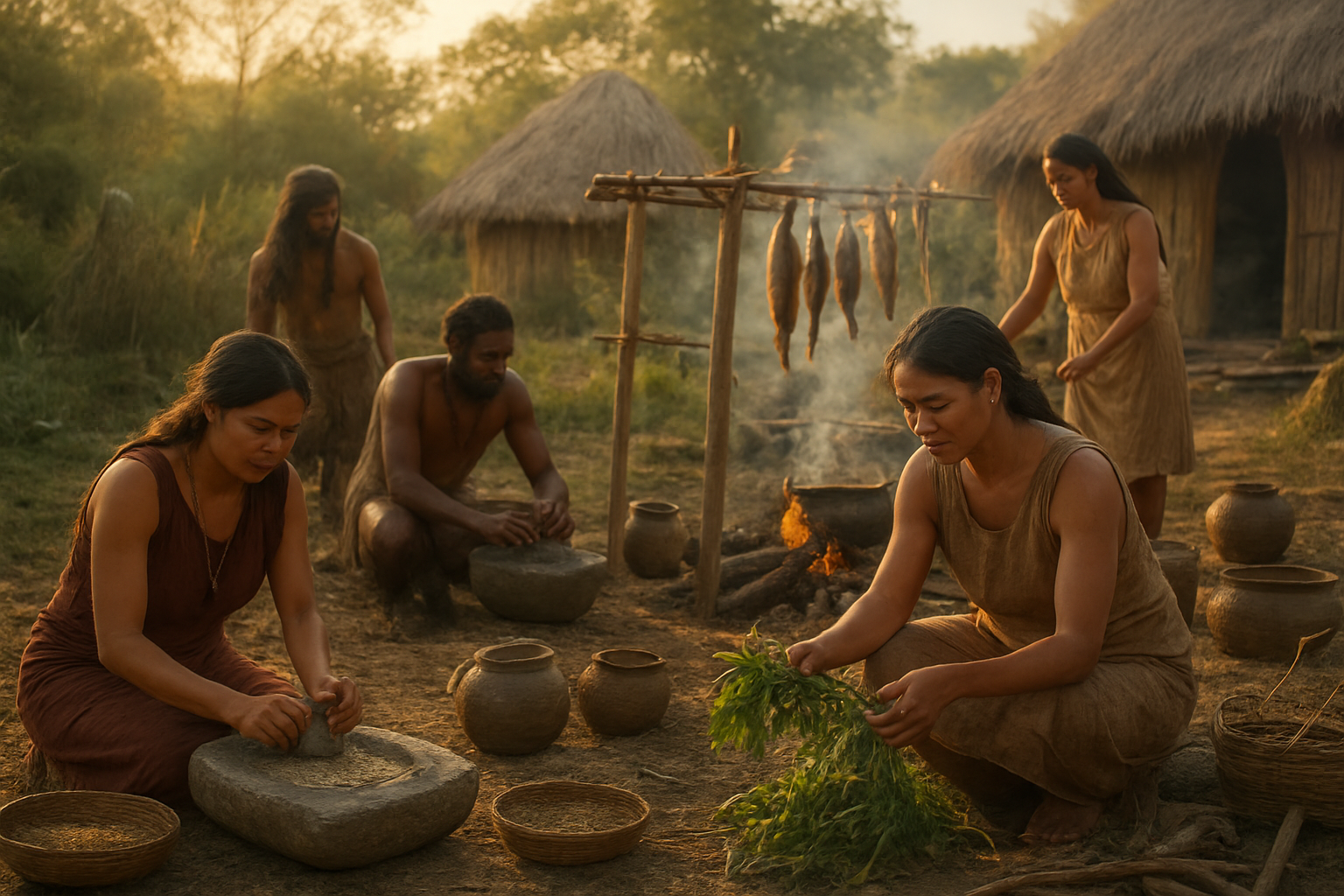
Tribal communities mastered food preservation without refrigeration or chemical additives. Smoking meat over specific wood types created antimicrobial compounds that prevented spoilage while adding flavor. Salt-curing, where available, drew moisture from proteins to inhibit bacterial growth.
Drying remains one of the most effective preservation methods. Native Americans created pemmican by combining dried meat, fat, and berries into nutrient-dense cakes that lasted months. Root vegetables were stored in underground caches where consistent temperatures prevented freezing and decay.
Fermentation played a crucial role in food security. Many tribes fermented fish, vegetables, and grains to create probiotic-rich foods that improved digestibility and nutritional value. These fermented foods provided essential nutrients during lean periods and supported digestive health.
Traditional Preservation Techniques:
- Smoke-drying over hardwood fires
- Salt-curing and brining
- Underground cold storage
- Natural fermentation processes
- Fat-packing for protein preservation
Community-based food sharing traditions that ensure collective nutrition
Tribal food systems operated on principles of reciprocity and collective welfare rather than individual accumulation. Successful hunters shared large game with extended family groups, while gatherers contributed plant foods to community stores. These practices ensured no one went hungry during difficult times.
Potlatch ceremonies and similar traditions redistributed wealth through elaborate feasts where hosts gave away food and goods to guests. These events strengthened social bonds while preventing resource hoarding. Elders, children, and those unable to hunt or gather received priority access to shared food resources.
Seasonal food festivals celebrated abundance while teaching younger generations about traditional foods and preparation methods. Women often held specialized knowledge about plant identification and preparation, passing this information through hands-on instruction during gathering expeditions.
Community Food Practices:
- Mandatory sharing of large game kills
- Collective storage systems
- Reciprocal gift-giving ceremonies
- Age-based food distribution priorities
- Intergenerational knowledge transfer
Nutritional Wisdom Embedded in Ancient Tribal food culture and its current relevance
Wild plants and herbs that provide essential micronutrients
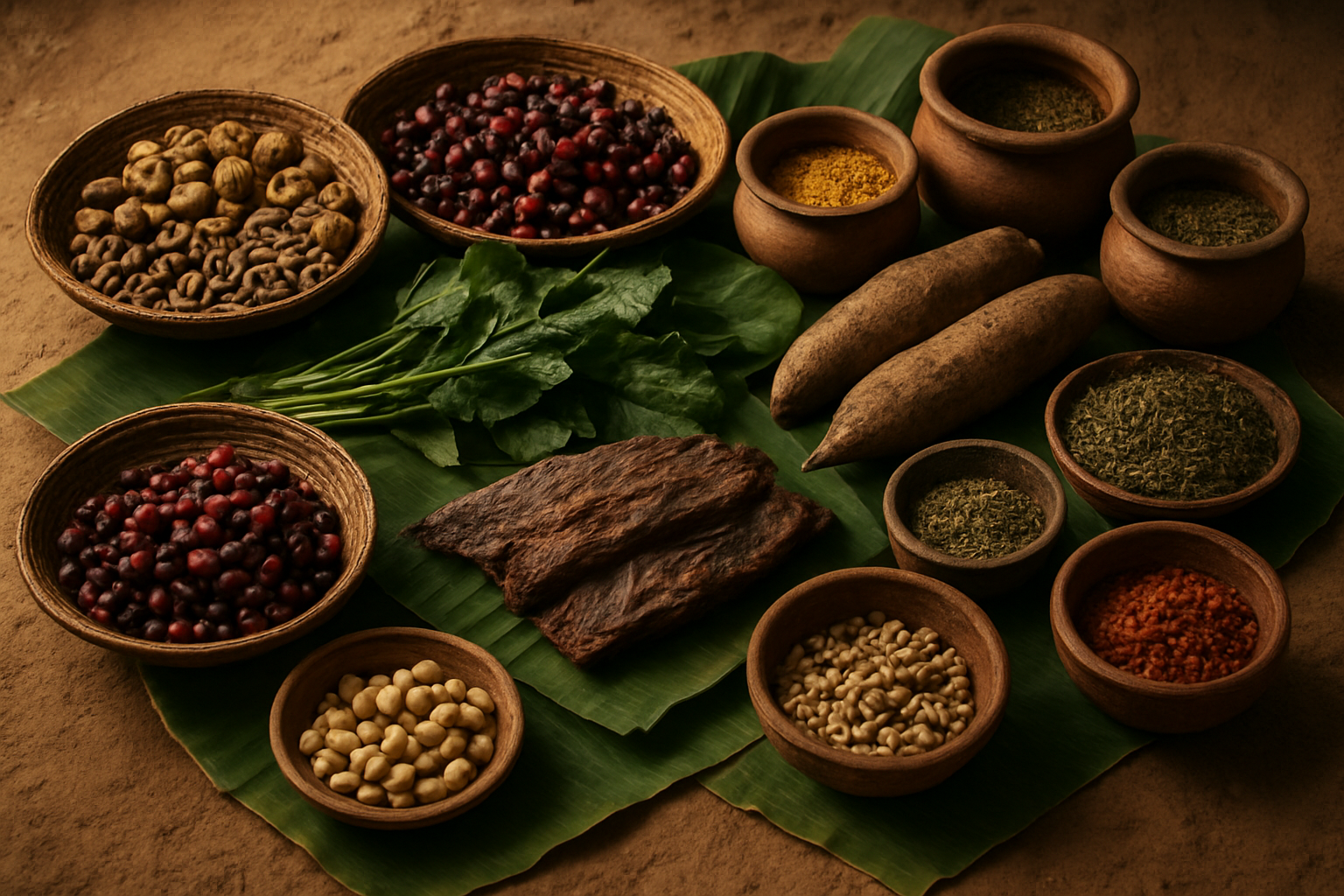
Ancient tribal communities had an incredible knack for identifying nutrient-dense wild plants that modern science now recognizes as superfoods. These groups understood which plants delivered the vitamins and minerals their bodies needed, often consuming dozens of different species throughout the seasons.
Take amaranth leaves, for example. Many tribal groups harvested these greens because they’re packed with vitamin K, folate, and calcium. The Cherokee people gathered wild garlic not just for flavor, but because it provided vitamin C and sulfur compounds that supported immune function. Aboriginal Australians collected native berries like quandong, which contains more vitamin C than oranges.
Wild herbs played a medicinal role too. Tribes used plants like nettle for iron deficiency, dandelion greens for liver health, and purslane for omega-3 fatty acids. These weren’t random choices – generations of observation taught them which plants addressed specific health needs.
The variety was staggering. Some communities consumed over 200 different plant species annually, creating a natural multivitamin effect. Each plant contributed unique phytonutrients, antioxidants, and minerals that you simply can’t get from a handful of domesticated crops.
Modern research confirms what tribal food culture knew all along: wild plants often contain higher concentrations of nutrients than their cultivated counterparts. This knowledge represents thousands of years of human nutritional wisdom that we’re only beginning to fully appreciate.
Fermented foods that promote digestive health and immunity
Fermentation was a game-changer for tribal communities, though they didn’t call it that. They discovered that certain preparation methods not only preserved food but actually made it more nutritious and easier to digest.
Different cultures developed their own fermented specialties based on available ingredients. Inuit communities fermented fish and seal meat in underground caches, creating nutrient-dense foods rich in probiotics. African tribes fermented grains and root vegetables, producing foods similar to modern sourdough that were easier on the stomach and provided beneficial bacteria.
The health benefits were remarkable. Fermented foods broke down complex proteins and carbohydrates, making nutrients more bioavailable. They also introduced beneficial microorganisms that supported gut health – something we now know is crucial for immune system function.
Many tribal fermented foods contained multiple strains of beneficial bacteria, creating diverse microbiomes that protected against pathogens. Korean kimchi, Himalayan gundruk, and Amazonian chicha all demonstrate how different cultures developed similar fermentation techniques independently.
The process also neutralized harmful compounds naturally present in some foods. Fermentation could reduce toxins in cassava, make grains more digestible for people with sensitivities, and increase the shelf life of perishable foods without refrigeration.
Today’s probiotic supplements often contain just a few bacterial strains, while traditional fermented foods provided complex communities of microorganisms that worked together synergistically.
Balanced macronutrient ratios from diverse food sources
Tribal communities achieved impressive nutritional balance without calculators or nutrition labels. They instinctively combined foods that provided optimal ratios of proteins, fats, and carbohydrates for sustained energy and health.
Traditional hunting and gathering societies typically obtained 20-35% of calories from protein, compared to the modern diet’s 10-15%. This protein came from diverse sources – fish, game animals, insects, nuts, and seeds – providing complete amino acid profiles. The Maasai combined milk and blood for protein, while Pacific Northwest tribes balanced salmon with various nuts and berries.
Fat intake often reached 30-50% of total calories, but came from whole food sources like wild game, fish, nuts, and seeds. These fats included essential omega-3 and omega-6 fatty acids in balanced ratios. Arctic peoples consumed high amounts of marine fats, while tropical tribes got theirs from coconuts and various nuts.
Carbohydrates made up the remaining calories but came from complex sources like tubers, fruits, and vegetables rather than refined grains. Many tribal diets were naturally low-glycemic, preventing blood sugar spikes and crashes.
The seasonal approach created natural variety. Spring brought fresh greens and early game, summer provided fruits and vegetables, fall offered nuts and seeds for winter storage, and winter relied on preserved foods and hunting.
This diverse approach meant no single food dominated the diet, reducing the risk of nutrient deficiencies or excesses that plague modern eating patterns focused on just a few staple foods.
Environmental Sustainability Lessons from Tribal Food Practices
Zero-waste cooking methods that utilize entire plants and animals
Indigenous communities mastered the art of using every part of their food sources thousands of years before “nose-to-tail” cooking became a trendy restaurant concept. When tribal hunters brought down large game, nothing went to waste. Bones became broth, organs provided essential nutrients, and hide served practical purposes beyond the kitchen. Plants received the same comprehensive treatment – roots, leaves, stems, and seeds all found their way into meals or medicine.
Take the buffalo among Plains tribes: meat was consumed fresh or dried into pemmican, bones were cracked for nutrient-rich marrow, organs like liver provided concentrated vitamins, and even blood was used in sausages. Plant usage followed similar patterns – Native American tribes used corn silk for tea, husks for wrapping foods, and cobs for tools. Root vegetables were processed entirely, with peels often containing the highest concentration of nutrients.
These practices emerged from necessity but created surprisingly sophisticated food systems. Tribal food culture demonstrates that waste is largely a modern invention. Today’s home cooks can learn from these methods by saving vegetable scraps for stock, using herb stems in cooking, and exploring organ meat preparation.
Crop rotation systems that maintain soil fertility naturally
Long before agricultural science explained nitrogen fixation and soil depletion, tribal communities developed intricate crop rotation systems that kept their land productive for generations. The Three Sisters method – corn, beans, and squash grown together – represents one of agriculture’s most brilliant innovations. Corn stalks provide natural trellises for climbing beans, which fix nitrogen in the soil to feed heavy-feeding corn. Squash spreads across the ground, its broad leaves shading soil to retain moisture and suppress weeds.
Tribal food culture adapted rotation principles to their specific environments. Pueblo communities in the Southwest developed terraced systems that prevented erosion while maximizing water retention. Eastern Woodland tribes practiced controlled burning to clear undergrowth and return nutrients to soil, creating park-like forests that supported both wild game and cultivated crops.
These systems worked because they mimicked natural ecosystems rather than fighting them. Polyculture plantings supported beneficial insects, prevented pest outbreaks, and maintained soil structure through diverse root systems. Modern permaculture design draws heavily from these traditional methods, proving that ancient wisdom often outperforms industrial agriculture in long-term sustainability.
Water conservation techniques in food production
Tribal communities living in arid regions became masters of water conservation by necessity. Hopi farmers in Arizona developed dry farming techniques that captured and directed precious rainfall to their crops. They built small check dams and contour furrows to slow water flow, allowing maximum absorption into sandy soils. Their fields were positioned to catch runoff from mesas and cliffs, turning natural landscape features into irrigation systems.
Desert tribes also practiced companion planting specifically for water efficiency. Agave plants were grown alongside corn and beans, their deep roots accessing water sources unavailable to shallow-rooted crops while providing shade and wind protection. Morning dew collection became an art form, with specially designed surfaces that channeled moisture to plant roots.
Coastal tribes developed different but equally sophisticated water management. Pacific Northwest communities built elaborate fish weirs that not only provided protein but also controlled water flow in streams, preventing erosion and maintaining salmon habitat. These structures demonstrate how tribal food systems integrated seamlessly with ecosystem management.
Biodiversity preservation through heirloom seed cultivation
Tribal communities served as living seed banks, maintaining incredible genetic diversity in their crops through careful selection and preservation practices. Each tribe, sometimes each family, maintained distinct varieties of staple crops adapted to local conditions and preferences. Cherokee Purple tomatoes, Hopi Blue corn, and hundreds of bean varieties survive today because tribal gardeners selected and saved seeds for specific traits over countless generations.
This practice created crops with remarkable resilience and nutritional diversity. Andean communities maintained over 3,000 potato varieties, each adapted to specific elevations, rainfall patterns, and soil types. When disease or climate challenges arose, genetic diversity provided survival options that monoculture farming cannot match.
Seed saving involved sophisticated knowledge of plant genetics and careful protocols for maintaining variety purity. Seeds were often considered sacred, with specific ceremonies and responsibilities surrounding their care. Women frequently served as seed keepers, passing down both the physical seeds and the knowledge required to grow them successfully.
Modern heirloom seed movements directly trace their roots to these tribal practices. Today’s gardeners rediscovering the value of genetic diversity in food crops are essentially returning to traditional tribal food culture principles that sustained communities for millennia.
Modern Health Benefits of Adopting Tribal Food Principles

Disease Prevention Through Nutrient-Dense Whole Foods
Tribal food culture offers a powerful blueprint for disease prevention that modern medicine is finally catching up to. Indigenous communities traditionally consumed foods in their most natural state – wild game rich in omega-3 fatty acids, colorful berries packed with antioxidants, and leafy greens bursting with phytonutrients. These nutrient-dense choices naturally protected against chronic diseases that plague contemporary society.
Studies show that populations following traditional eating patterns have significantly lower rates of diabetes, heart disease, and cancer. The Inuit people, for example, maintained excellent cardiovascular health on their traditional diet rich in seal, whale, and fish oils. Similarly, the Maasai of East Africa demonstrated remarkable heart health while consuming their ancestral diet of raw milk, blood, and meat.
The key lies in the synergistic effects of whole foods. Unlike isolated supplements, traditional foods contain complex nutrient profiles that work together. Wild berries don’t just provide vitamin C – they deliver a full spectrum of polyphenols, fiber, and minerals that create powerful anti-inflammatory effects throughout the body.
Improved Gut Health From Naturally Fermented Foods
Ancient tribal food practices centered heavily on fermentation, creating a foundation for optimal digestive health that modern research now validates. Indigenous peoples across the globe developed sophisticated fermentation techniques without understanding the science – they simply knew these foods made them feel better and preserved nutrients during scarce seasons.
Fermented mare’s milk among Mongolian tribes, fermented fish pastes in Southeast Asian communities, and naturally fermented vegetables in various cultures all contributed to robust gut microbiomes. These traditional preparations contain diverse strains of beneficial bacteria that commercial probiotics struggle to replicate.
The fermentation process doesn’t just add beneficial microorganisms – it transforms the food itself. Proteins become more digestible, minerals become more bioavailable, and new compounds form that support immune function. Korean kimchi, for instance, contains over 100 different bacterial strains and has been linked to reduced inflammation and improved metabolic health.
Traditional fermentation also eliminates many plant toxins and anti-nutrients naturally. Soaking and fermenting grains, legumes, and tubers – practices common across tribal cultures – breaks down phytic acid and other compounds that can interfere with nutrient absorption.
Enhanced Immunity From Wild Medicinal Plants
Indigenous communities have always understood that food is medicine, incorporating wild plants with potent immunomodulating properties into their daily diets. These weren’t separate “medicines” but integral parts of their regular eating patterns, creating a constant foundation of immune support.
Elderberries used by Native American tribes contain powerful anthocyanins that boost white blood cell activity. Arctic communities relied on rosehips and cloudberries for massive doses of vitamin C during harsh winters. Australian Aboriginal peoples incorporated various native plants like kakadu plum – now recognized as having the world’s highest vitamin C content.
The wisdom lies in consuming these plants fresh and in season, when their medicinal compounds are most potent. Many tribal cultures also developed specific preparation methods that enhanced bioavailability. For example, crushing certain leaves releases volatile compounds, while others require gentle heating to activate beneficial elements.
Wild plants also provide compounds rarely found in cultivated foods. Adaptogens like rhodiola and ashwagandha, traditionally consumed by various tribes, help the body manage stress and maintain immune balance. These plants literally adapt their chemical composition based on environmental stressors, passing those adaptive benefits to consumers.
Weight Management Through Traditional Portion Control Methods
Tribal food culture naturally regulated body weight through built-in portion control mechanisms that had nothing to do with calorie counting. These time-tested approaches offer valuable insights for modern weight management struggles.
Seasonal eating patterns created natural periods of abundance and scarcity that kept metabolic flexibility sharp. During hunting seasons or harvest times, communities would feast on rich foods, building energy reserves. Leaner periods encouraged the body to efficiently burn stored fat, creating a natural cycle that prevented chronic overeating.
Traditional eating rhythms also supported healthy weight. Most tribal cultures ate two main meals daily with long fasting periods between them. This intermittent fasting pattern, now backed by extensive research, promotes metabolic health and sustainable weight management.
The types of foods consumed naturally promoted satiety. High-protein wild game, fiber-rich plants, and healthy fats from nuts and seeds triggered fullness signals more effectively than processed foods. Traditional preparations often required significant chewing, which slowed eating and allowed satiety hormones time to register.
Community eating practices also provided social cues for appropriate portions. Sharing meals meant individual consumption was naturally moderated, and eating was tied to genuine hunger rather than emotional triggers or artificial food cues that dominate modern environments.
Integrating Tribal Food Knowledge into Contemporary Living

Urban foraging techniques for city dwellers
City living doesn’t mean abandoning ancient food gathering wisdom. Many edible plants thrive in urban environments, from dandelions in parks to wild garlic along walking trails. Start by learning to identify common edibles like purslane, which grows in sidewalk cracks and provides omega-3 fatty acids, or plantain, nature’s bandage that doubles as a nutritious green.
Safety comes first in urban foraging. Avoid plants near roads, industrial areas, or anywhere chemicals might be used. Join local foraging groups or take guided walks to build confidence. Many cities have designated areas where foraging is permitted, and some urban parks actually benefit from selective harvesting of invasive species.
Building relationships with your local environment creates the same connection tribal communities have always maintained with their land. Even apartment dwellers can start small by growing microgreens or sprouting seeds on windowsills, mimicking the seasonal awareness that tribal food culture emphasizes.
Home fermentation practices for modern kitchens
Fermentation transforms ordinary ingredients into nutritional powerhouses, just as tribal communities have done for thousands of years. Your kitchen can become a fermentation lab with simple tools like mason jars, cheesecloth, and salt.
Start with basic vegetable ferments like sauerkraut or kimchi-style vegetables. These require only cabbage, salt, and time. The beneficial bacteria that develop during fermentation support gut health while preserving vegetables without refrigeration, exactly as tribal communities did.
Kombucha offers another entry point, providing probiotics and using the same principles tribal groups applied to fermented beverages. Water kefir grains can transform simple sugar water into a fizzy, probiotic drink that rivals expensive store-bought alternatives.
The key lies in understanding fermentation as a living process rather than a strict recipe. Each batch teaches you about timing, taste, and the subtle signs that indicate successful fermentation. This mirrors how tribal knowledge passed from generation to generation through hands-on experience.
Seasonal eating patterns for optimal nutrition
Eating with the seasons connects us to natural rhythms that tribal food culture has always respected. Spring brings detoxifying greens like dandelion and nettle, perfect for cleansing after winter’s heavier foods. Summer offers cooling foods with high water content – cucumbers, melons, and leafy greens that help regulate body temperature.
Fall’s harvest provides grounding foods rich in complex carbohydrates and healthy fats. Root vegetables, nuts, and seeds prepare the body for colder months ahead. Winter calls for warming spices, stored foods, and heartier preparations that generate internal heat.
Modern nutrition science confirms what tribal communities knew instinctively: seasonal foods provide exactly what our bodies need when we need it. Local spring greens contain compounds that support liver detoxification after winter’s reduced activity. Fall’s nuts and seeds provide the fats needed for winter warmth and brain function.
Shopping at farmers markets makes seasonal eating practical. Frozen and preserved foods bridge the gaps, using techniques like dehydration and fermentation that tribal groups perfected long before refrigeration existed.
Community gardens inspired by tribal collective farming
Community gardens recreate the social and agricultural wisdom of tribal collective farming systems. These spaces demonstrate how shared resources and knowledge create abundance while building relationships between neighbors.
Traditional tribal farming relied on companion planting – growing complementary crops together for mutual benefit. The “Three Sisters” method pairs corn, beans, and squash because corn provides structure for beans, beans fix nitrogen for corn and squash, and squash leaves shade the soil and deter pests.
Modern community gardens adopt similar principles. Experienced gardeners mentor newcomers, creating knowledge transfer systems that mirror how tribal elders taught younger generations. Tool sharing, seed swapping, and collective harvest celebrations rebuild the social connections that industrial food systems have fractured.
These gardens often incorporate indigenous plants and heirloom varieties, preserving biodiversity that commercial agriculture abandons. They become living laboratories where people rediscover the connection between soil health, plant vitality, and human nutrition that tribal food culture never lost.
The time investment required for community gardening slows us down, creating space for observation and patience that tribal life naturally included but modern life often eliminates.
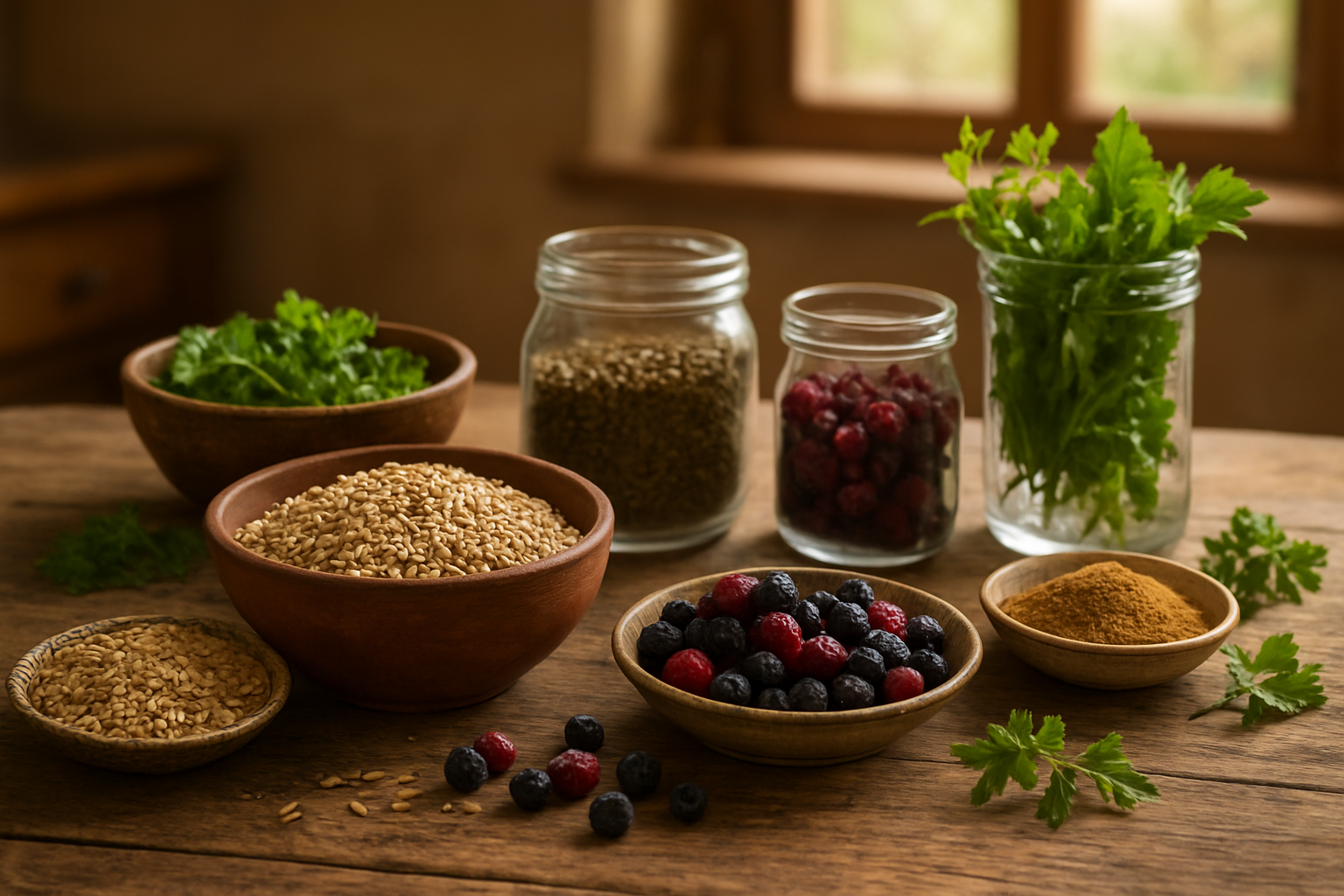
Tribal communities have mastered something we’re just beginning to understand – food isn’t just fuel; it’s medicine, culture, and environmental stewardship all rolled into one. Tribal food culture, rich in wild plants, fermented foods, and seasonal eating patterns, offers incredible nutritional density while maintaining perfect harmony with nature. These aren’t just old recipes; they’re blueprints for sustainable living that modern science is now validating.
The beauty of tribal food wisdom lies in its simplicity and effectiveness. By embracing seasonal eating, reducing food waste, and choosing nutrient-dense whole foods over processed alternatives, we can dramatically improve our health while protecting the planet. Start small – try incorporating one tribal-inspired practice into your weekly routine, whether that’s foraging for local edibles, fermenting vegetables, or simply eating more in sync with the seasons. Our ancestors knew what they were doing, and it’s time we listened.
