
Employment for Transgenders in India: Breaking Barriers in the Workplace
Looking for information about transgender employment in India? This guide helps HR professionals, diversity advocates, and transgender job seekers understand the current landscape. We’ll explore the main obstacles transgender individuals face when seeking jobs, examine recent legal protections like the NALSA judgment and Transgender Persons Act, and highlight companies leading the way with inclusive hiring practices.
Current Status of Transgender Employment in India
Statistical overview of employment rates
The numbers don’t lie, and they paint a troubling picture for transgender individuals in India. While exact statistics remain limited due to underreporting and identification challenges, recent surveys reveal just how steep the employment cliff really is.According to the 2011 Census, the first to count transgender people as a separate category, India has approximately 488,000 transgender individuals. But employment experts estimate the actual number is much higher—likely over 2 million.Only about 6% of transgender people in India work in the formal sector with regular wages. Compare that to the general population’s formal employment rate of around 23%, and you begin to see the disparity.A 2018 National Human Rights Commission study found that 92% of transgender people are excluded from economic participation in society. They’re either unemployed or surviving through informal work that offers no job security, benefits, or legal protections.Some more numbers that hit hard:
- 20% of transgender individuals report being denied employment based on their gender identity
- Less than 30% have stable housing due to employment discrimination
- 58% lack basic identity documents in their preferred gender, making formal employment nearly impossible
These aren’t just statistics—they represent real lives caught in cycles of poverty, discrimination, and limited opportunity.
Common sectors employing transgender individuals
When transgender people do find employment in India, they’re typically clustered in a handful of sectors. Some of these roles reflect traditional cultural spaces, while others represent new opportunities in a slowly evolving landscape.Traditional occupations still employ the majority of working transgender individuals:
- Badhai work (performing blessings at ceremonies)
- Sex work (often due to lack of alternatives)
- Begging (particularly in trains and at traffic signals)
- Entertainment (dancing at events)
These traditional roles, while providing income, often reinforce stereotypes and limit economic mobility.Emerging sectors showing more inclusion include:
- Beauty and fashion industry
- NGOs and community organizations
- Customer service (particularly in urban areas)
- Hospitality (select establishments)
- Retail (primarily in metropolitan cities)
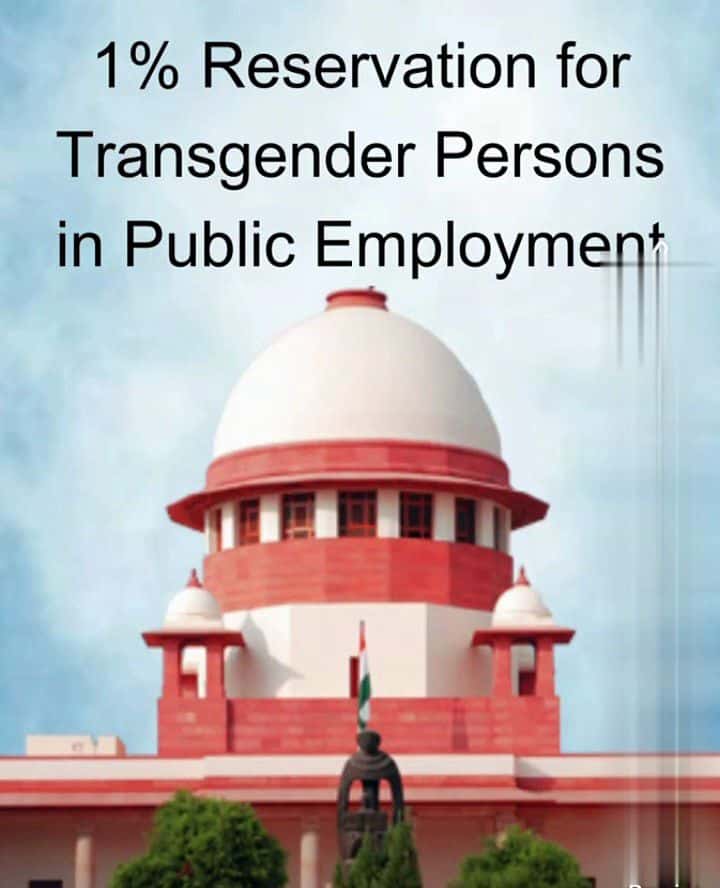
The corporate sector is just beginning to open doors. Companies like Tata Steel, Godrej, Lalit Hotels, and Kochi Metro have implemented transgender inclusion policies. Kochi Metro made headlines by employing 23 transgender individuals in 2017, though retention proved challenging due to housing discrimination.The government sector offers potential stability, with some states implementing reservation policies. Karnataka announced a 1% reservation for transgender people in government jobs in 2021, joining states like Tamil Nadu and Maharashtra with similar initiatives.Self-employment and entrepreneurship represent another path, with organizations like PeriFerry and Transgender Welfare Equity and Empowerment Trust (TWEET) helping transgender individuals start small businesses, from catering to tailoring.Despite these pockets of opportunity, the reality is that most transgender people in India face severely restricted employment options, pushing many toward informal work without protections or advancement potential.

Wage disparities and economic challenges
The pay gap hits transgender workers especially hard. When they do manage to secure employment, they typically earn 30-60% less than their cisgender counterparts for identical work.A transgender woman working in retail in Bangalore put it bluntly: “They hired me, but they pay me less than everyone else. When I asked why, my manager said I should be grateful to have a job at all.”This wage discrimination creates a cascade of economic challenges:Housing instability tops the list. With lower incomes, many transgender individuals struggle to afford safe housing. Landlords often charge them higher rent or refuse to rent to them altogether. This creates a vicious cycle—without stable housing, maintaining steady employment becomes nearly impossible.Healthcare costs drain already limited resources. Many transgender people need specialized healthcare, including hormone therapy or gender-affirming procedures, which are rarely covered by insurance in India. Out-of-pocket healthcare expenses can consume up to 70% of their income.Financial exclusion remains common. Many transgender individuals lack banking access due to documentation issues or discrimination. Without bank accounts, they’re forced to operate in cash economies, making saving difficult and leaving them vulnerable to theft or exploitation.Debt traps ensnare many. With limited income options, transgender people often turn to high-interest loans from informal lenders, creating cycles of debt that can persist for years or decades.The economic picture is further complicated by the inheritance barrier. Many transgender individuals are estranged from their families and excluded from inheritance, denying them access to generational wealth that might provide economic stability or entrepreneurial opportunities.One transgender rights activist explained: “We’re not just fighting for jobs—we’re fighting for economic dignity. That means fair pay, banking access, housing stability, and the chance to build wealth like anyone else.”
Regional variations in employment opportunities
The employment landscape for transgender individuals varies dramatically across India’s diverse regions. This isn’t just about urban versus rural differences—it reflects complex cultural attitudes, state policies, and economic realities.Southern states generally offer more opportunities. Tamil Nadu leads with its Transgender Welfare Board (established in 2008) and reservation policies. Kerala follows with initiatives like Kochi Metro’s hiring program and gender-inclusive policies in education and healthcare. Karnataka has recently implemented employment reservations.A transgender activist from Chennai noted: “In Tamil Nadu, we at least have a framework to fight for our rights. The Welfare Board gives us somewhere to turn when we face discrimination.”Western India shows mixed progress. Maharashtra, particularly Mumbai, offers some corporate opportunities and NGO support systems. Gujarat has fewer formal programs but some emerging grassroots initiatives.Northern states generally lag behind in formal policies. Delhi provides some opportunities in the cosmopolitan capital region, but smaller cities and rural areas offer far fewer protections or programs.Eastern India presents significant challenges, with limited formal employment options outside major cities like Kolkata. However, community-based organizations are emerging to fill support gaps.Urban-rural divide remains stark nationwide. In metropolitan areas, transgender individuals can access:
- Corporate diversity initiatives
- NGO support networks
- More anonymous environments with potentially less personal discrimination
In rural areas, challenges include:
- Fewer formal employment opportunities
- Stronger traditional gender expectations
- Limited support organizations
- Greater visibility leading to potential discrimination
This regional variation creates a troubling pattern of internal migration, with many transgender people leaving their home regions for urban areas where they hope to find both community and employment. However, this migration often leads to housing insecurity and exploitation.The digital economy offers some hope for equalizing regional disparities. Remote work opportunities, particularly in customer service, content creation, and online platforms, may eventually reduce the necessity for migration to urban centers.One transgender entrepreneur who runs an online business from a tier-2 city observed: “The internet doesn’t care about my gender. My clients are all over India and some overseas. They judge me on my work, not my identity. That’s the future we need to build.”Despite these regional variations, one reality remains consistent nationwide: employment opportunities for transgender individuals remain severely limited compared to the general population, with discrimination as the common thread that runs throughout India.
Legal Framework and Policy Initiatives
A. The Transgender Persons Act and its employment provisions
The 2019 Transgender Persons (Protection of Rights) Act finally acknowledged what activists had been shouting for years – transgender people deserve basic dignity and protection under Indian law. But when it comes to employment, the Act is more of a loose framework than a robust shield.Section 9 of the Act prohibits discrimination against transgender persons in employment matters including recruitment, promotion, and other related issues. Sounds great on paper, right? But ask any transgender job seeker and they’ll tell you the reality hits different.The Act mandates that every establishment designate a person to handle complaints related to violations. But here’s the kicker – there’s minimal guidance on enforcement mechanisms, penalties for non-compliance, or monitoring systems to ensure these provisions actually work in real life.And that’s not all. The Act fails to address critical workplace issues like healthcare benefits for gender-affirming procedures, gender-neutral facilities, or sensitivity training programs for employees. These gaps leave transgender employees navigating murky waters with little concrete protection.
B. Supreme Court judgments affecting workplace rights
The landmark NALSA judgment of 2014 was a game-changer. The Supreme Court recognized transgender persons as a “third gender” and affirmed their fundamental rights under the Constitution. This wasn’t just symbolic – it created the legal foundation for workplace protections.The Court declared that Article 14 (equality before law), Article 15 (prohibition of discrimination), Article 16 (equality in public employment), and Article 21 (protection of life and personal dignity) all apply to transgender persons regardless of surgery or hormonal therapy.In practical terms, this means government bodies and public sector organizations can’t legally discriminate against transgender applicants or employees. The Court directed the Centre and State governments to treat transgender individuals as socially and educationally backward classes, making them eligible for quotas in educational institutions and public appointments.More recently, in 2020, the Madras High Court banned “conversion therapy” and issued guidelines for creating safe workplaces for LGBTQ+ individuals. The Court specifically directed police to close complaints against transgender persons seeking employment opportunities.These judgments provide valuable legal precedents for transgender individuals facing workplace discrimination. However, the gap between judicial pronouncements and on-ground implementation remains painfully wide.
C. State-level policies promoting transgender employment
Some Indian states have taken matters into their own hands, implementing policies that go beyond the national framework.Kerala leads the pack with its 2015 Transgender Policy – the first of its kind in India. The policy specifically addresses employment concerns through entrepreneurship development programs and vocational training opportunities. Kerala even established a Transgender Justice Board to monitor implementation.Tamil Nadu has been a pioneer with initiatives like identity cards for transgender persons and a dedicated welfare board. The state reserves seats in government colleges and provides subsidized loans for self-employment ventures.Karnataka introduced reservations for transgender persons in government jobs, particularly in police services. Maharashtra and Odisha have followed with similar initiatives targeting public employment.But these state-level efforts face common challenges:
| State | Key Initiative | Implementation Challenge ||-------|----------------|--------------------------|| Kerala | Transgender Policy (2015) | Limited private sector engagement || Tamil Nadu | Welfare Board and ID cards | Documentation barriers for many || Karnataka | Reservations in police services | Low application rates due to systemic barriers || Maharashtra | Self-employment schemes | Inadequate financial literacy support || Odisha | Public employment quotas | Limited monitoring mechanisms |
Despite progressive policies, these initiatives often suffer from limited awareness, bureaucratic hurdles, and inconsistent implementation across districts.
D. Reservation policies and their implementation
The conversation around reservations for transgender persons in education and employment has gained momentum, but implementation remains spotty at best.In 2014, the NALSA judgment recommended treating transgender persons as OBCs (Other Backward Classes), making them eligible for existing reservation quotas. But practical implementation has been frustratingly slow.Some states have taken concrete steps. Karnataka allocated 1% reservation for transgender persons in police recruitment. Tamil Nadu reserves seats in government colleges. Maharashtra set aside seats in public employment through the State Reservation Act.But these reservation policies face significant challenges:First, many transgender individuals lack the necessary identity documents to access these benefits. The process to obtain transgender identity certificates remains cumbersome in many states.Second, there’s the classification dilemma. Should transgender persons receive separate reservations or be included in existing categories? The debate continues.Third, implementation has been uneven. Many government departments and educational institutions remain unaware of these provisions or lack clear guidelines for implementation.The most troubling aspect? The near-complete absence of reservation policies in the private sector, where the majority of employment opportunities exist. Without comprehensive legislation covering private enterprises, reservation policies benefit only a small fraction of the transgender community.

E. Government schemes for skill development
The skill gap remains one of the biggest hurdles for transgender employment. Most transgender individuals face educational barriers early in life, leaving them without the qualifications employers demand.The Ministry of Social Justice and Empowerment launched the SMILE (Support for Marginalized Individuals for Livelihood and Enterprise) scheme in 2022, which includes comprehensive rehabilitation for transgender persons. The scheme offers skill development training, financial assistance for education, and support for self-employment ventures.The National Skill Development Corporation has also initiated transgender-inclusive programs under the Skill India mission. These programs offer training in sectors like beauty and wellness, retail, hospitality, and healthcare.State governments have launched their own initiatives. Tamil Nadu established self-help groups specifically for transgender persons, providing vocational training and financial assistance. Kerala’s Transgender Policy includes provisions for alternative education systems and vocational training.But these programs often miss the mark in addressing the community’s unique needs:Many training programs reinforce stereotypical occupations rather than opening doors to diverse career paths. Beauty, entertainment, and handicrafts remain the focus while training for corporate roles, technical fields, or entrepreneurship receives less attention.The psychological support component is frequently inadequate. Training programs rarely address the confidence issues, trauma, and social anxiety many transgender individuals experience due to years of exclusion and discrimination.Follow-up placement assistance and mentorship – critical elements for successful employment transitions – are often missing from these schemes.The most successful programs have been those developed with direct input from transgender communities themselves. When transgender individuals are involved in program design and implementation, the outcomes improve dramatically.
Barriers to Employment
A. Social stigma and discrimination in hiring processes
The reality for transgender job seekers in India is brutal.Most HR managers won’t admit it openly, but when a transgender person walks in for an interview, their chances plummet instantly. A 2018 study showed that 96% of transgender individuals faced employment discrimination in some form.”They asked me if I was a ‘real woman’ or just pretending,” says Meera, a 29-year-old transgender woman from Mumbai who applied for 47 jobs before finally landing an entry-level position at a call center. “The interviewer actually laughed when I walked in.”This isn’t just about personal bias. It’s systemic. Many companies hide behind excuses like “cultural fit” or “client-facing roles require conventional appearance.” What they really mean is they’re afraid of how customers might react.Recruiters often screen out transgender applicants during phone interviews when they notice voice discrepancies or when they review identification documents that don’t match their gender expression. Some companies even have unwritten policies against hiring transgender individuals, with managers instructed to find “legitimate” reasons to reject them.The discrimination is particularly severe in traditional sectors like banking, manufacturing, and education, where conservative values dominate workplace culture. Tech and creative industries show marginally better inclusivity, but even there, the numbers remain dismal.
B. Educational limitations and skill gaps
The education system fails transgender individuals long before they ever reach a job interview.Most transgender persons in India drop out of formal education due to bullying, harassment, or family rejection. According to the 2011 Census, only 46% of transgender persons were literate, compared to the national average of 74%.Kiran, a transgender man from Bangalore, explains: “I left school in 9th standard because teachers made me sit separately and students called me names. How could I learn anything when I was just trying to survive each day?”Without basic education, accessing vocational training or higher education becomes nearly impossible. This creates a vicious cycle:
- No education → No skills → No formal employment → Poverty → No resources for skill development
The skill gaps are striking:Traditional livelihood options for the transgender community like begging, sex work, or performing at ceremonies don’t develop marketable skills valued in the formal economy. And when they do attempt to enter skill development programs, they face hostility from other participants and trainers.Some NGOs run specialized training programs for transgender individuals, but these remain limited in scope and reach. The government’s Skill India initiative has made token efforts at inclusion, but implementation remains patchy and inadequate.
C. Documentation and identity recognition challenges
Try getting a job without proper ID. Now multiply that problem tenfold.The documentation nightmare for transgender job seekers creates nearly insurmountable barriers. Despite the 2019 Transgender Persons Act, which should enable legal gender recognition, the actual process remains byzantine and humiliating.Problems include:
- Birth certificates and educational certificates showing deadnames (birth names) that don’t match current identity
- Gender markers on IDs that contradict gender expression
- Address proofs that are impossible to obtain when families have rejected them
- Employer verification processes that inadvertently out transgender applicants to previous employers
“My degree certificate has my deadname,” says Priya, a transgender woman with an engineering degree. “When I submit it for verification, the company immediately knows I’m transgender, and suddenly the position is ‘already filled.'”The documentation issues extend beyond just finding employment. Banking services, rental agreements, and health insurance—all essentials for stable employment—become complicated when your paperwork doesn’t align with your identity.Some transgender individuals resort to using their pre-transition identities for employment, essentially hiding their true selves to survive. This takes a devastating psychological toll and perpetuates their invisibility in the workforce.
D. Workplace harassment and retention issues
Landing a job is only the beginning of the struggle.Even when transgender individuals secure employment, hostile work environments often push them out. A 2020 survey found that 89% of transgender employees in India reported experiencing workplace harassment.Common experiences include:
- Being deliberately misgendered or deadnamed by colleagues
- Exclusion from team activities and professional opportunities
- Bathroom access restrictions or being forced to use facilities that don’t match their gender
- Inappropriate questions about their bodies or transition
- Psychological bullying disguised as “jokes”
“My manager kept introducing me to clients using ‘he’ even after I corrected him multiple times,” recalls Anita, who worked at a marketing firm in Delhi. “When I complained to HR, they suggested I should be ‘more understanding’ since it was ‘difficult for others to adjust.'”The mental health impact is severe. Many transgender employees report anxiety, depression, and suicidal thoughts related to workplace mistreatment. This affects productivity and eventually pushes them to quit.The few companies that do hire transgender employees rarely provide adequate support systems or sensitivity training for their workforce. There’s a troubling pattern of tokenism, where companies hire transgender individuals to meet diversity quotas but don’t invest in creating truly inclusive environments.What’s more, career advancement is virtually nonexistent. Transgender employees often remain stuck in entry-level positions regardless of their capabilities or performance. Management positions remain almost entirely closed to them.One company HR director, speaking anonymously, admitted: “We hired a transgender person for our CSR image, but honestly, we didn’t think about what happens next. There was no plan for their growth.”The cumulative effect of these barriers is devastating. Only an estimated 6% of transgender individuals in India have access to stable, formal employment. The rest remain trapped in poverty and marginalization, their talents and potential wasted because society refuses to see past their gender identity.Organizations fighting for change report that inclusion isn’t just a moral imperative—it makes business sense. Diverse workforces perform better, innovate more, and better represent consumer bases. But progress remains painfully slow, with changes coming in small increments rather than the systemic overhaul that’s desperately needed.
Success Stories and Role Models
Pioneering Transgender Professionals in Corporate India
India’s corporate landscape has seen remarkable transgender professionals breaking barriers despite incredible odds. Take Zara Sheikh, who rose through the ranks at Tata Consultancy Services after transitioning in 2015. Initially worried about workplace reception, she now leads a team of 30 developers and mentors other transgender employees.”Most people think we just can’t make it in the corporate world. I decided to prove them wrong,” says Zara.Another standout is Ankit Bhati, who works as a financial analyst at HDFC Bank. After facing rejection from 27 companies, Ankit finally found a workplace that valued his skills over his gender identity. Three years later, he’s received two promotions and helps shape the bank’s diversity hiring policies.What makes these stories significant? They’re changing perceptions from the inside. When Priya Patil joined Godrej in 2018, less than 0.02% of corporate India identified as transgender. Today, she’s a senior HR manager who’s helped implement one of the country’s most comprehensive transgender inclusion policies.The path hasn’t been easy for any of these professionals. Many faced initial resistance, uncomfortable questions, and subtle discrimination. But their persistence has opened doors for others.Vikram Mohan at Infosys recalls: “For my first six months, colleagues would change restrooms when I entered. Now those same people invite me to their homes for dinner. People just needed time.”These pioneers are particularly important in industries previously considered unwelcoming. In banking, manufacturing, and technology, transgender professionals are slowly becoming more visible, often serving as unofficial ambassadors for their communities.

Entrepreneurs from the Transgender Community
If corporate spaces remain challenging, many transgender individuals have taken matters into their own hands by launching businesses. These entrepreneurs aren’t just building livelihoods—they’re creating inclusive workplaces from scratch.Arundhati Katju’s journey is particularly inspiring. After struggling to find consistent employment, she started a catering business in Pune that now employs 15 people, 9 of whom are transgender. “We were tired of waiting for acceptance,” she explains. “So we created a business where everyone belongs from day one.”Similar success stories include:
- Kalki Subramaniam’s art collective in Chennai, which showcases transgender artists and provides them economic opportunities
- Megh Sayani’s tech startup in Bangalore that specializes in cybersecurity solutions
- Laxmi Narayan Tripathi’s event management company that’s organized major corporate functions across Mumbai
These entrepreneurs face typical business challenges plus additional barriers. Banking discrimination makes securing loans difficult. Megh recalls, “One bank manager actually laughed at my business plan. The next one approved it, and now we serve that first bank as a client.”The transgender entrepreneurship movement gained momentum after 2014’s NALSA judgment, which legally recognized transgender identities. Before then, even opening a business bank account could be an insurmountable challenge.What’s remarkable is how these businesses prioritize giving back. Nearly 80% of transgender-owned businesses in India actively hire other transgender individuals. They’re creating economic ecosystems where community members can thrive.Take Sowmya Singh’s tailoring business in Hyderabad. Starting with just a sewing machine in her apartment, she now runs a boutique employing eight transgender women. “My first employees had never held formal jobs before,” she says. “Now they’re skilled tailors who can support themselves anywhere.”These success stories challenge the narrative that transgender individuals can only find work in certain fields. From technology to fashion to food service, transgender entrepreneurs are proving their capabilities across sectors.
Government Officials and Public Figures
The visibility of transgender individuals in government positions marks a significant shift in India’s employment landscape. These public officials not only represent personal success but also demonstrate institutional change.Joyita Mondal made history as India’s first transgender judge when appointed to a lok adalat in West Bengal. “People who used to make me beg on the streets now stand before me in my courtroom,” she notes. Her journey from social exclusion to legal authority inspires many in her community.Similarly groundbreaking was Prithika Yashini’s appointment as Tamil Nadu’s first transgender police officer. After fighting a legal battle to even be allowed to take the entrance exam, she now serves as a sub-inspector. Her presence in law enforcement helps build trust between police and transgender communities.In electoral politics, Madhu Kinnar’s election as mayor of Raigarh in 2015 demonstrated that voters could look beyond gender identity to elect qualified candidates. She ran on a platform focused on infrastructure development and won against candidates from established political parties.These achievements extend to civil services as well:
- Aishwarya Rituparna Pradhan works as a commercial tax officer in Odisha
- K. Prithika Yashini serves in the Tamil Nadu police force
- Swati Bidhan Baruah became Assam’s first transgender judge
What distinguishes these public figures is their willingness to be visible. Many could have chosen to keep their gender identity private after securing positions, but instead use their platforms to advocate for their communities.Aishwarya explains: “I could have just done my job quietly. But what message would that send? Young transgender people need to see us succeeding in these roles.”The impact of their visibility stretches beyond symbolism. These officials have influenced policy changes, from simplified gender change procedures on government IDs to transgender-inclusive public restrooms in government buildings.Their success hasn’t come without challenges. Many report ongoing discrimination from colleagues or the public. However, their presence in these institutions creates precedents that make it harder to deny opportunities to other qualified transgender candidates.
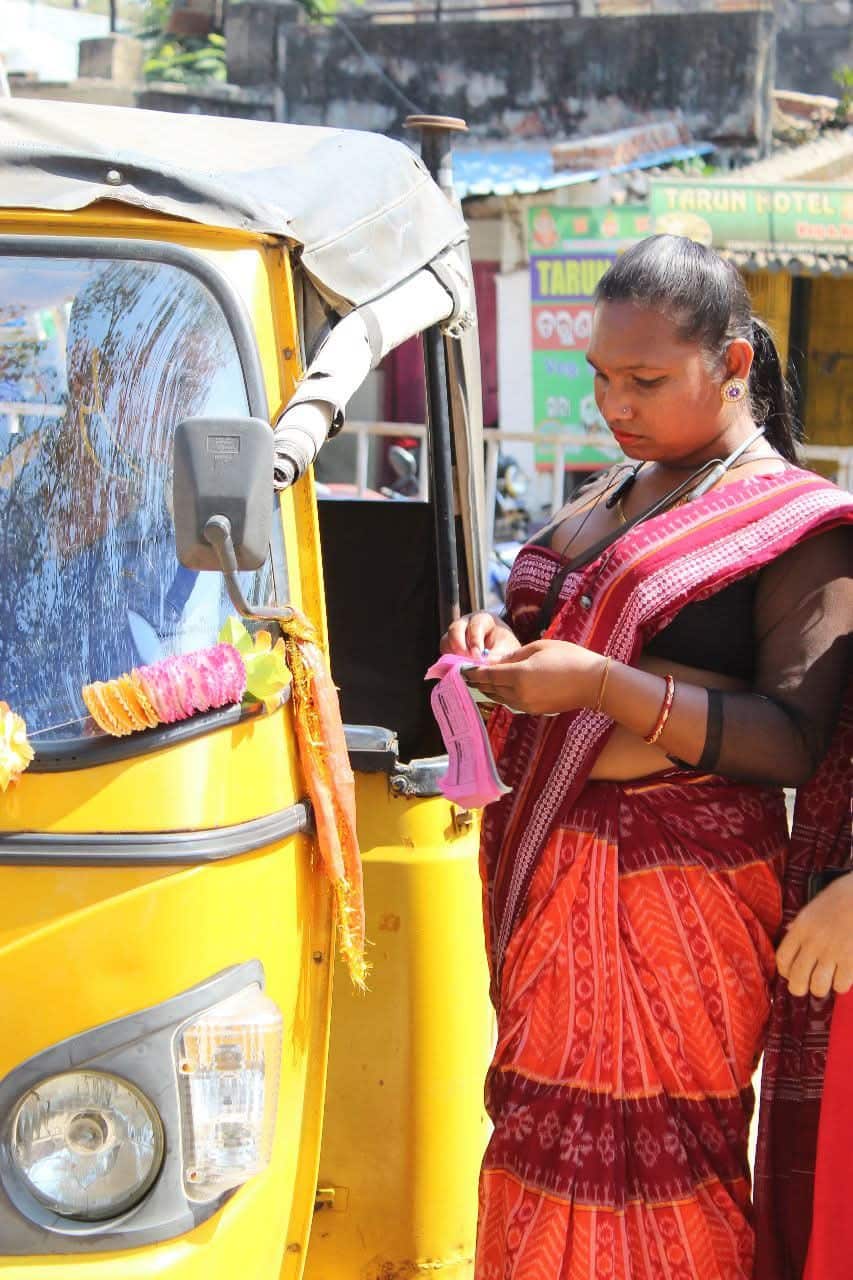
Activists Improving Employment Landscapes
Behind every policy change and corporate initiative are activists who’ve spent years fighting for transgender employment rights. These individuals combine advocacy with practical solutions.Gauri Sawant’s organization in Mumbai has placed over 200 transgender individuals in jobs ranging from retail to corporate settings. Rather than just demanding inclusion, her approach includes skills training and workplace sensitivity sessions.”Companies were saying they couldn’t find qualified transgender candidates. So we built a pipeline and removed that excuse,” Gauri explains.Similarly effective is Kalki Subramaniam’s Sahodari Foundation, which offers employment-focused interventions:
- Resume building workshops
- Professional communication training
- Legal support for workplace discrimination
- Mentorship connections with established professionals
These activists recognize that policy changes alone aren’t enough. Akkai Padmashali’s work in Bangalore includes regular dialogue with business leaders, helping them understand the business benefits of transgender inclusion.The impact is measurable. Five years ago, only a handful of companies had transgender-specific hiring initiatives. Today, more than 100 major corporations in India have formal programs, largely due to activist pressure and education.What distinguishes today’s most effective activists is their collaborative approach. Instead of just highlighting problems, they offer solutions and partnerships. When Neelam Jain approached businesses about hiring, she came prepared with training modules and support systems.The results speak for themselves. Companies that have worked with these activists report higher retention rates for transgender employees and improved workplace climate overall.These activists understand that employment isn’t just about income but dignity and participation in society. As activist Rudrani Chettri puts it: “A job isn’t just a job for us. It’s recognition that we belong in all spaces, doing all types of work, just like anyone else.”Through persistent advocacy, strategic partnerships, and practical support, these activists continue reshaping India’s employment landscape for transgender individuals—creating opportunities that seemed impossible just a decade ago.
Corporate Inclusion Initiatives
A. Diversity and inclusion policies of major Indian companies
The corporate landscape in India is finally waking up to the importance of transgender inclusion. Several major players have stepped up their game with comprehensive D&I policies that specifically address transgender employees.Tata Steel made waves when it introduced “WINGS” – a policy specifically designed for transgender employees, offering them equal benefits including healthcare coverage for gender-affirming procedures. The company didn’t stop there. They’ve created designated gender-neutral washrooms and actively recruit from the transgender community.Godrej has been another frontrunner, implementing their “Godrej Transgender Employment Program” which doesn’t just talk about inclusion but puts money where their mouth is by providing skill development and career opportunities.Tech giants in India aren’t far behind. Microsoft India, IBM India, and Infosys have all rolled out comprehensive transgender-inclusive policies. What makes their approach stand out? They cover everything from anti-discrimination protocols to healthcare benefits that include gender transition-related expenses.But here’s the real game-changer: many of these companies have moved beyond the typical binary options on their application forms. Now they include “transgender” and “prefer not to say” options, acknowledging gender diversity from the very first interaction with potential employees.Banking sector titans like HSBC India and Standard Chartered have implemented progressive policies too. Their approach involves not just non-discrimination clauses but active outreach programs targeting transgender job seekers.The common thread among successful policies? They’re comprehensive. They don’t just tick boxes – they address the full spectrum of challenges transgender employees might face, from recruitment to daily workplace experiences to career advancement.
B. Transgender-specific recruitment drives
Recruitment drives focused on the transgender community are gaining momentum across India. And they’re not just PR stunts – they’re genuine efforts to tap into an overlooked talent pool.Kochi Metro made headlines when they hired 23 transgender individuals across various roles in 2017. What made this initiative remarkable wasn’t just the numbers, but the comprehensive approach – they partnered with Kudumbashree (a women’s empowerment program) to provide holistic support including housing assistance.More recently, Amazon India launched their “Purple Haze” initiative specifically targeting transgender recruitment. The program offers specialized training before placing candidates in various roles across their fulfillment centers and corporate offices.The hospitality industry has joined in too. The Lalit Group of Hotels runs “The Lalit Suri Hospitality School” where they actively train and recruit transgender individuals. Their approach goes beyond just hiring – they’ve created an ecosystem where transgender employees can thrive and advance.Accenture’s “Inclusive Hiring Program” deserves mention for their structured approach. They’ve established partnerships with NGOs like Periferry that specialize in transgender employment. These partnerships help bridge the gap between corporate requirements and the unique challenges faced by transgender job seekers.What makes these drives effective? It’s the end-to-end approach. Companies that succeed don’t just hire – they support. They provide skill development, mentorship, and create a workplace culture that ensures retention and growth.Tech Mahindra’s approach stands out for its focus on skills first, identity second. Their recruitment drives emphasize technical abilities while simultaneously acknowledging the unique perspectives transgender employees bring to the table.
C. Workplace sensitivity training programs
It’s one thing to hire transgender employees. It’s another to create an environment where they can actually thrive. That’s where sensitivity training comes in.The most effective programs in India go beyond the basics. They don’t just explain terminology – they create genuine understanding through experiential learning. Godrej’s “Inclusion Champions” program, for instance, uses role-playing exercises that put employees in scenarios transgender colleagues might face daily.IBM India has implemented their “Ally Training Program” which transforms awareness into action. Participants don’t just learn about challenges – they develop specific behaviors to create an inclusive environment. The program includes modules on appropriate language, handling sensitive situations, and active allyship.Many companies are bringing in the experts. Organizations like Humsafar Trust and TWEET Foundation are now regular features in corporate training calendars, bringing authentic transgender voices into training sessions.The most successful training programs share key elements:
- They’re mandatory for all employees, not just HR
- They include practical, everyday scenarios rather than abstract concepts
- They’re ongoing rather than one-time events
- They measure actual behavior change, not just attendance
Wipro’s approach includes regular refresher courses and “inclusion moments” in team meetings, keeping sensitivity top-of-mind rather than a once-a-year checkbox.The language component of these trainings has evolved significantly. Modern programs focus on practical communication skills – how to respectfully ask about pronouns, how to apologize for mistakes without making it awkward, and how to be an effective ally in everyday situations.
D. Benefits and accommodations for transgender employees
Forward-thinking Indian companies have recognized that true inclusion requires specific benefits and accommodations for transgender employees.Health insurance is evolving rapidly. Companies like Tata, Godrej, and IBM India now offer coverage for gender-affirming procedures. This isn’t just symbolic – it’s a financial lifeline for many transgender employees who would otherwise face prohibitive out-of-pocket costs.Leave policies have been redesigned to include gender transition-related time off. Companies like Infosys and Accenture now offer specific transition leave, recognizing that the process involves numerous medical appointments and recovery periods.Physical infrastructure has been reimagined too. Gender-neutral restrooms are becoming standard in progressive workplaces. Some companies go further – The Lalit Hotels has implemented changing rooms and shower facilities designed with transgender employees in mind.Documentation processes have been simplified. Progressive HR departments now have streamlined processes for updating names and gender markers in internal systems, making the administrative side of transition less burdensome.Financial support extends beyond healthcare in some companies. Relocation assistance, legal aid for documentation changes, and counseling services are becoming part of comprehensive benefits packages.Employee resource groups specifically for LGBTQ+ employees have become powerful support systems. These groups provide peer support, mentorship, and often have direct lines to leadership to advocate for policy improvements.
E. Impact of inclusive policies on business outcomes
The business case for transgender inclusion is becoming increasingly clear in the Indian context.Talent acquisition gets a significant boost. Companies with inclusive policies report accessing previously untapped talent pools. Godrej, for instance, has noted that their transgender inclusion initiatives have helped them find qualified candidates in a competitive market.Retention rates tell an interesting story. Organizations like Tata Steel and IBM India report higher overall employee retention after implementing inclusive policies. The effect goes beyond transgender employees – all staff respond positively to workplaces that demonstrate genuine commitment to diversity.Brand perception improvements are measurable. The Lalit Group has seen their customer satisfaction scores climb following public awareness of their inclusive hiring practices. Their commitment to inclusion has become a differentiator in the crowded hospitality market.Innovation metrics show fascinating correlations. Accenture India reports that teams with diverse gender representation, including transgender employees, consistently outperform homogeneous teams on innovation-related KPIs.Workplace conflict decreases with effective inclusion programs. Companies report fewer incidents of discrimination and harassment after implementing comprehensive sensitivity training.The bottom line? Inclusive policies are showing direct financial returns. According to a 2021 study by Zinnov and Intel India, companies with comprehensive diversity and inclusion initiatives, including transgender inclusion, showed 22% higher productivity on average.Customer alignment is another unexpected benefit. As the general public becomes more aware of transgender rights, companies that demonstrate genuine inclusion are finding stronger connections with socially conscious consumers.
Path Forward: Creating Inclusive Workplaces
Best practices for transgender-inclusive recruitment
The hiring process is often the first barrier transgender individuals face. Traditional recruitment practices don’t typically account for gender diversity, leaving qualified transgender candidates feeling excluded before they even get an interview.Companies serious about transgender inclusion need to rethink their entire recruitment funnel. Start with your job descriptions. Ditch gendered language like “he/she” and use neutral terms instead. Add an explicit statement about your commitment to diversity that specifically mentions gender identity.Your application forms matter too. Many transgender people dread the moment they have to select a gender option that doesn’t reflect who they are. Simple fix? Include options beyond the binary male/female, and make it clear that candidates can use their preferred names even if they haven’t legally changed them yet.Background checks can be particularly stressful for transgender applicants whose documentation might not match their current identity. Create a discreet process where candidates can confidentially discuss any discrepancies without fear of discrimination.During interviews, train your hiring managers to focus on skills and qualifications rather than making assumptions based on appearance or voice. Questions about a candidate’s gender identity are off-limits unless the candidate brings it up themselves.Some forward-thinking Indian companies have gone a step further by creating specific hiring drives for transgender candidates. Tata Steel, for example, launched its WINGS initiative specifically to bring transgender talent into their workforce. These targeted approaches help break down initial barriers and signal genuine commitment to inclusion.Remember that representation matters in your recruitment team too. Having transgender or LGBTQ+ individuals involved in the hiring process sends a powerful message about your company’s values and creates a more comfortable environment for candidates.
Strategies for retaining transgender talent
Getting transgender employees through the door is just the beginning. Keeping them is where many Indian workplaces fall short.The reality is harsh – transgender employees often leave companies not because they lack skills or commitment, but because they face daily challenges that their cisgender colleagues never have to think about.Benefits packages need a serious overhaul in most organizations. Health insurance that covers gender-affirming care remains rare in India, but it’s a game-changer for transgender employees. Companies like Godrej and IBM India have led the way by introducing transgender-inclusive health benefits. When you provide comprehensive health coverage that acknowledges transgender healthcare needs, you’re not just offering a perk – you’re recognizing your employees’ fundamental humanity.Career development is another critical area. Transgender employees often find themselves stuck in entry-level positions, facing an invisible “lavender ceiling.” Create mentorship programs specifically designed to support transgender career advancement. Set clear pathways for growth and regularly check in on progress.Make sure your performance review process isn’t tainted by unconscious bias. Managers may unintentionally evaluate transgender employees more harshly or overlook their contributions. Regular bias training for all evaluators helps ensure fair assessments based on actual performance.Recognition matters too. When transgender employees contribute valuable ideas or complete successful projects, acknowledge their work publicly (with their permission). This visibility helps combat stereotypes and demonstrates that your company values talent regardless of gender identity.Exit interviews with departing transgender employees can provide invaluable insights. Listen carefully to their experiences and be prepared to make real changes based on their feedback. The patterns you discover might reveal systemic issues you hadn’t noticed.
Creating safe workplace environments
Safety isn’t a luxury – it’s a basic requirement for doing your job. For transgender employees in India, workplace safety encompasses both physical and psychological dimensions.Restroom access remains a major concern. Gender-neutral bathrooms are ideal, but if your facilities are limited, ensure transgender employees can use the restroom that aligns with their gender identity without harassment. Clear policies, communicated to all staff, prevent confrontations and discomfort.Dress codes often reinforce gender binaries unnecessarily. Review your appearance guidelines to ensure they’re gender-neutral or provide flexibility for all employees to dress in ways that affirm their gender identity while maintaining professional standards.Privacy is paramount. Transgender employees should control who knows about their transgender status and when that information is shared. Mishandling personal information can lead to harassment or even safety risks outside work. Implement strict confidentiality protocols and train HR staff accordingly.Address microaggressions promptly. These seemingly small slights – like consistently using the wrong pronouns or making “jokes” about gender – create a hostile environment over time. Establish clear reporting mechanisms and take every complaint seriously.Physical safety isn’t guaranteed for transgender individuals in India, even in professional settings. Consider offering transportation support for late shifts or implementing buddy systems in situations where transgender employees might feel vulnerable.The COVID-19 pandemic pushed many workplaces to embrace remote work, which has been a mixed blessing for transgender employees. While working from home eliminates some in-person harassment, it can also isolate those who found community at work. Hybrid models allow flexibility while maintaining connection.Companies that excel in creating safe environments recognize that safety isn’t just about preventing harm – it’s about creating conditions where everyone can thrive. This means regularly assessing your workplace culture through anonymous surveys that specifically ask about transgender experiences.
Building allyship among cisgender colleagues
Transgender inclusion can’t rest solely on the shoulders of transgender employees. Real change happens when cisgender colleagues step up as allies.Allyship starts with education. Many cisgender people have never had the opportunity to learn about transgender experiences. Provide resources and training that explain gender identity basics, correct terminology, and the specific challenges transgender people face in Indian society and workplaces.But education alone isn’t enough. Effective allies take action when they witness discrimination or harassment. This means speaking up when someone misgenders a colleague or makes an inappropriate comment. The burden shouldn’t always fall on transgender employees to correct others.Active listening is a crucial allyship skill. When transgender colleagues share their experiences, listen without defensiveness. Resist the urge to say “but that happens to everyone” or “I’m sure they didn’t mean it that way.” Acknowledge the unique challenges they face.Pronouns matter enormously. Cisgender allies can normalize pronoun sharing by including pronouns in their email signatures and introducing themselves with pronouns in meetings. This simple practice creates space for transgender colleagues to share their pronouns without feeling singled out.Employee resource groups (ERGs) focused on LGBTQ+ issues provide valuable community and advocacy. While these groups should be led by LGBTQ+ employees, cisgender allies can offer support by participating, providing resources, and amplifying the group’s initiatives.Leadership sets the tone. When executives and managers demonstrate allyship, it sends a powerful message throughout the organization. This might mean attending Pride events, speaking about transgender inclusion in company meetings, or simply using inclusive language consistently.Remember that allyship is an ongoing journey, not a destination. Good allies recognize that they’ll make mistakes, apologize sincerely when they do, learn from those mistakes, and keep showing up.The employment landscape for transgender individuals in India is gradually evolving, though significant challenges remain. The legal recognition through the NALSA judgment and subsequent Transgender Persons Act has established a foundation for rights, yet implementation gaps persist. Workplace discrimination, educational barriers, and social stigma continue to limit economic opportunities for the transgender community, despite notable success stories of individuals breaking through these barriers.Creating truly inclusive workplaces requires a multi-faceted approach involving government policy enforcement, corporate diversity initiatives, and broader social awareness. As more companies adopt transgender-inclusive policies and showcase positive role models, the path forward looks promising. By addressing both systemic barriers and individual biases, India can work toward a future where transgender individuals have equal access to dignified employment opportunities that reflect their skills and potential rather than their gender identity.
