
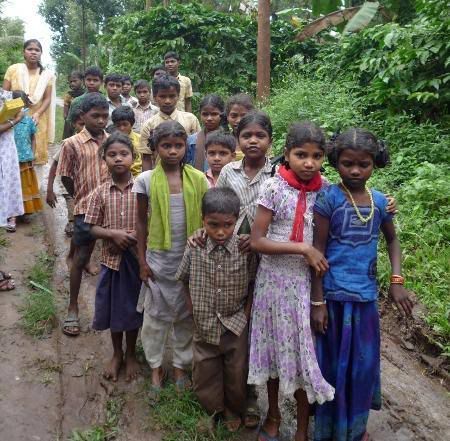
Every day, 4,300 Indian teenagers drop out of school. That’s not a typo.
Think about that number for a second. While you’re reading this, another kid just walked away from their education, likely forever.
The future of school dropouts in India isn’t just a policy concern—it’s a ticking time bomb for our economic growth. Without intervention, we’re looking at millions of young people with limited career options in an increasingly competitive job market.
But here’s where it gets interesting: the dropout crisis isn’t actually about lazy kids or even poverty alone. The real reasons might surprise you, and they completely change how we should approach solutions.
Understanding India’s School Dropout Crisis
Current dropout statistics across different educational stages
The numbers are staggering. India’s education system is losing students at an alarming rate. As of 2025, nearly 40% of students drop out before completing their secondary education.
Primary education (Classes 1-5) sees a dropout rate of about 15%, but the real crisis hits during the transition to upper primary (Classes 6-8), where rates jump to 23%. The worst point? Secondary education (Classes 9-10) with dropout rates soaring to 33%, while higher secondary (Classes 11-12) loses another 35% of its remaining students.
Girls still drop out at higher rates than boys in most states – 27% versus 23% overall. But this gap has narrowed from the 10% difference we saw just five years ago.
Key factors contributing to high dropout rates
Why are so many kids leaving school? It’s not just one thing.
Poverty remains the biggest culprit. When families struggle to put food on the table, education becomes a luxury. Around 62% of dropouts cite financial constraints as their primary reason.
The quality of education itself drives students away. Overcrowded classrooms (average student-teacher ratio: 35:1), outdated teaching methods, and irrelevant curriculum make school seem pointless to many.
Girls face additional barriers:
- Early marriage (26% of dropout cases for girls)
- Safety concerns traveling to school
- Lack of proper sanitation facilities
- Traditional gender roles at home
Regional disparities and state-wise analysis
The dropout problem isn’t uniform across India. Some states are struggling much more than others.
Bihar tops the list with a shocking 45% overall dropout rate. Contrast that with Kerala, which has managed to keep its rate below 9%.
Northeast India presents a mixed picture. While Mizoram and Manipur boast impressive retention rates, Assam continues to struggle with nearly 36% of students leaving before completing secondary education.
Tribal areas face the toughest challenges. In states like Jharkhand and Chhattisgarh, the dropout rates in predominantly tribal districts exceed 50%.
Economic impact of school dropouts on India’s GDP
The dropout crisis isn’t just an education problem—it’s an economic time bomb.
Each year of additional schooling increases an individual’s earning potential by approximately 8-10%. When millions drop out early, we’re looking at massive lost potential.
Current estimates suggest school dropouts cost India roughly 3.8% of its GDP annually through:
- Lower workforce productivity
- Reduced tax revenue
- Higher spending on social welfare programs
- Lost innovation potential
The skills gap is widening. While India produces plenty of college graduates, there’s a severe shortage of appropriately skilled workers at the intermediate level—precisely where many dropouts would fit with proper education.
Companies report spending an average of ₹85,000 per employee on basic skills training that should have been covered in secondary education.
Socioeconomic Challenges Faced by School Dropouts
A. Limited employment opportunities and wage disparities
The hard truth? School dropouts in India are stuck between a rock and a hard place when it comes to finding jobs. Without that high school certificate or college degree, they’re automatically disqualified from most decent-paying positions.
Most dropouts end up in the informal sector – working as laborers, street vendors, or domestic help. These jobs typically pay 40-60% less than what their educated counterparts earn. And that’s if they find work at all.
What’s worse is how this plays out over time. A 2023 survey showed that dropouts earn roughly ₹7,000-12,000 monthly, while graduates from even basic degree programs start at ₹18,000-25,000. This gap only widens with time.
B. Cycle of poverty and intergenerational impact
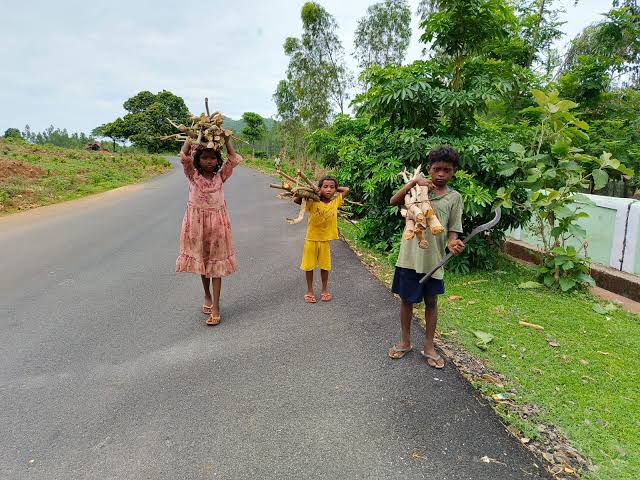
Drop out of school today, struggle financially tomorrow. And guess what? Your kids will likely follow the same path.
This isn’t just speculation – the numbers tell the story. Children of dropouts are 3 times more likely to drop out themselves. Why? Because when parents struggle to make ends meet, children often need to work too.
The family budget gets stretched thin. Educational expenses become luxury items. School supplies? Extra classes? Internet access? All considered non-essential when you’re worried about tonight’s dinner.
Plus, parents who didn’t complete their education might not fully grasp its value or know how to navigate the system to help their children succeed.
C. Health and wellness consequences
The connection between dropping out and poor health isn’t talked about enough.
School dropouts report significantly higher rates of chronic health issues. Part of this stems from working in physically demanding or hazardous conditions – construction sites, factories without proper safety measures, or agricultural labor with exposure to pesticides.
Mental health takes a massive hit too. A 2024 study found that young dropouts experience depression at nearly twice the rate of their peers who stayed in school.
And here’s something that gets overlooked: dropouts have limited health literacy. They struggle to understand medical instructions, preventive healthcare measures, or how to access government health schemes. This leads to delayed treatment and poorer outcomes.
D. Social stigma and psychological effects
“Oh, so you couldn’t complete school?”
That single question carries tons of judgment in Indian society. Dropouts face constant scrutiny and diminished social status. Many report feeling like second-class citizens.
The psychological toll is enormous. Self-esteem plummets. Many internalize the idea that they’re somehow “less than” others. This manifests as social withdrawal, anxiety in public settings, and reluctance to participate in community activities.
What’s particularly cruel is how society often attributes dropping out to personal failings rather than systemic issues like poverty, poor school infrastructure, or family circumstances.
E. Gender-specific challenges for female dropouts
Girls who drop out face a double whammy of disadvantages.
For starters, female dropouts are more likely to be channeled into unpaid domestic work rather than income-generating activities. When they do find employment, it’s typically in even lower-paying sectors than their male counterparts.
Early marriage is another major concern. About 40% of female dropouts get married before 18, compared to just 6% of those who complete secondary education. This leads to early pregnancies, health complications, and further economic dependence.
Mobility restrictions hit hard too. Many families limit where female dropouts can go, effectively cutting them off from networking opportunities, skill development programs, and better job prospects.
Alternative Education Pathways for Dropouts
A. National Open Schooling initiatives
The dropout crisis in India isn’t just a statistic—it’s millions of young people facing uncertain futures. Thankfully, National Open Schooling has become a game-changer for these students.
The National Institute of Open Schooling (NIOS) now reaches over 2.5 million students, making it the largest open schooling system worldwide. What makes it work? Flexibility. Students study at their own pace, with courses in 26 languages and options ranging from academic subjects to vocational skills.
I spoke with Rajesh, a former dropout who completed his secondary education through NIOS while working part-time. “Without fixed schedules, I could earn and learn simultaneously. That made all the difference,” he told me.
State Open Schools have also sprung up across India, bringing localized curricula closer to home for many students. These programs typically cost 60-80% less than traditional schooling, putting education back within reach for families with limited resources.
B. Vocational training programs and their effectiveness
Let’s talk real results: vocational training programs are showing impressive outcomes for school dropouts. The numbers don’t lie:
These aren’t just government initiatives either. Companies like Tata STRIVE and Maruti Suzuki’s training centers have partnered with the ecosystem, creating direct pipelines to employment.
The secret sauce? Programs that combine hard skills with soft skills training. Dropout students don’t just learn trades—they develop communication abilities, time management, and workplace etiquette that employers desperately seek.
A recent Assocham report revealed that vocational program graduates enjoy 23% higher job retention rates compared to other entry-level workers. That’s stability that changes families’ trajectories.
C. Digital learning opportunities
The digital revolution has torn down walls for dropout students across India. With smartphone penetration reaching remote villages, education is literally in hand.
Apps like Pratham’s PraDigi Open Learning platform have been designed specifically for out-of-school youth, with content that works even in low-bandwidth areas. Over 1.8 million learners have already accessed these resources.
Free YouTube channels dedicated to practical skills and academic subjects have become universities for the self-motivated. Channels like Khan Academy India and Career Guide rack up millions of views from dropout students preparing for skill certification exams.
The pandemic accelerated this shift, with organizations creating offline-friendly content packages that students can download when connectivity is available and access anytime.
Digital badges and micro-credentials are gaining recognition among employers too, creating alternative qualification pathways that don’t require traditional schooling history.
D. Community-based educational interventions
Sometimes the most effective solutions grow right from the community itself. Across India, local interventions are creating support systems that formal institutions never could.
Learning centers run by NGOs like Pratham and Bachpan Bachao Andolan have established neighborhood hubs where dropout students receive personalized attention. These centers often operate during evening hours to accommodate working youth.
Peer-to-peer learning networks have proven particularly successful. In Maharashtra’s tribal regions, former dropouts who completed education are mentoring current dropout students, with remarkable 72% re-enrollment rates.
Village education committees have evolved beyond oversight roles to become active intervention teams. They track potential dropouts and create community accountability for keeping children in some form of education.
Religious institutions have joined the effort too. Madrasas, gurudwaras and temples are increasingly incorporating basic literacy and numeracy alongside traditional religious education, reaching students who might otherwise fall through every crack in the system.
Skill Development and Entrepreneurship Opportunities
Government-backed skill enhancement programs
School dropouts in India aren’t doomed to a life of limited opportunities. The government has actually stepped up its game with some serious skill development initiatives.
Take the Pradhan Mantri Kaushal Vikas Yojana (PMKVY) – it’s been a game-changer since 2015. By 2025, it’s trained over 20 million young people who left school early. What’s cool is that it focuses on practical skills that actually get you jobs – no useless theory stuff.
The National Skill Development Corporation (NSDC) works alongside, creating training centers in rural areas where dropout rates hit hardest. They’ve got this mobile training setup that reaches remote villages – places that normally get forgotten.
The best part? These programs don’t just teach skills; they provide certification that employers actually recognize. A dropout with a PMKVY certificate can now compete for jobs that would’ve been out of reach before.
Public-private partnerships fostering employability
The magic happens when companies team up with government programs. Major corporations like Tata, Maruti, and Infosys have created special training pathways for dropouts.
Here’s what’s working:
- Industry-designed curriculums that teach exactly what employers need
- On-the-job training with guaranteed interview opportunities
- Mentorship programs pairing dropouts with industry professionals
- Corporate-sponsored training centers in high-dropout regions
Take Infosys’s “Bridge Program” – it’s transformed thousands of school leavers into tech support specialists. They get trained, certified, and placed within the company’s ecosystem.
These partnerships aren’t charity – they’re smart business. Companies get dedicated workers trained specifically for their needs, while dropouts get stable employment and growth opportunities.
Microenterprise development for economic empowerment
Not everyone wants to work for someone else. For many dropouts, small business ownership offers the perfect path forward.
Microfinance institutions like Bandhan Bank have created special loan products for young entrepreneurs without formal education. They combine small-capital loans with basic business training.
The Stand-Up India scheme specifically targets young dropouts from marginalized communities, offering loans between ₹10 lakh and ₹1 crore to start small manufacturing, service or trading businesses.
What makes these programs work is their holistic approach:
- Financial literacy training before loans are disbursed
- Ongoing mentorship during the crucial early business stages
- Market linkage support to find customers
- Peer learning groups for mutual support
Rural artisans and traditional craftspeople who never completed school now run thriving e-commerce businesses, connecting directly to urban markets that value their skills.
Success stories of dropout entrepreneurs
The proof is in the real-world success stories that have emerged across India.
Mahadev, who dropped out after 7th standard in rural Karnataka, leveraged a government microenterprise program to build a thriving poultry business. Starting with just 50 birds and a small loan, he now employs 15 people and supplies eggs to major hotel chains.
Then there’s Priya from Uttar Pradesh – left school at 14, joined a PMKVY fashion design course, and now runs her own boutique with an annual turnover of ₹30 lakhs. Her designs even appeared at a regional fashion show last year.
The digital space has created even more opportunities. Rahul, a 10th-grade dropout from Pune, learned coding through a public-private skill development program. He’s now running a successful app development company with clients across three continents.
These aren’t just feel-good stories – they represent the untapped potential of millions who leave school early but possess determination, creativity and hustle that formal education doesn’t always measure.
Policy Innovations and Interventions
A. Dropout prevention strategies that work
The battle against school dropout rates isn’t just about fancy policies—it’s about what actually works on the ground. India has seen remarkable success with early warning systems that flag students showing dropout risk signals like declining attendance or falling grades.
Schools that have implemented personalized intervention plans are reporting up to 40% reductions in dropout rates. Take Maharashtra’s “Track and Trace” program—they’ve managed to bring 70,000 at-risk students back from the brink by assigning dedicated mentors who build genuine relationships with vulnerable students.
Community involvement makes a massive difference too. When parents, local businesses, and community leaders get involved in dropout prevention, the impact multiplies. Gujarat’s “Village Education Committees” have turned entire communities into education guardians, with dropout rates plummeting in participating villages.
And here’s what we’re seeing across successful programs:
B. Financial incentives and scholarship programs
Money matters—especially when it comes to keeping kids in school. Financial barriers push countless Indian students out of classrooms every year. But targeted scholarship programs are changing this story.
The PM-USHA (Prime Minister’s Universal Scholarship for Higher Achievement) has been a game-changer since its 2023 launch. It’s not just about tuition—it covers living expenses, learning materials, and even digital devices. Over 2 million students received support in the first year alone.
What’s making today’s financial programs work better than yesterday’s? They’re getting smarter about distribution. Direct benefit transfers to students’ accounts eliminate middlemen and corruption. Biometric verification ensures the right people get the funds.
State-level innovations are worth watching too. Tamil Nadu’s “First Generation Graduate” scholarship provides enhanced support for students whose parents never attended college. Karnataka’s “Girl Power” initiative offers progressively increasing stipends the longer girls stay in school—with phenomenal results in rural districts.
The most effective programs combine immediate relief with future incentives:
- Monthly stipends keep daily financial pressures at bay
- Completion bonuses reward persistence
- Family support packages address household economic barriers
- Merit bonuses recognize academic achievement
C. School re-entry mechanisms
Getting dropouts back into education requires more than just opening the school gates. India’s successful re-entry programs recognize this reality.
The “Second Chance” initiative operating in 15 states has pioneered accelerated bridge courses that help returning students catch up without the stigma of being placed with much younger classmates. These condensed curricula cover two academic years in just one, keeping older returnees motivated.
Night schools have made a powerful comeback, especially in urban areas. Mumbai’s network of 150 evening education centers allows working youth to continue their education after work hours. They’ve welcomed over 30,000 students back to education since 2024.
Digital pathways are creating flexible options too. The National Institute of Open Schooling has revamped its platform with mobile-first design, allowing returning students to learn anywhere, anytime. Their completion rates have jumped 40% with these accessibility improvements.
The most successful re-entry programs share common features:
- Simplified admission procedures without excessive documentation
- Flexible scheduling accommodating work or family responsibilities
- Age-appropriate learning environments preventing embarrassment
- Psychological support addressing reintegration challenges
- Skill-building components enhancing employment prospects
D. Integrated support systems for vulnerable students
Vulnerable students need more than academic support—they need wraparound services that address the complex factors pushing them out of education.
The “Complete Child” approach implemented across several states integrates education with healthcare, nutrition, counseling, and family support. Schools become community hubs where students can access everything from regular health checkups to mental health services.
Tribal areas have seen remarkable progress through culturally-sensitive support systems. Jharkhand’s “Aadivasi Shiksha Abhiyan” combines mainstream education with indigenous knowledge and community involvement, reducing dropout rates in tribal regions by 32% since 2023.
For children with disabilities, the “Inclusive Education Network” has revolutionized support through assistive technologies, specialized training for teachers, and accessible infrastructure. Schools participating in this network report 60% better retention of students with disabilities.
Rural-urban migration creates unique challenges that integrated programs are addressing through:
- Mobile education tracking systems following migrant families
- Temporary admission protocols enabling quick school transfers
- Digital portfolios maintaining continuous academic records
- Inter-state coordination ensuring curriculum compatibility
E. Proposed educational reforms for 2025-2030
The coming five years will see transformative reforms tackling dropout rates head-on. The draft National Education Strategic Plan (2025-2030) outlines ambitious changes that could reshape India’s educational landscape.
Personalized learning pathways will replace the rigid one-size-fits-all approach. Students will have multiple routes to complete their education, including traditional academic tracks, vocational pathways, and hybrid models. This flexibility aims to reduce dropouts by 25% nationally by 2028.
The proposed “Education to Employment” framework will tighten connections between schooling and job markets. Every secondary school will establish partnerships with at least five industry players, ensuring what students learn aligns with workforce needs.
Technology integration goes beyond digital classrooms. AI-powered early intervention systems will identify dropout risks before traditional warning signs appear. Pilot programs in Karnataka and Punjab have shown 45% greater accuracy in predicting potential dropouts compared to conventional methods.
Administrative reforms will cut bureaucratic barriers:
| Current Challenge | Proposed Reform | Expected Impact |
|---|---|---|
| Complex transfers | Unified digital records | 90% faster school changes |
| Attendance tracking | Biometric/app-based systems | 35% reduction in truancy |
| Teacher shortages | Community educator certification | 70,000 new qualified teachers |
| Parent engagement | Digital communication platforms | 3x increase in family involvement |
The most promising aspect is the shift to decentralized decision-making, empowering local communities to customize education to their unique contexts while maintaining national standards.
of this change, offering a second chance to those who’ve fallen through the cracks.
Apps like Pratham’s “Second Chance” and NSDC’s “Skill India Digital” are tailored specifically for dropout students, with content that meets them where they are. What makes these applications game-changers? They work offline, essential in rural areas where internet connectivity remains spotty at best.
These apps aren’t just digital textbooks. They incorporate regional languages, voice-guided instructions, and bite-sized lessons that fit into irregular schedules—perfect for young people who might be working while trying to continue their education.
Take 17-year-old Ravi from Bihar who left school in 8th grade to support his family. Through a mobile learning program, he studies two hours daily while working at a local shop. “I never thought I could learn again,” he says. “Now I’m preparing for my 10th board exams right from my phone.”
B. AI-powered personalized education pathways
The one-size-fits-all approach failed these students once. AI makes sure it doesn’t happen again.
Adaptive learning platforms powered by artificial intelligence are creating custom educational journeys for dropout students. These systems analyze learning patterns, identify knowledge gaps, and adjust difficulty levels in real-time.
Companies like EkStep and ConveGenius are developing AI solutions that track individual progress and suggest personalized learning paths. Their programs recognize when a student struggles with fractions but excels at geometry, then adjusts future lessons accordingly.
“Traditional schooling never understood how I learn,” says Priya, a 16-year-old who dropped out in 9th grade. “This AI program figured out I’m a visual learner within weeks and now shows me concepts through videos and graphics. My math scores have doubled.”
The real magic happens when AI identifies potential dropout triggers before they lead to disengagement. Predictive analytics can flag when a student’s performance patterns suggest they might be at risk of leaving education again, allowing for timely intervention.
C. Digital credentials and alternative certification options
The stigma of being a “dropout” follows many young Indians throughout their lives. Digital credentials are changing this narrative.
Micro-credentials, digital badges, and blockchain-verified certificates are giving dropout students legitimate proof of their skills and knowledge. Unlike traditional degrees that take years to complete, these digital credentials recognize incremental achievements.
Organizations like IBM’s SkillsBuild and Google’s Career Certificates are partnering with Indian NGOs to offer industry-recognized credentials specifically accessible to dropout students. These credentials focus on demonstrating actual skills rather than time spent in a classroom.
Employers are increasingly recognizing these alternative certifications. Companies like TCS, Infosys, and numerous startups have begun hiring based on skill verification rather than conventional educational backgrounds.
Arjun, who left school at 14, recently secured a junior developer position after completing a series of coding micro-credentials: “I never thought a company would hire me without a degree. My digital certificates proved I could do the job.”
D. Tech-enabled mentorship networks
Technology is bridging the mentorship gap that often leads to dropouts feeling isolated and directionless.
Virtual mentorship platforms connect former dropouts with professionals, creating support systems that extend beyond geographical limitations. Apps like MentorMe and iMentor are matching students with industry professionals who often come from similar backgrounds.
Video conferencing, messaging platforms, and scheduling tools make these relationships sustainable even with busy schedules. The impact goes beyond academic guidance—these mentors become role models who’ve navigated similar challenges.
Peer-to-peer support networks are equally powerful. WhatsApp groups and specialized forums create communities where dropout students share resources, opportunities, and encouragement.
“My mentor showed me what’s possible,” says Lakshmi, who reconnected with education after dropping out for three years. “She also dropped out once, but now works as an IT professional. Our weekly video calls keep me motivated when things get tough.”
AI-matching algorithms ensure these pairings are based on shared interests, backgrounds, and goals—creating relationships with staying power that can support students through their entire educational journey.
Role of NGOs and Social Enterprises
A. Successful intervention models from across India
NGOs across India have been crushing it with innovative approaches to help school dropouts. Take Pratham’s “Second Chance” program. They’ve reached over 26,000 young women who left school, offering flexible learning schedules that work around their responsibilities. Their results speak volumes—70% of participants have completed secondary education.
Then there’s The Akshaya Patra Foundation. They tackled the hunger problem that drives many kids out of school. By providing mid-day meals to 1.8 million children daily, they’ve slashed dropout rates by 28% in participating schools.
Don’t overlook Educate Girls. They’ve pioneered a behavioral change approach in rural Rajasthan and Madhya Pradesh. Their team of local “Team Balika” volunteers identifies out-of-school girls and convinces families to send them back. Simple but effective—they’ve re-enrolled over 900,000 girls since 2007.
B. Scaling grassroots solutions
The real challenge isn’t finding what works—it’s making it work everywhere. Organizations like SARD (Society for All Round Development) cracked this code by creating playbooks that local communities can adapt to their specific needs.
Digital platforms are game-changers here. STEM Learning’s mobile labs reach remote areas where permanent infrastructure isn’t possible. Their van-based science labs serve 400+ villages, offering hands-on learning experiences to students who’d otherwise miss out.
Funding networks like Dasra have created collaborative platforms where successful models get the resources to scale. Their “Back to School” initiative pools resources from multiple donors to support proven intervention models across different states.
The secret sauce? Community ownership. Programs that train local youth as educators create sustainable models that don’t collapse when external funding dries up.
C. Corporate social responsibility initiatives supporting dropouts
Corporate India has stepped up in ways that go beyond just writing checks. Tata Consultancy Services’ “BridgeIT” program equips dropouts with tech skills that match actual job market demands. They’ve trained over 12,000 youth since 2020, with 65% landing jobs within six months.
HCL Foundation’s “Samuday” takes a comprehensive approach. They don’t just focus on education—they address the entire ecosystem affecting a child’s ability to stay in school, from family income to healthcare. Their 360-degree intervention has reduced dropout rates by 33% in Hardoi district of Uttar Pradesh.
What makes these corporate initiatives effective? They leverage their core business strengths. Godrej’s “Disha” initiative uses their supply chain network to create apprenticeship opportunities for school dropouts. Wipro’s “Applying Thought in Schools” brings their problem-solving expertise to education challenges.
The smart companies don’t reinvent the wheel—they partner with experienced NGOs and provide what corporations do best: management expertise, technology infrastructure, and scale.
D. International collaborations and knowledge transfer
India’s dropout crisis isn’t unique—and we’re learning that solutions don’t need to be, either. Organizations like UNICEF have facilitated knowledge exchange between India and countries facing similar challenges. Their “Schools for Asia” initiative has created a platform where successful models from Bangladesh’s BRAC schools have been adapted for Indian contexts.
The World Bank’s “Systems Approach for Better Education Results” (SABER) program has helped Indian NGOs benchmark their approaches against global best practices. This has led to interesting hybrids like Barefoot College adopting elements from Finland’s education model while keeping it culturally relevant.
Tech giants like Google and Microsoft have brought global resources to local solutions. Google.org’s partnership with Central Square Foundation has enabled AI-powered personalized learning tools that help dropouts catch up faster.
The most exciting international collaborations don’t just import solutions—they create two-way streets. India’s experience with large-scale, low-cost interventions is now influencing programs in Africa and South America. Our “School to School” model pioneered by Dream a Dream is being replicated in five countries across three continents.
Creating New Horizons for India’s School Dropouts
The school dropout crisis in India is multifaceted, stemming from socioeconomic challenges that disproportionately affect rural and marginalized communities. However, the future isn’t predetermined for these young individuals. Through alternative education pathways, skill development programs, and entrepreneurship opportunities, dropouts can find meaningful ways to reintegrate into the educational and economic mainstream. Policy innovations, technological interventions, and the dedicated work of NGOs and social enterprises are gradually reshaping the landscape, offering second chances to those who have fallen through the cracks of the conventional education system.
As India continues its trajectory toward becoming a global economic powerhouse, addressing the dropout crisis isn’t just a moral imperative—it’s an economic necessity. By investing in comprehensive support systems and creating flexible learning opportunities, we can transform potential liabilities into national assets. The future of India’s school dropouts ultimately depends on our collective commitment to inclusive education and our willingness to recognize that learning paths are diverse. Each rescued dropout represents not just a personal success story but a step toward a more equitable and prosperous India.
