
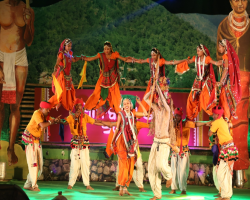
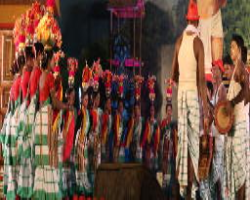
The Garasia Tribe represents one of India’s most fascinating indigenous communities, primarily found in the border regions of Rajasthan and Gujarat. This guide serves researchers, students, anthropologists, and anyone curious about India’s tribal heritage who wants to understand the rich cultural tapestry of the Garasia people.
The Garasia community has maintained its distinct identity for centuries while adapting to modern challenges. Their story spans from ancient origins rooted in Rajput lineage to contemporary struggles with development and cultural preservation.
We’ll explore the historical roots and geographic spread of the Garasia people across western India’s tribal belt. You’ll discover their unique social customs, traditional governance systems, and how they’ve organized their communities around clan structures. Finally, we’ll examine their economic practices – from traditional agriculture and animal husbandry to modern livelihood strategies – and the current issues they face in balancing cultural preservation with socioeconomic progress.
Origins and Historical Background of the Garasia People
Ancient tribal roots in the Aravalli Hills
The Garasia tribe traces its ancestry back thousands of years to the rugged terrain of the Aravalli Hills, one of India’s oldest mountain ranges. Archaeological evidence suggests that their forebears were among the earliest inhabitants of this region, developing a deep connection with the rocky landscapes, dense forests, and seasonal water sources that characterize their homeland.
The Aravalli range provided natural protection and abundant resources that shaped early Garasia settlements. Ancient cave paintings and stone tools discovered in the region point to a continuous tribal presence spanning millennia. The tribe’s oral traditions speak of their ancestors as warrior-farmers who understood the secrets of surviving in harsh, semi-arid conditions while maintaining their distinct cultural identity.
Migration patterns across Rajasthan and Gujarat
Over centuries, various Garasia clans spread across the border regions of Rajasthan and Gujarat, following ancient trade routes and seasonal migration paths. The tribe’s movement wasn’t random but followed logical patterns based on water availability, grazing lands, and agricultural opportunities.
The primary migration occurred in waves:
- First wave: Movement from core Aravalli regions toward the Sabarkantha district of Gujarat
- Second wave: Expansion into Sirohi and Udaipur districts of Rajasthan
- Third wave: Settlement in Pali and other adjoining areas
Each migration group adapted to local conditions while maintaining core Garasia customs. The tribe’s semi-nomadic lifestyle allowed them to move seasonally between different elevations, following monsoon patterns and agricultural cycles that sustained their communities for generations.
Historical interactions with neighboring communities
The Garasia people maintained complex relationships with surrounding tribal and non-tribal communities throughout history. They frequently interacted with Bhil, Meena, and Rabari communities, sharing trade relationships, marriage alliances, and sometimes territorial disputes.
Historical records from the Rajput kingdoms mention Garasia warriors serving as skilled fighters and guides through difficult terrain. Their knowledge of mountain passes and forest paths made them valuable allies during various conflicts. Some Garasia clans claim descent from Rajput warriors who retreated to the hills during medieval invasions, though this remains a topic of scholarly debate.
The British colonial period brought significant changes to traditional Garasia life. Colonial administrators classified them as a “scheduled tribe,” which provided certain protections but also imposed new administrative structures that sometimes conflicted with traditional governance systems.
Evolution of tribal identity through centuries
The Garasia tribal identity evolved through constant adaptation while preserving core cultural elements. Their social structure, religious practices, and community organization underwent gradual changes in response to external pressures and internal developments.
Key aspects of identity evolution include:
The Garasia tribe developed unique cultural practices that distinguished them from neighboring communities. Their marriage customs, particularly the tradition of bride price and inter-clan regulations, became defining characteristics. The tribe also maintained distinctive art forms, including their traditional dance forms and handicrafts that reflected their mountain heritage.
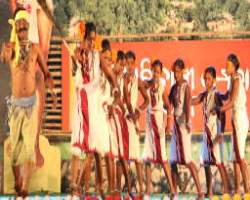
Religious syncretism played a major role in shaping modern Garasia identity. While maintaining reverence for ancestral spirits and natural forces, many communities gradually incorporated Hindu deities and festivals into their spiritual practices. This blending created a unique religious framework that satisfied both traditional beliefs and changing social expectations.
The 20th century brought rapid changes as government development programs, education initiatives, and economic opportunities began transforming traditional Garasia life. Despite these pressures, the tribe has shown remarkable resilience in preserving essential cultural elements while adapting to contemporary realities.
Geographic Distribution and Settlement Patterns
Primary Habitats in Mount Abu and Surrounding Regions
The Garasia tribe calls the rugged landscapes of Mount Abu and its surrounding areas home, with their settlements scattered across the Aravalli Range in southern Rajasthan. These communities have established their presence primarily in the Sirohi district, where the terrain shifts from desert plains to forested hills. The Garasia people have carved out their living spaces in areas that many would find challenging, but they’ve turned these rocky outcrops and steep slopes into thriving communities.
Villages typically sit at elevations ranging from 300 to 1,200 meters above sea level, taking advantage of the cooler temperatures and better rainfall patterns found at higher altitudes. The Abu Road region serves as a major hub for Garasia settlements, with dozens of villages dotting the landscape between Mount Abu and the Gujarat border. Water sources play a crucial role in determining where communities establish themselves, with many villages positioned near natural springs, streams, or areas where rainwater collection proves most effective.
Village Structures and Community Organization
Traditional Garasia villages follow a distinctive pattern that reflects both practical needs and cultural values. Houses cluster together on hillsides, connected by winding stone paths that navigate the natural contours of the land. Each village typically centers around a common area where community meetings take place and festivals are celebrated.
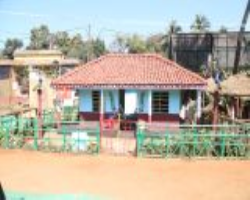
The physical layout of these settlements shows remarkable adaptation to the terrain:
- Terraced Construction: Houses are built on different levels, following the natural slope of hills
- Stone Architecture: Local stone and slate provide the primary building materials
- Compact Design: Villages maintain close-knit structures to foster community bonds
- Sacred Spaces: Small shrines and temples occupy prominent positions within settlements
Community organization revolves around extended family groups, with related families often living in adjacent compounds. Elder councils make important decisions affecting the entire village, while individual households manage their daily affairs independently. The Garasia maintain strong social bonds through shared responsibilities like maintaining water sources, organizing religious ceremonies, and protecting common grazing lands.
Adaptation to Hilly Terrain and Climate Conditions
Life in the Aravalli hills has shaped every aspect of Garasia culture, from their agricultural practices to their architectural choices. The tribe has developed sophisticated methods for dealing with the challenges of steep terrain, unpredictable rainfall, and rocky soil conditions.
Agricultural Adaptations:
- Terrace farming on hillsides maximizes limited arable land
- Crop rotation systems help maintain soil fertility
- Drought-resistant varieties of millet, maize, and pulses suit the climate
- Integration of livestock grazing with crop production
Water Management:
The Garasia have become experts at water conservation, building check dams, creating small reservoirs, and developing systems to capture and store monsoon rainfall. Traditional water harvesting techniques include constructing bunds across seasonal streams and creating community tanks that serve multiple households.
Climate Resilience:
These communities have learned to work with the region’s semi-arid climate, which brings intense heat in summer and unpredictable monsoons. House designs incorporate thick stone walls for insulation, while elevated granaries protect food stores from moisture and pests. The Garasia schedule their agricultural activities around the monsoon patterns, with backup strategies for years when rainfall falls short of expectations.
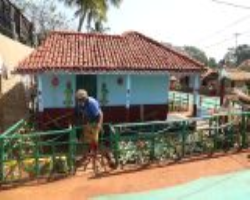
Their settlement patterns also reflect an understanding of microclimates within the hills, with villages positioned to take advantage of favorable wind patterns and protection from harsh weather conditions.
Cultural Traditions and Social Structure
Unique marriage customs and family systems
The Garasia tribe follows fascinating marriage traditions that set them apart from other communities. Their society practices both cross-cousin marriages and widow remarriage, showing remarkable flexibility in matrimonial customs. The most striking feature is their “Dhukiya” marriage system, where couples can live together temporarily before deciding on a permanent union.
Marriage negotiations involve elaborate discussions between families, with bride price typically paid in cattle, silver ornaments, or cash. The Garasia people organize marriages during specific seasons, usually after harvest when families have adequate resources. Young people enjoy considerable freedom in choosing their partners, though family approval remains important.
Their kinship system follows patrilineal descent, meaning children belong to their father’s clan. Extended families often live in joint households called “falias,” where multiple generations share resources and responsibilities. Women hold respected positions within the family structure, managing household affairs and participating in economic decisions.
Traditional festivals and religious practices
Garasia religious life centers around nature worship and ancestor veneration. Their primary deity is “Sitala Mata,” the goddess of health and protection, whom they honor during annual festivals. The community celebrates “Holi” with unique fervor, marking it as their most significant celebration where social barriers temporarily dissolve.
The “Fag” festival represents their cultural identity, featuring traditional songs, dances, and ritualistic offerings to ensure good harvests. During this time, the entire community gathers to perform collective prayers and share communal meals. Their religious practices blend Hindu influences with indigenous beliefs, creating a distinct spiritual tradition.
Sacred groves called “devrai” serve as worship centers where the community performs rituals for rain, fertility, and protection from diseases. These spaces remain protected by traditional taboos, contributing to environmental conservation.
Tribal governance and decision-making processes
The Garasia tribe maintains its traditional governance system through village councils called “Panchayats.” These assemblies consist of respected elders who handle disputes, make community decisions, and preserve social order. The council operates on consensus-building rather than majority rule, ensuring all voices receive consideration.
Each village typically has a headman called “Patel” who acts as the primary leader and represents the community in external matters. The Patel works alongside other officials like the “Kotwal” (village watchman) and “Bhagat” (priest) to manage various aspects of community life.
Women participate in certain decision-making processes, particularly those involving family matters and local disputes. The traditional justice system emphasizes reconciliation over punishment, with offenders often required to pay fines or perform community service.
Role of elders in preserving cultural heritage
Elderly members of the Garasia community serve as living libraries, carrying forward centuries-old traditions through oral storytelling and practical demonstrations. They teach younger generations about medicinal plants, traditional crafts, and ancestral customs that might otherwise disappear.
These cultural guardians organize regular gatherings where they share folklore, historical accounts, and moral teachings. Their stories often contain practical wisdom about agriculture, weather patterns, and social behavior that helps the community navigate modern challenges while maintaining their identity.
Elders also serve as cultural arbiters, deciding which modern influences to accept and which traditional practices to preserve. They play crucial roles during festivals and ceremonies, leading rituals and ensuring proper observance of customs.
Art forms including folk songs and dances
The Garasia people express their cultural richness through vibrant folk traditions that accompany every significant occasion. Their folk songs, known as “Geets,” narrate historical events, love stories, and seasonal celebrations. These musical traditions use simple instruments like drums, flutes, and string instruments made from local materials.
Traditional dances form integral parts of festivals and weddings. The “Walar” dance performed during Holi involves synchronized movements where men and women dance in circles, creating mesmerizing patterns. The “Ger” dance celebrates agricultural success and typically features harvest themes.
Their artistic expressions extend beyond music and dance to include intricate embroidery work, pottery, and wood carving. Women create beautiful textiles with geometric patterns that tell stories about their daily lives and spiritual beliefs. These art forms serve both decorative and functional purposes, reflecting the practical wisdom of the Garasia lifestyle.
Economic Activities and Livelihood Strategies
Traditional Agriculture and Farming Techniques
The Garasia Tribe has practiced sustainable agriculture for generations, adapting their farming methods to the challenging terrain of Rajasthan’s Aravalli hills. Their primary crops include maize, bajra (pearl millet), and wheat, which they cultivate using traditional techniques that work well in arid conditions.
These communities rely on rain-fed agriculture, making the monsoon season critical for their survival. They practice mixed cropping, planting different varieties together to maximize land use and reduce pest problems. Terraced farming on hillsides helps prevent soil erosion while creating more cultivable land from otherwise unusable slopes.
The Garasia people have developed unique water conservation methods, including building small check dams and creating channels to direct rainwater to their fields. They use organic fertilizers made from animal waste and compost, avoiding chemical inputs that many can’t afford anyway.
Animal Husbandry and Livestock Management
Livestock plays a crucial role in Garasia economic life, providing both immediate resources and long-term security. Families typically raise goats, cattle, and poultry, with goats being particularly important due to their adaptability to rough terrain and limited water sources.
Goat herding remains a primary occupation, with herders moving their animals between grazing areas based on seasonal patterns and fodder availability. This semi-nomadic approach helps prevent overgrazing while ensuring animals get adequate nutrition throughout the year.
Cattle serve multiple purposes – providing milk for consumption and sale, dung for fuel and fertilizer, and draft power for agricultural work. Women often manage poultry farming, raising chickens for eggs and occasional meat consumption, creating an additional income stream for households.
Forest-Based Occupations and Resource Utilization
The dense forests surrounding Garasia settlements provide numerous economic opportunities. Community members collect various non-timber forest products including honey, medicinal plants, fruits, and gum from trees. These items serve both household needs and generate income through local markets.
Many Garasia people work as forest laborers, participating in government reforestation programs and forest maintenance activities. This employment provides seasonal work opportunities, especially during monsoon months when agricultural activities slow down.
Traditional knowledge about forest resources remains strong among older generations, who identify valuable plants for medicine, food, and craft materials. However, increasing forest regulations and conservation efforts sometimes limit access to resources that families have traditionally depended upon.
Modern Employment Opportunities and Challenges
Younger Garasia tribe members increasingly seek employment outside traditional occupations, working in nearby towns as daily wage laborers, in construction, or small businesses. Education levels are rising, opening doors to government jobs and skilled positions, though opportunities remain limited in rural areas.
Migration to urban centers for work has become common, with family members sending money back to support relatives. This creates mixed outcomes – providing needed income but also weakening traditional community structures and cultural practices.
Access to modern markets remains challenging due to poor transportation infrastructure and limited connections to wider economic networks. Many families struggle to get fair prices for their agricultural products and livestock, often selling through intermediaries who take significant portions of profits.
Government programs aimed at tribal development have introduced new livelihood options, including skill training programs and small business loans, though implementation and accessibility vary significantly across different Garasia settlements.
Language and Communication Systems
Garasia Dialect Characteristics and Variations
The Garasia language belongs to the Indo-Aryan language family and represents a unique linguistic blend that reflects the tribe’s complex historical interactions with surrounding communities. This dialect shows remarkable diversity across different Garasia settlements, with distinct variations found in Rajasthan, Gujarat, and Madhya Pradesh regions.
Regional variations in the Garasia dialect are quite pronounced. The Rajasthani Garasia communities speak a version heavily influenced by Mewari and other Rajasthani dialects, while those in Gujarat incorporate Gujarati linguistic elements. The Madhya Pradesh Garasia populations maintain dialectical features that show connections to Bhili languages.
Phonetically, the Garasia dialect exhibits several distinctive characteristics:
- Retroflex consonants are common, particularly in words related to traditional occupations
- Vowel systems vary significantly between mountain and plain-dwelling communities
- Tonal variations help distinguish meaning in certain contexts
- Sound shifts from standard Hindi are consistent within specific geographic clusters
The vocabulary includes numerous archaic terms preserved through oral transmission, particularly words related to traditional farming, forest resources, and ceremonial practices. Many of these terms have no direct equivalents in Hindi or regional languages, making them valuable markers of Garasia cultural identity.
Oral Traditions and Storytelling Practices
Storytelling serves as the primary vehicle for cultural transmission among the Garasia Tribe. Elders hold the responsibility of preserving and sharing community knowledge through elaborate narrative traditions that blend historical accounts, moral lessons, and entertainment.
Traditional Garasia stories fall into several categories:
Mythological Tales: Stories explaining the creation of their community, relationships with local deities, and connections to the natural world. These narratives often feature animal characters and supernatural beings that interact with human ancestors.
Historical Chronicles: Oral accounts of migrations, conflicts with neighboring groups, and significant events that shaped community identity. These stories provide genealogical information and maintain collective memory of important family lineages.
Moral Instruction Stories: Tales designed to teach proper behavior, social values, and cultural norms to younger generations. These often feature protagonists who face moral dilemmas and must choose between personal gain and community welfare.
Seasonal Narratives: Stories tied to agricultural cycles, festival celebrations, and ceremonial occasions. These narratives help maintain cultural calendar awareness and seasonal activity coordination.
The storytelling tradition follows specific protocols. Senior community members typically share stories during evening gatherings, religious festivals, and important life events like marriages or naming ceremonies. The narrative style incorporates repetitive phrases, rhythmic speech patterns, and audience participation elements that enhance memory retention.
Women play crucial roles in preserving certain types of stories, particularly those related to domestic life, child-rearing practices, and herbal knowledge. Their storytelling often occurs during daily activities like cooking, weaving, or grain processing, creating informal educational environments.
Impact of Hindi and Regional Languages
The introduction of Hindi as India’s national language and the influence of dominant regional languages have created significant changes in Garasia communication patterns. Younger generations increasingly use Hindi for education, government interactions, and employment opportunities outside traditional community boundaries.
This linguistic shift creates a complex multilingual environment within Garasia communities:
Educational policies requiring Hindi literacy have accelerated language change among school-age children. Many young Garasias demonstrate greater fluency in Hindi than in their ancestral dialect, creating communication gaps between generations. This shift affects the transmission of traditional knowledge systems that rely heavily on dialect-specific terminology.
Regional languages like Gujarati, Rajasthani, and local Bhili dialects continue influencing Garasia speech patterns through daily interactions with neighboring communities. Market transactions, seasonal labor migration, and inter-community marriages introduce new vocabulary and grammatical structures into traditional Garasia usage.
The impact extends beyond vocabulary to include changes in social interaction patterns. Traditional protocols for addressing elders, conducting ceremonies, and expressing respect often require specific Garasia phrases that younger speakers may not fully understand. This linguistic erosion affects cultural practice continuity and community cohesion.
Code-switching between languages has become common, with speakers mixing Garasia, Hindi, and regional language elements within single conversations. While this demonstrates adaptive linguistic flexibility, it also indicates the gradual transformation of traditional communication systems that once served as primary markers of Garasia identity.
Contemporary Challenges and Development Issues
Educational access and literacy initiatives
The Garasia tribe faces significant hurdles in accessing quality education, with literacy rates remaining well below national averages. Remote village locations make it difficult for children to reach schools, often requiring long walks through challenging terrain. Many families depend on children’s labor for daily survival, creating a difficult choice between immediate economic needs and long-term educational benefits.
Government initiatives have established primary schools in some Garasia settlements, but teacher absenteeism and lack of infrastructure remain persistent problems. The language barrier presents another challenge, as instruction typically occurs in Hindi or regional languages rather than the Garasia mother tongue. This disconnect often leads to high dropout rates, particularly among girls who face additional cultural restrictions.
Recent programs focus on mobile education units and residential schools designed specifically for tribal communities. These initiatives show promise, but success depends heavily on community buy-in and addressing practical concerns like nutrition, transportation, and cultural sensitivity in curriculum design.
Healthcare availability in remote areas
Medical services reach Garasia communities sporadically, leaving many without access to basic healthcare. The nearest hospitals often lie hours away by foot or unreliable transportation, making emergency care particularly challenging. Traditional healers continue to play vital roles in community health, but their knowledge alone cannot address complex medical conditions or preventable diseases.
Maternal and child health outcomes reflect these access issues, with higher rates of infant mortality and complications during childbirth compared to urban populations. Vaccination campaigns face logistical hurdles, and many children miss crucial immunizations due to irregular healthcare worker visits.
Mobile medical units and community health worker programs have made some progress in recent years. These initiatives train local Garasia members to provide basic health education and connect their communities with formal medical services. Telemedicine projects show potential for bridging gaps, though reliable electricity and internet connectivity remain prerequisites.
Infrastructure development needs
Basic infrastructure remains inadequate across most Garasia settlements. Clean water access varies dramatically between communities, with some relying on contaminated sources that contribute to waterborne diseases. Electricity reaches only a fraction of villages, limiting opportunities for education, communication, and economic development.
Road connectivity presents ongoing challenges, with many communities accessible only by foot paths that become impassable during monsoon seasons. This isolation affects not just daily life but also emergency services, market access, and government program implementation.
Recent government schemes target tribal areas specifically, but implementation often falls short due to difficult terrain, bureaucratic delays, and insufficient community consultation during planning phases.
Balancing modernization with cultural preservation
The Garasia tribe stands at a crossroads between embracing beneficial aspects of modernization while protecting their cultural identity. Younger generations increasingly migrate to cities for education and employment, creating generational gaps in traditional knowledge transfer. This urban migration brings economic benefits but weakens community bonds and cultural practices.
Language preservation faces particular pressure as Hindi and English become essential for economic opportunities. Traditional arts, crafts, and storytelling traditions risk disappearing without active efforts to document and teach them to younger members.
Technology adoption presents both opportunities and challenges. Mobile phones and internet access can connect communities with markets and services, but they also introduce outside influences that may conflict with traditional values. Finding the right balance requires community-led decision-making that prioritizes Garasia voices in determining their own development path.
Successful preservation efforts often involve collaborations between tribal elders, younger community members, and sympathetic outsiders who respect Garasia autonomy. These partnerships can help document traditions, create economic opportunities based on cultural assets, and ensure that development truly serves community interests rather than external agendas.
The Garasia tribe represents a unique blend of ancient traditions and modern adaptability. From their rich historical roots to their current settlement patterns across specific regions, these communities have maintained their distinct cultural identity through generations. Their social structures, economic practices centered around agriculture and traditional crafts, and preservation of their native language showcase a people deeply connected to their heritage.
Today’s Garasia communities face the same pressures many indigenous groups encounter – balancing cultural preservation with economic development and educational opportunities. Supporting these communities means recognizing their valuable contributions to India’s cultural diversity while helping them access resources that can improve their quality of life. Learning about tribes like the Garasia helps us appreciate the incredible variety of human experiences and reminds us why protecting indigenous cultures matters for everyone.
