
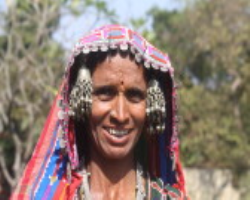
The Naga Tribe represents one of India’s most fascinating indigenous communities, spread across the northeastern states of Nagaland, Manipur, and parts of Myanmar. This guide serves students, cultural enthusiasts, and travelers who want to understand the authentic traditions and contemporary realities of the Naga people.
You’ll discover their vibrant festival celebrations that bring entire villages together in colorful displays of dance, music, and ancestral worship. We’ll also explore their remarkable craftsmanship, from intricate handwoven textiles to traditional wood carvings that tell stories passed down through generations. Finally, we’ll examine how these communities balance preserving their ancient customs while adapting to modern challenges like globalization and urbanization.
Discover the Rich Heritage and Cultural Identity of the Naga People
Explore the Ancient Origins and Migration Patterns
The Naga people trace their roots back thousands of years, with archaeological evidence suggesting their ancestors migrated from Southeast Asia through ancient trade routes. These early settlers moved across the rugged terrain of what is now Northeast India and Myanmar, establishing communities that would evolve into the distinct Naga identity we recognize today.
The migration patterns reveal fascinating connections to broader Tibeto-Burman populations. Archaeological findings in Nagaland show evidence of settled agriculture dating back to 1000 BCE, indicating these weren’t nomadic wanderers but skilled farmers who understood how to work with challenging mountainous terrain. Stone tools, pottery fragments, and terraced agricultural systems speak to sophisticated communities that adapted remarkably well to their environment.
Different Naga groups likely arrived at various times, which explains the incredible diversity within the broader Naga identity. Some oral traditions speak of journeys from the east, following river valleys and mountain passes. These stories, passed down through generations, often mention specific landmarks and seasonal migration patterns that helped early communities navigate treacherous terrain.
The strategic location of Naga territories along ancient trade routes connecting India with Southeast Asia influenced their cultural development significantly. This positioning exposed them to various influences while allowing them to maintain their distinct cultural practices and beliefs.
Understand the Diverse Linguistic Groups and Dialects
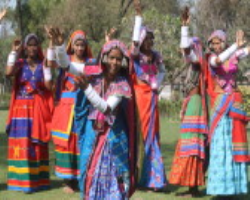
The linguistic landscape of the Naga Tribe presents one of the most complex language families in the world. Over 60 distinct languages and dialects exist within Naga communities, creating a rich tapestry of communication that reflects the deep cultural diversity among different groups.
Most Naga languages belong to the Tibeto-Burman family, but the variations are striking. Major language groups include Angami, Ao, Konyak, Lotha, Sumi, Chakhesang, and many others. Each language often has multiple dialects that can vary significantly from village to village, sometimes making communication challenging even between neighboring communities.
This linguistic diversity creates unique challenges and opportunities. While it preserves ancient cultural knowledge embedded in each language, it also requires creative solutions for broader communication. Many Naga communities are multilingual, speaking their native language, neighboring dialects, and often Hindi or English for wider communication.
The oral tradition remains strong across all linguistic groups. Stories, songs, and cultural knowledge pass through generations in native languages, preserving nuances that translation cannot capture. This linguistic heritage represents living libraries of traditional knowledge, environmental wisdom, and cultural practices.
Learn About Traditional Clan Systems and Social Structure
Traditional Naga society operates on sophisticated clan-based systems that have governed communities for centuries. These systems create intricate networks of relationships, responsibilities, and cultural practices that bind communities together while maintaining distinct group identities.
Clans typically trace their lineage through paternal lines, though some groups follow maternal descent. Each clan has specific totems, often animals or natural elements, that hold spiritual significance and guide social behavior. Members of the same clan cannot marry, ensuring genetic diversity while strengthening inter-clan relationships through marriage alliances.
The social hierarchy varies among different Naga groups but generally includes several key positions:
- Chiefs or village leaders who make important decisions and settle disputes
- Elder councils that provide wisdom and guidance on traditional matters
- Clan heads responsible for specific family groups
- Ritual specialists who maintain spiritual traditions
- Age groups that organize social and ceremonial activities
Village organization reflects democratic principles where community decisions involve extensive discussion and consensus-building. Chiefs typically inherit their positions, but their authority depends on community support and wise leadership. Poor decisions can lead to loss of influence or even removal from leadership roles.
Property rights, marriage customs, and conflict resolution all operate within clan frameworks. Land ownership often remains communal, with clans managing territory collectively. This system has proven remarkably effective at resource management and environmental conservation, as clans take long-term responsibility for their ancestral lands.
The integration of traditional clan systems with modern governance creates interesting dynamics. Many communities blend ancient decision-making processes with contemporary administrative requirements, finding ways to honor traditional authority while participating in broader political structures.
Experience the Vibrant Festivals and Sacred Rituals
Witness the Spectacular Hornbill Festival Celebrations
The Hornbill Festival stands as the crown jewel of Naga cultural celebrations, earning its reputation as the “Festival of Festivals.” Held annually in Nagaland’s capital, Kohima, this December extravaganza brings together all Naga tribes under one vibrant umbrella. The festival showcases the incredible diversity within the Naga community, with each tribe presenting their unique cultural identity through traditional dances, music, and storytelling.
Visitors are treated to a sensory feast as warriors adorned in elaborate feathered headdresses and intricate beadwork perform ancient war dances. The rhythmic beating of log drums echoes across the festival grounds while traditional folk songs tell stories of valor, love, and ancestral wisdom. Local artisans display their craftsmanship through bamboo and cane work, wood carving, and traditional weaving demonstrations.
The festival’s name honors the hornbill bird, considered sacred by many Naga tribes and symbolizing the folklore and traditions that bind these communities together. Food stalls offer authentic Naga cuisine, including smoked pork, fermented bamboo shoots, and the famously spicy bhut jolokia peppers. Traditional games like wrestling, indigenous sports competitions, and archery contests add excitement to the celebrations.
Participate in Harvest Festivals and Seasonal Ceremonies
Agricultural rhythms deeply influence Naga ceremonial life, with harvest festivals marking the most significant celebrations throughout the year. Each tribe observes their own version of these seasonal ceremonies, celebrating the successful completion of agricultural cycles and expressing gratitude to ancestral spirits and nature deities.
The Aoling festival of the Konyak tribe celebrates the arrival of spring and marks the beginning of the agricultural season. During this time, communities come together to seek blessings for abundant harvests while young people participate in traditional courtship rituals. The festival features elaborate feasts, traditional games, and community bonding activities that strengthen tribal unity.
Moatsu, celebrated by the Ao tribe after sowing season, focuses on purification and community harmony. The festival involves cleaning homes, settling disputes, and performing rituals to ward off evil spirits. Similarly, the Sekrenyi festival of the Angami tribe serves as a purification ceremony, where communities engage in ritual cleansing and seek divine blessings for prosperity.
These harvest celebrations typically span multiple days and involve the entire community. Families prepare traditional delicacies, elders share ancient wisdom through storytelling, and young people learn cultural practices through active participation. The festivals serve dual purposes: honoring agricultural traditions and maintaining social cohesion within tribal communities.
Observe Sacred Headhunting Traditions and Their Modern Adaptations
The historical practice of headhunting among certain Naga tribes represents one of the most complex and misunderstood aspects of their cultural heritage. Once deeply embedded in tribal warfare and spiritual beliefs, headhunting was connected to concepts of valor, protection of territory, and ensuring agricultural fertility through spiritual means.
Traditional beliefs held that taking an enemy’s head transferred their life force and spiritual power to the warrior and his community. Successful headhunters gained significant social status and were believed to ensure their village’s prosperity and protection from evil spirits. The practice was also linked to coming-of-age rituals for young men, marking their transition to full membership in warrior society.
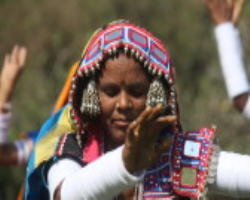
Modern Naga communities have completely abandoned actual headhunting while preserving its cultural symbolism through festival performances and traditional narratives. Contemporary celebrations feature symbolic reenactments where dancers carry decorative replicas instead of actual trophies. These performances help younger generations understand their ancestors’ warrior heritage while promoting the cultural values of courage and community protection in peaceful contexts.
Many Naga elders now serve as cultural ambassadors, explaining the historical context of these traditions to visitors and researchers while emphasizing how their communities have evolved beyond violent practices while maintaining cultural pride and identity.
Understand the Role of Shamanism in Daily Life
Shamanism continues to play a vital role in many Naga communities, serving as a bridge between the physical and spiritual worlds. Traditional shamans, known by different names across various tribes, act as healers, spiritual guides, and intermediaries with ancestral spirits and nature deities.
These spiritual practitioners combine herbal medicine knowledge with ritual healing practices, treating both physical ailments and spiritual imbalances. Shamans conduct ceremonies for important life events including births, marriages, and deaths, ensuring proper spiritual protocols are followed and community harmony is maintained.
Daily spiritual practices often involve offerings to household spirits and ancestral altars. Families regularly consult shamans for guidance on agricultural timing, conflict resolution, and protection from malevolent spirits. The shamanic tradition encompasses a deep understanding of local ecology, as practitioners must know which plants, animals, and natural formations hold spiritual significance.
Modern Naga shamanism has adapted to contemporary challenges while maintaining core spiritual principles. Some shamans now work alongside conventional medical practitioners, offering complementary healing approaches that address both physical and psychological well-being. This integration demonstrates how traditional spiritual practices continue evolving while remaining relevant to community needs and maintaining cultural authenticity.
Master Traditional Crafts and Artistic Expressions
Create Intricate Handwoven Textiles and Shawls
The Naga people have perfected the art of handwoven textiles over countless generations, creating stunning pieces that tell stories through their intricate patterns and vibrant colors. Each Naga sub-tribe has developed distinct weaving traditions, with specific motifs and color combinations that identify their cultural heritage and social status within the community.
Traditional Naga shawls, known as “mekhala” and “chador,” showcase remarkable craftsmanship through geometric patterns that often represent local flora, fauna, and spiritual symbols. Women typically handle the weaving process using backstrap looms, a technique passed down through family lines. The cotton and silk threads are often dyed using natural materials like turmeric, indigo, and various plant extracts, creating rich earth tones and brilliant reds that have become synonymous with Naga textiles.
The most prized pieces feature intricate supplementary weft patterns that can take months to complete. Warriors’ shawls traditionally display specific motifs that indicate their achievements in battle or hunting, while ceremonial garments reserved for festivals include elaborate designs with mythical creatures and ancestral symbols.
Learn Wood Carving and Bamboo Craft Techniques
Bamboo holds special significance in Naga culture, serving both practical and artistic purposes in daily life. Master craftsmen shape this versatile material into everything from functional household items to decorative sculptures that adorn village homes and community spaces.
Traditional Naga wood carving focuses primarily on creating ceremonial items, architectural elements, and religious artifacts. Skilled artisans use locally sourced timber like teak and oak to craft intricate totem poles, house posts, and decorative panels that feature stylized animal forms and geometric patterns. The famous Naga head-hunting traditions influenced many carved designs, with warrior motifs and trophy representations appearing frequently in older pieces.
Bamboo crafting techniques include:
- Basket weaving for storage and transport
- Musical instrument construction like bamboo flutes and drums
- Architectural elements such as wall panels and roofing materials
- Decorative items including lamp shades and room dividers
Young craftspeople learn these skills through apprenticeships with village elders, ensuring traditional techniques survive alongside modern innovations.
Appreciate Traditional Jewelry Making with Beads and Metals
Naga jewelry represents more than personal adornment – each piece carries cultural significance and often indicates the wearer’s tribal affiliation, social status, and personal achievements. Traditional jewelry makers work primarily with brass, silver, and an array of colorful beads to create elaborate necklaces, earrings, and ceremonial ornaments.
The iconic Naga necklace features multiple strands of coral, amber, and glass beads arranged in specific patterns that vary between different tribal groups. Brass and silver elements often include hammered medallions, geometric pendants, and miniature replicas of traditional weapons or tools. Some pieces incorporate animal teeth, claws, and bones from hunted game, connecting the jewelry directly to the wearer’s prowess and connection with nature.
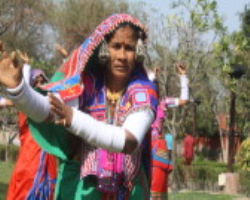
Women’s jewelry tends to be more elaborate, with heavy necklaces and multiple ear ornaments that can weigh several pounds when worn during festivals. Men’s jewelry focuses on functional pieces like armbands and chest ornaments that complement their traditional attire while allowing freedom of movement during dances and ceremonies.
Explore Folk Music and Dance Performances
Naga folk music and dance form the heartbeat of tribal celebrations, with each performance telling ancestral stories and preserving oral traditions through rhythm and movement. Traditional instruments include log drums, bamboo flutes, gongs, and stringed instruments that create the distinctive soundscape accompanying Naga cultural events.
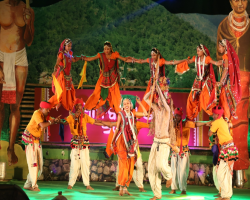
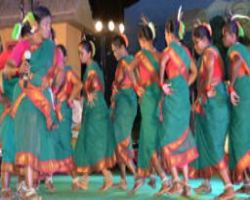
Dance performances vary dramatically between tribal groups, but common elements include synchronized movements that mimic hunting activities, agricultural cycles, and spiritual ceremonies. The famous war dance features aggressive, energetic movements with dancers wielding traditional weapons and shields, while harvest dances incorporate graceful, flowing motions that celebrate the earth’s abundance.
Community participation plays a central role in Naga musical traditions. Village festivals bring together multiple generations to perform ancient songs that have been preserved through oral transmission. These performances often last for hours or even days, with different songs marking specific moments in ceremonies or seasonal celebrations.
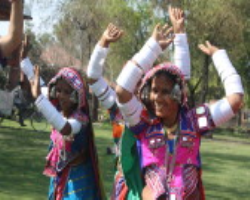
The costumes worn during these performances showcase the full range of Naga artistic expression, combining handwoven textiles, traditional jewelry, and elaborate headdresses featuring feathers, horns, and carved ornaments that transform dancers into living representations of their cultural heritage.
Understand Modern Challenges and Cultural Preservation Efforts
Navigate the Impact of Modernization on Traditional Lifestyles
The Naga tribe faces a complex balancing act as modern influences reshape centuries-old traditions. Traditional farming practices, once central to Naga identity, compete with industrial agriculture and urban employment opportunities. Many young Nagas now pursue careers in technology, government, and business, creating a generational divide that challenges the continuity of ancestral knowledge.
Digital connectivity has transformed communication patterns within Naga communities. While smartphones and internet access provide educational opportunities and economic connections, they also introduce outside cultural influences that can dilute traditional practices. Sacred rituals and storytelling traditions risk being overshadowed by global entertainment and social media platforms.
The shift from traditional governance structures to modern administrative systems has altered decision-making processes in Naga villages. Customary laws that once governed land use, resource management, and social relationships now coexist uneasily with state regulations and constitutional frameworks.
Language preservation represents another critical challenge. English education, while opening doors to broader opportunities, sometimes comes at the expense of native Naga dialects. Many children now speak their mother tongue less fluently than previous generations, threatening the oral traditions that carry cultural wisdom and historical narratives.
Housing styles have also evolved dramatically. Traditional wooden houses with distinctive architectural features are being replaced by concrete structures that offer modern conveniences but lack cultural significance. This transformation reflects broader changes in lifestyle preferences and economic priorities within Naga communities.
Support Educational Initiatives for Youth
Educational programs specifically designed for Naga youth focus on creating bridges between traditional knowledge and contemporary skills. Community-run schools incorporate local history, traditional crafts, and indigenous farming techniques alongside standard academic curricula. These initiatives ensure young people understand their cultural heritage while preparing for modern careers.
Scholarship programs help talented Naga students access higher education opportunities that were previously unavailable. Universities now offer courses in tribal studies, allowing students to research and document their own cultural practices academically. This approach transforms young Nagas from passive recipients of outside education into active preservers and interpreters of their heritage.
Mentorship networks connect successful Naga professionals with younger community members, providing guidance on navigating career paths while maintaining cultural identity. These relationships help bridge the gap between traditional community values and modern professional expectations.
Digital literacy programs teach technical skills while emphasizing how technology can serve cultural preservation goals. Young people learn to create websites, document traditional practices through video, and use social media platforms to share Naga culture with broader audiences.
Vocational training centers focus on sustainable skills that honor traditional practices while generating income. Programs in organic farming, traditional textile production, and eco-tourism provide alternatives to urban migration while keeping young people connected to their ancestral lands.
Promote Sustainable Tourism and Economic Development
Sustainable tourism initiatives showcase Naga culture while providing economic benefits to local communities. Village-based tourism programs allow visitors to experience authentic daily life, participate in traditional activities, and learn directly from community members. These programs generate income while incentivizing the preservation of cultural practices that attract tourists.
Craft cooperatives connect traditional artisans with global markets, creating economic incentives for maintaining ancestral skills. Online platforms now sell Naga textiles, woodwork, and jewelry worldwide, transforming traditional crafts from subsistence activities into viable businesses.
Eco-tourism projects highlight the natural beauty of Naga territories while promoting environmental conservation. Guided treks through traditional hunting grounds, bird-watching expeditions, and organic farming experiences appeal to environmentally conscious travelers seeking authentic cultural encounters.
Cultural festivals have evolved into significant tourism attractions that celebrate Naga heritage while generating revenue for host communities. These events create platforms for cultural exchange while providing performance opportunities for traditional dancers, musicians, and storytellers.
Sustainable development projects emphasize community ownership and environmental responsibility. Solar power installations, organic farming cooperatives, and water conservation systems provide modern conveniences while respecting traditional relationships with the natural environment. These initiatives demonstrate how the Naga can embrace progress without abandoning their fundamental values.
Explore the Unique Geography and Settlement Patterns
Discover Hill Station Villages and Architectural Styles
The Naga Tribe inhabits some of the most spectacular mountainous terrain in Northeast India, where villages perch dramatically on hilltops and ridges at elevations ranging from 1,000 to 3,000 feet above sea level. These strategic locations served dual purposes throughout history – providing natural defense against invaders and offering commanding views of surrounding valleys.
Traditional Naga architecture reflects both practical needs and cultural values. Houses typically feature steep-pitched roofs designed to shed heavy monsoon rains, with walls constructed from bamboo, wood, and stone depending on local availability. The iconic Naga longhouse, called “morung” in some dialects, stands as the architectural centerpiece of many villages. These communal structures house multiple families and serve as social gathering spaces.
Village layouts follow ancient patterns that respect both topography and spiritual beliefs. Central squares provide venues for festivals and ceremonies, while granaries occupy elevated positions to protect precious rice stores from floods and pests. The chief’s house often sits at the village’s highest point, symbolizing leadership and offering protection to the community below.
Modern Naga settlements blend traditional elements with contemporary needs. Concrete and corrugated iron have joined bamboo and thatch as building materials, yet many communities maintain architectural guidelines that preserve their cultural identity while accommodating modern conveniences.
Learn About Agricultural Practices and Terraced Farming
Naga agricultural practices showcase remarkable adaptation to challenging mountain terrain through sophisticated terraced farming systems developed over centuries. These terraces, carved into steep hillsides, prevent soil erosion while maximizing arable land in areas where flat ground is scarce.
Rice cultivation forms the backbone of Naga agriculture, with varieties specially adapted to different elevations and rainfall patterns. Wet rice terraces dominate valley floors and gentler slopes, while dry rice cultivation occurs on steeper terrain. The Naga have developed over 40 indigenous rice varieties, each suited to specific microclimates and soil conditions.
Beyond rice, Naga farmers cultivate millet, maize, beans, and vegetables using rotational farming methods that maintain soil fertility. Jhum cultivation, a traditional slash-and-burn technique, involves clearing forest plots, burning vegetation for nutrients, and allowing land to regenerate after 2-3 years of cultivation.
Community cooperation plays a vital role in agricultural success. Village members work together during planting and harvesting seasons, sharing labor and ensuring no family faces food shortage. Traditional agricultural festivals mark important farming milestones and reinforce community bonds.
Understand the Connection Between Land and Spiritual Beliefs
For the Naga Tribe, land represents far more than agricultural resources – it embodies ancestral connections, spiritual power, and cultural identity. Sacred groves dot the landscape, protecting biodiversity while serving as sites for important rituals and ceremonies. These protected areas remain untouched by cultivation, preserving ancient forests that harbor medicinal plants and wildlife.
Village boundaries carry deep spiritual significance, often marked by stone monuments or sacred trees that ancestors consecrated generations ago. Crossing these boundaries requires proper rituals and permissions, reflecting the belief that land holds spiritual energy that must be respected and preserved.
Traditional land ownership among the Naga follows community-based systems rather than individual property rights. Clans and villages collectively manage territories, making decisions about resource use through councils of elders who consider both practical needs and spiritual implications. This system has protected vast forest areas from overexploitation while ensuring equitable access to resources.
Ancestral burial grounds receive special reverence, with many villages maintaining these sites for hundreds of years. The Naga believe ancestors continue to watch over their descendants from these sacred places, influencing crop success, village prosperity, and community wellbeing.
Seasonal festivals align with agricultural cycles, celebrating connections between human communities, the land, and spiritual forces. Harvest festivals thank the earth for its bounty while seeking blessings for future crops, reinforcing the sacred relationship between people and place.
Experience the Biodiversity of Naga Territories
Naga territories encompass some of India’s most biodiverse regions, where tropical and temperate ecosystems create habitats for thousands of plant and animal species. The dramatic elevation changes across Naga lands support multiple climate zones within relatively small areas, from subtropical valleys to temperate highlands.
Forests covering Naga territories include tropical evergreen forests, subtropical pine forests, and temperate deciduous woods. These diverse ecosystems harbor over 2,000 plant species, including numerous medicinal plants that traditional healers have used for generations. Orchids flourish in this environment, with over 150 species documented in Naga areas.
Wildlife diversity reflects the region’s position at the convergence of Indian and Southeast Asian biogeographic zones. Tigers, leopards, and Asian elephants roam lower elevations, while rare species like hoolock gibbons and slow lorises inhabit forest canopies. Bird diversity exceeds 400 species, including hornbills that hold special cultural significance for many Naga communities.
Traditional Naga conservation practices have protected this biodiversity through community-managed forests and hunting regulations passed down through generations. Many villages designate specific forest areas as off-limits during breeding seasons, allowing wildlife populations to recover and reproduce.
Rivers flowing through Naga territories support freshwater fish species that provide protein for local communities while maintaining aquatic ecosystem health. Traditional fishing methods using bamboo traps and community fishing days ensure sustainable harvests while preserving water quality for downstream communities.
The Naga people have built an incredible legacy that spans generations, weaving together vibrant festivals, sacred traditions, and masterful craftsmanship that continues to thrive today. From their colorful celebrations that bring entire communities together to their intricate weaving and wood carving techniques, the Nagas have created a cultural tapestry that’s both deeply rooted in history and beautifully alive in the present. Their unique relationship with the land they call home has shaped not just where they live, but how they live, creating settlement patterns that reflect their values and way of life.
The challenges facing Naga communities today are real, but so is their determination to keep their culture strong for future generations. Young Nagas are finding creative ways to honor their ancestors while adapting to modern life, proving that tradition and progress can walk hand in hand. If you’re curious about indigenous cultures or simply want to learn about a remarkable group of people, take some time to explore more about the Naga tribes – their stories, struggles, and successes offer valuable lessons about community, identity, and the power of cultural pride.
