

The Hill Maria Tribe represents one of India’s most fascinating indigenous communities, living deep in the forests of Chhattisgarh and maintaining traditions that stretch back centuries. This guide is perfect for students, researchers, cultural enthusiasts, and anyone curious about tribal communities who want to understand the rich heritage and current reality of the Hill Maria people.
We’ll explore their ancient origins and how they’ve preserved their identity through generations of change. You’ll discover their unique cultural practices, from traditional festivals to their distinctive social organization that governs daily life. We’ll also look at the modern challenges facing the Hill Maria Tribe today, including how government programs are working to support their communities while respecting their cultural autonomy.
Origins and Historical Background of the Hill Maria People
Ancient migration patterns and settlement in Central India
The Hill Maria Tribe traces its roots to ancient Dravidian populations who migrated across the Indian subcontinent thousands of years ago. Archaeological evidence suggests these communities moved northward from the Deccan plateau, eventually establishing themselves in the dense forests of present-day Chhattisgarh and parts of Maharashtra. The rugged terrain of the Bastar region, with its natural barriers and abundant forest resources, provided an ideal sanctuary for these early settlers.
The Hill Maria people chose the elevated areas of the Abujhmar hills, where the challenging topography offered protection from external invasions and allowed them to maintain their distinct cultural practices. Their settlement patterns reflected a deep understanding of the local ecosystem – they built their villages on hilltops and slopes, taking advantage of natural water sources and fertile pockets of land suitable for shifting cultivation.
Evolution from nomadic to settled agricultural communities
Originally, the Hill Maria lived as semi-nomadic forest dwellers who relied heavily on hunting, gathering, and seasonal migration patterns. They moved through the forest territories following animal migrations and the availability of forest produce like honey, roots, and medicinal plants. This mobility allowed them to exploit different ecological niches throughout the year.
Over centuries, the Hill Maria gradually transitioned to more settled agricultural practices while maintaining their forest connections. They developed sophisticated techniques for hill cultivation, creating terraced fields on steep slopes and practicing rotational farming methods that preserved soil fertility. Their agricultural calendar became deeply intertwined with forest cycles, combining crop cultivation with continued forest resource collection.
This shift wasn’t abrupt but happened over generations as population growth and environmental changes made pure nomadism less sustainable. The community developed permanent settlements while retaining seasonal camps for specific activities like honey collection or hunting expeditions.

Role in regional trade networks and cultural exchanges
Despite their reputation for isolation, the Hill Maria participated in extensive regional trade networks that connected forest communities with plains settlements. They served as crucial intermediaries in the trade of forest products, particularly non-timber forest produce like lac, honey, medicinal plants, and bamboo products. These materials were highly valued in regional and even distant markets.
The Hill Maria developed specialized knowledge of forest resources that made them indispensable partners in regional commerce. They established trade relationships with neighboring tribal groups like the Muria and Dhruva, as well as with plains-based merchants and craftsmen. These exchanges brought new technologies, crops, and cultural practices into Hill Maria society.
Cultural exchanges through trade relationships influenced Hill Maria art, music, and religious practices. They adopted certain agricultural techniques and tools from neighboring communities while sharing their own expertise in forest management and sustainable harvesting practices. Marriage alliances with other tribal groups also facilitated cultural diffusion.
Impact of colonial period on tribal identity
British colonial administration dramatically altered the traditional lifestyle of the Hill Maria Tribe. The introduction of the Forest Act and land revenue systems disrupted their customary rights to forest resources and traditional territories. Colonial authorities viewed the tribe’s shifting cultivation practices as primitive and environmentally destructive, leading to restrictions on their agricultural methods.
The establishment of reserved forests severely limited the Hill Maria’s access to traditional hunting grounds and gathering areas that had sustained them for generations. Many community members were forced to work as laborers in colonial plantations or timber operations, fundamentally changing their relationship with the forest ecosystem.
Colonial ethnographers and administrators often misunderstood Hill Maria social structures and governance systems, imposing external frameworks that didn’t align with traditional practices. The British tendency to categorize and classify tribal groups led to rigid ethnic boundaries that hadn’t existed before, affecting inter-tribal relationships and cultural exchanges.
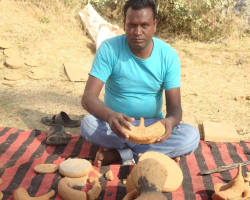
Despite these challenges, the Hill Maria maintained core aspects of their cultural identity through resistance and adaptation. They preserved their language, religious practices, and social customs while selectively adopting elements that helped them navigate the colonial system. This period of upheaval strengthened community bonds and reinforced their distinct identity as forest people with unique traditions and knowledge systems.
Geographic Distribution and Natural Habitat
Primary settlements across Chhattisgarh and surrounding regions
The Hill Maria tribe calls the rugged highlands of Bastar district in Chhattisgarh their ancestral home. Their main settlements stretch across the Abujhmarh region, particularly concentrated in areas like Narayanpur, Orchha, and parts of Kanker district. This remote territory covers roughly 4,000 square kilometers of dense forest and hilly terrain that has remained largely untouched by modern development.
The Hill Maria people have established their villages strategically on elevated plateaus and hillsides, taking advantage of natural water sources and fertile valleys. Major settlement clusters include the villages around Orchha block, where hundreds of Hill Maria families live in traditional homes built from locally sourced materials. Other significant populations exist in the interior regions of Abujhmarh, areas so remote that government officials rarely visit.
Beyond Chhattisgarh’s borders, smaller Hill Maria communities have spread into neighboring regions of Maharashtra and Odisha. These settlements typically emerged through historical migration patterns or intermarriage with other tribal groups. The Gadchiroli district of Maharashtra hosts several Hill Maria villages, while parts of Koraput in Odisha have welcomed Hill Maria families who moved there seeking better agricultural opportunities.
Population estimates suggest around 70,000-80,000 Hill Maria people live across these regions, though exact numbers remain uncertain due to the tribe’s preference for isolation and the challenging terrain they inhabit.
Adaptation to hilly terrain and forest ecosystems
Living in one of India’s most challenging geographical regions has shaped every aspect of Hill Maria life. The tribe has developed remarkable skills for navigating steep hillsides, dense forests, and unpredictable weather patterns that define their homeland. Their homes reflect this adaptation perfectly – built on stilts to protect against flooding during monsoons and constructed with sloped roofs to shed heavy rainfall.
The Hill Maria people have become expert botanists through necessity, identifying hundreds of forest plants for food, medicine, and construction materials. They know which trees provide the strongest timber for building, which leaves make the best roof thatching, and which roots can sustain them during food shortages. This knowledge gets passed down through generations, creating an encyclopedia of forest wisdom.

Water management represents another crucial adaptation. Hill Maria communities have mastered the art of capturing and storing rainwater using traditional methods like small dams and terraced fields. They’ve learned to read the landscape for natural springs and seasonal streams, often establishing their settlements near reliable water sources.
Their agricultural techniques work with the forest ecosystem rather than against it. Hill Maria farmers practice shifting cultivation on hillsides, allowing forest areas to regenerate while rotating their crops. They’ve developed unique methods for growing crops on steep slopes, including terracing techniques that prevent soil erosion while maximizing growing space.
Seasonal migration patterns for agriculture and resources
The Hill Maria tribe follows ancient seasonal rhythms that dictate when and where they move throughout the year. During the pre-monsoon months of March through May, many families relocate to lower valleys where they prepare fields for the upcoming planting season. This migration allows them to take advantage of different soil types and water availability across their territory.
Monsoon season brings its own movement patterns. Some Hill Maria families move to higher ground to escape flooding, while others migrate to areas where specific crops grow best during heavy rains. The tribe plants different varieties of rice, millets, and vegetables based on elevation and water access, requiring careful coordination of family movements.
Post-harvest migration happens between October and February, when Hill Maria people venture deeper into forests to collect non-timber forest products. Families often split up during this time, with some members staying home to process crops while others travel to distant forest areas to gather medicinal plants, honey, and other valuable resources they can trade or use throughout the year.
Resource-based migration also includes seasonal hunting and fishing expeditions. Young Hill Maria men travel to remote areas during specific seasons when certain animals are more abundant or when fish spawn in forest streams. These trips can last several weeks and require extensive knowledge of animal behavior and forest navigation.
Modern challenges have disrupted some traditional migration patterns. Government restrictions on forest access and development projects have closed off certain areas that Hill Maria families used for generations, forcing them to adapt their seasonal movements or find alternative resources.
Cultural Traditions and Social Structure
Kinship Systems and Clan-Based Organization
The Hill Maria tribe operates through a sophisticated kinship system centered around patrilineal clans called “got.” Each got traces its ancestry back to a common male ancestor, creating strong bonds that extend far beyond immediate family connections. These clans play a crucial role in marriage arrangements, with strict rules preventing unions within the same got to maintain genetic diversity and strengthen inter-clan relationships.

Within each village, multiple clans coexist harmoniously, creating a complex web of social obligations and mutual support. The eldest male of each clan serves as the clan head, responsible for resolving internal disputes and representing his group in village matters. This system ensures that every Hill Maria individual has a clear place within the community structure, providing both identity and security throughout their lives.
Traditional Governance Through Village Councils
Village governance among the Hill Maria follows ancient democratic principles through institutions called “Panchayat” or village councils. The headman, known as “Majhi,” leads these councils alongside other respected elders chosen for their wisdom and fair judgment rather than hereditary rights. These leaders make collective decisions about everything from crop rotation schedules to conflict resolution between families.
The council meetings happen under large trees or in community spaces, where every adult male can voice opinions and concerns. Women, while not formal participants in these gatherings, influence decisions through their male relatives and hold considerable sway in domestic matters. This traditional system has adapted over time while maintaining its core democratic values.
Oral Storytelling Traditions and Folklore Preservation
Hill Maria culture thrives through rich oral traditions passed down through generations without written records. Village elders serve as living libraries, memorizing countless stories, songs, and historical accounts that preserve tribal knowledge and values. These narratives often feature forest spirits, ancestral heroes, and moral lessons that guide daily behavior and decision-making.
Evening storytelling sessions bring entire communities together, especially during monsoon seasons when outdoor work becomes difficult. Children learn about their heritage through these captivating tales, while adults reinforce cultural bonds and shared identity. The stories also serve practical purposes, encoding important information about seasonal changes, medicinal plants, and survival techniques within entertaining narratives.
Ceremonial Practices and Spiritual Beliefs
The Hill Maria spiritual world centers around animism and nature worship, believing that spirits inhabit trees, rocks, rivers, and animals throughout their forest homeland. Their most significant ceremony, “Narayandev Jatra,” celebrates the harvest season with elaborate rituals involving traditional music, dance, and offerings to forest deities. These ceremonies strengthen community bonds while honoring the natural world that sustains their way of life.
Shamans called “Baiga” serve as intermediaries between the human and spirit worlds, performing healing rituals and conducting important ceremonies. They use traditional herbal medicines alongside spiritual practices, combining practical healthcare with religious beliefs. Sacred groves within villages remain untouched by human activity, serving as sanctuaries where important spirits reside and major ceremonies take place.
Gender Roles and Family Dynamics
Hill Maria society maintains distinct yet complementary gender roles that ensure community survival and prosperity. Men typically handle hunting, clearing land for cultivation, and representing families in village councils, while women manage household activities, food processing, and child-rearing responsibilities. Both genders participate in agricultural work, though specific tasks often divide along traditional lines.
Women hold significant influence within family structures, particularly regarding children’s marriages and household financial decisions. The Hill Maria practice joint family systems where multiple generations live together, creating strong support networks for child-rearing and elder care. Marriage customs involve elaborate negotiations between families, with bride prices reflecting both economic considerations and social status within the community hierarchy.

Economic Activities and Livelihood Practices
Traditional Agriculture Techniques in Hilly Regions
The Hill Maria Tribe has perfected farming methods that work beautifully with their mountainous landscape. They practice shifting cultivation, also called jhum farming, where they clear small forest patches and grow crops for a few seasons before letting the land rest and regenerate. This method actually helps preserve soil fertility and prevents erosion on steep slopes.
Rice cultivation forms the backbone of their agricultural system, with varieties specially adapted to hillside terraces. The Hill Maria people have developed intricate irrigation channels that capture monsoon water and direct it through their fields. They also grow finger millet, maize, and various vegetables using intercropping techniques that maximize yield from limited flat land.
Their crop rotation system includes legumes that naturally restore soil nutrients. Women play crucial roles in seed selection and preservation, maintaining genetic diversity of indigenous crop varieties that have been passed down through generations.
Forest-Based Income Sources and Resource Utilization
Forest resources provide essential income streams for the Hill Maria community. They collect non-timber forest products like honey, medicinal plants, wild fruits, and bamboo shoots, which they either consume or sell in local markets. Bamboo harvesting represents a significant economic activity, with families using it for construction, basketry, and household items.
The tribe practices sustainable forest management, taking only what they need and allowing resources to replenish naturally. They gather herbs and roots used in traditional medicine, creating additional revenue through sales to traders who supply urban markets.
Seasonal forest products like mahua flowers, tendu leaves, and sal seeds contribute to household income throughout the year. The Hill Maria people have extensive knowledge about which plants are ready for harvest and how to collect them without damaging the ecosystem.
Handicraft Production and Artisanal Skills
Hill Maria artisans create beautiful handicrafts that reflect their cultural heritage while providing important income. Women excel at weaving textiles using traditional looms, producing colorful fabrics with distinctive tribal patterns. These textiles often feature geometric designs that tell stories about their history and beliefs.
Bamboo craft represents another major artisanal tradition. Skilled craftspeople make baskets, mats, furniture, and decorative items that are both functional and aesthetically pleasing. The intricate bamboo work requires years of practice and knowledge about different bamboo types and their properties.
Pottery making, though less common now, still exists in some Hill Maria communities. Clay pots, storage containers, and decorative pieces showcase their artistic abilities. Metalwork, including traditional jewelry and tools, demonstrates their technical skills passed down through generations.
Modern Employment Opportunities and Challenges
The Hill Maria Tribe faces mixed prospects in today’s job market. Some community members find work in government programs like MGNREGA, which provides guaranteed employment for rural households. Forest department jobs appeal to many because of their traditional connection to woodland environments.
Education initiatives have opened doors for younger Hill Maria people to pursue careers in teaching, healthcare, and administration. However, cultural barriers and language differences sometimes create obstacles in mainstream employment sectors.
Tourism development in their regions has created new opportunities as guides, homestay operators, and cultural performers. Some Hill Maria entrepreneurs sell handicrafts directly to visitors, earning better prices than through middlemen.
Migration to cities for construction work or domestic employment has become common, though this often means leaving behind traditional lifestyles. The challenge lies in balancing economic advancement with cultural preservation, as modern employment sometimes conflicts with traditional practices and community responsibilities.
Access to credit, technical training, and market connections remains limited, making it difficult for the Hill Maria people to expand their economic activities or start new businesses.
Contemporary Challenges and Government Initiatives
Land Rights Issues and Displacement Concerns
The Hill Maria tribe faces mounting pressure over land ownership and territorial rights, particularly as development projects expand into their ancestral territories. Mining operations, industrial projects, and infrastructure development have led to forced relocations, disrupting communities that have lived in these areas for generations. Traditional land tenure systems clash with modern legal frameworks, leaving many Hill Maria families without formal documentation to prove their claims.
Displacement often occurs without adequate consultation or compensation, pushing families into unfamiliar environments where they struggle to maintain their traditional lifestyle. The loss of sacred groves, burial grounds, and ceremonial sites creates deep cultural wounds that extend beyond economic hardship. Forest clearances for development projects eliminate the natural resources the Hill Maria depend on for their daily survival and cultural practices.
Legal battles over land rights can drag on for years, draining community resources and creating uncertainty about their future. Many Hill Maria people lack awareness of their legal rights or access to proper legal representation, making them vulnerable to exploitation by developers and government agencies.
Educational Access and Literacy Improvement Programs
Educational opportunities for Hill Maria children remain severely limited due to geographic isolation and cultural barriers. Remote village locations make it difficult to establish and maintain schools, while qualified teachers often refuse postings in these areas due to poor infrastructure and living conditions.
The government has introduced residential schools and hostel facilities to address distance challenges, but these programs often separate children from their families and cultural environment. Language barriers create another significant obstacle, as instruction typically occurs in Hindi or regional languages rather than the Maria dialect, making it harder for children to grasp concepts and participate actively in learning.
Several initiatives now focus on culturally sensitive education approaches:
- Mobile schools that travel between villages
- Mother tongue-based education programs in early grades
- Adult literacy campaigns targeting parents and community members
- Digital learning centers equipped with solar power and satellite internet
- Scholarship programs for higher education pursuits
Despite these efforts, dropout rates remain high, particularly among girls who face additional pressures related to early marriage and household responsibilities. The challenge lies in creating educational pathways that honor Hill Maria culture while providing skills needed for modern economic opportunities.
Healthcare Delivery in Remote Tribal Areas
Healthcare access presents one of the most critical challenges facing Hill Maria communities. Geographic isolation, poor road connectivity, and lack of transportation make it extremely difficult to reach medical facilities during emergencies. Primary health centers, when they exist, are often understaffed and lack essential medicines and equipment.
Traditional healing practices remain the first line of treatment for most Hill Maria people, but these methods cannot address serious medical conditions that require modern intervention. The tribal community’s deep trust in traditional healers sometimes delays seeking appropriate medical care, particularly for conditions like tuberculosis, malaria, and maternal health complications.
Recent government healthcare initiatives include:
- Mobile medical units visiting remote villages monthly
- Telemedicine programs connecting tribal areas with specialist doctors
- Training local youth as community health workers
- Immunization drives targeting children and pregnant women
- Integration of traditional medicine with modern healthcare approaches
Maternal and infant mortality rates remain concerning due to limited access to skilled birth attendants and emergency obstetric care. Malnutrition affects many Hill Maria children, stemming from food insecurity and limited understanding of balanced nutrition. Mental health support is virtually non-existent, despite increasing stress from cultural disruption and economic uncertainty.
Cultural Preservation Versus Modernization Balance
The Hill Maria tribe stands at a crossroads between maintaining their rich cultural heritage and adapting to modern realities. Younger generations increasingly move to urban areas for education and employment, creating gaps in cultural knowledge transfer. Traditional skills like handicrafts, folk songs, and agricultural practices risk disappearing as fewer young people learn these ancient arts.
Language preservation presents a particular challenge, as Hill Maria children often prefer speaking Hindi or regional languages over their native dialect. Digital technology offers both opportunities and threats – while it can document and preserve cultural practices, it also exposes young people to outside influences that may erode traditional values.
Community elders work to maintain cultural practices through:
- Storytelling sessions that pass down oral histories
- Traditional craft workshops teaching younger generations
- Cultural festivals celebrating Hill Maria heritage
- Documentation projects recording songs, stories, and customs
- Youth engagement programs connecting tradition with modern skills
The challenge lies in selective modernization – embracing beneficial changes like healthcare and education while protecting core cultural elements. Some Hill Maria communities have successfully integrated modern farming techniques with traditional agricultural wisdom, showing how adaptation can occur without complete cultural abandonment.
Religious practices face pressure from both Christian missionary activities and Hindu nationalist movements, creating confusion about spiritual identity. Many Hill Maria people seek ways to honor their ancestral beliefs while navigating external religious influences.
The balance between progress and preservation requires careful community dialogue and respect for individual choices while ensuring that essential cultural knowledge doesn’t vanish entirely.
The Hill Maria tribe represents a fascinating example of indigenous resilience and cultural preservation in modern India. Their deep connection to the forested landscapes of Chhattisgarh has shaped everything from their traditional hunting and gathering practices to their unique social customs and belief systems. Despite facing pressures from modernization and development, they’ve managed to maintain many of their ancestral ways while adapting to new realities.
Supporting the Hill Maria community requires a balanced approach that respects their autonomy while providing access to essential services like healthcare and education. Government programs and NGO initiatives show promise, but the most effective solutions will always come from listening to the tribe members themselves and involving them in decisions that affect their future. Their story reminds us that protecting indigenous cultures isn’t just about preserving the past – it’s about ensuring diverse communities have the space and support they need to thrive on their own terms.