
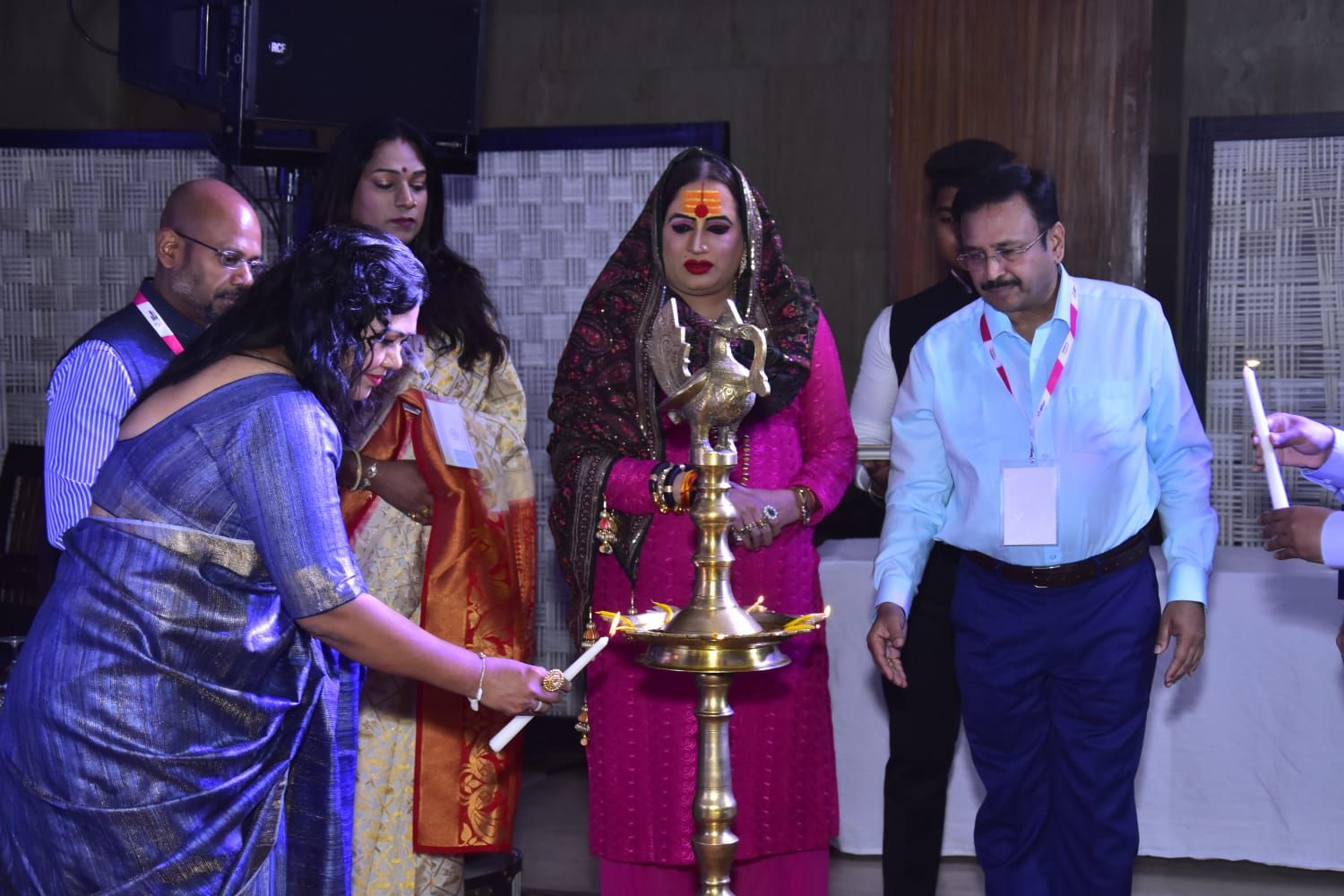
The Hijra community represents one of India’s oldest transgender traditions, yet their stories remain largely misunderstood by mainstream society. This comprehensive guide is designed for anyone wanting to learn about The Real Story of Hijra Community in Modern India – from students and researchers to activists, policymakers, and curious readers seeking authentic information about this resilient community.
Many people only know surface-level details about Hijra communities, often shaped by stereotypes or incomplete media portrayals. The Real Story of Hijra Community reveals a complex reality that spans centuries of cultural heritage, ongoing legal battles, and daily struggles for acceptance and equality in contemporary Indian society.
We’ll explore the rich cultural traditions and spiritual significance that define Hijra identity, separating historical facts from modern myths that cloud public understanding. You’ll also discover the current landscape of legal recognition and constitutional rights that have transformed how transgender individuals navigate Indian society today. Finally, we’ll examine the real economic and healthcare challenges Hijra communities face, along with the progress being made toward greater social integration and acceptance.
Understanding the Cultural Heritage and Traditions of Hijra Communities
Ancient origins and historical significance in Indian society
The Hijra community traces its roots back over 4,000 years, with references found in ancient Hindu texts like the Kama Sutra and the Mahabharata. In the epic Mahabharata, the character Shikhandi represents the fluidity of gender roles that was once accepted in Indian society. Ancient Sanskrit texts also mention the concept of “tritiya-prakriti” or the third nature, acknowledging people who didn’t fit into traditional male or female categories.
During the Mughal period, hijras held positions of significant power and respect. They served as trusted guardians of royal harems, advisors to emperors, and tax collectors. The Mughal courts recognized their unique social position, granting them administrative roles that required integrity and loyalty. This historical acceptance shows that The Real Story of Hijra Community in Modern India includes centuries of integration into the social fabric.
British colonial rule dramatically shifted this acceptance. The Criminal Tribes Act of 1871 criminalized the hijra community, labeling them as “unnatural” and forcing them to live on society’s margins. This colonial legacy created lasting stigma that continues to affect the Hijra community today.
Archaeological evidence from Harappan civilization sites suggests gender-variant individuals existed even in prehistoric India. Sculptures and artifacts depict figures that don’t conform to binary gender representations, indicating ancient acceptance of diverse gender expressions.
Traditional roles as blessing-givers and spiritual intermediaries
Hijras have historically served as spiritual mediators between the divine and mortal realms. Their traditional role as blessing-givers stems from the belief that they possess special powers due to their renunciation of conventional sexuality and family life. Hindu mythology associates them with the goddess Bahuchara Mata, who is believed to grant fertility and protection.
During weddings and childbirth celebrations, hijra blessings are considered particularly powerful. Families invite them to ceremonies believing their presence brings good fortune, prosperity, and protection from evil spirits. This tradition connects to the ancient Indian concept that those who sacrifice worldly pleasures gain spiritual strength.
The community’s role extends beyond celebrations. They often serve as intermediaries in resolving family disputes, particularly those related to marriage and inheritance. Their position outside traditional family structures gives them a unique perspective that many find valuable for mediation.
In rural areas, hijras still maintain their traditional occupation as performers and blessing-givers. They travel from village to village during festival seasons, providing entertainment through dance and music while offering spiritual services. This nomadic lifestyle preserves ancient customs that might otherwise disappear.
Their spiritual significance also appears in various regional traditions across India. In South India, they’re associated with the deity Aravan, while in Bengal, they connect to the goddess Kali. These diverse spiritual connections show how deeply embedded the hijra tradition is across different Indian cultures.
Sacred rituals and ceremonial practices that define community identity
The nirvan ceremony stands as the most significant ritual in hijra life – a sacred initiation that formally welcomes new members into the community. This ceremony involves the symbolic death of their previous identity and rebirth as a hijra. The ritual includes specific prayers, offerings to Bahuchara Mata, and community blessings that mark the permanent transformation.
Hijra weddings follow unique customs that differ from mainstream Indian marriages. These ceremonies often involve elaborate rituals where community members dress as brides and grooms, complete with traditional wedding attire and festivities. The mock weddings serve both as entertainment and as a way to express desires for companionship and family life.
Daily worship practices center around Bahuchara Mata and other deities. Community houses (garanas) maintain small shrines where members perform morning and evening prayers. These rituals include specific chants, offerings of flowers and sweets, and dance performances that honor their patron goddess.
Festival celebrations play a huge role in maintaining community bonds. During Diwali, Holi, and other major festivals, hijras organize special gatherings featuring traditional dances, songs, and food sharing. These celebrations strengthen community ties and preserve cultural knowledge passed down through generations.
Birth and death rituals within the community follow ancient practices. When a community elder passes away, specific funeral rites honor their contribution to preserving hijra traditions. These ceremonies often include the burning of personal belongings and special prayers for the departed soul’s peaceful journey.
Guru-chela system and its importance in preserving cultural knowledge
The guru-chela (teacher-disciple) system forms the backbone of hijra social organization and knowledge preservation. Each new community member becomes a chela (disciple) under an experienced guru (teacher) who guides them through the transformation process and teaches community traditions, customs, and survival skills.
This hierarchical system creates strong family-like bonds within the community. Gurus take complete responsibility for their chelas’ welfare, providing shelter, food, training, and emotional support. In return, chelas show absolute respect and obedience to their gurus, sharing earnings and helping with household responsibilities.
Knowledge transfer happens through oral traditions rather than written texts. Gurus teach chelas about religious practices, traditional dances, songs, blessing techniques, and the complex social rules that govern hijra behavior. This apprenticeship can last several years, ensuring thorough cultural education.
The system also provides economic security and social support that mainstream society often denies to transgender individuals. When chelas face discrimination or violence, their guru and gharana (house) members provide protection and assistance. This support network has helped the community survive centuries of persecution.
Leadership roles within the community emerge through this system. Respected gurus who successfully train multiple chelas often become community leaders, making important decisions and representing the group in external affairs. The Real Story of Hijra Community in Modern India includes this ancient system that continues adapting to contemporary challenges while maintaining core traditions.
Different gharanas across India maintain distinct traditions and practices, creating diversity within unity. Some gharanas specialize in particular types of performances or blessing ceremonies, while others focus on specific deities or regional customs. This diversity enriches the overall hijra cultural heritage while maintaining the fundamental guru-chela structure.
Breaking Down Myths and Misconceptions About Hijra Identity
Distinguishing between transgender identity and traditional hijra culture
The terms “transgender” and “hijra” are often used interchangeably, but this creates confusion about two distinct identities. Hijra culture represents an ancient tradition dating back thousands of years, deeply rooted in Indian spirituality and social systems. Traditional hijras follow specific rituals, live in guru-chela (teacher-disciple) systems, and hold particular roles in religious ceremonies and community blessings.
Modern transgender identity, while sharing some experiences with hijra communities, encompasses a broader spectrum of gender identities and expressions. Many transgender individuals in India don’t identify with hijra culture or its traditional practices. They may pursue different life paths, careers, and social structures than those followed by traditional hijra communities.
Some hijras embrace the transgender label as it provides legal recognition, while others prefer maintaining their distinct cultural identity. The Real Story of Hijra Community in Modern India shows this complexity, where individual choice and cultural heritage intersect in meaningful ways.
Common stereotypes that perpetuate discrimination and misunderstanding
Several harmful stereotypes persist about the Hijra Community in Modern India. The most damaging misconception portrays all hijras as beggars or sex workers, ignoring the diverse occupations and lifestyles within the community. This stereotype reduces a rich cultural group to economic desperation and social marginalization.
Another widespread myth suggests that all hijras are born male and undergo surgical transitions. Reality shows much greater diversity – some hijras are born intersex, others identify as feminine without surgery, and some are born female but adopt hijra identity through spiritual calling.
The belief that hijras choose their identity for economic benefits completely misunderstands the discrimination they face. Most hijras experience significant social rejection, employment barriers, and family abandonment. Their traditional roles in blessing ceremonies provide limited income, contradicting the notion that hijra identity offers financial advantages.
Religious stereotypes also cause harm. While hijras hold sacred roles in certain Hindu traditions, they’re often viewed as cursed or spiritually dangerous. This contradiction creates confusion about their actual religious significance and social value.
Media representation versus authentic community experiences
Mainstream media has historically sensationalized hijra stories, focusing on dramatic narratives rather than everyday realities. Movies and television shows often portray hijras as tragic figures, comic relief, or mystical characters, rarely showing them as complex individuals with normal aspirations and challenges.
News coverage typically highlights extreme situations – violence, protests, or unusual legal cases – creating a skewed public perception. The Real Story of Hijra Community shows that most hijras live relatively ordinary lives, working various jobs, maintaining relationships, and contributing to society like any other community.
Recent efforts by hijra activists and allies have begun changing this narrative. Documentary films, social media campaigns, and community-led storytelling initiatives now offer more authentic perspectives. These platforms allow hijras to share their own experiences rather than having their stories filtered through external viewpoints.
Social media has become particularly powerful for community members to challenge misconceptions directly. Hijra influencers, professionals, and activists use these platforms to showcase their diverse experiences, from corporate jobs to artistic pursuits, demonstrating the reality beyond traditional stereotypes.
The gap between media representation and authentic experiences remains significant, but growing awareness is gradually bridging this divide through more nuanced storytelling and community-driven narratives.
Legal Recognition and Constitutional Rights in Contemporary India
Landmark Supreme Court judgments recognizing third gender status
The Supreme Court of India delivered a game-changing verdict in April 2014 that fundamentally altered how The Real Story of Hijra Community in Modern India unfolds legally. The National Legal Services Authority (NALSA) vs. Union of India case marked a historic shift, with the court officially recognizing transgender persons, including the Hijra Community in Modern India, as a distinct third gender category.
This judgment went beyond simple recognition – it declared that transgender individuals possess the same constitutional rights as any other citizen. The court emphasized that gender identity forms a core part of personal autonomy and dignity under Article 21 of the Constitution. The ruling specifically acknowledged that traditional binary gender classifications had historically marginalized transgender communities.
The apex court also directed both central and state governments to treat transgender persons as socially and economically backward classes, making them eligible for reservations in education and employment. This legal acknowledgment represented decades of struggle by transgender activists and marked the beginning of formal legal protection for gender minorities in India.
NALSA ruling and its impact on civil rights protection
The NALSA judgment created ripple effects across India’s legal landscape, establishing transgender rights as fundamental human rights. The court’s decision mandated that transgender persons have the right to decide their self-identified gender without requiring medical intervention or surgical procedures.
Key civil rights protections established through this ruling include:
- Right to equality: Protection from discrimination in employment, healthcare, education, and public services
- Right to dignity: Recognition of gender identity as integral to human personality
- Right to privacy: Protection of personal information and freedom from harassment
- Right to expression: Freedom to express gender identity through clothing, behavior, and lifestyle choices
The judgment also directed the creation of separate public facilities for transgender individuals, including toilets and hospital wards. Educational institutions received instructions to prevent harassment and discrimination against transgender students. The ruling established legal precedent for subsequent cases involving transgender rights and created a framework for policy development.
Transgender Persons Act 2019 and its practical implementation challenges
Parliament passed the Transgender Persons (Protection of Rights) Act in 2019, creating India’s first comprehensive legislation specifically addressing transgender rights. However, the Act sparked significant controversy within the Hijra community and transgender rights activists.
The legislation defines transgender persons broadly, including those whose gender doesn’t match their birth assignment. It prohibits discrimination in education, employment, healthcare, and access to public services. The Act also criminalizes harassment and violence against transgender individuals with penalties including imprisonment.
Despite these positive aspects, implementation challenges persist:
Critics argue the Act contradicts the NALSA judgment by requiring medical certification for gender recognition. The legislation also fails to address reservation policies adequately and doesn’t provide clear guidelines for hormone therapy access. Many transgender individuals report that ground-level implementation remains inconsistent across different states.
Access to identity documents and legal name changes
Obtaining proper identity documents represents one of the most practical yet challenging aspects of legal recognition for transgender individuals. The process involves multiple government departments and often requires navigating complex bureaucratic procedures.
The standard process for document changes includes:
- Transgender certificate application: Submitting forms to District Magistrate offices
- Medical documentation: Providing required medical certificates (often controversial)
- Identity proof updates: Modifying voter ID, Aadhaar card, passport, and other documents
- Educational certificate amendments: Updating school and college records
- Employment record changes: Modifying professional documents and references
Many transgender persons face significant delays in document processing, with some applications taking months or years for approval. Government offices often lack trained staff familiar with transgender-specific procedures. The requirement for medical certificates creates additional barriers, particularly for those who cannot afford healthcare or choose not to undergo medical transition.
Recent improvements include online application systems in some states and dedicated help desks for transgender applicants. However, rural areas still face significant challenges in accessing these services. The digital divide also affects older members of the Hijra Community in Modern India who may struggle with online application processes.
Banking institutions and private companies have gradually begun recognizing third gender options in their forms and applications. This progress helps transgender individuals access financial services, employment opportunities, and other essential services without facing discrimination based on identity document mismatches.
Economic Opportunities and Employment Challenges
Traditional occupations versus modern career aspirations
For centuries, the hijra community in India has been associated with specific traditional occupations that reflect their cultural and spiritual roles in society. These include performing at births, weddings, and religious ceremonies, offering blessings for fertility and prosperity, and participating in cultural festivals. Many hijras also worked as performers, storytellers, and in some cases, engaged in sex work due to limited alternatives.
Today’s hijra community faces a significant shift as younger members pursue modern career paths that align with their individual talents and interests. Many aspire to work in technology, healthcare, education, media, and business sectors. This transition represents both opportunity and challenge, as traditional occupations provided community support systems and cultural identity, while modern careers offer economic independence and social mobility.
The tension between preserving cultural heritage and embracing contemporary opportunities creates complex decisions for hijra individuals. Some choose to balance both worlds, maintaining cultural practices while pursuing professional careers, while others completely shift away from traditional roles.
Workplace discrimination and barriers to formal employment
Despite legal protections, workplace discrimination remains a significant hurdle for the hijra community seeking formal employment. Many face rejection during hiring processes due to prejudice, lack of understanding about transgender identity, or concerns about workplace integration. Physical appearance, voice, or documentation issues often lead to uncomfortable interviews and outright rejection.
Educational gaps present another major barrier. Historically excluded from mainstream schooling, many hijras lack formal qualifications required for professional positions. Additionally, workplace facilities like restrooms and dress codes often fail to accommodate transgender employees, creating daily challenges that force many to seek alternative employment.
Social stigma extends beyond the hiring process into workplace relationships. Hijra employees frequently encounter harassment, isolation, or inappropriate curiosity from colleagues. These experiences force many talented individuals to leave formal employment and return to traditional occupations or informal sector work, perpetuating cycles of economic marginalization.
Government initiatives for skill development and job creation
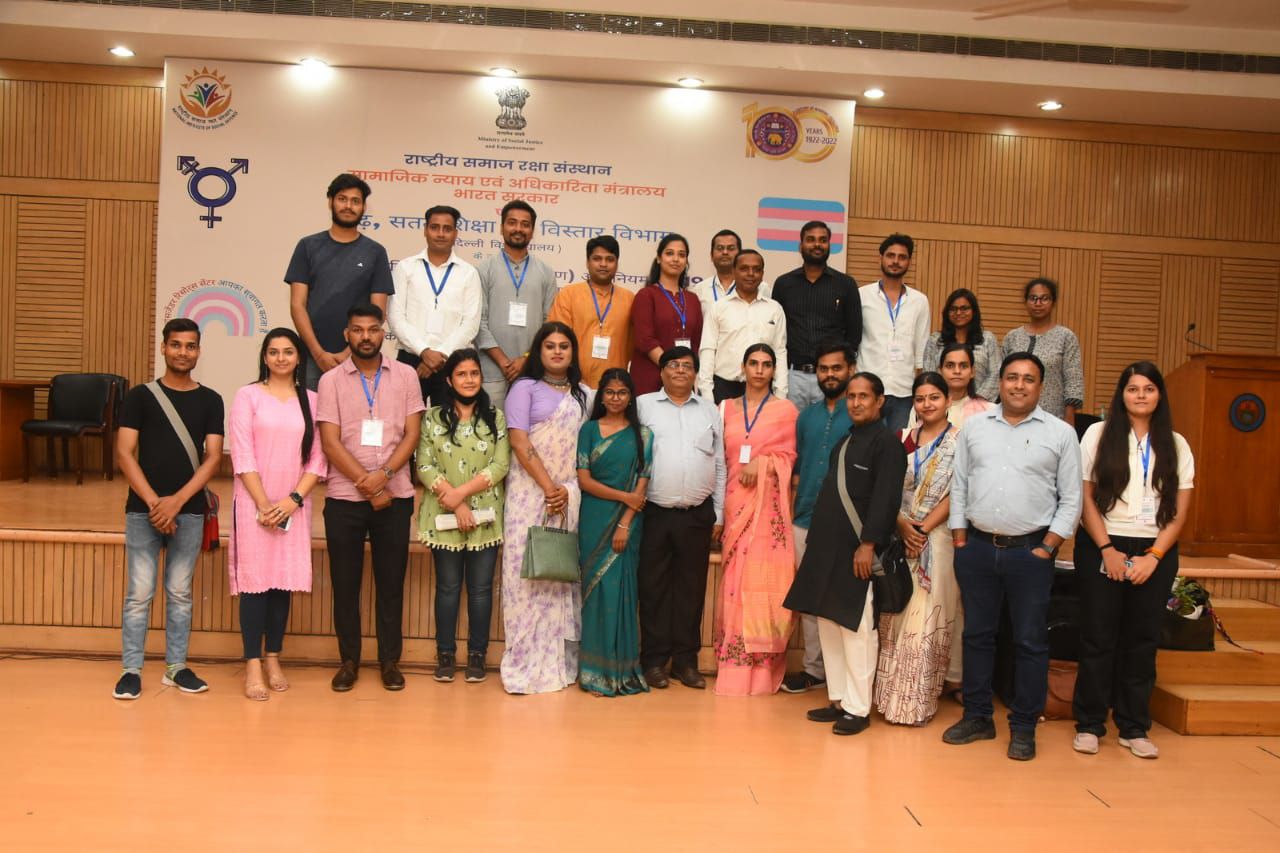
The Indian government has launched several programs specifically targeting the hijra community’s economic empowerment. The Ministry of Social Justice and Empowerment runs skill development schemes that provide vocational training in areas like computer literacy, healthcare support, beauty services, and small business management.
State governments have introduced reservation policies in public sector employment, ensuring dedicated positions for transgender individuals. Karnataka and Tamil Nadu have been particularly progressive, creating specific job quotas and implementing transgender-friendly recruitment policies in government departments.
Financial inclusion programs now offer easier access to bank accounts, loans, and insurance services for hijra community members. Self-help group initiatives provide microfinance opportunities for starting small businesses, while entrepreneurship development programs offer training and mentorship for those interested in launching their own ventures.
Success stories of hijras in mainstream professions
Breaking stereotypes, numerous hijra individuals have achieved remarkable success in various professional fields. Kalki Subramaniam became a prominent entrepreneur and transgender rights activist, founding Sahodari Foundation. Padmini Prakash made history as India’s first transgender news anchor, paving the way for media representation.
In academia, several hijra scholars have earned advanced degrees and work as researchers, professors, and policy advisors. The entertainment industry has seen hijra actors, directors, and producers creating meaningful content that challenges social norms while achieving commercial success.
Healthcare has welcomed hijra professionals who bring unique perspectives to patient care, particularly in addressing LGBTQ+ health needs. Their lived experiences make them valuable counselors and advocates within medical institutions. These success stories demonstrate that with proper support and opportunity, hijra community members can excel in any profession they choose to pursue.
Healthcare Access and Medical Rights for Hijra Communities
Gender-affirming healthcare services and availability
The landscape of gender-affirming healthcare for the Hijra community in modern India presents a complex mix of progress and persistent gaps. Major metropolitan hospitals in cities like Mumbai, Delhi, and Chennai have begun establishing dedicated transgender health clinics, offering hormone replacement therapy, surgical consultations, and specialized care protocols. The All Institute of Medical Sciences (AIIMS) in Delhi pioneered several transgender-friendly initiatives, creating separate wards and training medical staff on culturally sensitive treatment approaches.
However, availability remains severely limited outside urban centers. Rural and semi-urban areas often lack basic understanding of transgender health needs, forcing many Hijra individuals to travel long distances for essential care. Private healthcare facilities have shown more flexibility in adapting their services, with some hospitals in Bangalore and Hyderabad developing comprehensive transgender health programs that include pre-operative counseling, surgical procedures, and post-operative care.
The quality of available services varies dramatically across different regions. While some hospitals have embraced international standards for transgender healthcare, others still operate with outdated protocols that can be harmful or ineffective. Access to feminizing or masculinizing surgeries remains particularly challenging, with long waiting lists at government facilities and prohibitive costs at private institutions.
Mental health support and counseling resources
Mental health support for the Hijra community represents one of the most critical yet underdeveloped aspects of healthcare access. Traditional family structures often reject transgender individuals, leading to high rates of depression, anxiety, and suicidal ideation. Community-based organizations like Sangama in Bangalore and Sahodaran in Kerala have developed peer counseling programs that combine professional therapy with lived experience support.
Government mental health initiatives have slowly begun acknowledging transgender-specific needs. The National Mental Health Programme now includes provisions for transgender individuals, though implementation remains inconsistent across states. Tamil Nadu leads in this area, with several government hospitals offering dedicated psychological support services for transgender patients.
Professional therapists trained in gender identity issues remain scarce throughout India. Most mental health professionals lack adequate training in transgender-specific concerns, cultural sensitivity, or the unique challenges faced by the Hijra community. This gap has created space for community-led initiatives where experienced Hijra individuals provide informal counseling and emotional support to younger community members.
Insurance coverage and medical benefit schemes
The integration of transgender individuals into existing health insurance frameworks has seen gradual improvement since legal recognition in 2014. The Rashtriya Swasthya Bima Yojana (RSBY) and its successor, Ayushman Bharat, now explicitly include transgender individuals as beneficiaries. This represents a significant policy shift, as many insurance providers previously excluded transgender-related medical care.
State-specific schemes have emerged with varying levels of coverage. Kerala’s comprehensive transgender policy includes health insurance provisions that cover gender-affirming surgeries and hormone treatments. Karnataka’s state health insurance scheme has similar provisions, though bureaucratic hurdles often complicate access.
Private insurance companies have been slower to adapt their policies. Many still classify transgender-related healthcare as cosmetic rather than medically necessary, leading to coverage denials. Some progressive insurers have begun offering specialized transgender health policies, but premium costs often make them inaccessible to many community members who face employment discrimination.
Training healthcare providers for inclusive treatment
Medical education reforms have begun incorporating transgender health modules into curricula at select institutions. The Medical Council of India’s updated guidelines encourage medical schools to include gender sensitivity training, though implementation varies significantly between institutions. Some progressive medical colleges now require students to complete rotations in transgender health clinics.
Nursing staff training programs have shown particular promise in improving patient experiences. Hospitals that invest in comprehensive staff education report higher satisfaction rates among transgender patients and reduced instances of discriminatory treatment. These programs typically cover appropriate terminology, respectful communication techniques, and privacy considerations specific to transgender patients.
Professional medical associations have started developing best practice guidelines for transgender healthcare. The Indian Medical Association has published recommendations for treating transgender patients with dignity and respect, though enforcement mechanisms remain weak. Continuing medical education programs increasingly include sessions on transgender health, helping practicing physicians update their knowledge and approaches to care.
Social Integration and Community Acceptance Progress
Educational Institutions Becoming More Inclusive and Welcoming
Schools and colleges across India are gradually opening their doors to hijra students, though progress remains uneven. Several progressive institutions now have gender-neutral facilities, including separate washrooms and hostels specifically designed for transgender students. Universities like Jamia Millia Islamia and Delhi University have implemented admission policies that recognize third gender identity on application forms.
Teacher training programs increasingly include modules on gender sensitivity, helping educators understand the unique challenges faced by hijra students. Some schools have appointed counselors trained in LGBTQ+ issues to provide emotional support and guidance. However, rural educational institutions still lag behind urban counterparts in creating welcoming environments.
Student support groups and clubs focused on gender diversity are emerging in metropolitan colleges, providing safe spaces for hijra students to connect and share experiences. These initiatives help combat bullying and discrimination while fostering peer acceptance.
Family Acceptance and Reconciliation Initiatives
Family relationships within The Real Story of Hijra Community in Modern India often involve complex dynamics of initial rejection followed by gradual acceptance. Many hijra individuals face complete disownment from their birth families, creating deep emotional wounds that persist for years.
Community-based organizations now facilitate family counseling sessions, helping bridge communication gaps between hijra individuals and their relatives. These programs educate families about gender identity, dispelling myths that view hijra identity as a choice or mental illness.
Success stories are becoming more common, where families eventually embrace their hijra relatives after years of estrangement. Social media platforms serve as reconnection tools, allowing family members to maintain contact and witness their loved ones’ achievements and happiness.
Some families have become advocates themselves, speaking publicly about their journey from rejection to acceptance. These testimonials inspire other families struggling with similar situations.
Religious and Spiritual Community Responses to Hijra Inclusion
Religious acceptance varies dramatically across different faith communities and regions. Hindu traditions historically recognized hijra individuals through ancient texts and mythology, though modern interpretations often contradict this inclusive heritage.
Progressive religious leaders are reexamining scriptures to highlight inclusive passages and challenge discriminatory interpretations. Some temples now welcome hijra devotees, particularly during festivals like Bahuchara Mata celebrations where hijra communities hold special significance.
Islamic scholars debate the religious status of hijra individuals, with some progressive voices arguing for compassionate inclusion while conservative factions maintain traditional exclusionary positions. Christian denominations show similar divisions, though some churches have launched outreach programs specifically for transgender congregants.
Spiritual gurus and ashrams increasingly acknowledge the sacred role of hijra individuals in Indian tradition, helping reshape religious discourse around gender identity.
Intergenerational Changes in Social Attitudes and Perceptions
Younger generations demonstrate significantly more accepting attitudes toward Hijra Community in Modern India compared to their parents and grandparents. Social media exposure and urban education contribute to these shifting perspectives, creating generational divides within families.
Young professionals working alongside hijra colleagues in corporate environments often become advocates for inclusion, carrying these progressive attitudes into their personal circles. This workplace exposure breaks down stereotypes and builds genuine relationships based on professional respect rather than prejudice.
College-educated youth actively challenge discriminatory comments from older relatives during family gatherings, gradually influencing household conversations. Dating apps and social platforms normalize interactions between hijra individuals and cisgender people, fostering organic relationship-building.
However, rural areas still show resistance to change, particularly among older populations who maintain traditional views. Economic factors often override social preferences, as families become more accepting when hijra members achieve financial success or stability.
The entertainment industry’s portrayal of hijra characters in mainstream films and television shows helps normalize their presence in popular culture, though authentic representation remains limited.
The hijra community has faced centuries of marginalization, yet their rich cultural heritage and spiritual significance remain deeply woven into India’s fabric. From ancient traditions to modern legal recognition, hijras continue fighting for their rightful place in society while preserving their unique identity and customs.
Real change happens when we move beyond stereotypes and see hijras as complete human beings deserving respect, opportunities, and dignity. While India has made progress with legal recognition and constitutional protections, everyday acceptance and genuine inclusion still need work. Support local hijra-led organizations, educate yourself about their experiences, and challenge discriminatory attitudes in your circles. The path to true equality starts with each of us choosing empathy over ignorance and action over silence.
