
Teaching gender diversity in schools has become a hot topic for educators, administrators, and parents looking to create more inclusive learning environments.
This guide is designed for teachers, school leaders, and education professionals who want practical strategies for implementing gender diversity education that works for their students and communities.
Gender diversity education isn’t just about policy changes—it’s about building classrooms where every student feels seen and valued.
You’ll also discover proven methods for creating inclusive classroom environments that support learning and respect.
From simple language adjustments to classroom layout considerations, these strategies help teachers build spaces where diverse gender identities are naturally welcomed and celebrated.
Finally, we’ll cover how to develop age-appropriate curriculum that introduces these concepts effectively across different grade levels.
Teaching gender diversity requires careful planning to match content with developmental stages while maintaining educational value and community support.
Understanding the Foundation of Gender Diversity Education
Defining gender identity and expression for educational contexts
Gender identity refers to a person’s internal sense of being male, female, both, or neither. This personal understanding exists independently of what others might assume based on physical appearance or assigned sex at birth.
Gender expression, on the other hand, describes how someone presents their gender through clothing, behaviour, voice, and other characteristics.
For educators, these concepts form the backbone of understanding student diversity. Some students may express their gender in ways that don’t match traditional expectations, and this variation is completely normal.
A student assigned female at birth might feel most comfortable in traditionally masculine clothing, while another might prefer gender-neutral presentation regardless of their assigned sex.
Schools benefit from recognising that gender identity develops early in childhood. Research shows that children typically understand their gender identity by age 3-5, making early elementary years crucial for establishing inclusive practic
es. When Teaching Gender Diversity in Schools, educators must understand that supporting students’ authentic self-expression creates safer learning environments for everyone.
Recognizing the difference between biological sex and gender
Biological sex refers to physical characteristics like chromosomes, hormones, and anatomy assigned at birth. Gender encompasses the social, cultural, and psychological aspects of identity that may or may not align with assigned sex.
This distinction matters because conflating the two creates unnecessary barriers for students whose gender identity differs from their assigned sex. Many people grow up assuming these concepts are identical, but they operate on different levels.
Sex involves biology, while gender involves identity, expression, and social roles. Understanding this difference helps educators respond appropriately when students express discomfort with gender assumptions based solely on their assigned sex.
Educational environments that acknowledge this distinction create space for all students to thrive.
When schools recognise that a student’s name, pronouns, or presentation might not match their assigned sex, they demonstrate respect for individual identity while maintaining focus on learning and development.
Exploring the spectrum of gender identities beyond binary concepts
Gender exists on a spectrum rather than in two fixed categories. Some students identify as non-binary, meaning their gender identity doesn’t fit exclusively into male or female categories.
Others might identify as genderfluid, experiencing their gender identity as changing over time. Some feel most comfortable with they/them pronouns, while others prefer different pronoun combinations. This spectrum includes identities like:
- Non-binary: Not exclusively male or female
- Genderfluid: Gender identity shifts over time
- Agender: Little to no connection to gender identity
- Demigirl/Demiboy: Partial connection to female/male identity
- Two-Spirit: Traditional Indigenous concept encompassing multiple gender roles
Teaching gender diversity requires moving beyond simple binary thinking. Students benefit when schools acknowledge this spectrum through inclusive language, flexible dress codes, and bathroom policies that accommodate different needs.
Creating space for diverse gender identities doesn’t complicate education—it simply recognises the reality of human diversity that already exists in every classroom.
Addressing common misconceptions and stereotypes
Several misconceptions persist around gender diversity that can harm students and hinder effective education.
One common myth suggests that discussing gender diversity “confuses” children, when research actually shows that inclusive education reduces confusion by providing accurate information and vocabulary for experiences students already observe.
Another misconception claims that supporting gender diversity means pushing children toward specific identities. Effective Gender Diversity education simply provides information and creates safe spaces for authentic self-expression. Students aren’t encouraged to be anything other than themselves.
Some believe that accommodating diverse gender identities requires expensive changes or complicated policies.
Most accommodations cost nothing—using chosen names, respecting pronouns, and allowing flexible participation in gendered activities.
These simple practices significantly improve school climate without creating administrative burdens.
Stereotypes about gender roles also need attention. When schools perpetuate ideas about what boys and girls “should” do, wear, or become, they limit all students’ potential. Breaking down these stereotypes benefits everyone, regardless of gender identity, by expanding opportunities and reducing pressure to conform to narrow expectations.
Creating Inclusive Classroom Environments
Establishing Respectful Language and Pronoun Usage
Creating a classroom culture of respect starts with the words we use every day. Teachers can model inclusive language by using gender-neutral terms when addressing groups.
Instead of “boys and girls,” try students,” “everyone,” or “class.” When discussing families, use “parents and caregivers” rather than assuming traditional family structures.
Pronoun respect forms the foundation of teaching gender diversity in schools. Start each school year by having students share their preferred pronouns during introductions.
Display pronoun options on classroom posters or include them in name tags. When mistakes happen, address them quickly with a simple correction and move forward without making it a big deal.
Best Practices for Pronoun Usage:
- Ask rather than assume pronouns
- Practice using they/them pronouns until it feels natural
- Create opportunities for students to share pronouns without pressure
- Update class rosters and records to reflect student preferences
- Train substitute teachers on classroom pronoun protocols
Designing Gender-Neutral Spaces and Activities
Physical classroom spaces send powerful messages about inclusion. Remove gendered decorations, posters, or examples that reinforce stereotypes.
Book displays should feature diverse characters and family structures. Wall decorations can celebrate achievements from people of all gender identities.
Activity design plays a crucial role in Teaching Gender Diversity effectively.
Group students randomly rather than by perceived gender. Offer choices in how students express themselves during creative projects.
Role-playing activities should include diverse character options, and team sports can be organized by skill level or interest rather than traditional gender divisions.
Space Design Elements:
- Neutral colour schemes that appeal to all students
- Books featuring diverse protagonists and families
- Art supplies in various colours without gender associations
- Flexible seating arrangements that don’t segregate by gender
- Bathroom and changing room policies that respect all identities
Implementing Anti-Bullying Policies for LGBTQ+ Students
Strong anti-bullying policies specifically protect LGBTQ+ students from harassment based on sexual orientation, gender identity, or gender expression.
These policies must go beyond general bullying prevention to address the unique challenges faced by gender-diverse students.
Effective policies include clear definitions of harassment, specific consequences for violations, and reporting procedures that protect student privacy.
Staff training ensures consistent policy implementation across all school environments, from classrooms to cafeterias to playgrounds.
Policy Implementation Strategies:
- Regular policy reviews with student input
- Anonymous reporting systems for incidents
- Restorative justice approaches when appropriate
- Clear documentation procedures for administrators
- Regular climate surveys to assess policy effectiveness
Teachers should intervene immediately when witnessing bias-based language or behavior. Create classroom agreements about respectful communication early in the year.
Establish clear consequences for discriminatory behavior while also providing education about why such language causes harm.
Regular check-ins with vulnerable students help identify problems before they escalate.
Partner with school counselors and administrators to ensure comprehensive support systems exist for students experiencing harassment related to Gender Diversity issues.
Age-Appropriate Curriculum Development
Elementary School Approaches to Gender Diversity Topics
Elementary classrooms need simple, concrete approaches when introducing concepts of gender diversity. At this foundational level, focus on basic respect, kindness, and celebrating differences among all students.
Start with picture books featuring diverse families and characters who don’t conform to traditional gender stereotypes.
Books like “Jacob’s New Dress” or “The Paper Bag Princess” naturally open conversations about how people can express themselves differently. Create classroom discussions around the idea that all people deserve respect, regardless of how they look or express themselves.
Use role-playing activities where students practice inclusive language and learn to ask questions respectfully rather than make assumptions. Incorporate diverse names and pronouns in math problems and reading exercises to normalize different expressions of identity.
Visual classroom displays should represent various types of families and people. Include images of people in non-traditional gender roles-female construction workers, male nurses, or gender-neutral clothing examples.
This representation helps children see that people can be anything they want to be.Teaching gender diversity at this age means emphasizing that everyone is unique and valuable.
Keep conversations focused on behaviours and feelings rather than complex identity concepts. When conflicts arise about “boy things” versus “girl things,” redirect toward the idea that toys, colors, and activities are for everyone.
Middle School Strategies for Navigating Identity Exploration
Middle school presents unique challenges as students begin exploring their own identities more deeply. During these crucial years, many young people start questioning various aspects of themselves, including gender expression and identity.
Create safe spaces where students can ask questions without judgment and explore different perspectives through literature, current events, and peer discussions.Implement advisory programs or dedicated time for social-emotional learning that includes topics about identity development. Students at this age benefit from understanding that identity exploration is normal and that people might use different terms to describe themselves.
Introduce vocabulary gradually and naturally through context rather than formal definitions.Peer support programs work particularly well at this level. Train student leaders to facilitate conversations about inclusion and respect. Create clubs or affinity groups where students can connect with others who share similar experiences or interests.
Anti-bullying initiatives should specifically address gender-based harassment and provide clear protocols for reporting and addressing incidents.Literature selections should include characters navigating various identity questions.
Books like “The Miseducation of Cameron Post” or “Cemetery Boys” can spark meaningful discussions about acceptance, family dynamics, and societal expectations. Connect these stories to broader themes of empathy, courage, and standing up for others.
High School Comprehensive Education Programs
High school students can engage with more sophisticated content about gender diversity, including historical contexts, legal frameworks, and global perspectives.
Develop interdisciplinary approaches that weave these topics through social studies, English, health education, and even science classes.
Students can examine how different cultures understand gender roles and how these concepts have evolved over time.Create research projects where students investigate LGBTQ+ rights movements, significant court cases, or contemporary policy debates.
This approach helps students develop critical thinking skills while learning about important social issues.
Guest speakers from the community can share personal experiences and professional expertise, bringing real-world perspectives into the classroom. Health education curricula should include comprehensive information about sexual orientation, gender identity, and related health considerations.
Provide resources for students who might be questioning their own identities, including information about support groups, counseling services, and trusted adults they can talk with.Student-led initiatives often prove most effective at this level. Support student government resolutions about inclusive policies, student clubs focused on diversity and inclusion, and peer education programs.
When students take ownership of creating more inclusive environments, the impact spreads throughout the school community.
Adapting Content for Different Developmental Stages
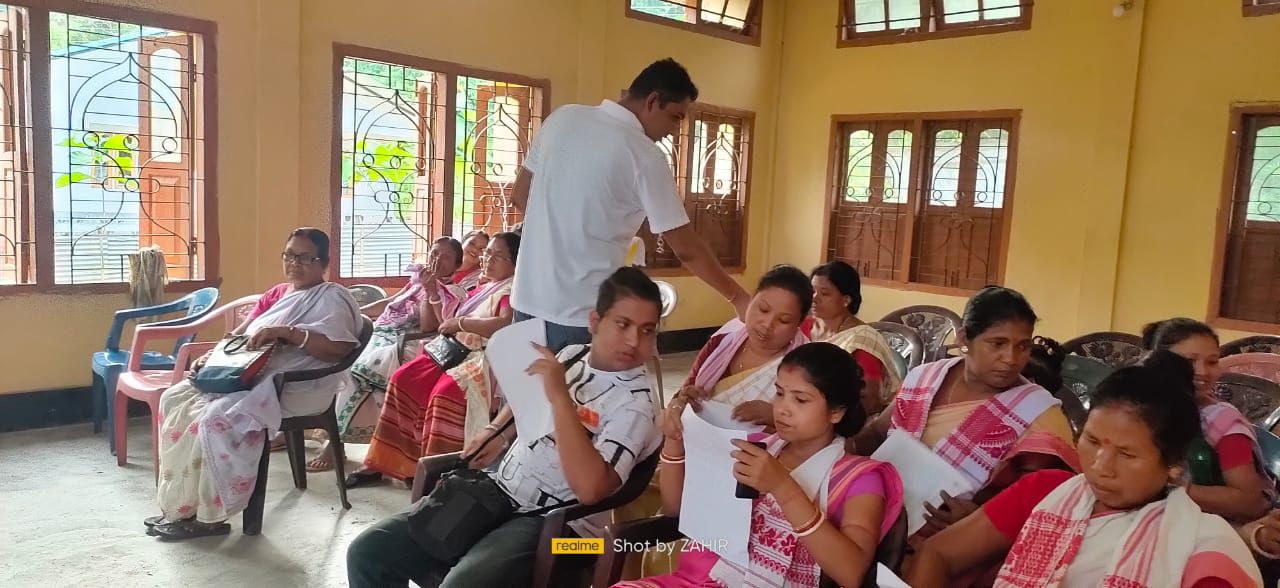
Different age groups require distinct approaches to teaching gender diversity effectively. Younger students need concrete examples and clear, simple language, while older students can grapple with nuanced concepts and abstract thinking.
Consider cognitive development stages when planning lessons and activities. Assess your school’s specific community context and adjust accordingly. Schools in more conservative areas might start with universal themes like kindness and respect before introducing specific gender diversity concepts.
Schools in more progressive communities might move faster through curriculum development but still need age-appropriate pacing.
Professional development for teachers should emphasize flexibility in approach.
Provide multiple teaching strategies for the same concepts so educators can choose methods that work best for their specific student populations.
Regular assessment and feedback loops help determine when students are ready for more advanced concepts. Building scaffolded learning experiences means each year builds on the previous year’s foundation. Elementary students learn basic respect, middle schoolers explore identity concepts, and high school students engage in advocacy and critical analysis.
This progression ensures students develop both knowledge and emotional maturity around these important topics.
Training Educators for Effective Implementation
Professional development workshops on gender inclusivity
Effective professional development workshops create the foundation for successful teaching gender diversity programmes.
These training sessions should span multiple days, combining theoretical understanding with practical application.
Start with fundamental concepts like the difference between sex and gender, common terminology, and the spectrum of gender identity and expression.Interactive workshops work best.
Role-playing exercises help educators practice responding to different scenarios they might encounter in the classroom.
Case studies from real schools provide concrete examples of what works and what doesn’t. Guest speakers, including LGBTQ+ advocates and students, offer authentic perspectives that textbooks can’t provide.
Training should cover legal requirements and school policies related to gender diversity.
Educators need to understand their obligations under anti-discrimination laws and how to handle situations involving transgender or non-binary students.
This includes understanding bathroom policies, dress codes, and student privacy rights.Regular refresher sessions keep knowledge current. Gender diversity understanding continues evolving, and new research emerges regularly.
Monthly follow-up meetings allow educators to discuss challenges, share successes, and receive ongoing support as they implement these practices in their classrooms.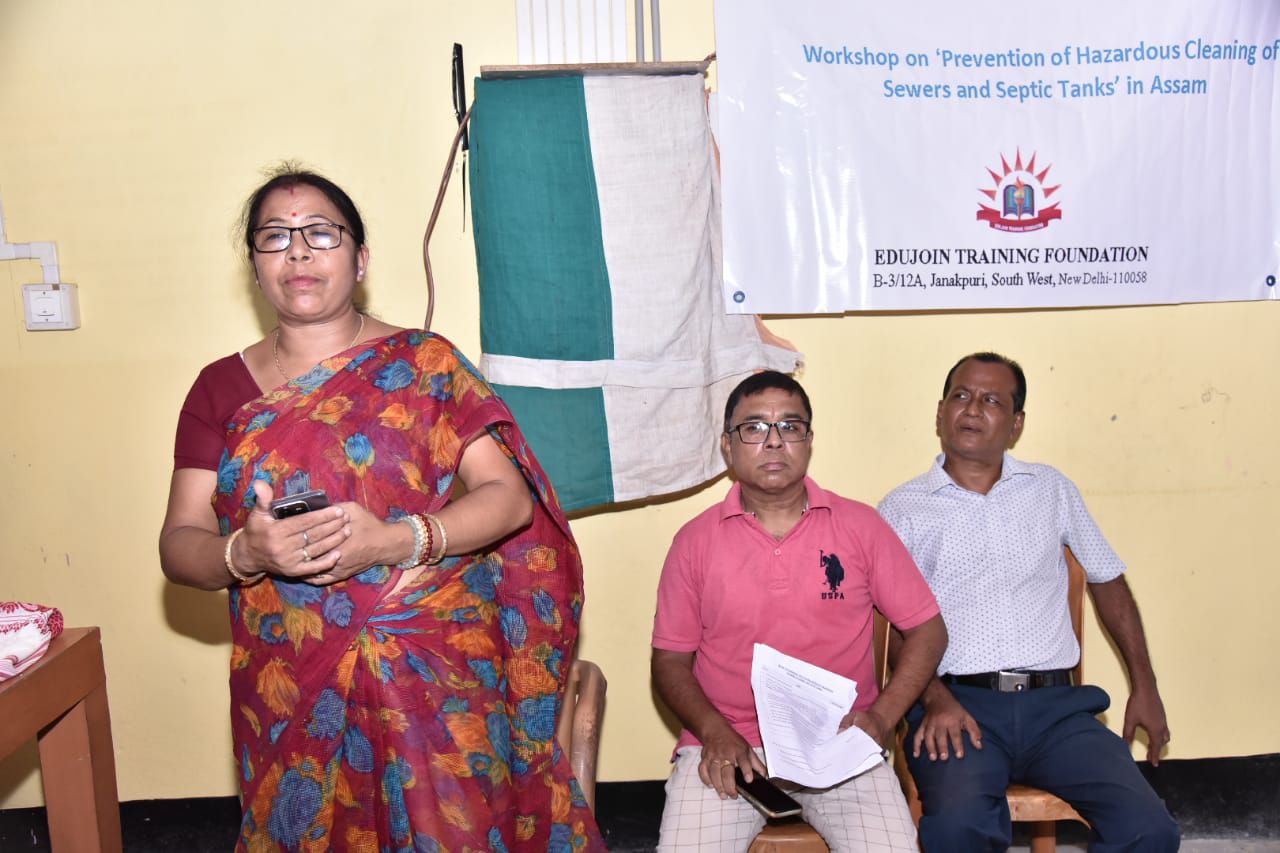
Building cultural competency among teaching staff
Cultural competency goes beyond basic tolerance – it requires active understanding and respect for diverse gender expressions.
Staff development should address unconscious bias, helping educators recognize their own assumptions about gender roles and expectations.
Training programs should explore how gender diversity intersects with race, religion,
socioeconomic status, and other identity factors. A student’s cultural background significantly influences how they and their families approach gender identity topics.
Educators need skills to navigate these complex intersections respectfully.Practical exercises help build competency.
Educators can practice using inclusive language, learn about different cultural perspectives on gender, and develop strategies for addressing conflicts between cultural values and school inclusion policies.
Peer mentoring programs pair experienced educators with those new to gender diversity concepts.Creating safe spaces for honest discussion allows staff to voice concerns and ask questions without fear of judgment. Some educators worry about saying the wrong thing or inadvertently causing harm.
Open dialogue helps address these anxieties while building confidence in handling sensitive situations.
Developing communication skills for sensitive conversations
Effective communication skills are essential when Teaching Gender Diversity becomes part of everyday classroom interactions. Educators need specific techniques for discussing gender topics with students, parents, and colleagues.
Training should focus on active listening, empathetic responses, and clear boundary-setting.Practice sessions help educators develop comfort with difficult conversations.
Common scenarios include explaining gender diversity concepts to confused students, addressing parental concerns about curriculum content, and mediating conflicts between students with different perspectives on gender issues.
| Communication Skill | Application Example | Key Technique |
|---|---|---|
| Active Listening | Student shares gender concerns | Reflect back what you hear |
| Empathetic Response | Parent expresses worry about child | Validate feelings before explaining |
| Boundary Setting | Colleague makes inappropriate comment | Clearly state expectations |
| Conflict Mediation | Students disagree about pronouns | Find common ground and respect |
Language matters tremendously in these conversations. Training should cover appropriate terminology, the importance of using chosen names and pronouns, and how to correct mistakes gracefully.
Educators learn to avoid assumptions about students’ identities and family structures.
Documentation skills are equally important. Educators need to know when and how to record conversations about gender diversity topics, maintaining student confidentiality while protecting themselves legally. Clear communication protocols help ensure consistency across the school community.
Engaging Parents and Community Stakeholders
Transparent Communication About Curriculum Goals
Open dialogue forms the backbone of successful gender diversity education programs. Schools need to clearly explain what teaching gender diversity means in practice, moving beyond vague statements to specific examples of classroom activities and learning objectives.
Parents want to know exactly what their children will learn, when these topics will be introduced, and how educators will present this information.
Effective communication starts with sharing curriculum documents, lesson plans, and age-appropriate examples during parent orientation sessions.
Many schools create FAQ documents that address common questions about gender diversity education, helping parents understand the difference between teaching acceptance of different identities and promoting specific viewpoints.
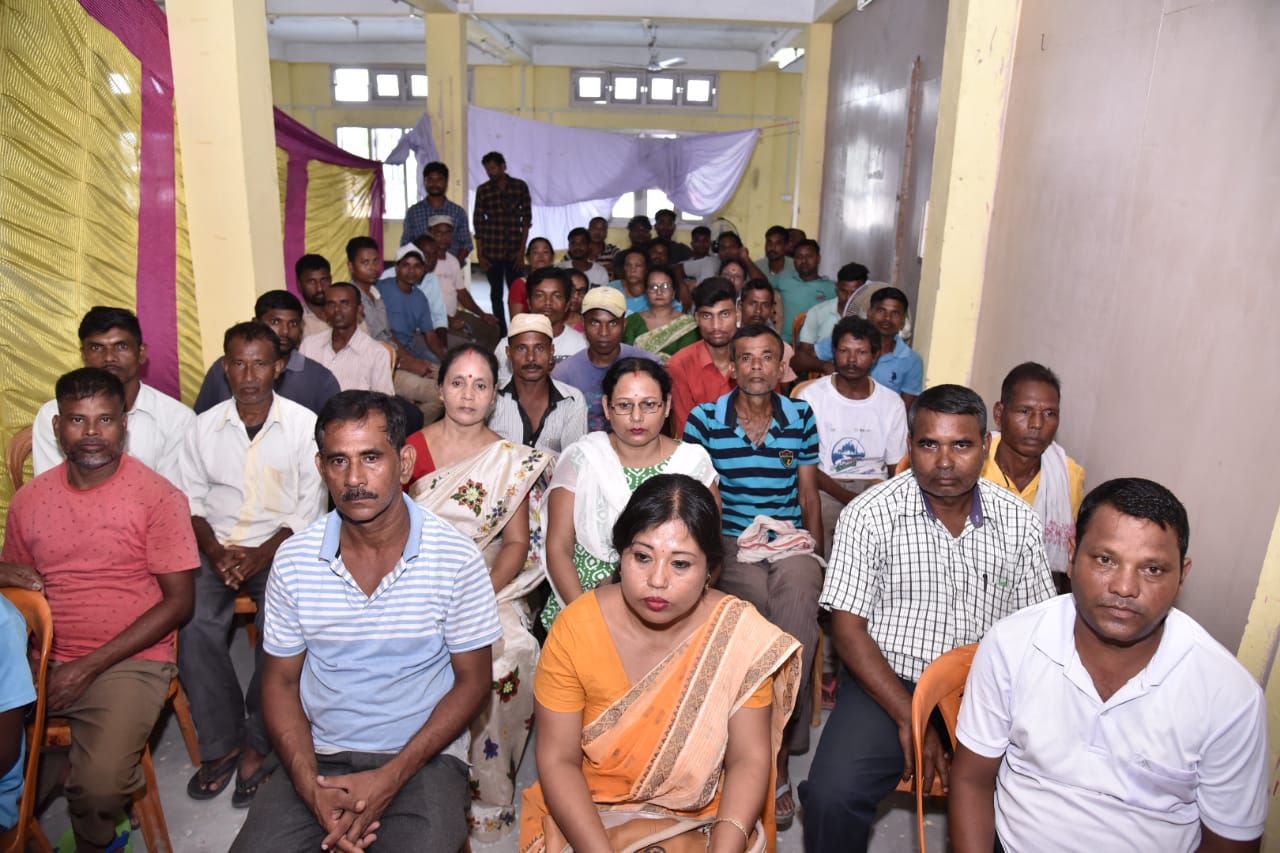
Regular newsletters and classroom updates keep families informed about upcoming units and provide context for discussions their children might bring home.School administrators should host information sessions before implementing new programs, giving parents time to ask questions and voice concerns in a structured environment. These meetings work best when they include concrete examples of how gender diversity topics integrate with existing subjects like social studies, literature, and health education.
Addressing Parental Concerns and Resistance
Parent concerns about gender diversity education often stem from misconceptions about program goals or conflicts between school curricula and family values.
School leaders must create safe spaces for these conversations while maintaining their commitment to inclusive education for all students. Common concerns include worries about age-appropriateness, fears about indoctrination, and questions about parental rights in their children’s education.
Addressing these concerns requires patience, empathy, and factual information.
Schools can share research about the benefits of inclusive education for all students, not just those who identify as LGBTQ+.Some parents may request that their children be excused from certain lessons or activities. Schools need clear policies about opt-out procedures while ensuring that all students still receive education about respect, kindness, and accepting differences.
Alternative activities should be meaningful rather than punitive, and schools should work with families to find solutions that honor both educational goals and family values.Training staff to handle difficult conversations helps ensure consistent, professional responses to parent concerns.
Role-playing scenarios and providing talking points about program benefits can prepare educators for challenging discussions.
Building Community Partnerships for Support
Strong community partnerships amplify the impact of gender diversity education and create networks of support for families and schools.
Local organizations, healthcare providers, and community leaders can provide valuable resources and expertise that enhance school programs.
LGBTQ+ community centers often offer training workshops, guest speakers, and educational materials that complement school curricula.
Mental health organizations can provide guidance on supporting students who may be questioning their identity or experiencing bullying related to gender expression.
Faith-based organisations that support inclusive education can help bridge gaps between religious families and school programmes.
These partnerships demonstrate that acceptance and faith can coexist, helping hesitant families see gender diversity education as consistent with values of compassion and love.
Local businesses and professional organisations can sponsor events, provide internship opportunities for older students, and demonstrate that inclusive workplaces value diversity.
These real-world connections help students understand how acceptance translates into future career and community participation.
Community advisory boards that include parents, educators, students, and community members create ongoing feedback loops and ensure programmes remain responsive to local needs and values.
Providing Resources for Families Navigating Gender Diversity
Families need practical tools and information to support their children’s understanding of gender diversity, whether their own child identifies as LGBTQ+ or they simply want to raise accepting, informed children.
Schools can serve as bridges to appropriate resources without overstepping boundaries.
Resource libraries should include age-appropriate books, websites, and videos that families can review together at home. Curated lists help parents select materials that match their comfort level and their children’s developmental needs.
Online resource portals allow families to access information privately while still connecting them to school-approved materials.
Support groups for parents create opportunities to share experiences and learn from others facing similar situations. These groups work particularly well when facilitated by trained professionals who can provide expert guidance while maintaining confidentiality.
Referral networks connecting families to counselors, pediatricians, and other professionals experienced in gender identity issues ensure that children receive appropriate support when needed.
Schools should maintain updated lists of qualified professionals and organisations, including those that offer sliding-scale fees or accept various insurance plans.

Workshop series for parents can cover topics like having age-appropriate conversations about gender, supporting children who face bullying, and creating accepting home environments.
These educational opportunities help families become active partners in creating inclusive communities for all children.
Measuring Success and Continuous Improvement
Assessing Student Well-being and Academic Outcomes
Tracking how students respond to gender diversity education requires looking beyond traditional test scores.
Schools need to monitor both emotional well-being indicators and academic progress to paint a complete picture. Student surveys can reveal changes in feelings of safety, belonging, and self-acceptance.
Look for decreased reports of bullying, improved peer relationships, and increased classroom participation among all students.
Academic metrics should include engagement levels, attendance rates, and overall performance across different student groups.
Pay special attention to students who may have previously felt marginalised or excluded.
Their improved participation often signals that Teaching Gender Diversity initiatives are working effectively.
Regular check-ins with school counselors provide valuable insights into student mental health trends.
Documentation of disciplinary incidents related to bias or discrimination helps schools track whether their programmes are reducing harmful behaviours.
Evaluating Program Effectiveness Through Data Collection
Comprehensive data collection forms the backbone of successful programme evaluation. Establish baseline measurements before implementing
Teaching gender diversity programmes to track meaningful change over time. Collect both quantitative and qualitative data through multiple channels. Student feedback surveys should ask specific questions about classroom climate, feelings of acceptance, and understanding of diversity concepts.
Teacher observations can document changes in student interactions and classroom dynamics. Parent surveys help gauge community reception and any concerns that need addressing.
Focus groups with students, teachers, and parents provide deeper insights that numbers alone cannot capture.
These conversations often reveal unexpected benefits or challenges that structured surveys might miss.
Adapting Strategies Based on Feedback and Results
Successful programmes evolve based on what the data reveals. When students report confusion about certain concepts, curriculum adjustments become necessary.
If teachers express comfort with some activities but struggle with others, professional development needs refinement.
Regular programme review meetings should bring together educators, administrators, and community representatives to analise collected data.
Look for patterns in feedback that suggest specific areas needing attention. Maybe younger students need more visual aids, or high school students want more discussion-based activities.
Quick wins often come from simple adjustments.
If students request more diverse literature in reading assignments, libraries can expand their collections.
When teachers ask for more role-playing resources, curriculum teams can develop additional materials. Flexibility remains key to long-term success.
Programmes that adapt to their school’s unique culture and student needs tend to achieve better outcomes than rigid, one-size-fits-all approaches.
Regular evaluation cycles ensure that teaching gender diversity education remains relevant and effective for each new group of students and changing community needs.
Teaching gender diversity in schools comes down to creating safe spaces where every student feels valued and understood.
From building inclusive classrooms to developing age-appropriate lessons, the path forward requires careful planning, proper teacher training, and strong community partnerships.
When educators have the right tools and support, they can help students develop empathy, respect, and a deeper understanding of the world around them.
The success of these programmes depends on everyone working together – teachers, parents, and community members all play a role in making this education meaningful and effective. Start by having open conversations with your school district about current policies and resources.
If you’re an educator, seek out professional development opportunities that will help you create more inclusive learning environments.
Most importantly, remember that small steps can lead to big changes in how students see themselves and others.
