
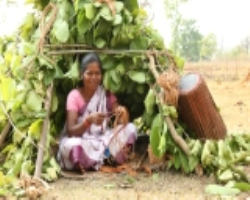
The Ho tribe represents one of India’s most fascinating indigenous communities, with a rich cultural heritage that spans centuries. This guide is perfect for students, researchers, cultural enthusiasts, and anyone curious about tribal communities in eastern India.
The Ho people have maintained their distinct identity while navigating the pressures of modern society. Their story offers valuable insights into how indigenous groups preserve traditions while adapting to contemporary challenges.
We’ll explore the origins and historical background of the Ho people, tracing their ancestral roots and migration patterns across the region. You’ll also discover their cultural practices and traditional lifestyle, including their unique customs, festivals, and daily routines that have shaped their community for generations. Finally, we’ll examine their language and communication systems, looking at how the Ho language serves as a cornerstone of their cultural identity and connects different generations within the tribe.
Origins and Historical Background of the Ho People
Ancient migration patterns and settlement in Jharkhand and Odisha
The Ho tribe traces their roots back thousands of years through complex migration patterns that brought them to the mineral-rich regions of present-day Jharkhand and western Odisha. Archaeological evidence suggests that the Ho people, along with other Austroasiatic groups, migrated from Southeast Asia around 3,000-4,000 years ago. These early settlers moved through the eastern corridors of the Indian subcontinent, eventually establishing themselves in the Chota Nagpur plateau region.
The Ho people primarily settled in areas that would later become the Kolhan division of Jharkhand, particularly around the Chaibasa region. Their migration wasn’t a single event but rather a gradual process spanning several centuries. The tribe found these hilly, forested areas ideal for their traditional lifestyle, which centered around hunting, gathering, and later, agriculture.
Over time, the Ho community spread across approximately 1,000 square kilometers, creating numerous villages and establishing a strong territorial identity. Ho Tribe settlement patterns were strategic, often choosing locations near water sources and fertile valleys while maintaining access to the forests that provided essential resources for their survival.
Etymology and meaning of the name “Ho”
The name “Ho” carries deep cultural significance and reflects the tribe’s self-perception and identity. In the Ho language, “Ho” means “human being” or “person,” representing the community’s fundamental understanding of themselves as the original inhabitants of their land. This self-designation reflects a common pattern among indigenous groups worldwide who often refer to themselves using terms that translate to “the people” or “human beings.”
Some linguistic scholars suggest that the term may also be connected to words meaning “brave” or “warrior,” which aligns with the Ho tribe’s historical reputation as fierce defenders of their territory. The Ho people have maintained this name across generations, and it serves as both an ethnic identifier and a source of cultural pride.
The simplicity of the name belies its profound meaning within Ho society, where it encompasses not just individual identity but collective belonging to the land, ancestors, and traditional way of life.
Connection to the larger Munda ethnic group
The Ho tribe belongs to the broader Munda ethnic family, one of India’s oldest indigenous groups. This connection runs deep through shared linguistic, cultural, and historical roots that bind together several tribal communities across eastern and central India. The Munda family includes tribes such as the Santhal, Mundari, Korku, and Kharia, all of whom share Austroasiatic linguistic heritage.
Linguistically, the Ho Tribe language belongs to the South Munda branch of the Austroasiatic language family. This places them in a distinct category separate from the Indo-Aryan and Dravidian language families that dominate most of India. The Ho language shares significant vocabulary and grammatical structures with other Munda languages, particularly Mundari, though each has developed its own unique characteristics over centuries.
Culturally, the Ho people share many traditions with other Munda groups, including similar agricultural practices, social structures, and religious beliefs centered around nature worship. Their traditional clan system, dance forms, and festivals show remarkable similarities with other Munda communities, indicating their shared ancestry and continued cultural exchange.
Traditional homeland and geographical distribution
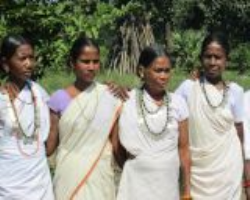
The traditional homeland of the Ho tribe centers on the Kolhan region of Jharkhand, with the town of Chaibasa serving as their cultural and administrative hub. This area encompasses parts of West Singhbhum, East Singhbhum, and Saraikela-Kharsawan districts in Jharkhand, along with portions of Mayurbhanj district in Odisha.
The Ho territory covers approximately 1,000 square kilometers of diverse landscape including hills, forests, rivers, and valleys. The region is rich in natural resources, particularly iron ore, which has historically provided both opportunities and challenges for the Ho people. The Koel and Sankh rivers flow through their traditional lands, providing water for agriculture and daily life.
Today, while many Ho people remain in their traditional homeland, economic pressures and modernization have led to migration to urban areas for employment. However, the core community maintains strong connections to their ancestral lands, and most Ho villages continue to practice traditional forms of governance and cultural preservation within their historical territory.
Cultural Practices and Traditional Lifestyle
Unique customs and rituals that define Ho identity
The Ho tribe maintains several distinctive customs that set them apart from neighboring communities. One of their most sacred rituals is the Bonga ceremony, where tribal members honor their ancestral spirits through elaborate dance performances and offerings of rice wine. During this ceremony, the village priest, known as the Deuri, leads the community in chanting ancient prayers while participants wear traditional white clothing adorned with red borders.
Birth rituals play a crucial role in Ho society. When a child is born, the family plants a tree, believing this creates a spiritual connection between the child and nature. The naming ceremony occurs on the sixth day after birth, where elders choose names based on the day of the week and seasonal conditions. Coming-of-age rituals for both boys and girls involve tests of courage and knowledge of tribal traditions, marking their transition into full community membership.
Death customs among the Ho people involve unique burial practices. The deceased is buried with personal belongings and tools they used during their lifetime. The community observes a mourning period where specific foods are avoided, and certain activities are forbidden. Memorial stones are erected to honor the departed, creating sacred spaces where families can continue to connect with their ancestors.
Traditional occupations including agriculture and hunting
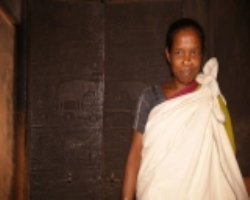
Agriculture forms the backbone of Ho tribal economy, with rice cultivation being their primary occupation. The Ho tribe practices jhum cultivation, a traditional slash-and-burn method where they clear forest areas, burn the vegetation, and use the ash as fertilizer. This sustainable farming technique allows the land to regenerate after a few years of cultivation.
Their agricultural calendar revolves around seasonal patterns, with different crops planted according to monsoon cycles. Besides rice, they cultivate millet, maize, pulses, and various vegetables. Women typically handle seed selection and post-harvest activities, while men focus on land preparation and plowing using traditional wooden plows pulled by oxen.
Hunting remains an important supplementary activity, though its significance has diminished over time. Ho hunters traditionally use bows and arrows, traps, and nets to catch wild boar, deer, rabbits, and various birds. Fishing in nearby rivers and streams provides additional protein sources. The community follows strict rules about hunting seasons and protected areas, demonstrating their deep understanding of wildlife conservation.
Handicrafts represent another traditional occupation, with Ho artisans creating beautiful baskets, mats, and wooden items. Women excel in weaving and textile work, producing colorful fabrics using natural dyes extracted from plants and minerals found in their forest environment.
Community festivals and seasonal celebrations
The Ho tribe celebrates numerous festivals throughout the year, each marking important agricultural or spiritual milestones. Mage Parab stands as their most significant festival, celebrated during the harvest season when the community comes together to thank their deities for a bountiful crop. During this three-day celebration, villagers perform traditional dances like the Lagre and Mundari while wearing elaborate costumes decorated with peacock feathers and colorful beads.
Karam festival honors the Karam tree, considered sacred by the Ho people. Young unmarried women and men participate in special rituals where they worship branches of the Karam tree, believing this brings prosperity and good fortune to their families. The festival includes storytelling sessions where elders share ancient legends and moral tales that preserve tribal wisdom.
Sohrai festival marks the beginning of winter and celebrates cattle wealth. Families decorate their homes with beautiful mud paintings depicting animals, birds, and geometric patterns. This festival showcases the artistic talents of Ho women who create intricate designs using natural pigments. The celebration includes cattle worship ceremonies where cows and bulls are honored with special foods and decorations.
Seasonal celebrations often coincide with agricultural activities. The sowing festival involves rituals to ensure good rainfall and healthy crops, while harvest celebrations include thanksgiving ceremonies and community feasts where everyone shares the season’s produce.
Marriage customs and family structure
Ho marriage customs follow traditional patterns that strengthen community bonds and preserve cultural values. Most marriages are arranged by families, though young people’s preferences are increasingly considered. The bride price, known as “gondli,” involves the groom’s family providing cattle, rice, and other goods to the bride’s family, symbolizing respect and the establishment of new relationships between households.

Wedding ceremonies span several days and include multiple rituals. The “sindoor daan” ceremony marks the official union when the groom applies vermillion to the bride’s forehead. Traditional wedding songs, performed by women from both families, narrate stories of love, family responsibilities, and community values. The bride typically moves to her husband’s village, though she maintains strong connections with her birth family.
The Ho tribe follows a patrilineal family structure where descent and inheritance pass through the male line. Extended families often live together in large compounds, with multiple generations sharing resources and responsibilities. The eldest male serves as the household head, making important decisions about family matters and resource allocation.
Family roles are clearly defined yet flexible. Women manage household activities, child-rearing, and food preparation while also participating in agricultural work. Men handle external affairs, hunting, and major agricultural tasks. Children learn traditional skills from their grandparents, ensuring cultural knowledge transfers across generations. Respect for elders remains paramount, with younger family members seeking guidance and blessings for major life decisions.
Language and Communication Systems
Ho Language Characteristics and Linguistic Family
The Ho language belongs to the Munda family of languages, which forms a distinct branch within the Austro-Asiatic language group. This places the Ho tribe among the earliest linguistic communities in South Asia, with roots that trace back thousands of years. The language shares significant similarities with other Munda languages like Santali and Mundari, yet maintains its unique phonological and grammatical features that set it apart.
Ho is characterized by its agglutinative structure, where words are formed by adding various suffixes to root forms. The language employs a rich system of verbal conjugations that indicate not only tense and aspect but also the relationship between the speaker and the action. Tone plays a minimal role compared to other regional languages, making it relatively easier for speakers to learn related Munda dialects.
The phonemic inventory of Ho includes several sounds that are uncommon in Indo-European languages spoken in the region. These distinctive sounds have remained preserved despite centuries of contact with Hindi, Bengali, and other dominant languages. The Ho people take pride in maintaining these linguistic features as markers of their cultural identity.
Oral Traditions and Storytelling Practices
Storytelling serves as the backbone of Ho cultural transmission, with elders passing down centuries-old tales through spoken word rather than written records. These oral narratives encompass creation myths, heroic epics, moral teachings, and historical accounts that shape the community’s worldview and values.
The Ho tribe maintains several categories of oral literature:
- Kaji – Sacred stories about deities and supernatural beings
- Durang katha – Historical narratives about tribal heroes and battles
- Noa katha – Folk tales with moral lessons
- Susun katha – Seasonal stories tied to agricultural cycles
Traditional storytellers, known as naeke, hold respected positions within Ho society. These skilled narrators don’t simply recite stories verbatim but adapt their telling to suit the audience and occasion. They use voice modulation, gestures, and sometimes musical instruments to bring the narratives to life.
The stories often feature recurring characters like clever animals, brave warriors, and wise village elders. Many tales explain natural phenomena, social customs, and the origins of specific clans within the Ho tribe. These narratives serve educational purposes, teaching children about proper behavior, community values, and their place in the natural world.

Traditional Scripts and Modern Preservation Efforts
Historically, the Ho tribe relied entirely on oral communication, lacking a native writing system. However, colonial administrators and missionaries introduced various scripts to document the language, including Devanagari, Bengali, and Latin alphabets. Each script presented challenges in accurately representing Ho phonemes, leading to inconsistent spelling and pronunciation guides.
The Warang Citi script, developed by Lako Bodra in the 1940s specifically for Ho and related Munda languages, represents a significant breakthrough in linguistic preservation. This indigenous script captures the unique sounds of Ho more accurately than borrowed writing systems. The script consists of 32 letters and follows the natural speech patterns of the language.
Modern preservation efforts include:
Community organizations and academic institutions now collaborate to document Ho vocabulary, grammar patterns, and cultural expressions. Young Ho people increasingly recognize the importance of maintaining their linguistic heritage while adapting to modern communication needs. Schools in Ho-majority areas have begun incorporating mother tongue instruction, helping children develop literacy in their native language alongside regional and national languages.
Social Organization and Governance
Village council system and traditional leadership
The Ho tribe operates through a well-established village council system that has governed their communities for centuries. At the heart of this system lies the munda, the traditional village headman who serves as both leader and mediator. The munda typically inherits this position through patrilineal succession, though the community can challenge unsuitable candidates. This leader works alongside the panik, a messenger who communicates decisions throughout the village, and various other officials who handle specific responsibilities like maintaining peace and organizing community events.
The village council, known as lo bir, brings together respected community members to discuss important matters affecting the Ho people. These councils convene regularly to address disputes, plan agricultural activities, and make decisions about resource allocation. The democratic nature of these gatherings allows every household to have a voice, though final decisions often rest with the munda and senior council members.
Traditional leadership among the Ho extends beyond administrative duties. Leaders are expected to possess deep knowledge of customs, serve as spiritual intermediaries during religious ceremonies, and maintain the oral traditions that preserve Ho culture. The authority of these leaders comes not just from their position but from their ability to demonstrate wisdom, fairness, and genuine concern for community welfare.

Clan structure and kinship patterns
Ho society is organized around a complex clan system called kili that traces ancestry through patrilineal descent. The Ho tribe consists of approximately twelve major clans, each with its own totemic identity and specific taboos. These clans include names like Honhaga, Baa, and Pusa, with each clan claiming descent from a common ancestor and maintaining distinct ritual practices.
Marriage within the same clan is strictly prohibited, creating an intricate network of inter-clan relationships that strengthen the broader Ho community. The kinship system extends beyond immediate family to include elaborate classifications for relatives, with specific terms for maternal and paternal relations. This system creates strong social bonds and mutual support networks that help Ho families during times of crisis or celebration.
Each clan maintains its own sacred grove and performs specific rituals related to their totemic animal or object. The clan structure also determines certain occupational preferences and settlement patterns within Ho villages. Members of the same clan often live in proximity to each other and share resources during important life events like births, marriages, and deaths.
Role of elders in community decision-making
Elders hold tremendous respect and authority within Ho society, serving as living repositories of cultural knowledge and wisdom. The community turns to these senior members for guidance on everything from agricultural practices to conflict resolution. Their role goes beyond mere consultation – elders actively shape community policies and ensure that traditions are properly maintained and transmitted to younger generations.
The burhia or elder council consists of the oldest and most respected members of each clan. These individuals have proven themselves through years of service and demonstrated their understanding of Ho customs and values. During community meetings, elders speak first and their opinions carry significant weight in final decisions. Younger community members rarely challenge elder viewpoints directly, instead engaging in respectful dialogue that honors their experience.
Elders also serve as the final arbiters in serious disputes that cannot be resolved through normal channels. Their deep understanding of customary law and traditional precedents makes them ideal mediators. They preserve and share oral histories, folk tales, and genealogical information that keeps Ho culture alive across generations. The authority of elders stems from the Ho belief that age brings wisdom and that those who have lived longest have the greatest understanding of proper social conduct.
Gender roles and responsibilities within Ho society
Traditional Ho society follows clearly defined gender roles that assign specific responsibilities to men and women. Men typically handle activities like hunting, fishing, and heavy agricultural work such as plowing and clearing fields. They also take primary responsibility for village defense, conducting trade with neighboring communities, and participating in formal decision-making processes within the village council.
Women manage household affairs, child-rearing, and specific agricultural tasks like transplanting rice, weeding, and harvesting. They are skilled in traditional crafts such as weaving, pottery, and food processing. Ho women also play important roles in religious ceremonies, often serving as priestesses or ritual specialists who maintain household shrines and perform specific rites related to fertility and harvest celebrations.
Despite these traditional divisions, Ho women enjoy considerable autonomy and respect within their communities. They control family finances, make important decisions about children’s education and marriages, and often influence community affairs through informal networks. Women can own property, participate in market activities, and express their opinions freely during family discussions. The Ho recognize the complementary nature of male and female contributions to community life, viewing both as essential for social harmony and prosperity.
Modern changes have begun shifting these traditional patterns as Ho youth receive formal education and engage with outside economic opportunities. Young Ho women increasingly pursue careers outside the home while men take on greater domestic responsibilities, though core cultural values about family and community remain strong.
Religious Beliefs and Spiritual Practices
Nature Worship and Animistic Traditions
The Ho tribe maintains a deep spiritual connection with the natural world, viewing every element of their environment as imbued with life force and sacred energy. Trees, rivers, mountains, and stones hold divine presence in their belief system. The Sal tree stands as particularly sacred, often serving as a focal point for community rituals and ceremonies.
Rivers receive special reverence as life-giving entities that sustain both the physical and spiritual well-being of the community. The Ho people believe that disturbing these natural elements without proper ritual acknowledgment can bring misfortune or illness. This animistic worldview shapes their agricultural practices, hunting customs, and daily interactions with their surroundings.

Ancestor Veneration and Spiritual Ceremonies
Ancestor worship forms the cornerstone of Ho spiritual life. The departed souls, known as “Bonga,” continue to influence the living world and require regular attention through offerings and ceremonies. Families maintain household shrines where they place rice, water, and flowers for their ancestors.
Major festivals like Karam and Jani revolve around honoring ancestral spirits. During these celebrations, the entire community gathers to perform traditional dances, songs, and ritualistic offerings. The Ho people believe their ancestors guide important decisions, protect the family from harm, and ensure agricultural prosperity. Special ceremonies mark significant life events like births, marriages, and deaths, always involving ancestral blessings.
Sacred Groves and Holy Sites
Sacred groves called “Sarnas” serve as outdoor temples for the Ho community. These protected forest areas remain untouched by human development, preserving biodiversity while serving religious purposes. Each village typically maintains its own Sarna, where community worship takes place under ancient trees.
These groves house village deities and serve as meeting places for important tribal councils. The Ho people strictly prohibit cutting trees, hunting animals, or disturbing the natural ecosystem within these boundaries. During festivals and emergencies, the entire community gathers at these sites for collective prayers and decision-making processes.
Impact of Modern Religions on Traditional Beliefs
Christianity and Hinduism have gradually influenced Ho religious practices, creating a complex blend of traditional and modern beliefs. Many Ho families now practice syncretic forms of worship, incorporating elements from multiple religious traditions while maintaining their core animistic beliefs.
Some community members have converted to Christianity, leading to tensions within families and villages about maintaining traditional practices. Hindu festivals and deities have also found acceptance among certain Ho groups, particularly those living in closer contact with mainstream Indian society. Despite these influences, the fundamental respect for nature and ancestor veneration remains strong in most Ho communities.
Role of Shamans and Spiritual Healers
Shamans, known as “Ojha” or “Naya,” serve as intermediaries between the spiritual and physical worlds in Ho society. These spiritual leaders possess specialized knowledge of herbal medicines, ritual practices, and communication with ancestral spirits. They diagnose illnesses, perform healing ceremonies, and guide important community decisions.
The training of shamans involves years of learning traditional songs, understanding medicinal plants, and developing the ability to enter trance states. They play crucial roles during festivals, life ceremonies, and times of crisis. Modern healthcare has reduced their influence in treating physical ailments, but many Ho people still consult shamans for psychological issues, spiritual guidance, and maintaining harmony with natural forces.
Modern Challenges and Adaptation
Industrial Development Impact on Traditional Lands
The Ho tribe faces mounting pressure from large-scale industrial projects that have transformed their ancestral territories. Mining operations, particularly iron ore and coal extraction, have displaced entire Ho communities from lands they’ve occupied for generations. Steel plants and thermal power stations now dot the landscape where traditional villages once thrived, forcing families to relocate and abandon sacred groves that held deep spiritual significance.
These industrial developments have disrupted traditional agricultural practices that the Ho people relied on for centuries. Rice paddies and forest areas where they practiced shifting cultivation have been acquired for industrial use, often with minimal compensation. The community’s intimate knowledge of forest ecosystems becomes less relevant when the forests themselves disappear under concrete and machinery.
Water sources that sustained Ho villages for generations now serve industrial needs, leaving communities struggling with contaminated streams and depleted groundwater. The environmental degradation affects not just their physical survival but also their cultural identity, as many rituals and festivals were tied to specific natural landmarks that no longer exist.
Educational Initiatives and Literacy Programs
Recent decades have brought significant educational opportunities to Ho communities, though the journey toward widespread literacy remains challenging. Government schools now operate in many Ho villages, offering instruction in Hindi and regional languages, while some programs attempt to incorporate Ho language and cultural elements into the curriculum.
Adult literacy programs specifically target Ho women, who traditionally had limited access to formal education. These initiatives teach basic reading, writing, and numeracy skills while also providing information about health, hygiene, and legal rights. Community volunteers from within the Ho tribe often lead these programs, making them more culturally sensitive and effective.
Higher education opportunities have opened doors for younger generations of Ho people to pursue professional careers in cities. Some return to their communities as teachers, health workers, or advocates, bridging the gap between traditional knowledge and modern skills. However, this educational mobility sometimes creates tension between those who leave for better opportunities and those who remain to preserve traditional ways of life.
Economic Transition and Livelihood Changes
The Ho tribe’s economic foundation has shifted dramatically from subsistence agriculture and forest-based livelihoods to wage labor and market-oriented activities. Many Ho people now work in nearby mines, factories, and construction sites, earning regular wages but losing the flexibility and autonomy their ancestors enjoyed.
Traditional occupations like basket weaving, pottery, and organic farming are being supplemented or replaced by small businesses and service sector jobs. Some Ho entrepreneurs have started shops, transport services, and food stalls that cater to both tribal and non-tribal customers, creating new economic networks.
Agricultural practices are adapting to changing conditions through the introduction of hybrid seeds, chemical fertilizers, and modern irrigation techniques. While these methods can increase yields, they also create dependency on external inputs and markets that the Ho community doesn’t fully control.
Women’s roles in the economy have expanded significantly, with many participating in self-help groups that provide microfinance for small enterprises. These groups enable Ho women to start tailoring businesses, vegetable cultivation, and livestock rearing projects that supplement family income while allowing them to remain close to home and maintain cultural connections.
The Ho tribe stands as a remarkable example of how ancient communities can maintain their cultural identity while adapting to modern realities. From their rich historical roots and unique Austro-Asiatic language to their intricate social systems and deep spiritual connections with nature, the Ho people have built a vibrant society that values both tradition and progress. Their governance structures, religious practices, and daily customs reflect a deep understanding of community harmony and environmental balance.
Today’s Ho communities face the ongoing challenge of preserving their heritage while embracing opportunities in education, healthcare, and economic development. Supporting their efforts to maintain cultural practices, protect their language, and secure land rights becomes crucial for ensuring future generations can experience this rich cultural legacy. By understanding and respecting indigenous communities like the Ho tribe, we contribute to the beautiful diversity that makes our world more meaningful and interconnected.
