
The Rabha tribe represents one of Northeast India’s most fascinating indigenous communities, primarily inhabiting the plains and foothills of Assam and West Bengal. This guide serves researchers, students, travelers, and anyone curious about India’s rich tribal heritage who wants to understand the unique world of the Rabha people.
The Rabha community has maintained its distinct identity for centuries, blending ancient traditions with modern realities. Their story offers insights into how indigenous groups navigate changing times while preserving their cultural roots.
We’ll explore the origins and historical background of the Rabha people, tracing their journey through time and understanding how they’ve shaped their identity. You’ll also discover their cultural practices and traditional lifestyle, from vibrant festivals to daily customs that define their community life. Finally, we’ll examine their contemporary challenges and modernization efforts, looking at how the Rabha tribe balances tradition with progress in today’s world.
Origins and Historical Background of the Rabha People
Ancient migration patterns and settlement in Assam
The Rabha people trace their roots to ancient migratory movements across the northeastern region of India, with their ancestors believed to have arrived in present-day Assam several centuries ago. These early migrations followed the natural corridors of river valleys, particularly along the Brahmaputra and its tributaries, which provided fertile lands and abundant resources for settlement.
Archaeological evidence and oral traditions suggest that the Rabha tribe likely originated from Tibet-Myanmar linguistic groups, moving through the hill ranges of what is now Bhutan and the Duars region before establishing permanent settlements in the foothills of Assam. Their migration patterns show a preference for elevated terrain that offered strategic advantages for defense while remaining accessible to riverine trade routes.
The Rabha people primarily settled in the northern and western districts of Assam, including areas that are now part of modern-day Kokrajhar, Dhubri, Bongaigaon, and Goalpara districts. Their settlement strategy involved creating scattered villages across the undulating terrain, taking advantage of natural water sources and fertile alluvial soil deposits that supported their agricultural practices.
Historical connections with other tribal communities
Throughout their history, the Rabha tribe has maintained significant cultural and social connections with neighboring tribal communities, creating a rich tapestry of inter-tribal relationships. Their closest historical ties exist with the Garo, Bodo, and Koch communities, sharing similar linguistic roots and cultural practices that point to common ancestral origins.
Trade relationships played a crucial role in connecting the Rabha people with other tribal groups. They established regular exchange networks with the Khasi and Jaintia tribes of Meghalaya, trading forest products, handwoven textiles, and agricultural surplus for salt, dried fish, and metal tools. These commercial interactions led to cultural exchanges that influenced religious practices, marriage customs, and artistic traditions.
The Rabha tribe also developed strategic alliances with the Ahom kingdom and other regional powers, often serving as intermediaries in trade between the plains and hill communities. Their position in the borderlands made them valuable allies for larger kingdoms seeking to maintain control over trade routes and collect tributes from smaller tribal groups.
Evolution of Rabha identity through centuries
The formation of distinct Rabha identity occurred gradually over several centuries, shaped by their unique geographical position, cultural synthesis, and historical experiences. Initially, various sub-groups existed with different dialects and customs, but shared experiences of migration, settlement, and interaction with neighboring communities gradually forged a unified tribal identity.
Religious syncretism played a significant role in shaping Rabha identity, as the community absorbed influences from Hinduism, Buddhism, and indigenous animistic traditions. This religious blending created distinctive practices that became hallmarks of Rabha culture, including specific festivals, rituals, and spiritual beliefs that differentiated them from neighboring tribes.
Social institutions like the traditional council system and clan-based organization strengthened group cohesion and helped maintain cultural boundaries while allowing for selective adoption of external influences. The development of oral traditions, folk songs, and storytelling practices preserved historical memory and reinforced collective identity across generations.
Impact of colonial period on tribal structure
British colonial administration brought dramatic changes to traditional Rabha society, disrupting established patterns of governance, land tenure, and social organization. The introduction of formal administrative boundaries divided traditional tribal territories, often placing Rabha communities under different administrative units that weakened their unified political structure.
Colonial land revenue policies particularly affected the Rabha tribe, as traditional collective land ownership patterns clashed with British concepts of individual property rights. Many communities lost access to ancestral lands through legal procedures they didn’t understand, leading to economic hardship and social displacement that persisted for generations.
The colonial period also introduced formal education and Christian missionary activities that challenged traditional knowledge systems and religious practices. While some Rabha people embraced these changes, others resisted, creating internal divisions that affected community cohesion. The establishment of tea plantations and other colonial economic ventures brought both opportunities and exploitation, as many Rabha people became laborers in industries that transformed their traditional landscape.
Geographic Distribution and Habitat
Primary Settlements in Goalpara and Kamrup Districts
The Rabha tribe calls the fertile plains and rolling hills of Assam’s Goalpara and Kamrup districts their home. These two districts house the largest concentration of Rabha communities, with Goalpara district alone accounting for nearly 60% of the total Rabha population. The western part of Goalpara district, particularly areas around Dudhnoi, Goalpara town, and Lakhipur, showcases dense Rabha settlements that have existed for centuries.
Kamrup district serves as another significant stronghold, with substantial Rabha populations scattered across both rural and semi-urban areas. The Rabha communities here have adapted well to the changing landscape, maintaining their cultural identity while engaging with modern administrative systems. Smaller pockets of Rabha settlements also exist in neighboring districts like Kokrajhar, Bongaigaon, and parts of Meghalaya, creating a network of interconnected communities that share cultural and kinship ties.
Traditional Village Organization and Land Use Patterns
Rabha villages follow a distinctive organizational structure that reflects their deep connection to the land and community-centered lifestyle. Traditional Rabha settlements typically cluster around elevated areas near water sources, with houses arranged in a semi-circular or linear pattern depending on the terrain. Each village operates under the guidance of a village headman called “Deka” or “Mondal,” who serves as the primary decision-maker for community affairs.
Land use patterns among the Rabha reveal sophisticated agricultural knowledge passed down through generations. The community practices a mixed farming system that combines wet rice cultivation in lowland areas with shifting cultivation (jhum) on hillsides. This dual approach maximizes land productivity while allowing soil regeneration. Villages maintain common grazing areas for livestock, sacred groves for religious ceremonies, and designated spaces for community gatherings.
Family compounds typically include the main dwelling, granaries, livestock shelters, and small kitchen gardens where vegetables and medicinal plants grow. The Rabha have developed intricate water management systems, creating small ponds and channels that serve both irrigation and aquaculture purposes. Community forests provide timber, fuel, and non-timber forest products that supplement household income and daily needs.
Adaptation to Diverse Ecological Zones
The Rabha tribe demonstrates remarkable adaptability across different ecological zones within their traditional territory. Living in areas that transition from river plains to forested hills, they have developed specialized knowledge for each environment. In the floodplains near the Brahmaputra River system, Rabha communities excel at flood-resistant agriculture, growing varieties of rice that can withstand seasonal inundation.
Hill-dwelling Rabha groups have mastered terraced farming techniques, creating step-like agricultural fields on steep slopes that prevent soil erosion while maximizing arable land. These communities cultivate diverse crops including maize, millet, vegetables, and cash crops like ginger and turmeric. Their traditional ecological knowledge includes understanding seasonal migration patterns of fish, optimal planting times based on natural indicators, and sustainable harvesting of forest resources.
Climate adaptation strategies include constructing houses on stilts in flood-prone areas and building with locally available materials like bamboo, wood, and thatch that provide natural insulation. The Rabha have also developed weather prediction methods based on animal behavior, plant flowering cycles, and atmospheric changes. This environmental wisdom enables them to maintain food security and livelihood stability across varied geographical conditions while preserving biodiversity in their ancestral lands.
Cultural Practices and Traditional Lifestyle
Unique Festivals and Ceremonial Celebrations
The Rabha tribe celebrates numerous vibrant festivals that mark the agricultural calendar and spiritual beliefs. Baikho is their most significant harvest festival, celebrated with traditional dances, community feasts, and elaborate rituals honoring ancestral spirits. During this three-day celebration, entire villages come together to perform the Rabha folk dance, accompanied by indigenous instruments like the dhol and pepa.
Pabitra festival holds deep religious significance, involving purification ceremonies where community members cleanse themselves in sacred rivers. The Rabha people also observe Chomangkan, a festival dedicated to their forest deities, featuring animal sacrifices and offerings of rice beer. These celebrations strengthen social bonds while maintaining their connection to nature and ancestral traditions.
Traditional Crafts and Artistic Expressions
Rabha artisans excel in bamboo and cane craftsmanship, creating intricate baskets, fishing traps, and household items. Their traditional weaving produces colorful textiles featuring geometric patterns unique to their culture. Women weave on backstrap looms, creating beautiful shawls and traditional garments called rigu and rikham.
Pottery making remains a cherished skill among Rabha women, who craft earthenware vessels for storing grain and brewing traditional rice beer. Wood carving represents another artistic domain, with craftsmen creating decorative items and religious artifacts. These traditional arts serve both practical and cultural purposes, preserving ancient techniques passed down through generations.
Customary Laws and Governance Systems
The Rabha tribe follows a well-structured traditional governance system led by village headmen called mel or nokma. These leaders settle disputes, maintain social order, and oversee community decisions through consensus-building processes. Village councils, known as raij, include representatives from different clans who participate in decision-making.
Traditional laws govern marriage, property rights, and social conduct. Violations of customary norms result in penalties like fines, social boycotts, or community service. The system emphasizes restorative rather than punitive justice, focusing on maintaining harmony within the community. Land ownership follows ancestral inheritance patterns, with certain areas designated as community property for collective use.
Marriage Customs and Family Structures
Rabha marriage ceremonies involve elaborate rituals spanning several days. The groom’s family presents gifts to the bride’s family, including traditional textiles, ornaments, and livestock. Cross-cousin marriages are preferred, strengthening clan relationships and maintaining social cohesion.
The Rabha follow a patrilineal system where children belong to their father’s clan. Joint families remain common, with multiple generations living together under one roof. Women enjoy considerable freedom in choosing their spouses, and divorce is socially acceptable under certain circumstances. The bride price tradition, called pika, varies according to family status and education levels.
Role of Elders in Preserving Cultural Heritage
Elderly Rabha community members serve as living repositories of traditional knowledge, oral histories, and cultural practices. They teach younger generations about medicinal plants, agricultural techniques, and ritualistic procedures through storytelling and hands-on instruction.
Grandparents play crucial roles in transmitting folk tales, proverbs, and traditional songs that carry moral lessons and historical accounts. During festivals and ceremonies, elders lead prayers, perform ancient rituals, and ensure proper adherence to customary practices. Their guidance helps maintain cultural authenticity while adapting to modern challenges, making them invaluable bridges between past and present generations.
Language and Communication Systems
Linguistic Classification and Dialects
The Rabha tribe speaks Rabha, a Tibeto-Burman language belonging to the Bodo-Garo subfamily. This places their language within the larger Sino-Tibetan language family, connecting them linguistically to various communities across Northeast India and Southeast Asia. The language shows fascinating variations across different Rabha settlements, with several distinct dialects emerging based on geographical distribution and historical migration patterns.
Three primary dialect groups have been identified among the Rabha people: Rongdani, Kocha, and Maitori. Each dialect reflects unique phonetic variations, vocabulary differences, and grammatical structures that have developed over centuries of separate community evolution. The Rongdani dialect, primarily spoken in the Goalpara district of Assam, contains numerous Assamese loanwords due to extensive cultural contact. Meanwhile, the Maitori dialect, found in Meghalaya regions, incorporates Khasi linguistic elements, demonstrating how geographical proximity influences language development.
Rabha utilizes a complex tonal system that affects meaning, making it challenging for outsiders to master. The language traditionally relied on oral transmission without a standardized writing system, though recent efforts have introduced Roman and Devanagari scripts for documentation purposes. Linguistic research reveals that Rabha shares structural similarities with other Bodo-Garo languages, particularly in verb conjugation patterns and noun classification systems.
Oral Traditions and Storytelling Practices
Storytelling forms the backbone of Rabha cultural transmission, with elaborate oral traditions preserving their history, values, and worldview across generations. The Rabha people maintain rich collections of folktales, myths, legends, and historical narratives that serve multiple functions beyond entertainment. These stories act as educational tools, moral guides, and repositories of practical knowledge about their environment and survival strategies.
Professional storytellers, known as traditional narrators within Rabha society, possess extensive repertoires covering creation myths, heroic epics, and cautionary tales. Their performances often accompany religious festivals, seasonal celebrations, and important community gatherings. These skilled practitioners use dramatic voice modulations, gestures, and sometimes musical accompaniment to bring stories to life, creating immersive experiences that captivate audiences of all ages.
Common narrative themes include supernatural encounters with forest spirits, tales of brave warriors defending tribal territories, and stories explaining natural phenomena through mythological frameworks. Many stories feature moral lessons about respecting nature, maintaining community harmony, and preserving cultural values. The oral tradition also includes practical knowledge embedded within stories, such as information about medicinal plants, seasonal patterns, and traditional farming techniques.
Proverbs, riddles, and ceremonial chants represent additional forms of oral expression that the Rabha people use for communication and cultural preservation. These shorter forms often contain condensed wisdom, serving as quick references for behavioral guidance and community decision-making processes.
Challenges in Language Preservation
Modern pressures threaten the continuity of Rabha language and oral traditions, creating urgent concerns about cultural preservation among community leaders and linguists. Educational systems that prioritize mainstream languages like Assamese, Bengali, and English have reduced opportunities for young Rabha people to develop fluency in their ancestral tongue. Many children now grow up with limited exposure to traditional storytelling practices, weakening the intergenerational transmission chain that has sustained their culture for centuries.
Migration to urban areas for employment and education further accelerates language shift, as Rabha speakers often adopt dominant regional languages for practical communication needs. Mixed marriages with non-Rabha partners sometimes result in households where the tribal language receives secondary importance, leading to gradual erosion of linguistic competence among children.
Documentation efforts have begun addressing these challenges through community-based language revitalization programs. Local organizations work with linguists to create dictionaries, grammar guides, and educational materials in the Rabha language. Some schools in Rabha-majority areas have introduced mother-tongue instruction programs, though these initiatives face resource constraints and teacher shortages.
Digital technology offers new possibilities for language preservation, with mobile apps, online dictionaries, and social media groups helping connect Rabha speakers across geographical boundaries. However, the success of these preservation efforts depends heavily on community participation and the continued commitment of younger generations to maintain their linguistic heritage while navigating modern educational and economic demands.
Religious Beliefs and Spiritual Practices
Indigenous Animistic Traditions
The Rabha tribe maintains a deep-rooted belief system centered around animism, where every element of the natural world possesses a living spirit. These beliefs form the cornerstone of their spiritual worldview, recognizing spirits in rivers, mountains, forests, and even household objects. The Rabha people believe that these spirits directly influence their daily lives, bringing either prosperity or misfortune based on how they’re treated.
Ancestral spirits hold particular significance in Rabha animistic practices. The community believes departed souls continue to guide and protect their descendants, requiring regular offerings and rituals to maintain their benevolence. These ancestral spirits are often invoked during important life events, agricultural ceremonies, and times of crisis, serving as intermediaries between the living and the divine realm.
The Rabha tribe’s animistic traditions also encompass a complex system of taboos and ritual observances designed to maintain harmony with the spirit world. Specific days are set aside for honoring different spirits, and community members must follow prescribed behaviors to avoid spiritual displeasure.
Nature Worship and Sacred Groves
Sacred groves, known locally as “Than,” represent one of the most significant aspects of Rabha spiritual practice. These protected forest areas serve as dwelling places for powerful deities and spirits, where no trees can be cut and no animals hunted. Each village typically maintains several sacred groves, each dedicated to specific deities who protect the community from natural disasters, diseases, and evil spirits.
The Rabha people worship various natural elements including:
- Rivers and water bodies – Considered sacred for their life-giving properties
- Ancient trees – Believed to house powerful spirits and ancestors
- Hills and mountains – Revered as abodes of major deities
- Stones and rocks – Often marked as dwelling places of local spirits
Regular festivals and ceremonies take place in these sacred spaces, where community members gather to offer prayers, sacrifices, and thanksgiving rituals. The preservation of these groves has inadvertently contributed to biodiversity conservation, as these areas remain untouched by modern development and deforestation.
Integration with Mainstream Religious Practices
Over the centuries, the Rabha tribe has shown remarkable adaptability in integrating elements of Hinduism and Christianity into their traditional belief system without completely abandoning their indigenous practices. This religious syncretism has created a unique spiritual landscape where ancient animistic traditions coexist with adopted religious elements.
Many Rabha communities have incorporated Hindu deities into their pantheon, particularly Shiva, Durga, and Kali, while maintaining their traditional spirit worship. These Hindu gods are often identified with local deities, creating a blended religious practice that satisfies both traditional and modern spiritual needs.
Christian missionary activities have also influenced some Rabha communities, leading to the adoption of Christian practices alongside traditional beliefs. However, even among Christian converts, many traditional rituals and festivals continue to be observed, demonstrating the enduring strength of indigenous spiritual practices.
Role of Traditional Healers and Shamans
Traditional healers, known as “Kabiraj” or “Ojha,” play crucial roles in Rabha spiritual and social life. These spiritual practitioners serve as intermediaries between the human and spirit worlds, possessing specialized knowledge of herbal medicine, ritual procedures, and communication with supernatural entities.
The responsibilities of these healers include:
- Diagnosing and treating illnesses believed to be caused by spiritual imbalance
- Performing exorcism rituals to remove evil spirits
- Conducting divination ceremonies to predict future events
- Leading community rituals and seasonal festivals
- Preserving and transmitting traditional knowledge to younger generations
These healers undergo extensive training, often beginning in childhood through dreams or spiritual calling. They learn complex chants, ritual procedures, and the medicinal properties of forest plants through years of apprenticeship with established practitioners. Their knowledge encompasses not only spiritual matters but also practical skills in herbal medicine, making them invaluable resources for community health and wellbeing.
Economic Activities and Livelihood Patterns
Shifting cultivation and agricultural practices
The Rabha tribe has practiced shifting cultivation, known locally as jhum cultivation, for centuries. This traditional farming method involves clearing small forest patches, burning the vegetation, and cultivating crops for 2-3 years before allowing the land to regenerate. The Rabha people primarily grow rice, maize, millet, and various vegetables using this technique.
Rice cultivation forms the backbone of Rabha agriculture, with multiple varieties adapted to different terrains and seasons. They cultivate both wet rice in valley areas and dry rice on hillsides. Traditional agricultural tools like the dao (machete), plough, and wooden digging sticks remain essential for their farming activities.
The agricultural calendar of the Rabha community revolves around monsoon patterns, with specific rituals marking different farming phases. Women play crucial roles in seed selection, weeding, and harvesting, while men typically handle land preparation and heavy fieldwork.
Forest-based occupations and resource utilization
Forest resources provide substantial livelihood opportunities for the Rabha tribe. They collect non-timber forest products including bamboo, cane, medicinal plants, honey, and various fruits. Bamboo serves multiple purposes – construction material for houses, baskets, and household items.
The Rabha people possess extensive knowledge of medicinal plants, collecting herbs like black pepper, ginger, turmeric, and numerous other species for both personal use and trade. Honey collection from wild bees represents another important forest-based activity, requiring specialized skills and traditional knowledge passed down through generations.
Fishing in forest streams and rivers supplements their diet and income. They use traditional methods like bamboo traps, nets, and poisoning techniques using specific plant extracts that temporarily stun fish without harming the ecosystem.
Traditional handicrafts and cottage industries
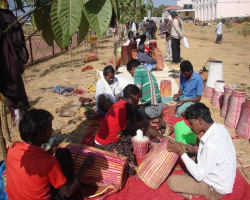
Handicraft production remains deeply embedded in Rabha culture and economy. Women excel in weaving traditional textiles using handlooms, creating vibrant fabrics with intricate patterns that reflect their cultural identity. These textiles include traditional garments, shawls, and ceremonial clothing.
Bamboo and cane craft represents another significant cottage industry. The Rabha artisans create various products including:
- Baskets and containers for agricultural and household use
- Furniture items like chairs, tables, and storage units
- Decorative items for ceremonial purposes
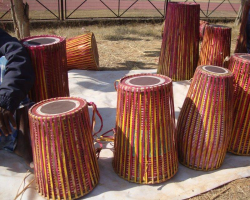
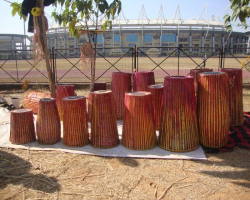
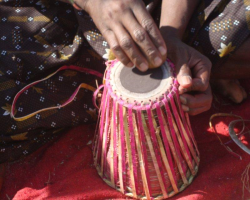
- Musical instruments like flutes and drums
Pottery work, though less common, still exists in some Rabha communities where skilled potters create earthenware for cooking and storage. These traditional crafts provide supplementary income and help preserve cultural heritage.
Modern employment opportunities and challenges
Contemporary economic changes have introduced new opportunities and challenges for the Rabha tribe. Many young people now seek employment in government sectors, private companies, and urban areas, leading to gradual shifts from traditional occupations.
Education has opened doors to careers in teaching, healthcare, administration, and business. Some Rabha individuals have succeeded in professional fields while maintaining connections to their cultural roots.
However, this transition brings significant challenges. Limited access to quality education and skill development programs restricts employment opportunities. Geographic isolation of many Rabha settlements creates barriers to accessing modern job markets.
Traditional knowledge systems face erosion as younger generations move toward modern occupations. The challenge lies in balancing economic advancement with cultural preservation, ensuring that traditional skills and forest-based livelihoods remain viable while embracing beneficial aspects of modernization.
Market access for traditional products remains limited, preventing many Rabha artisans and farmers from realizing fair prices for their goods. Government initiatives and NGO programs are working to address these challenges through skill development, market linkage programs, and sustainable development projects.
Social Organization and Community Structure
Clan System and Kinship Networks
The Rabha tribe follows a well-defined clan system that forms the backbone of their social structure. Each clan, known as “Noksa,” traces its lineage through patrilineal descent, where children belong to their father’s clan. The tribe consists of approximately twelve major clans, including Pani, Dahutia, Maitori, and Totla, each with distinct totems and ancestral connections.
Marriage within the same clan is strictly prohibited, maintaining genetic diversity and strengthening inter-clan relationships. This exogamous marriage system creates extensive kinship networks that span across villages and regions. Extended families often live in compound households called “Chang Ghar,” where three to four generations share resources and responsibilities.
The clan elder, or “Gaonbura,” holds significant authority in settling disputes and making important decisions. Kinship relationships determine social obligations, with specific terms for different relatives that reflect the person’s position within the family hierarchy. These networks provide crucial support during festivals, agricultural activities, and life-cycle ceremonies.
Gender Roles and Women’s Participation
Traditional Rabha society assigns distinct roles based on gender, though women enjoy considerable freedom compared to many other tribal communities. Women actively participate in agricultural work, particularly rice cultivation and vegetable farming, working alongside men in the fields. They also dominate the weaving industry, creating traditional textiles that serve both domestic needs and commercial purposes.
In household management, women control food storage, meal preparation, and child-rearing responsibilities. They play crucial roles during religious ceremonies and festivals, often serving as ritual assistants and maintaining sacred spaces. The Rabha women’s councils, called “Mahila Samiti,” have gained prominence in recent decades, addressing issues like domestic violence, education, and healthcare.
Property inheritance traditionally favors male heirs, but women can inherit parental property in the absence of male siblings. Women participate actively in local governance through Panchayati Raj institutions, with many serving as village heads and council members. Their involvement in self-help groups and cooperative societies has enhanced their economic independence and social status.
Youth Engagement and Education Priorities
Young people in Rabha society navigate between preserving traditional culture and embracing modern opportunities. The community places increasing emphasis on formal education, recognizing it as a pathway to economic advancement and social mobility. Many villages have established community schools and learning centers to supplement government education facilities.
Traditional knowledge transfer still occurs through oral traditions, where elders teach young people about medicinal plants, agricultural techniques, and cultural practices. Youth organizations called “Yuva Sangha” organize cultural programs, sports competitions, and community service activities, fostering leadership skills and social responsibility.
Modern challenges include migration to urban areas for higher education and employment, creating generational gaps in cultural knowledge transmission. However, many educated youth return to their communities, bringing new ideas while maintaining cultural connections. Digital literacy programs and computer training centers have emerged in several villages, preparing young people for contemporary job markets while encouraging them to document and preserve their cultural heritage through modern technology.
Contemporary Challenges and Modernization
Impact of urbanization on traditional lifestyle
The Rabha tribe faces significant pressure as cities expand and modern infrastructure reaches their traditional territories. Many young Rabha people migrate to urban centers seeking better employment opportunities, leaving behind their ancestral villages and customary ways of life. This migration creates a cultural disconnect between generations, with elders struggling to pass down traditional knowledge while their children adapt to urban environments.
Traditional occupations like weaving, bamboo crafting, and subsistence farming lose their relevance as market demands shift toward modern goods and services. The joint family system, once the cornerstone of Rabha society, weakens as nuclear families become more common in urban settings. Sacred groves and community spaces get converted into commercial developments, disrupting the spiritual connection the Rabha people maintain with their natural environment.
Despite these challenges, some Rabha communities actively blend traditional practices with modern conveniences. They establish cultural centers in urban areas, organize festivals to maintain community bonds, and use technology to document and preserve their heritage. Social media platforms help dispersed Rabha families stay connected and share cultural knowledge across geographical boundaries.
Educational advancement and skill development
Educational opportunities for the Rabha tribe have expanded dramatically over recent decades. Government initiatives provide scholarships specifically for tribal students, enabling many to pursue higher education in fields previously inaccessible to their community. Primary schools now operate in remote Rabha villages, reducing the need for children to travel long distances for basic education.
Vocational training programs focus on developing skills that respect traditional knowledge while meeting contemporary market needs. These programs teach modern agricultural techniques, sustainable forest management, and eco-tourism development. Computer literacy classes help bridge the digital divide, allowing Rabha youth to access online learning resources and connect with global opportunities.
Adult education programs target older community members, teaching basic literacy and numeracy skills. Women’s education receives special attention through self-help groups that combine financial literacy with traditional skills development. Mobile libraries bring books and educational materials directly to remote settlements, ensuring geographical isolation doesn’t limit learning opportunities.
Healthcare access and wellness initiatives
Healthcare accessibility has improved significantly for the Rabha community through mobile medical units that visit remote villages regularly. These units provide basic medical care, vaccinations, and health screenings that were previously unavailable in isolated areas. Community health workers, often trained from within the Rabha population, serve as bridges between modern medicine and traditional healing practices.
Government health insurance schemes now cover tribal populations, making hospital treatments and specialized care more affordable. Maternal and child health programs focus specifically on reducing infant and maternal mortality rates, which historically affected tribal communities disproportionately. Telemedicine services connect local health workers with specialists in distant hospitals, enabling better diagnostic capabilities in remote areas.
Traditional medicinal knowledge receives recognition through documentation projects that record herbal remedies and healing practices. Integration programs combine traditional healing with modern medical approaches, respecting cultural preferences while ensuring effective treatment. Mental health awareness campaigns address issues like depression and anxiety that emerge from cultural transition and modernization stress.
Environmental concerns and conservation efforts
The Rabha people face mounting environmental pressures as deforestation, mining activities, and industrial development encroach on their traditional territories. These activities disrupt the delicate ecosystems that support their subsistence lifestyle and threaten biodiversity that holds cultural significance. Climate change affects traditional agricultural patterns, forcing communities to adapt farming practices developed over generations.
Sacred groves, traditionally protected by Rabha customs, receive formal recognition under forest conservation laws. This legal protection helps preserve biodiversity hotspots while respecting cultural traditions. Community-based conservation programs train Rabha youth as forest guards and wildlife monitors, creating employment while protecting natural resources.
Sustainable development projects involve Rabha communities directly in conservation efforts. Eco-tourism initiatives generate income while preserving natural habitats and cultural heritage. Organic farming programs promote traditional agricultural methods that maintain soil health and biodiversity. Water conservation projects address the growing scarcity of clean water sources in tribal areas.
The Rabha tribe actively participates in climate change adaptation strategies, sharing traditional ecological knowledge with researchers and conservationists. Their intimate understanding of local ecosystems contributes valuable insights to broader environmental protection efforts across the region.
The Rabha tribe represents one of Northeast India’s most fascinating indigenous communities, with their rich cultural heritage spanning generations across Assam and neighboring regions. Their unique traditions, from intricate weaving patterns to seasonal festivals, showcase a way of life deeply connected to nature and community bonds. The Rabha language serves as more than just communication – it carries forward their oral histories, folk tales, and traditional knowledge that might otherwise be lost to time.
As modernization continues to reshape their world, the Rabha people face the delicate balance of preserving their ancestral customs while adapting to contemporary realities. Their journey reflects a broader story of indigenous communities worldwide – one of resilience, adaptation, and the ongoing struggle to maintain cultural identity. Supporting their efforts to document traditions, preserve their language, and maintain sustainable livelihoods will help ensure that future generations can learn from the Rabha people’s deep understanding of community living and environmental harmony.
