
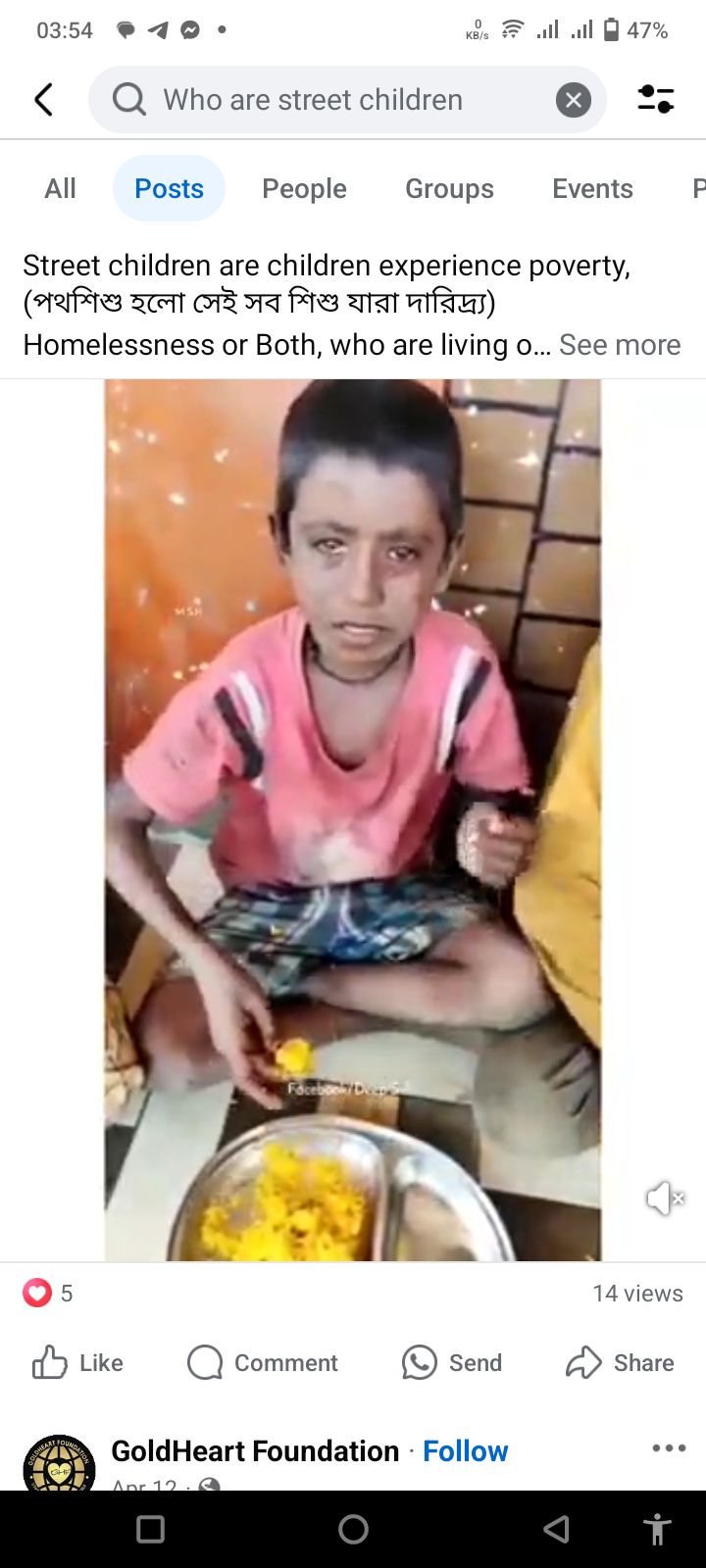
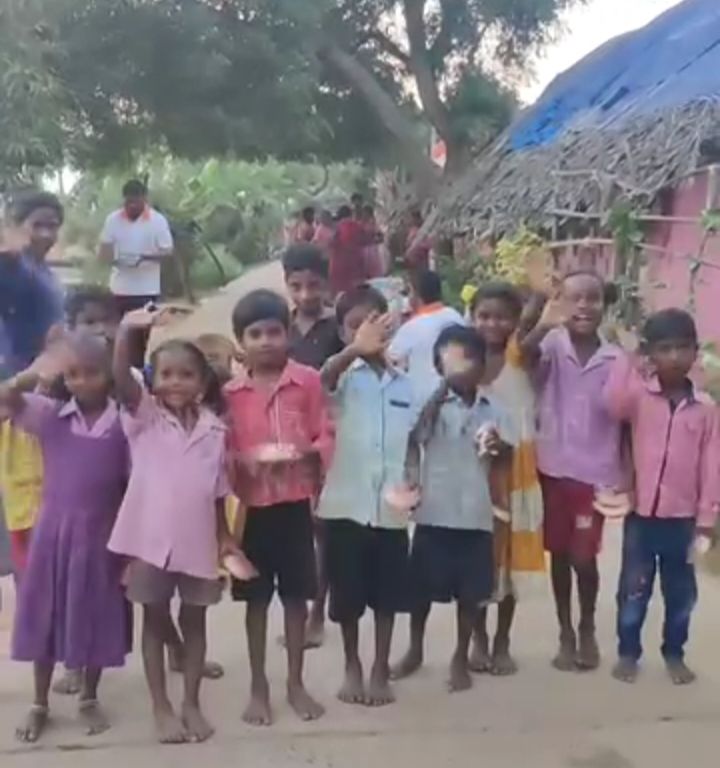
Every 8 seconds, another child finds themselves living on India’s unforgiving streets. That’s not a typo – by the time you finish reading this paragraph, three more kids will be navigating life without a roof over their heads.
The numbers are staggering, but behind each statistic is a real child with dreams as big as yours and mine. India’s homeless children crisis has reached unprecedented levels, with millions fighting daily battles most of us can’t imagine.
But there’s one question that kept me awake at night after my research ended, and it might just change how you see this issue forever.
The Scale of Child Homelessness in India
A. Current statistics and demographic data
The numbers are shocking. Over 18 million children live on India’s streets today. That’s roughly the population of New York and Los Angeles combined.
Most of these kids are between 6-14 years old, with boys outnumbering girls 71% to 29%. About 80% have completely lost contact with their families.
Nearly half of these children have never attended school. The ones who did? They dropped out before 5th grade.
B. Geographic distribution across urban and rural areas
The crisis isn’t spread evenly. Major cities like Mumbai, Delhi, Kolkata, and Chennai bear the heaviest burden, with Mumbai alone housing over 100,000 street children.
Railway stations become makeshift homes. In Delhi, you’ll find clusters of homeless kids at New Delhi Railway Station, Nizamuddin, and Anand Vihar terminals.
Rural homelessness looks different – less visible but equally devastating. Children there often live in inadequate shelters rather than completely on streets.
The distribution follows economic patterns. Maharashtra, Uttar Pradesh, Rajasthan, Bihar, and West Bengal report the highest numbers, accounting for nearly 55% of all homeless children nationwide.
C. Growth trends over the past decade
The situation is getting worse, not better. Since 2012, the number of homeless children has increased by approximately 37%.
Urban migration is fueling this crisis. As families move to cities seeking opportunity, many fracture under economic pressure.
Climate disasters have become a major driver too. The 2018 Kerala floods alone displaced thousands of children. Many never returned home.
What’s concerning is the rising number of “runaway” children – up 24% since 2015. These kids flee abuse, conflict, or extreme poverty.
D. Comparison with other developing nations
India’s child homelessness crisis stands out even among developing nations:
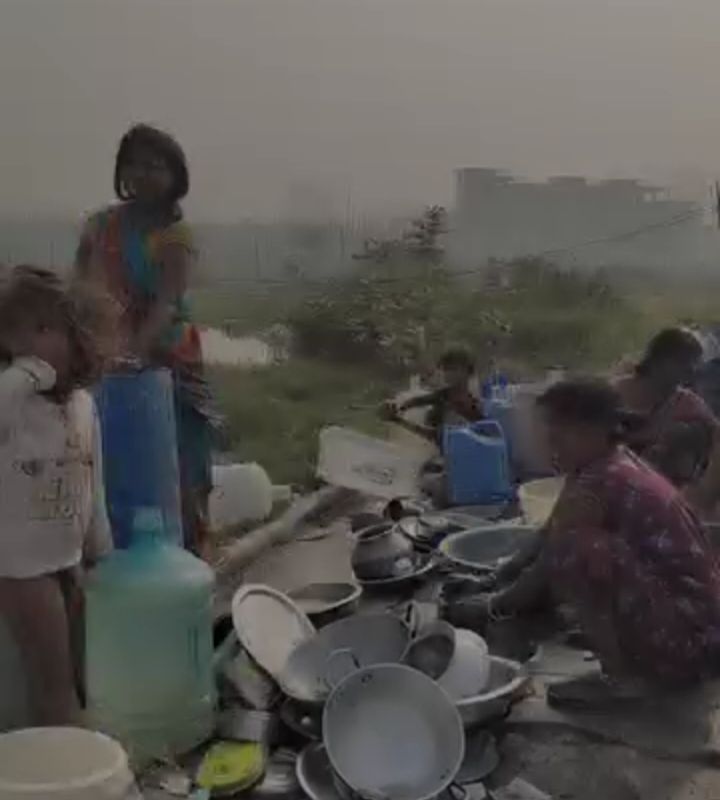 While Brazil has implemented somewhat successful intervention programs, India struggles with scale. The Philippines has stronger NGO networks addressing child homelessness, whereas India’s response remains fragmented.
China, despite similar population size, reports significantly lower numbers due to stringent monitoring systems and different reporting methods.
The key difference? Resource allocation. India spends approximately 0.9% of its GDP on child welfare programs, compared to Brazil’s 1.9% and South Africa’s 2.1%.
Root Causes of Child Homelessness
A. Extreme poverty and economic inequality
Kids on the streets of India often come from families that can’t even afford a single meal a day. When parents earn less than $2 daily, how can they possibly feed their children? This crushing poverty forces heart-wrenching choices – some parents abandon their kids believing they’ll have better chances alone than starving together.
The gap between rich and poor in India is like a canyon that keeps widening. While luxury cars zip past, children sleep under bridges. These aren’t just statistics – they’re real kids with empty stomachs and nowhere to call home.
B. Family breakdown and abandonment
Sometimes it’s not just money problems. Families fall apart. Parents die from diseases. Stepparents reject children from previous marriages. Drug addiction and alcoholism tear families to pieces.
Many homeless children tell stories of being kicked out after a parent remarried. Others ran away from abuse that nobody would stop. Some were simply dropped off in busy markets and told to wait for parents who never returned.
C. Natural disasters and displacement
When floods washed away villages in Bihar, thousands of children lost everything. Cyclones in coastal regions, earthquakes, and landslides don’t just destroy homes – they destroy families.
After disasters strike, temporary shelters become permanent fixtures. Parents migrate for work, sometimes leaving children behind. Recovery efforts often overlook the specific needs of children, pushing them into survival mode on streets of unfamiliar cities.
D. Urbanization and migration patterns
Rural families flock to cities chasing dreams of better jobs and education. But the urban reality hits hard – expensive housing, no support systems, unstable work. Children frequently end up working instead of studying, and when families can’t manage, kids slip through the cracks onto the streets.
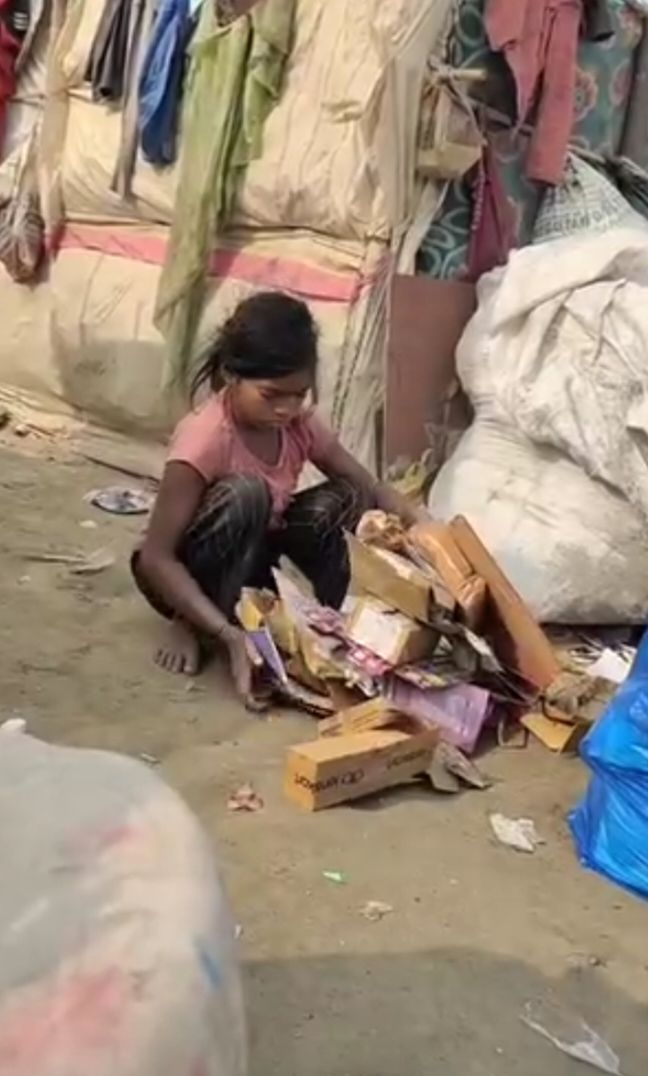
The industrial zones around Delhi, Mumbai and Bangalore are magnets for migrating families. When parents can’t find stable work, children become vulnerable to separation.
E. Social marginalization of certain communities
Some kids are homeless simply because of who they were born as. Dalit children, tribal communities, religious minorities – these groups face systematic discrimination that pushes them to society’s edges.
In many cases, entire communities live in unauthorized settlements that governments routinely demolish. When bulldozers come, families scatter and children often end up alone, trying to survive in a world that pretends they don’t exist.
Daily Challenges Faced by Homeless Children
A. Lack of shelter and basic necessities
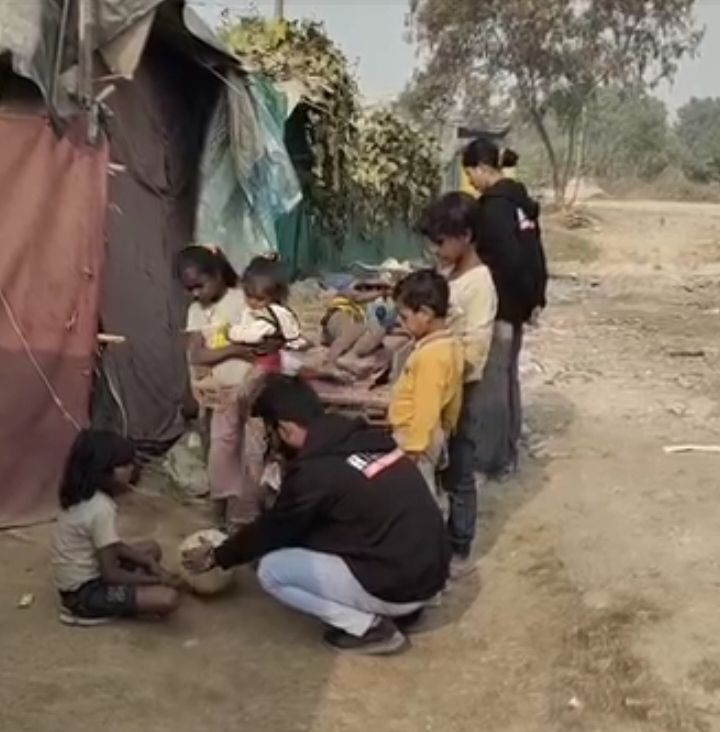
The streets of India aren’t kind to children without homes. When night falls, these kids scramble to find any spot that might protect them from the elements – under bridges, beside railway stations, or in abandoned buildings.
No roof means no security. Rain soaks their clothes and belongings. Summer heat bakes the concrete they sleep on. Winter nights bring bone-chilling cold with nothing but cardboard or newspaper for warmth.
Food is a daily struggle. Many go through garbage for leftovers or beg at traffic signals. Clean water? A luxury most don’t have regular access to.
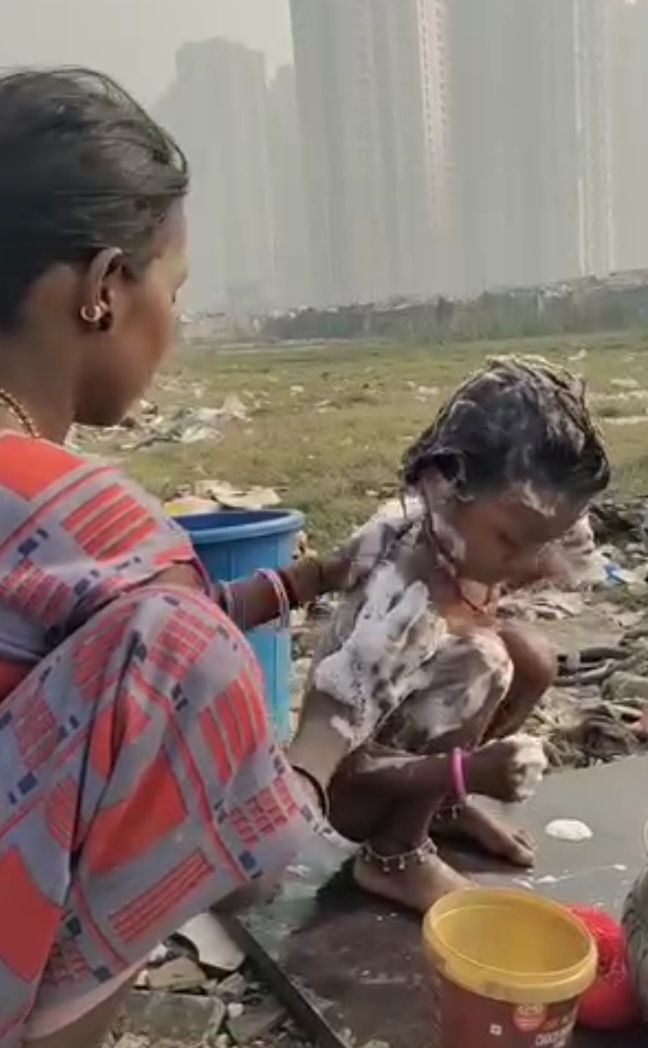
Basic hygiene is nearly impossible. No bathrooms, no place to bathe regularly, no clean clothes. Things most of us do without thinking are major challenges for these children.
B. Limited access to education
School is a distant dream for most homeless children. Without a permanent address, enrollment becomes a bureaucratic nightmare.
Even if they manage to enroll, how do you study when you’re constantly hungry? How do you complete homework without a quiet place or light? How do you attend regularly when you’re busy surviving?
Most end up falling behind or dropping out completely. The cycle continues – without education, their chances of escaping homelessness plummet.
C. Health risks and inadequate healthcare
Living on the streets is a health disaster waiting to happen. These kids breathe polluted air constantly and sleep in unsanitary conditions. Malnutrition weakens their immune systems while exposure to extreme weather causes frequent illnesses.
When they do get sick, healthcare access is minimal. No insurance, no money for medicine, no regular check-ups. Simple infections become serious. Preventable diseases go untreated.
Mental health suffers too. The constant stress and trauma of street life affects developing brains in profound ways.
D. Exploitation and abuse vulnerabilities
Homeless children are perfect targets for predators. Without adult protection, they face daily risks of:
- Forced labor in factories, restaurants, and homes
- Trafficking into sex work
- Recruitment into criminal gangs or drug trade
- Physical and sexual abuse by adults and other children
Police harassment is common. Rather than protection, many face brutality from the very authorities meant to help them.
The worst part? Many cases go unreported. These children exist on society’s margins – invisible, voiceless, and forgotten.
Impact on Child Development and Future Prospects
Physical and mental health consequences
Life on the streets destroys a child’s health. Period.
Homeless kids in India face malnutrition that stunts their growth. They’re constantly sick with respiratory infections, TB, and skin diseases from sleeping in filthy conditions.
The mental toll? Even worse. These children live in constant fear and stress. Many develop depression, anxiety, and PTSD at ages when they should be playing and learning. Self-medication through substance abuse is common – you’ll see children as young as six sniffing glue or using cheap drugs to escape their reality.
Sexual abuse runs rampant, particularly for girls, leading to trauma that can last a lifetime.
Educational deficits and learning barriers
Ever tried studying without a desk, books, or food in your stomach? That’s daily life for homeless children.
Most never enroll in school or drop out early. Those who do attend struggle with:
- Irregular attendance due to survival priorities
- No quiet place to study or do homework
- Discrimination from teachers and classmates
- Learning disabilities from malnutrition and trauma
- Language barriers if they’ve migrated from rural areas
Without education, these kids miss critical cognitive development stages that can’t be recovered later.
Socialization and identity formation issues
Growing up homeless warps a child’s sense of self and social skills.
These kids develop trust issues fast. Adults have failed them repeatedly, so why trust anyone? They form tight bonds with other street children – sometimes their only “family” – but these relationships often involve unhealthy power dynamics.
Their identity formation happens without positive role models. Instead of developing confidence and social skills, they learn survival tactics like aggression, manipulation, and submission.
Society labels them as “street children” or worse, making them internalize shame and worthlessness.
Long-term economic implications
The math is brutal: no education + poor health + trauma = limited economic future.
Most homeless children become adults trapped in poverty. They typically end up in:
- Day labor and dangerous construction work
- Rag picking and waste collection
- Begging networks (often controlled by criminal gangs)
- Sex work
Their earning potential stays permanently depressed. Even those who escape homelessness struggle with employment stability due to missing basic skills and work habits.
This costs India billions in lost productivity and human potential.
Cycle of intergenerational homelessness
The most heartbreaking part? This cycle repeats.
Children who grow up homeless often become parents who can’t provide stable homes. The trauma they experienced disrupts their parenting abilities. Economic instability makes maintaining housing nearly impossible.
Each generation faces the same brutal challenges:
- Limited education creates limited opportunities
- Unaddressed trauma leads to mental health and addiction issues
- No financial safety net means any crisis leads back to homelessness
Breaking this cycle requires intensive intervention at multiple levels – something India’s overtaxed social systems struggle to provide.
Current Support Systems and Interventions
Government initiatives and policies
The Indian government has rolled out several programs to tackle the homeless children crisis, but the gap between policy and implementation remains huge. The Integrated Child Protection Scheme (ICPS) looks great on paper – providing shelter, education, and rehabilitation. But visit any railway station in Mumbai or Delhi, and you’ll see how far we are from solving this problem.
The Juvenile Justice Act offers legal protection, yet most street kids don’t even know these rights exist. And when they do interact with the system, they’re often treated as criminals rather than victims.
Mid-day meal schemes and Sarva Shiksha Abhiyan (Education for All) try to keep vulnerable kids in school, but they don’t address the root causes pushing children to the streets in the first place.
NGO programs and their effectiveness
NGOs are filling crucial gaps where government efforts fall short. Organizations like Butterflies, Salaam Baalak Trust, and CRY have developed innovative approaches that actually work.
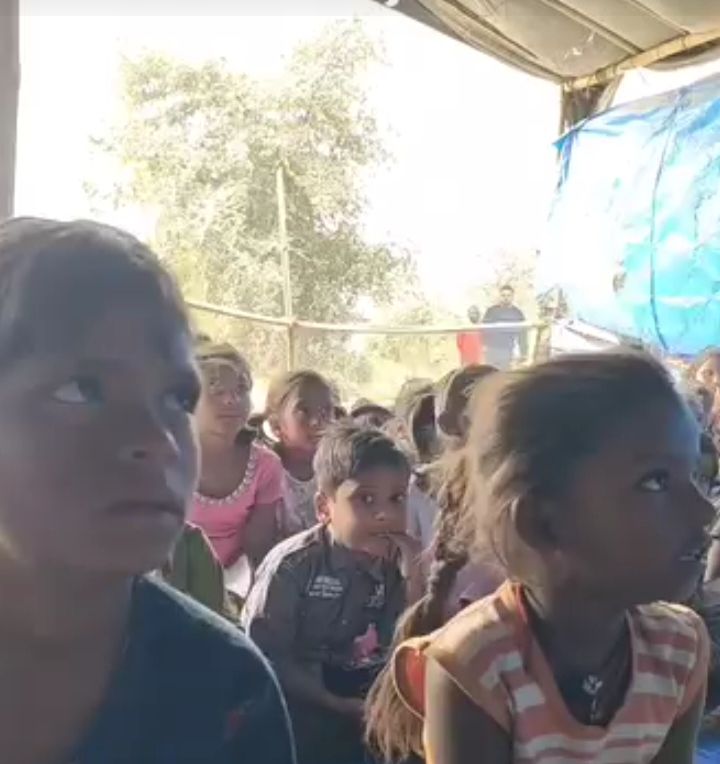
Take the “mobile schools” concept – bringing education directly to street children rather than expecting them to come to formal institutions. These programs meet kids where they are, both physically and emotionally.
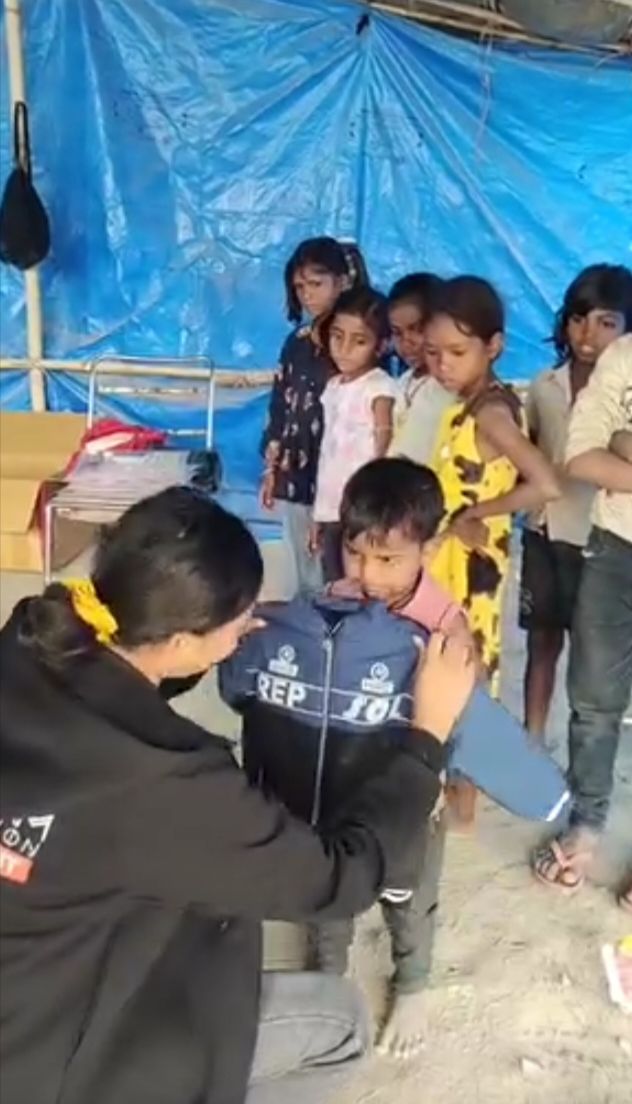
The most successful NGOs combine immediate relief with long-term rehabilitation. They provide not just food and shelter but also:
- Psychological counseling to address trauma
- Vocational training for sustainable futures
- Family reunification when possible
- Addiction recovery programs
Community-based support networks
Communities often create the most sustainable solutions. In places like Kolkata’s Bowbazar area, local shopkeepers look out for street children, providing occasional meals and alerting outreach workers when kids need help.
Faith-based community centers across India offer safe spaces where homeless children can get a meal, wash up, or simply rest without fear of harassment.
What makes community networks effective is their deep understanding of local contexts. They know which children belong to migrant families versus those who’ve run away from abuse. This knowledge helps tailor interventions to specific needs.
International aid and partnerships
International organizations bring crucial funding and technical expertise to India’s homeless children crisis. UNICEF partners with local groups to strengthen child protection systems, while international NGOs like Save the Children implement best practices from global experiences.
Corporate partnerships through CSR initiatives have created some innovative programs – from mobile health clinics to technology training centers for street youth.
But international involvement comes with challenges. Many foreign-funded programs struggle with sustainability once external funding ends. The most successful international partnerships focus on building local capacity rather than creating dependency.
What’s clear is that no single approach can solve this massive challenge. The most promising solutions combine government infrastructure, NGO innovation, community wisdom, and international resources.
Success Stories and Model Programs
Rehabilitation centers that work
Ever seen a kid’s face light up when they finally feel safe? That’s what happens at centers like Salaam Baalak Trust in Delhi. They’ve pulled thousands of kids off the streets and given them more than just a roof—they’ve given them hope.
What makes these places work isn’t fancy buildings. It’s the people who treat these kids like humans, not problems. At Butterflies NGO, they don’t just hand out food—they create family-style environments where kids heal at their own pace.
Educational outreach initiatives
The mobile schools run by Prayas JAC Society are game-changers. They bring classrooms to railway stations and under bridges—right where the kids are.
Door Step School in Mumbai figured out something brilliant: they teach kids right at construction sites where their parents work. No excuses, no barriers.
These programs work because they meet kids on their terms. Rainbow Homes partners with government schools to give homeless girls not just education but a genuine childhood.
Skills training and employment programs
YUVA’s approach hits different. They don’t just teach generic skills—they connect training directly to real jobs in growing industries.
Don Bosco centers across India have this figured out: they blend technical training with life skills. Kids learn welding or computer repair while also learning how to manage money and communicate professionally.
The proof? Their placement rates. Around 70% of graduates find stable employment within months.
Family reunification efforts
Nothing beats getting kids back to healthy family environments. Childline’s 1098 helpline has reconnected thousands of lost children with their families.
The secret sauce isn’t just finding families—it’s the follow-up. Organizations like Aangan Trust work on family strengthening for months after reunification, addressing the root problems that led to separation.
Mental health and trauma support services
The invisible wounds are often the deepest. Udayan Care’s mental health programs use art therapy, play sessions, and one-on-one counseling to help kids process their experiences.
Snehalaya’s approach combines traditional therapy with innovative trauma-informed care techniques. Their counselors are trained to recognize trauma triggers and help children develop coping mechanisms that actually work in street situations.
These services aren’t luxury add-ons—they’re essential foundations for any successful rehabilitation program.
Actionable Solutions and Policy Recommendations
A. Preventive measures targeting vulnerable families
The cycle of homelessness often begins with family instability. We need to catch problems before they spiral out of control. Community-based early warning systems can identify families on the edge – those missing rent payments or showing signs of domestic trouble.
Cash transfers work. Period. When vulnerable families receive direct financial support, they stay housed. Several pilot programs in Mumbai and Delhi have cut family homelessness by 30% by providing just 2,000 rupees monthly to at-risk households.
Parents need jobs that actually pay living wages. Vocational training tailored to local job markets makes a real difference. In Bangalore, the Family Stability Initiative connects parents with both skills training and employers, keeping thousands of children off the streets.
Family counseling isn’t a luxury – it’s essential. Substance abuse and mental health support services need to be accessible in every community. These services cost far less than managing the aftermath of family breakdown.
B. Comprehensive shelter and support systems
Our current shelters are just Band-Aids. Kids need more than a mat on the floor for a night. Modern shelters must offer privacy, security, and dignity with family units rather than warehouse-style arrangements.
The best shelters connect families with everything they need: job placement, healthcare, counseling, and legal aid under one roof. This “one-stop shop” approach works because homeless families can’t waste time and money traveling between scattered services.
Case management makes all the difference. Each family needs one dedicated advocate helping them navigate the system, set goals, and stay accountable. When Kolkata implemented this model, family rehousing rates jumped by 45%.
Transitional housing provides the stepping stone families need between shelters and permanent homes. These programs should last 1-2 years with gradually decreasing support as families regain independence.
C. Educational access improvements
School fees and hidden costs keep homeless kids out of classrooms. Even “free” education comes with uniform requirements, book fees, and transportation costs. Truly free education means covering everything.
Mobile schools bring education directly to homeless communities. Teachers with specialized training can work with kids who’ve never been in a classroom before. The Mobile Pathshala program in Delhi has reached over 5,000 street children who otherwise would receive no education at all.
Bridging programs help kids catch up before mainstreaming. Homeless children often fall years behind their peers. Intensive remedial education gets them ready for regular classrooms.
Schools need training to understand homeless students’ unique needs. When teachers learn to recognize trauma responses and adjust their approaches accordingly, homeless students’ attendance improves by 60% on average.
D. Healthcare initiatives for homeless children
Street medicine teams save lives. Mobile clinics equipped with basic diagnostic tools and medications can treat common conditions before they become emergencies. These teams must also screen for malnutrition, which affects nearly 70% of homeless children.
Mental health support can’t be an afterthought. These kids have experienced trauma that most of us can’t imagine. Play therapy and trauma-informed counseling help them process their experiences and develop resilience.
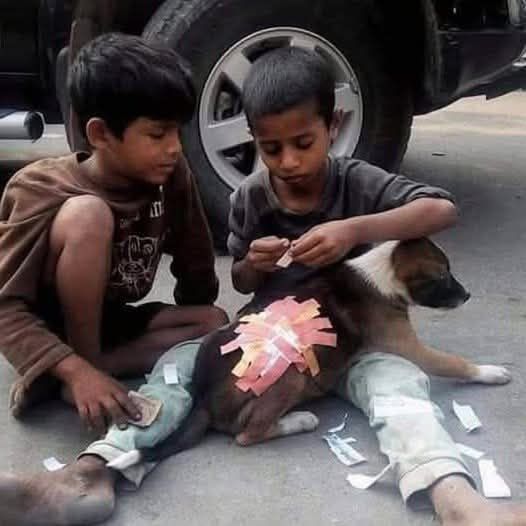
Vaccination campaigns targeting homeless populations protect everyone. By bringing immunizations directly to where homeless families stay, we prevent disease outbreaks that affect entire communities.
Reproductive health education prevents new cycles of homelessness. Teenage pregnancy rates among homeless girls are five times higher than housed peers. Compassionate, judgment-free reproductive health services break this cycle.
Human tracking initiatives connect homeless children to consistent care. Digital health records accessible across different facilities ensure kids receive appropriate follow-up care even as they move between locations.
A Call to Action for India’s Homeless Children
The crisis of child homelessness in India presents complex challenges that demand our immediate attention. From understanding the root causes—poverty, family breakdown, and lack of social safety nets—to recognizing the daily struggles these children face for survival, this issue requires comprehensive solutions. The severe impact on their development, education, and future prospects creates a cycle of poverty that becomes increasingly difficult to break without intervention.
While current support systems and government policies exist, there remains a significant gap between need and available assistance. Organizations like Railway Children are making meaningful differences, as evidenced by success stories from model programs across the country. By supporting these initiatives, volunteering your time, advocating for policy changes, or simply raising awareness, you can help transform the lives of India’s most vulnerable children. Together, we can create a future where every child has access to shelter, education, healthcare, and the opportunity to thrive.
