
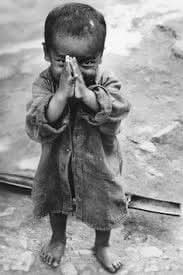
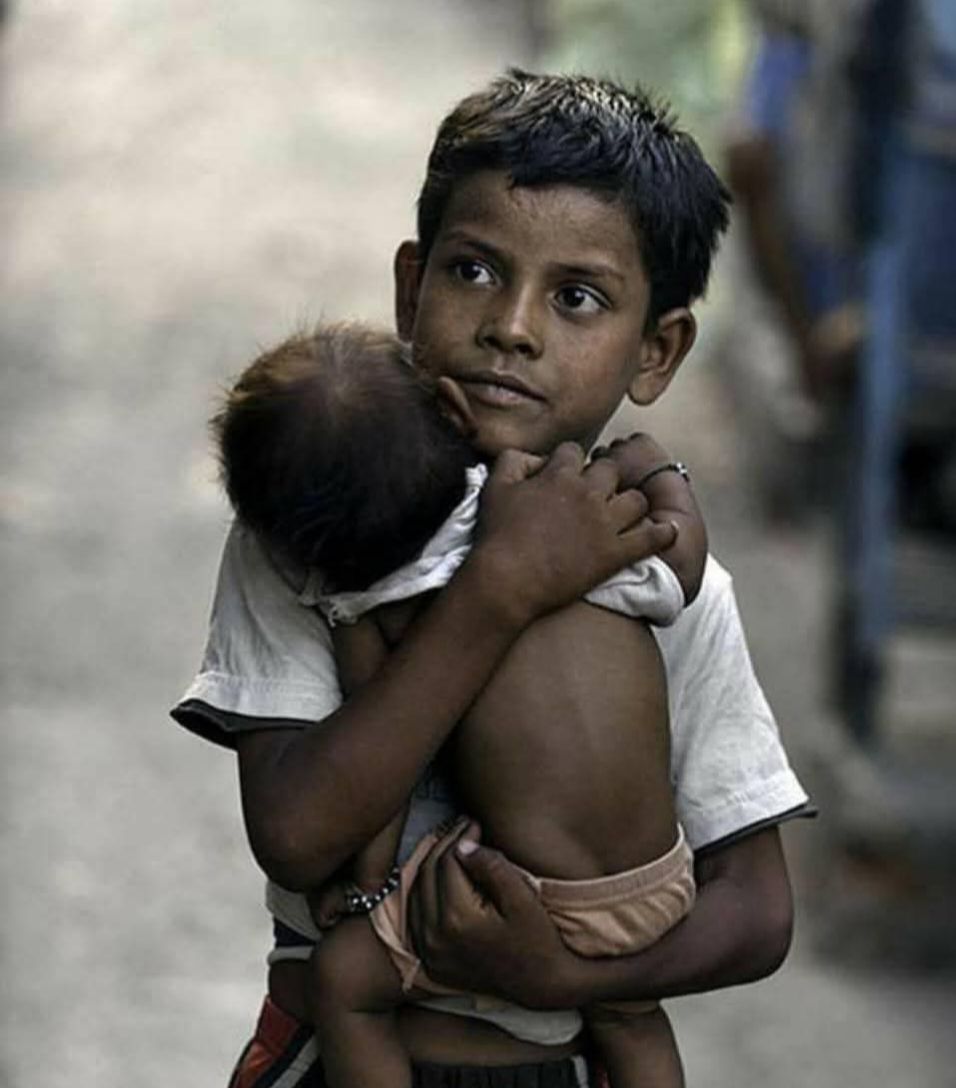
Ever wondered what childhood poverty really looks like in India’s urban centers? Behind the gleaming skyscrapers and tech hubs, 8 million children struggle to survive in urban slums – with less access to healthcare than their rural counterparts.
Let’s be real – we’re failing these kids in spectacular fashion.
Urban child poverty in India isn’t just about empty stomachs. It’s the girl missing school because there’s no toilet. The boy breathing toxic air in his makeshift home. The toddler playing in open sewage because there’s nowhere else to go.
I’m about to take you inside India’s invisible crisis – one that defies the simplistic rural-urban divide we’ve been fed for decades. And what I’ve discovered might challenge everything you thought you knew about where poverty hits hardest.
The Scale of Urban Child Poverty in India
A. Current statistics revealing the extent of the problem
The numbers are shocking. Right now, over 8 million children live in urban slums across India. That’s roughly equivalent to the entire population of Switzerland – just kids, living in extreme poverty, in India’s cities alone.
UNICEF’s latest data shows about 36% of urban children fall below the poverty line. And it gets worse. Nearly 40% of kids under five in urban slums are stunted due to malnutrition. Almost half don’t complete elementary education.
What’s really heartbreaking? About 2 million urban children engage in child labor, working in hazardous conditions instead of being in school.
B. Geographic distribution across major Indian cities
Mumbai takes the lead with the highest concentration – approximately 1.5 million children living in slums like Dharavi. Delhi follows closely with around 1.2 million, while Kolkata and Chennai each have about 800,000 and 600,000 respectively.
C. Comparison with rural child poverty rates
Urban child poverty hits different than rural poverty. The numbers tell a surprising story:
Rural child poverty stands at 41% compared to urban’s 36%. Seems better in cities, right? Not exactly.
Urban poor kids face unique challenges. They’re packed into tighter spaces, often without basic sanitation. The income gap is way more visible – imagine living in a tin shack while luxury apartments tower above you.
The cost of living in cities means that even with “higher” incomes, urban poor families often struggle more with basic necessities.

D. Recent trends and projections
The situation’s getting more complex. Urban child poverty grew by 4% in the last five years while rural rates declined by 2%.
This shift is directly tied to massive rural-to-urban migration. Families move seeking opportunity but often end up in worse conditions.
COVID-19 hit urban poor children hardest, with estimates suggesting an additional 3 million urban children fell into poverty during the pandemic.
Looking ahead? Without targeted intervention, projections show urban child poverty potentially increasing to 40% by 2030, affecting over 11 million children.
The silver lining: pilot programs focusing specifically on urban child poverty have shown promising results, with some targeted interventions reducing rates by up to 15% in test communities.
Root Causes of Urban Child Poverty
A. Migration patterns and urban population growth
Ever watched a city swell at its seams? That’s what’s happening across India right now. Families rush to cities chasing dreams of better jobs, higher wages, and brighter futures for their kids.
But here’s the brutal truth – most arrive unprepared for urban realities. Parents with farming backgrounds suddenly find themselves competing for jobs requiring completely different skills. They’re stuck between a rural past they can’t return to and an urban future they weren’t ready for.
Meanwhile, cities aren’t exactly rolling out the welcome mat. Infrastructure crumbles under the weight of new arrivals. Schools overflow. Housing prices skyrocket. And guess who suffers most? The children.
B. Income inequality in urban centers
Walk through any Indian metropolis and you’ll see it – gleaming high-rises casting shadows over sprawling slums. This isn’t just architectural contrast; it’s economic apartheid.
Urban inequality hits different than rural poverty. Kids in cities constantly see what they can’t have – good schools, safe playgrounds, proper healthcare – all just blocks away but completely out of reach.
The numbers tell a heartbreaking story. The top 10% of urban households control over 60% of urban wealth, while families at the bottom fight for crumbs. When parents struggle with multiple low-paying jobs just to afford a single room, children inherit this cycle of disadvantage.
C. Lack of affordable housing and slum proliferation
Housing isn’t just about having a roof. It’s about dignity, safety, and stability – things every child deserves.
Yet affordable housing in Indian cities has become a cruel joke. Families cram into single rooms where children study, eat, sleep, and live in suffocating proximity. Many pay exorbitant rents for spaces without basic amenities like clean water or toilets.
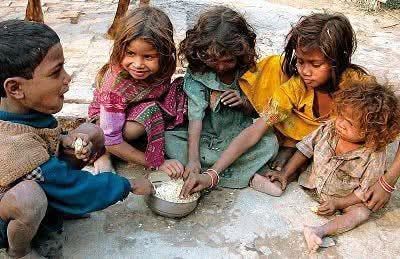
Slums become the only option, bringing additional hardships:
- Constant threat of eviction
- Exposure to crime and violence
- Health hazards from poor sanitation
- No space for play or study
- Stigma that follows children to school
A child’s development simply can’t flourish in these conditions. How do you focus on homework when there’s no table, no light, and ten people in one room?
D. Limited access to quality education
Education should be the great equalizer. But for urban poor children, schools often deepen inequality rather than cure it.
Government schools in poor urban areas typically suffer from:
- Overcrowded classrooms (60+ students)
- Teacher absenteeism
- Crumbling infrastructure
- Outdated teaching methods
- Zero technology integration
Meanwhile, private schools remain financially out of reach. The few scholarship spots become fiercely competitive.
Parents face impossible choices – send children to inadequate schools or put them to work. Many choose a third option: enrolling kids in unregulated “budget” private schools that drain family finances while providing questionable education.
E. Informal labor market challenges
The informal economy powers Indian cities while keeping families trapped in poverty. Parents working as domestic help, construction laborers, street vendors, and waste pickers face:
- No job security or contracts
- Wages well below minimum standards
- No benefits or social protection
- Dangerous working conditions
- Irregular income
This precarious employment creates a perfect storm for child poverty. When parents fall ill or face job loss, there’s no safety net. Children often must abandon education to supplement family income – selling items at traffic signals, working in restaurants, or joining their parents in manual labor.
The bitter pill? These children sacrifice their futures to help their families survive the present.
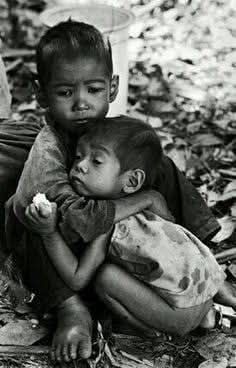
Daily Realities for Impoverished Urban Children
A. Living conditions and basic necessities
Ever seen a family of six living in a space smaller than your bathroom? That’s everyday life for millions of urban poor children in India. Most slum homes are single-room structures with zero privacy and minimal ventilation.
These kids don’t know what it’s like to have running water on demand. Instead, they stand in long lines daily just to fill a few containers. Electricity? It’s either non-existent or comes and goes like a moody teenager.
Toilets? Nearly 40% of urban poor households lack access to proper sanitation. Children often use open spaces, facing health risks and safety concerns, especially girls.
When it rains, these makeshift homes turn into nightmares – leaky roofs, flooded floors, and belongings destroyed in minutes.
B. Health challenges and malnutrition
Urban poor children are caught in a brutal health trap. The air they breathe is toxic, the water they drink is contaminated, and the food they eat (when they get it) lacks basic nutrients.
About 40% of these kids are underweight, and many show stunted growth. Their bodies simply can’t develop properly without adequate nutrition.
Diseases spread like wildfire in crowded slums. One sick child quickly means fifty sick children. Diarrhea, respiratory infections, and tuberculosis are unwelcome regulars in these communities.
The worst part? Medical help is technically nearby in cities, but might as well be on another planet. Without money for treatment or transportation to clinics, minor illnesses become life-threatening.
C. Educational barriers and dropout rates
Urban poor children face a cruel education paradox: schools are physically closer than in rural areas, yet remain frustratingly out of reach.
Hidden costs crush dreams daily. Sure, government schools might be “free,” but uniforms, books, and supplies certainly aren’t. Parents making barely enough for food can’t manage these extras.
The dropout statistics tell a heartbreaking story: nearly 40% of urban poor children leave school before completing elementary education. Girls fare even worse, often pulled out first when family finances tighten.
Those who manage to attend school face overwhelming challenges. Imagine trying to complete homework without electricity, space, or a quiet moment. Teachers often dismiss these “slum children” as hopeless cases, creating a self-fulfilling prophecy.
D. Child labor and exploitation risks
Urban poverty forces impossible choices on families. Send your child to school or send them to work so everyone can eat tonight?
Children as young as six work in dangerous conditions – construction sites, factories, waste picking, and domestic service. Their tiny bodies handle toxic materials and heavy loads that adults would struggle with.
The statistics are staggering: approximately 10.1 million child laborers in India, with urban areas seeing increasing numbers as rural families migrate seeking better opportunities.
Beyond physical labor, exploitation takes darker forms. Human trafficking networks target vulnerable urban children, particularly girls. The empty promise of a “good job” or “better life” lures many into situations they can’t escape.
Law enforcement exists on paper but rarely reaches these invisible children. They work in plain sight yet remain unseen by the systems meant to protect them.
Government Initiatives and Policy Responses
A. Urban-focused poverty alleviation programs
India’s urban poor often fall through the cracks of welfare systems. The government has finally started to notice, launching programs like the National Urban Livelihoods Mission (NULM) that targets skill development and self-employment for urban poor families.
What makes NULM different is its focus on sustainable livelihoods rather than just handouts. They’re helping street vendors secure legitimate spaces and providing microloans to women’s self-help groups.
The Smart Cities Mission, while not primarily anti-poverty focused, has earmarked portions for improving living conditions in slums. But here’s the truth – these programs reach only a fraction of urban poor children who desperately need help.
B. Educational support schemes
Have you noticed how urban poor children often attend overcrowded municipal schools with crumbling infrastructure? The Sarva Shiksha Abhiyan and Mid-Day Meal programs try to address this by ensuring free education and at least one nutritious meal daily.
The National Scheme of Incentives to Girls for Secondary Education provides financial incentives to keep teenage girls in school. Meanwhile, scholarship programs like the Pre-Matric Scholarship for children of those engaged in unclean occupations target specific vulnerable groups.
The real problem? These programs struggle with budget constraints and often don’t account for hidden costs like uniforms and supplies that keep the poorest kids out of classrooms.
C. Nutritional intervention programs
The urban version of the Integrated Child Development Services (ICDS) looks good on paper but falls short in practice. Anganwadi centers in urban slums are fewer and more overcrowded than their rural counterparts.
The Public Distribution System provides subsidized grains to poor families, but urban migrants frequently lack the documentation needed to access these benefits. The National Nutrition Mission (Poshan Abhiyaan) launched in 2018 aims to reduce stunting and undernutrition through better monitoring and convergence of existing schemes.
Urban children face unique nutritional challenges – their families may have higher cash incomes but paradoxically worse diets due to food deserts in slums and the high cost of nutritious food in cities.
D. Housing and slum rehabilitation efforts
The Pradhan Mantri Awas Yojana-Urban (PMAY-U) has ambitious goals to provide “Housing for All” by 2022. Meanwhile, the Rajiv Awas Yojana focuses specifically on slum rehabilitation and making cities slum-free.
These programs sound impressive until you look at implementation. Many rehabilitation projects relocate families to distant peripheries, disconnecting them from livelihoods and support networks. Children particularly suffer when relocated far from schools and familiar surroundings.
In-situ slum upgrading has proven more effective for child welfare, preserving community ties while improving living conditions. But these approaches remain the exception rather than the rule.
E. Implementation challenges and gaps
The gap between policy promises and ground realities is stunning. Administrative hurdles, corruption, and poor coordination between agencies mean benefits often don’t reach the most vulnerable urban children.
Many urban poor lack official documentation, making them invisible to welfare systems. Migrant families face particular challenges accessing schemes that require proof of residence or identity documents.
Budget allocations remain inadequate given the scale of urban child poverty. Meanwhile, monitoring mechanisms are weak, with little accountability when programs fail to deliver.
Urban poverty alleviation efforts still operate in silos, failing to address the interconnected nature of challenges facing poor urban children. Until we develop integrated approaches that consider housing, education, nutrition and livelihoods together, urban children will continue falling through the cracks.
NGO and Civil Society Interventions
A. Successful model programs making an impact
Amidst India’s urban child poverty crisis, several NGOs have created game-changing programs that actually work. Take Pratham’s “Urban Learning Program,” which has reached over 300,000 slum children with basic education. Their results? Reading levels improved by 40% in just six months in Mumbai’s poorest neighborhoods.
Mobile Creches stands out with their construction site daycare centers. While parents build India’s cities, their kids receive meals, healthcare, and early education instead of playing in dangerous construction zones. They’ve protected over 750,000 children since starting.
The Magic Bus program uses sports to transform lives. Starting as weekend activities, they’ve evolved into a comprehensive life-skills curriculum that’s guided more than a million children toward better education and employment. Their approach is brilliantly simple: use games kids love to teach lessons they need.
B. Community-based initiatives
The real magic happens when communities take ownership. Slum-based youth collectives like “Bal Panchayats” (Children’s Councils) have sprung up across major cities, where kids themselves identify problems and create solutions.
In Delhi’s Seemapuri slum, teenage girls formed “Kishori Shakti” groups that tackle everything from dropout prevention to fighting child marriage. These aren’t just feel-good stories – they’re achieving measurable results. School retention rates jumped 35% where these groups operate.
Urban slum women’s self-help groups have become powerhouses for child welfare. In Kolkata’s Dhapa area, mothers pooled resources to create community kitchens serving nutritious meals to hundreds of children daily. Cost per meal? Just 15 rupees.
C. Public-private partnerships addressing urban child poverty
The old government-versus-private sector debate misses the point. The best solutions combine both.
The Mumbai “Child-Friendly Wards” initiative pairs municipal resources with corporate funding and NGO expertise. Tata Trusts provides technological support, local government supplies infrastructure, and NGOs deliver services. This model has transformed 24 of Mumbai’s most vulnerable wards.
Bangalore’s “School Adoption Program” connects tech companies with public schools in slum areas. Companies don’t just donate money—they provide mentorship, infrastructure, and career guidance. Over 400 schools have been “adopted,” benefiting nearly 200,000 children.
The “Urban Health Mission” partnership between state governments and private healthcare providers has established 1,500+ urban health centers in slum areas, dramatically reducing infant mortality rates in cities like Chennai and Pune.
Pathways to Breaking the Cycle
A. Integrated urban development approaches
Breaking the cycle of child poverty isn’t just about handouts. It’s about rebuilding urban environments that work for everyone. Indian cities need comprehensive approaches that tackle housing, sanitation, education, and healthcare simultaneously.
The Rajiv Awas Yojana (RAY) showed promise by combining slum upgrading with formal property rights. When families gain legal recognition, they can access essential services and build economic stability.
What works best? Projects that don’t separate physical infrastructure from social needs. A functioning toilet means nothing if a child can’t attend school because she’s collecting water all day.
B. Strengthening social safety nets
Ever noticed how one family crisis can push a child from school to the streets? That’s why safety nets matter.
India’s safety net programs often miss urban poor families because they’re designed with rural poverty in mind. Urban-specific programs need to account for:
- Higher living costs in cities
- Lack of formal employment documentation
- Mobility of urban populations
- Different family structures
The Public Distribution System (PDS) needs portability features so families don’t lose benefits when moving between cities for work. Cash transfers like PM-KISAN could be adapted to reach urban children directly.
C. Skills development and vocational training
Traditional education often fails urban poor children. But practical skills training? That’s their ticket out.
Skill India and similar initiatives need urban-focused components that:
- Start young (12-14 years) to prevent dropout
- Offer stipends to offset the “opportunity cost” of not working
- Include mentorship from successful professionals from similar backgrounds
- Provide clear pathways to employment or entrepreneurship
The National Skill Development Corporation has shown promising results when partnering with industries that guarantee job placements after training.
D. Technology-driven solutions
Technology isn’t just for the wealthy. It’s a powerful equalizer when deployed thoughtfully.
Digital learning centers in Mumbai’s Dharavi have demonstrated how shared technology access can keep children engaged in education. Mobile health apps help parents track immunizations and development milestones without missing work.
Biometric identification systems help ensure benefits reach the intended children, not middlemen. And blockchain-based record-keeping gives children official identities, even when they lack traditional documentation.
E. Empowering urban poor communities
Nothing works without community ownership. Full stop.
The most successful interventions in places like Delhi’s Kathputli Colony and Chennai’s resettlement areas involve residents in planning and implementation. Parent committees that oversee school meal programs see better nutrition outcomes. Community-managed daycare centers show higher attendance.
Urban poor communities aren’t just beneficiaries – they’re the experts on what their children need. Policies that recognize their agency and build local leadership create sustainable change that outlasts any single government program.
Urban child poverty in India presents a complex challenge demanding immediate attention. Throughout this blog, we’ve explored the alarming scale of poverty affecting urban children, examined its root causes, and witnessed the harsh daily realities these children face. We’ve also discussed various government initiatives, NGO interventions, and policy responses aimed at addressing this critical issue.
The path forward requires a multi-faceted approach combining policy reform, educational investment, healthcare improvements, and community empowerment. By strengthening existing interventions and developing innovative solutions, we can break the cycle of poverty that traps millions of urban children. Every child deserves the opportunity to thrive, regardless of where they’re born. It’s our collective responsibility to transform this vision into reality for India’s urban children.
