
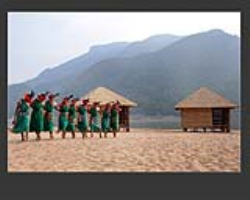
The Jaunsari Tribe stands as one of India’s most fascinating indigenous communities, preserving ancient traditions in the rugged hills of Uttarakhand. This guide is perfect for students, researchers, cultural enthusiasts, and anyone curious about India’s diverse tribal heritage.
The Jaunsari people have maintained their unique identity for centuries, blending Hindu and local customs in ways that set them apart from other mountain communities. Their story offers insights into how traditional societies adapt while holding onto their core values.
We’ll explore the rich origins and historical background of the Jaunsari people, tracing their roots back through generations of mountain life. You’ll also discover their distinctive cultural practices and traditions, including their famous polyandrous marriage system and vibrant festivals that bring entire villages together. Finally, we’ll examine the modern challenges this resilient community faces as they balance preserving their heritage with the demands of contemporary life.
Origins and Historical Background of the Jaunsari People
Ancient roots in the Himalayan foothills
The Jaunsari people trace their ancestry back thousands of years to the rugged terrain of the Himalayan foothills. Archaeological evidence suggests their ancestors were among the earliest inhabitants of the Garhwal region, establishing settlements in the remote valleys long before recorded history began. These early communities developed unique survival strategies perfectly adapted to the challenging mountain environment, creating a distinct cultural identity that persists today.
The tribe’s ancient roots run deep through the limestone caves and terraced hillsides of their homeland. Stone tools and pottery fragments discovered in the region point to continuous habitation spanning millennia. Local oral traditions speak of their forefathers as skilled hunters and gatherers who gradually transformed into accomplished agriculturalists, mastering the art of mountain farming.
Migration patterns and settlement in Uttarakhand
The Jaunsari migration story unfolds across several centuries, with different clans settling in various parts of what is now Uttarakhand. The primary concentration remains in the Jaunsar-Bawar region of Dehradun district, where approximately 300 villages house the majority of the tribal population.

Historical records indicate three major migration waves shaped their current distribution:
- First Wave (8th-10th centuries): Initial settlements in upper valleys
- Second Wave (12th-14th centuries): Expansion to middle hill regions
- Third Wave (16th-18th centuries): Movement to lower foothills
Each migration phase brought the Jaunsari into contact with different cultures, enriching their traditions while maintaining core tribal values. They established themselves in areas with favorable conditions for their mixed economy of agriculture, pastoralism, and forest-based activities.
Connection to the Mahabharata epic and Pandava lineage
The Jaunsari hold deep reverence for their claimed descent from the Pandavas of the Mahabharata epic. This connection forms the cornerstone of their cultural identity and religious practices. According to tribal legends, after the great war, the Pandavas traveled through the Himalayas, and their descendants settled in the Jaunsar-Bawar region.
This Pandava connection manifests in numerous ways throughout Jaunsari culture:
- Religious ceremonies centered around Pandava worship
- Village names derived from Mahabharata characters
- Social customs reflecting epic traditions
- Festival celebrations commemorating Pandava events
The tribe’s most significant festival, the Mahasu Devta celebration, directly honors their ancestral connection to the epic heroes. This belief system provides not just spiritual guidance but also social cohesion, uniting scattered villages under a shared mythological heritage.
Evolution through different historical periods
The Jaunsari Tribe experienced significant transformations across various historical epochs. During the medieval period, they maintained relative autonomy under local chieftains while occasionally paying tribute to larger kingdoms. The Gurkha invasion of the early 19th century brought temporary upheaval, but the community adapted by retreating to higher elevations and maintaining their cultural practices in secret.
British colonial rule introduced new challenges and opportunities. The colonial administration recognized certain traditional rights while imposing new administrative structures. This period saw the beginning of formal education and exposure to outside influences, though the Jaunsari successfully preserved their core traditions.
Post-independence India brought constitutional protections for tribal rights, officially recognizing the Jaunsari as a Scheduled Tribe. Government development programs reached their villages, introducing modern amenities while raising concerns about cultural preservation. The community continues balancing traditional ways with contemporary demands, showing remarkable resilience in maintaining their distinct identity across changing times.
Geographic Distribution and Settlement Patterns
Primary locations in Jaunsar-Bawar region
The Jaunsari Tribe calls the remote Jaunsar-Bawar region of Uttarakhand home, where they’ve established themselves across roughly 600 square kilometers of rugged Himalayan terrain. This unique geographical pocket sits between the Yamuna and Tons rivers, creating natural boundaries that have helped preserve their distinct cultural identity for centuries.
Most Jaunsari settlements concentrate in the Chakrata tehsil, with major population centers scattered across villages like Kalsi, Tyuni, Lakhamandal, and Purola. The region spans elevations from 1,000 to 3,600 meters above sea level, creating diverse microclimates that influence settlement patterns. Lower valleys house permanent villages, while higher elevations serve seasonal agricultural and pastoral purposes.
The Tons River valley represents the cultural heartland of the Jaunsari people, where some of their oldest and most significant settlements exist. Villages along this river system maintain strong traditional practices and serve as centers for community gatherings and festivals.
Village structures and community organization
Jaunsari villages follow distinctive architectural and organizational patterns shaped by both environmental demands and cultural traditions. Traditional settlements typically feature 15-50 households arranged around central courtyards or along ridgelines to maximize sunlight exposure and minimize wind damage.

Houses showcase unique multi-story wooden construction using local deodar and oak timber. Ground floors house livestock during harsh winters, while families occupy upper floors. Slate roofing and wooden balconies create the characteristic Jaunsari architectural style that blends functionality with aesthetic appeal.
Village governance operates through traditional councils called “khumbli,” where elder representatives from each household make collective decisions about land use, water rights, and dispute resolution. These councils maintain authority over local customs and serve as bridges between traditional practices and modern administrative requirements.
Community spaces include temples dedicated to local deities, common threshing grounds, and gathering areas for festivals. Water sources like natural springs often become focal points around which settlements develop, reflecting the practical considerations that guide Jaunsari village planning.
Adaptation to mountainous terrain
The Jaunsari Tribe has developed remarkable strategies for thriving in challenging Himalayan conditions. Their settlement patterns reflect deep understanding of mountain ecology, with villages positioned to avoid avalanche zones, landslide areas, and flood-prone valleys while maximizing access to water sources and arable land.
Terraced agriculture represents one of their most impressive adaptations, transforming steep slopes into productive farmland. These terraces, locally called “sers,” prevent soil erosion and create microclimates suitable for growing barley, wheat, and traditional crops like jhangora (finger millet).
Housing design incorporates natural insulation techniques using local materials. Thick stone foundations provide stability on uneven terrain, while wooden superstructures offer flexibility during seismic activity. Traditional storage systems preserve grain and other supplies through long mountain winters.
The Jaunsari people have mastered seasonal migration patterns, moving between different elevation zones to optimize resource use. Summer months see families relocating to higher pastures with livestock, while winter brings consolidation in protected valley settlements. This mobility demonstrates their sophisticated understanding of mountain ecosystems and resource management strategies that have sustained their communities for generations.
Distinctive Cultural Practices and Traditions
Unique marriage customs and polyandry system
The Jaunsari tribe practices one of the most fascinating marriage traditions in the Indian subcontinent – fraternal polyandry, where multiple brothers share one wife. This ancient system, locally called “Mahasu,” serves both economic and social purposes within their mountain communities. When the eldest brother marries, his younger brothers automatically become husbands to the same woman, creating a joint family structure that keeps land holdings intact across generations.
The marriage ceremonies themselves blend Hindu rituals with indigenous customs. The bride wears a distinctive nose ring called “nath” and receives a special headpiece that symbolizes her married status. Unlike conventional Indian marriages, Jaunsari weddings involve the entire brotherhood, with each brother participating in different ritual aspects of the ceremony.

Traditional festivals and religious ceremonies
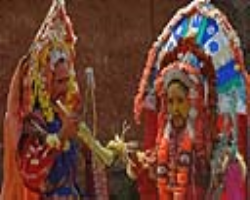
Jaunsari religious life revolves around Mahasu Devta, their primary deity, celebrated through elaborate festivals that can last several days. The Mahasu fair, held annually, brings together communities from across the region with traditional music, dance, and ritualistic offerings. During these celebrations, ornate wooden masks representing various deities are paraded through villages while devotees perform sacred dances.
Harvest festivals like “Bissu” mark agricultural cycles with community feasts and thanksgiving ceremonies. The tribe also observes unique rituals for seasonal transitions, mountain worship, and ancestor veneration that blend animistic beliefs with Hindu practices.
Folk music, dance, and storytelling heritage
Music and dance form the heartbeat of Jaunsari culture. Their traditional songs, called “Jagar,” tell epic stories of local heroes and historical events passed down through oral tradition. The haunting melodies, accompanied by drums, flutes, and traditional string instruments, create an enchanting atmosphere during festivals and ceremonies.
Dance performances often depict mythological tales and seasonal celebrations. The “Raso” dance, performed during weddings, involves intricate footwork and colorful costumes. Storytelling sessions around evening fires preserve ancient legends, moral teachings, and tribal history, ensuring cultural knowledge transfers to younger generations.
Handicrafts and artisanal skills
The Jaunsari people excel in woodcarving, creating intricate designs on doors, windows, and religious artifacts. Their carved wooden masks, used in religious ceremonies, showcase exceptional artistic skill passed down through generations. Women specialize in weaving woolen garments, blankets, and carpets using traditional looms and natural dyes extracted from local plants.
Metalwork, particularly brass and copper utensils, represents another important craft tradition. These items serve both functional and ceremonial purposes, with distinctive patterns that identify them as uniquely Jaunsari creations.
Traditional dress and ornaments
Jaunsari traditional clothing reflects their mountain lifestyle and cultural identity. Men wear white cotton kurtas with loose-fitting pajamas and woolen waistcoats called “bandi.” Women dress in colorful ghagras (long skirts) paired with fitted blouses and heavy woolen shawls decorated with intricate patterns.
The jewelry traditions are particularly striking. Women wear elaborate silver ornaments including heavy earrings, nose rings, and necklaces embedded with semi-precious stones. The “chandranhaar,” a crescent-shaped necklace, holds special significance for married women. Men sport traditional caps and sometimes silver ornaments during festivals and special occasions.

Social Structure and Community Organization
Clan System and Tribal Hierarchy
The Jaunsari Tribe operates through a well-defined clan system that forms the backbone of their social organization. Each clan, known as “khund” or “khand,” traces its lineage through patrilineal descent, with several clans sharing common ancestral origins. The major clans include Chauhan, Negi, Rawat, Thakur, and Pundir, each maintaining distinct traditions and territorial boundaries within their settlements.
The tribal hierarchy places clan elders at the apex, followed by adult male members who hold decision-making authority. This structure creates a natural order where younger generations learn from experienced members who have preserved cultural knowledge across decades. Each clan maintains its own council that addresses internal disputes and manages resource allocation within their territorial limits.
Marriage alliances between clans strengthen social bonds and create networks of mutual support. The Jaunsari people practice exogamy, meaning marriages occur outside one’s own clan, which prevents inbreeding and maintains genetic diversity. These inter-clan marriages also serve as diplomatic tools, establishing peaceful relationships and shared responsibilities between different groups.
The hierarchy extends beyond individual clans to encompass the entire Jaunsari community, where certain clans hold higher status based on their historical contributions, land ownership, or spiritual significance. This system ensures social stability while maintaining respect for traditional customs that have guided the community for generations.
Role of Elders in Decision-Making
Elders hold supreme authority in Jaunsari society, serving as living libraries of traditional knowledge and wisdom. The council of elders, called “Panch,” makes all major decisions affecting the community, from settling disputes to determining marriage arrangements and resource distribution. Their word carries legal and moral weight that younger members rarely challenge.
These respected community members possess deep understanding of customary laws, seasonal agricultural patterns, and spiritual practices that guide daily life. When conflicts arise between families or individuals, the elders convene to hear testimonies, examine evidence, and deliver judgments based on traditional precedents rather than modern legal systems.
The decision-making process involves extensive consultation among elder members, ensuring that multiple perspectives are considered before reaching conclusions. This democratic approach within the elder council prevents arbitrary decisions and maintains community trust. Young people seeking guidance on marriage, career choices, or family matters regularly consult elders whose advice shapes important life decisions.
Elders also serve as cultural guardians, determining which traditions should be preserved or adapted to changing circumstances. Their approval is essential for introducing new practices or technologies into the community, ensuring that modernization doesn’t compromise core cultural values that define Jaunsari identity.
Gender Roles and Responsibilities
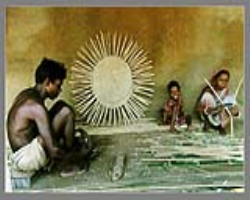
Traditional gender roles in Jaunsari society create complementary responsibilities that ensure household and community functioning. Men typically handle external affairs, including trade, political negotiations, and heavy agricultural work like plowing and harvesting. They also assume responsibility for protecting the community and maintaining relationships with neighboring tribes.
Women manage domestic spheres, including food preparation, child-rearing, and household maintenance. However, their roles extend far beyond home duties as they actively participate in agricultural activities, animal husbandry, and local crafts that generate family income. Women often possess specialized knowledge of medicinal plants and traditional healing practices that serve the entire community.
The Jaunsari Tribe recognizes women’s economic contributions through their control over dairy products, vegetable gardens, and handicraft production. Women’s councils address issues specific to female community members and provide input on decisions affecting families and children. Their voice in marriage negotiations and family planning carries significant weight.
Modern influences have begun shifting these traditional patterns, with younger Jaunsari women pursuing education and employment opportunities outside their communities. This evolution creates tension between preserving cultural values and embracing contemporary opportunities, requiring careful balance to maintain social harmony while allowing individual growth and development.
Inter-tribal Relationships and Alliances
The Jaunsari people maintain complex relationships with neighboring hill tribes through strategic alliances, trade partnerships, and cultural exchanges. These connections create networks of mutual support that have sustained mountain communities through challenging periods of political change and economic uncertainty.
Marriage alliances between Jaunsari clans and other tribal groups strengthen inter-community bonds while maintaining distinct cultural identities. Such marriages require careful negotiation to ensure compatibility between different customs and traditions. The resulting children often serve as cultural bridges, facilitating communication and understanding between diverse groups.
Trade relationships form another pillar of inter-tribal connections, with Jaunsari communities exchanging agricultural products, crafts, and specialized goods with neighboring tribes. These economic partnerships create interdependence that encourages peaceful coexistence and conflict resolution through negotiation rather than confrontation.
Festival celebrations and religious ceremonies provide opportunities for different tribes to interact, share cultural practices, and strengthen social bonds. Joint participation in regional fairs and seasonal celebrations helps maintain friendly relationships while allowing each group to showcase their unique traditions and customs.
During times of external pressure or government policies that affect all hill tribes, the Jaunsari people collaborate with neighboring communities to present unified responses and protect their collective interests and traditional rights.
Economic Activities and Livelihood Strategies
Agriculture and terraced farming techniques
The Jaunsari people have mastered the art of mountain agriculture, transforming steep hillsides into productive farmland through ingenious terracing systems. These narrow, stepped fields called “sirs” climb the mountainsides like giant staircases, preventing soil erosion while maximizing arable land in the rugged terrain of Uttarakhand’s hills.
Rice cultivation dominates the summer months, with the Jaunsari community growing traditional varieties that thrive at higher altitudes. Their expertise shows in the intricate irrigation channels that carry glacier-fed water across multiple terraces, ensuring each level receives adequate moisture. Wheat, barley, and finger millet round out the grain production, while terraced kitchen gardens burst with vegetables like radishes, turnips, and leafy greens.
The farming calendar follows ancient rhythms, with families working collectively during planting and harvest seasons. Women play crucial roles in seed selection and post-harvest processing, preserving traditional varieties that have adapted to local conditions over generations. This agricultural system doesn’t just feed families – it maintains biodiversity and prevents the landslides that plague less carefully managed hillsides.
Animal husbandry and pastoral practices
Livestock forms the backbone of Jaunsari economic life, with families maintaining carefully balanced herds that provide milk, meat, wool, and draft power. Cattle and water buffalo graze in high-altitude meadows during summer months, while goats and sheep navigate rockier terrain with remarkable agility.
The transhumant lifestyle defines much of Jaunsari pastoral practice. Herders migrate their animals between seasonal grazing grounds, moving to higher pastures as snow melts and returning to protected valleys before winter storms arrive. This movement prevents overgrazing while taking advantage of the region’s diverse ecological zones.
Traditional breeds dominate their herds – hardy animals that produce rich milk despite harsh conditions. The famous Jaunsari buffalo yields cream so thick it’s practically solid, perfect for making the clarified butter that’s essential to mountain cooking and religious ceremonies. Sheep provide wool for the thick blankets and warm clothing necessary for surviving Himalayan winters.
Each family typically owns 15-20 animals, with wealthy households maintaining larger herds. Young men often specialize as herders, spending months in high pastures where they develop intimate knowledge of weather patterns, grazing quality, and animal behavior that gets passed down through generations.
Forest-based occupations and resource utilization
Dense forests surrounding Jaunsari settlements provide countless resources that supplement household economies. Families collect medicinal plants, wild vegetables, mushrooms, and berries that add nutrition and variety to their diets while generating modest income through local markets.
Timber harvesting follows strict community guidelines that balance economic needs with forest conservation. The Jaunsari Tribe exercises traditional rights to harvest specific trees for construction, fuel, and tool-making, but village councils regulate cutting to prevent deforestation. Skilled craftsmen fashion agricultural tools, furniture, and household items from different wood types, each chosen for specific properties.
Honey collection represents a particularly specialized forest occupation. Experienced collectors scale cliff faces to reach wild hives, using traditional smoking techniques to calm bees before extracting honeycomb. This dangerous work yields valuable honey and beeswax that command premium prices in regional markets.
Non-timber forest products like medicinal herbs, pine resin, and bamboo shoots create seasonal income opportunities. Many families have encyclopedic knowledge of forest resources – knowing exactly when and where to find valuable plants, how to harvest sustainably, and which combinations create the most effective traditional medicines.
Modern conservation laws sometimes conflict with traditional practices, creating tension between forest departments and Jaunsari communities who have sustainably managed these resources for centuries.
Challenges Facing the Jaunsari Community Today
Modernization Pressures and Cultural Erosion
The Jaunsari tribe faces increasing pressure from modern society as traditional customs clash with contemporary values. Ancient practices like polyandry, once integral to Jaunsari identity, are gradually disappearing as younger generations embrace monogamous relationships. Traditional festivals and rituals struggle to maintain their authentic form as outside influences reshape their meaning and execution.
Technology penetration has disrupted age-old communication patterns within families. Elders who preserved oral histories through storytelling find fewer listeners as smartphones and television capture young minds. The traditional knowledge system, passed down through generations, faces the risk of permanent loss as fewer community members show interest in learning ancestral crafts, agricultural techniques, and medicinal practices.
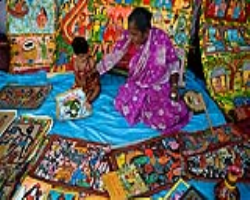
Educational systems emphasizing mainstream curricula often sideline indigenous knowledge, creating a disconnect between what children learn in schools and what their grandparents practiced. This educational gap widens the cultural divide within families, making it challenging to preserve authentic Jaunsari traditions.
Youth Migration to Urban Areas
Economic opportunities in remote Jaunsari villages remain limited, pushing young people toward cities in search of better livelihoods. This mass exodus leaves behind an aging population struggling to maintain traditional farming practices and community structures that require collective participation.
Urban migration patterns show that most educated Jaunsari youth rarely return to their ancestral villages permanently. They establish new lives in cities, marry outside the community, and gradually lose connection with their cultural roots. Their children, born and raised in urban environments, often lack exposure to Jaunsari customs and language.
The gender dimension of migration particularly affects community dynamics. Young men typically migrate first for employment, followed by women seeking educational opportunities. This trend disrupts traditional family structures where extended families lived together, sharing responsibilities and preserving cultural practices through daily interactions.
Villages that once buzzed with youthful energy now struggle with labor shortages during crucial agricultural seasons. Traditional festivals lack the vibrant participation they once enjoyed, as the demographic most enthusiastic about celebrations has moved away.
Environmental Changes Affecting Traditional Lifestyle
Climate change has significantly altered the natural environment that sustained Jaunsari communities for centuries. Unpredictable rainfall patterns disrupt traditional farming calendars, forcing farmers to abandon time-tested agricultural practices developed over generations.
Forest degradation affects the availability of medicinal plants, wild vegetables, and materials for traditional crafts. Many Jaunsari families depended on forest resources for supplementary income and daily needs. As these resources become scarce, communities must find alternative livelihood strategies that often conflict with traditional ways of life.
Water scarcity has become a pressing concern in many Jaunsari settlements. Traditional water management systems, including ancient irrigation channels and community wells, require constant maintenance that becomes difficult with reduced population and changing precipitation patterns.
The changing ecosystem also affects traditional festivals and rituals tied to seasonal cycles. Harvest festivals lose their significance when crop patterns become unpredictable, and ceremonies connected to specific natural phenomena struggle to maintain relevance as environmental conditions shift.
Government Policies and Development Impacts
Development projects, while bringing modern amenities, often overlook Jaunsari community needs and cultural sensitivities. Road construction and infrastructure development sometimes displace families from ancestral lands without adequate consultation or compensation that considers cultural attachment to specific locations.
Educational policies promoting standardized curricula rarely include provisions for teaching indigenous languages or traditional knowledge systems. This approach creates educated youth who may excel in mainstream subjects but lack connection to their cultural heritage.
Tourism promotion in Jaunsari regions brings economic opportunities but also poses risks to cultural authenticity. Commercialization of traditional practices for tourist consumption can lead to the superficial presentation of cultural elements while genuine practices fade away.
Forest conservation policies, while environmentally important, sometimes restrict traditional practices like collecting medicinal plants or grazing livestock. These regulations can disrupt livelihood patterns that Jaunsari communities have sustained for generations without causing environmental damage.
Land acquisition for development projects often fails to account for the collective land ownership patterns traditional to Jaunsari society. Individual compensation models don’t address the community-based resource management systems that have historically defined Jaunsari settlements.
The Jaunsari tribe stands as a remarkable example of how ancient traditions can persist in our modern world. From their unique origins and strategic mountain settlements to their distinctive cultural practices and tight-knit community structure, the Jaunsaris have maintained their identity while adapting to changing times. Their traditional economic activities, rooted in agriculture and forest resources, showcase a deep understanding of sustainable living that many communities could learn from.
Today’s challenges – from modernization pressures to environmental changes – threaten this rich cultural heritage. Supporting the Jaunsari community means recognizing their valuable contributions to India’s cultural diversity and helping preserve their traditional knowledge systems. Visit their regions respectfully, buy their handcrafted products, and spread awareness about their unique way of life. The survival of indigenous cultures like the Jaunsaris enriches us all and keeps alive wisdom that took centuries to develop.
