

The Tharu Tribe stands as one of Nepal and northern India’s most fascinating indigenous communities, with a rich heritage spanning centuries in the Terai lowlands. This guide is perfect for cultural enthusiasts, researchers, students, and travelers who want to understand this unique ethnic group beyond surface-level facts.
You’ll discover the deep historical roots and origins that shaped the Tharu people into who they are today. We’ll explore their traditional lifestyle and the clever sustainable practices they’ve used to thrive in challenging wetland environments. Finally, we’ll look at their vibrant cultural heritage – from colorful art forms to ancient traditions – and examine how modern pressures are transforming their communities while they work to preserve their identity.
Origins and Historical Background of the Tharu People
Ancient roots in the Terai region spanning Nepal and India
The Tharu Tribe traces its origins back thousands of years to the fertile Terai plains that stretch across southern Nepal and northern India. Archaeological evidence and oral traditions suggest the Tharu people descended from ancient Indo-Aryan populations who migrated to this lowland region during prehistoric times. Their genetic makeup reveals a fascinating blend of indigenous South Asian, Tibeto-Burman, and Indo-European ancestries, creating a unique ethnic identity that has persisted through millennia.
These ancestral communities chose the Terai as their homeland due to its abundant natural resources, including dense forests, fertile alluvial soil, and numerous rivers. The region’s strategic location between the Himalayan foothills and the Gangetic plains provided access to diverse ecosystems and trade routes, allowing early Tharu settlements to flourish while maintaining their distinct cultural practices.
Evolution from indigenous forest dwellers to settled communities
Originally, the Tharu lived as semi-nomadic forest dwellers, moving seasonally through the dense jungles of the Terai. They practiced shifting cultivation, hunting, fishing, and gathering wild plants for sustenance and medicine. Their intimate knowledge of forest ecology allowed them to thrive in an environment that many other communities found inhospitable.
Over centuries, the Tharu gradually transitioned to more settled agricultural communities while retaining their deep connection to the forest. They developed sophisticated farming techniques adapted to the Terai’s seasonal flooding patterns, cultivating rice, wheat, maize, and various cash crops. Traditional Tharu settlements, known as “toles,” were strategically positioned on slightly elevated ground to avoid monsoon floods while maintaining easy access to agricultural fields and forest resources.
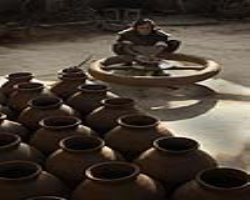
This evolution wasn’t uniform across all Tharu communities. Different subgroups developed varying degrees of sedentarization based on local environmental conditions and external pressures. Some groups maintained more nomadic lifestyles well into the modern era, while others established permanent villages centuries ago.
Historical resilience against malaria and jungle diseases
One of the most remarkable aspects of Tharu history is their natural resistance to malaria and other tropical diseases that plagued the Terai region. This biological adaptation gave them a significant advantage over outsiders who attempted to settle in the area, earning the Terai a reputation as a “death zone” for non-indigenous populations.
The Tharu developed this resistance through centuries of exposure to malaria-carrying mosquitoes and other disease vectors common in their marshy, forested homeland. Medical research has identified genetic variations in Tharu populations that provide enhanced protection against malaria, similar to adaptations found in other tropical populations worldwide.
This natural immunity became both a blessing and a burden. While it allowed Tharu communities to flourish in regions others avoided, it also led to their exploitation as laborers in malaria-prone areas. Colonial administrators and later governments often employed Tharu workers for projects in disease-affected regions, sometimes under harsh conditions.
Cultural preservation through centuries of isolation
The geographic and biological barriers that protected Tharu communities from outside diseases also provided cultural insulation that helped preserve their unique traditions, languages, and social practices. The dense forests and seasonal flooding of the Terai created natural boundaries that limited extensive contact with neighboring societies for much of their history.
This relative isolation allowed the Tharu to maintain distinct cultural elements including their own languages (part of the Indo-Aryan family), traditional belief systems blending animism with later Hindu influences, and unique artistic expressions in architecture, crafts, and performing arts. Their oral traditions preserved ancient stories, genealogies, and ecological knowledge that might otherwise have been lost.
Different Tharu subgroups developed regional variations in culture and dialect while maintaining core shared identities. These variations reflect local environmental adaptations and limited historical contact with different neighboring populations, creating a rich tapestry of related but distinct Tharu cultures across the Terai region.

Geographic Distribution and Settlement Patterns
Primary habitations across Nepal’s southern plains
The Tharu people call the fertile Terai region of southern Nepal their ancestral home, where they’ve established vibrant communities across a 600-mile stretch of lowland plains. These settlements cluster primarily in districts like Chitwan, Nawalparasi, Banke, Bardiya, and Kailali, forming a cultural corridor that runs parallel to the Indian border.
Chitwan stands out as perhaps the most significant Tharu stronghold, where traditional villages blend seamlessly with conservation areas and modern development. Here, communities like Sauraha and Bachauli showcase the tribe’s deep connection to the land through their distinctive longhouses and communal farming practices. The western districts of Banke and Bardiya host some of the largest Tharu populations, with settlements that have maintained their traditional governance systems and cultural practices despite increasing modernization.
These communities typically organize themselves around extended family clusters, with villages featuring the characteristic Tharu architecture of mud-brick homes adorned with colorful geometric patterns. The strategic positioning of these settlements near rivers and fertile agricultural land reflects centuries of adaptation to seasonal flooding and agricultural cycles.
Cross-border communities in Uttar Pradesh and Bihar
The Tharu identity extends well beyond Nepal’s borders, with substantial populations residing in the adjacent Indian states of Uttar Pradesh and Bihar. These cross-border communities share linguistic ties, cultural practices, and kinship networks that have persisted despite political boundaries drawn during colonial times.
In Uttar Pradesh, Tharu communities concentrate in districts like Lakhimpur Kheri, Pilibhit, and Bahraich, where they maintain similar traditional lifestyles to their Nepalese counterparts. The Katarniaghat Wildlife Sanctuary area hosts several Tharu villages that practice sustainable forest management techniques passed down through generations.

Bihar’s Tharu populations, though smaller, occupy strategic locations along the Gandak and other river systems. These communities often serve as cultural bridges, facilitating trade and social connections between Nepalese and Indian Tharu groups. Marriage alliances, seasonal migration patterns, and shared festivals create a transnational Tharu identity that transcends modern political boundaries.
The linguistic variations among these cross-border communities reflect geographical influences while maintaining core Tharu cultural elements. Local dialects incorporate Hindi, Bhojpuri, and Nepali influences, creating unique regional expressions of Tharu identity.
Adaptation to wetland and grassland ecosystems
The Tharu Tribe has developed remarkable strategies for thriving in the challenging wetland and grassland environments of the Terai. Their settlements demonstrate sophisticated understanding of seasonal flooding patterns, with elevated platforms and water management systems that protect homes and livestock during monsoon seasons.
Traditional Tharu villages feature intricate drainage systems and communal ponds that serve multiple purposes – flood control, fish farming, and water storage for dry seasons. These engineered wetlands support biodiversity while providing sustainable livelihoods through aquaculture and water buffalo farming.
Grassland management represents another area of Tharu expertise. Communities practice controlled burning and rotational grazing that maintains healthy grassland ecosystems while supporting their cattle-based economy. They’ve developed specialized knowledge about native grasses, understanding which species provide optimal nutrition for different livestock at various times of year.
The tribe’s adaptation strategies include elevated granaries that protect food stores from flooding, boat-building traditions that enable transportation during high water periods, and diverse crop selection that maximizes yields across varying soil moisture conditions. Their traditional calendar aligns agricultural activities with natural cycles, demonstrating intimate knowledge of local ecological patterns.
These wetland and grassland adaptations have enabled Tharu communities to flourish in environments that other groups found challenging, establishing them as master practitioners of sustainable ecosystem management long before modern conservation science recognized these principles.
Traditional Lifestyle and Sustainable Living Practices
Time-tested agricultural techniques in flood-prone areas
The Tharu people developed remarkable farming methods that work brilliantly in areas where flooding happens regularly. Their raised-bed farming system, called “dhap,” creates elevated plots that stay above water during monsoon floods. These beds drain excess water naturally while keeping crops safe and dry.
Rice cultivation forms the backbone of Tharu agriculture, with varieties specifically chosen for their flood tolerance. The community plants different rice types at staggered intervals, ensuring continuous harvests even when water levels fluctuate dramatically. Their traditional plowing techniques use wooden implements that don’t compact waterlogged soil like modern machinery would.
Crop rotation patterns follow ancient wisdom, alternating between rice, wheat, lentils, and mustard to maintain soil fertility without chemical fertilizers. The Tharu also practice mixed farming, growing vegetables on field edges and maintaining fish in flooded paddies – a brilliant way to maximize food production from limited land.
Harmonious coexistence with wildlife and natural resources
Living alongside tigers, elephants, and rhinoceros requires special knowledge that the Tharu tribe has mastered over centuries. Their settlements feature strategic layouts with buffer zones between homes and forest edges, reducing human-wildlife conflicts significantly.
Traditional Tharu houses use local materials like bamboo, thatch, and mud that blend seamlessly with the natural environment. These structures can be quickly rebuilt after animal damage without depleting precious resources. The community maintains sacred groves called “devrai” where hunting is strictly forbidden, creating wildlife corridors that benefit both animals and people.
Water management systems include community ponds that serve multiple purposes – irrigation, fish farming, and wildlife watering holes. During dry seasons, these water bodies become crucial gathering spots for animals, allowing the Tharu to monitor wildlife movements and adjust their activities accordingly.
The tribe practices controlled burning of grasslands to promote new growth for grazing animals while preventing destructive wildfires. This ancient technique maintains the delicate balance between human needs and ecosystem health.
Seasonal migration patterns and land management
Tharu communities follow carefully planned seasonal movements that optimize resource use while allowing natural areas to recover. During monsoon months, families often relocate to higher ground, leaving flooded agricultural areas to rejuvenate naturally with nutrient-rich silt deposits.
Winter brings opportunities for forest resource collection, with specific families assigned to harvest different materials – some gather bamboo, others collect medicinal plants, and designated groups manage honey collection. These rotational responsibilities prevent overexploitation of any single resource.
Grazing management involves moving livestock between different pasture areas throughout the year. Cattle graze in harvested rice fields during winter, naturally fertilizing the soil with their manure while finding abundant fodder. During growing seasons, animals move to forest edges and fallow lands.
Community councils oversee land allocation decisions, ensuring fair distribution of fertile plots while maintaining buffer zones around water sources. Traditional boundaries marked by specific trees or natural landmarks help prevent conflicts and maintain sustainable usage patterns across generations.
Indigenous knowledge of medicinal plants and herbs
The Tharu tribe possesses an extensive pharmacopeia of forest-based remedies passed down through generations of healers called “guruwa.” These traditional doctors can identify over 200 medicinal plants and their specific uses for treating everything from common colds to complex digestive disorders.
Neem leaves serve multiple purposes – from treating skin conditions to acting as natural pesticides in grain storage. Tulsi plants grown in family courtyards provide respiratory relief, while wild turmeric harvested from forest floors creates powerful anti-inflammatory medicines.
Seasonal collection calendars ensure medicinal plants are gathered at optimal potency levels. Root medicines like “chirayita” are collected during specific moon phases when active compounds reach peak concentration. Bark harvesting follows sustainable practices that allow trees to heal and continue growing.
Women traditionally serve as keepers of medicinal knowledge, teaching daughters and daughters-in-law the intricate preparation methods. Different ailments require specific combinations, preparation techniques, and administration timing that must be precisely followed for maximum effectiveness.
The community maintains medicinal plant gardens near villages, cultivating commonly used species while reducing pressure on wild populations. This careful balance between wild harvesting and cultivation ensures continuous access to traditional medicines without depleting natural resources.
Rich Cultural Heritage and Artistic Traditions
Vibrant festivals celebrating harvest and nature cycles
The Tharu people celebrate their deep connection to the land through colorful festivals that mark the agricultural calendar and seasonal changes. Maghi, their most significant celebration, welcomes the new year with elaborate feasts featuring traditional delicacies like dhikri and bagiya. During this three-day festival, families gather to share stories, exchange gifts, and perform ritual dances that honor their ancestors and ensure prosperity for the coming year.
Dashain brings another wave of celebration, where communities come together to worship Durga and celebrate the triumph of good over evil. The festival includes buffalo sacrifices, traditional games, and the famous Tharu stick dance performed by men in colorful traditional attire. Holi transforms entire villages into canvases of vibrant colors, as people playfully throw gulal and celebrate the arrival of spring with music and dance.
Traditional music, dance, and storytelling customs
Music and dance form the heartbeat of Tharu cultural expression. The madal drum creates rhythmic foundations for their performances, while the harmonium and flute add melodic layers to traditional songs. Women perform the graceful Jhumra dance during festivals, moving in synchronized circles while wearing their distinctive ghagra cholis adorned with silver jewelry.
Storytelling holds a special place in Tharu tradition, with elders passing down oral histories through captivating tales of brave warriors, clever farmers, and mythical creatures. These stories, told around evening fires, preserve their cultural memory and teach younger generations about their heritage, values, and connection to the natural world.
Distinctive architecture using local materials
Tharu houses showcase remarkable architectural wisdom adapted to their environment. Built on raised platforms to protect against flooding during monsoons, these structures use locally sourced materials like bamboo, wood, mud, and thatch. The distinctive sloping roofs efficiently channel rainwater, while wide verandas provide cool spaces for daily activities and social gatherings.
Interior walls feature intricate mud plaster designs called aipan, created by women using natural pigments and rice paste. These geometric patterns and motifs represent fertility, prosperity, and protection. The houses typically include separate areas for livestock, grain storage, and family living spaces, reflecting their agricultural lifestyle and practical needs.
Intricate handicrafts and pottery techniques
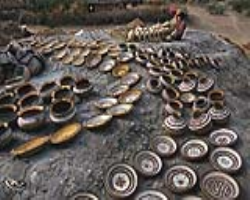
Tharu artisans create beautiful handicrafts using traditional techniques passed down through generations. Women weave colorful textiles on handlooms, producing distinctive fabrics with geometric patterns that tell stories of their culture. Their pottery work includes decorative water vessels, grain storage containers, and ritualistic items shaped by hand and fired in simple kilns.
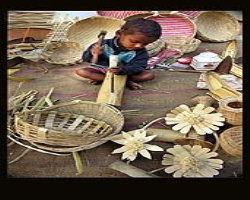
Bamboo craftsmanship reaches artistic heights in their creation of baskets, mats, and household items. Men skillfully weave these functional pieces that serve daily needs while displaying aesthetic beauty. The Tharu also create intricate jewelry using silver, beads, and shells, with designs that hold cultural significance and mark different life stages and social positions.
Sacred rituals connecting community with ancestors
Spiritual practices among the Tharu people center around maintaining harmony between the living and ancestral worlds. The Guruwa, their traditional healer and spiritual guide, performs elaborate rituals to communicate with spirits and ancestors during important life events and community celebrations. These ceremonies often involve offerings of rice, flowers, and locally brewed alcohol.

Ancestor worship plays a central role in their spiritual life, with families maintaining small shrines in their homes where they regularly offer prayers and food to deceased family members. The Tharu believe their ancestors continue to guide and protect the community, making these rituals essential for maintaining spiritual balance and ensuring good fortune for future generations.
Modern Challenges and Socioeconomic Transformation
Land Rights Disputes and Displacement Issues
The Tharu community faces ongoing struggles with land ownership that threaten their ancestral way of life. Government forest conservation policies have frequently displaced Tharu families from lands they’ve inhabited for generations. Many families lost access to traditional farming areas when national parks and protected forests were established, often receiving little to no compensation.
Land grabbing by outsiders represents another significant challenge. As the Terai region becomes more economically valuable, powerful individuals and corporations have seized Tharu lands through legal loopholes or fraudulent documentation. The community’s traditional informal land tenure systems don’t always align with modern legal frameworks, leaving them vulnerable to exploitation.
Resettlement programs have relocated many Tharu families to less fertile areas, disrupting their agricultural practices and cultural connections to specific locations. These forced migrations have weakened community bonds and traditional governance structures that once provided social stability.
Educational Opportunities and Literacy Development
Educational access has improved dramatically for the Tharu people over the past two decades, though significant gaps remain. Government initiatives and NGO programs have established schools in remote Tharu settlements, bringing formal education closer to children who previously had no access.
Language barriers create substantial learning challenges. Most schools conduct classes in Nepali or Hindi, while Tharu children speak their native language at home. This linguistic disconnect often leads to poor academic performance and higher dropout rates, particularly among girls who face additional cultural pressures to prioritize household responsibilities.
Adult literacy programs have gained traction in many Tharu communities. Women’s groups organize informal learning circles where adults practice reading and basic mathematics. These programs have proven especially valuable for mothers who want to help their children with homework and participate more fully in community decision-making processes.
Higher education remains largely inaccessible due to financial constraints and cultural expectations. However, scholarship programs and awareness campaigns have encouraged more Tharu youth to pursue technical training and college degrees, creating new pathways for economic mobility.
Healthcare Access and Nutrition Improvements
Healthcare infrastructure in Tharu regions has expanded significantly, though quality and accessibility vary widely between communities. Mobile health clinics now reach remote settlements that previously relied entirely on traditional healing practices. These services provide basic medical care, vaccinations, and maternal health support.
Malnutrition remains a persistent problem, particularly among children and pregnant women. Traditional Tharu diets, while culturally significant, sometimes lack diverse nutrients needed for optimal health. Community health workers have introduced nutrition education programs that blend traditional foods with modern dietary knowledge.
Mental health support has become increasingly important as communities navigate rapid social changes. Some Tharu individuals struggle with depression and anxiety related to cultural displacement and economic uncertainty. Culturally sensitive counseling services are slowly being developed to address these needs while respecting traditional beliefs about emotional wellbeing.
Water sanitation projects have dramatically reduced waterborne diseases in many Tharu settlements. Clean water access, once a major health challenge, has improved through community-managed wells and filtration systems.
Economic Diversification Beyond Subsistence Farming
The Tharu economy is gradually shifting from purely subsistence agriculture to more diverse income sources. Eco-tourism has emerged as a promising opportunity, with some communities offering cultural experiences and homestays to visitors interested in traditional lifestyles. These programs provide income while allowing the Tharu to share their heritage on their own terms.
Small-scale entrepreneurship is growing among Tharu women, who have formed cooperatives to produce and market traditional crafts, textiles, and food products. These businesses generate income while preserving cultural skills and knowledge that might otherwise disappear.
Agricultural modernization presents both opportunities and challenges. While improved farming techniques and crop varieties can increase yields and profits, they also require capital investments that many Tharu families cannot afford. Some communities have successfully adopted organic farming methods that command premium prices in urban markets.
Seasonal labor migration has become common, with many Tharu men working in construction or factories during non-farming seasons. While this provides additional income, it also strains family structures and community cohesion. Women often bear increased responsibilities when men leave for work, creating both empowerment opportunities and additional burdens.
The Tharu people represent a remarkable example of how indigenous communities can maintain their cultural identity while adapting to modern realities. From their ancient origins to their current geographic spread across the Terai region, they’ve developed sustainable living practices that offer valuable lessons for environmental conservation. Their rich artistic traditions, vibrant festivals, and deep connection to the land showcase a culture that has thrived for generations through harmony with nature.
Today’s Tharu communities face the complex task of balancing tradition with progress as they navigate socioeconomic changes and modern challenges. Supporting their efforts to preserve cultural heritage while embracing opportunities for education and development can help ensure this incredible community continues to flourish. By learning from their sustainable practices and respecting their cultural wisdom, we can appreciate how indigenous knowledge contributes to our shared understanding of living in balance with the environment.
